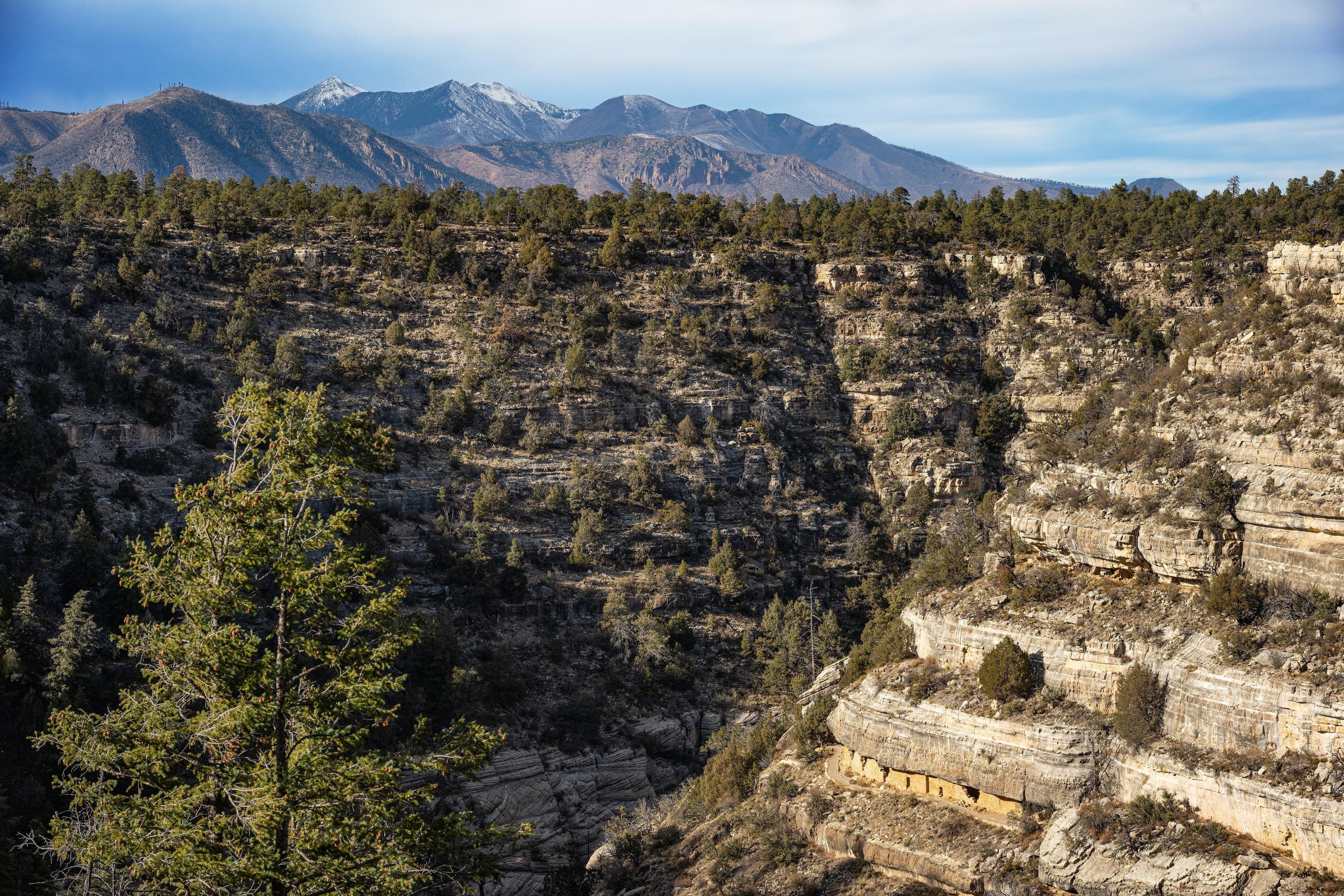
Walnut Canyon National Monument
Arizona
Tonight
🌓 65% moon
9 h fully dark
Crowds
low
Open today
Open
Entrance
$25
Stage 1 Fire Restrictions
Stage 1 Fire Restrictions begin May 21st. Igniting or using fires fueled by combustible materials, that create an open flame, is strictly prohibited. Smoking is only allowed within an enclosed vehicle or developed site. For details on fire restrictions, visit https://wildlandfire.az.gov/fire-restrictions
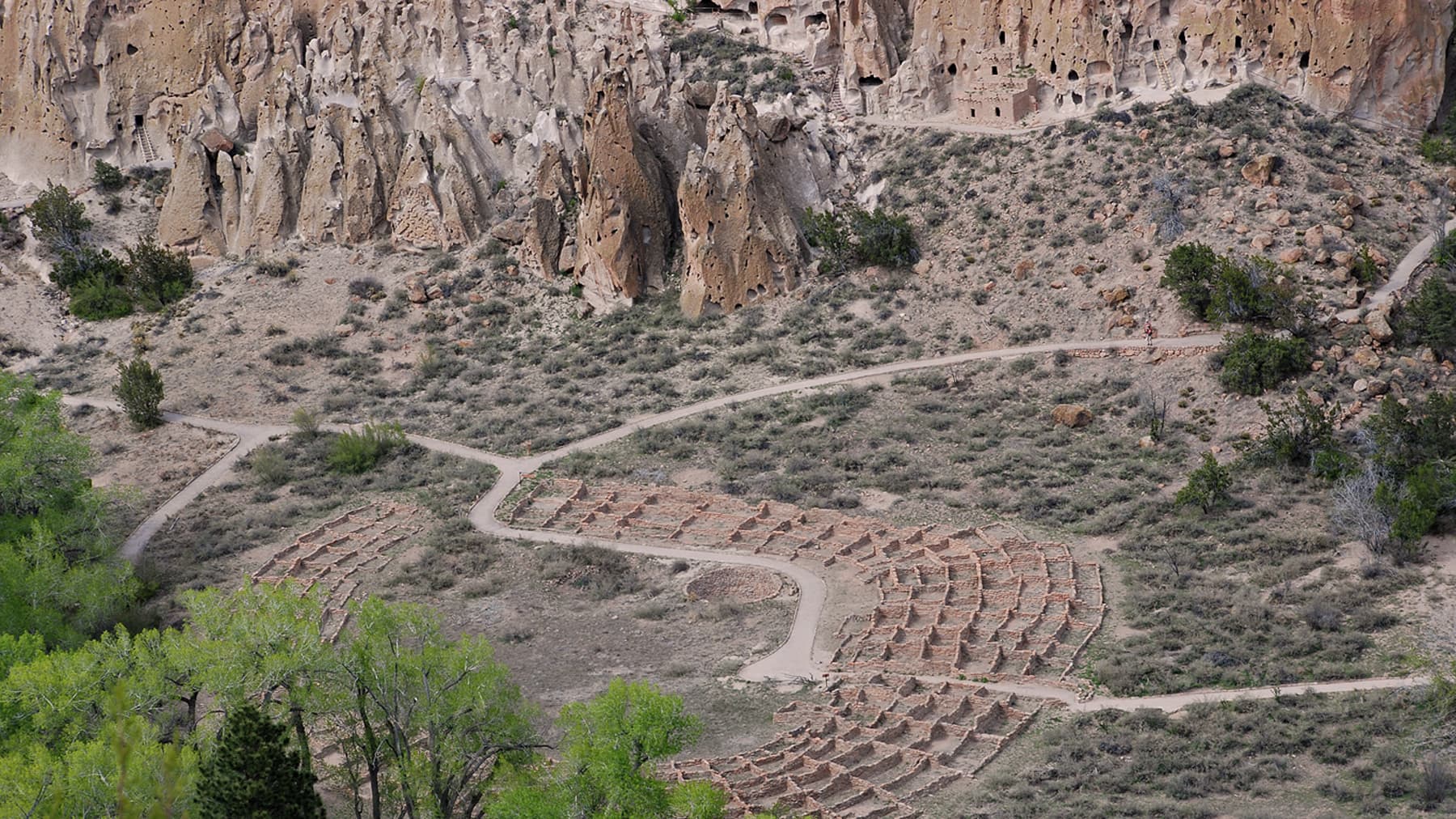
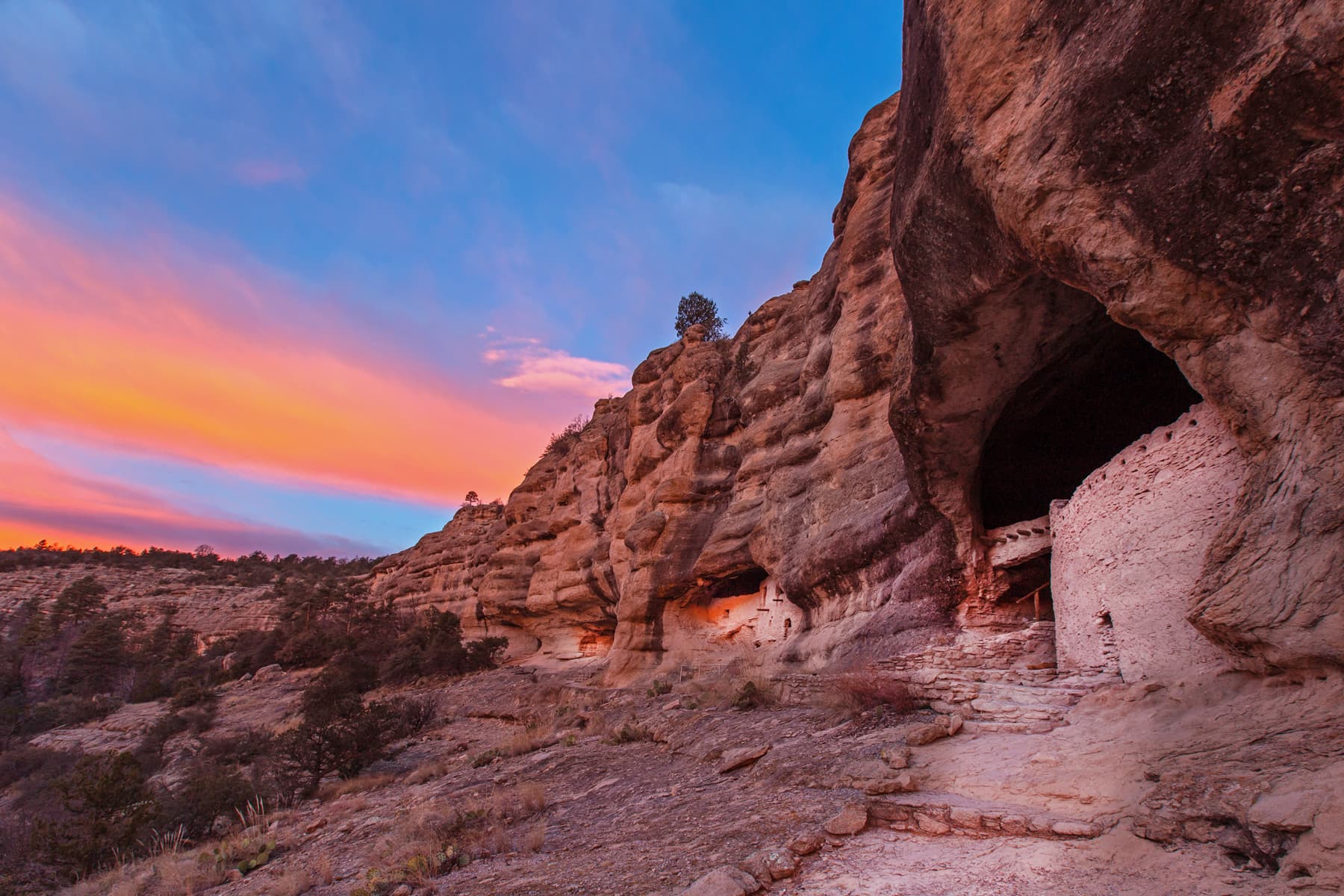
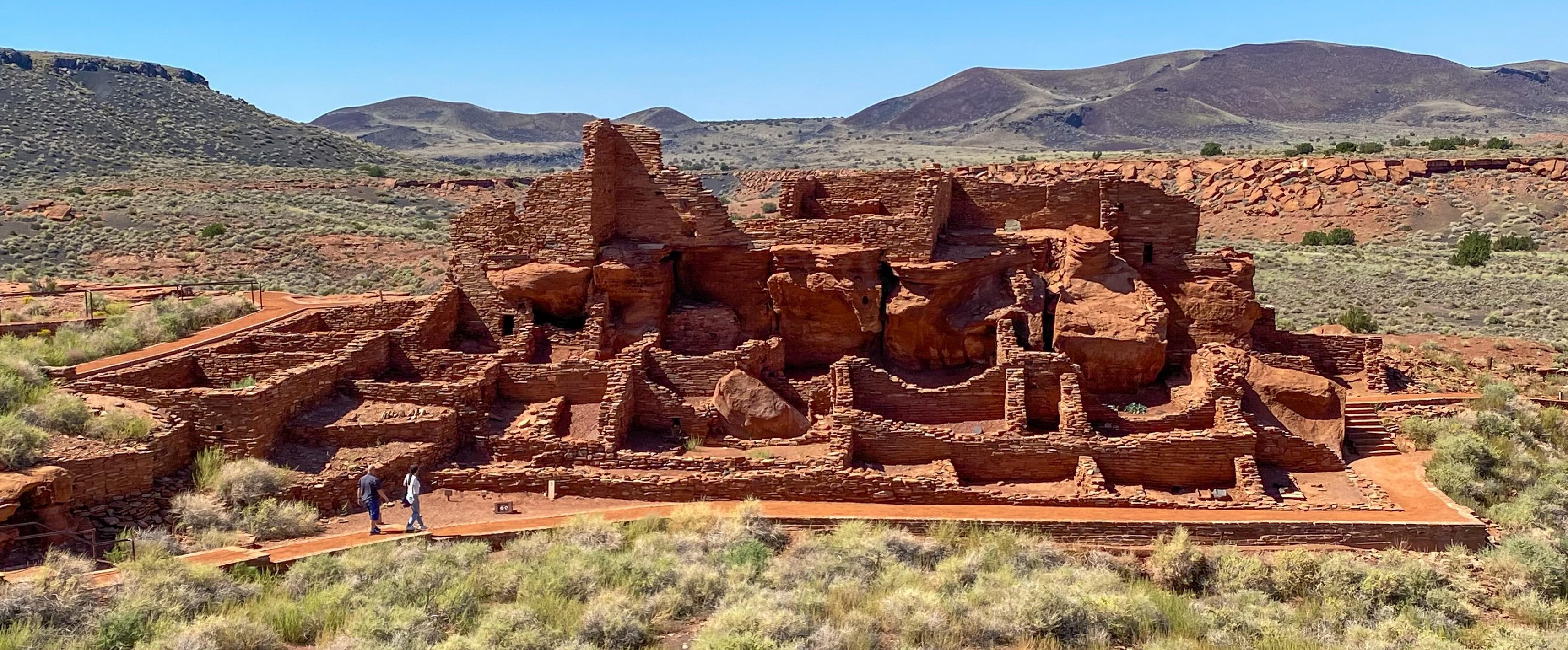
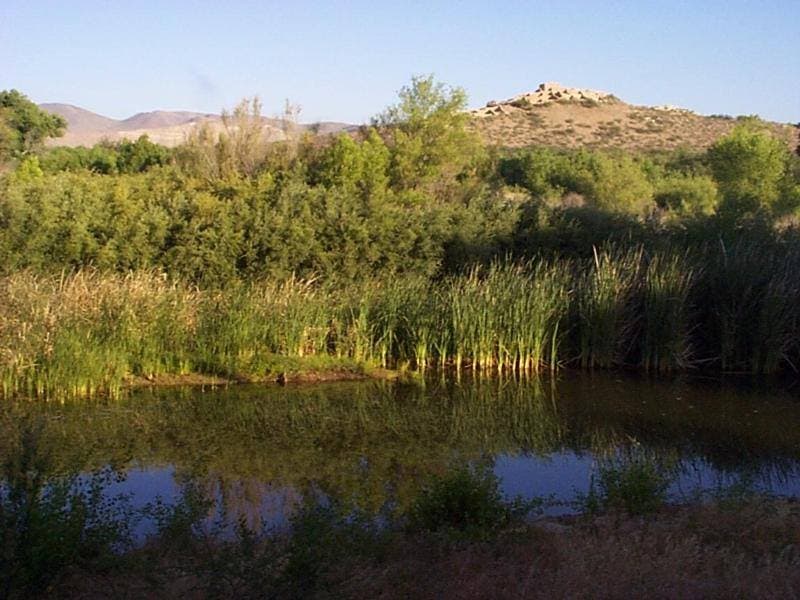
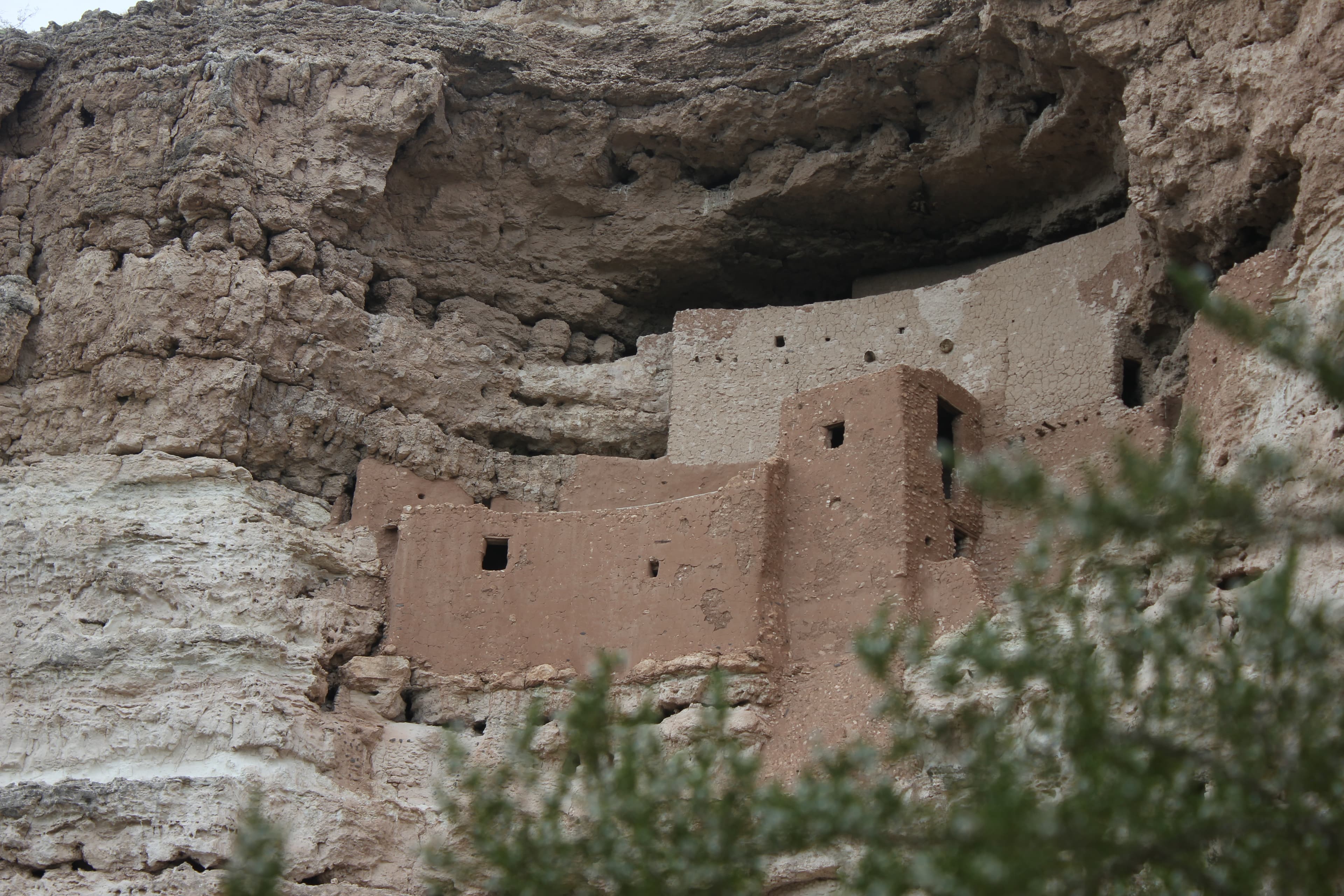
Official NPS alert →Since time immemorial, Indigenous Peoples have lived and traveled throughout Walnut Canyon’s dynamic landscape. Vibrant communities built their homes in the cliffs and farmed along the canyon’s rim. Today the park preserves this landscape, and the ancestral homes in and around the canyon.
Activities
Topics
Entrance fees
$25.00 — Entrance - Private Vehicle
$20.00 — Entrance - Motorcycle
$15.00 — Entrance - Per Person
$15.00 — Entrance - Non-commercial Groups
$0.00 — Entrance - Education/Academic Groups
$28.00 — Commercial Entrance - Sedan
$40.00 — Commercial Entrance - Van
$100.00 — Commercial Entrance - Motor Coach
Hours & seasons
Walnut Canyon National Monument is open daily from 9:00 a.m. to 5:00 p.m. Access to park's trails and views of the canyon are not accessible outside of operating hours. Access to the Island Trail closes at 4:00 pm. Visitors are encouraged to begin the Rim Trail by 4:30 p.m. to ensure enough time to complete the trail by 5:00 p.m. when the park's gates are closed. *The park is closed on December 25th, and January 1st. During these closures there is no access to park trails or viewpoints.
Generally open:
winterspringsummerfallHours are reported by the park — verify before you go.
📞 9285263367
✉ flag_information@nps.govConditions
Quietest months (fewer crowds): Jan
Typical crowds: low
Weather now: ⛅ Partly cloudy, 75°F
☁️ 78°/50°
☁️ 76°/56°
🌦️ 76°/55°
Typical monthly recreation visits · NPS avg 2023–2025 — orange months are the quietest by crowds.
Quietest months
Relative crowds by month — lighter is quieter; ringed months are the calmest by crowds.
Jan
28%
Feb
45%
Mar
80%
Apr
100%
May
97%
Jun
72%
Jul
71%
Aug
56%
Sep
68%
Oct
49%
Nov
45%
Dec
48%
Log a sky reading
Measured the sky with an SQM meter or app? Add your reading (16 = city glow … 22 = pristine). Opt in under “Travelers like you” to share it on the community leaderboard.
Things to do
Become a Junior Ranger at Walnut Canyon · The time it takes to complete your booklet will depend on the activities that you choose. If you don't complete your activities while you're at the park a ranger can deputize one of the adults with you and give them your badge so you can finish your booklet later. You can also choose to mail your booklet back to the park to receive your badge.
Visitor centers
Walnut Canyon Visitor Center
Accessibility
1 audio-described place(s)
Reported by the park — verify before you go.
Parking
Visitor Center Parking Lot · 35 accessible spaces
Not an official safety source — always defer to NPS.gov and rangers for life-safety decisions.
By the numbers
A visual read on Walnut Canyon National Monument — its character, trails, sky, and weather.
Park fingerprint
How this park scores across the dimensions travelers care about.
Trail difficulty
Difficulty mix across this park's trails.
3-day forecast
Daily high and low temperatures (°F).
People & stories
Figures tied to Walnut Canyon National Monument — each spans a cross-park journey.
Frank "Boss" Pinkley
— Pinkley, Boss, NPS HistoryWilla Cather
— Women's History, Nebraska, AuthorsPassport stamps
Mark the stamps you've collected — they show in your memory and along your routes.
🎫 Walnut Canyon Visitor Center
Places to see
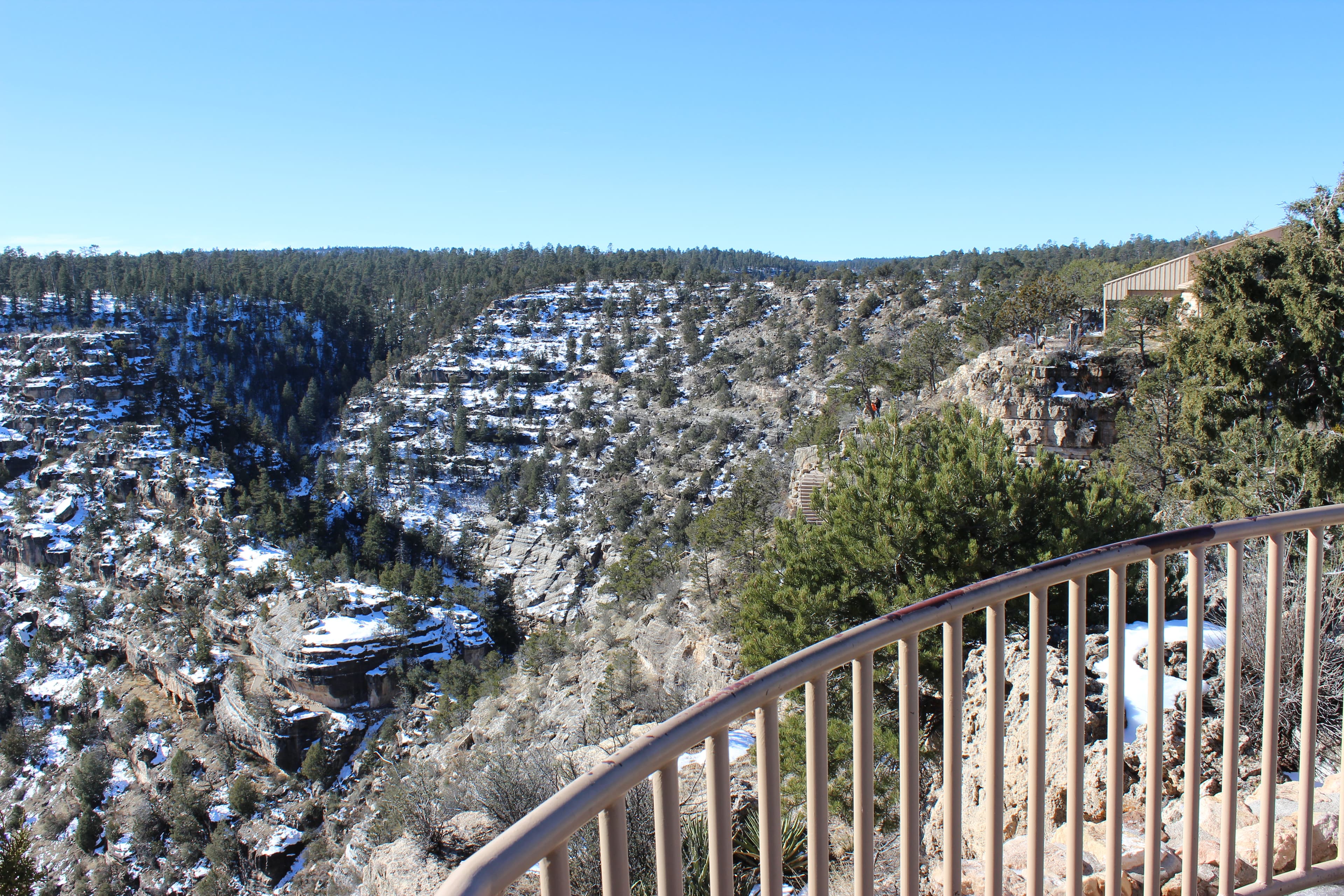
Accessible Scenic Overlook
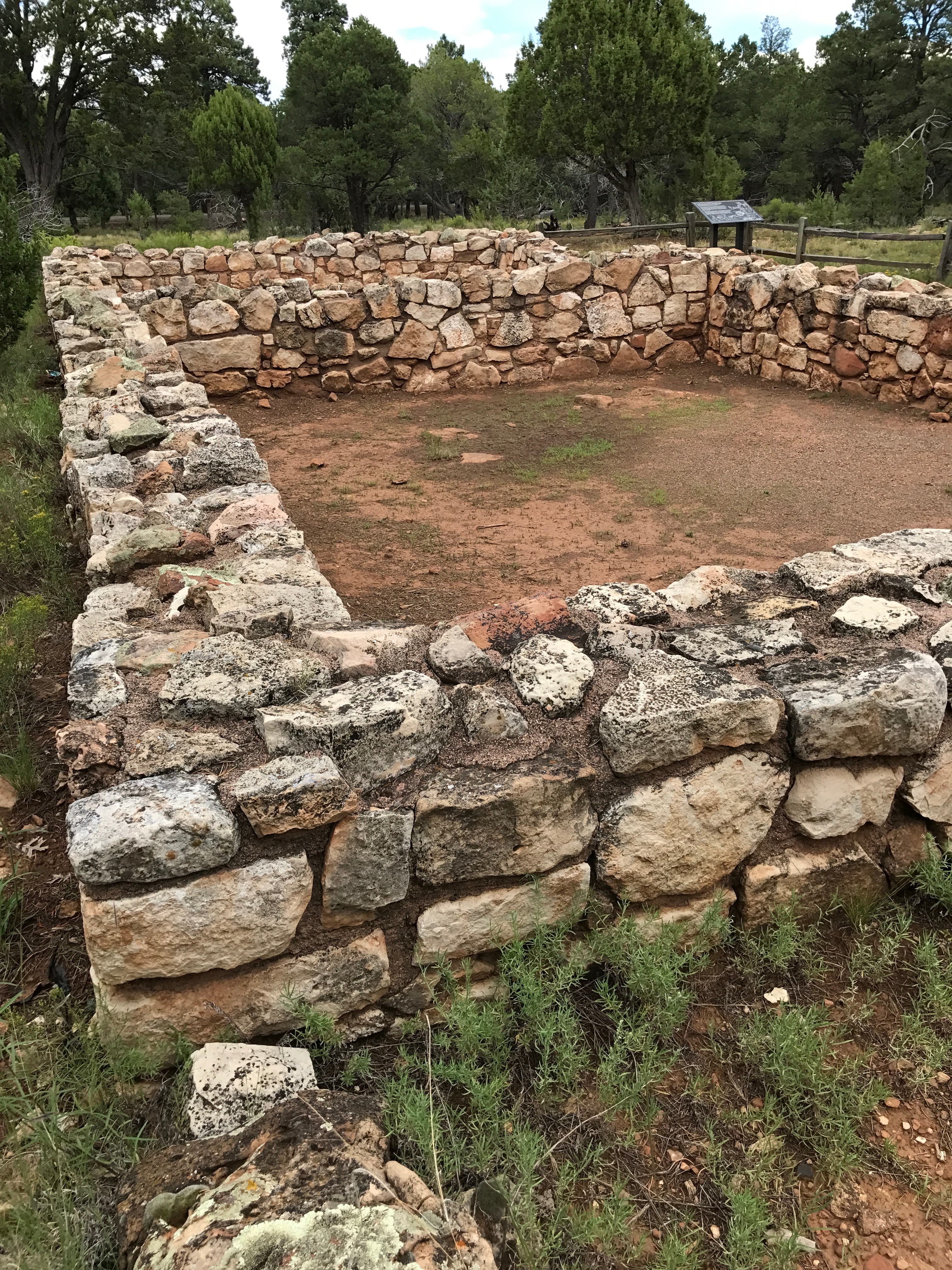
Pueblo and Pithouse
audio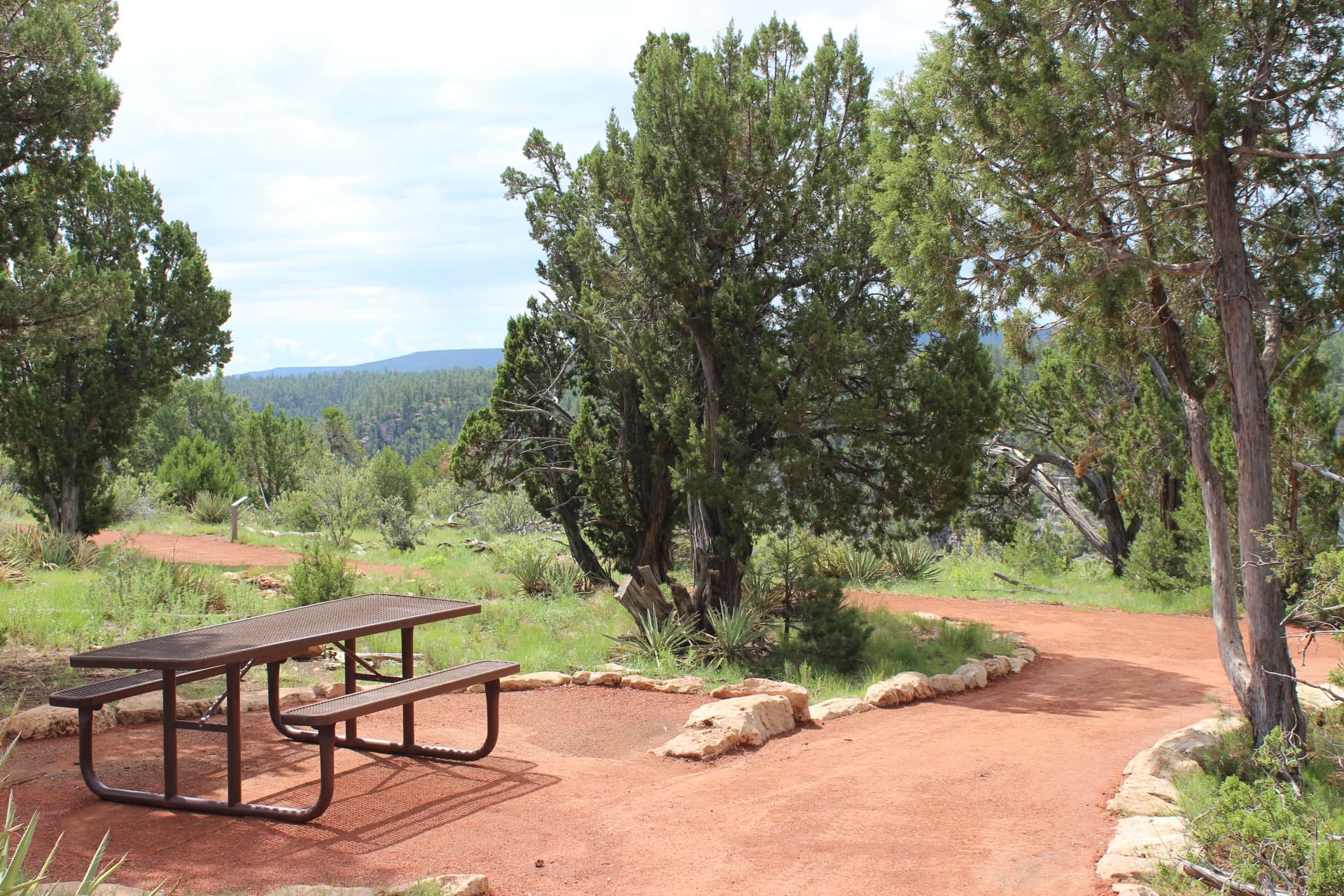
Walnut Canyon Picnic Area
Audio & media
🎧
🎬
🖼
Learn more
Each National Park Service (NPS) employee has a unique story. We can't tell them all, but sometimes there's a personal account—like that of Sallie Pierce Brewer Van Valkenburg Harris—that speaks to common experiences. Although her NPS connections ran from 1933 to 1971, many of her joys, challenges, and frustrations can still be recognized in the NPS today. Sallie's story resonates regardless of era, gender, or position. How will it speak to you?
The beige women’s wardrobe is one of the most misunderstood National Park Service (NPS) uniforms. It’s also the uniform that usually gets the most attention—despite being worn for only three years. Many incorrectly believe it dates to the 1960s and featured miniskirts and go-go boots. The fact that it is the one least like the standard green ranger uniform wasn’t an accident.
When the climate changes enough, the vegetation communities growing in any given place will also change. Under an expanded bimodal climate zone, some plant communities in western national parks are more likely to change than others. National Park Service ecologists and partners investigated the future conditions that may force some of this change. Having this information can help park managers decide whether to resist, direct, or accept the change.
First in a series of three "In Focus" articles that share insights into the near-universal and far-reaching effects of soils on the ecology, management, and enjoyment of our national parks.
Across the US, changes in water availability are altering which plants grow where. These changes are evident at a broad scale. But not all areas experience the same climate in the same way, even within the boundaries of a single national park. A new dataset gives park managers a valuable tool for understanding why vegetation has changed and how it might change in the future under different climate-change scenarios.
Learn about the importance of the CCC boys at Wupatki National Monument.
The combination of high. elevation and a semi-arid climate makes the Colorado Plateau particularly vulnerable to climate change. Climate models predict that over the next 100 years, the Southwest will become warmer and even more arid, with more extreme droughts than the region has experienced in the recent past.
The data packages for all our long-term monitoring efforts across the Southern Colorado Plateau are the foundations for almost everything we do here. We recently underwent our biggest effort yet in reformatting our data to fit the new standards put out by the Inventory & Monitoring Division. We are proud to announce that two of our largest datasets have now been published and are available for everyone to utilize.
Ranger School
Park-grounded courses you can learn with the Ranger.
How Walnut Canyon National Monument connects
This park's activities, topics, location, and on-the-ground places — one hop in the graph. Drag to explore; click an activity, topic, or related park to follow it.
Park
Activity
Topic
State
VisitorCenter
PassportStamp
ParkingLot
Trail
ThingToDo
Alert
Similar parks
Share activities & topics with Walnut Canyon National Monument.