Montezuma Castle National Monument
Arizona
Tonight
🌔 74% moon
9 h fully dark
Hikes
Easy
🟢
Crowds
low
Open today
Open
Montezuma Castle: closed Nov 26 – Nov 26; Montezuma Castle: closed Dec 25 – Dec 25; Montezuma Castle: closed Jan 1 – Jan 1; Montezuma Well: closed Nov 26 – Nov 26; Montezuma Well: closed Dec 25 – Dec 25; Montezuma Well: closed Jan 1 – Jan 1
Entrance
$10
Stage 1 Fire Restrictions
Stage 1 Fire Restrictions begin May 21st. Igniting or using fires fueled by combustible materials, that create an open flame, is strictly prohibited. Smoking is only allowed within an enclosed vehicle or developed site. For details on fire restrictions, visit https://wildlandfire.az.gov/fire-restrictions
Official NPS alert →Swallet Trail Temporarily Closed at Montezuma Well
The Swallet Spur Trail at Montezuma Well is temporarily closed to protect bats. All other trails on site including the 0.3 mile loop trail along the Well remain open and accessible. The trail at Montezuma Castle remains open.
Staff Unable to Check Phone Messages at the Visitor Center
At this time, staff are unable to check or receive phone messages left at the visitor center. All calls to the park are being routed to Tuzigoot National Monument. You can also reach the park at moca_tuzi_info@nps.gov if you need to contact the park.
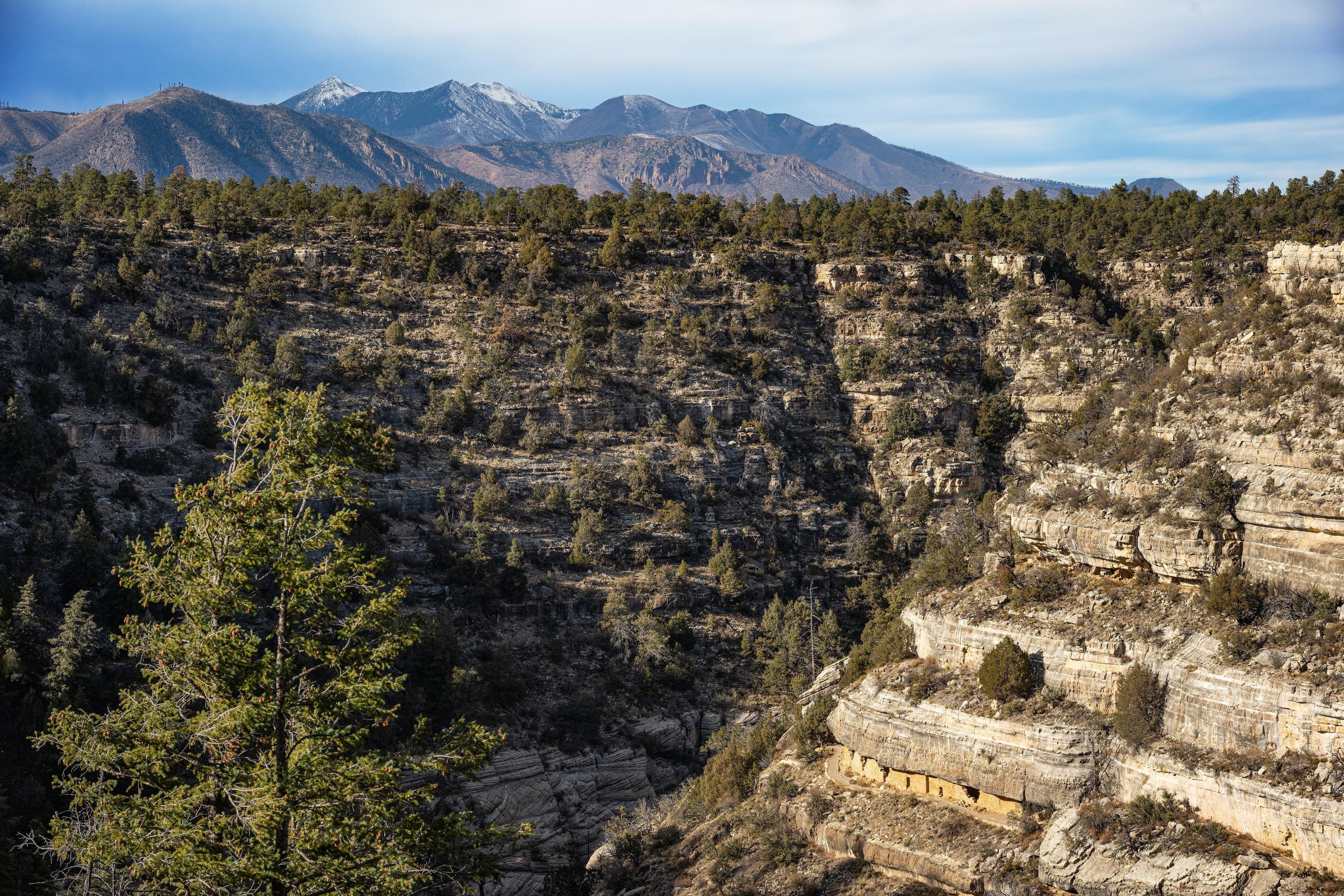
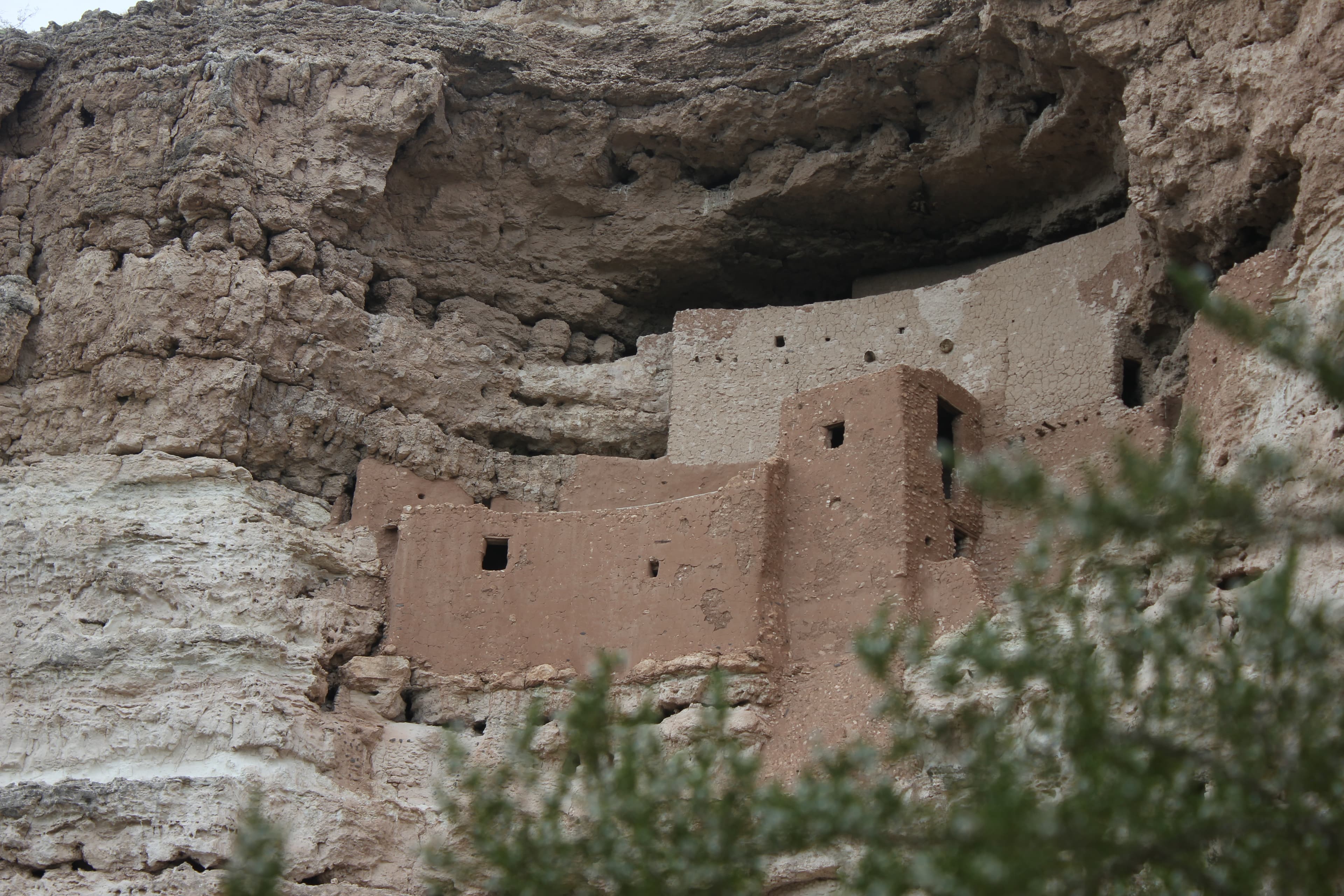
Established December 8, 1906, Montezuma Castle is the third National Monument dedicated to preserving Native American culture. This 20 room high-rise apartment, nestled into a towering limestone cliff, tells a story of ingenuity, survival and ultimately, prosperity in an unforgiving desert landscape.
Activities
Topics
Entrance fees
$10.00 — Entrance - Per Person
Hours & seasons
Montezuma Castle is open daily. Please note that the park gate is one mile from the visitor center and closes at 4:45pm. Parking on the road or in front of the gate is not allowed at any time.
⚠ Montezuma Castle: closed Nov 26 – Nov 26; Montezuma Castle: closed Dec 25 – Dec 25; Montezuma Castle: closed Jan 1 – Jan 1; Montezuma Well: closed Nov 26 – Nov 26; Montezuma Well: closed Dec 25 – Dec 25; Montezuma Well: closed Jan 1 – Jan 1
Generally open:
winterspringsummerfallHours are reported by the park — verify before you go.
📞 9285673322
✉ moca_tuzi_info@nps.govConditions
Quietest months (fewer crowds): Jul, Aug
Typical crowds: low
Weather now: ☁️ Overcast, 79°F
☁️ 90°/60°
☁️ 91°/68°
☁️ 88°/69°
Typical monthly recreation visits · NPS avg 2023–2025 — orange months are the quietest by crowds.
Quietest months
Relative crowds by month — lighter is quieter; ringed months are the calmest by crowds.
Jan
48%
Feb
60%
Mar
100%
Apr
96%
May
73%
Jun
53%
Jul
41%
Aug
36%
Sep
55%
Oct
51%
Nov
57%
Dec
55%
Log a sky reading
Measured the sky with an SQM meter or app? Add your reading (16 = city glow … 22 = pristine). Opt in under “Travelers like you” to share it on the community leaderboard.
Things to do
🟢 View Montezuma Castle · 0.3 mi
Become a Montezuma Castle and Tuzigoot BARK Ranger · Completing the BARK ranger card and purchasing the tag only takes a few minutes, but hikes in the parks can take up to two hours or more. The Pueblo Trail at Tuzigoot, Pasture and Well Trails at Montezuma Well, and loop trail at Montezuma Castle all take approximately 30-40 minutes each to hike.
Visitor centers
Montezuma Castle Visitor Center
Accessibility
Reported by the park — verify before you go.
Parking
Montezuma Castle Parking Lot · 62 accessible spacesaccessible
Not an official safety source — always defer to NPS.gov and rangers for life-safety decisions.
By the numbers
A visual read on Montezuma Castle National Monument — its character, trails, sky, and weather.
Park fingerprint
How this park scores across the dimensions travelers care about.
Trail difficulty
Difficulty mix across this park's trails.
3-day forecast
Daily high and low temperatures (°F).
People & stories
Figures tied to Montezuma Castle National Monument — each spans a cross-park journey.
Frank "Boss" Pinkley
— Pinkley, Boss, NPS HistoryGrace Sparkes
— Women's History, Women Of The NPS, Historic Women Of The NPSLouis Caywood
— Archeologist, Archaeologist, History Of ArcheologySallie Pierce Brewer Van Valkenburg Harris
— Archeologist, Archaeologist, Women In SciencePassport stamps
Mark the stamps you've collected — they show in your memory and along your routes.
🎫 Montezuma Castle Visitor Center
Audio & media
🎧
🎬
🖼
Learn more
In spring 2011, the SCPN-NAU School of Communication collaboration began with a multimedia studies course focused on documenting park resources and resource projects. The class was taught by NAU professors Laura Camden and Peter Friederici.
Each National Park Service (NPS) employee has a unique story. We can't tell them all, but sometimes there's a personal account—like that of Sallie Pierce Brewer Van Valkenburg Harris—that speaks to common experiences. Although her NPS connections ran from 1933 to 1971, many of her joys, challenges, and frustrations can still be recognized in the NPS today. Sallie's story resonates regardless of era, gender, or position. How will it speak to you?
When the climate changes enough, the vegetation communities growing in any given place will also change. Under an expanded bimodal climate zone, some plant communities in western national parks are more likely to change than others. National Park Service ecologists and partners investigated the future conditions that may force some of this change. Having this information can help park managers decide whether to resist, direct, or accept the change.
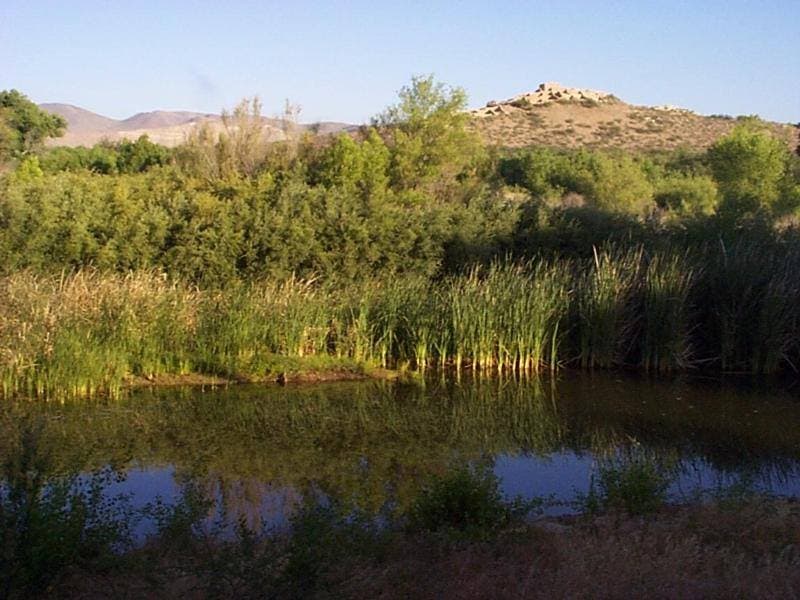
In the Verde Valley of Arizona, Montezuma Castle National Monument protects an impressive cliff dwelling, Montezuma Castle, and a large sinkhole. Montezuma Well, that were important to early peoples as they gradually transitioned from highly mobile societies to more sedentary ways of life.
Most women with disabilities hired by the National Park Service (NPS) in the 1970s and early 1980s had temporary jobs. Some built long-term careers with the bureau. Starting before the Americans with Disabilities Act of 1990, these women experienced the opportunities and changes the law brought. It was their hard work and dedication to the NPS mission, however, that continued to change attitudes and educate coworkers and visitors alike.
Across the US, changes in water availability are altering which plants grow where. These changes are evident at a broad scale. But not all areas experience the same climate in the same way, even within the boundaries of a single national park. A new dataset gives park managers a valuable tool for understanding why vegetation has changed and how it might change in the future under different climate-change scenarios.
Climate is one of many ecological indicators monitored by the National Park Service (NPS) Division of Inventory & Monitoring (I&M). Climate data help scientists to understand ecosystem processes and help to explain many of the patterns and trends observed in other natural-resource monitoring. In NPS units of the American Southwest, three I&M networks monitor climate using the scientific protocol described here.
At Montezuma Castle National Monument, the presence of prehistoric structures reflects the importance of reliable water sources. Sonoran Desert Network scientists monitor climate and groundwater at the park each year. Understanding changes in these closely linked resources helps the park make informed management decisions for both natural and cultural resources. This report summarizes the climate and groundwater data from Water Year 2024.
Ranger School
Park-grounded courses you can learn with the Ranger.
How Montezuma Castle National Monument connects
This park's activities, topics, location, and on-the-ground places — one hop in the graph. Drag to explore; click an activity, topic, or related park to follow it.
Park
Activity
Topic
State
VisitorCenter
PassportStamp
ParkingLot
Trail
ThingToDo
Alert
Similar parks
Share activities & topics with Montezuma Castle National Monument.