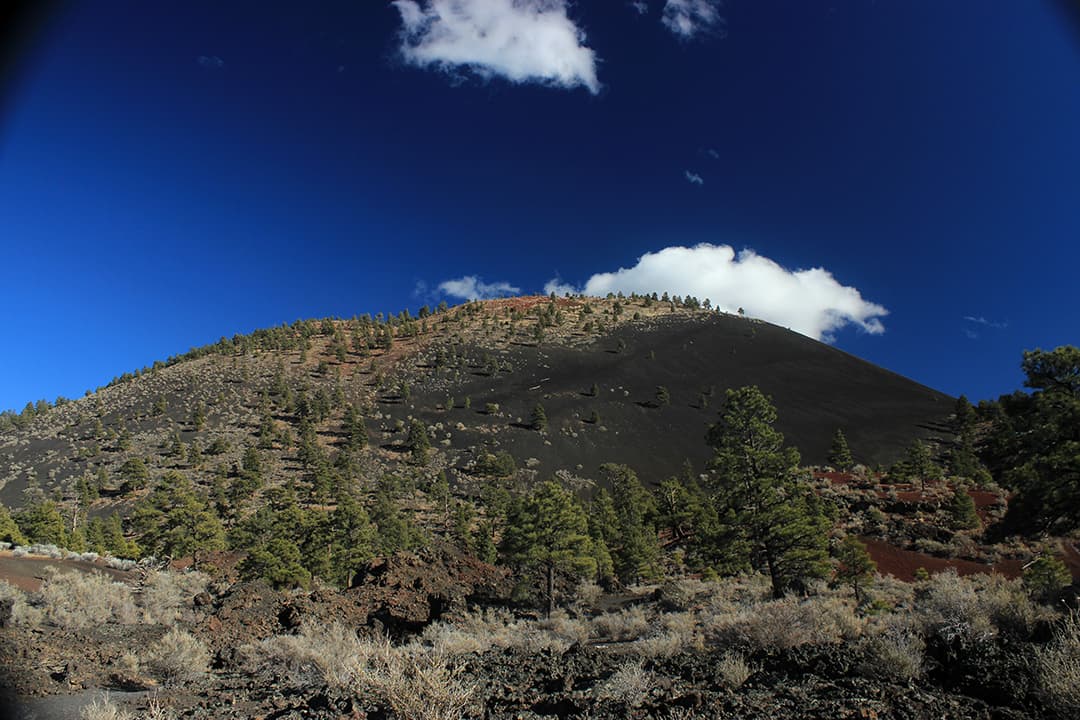
Sunset Crater Volcano National Monument
Arizona
Tonight
🌓 65% moon
9 h fully dark
Crowds
low
Open today
Open
Entrance
$25
Stage 1 Fire Restrictions
Stage 1 Fire Restrictions begin May 21st. Igniting or using fires fueled by combustible materials, that create an open flame, is strictly prohibited. Smoking is only allowed within an enclosed vehicle or developed site. For details on fire restrictions, visit https://wildlandfire.az.gov/fire-restrictions
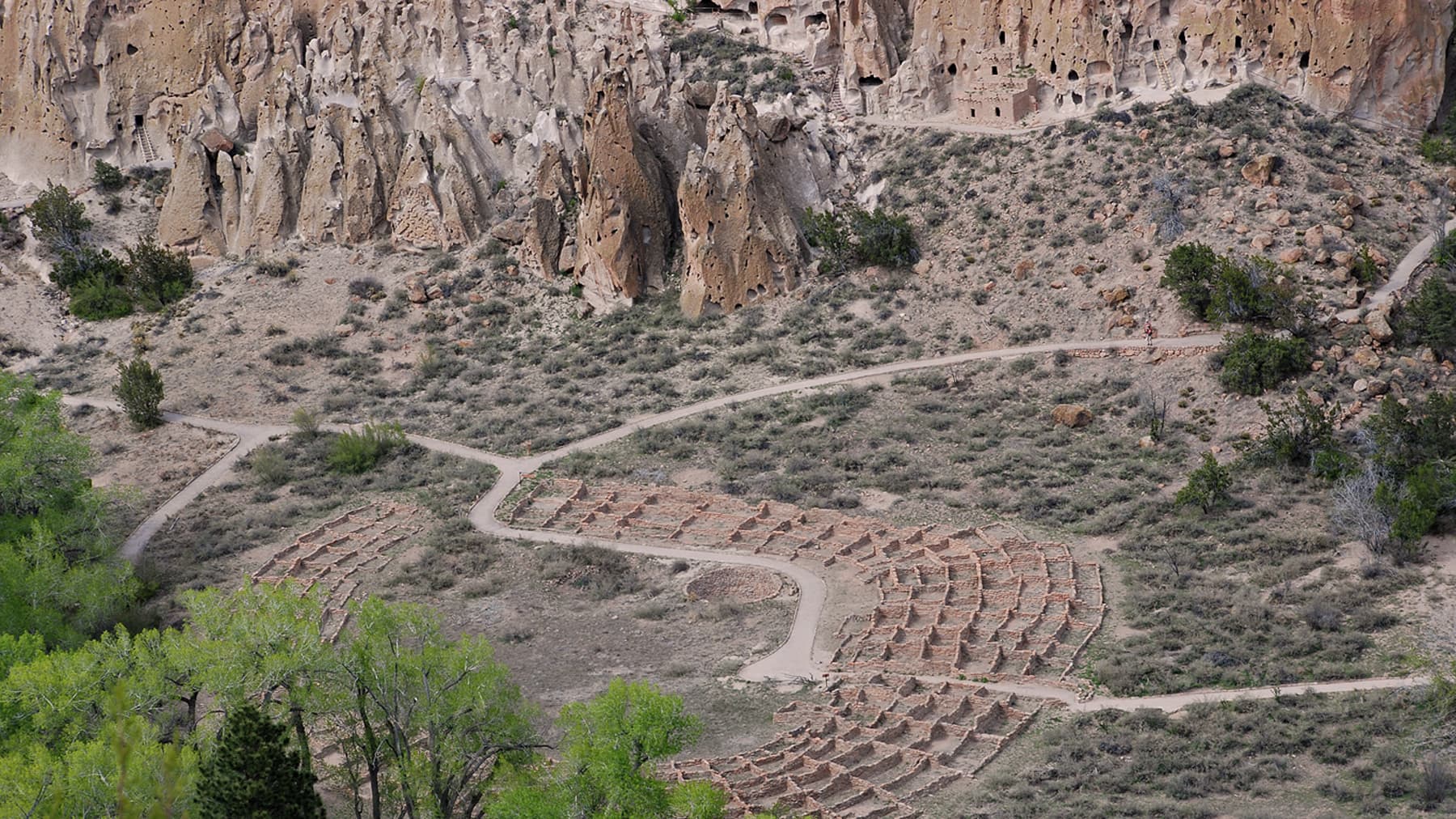
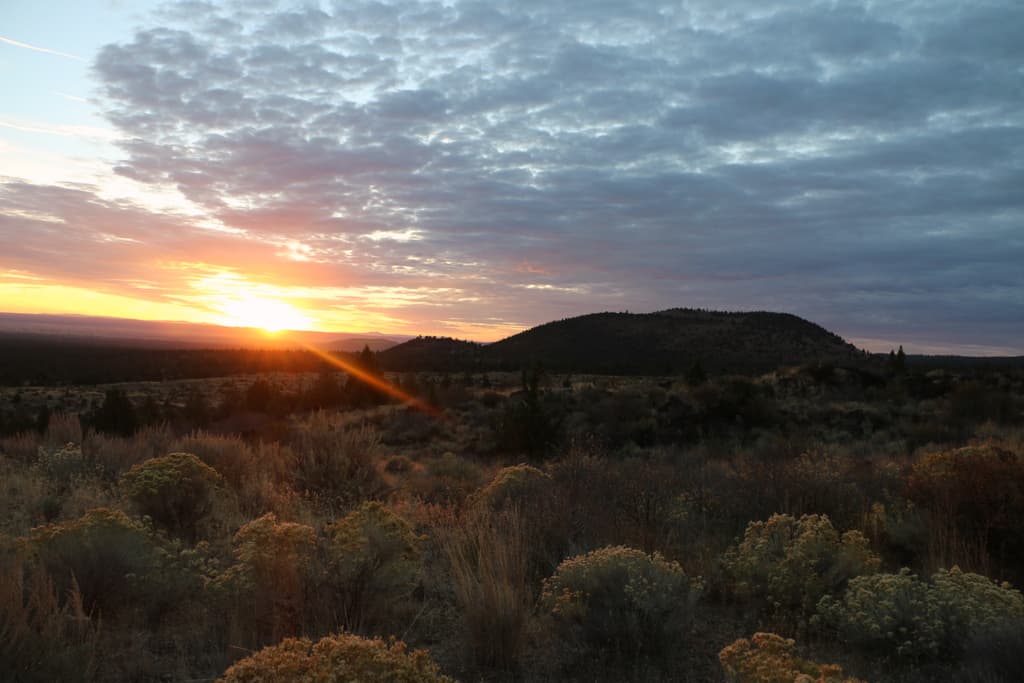
Official NPS alert →The lava flow lies on the land like a dream, a wonderland of rock. A thousand years ago the ground was torn open and lava erupted into the sky, forever changing the landscape and the lives of the people who lived here. A thousand years later, trees and flowers grow among the rocks, and people visit the lava flow to see and remember the most recent volcanic eruption in Arizona.
Activities
Entrance fees
$25.00 — Entrance - Private Vehicle
$20.00 — Entrance - Motorcycle
$15.00 — Entrance - Per Person
$15.00 — Entrance - Non-commercial Groups
$0.00 — Entrance - Education/Academic Groups
$28.00 — Commercial Entrance - Sedan
$40.00 — Commercial Entrance - Van
$100.00 — Commercial Entrance - Motor Coach
Hours & seasons
The Sunset Crater Volcano National Monument is open every day. The visitor center is open daily from 9:00 am - 4:30 pm except on Thanksgiving, Christmas, and New Year's Day. The roads and trails are open 24/7, with occasional closures for fire season or winter weather.
Generally open:
winterspringsummerfallHours are reported by the park — verify before you go.
📞 928-526-0502
✉ flag_information@nps.govConditions
Quietest months (fewer crowds): Jan, Sep
Typical crowds: low
Weather now: ☁️ Overcast, 74°F
☁️ 75°/49°
☁️ 75°/56°
🌦️ 73°/55°
Typical monthly recreation visits · NPS avg 2023–2025 — orange months are the quietest by crowds.
Quietest months
Relative crowds by month — lighter is quieter; ringed months are the calmest by crowds.
Jan
43%
Feb
52%
Mar
94%
Apr
70%
May
66%
Jun
98%
Jul
100%
Aug
84%
Sep
43%
Oct
49%
Nov
54%
Dec
49%
Log a sky reading
Measured the sky with an SQM meter or app? Add your reading (16 = city glow … 22 = pristine). Opt in under “Travelers like you” to share it on the community leaderboard.
Things to do
Become a Junior Ranger at Sunset Crater Volcano · These activities should take 1–2 hours, or about as long as the average visit.
Visitor centers
Sunset Crater Volcano Visitor Center
Accessibility
6 audio-described place(s)
Reported by the park — verify before you go.
Not an official safety source — always defer to NPS.gov and rangers for life-safety decisions.
By the numbers
A visual read on Sunset Crater Volcano National Monument — its character, trails, sky, and weather.
Park fingerprint
How this park scores across the dimensions travelers care about.
Trail difficulty
Difficulty mix across this park's trails.
3-day forecast
Daily high and low temperatures (°F).
People & stories
Figures tied to Sunset Crater Volcano National Monument — each spans a cross-park journey.
Frank "Boss" Pinkley
— Pinkley, Boss, NPS HistoryPassport stamps
Mark the stamps you've collected — they show in your memory and along your routes.
🎫 Sunset Crater Volcano Visitor Center
Places to see
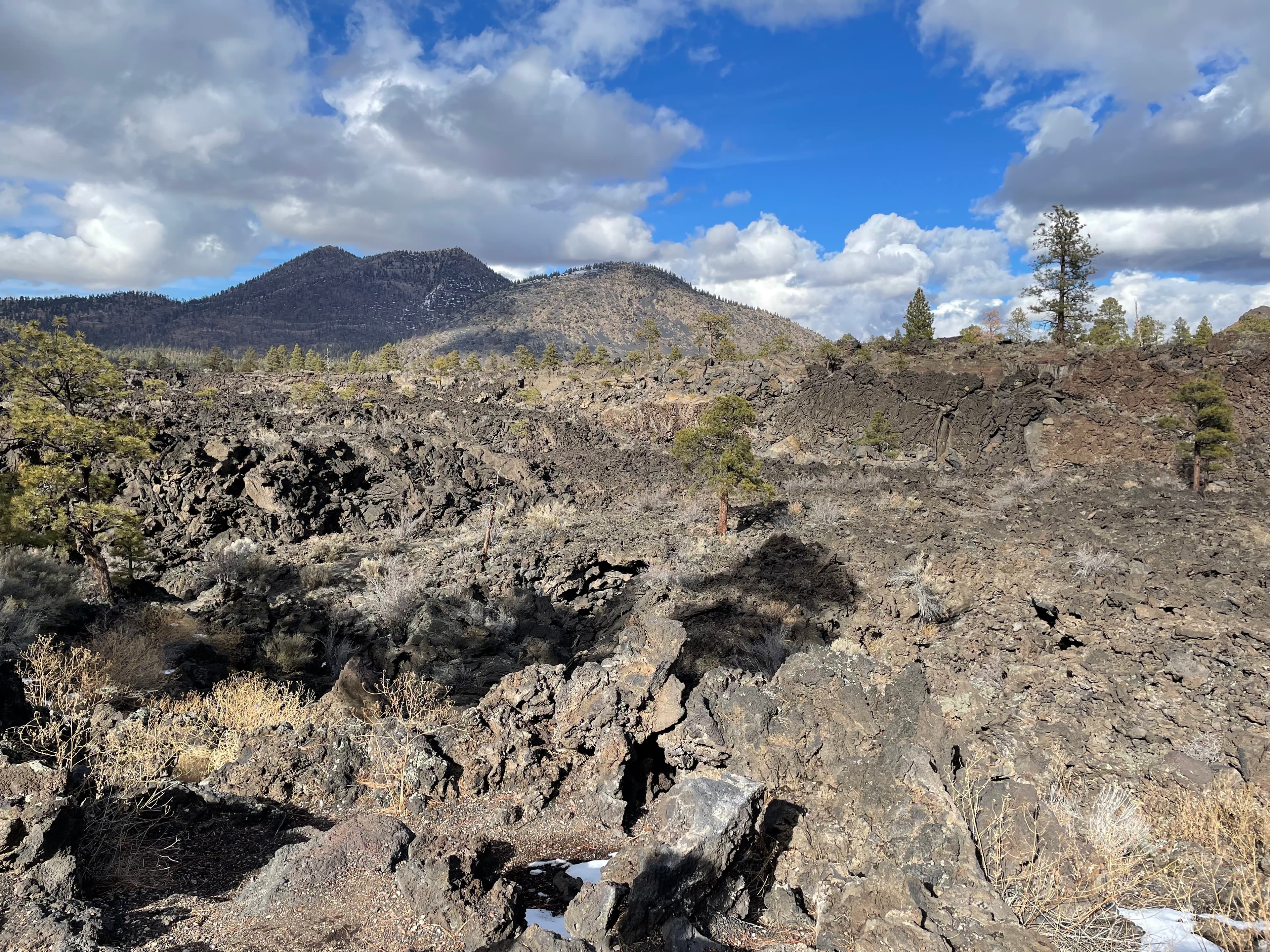
A'a Overlook
audio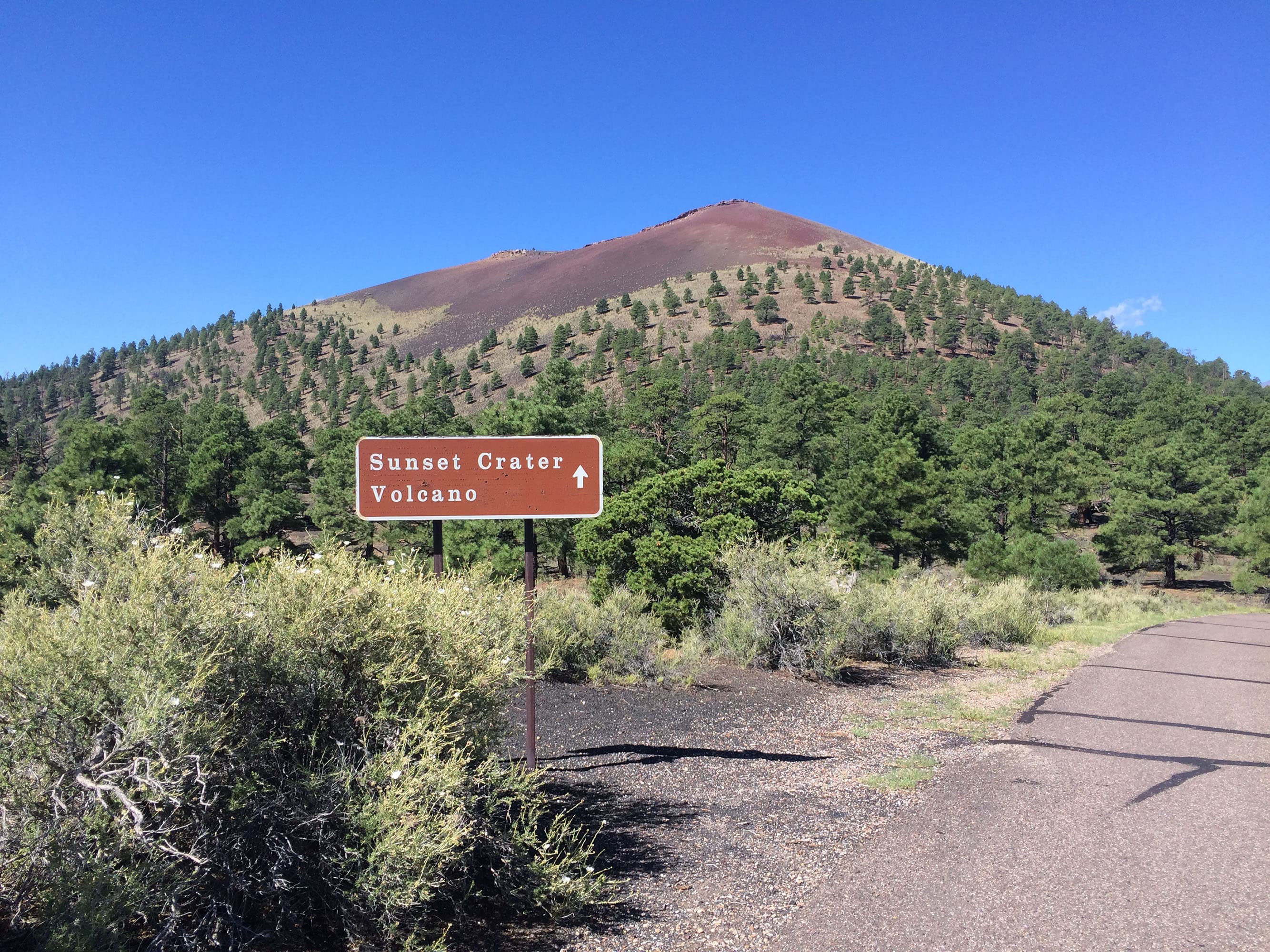
Cinder Hills Overlook
audio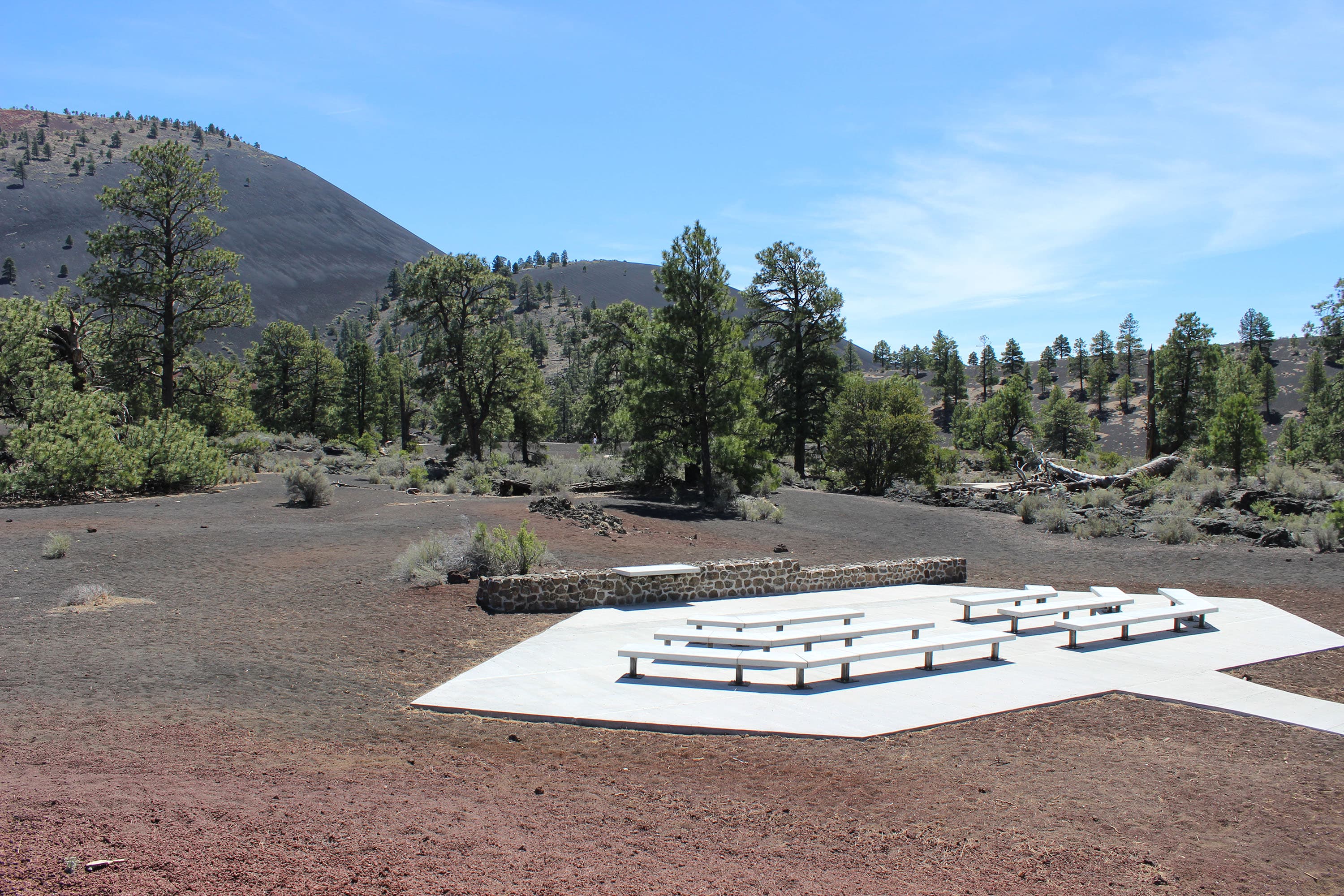
Lava Flow Trail Amphitheater
audio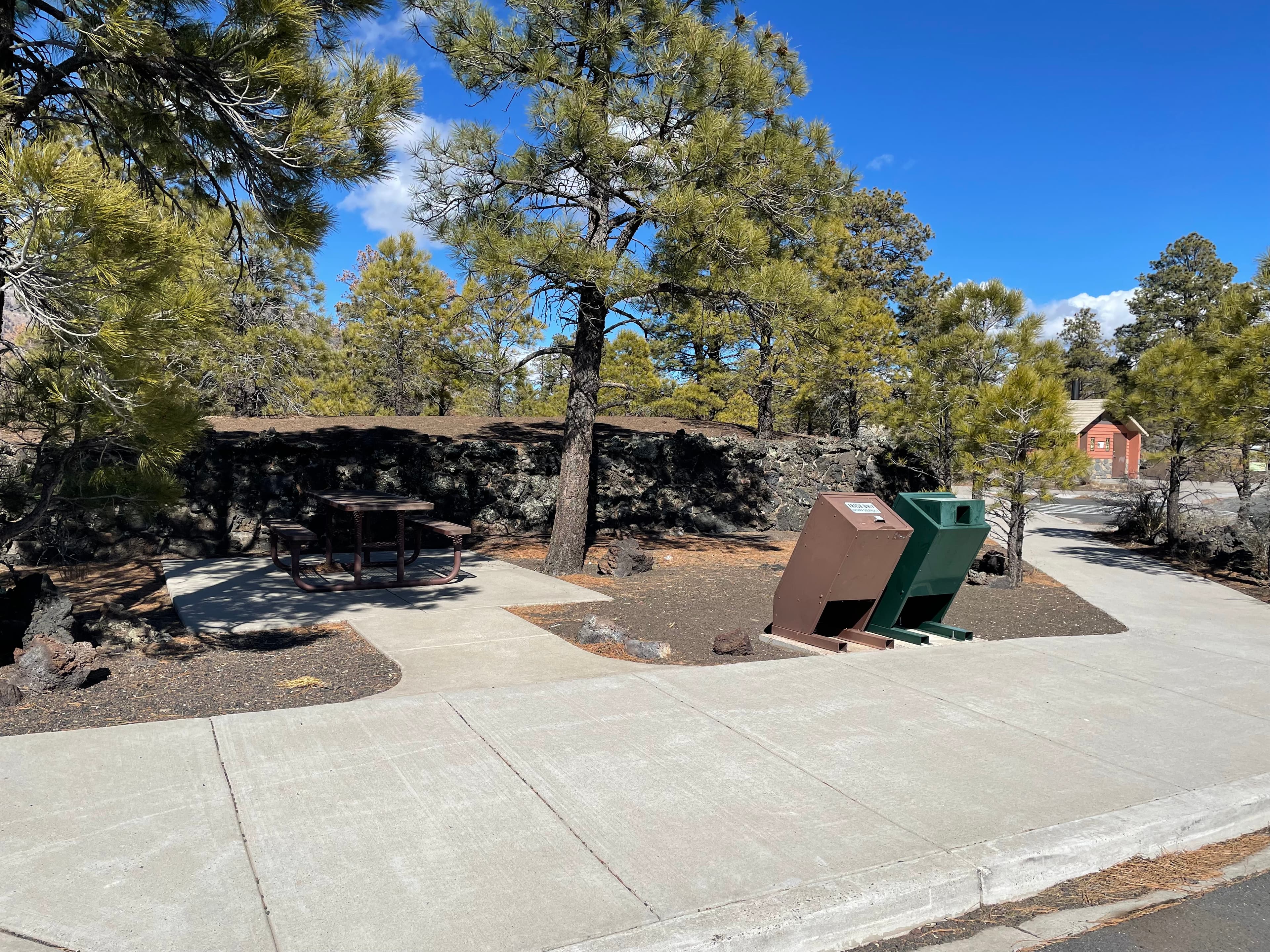
Lava Flow Trail Picnic Area
audio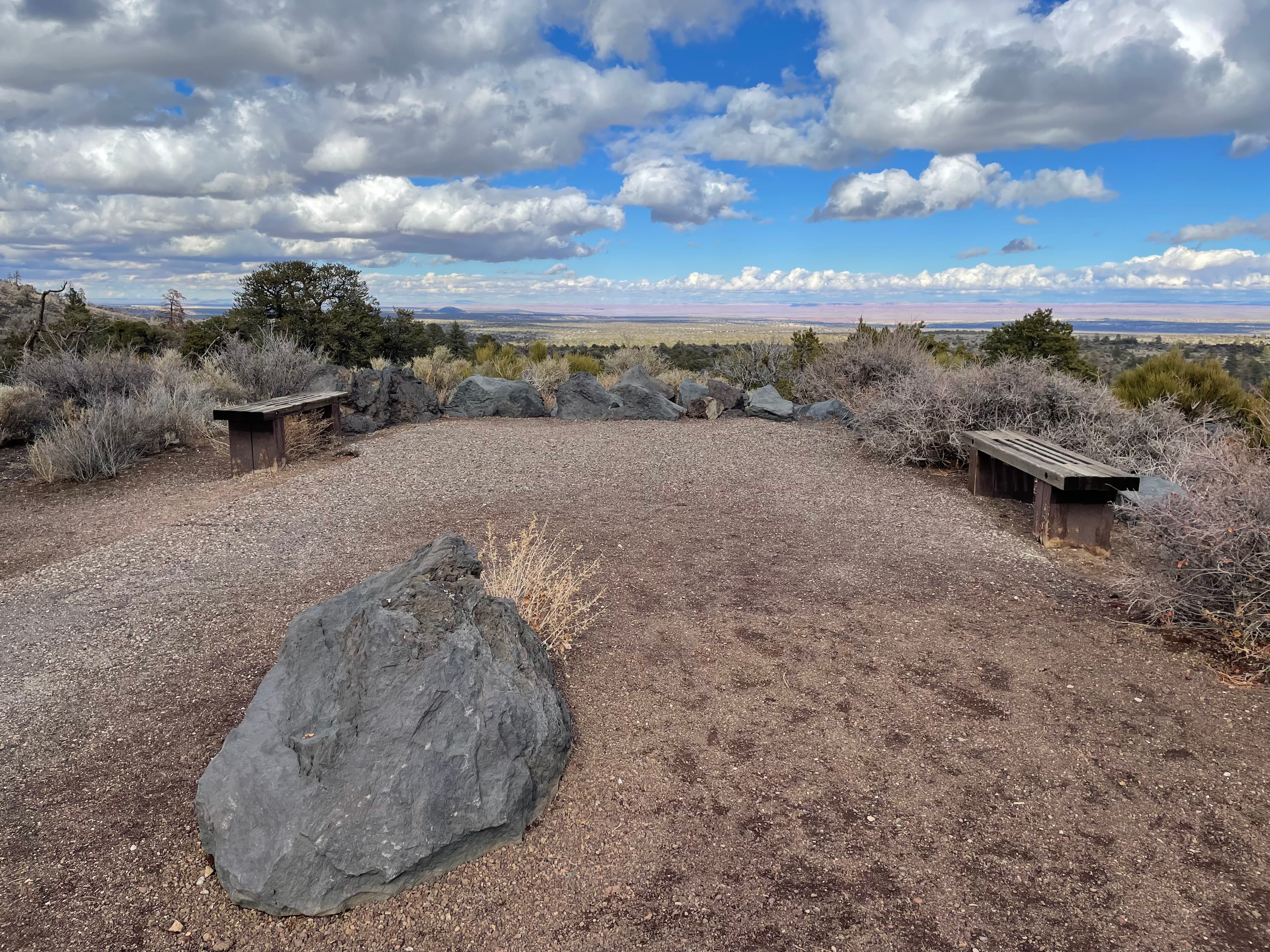
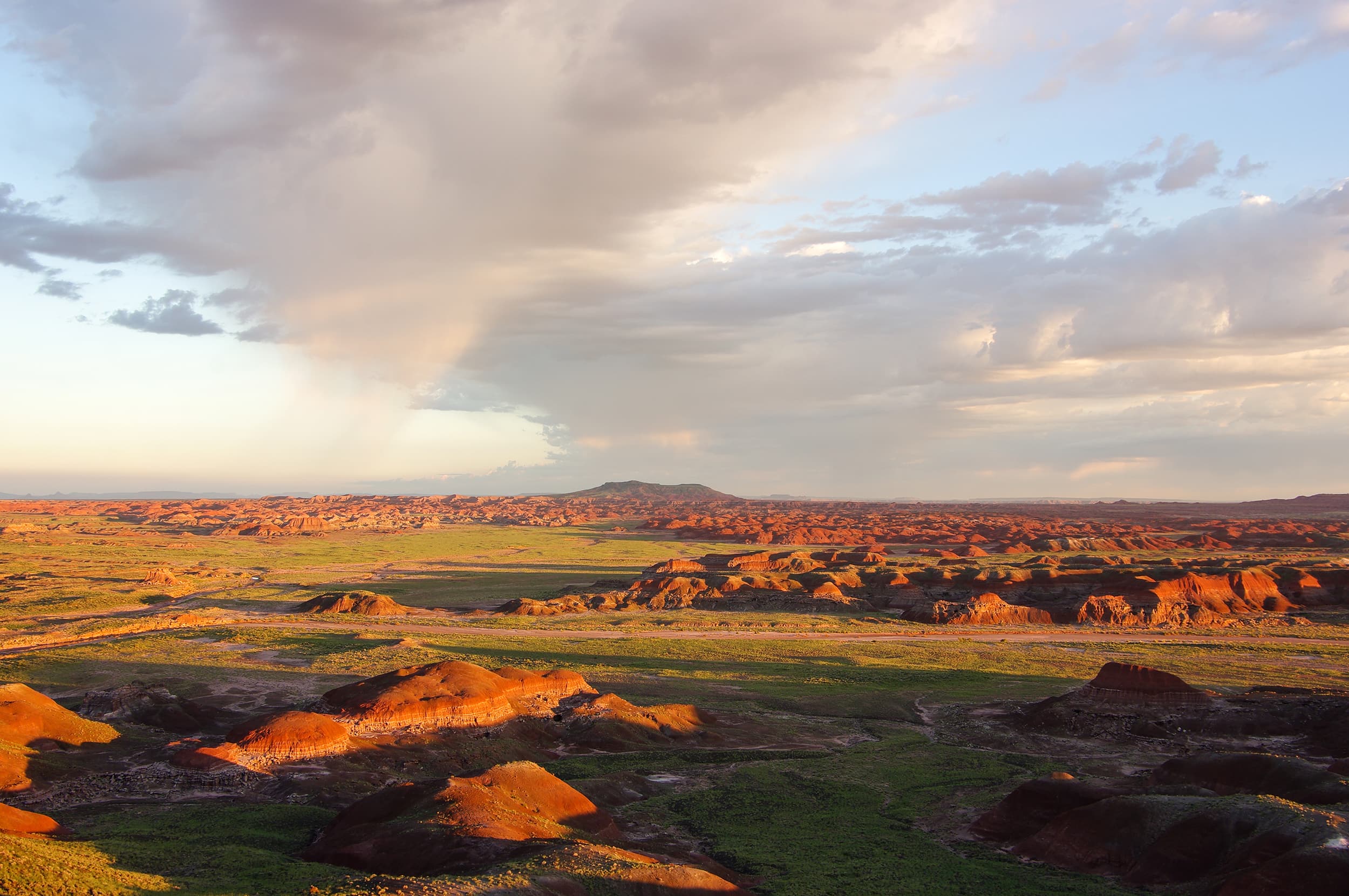
Painted Desert Vista
audio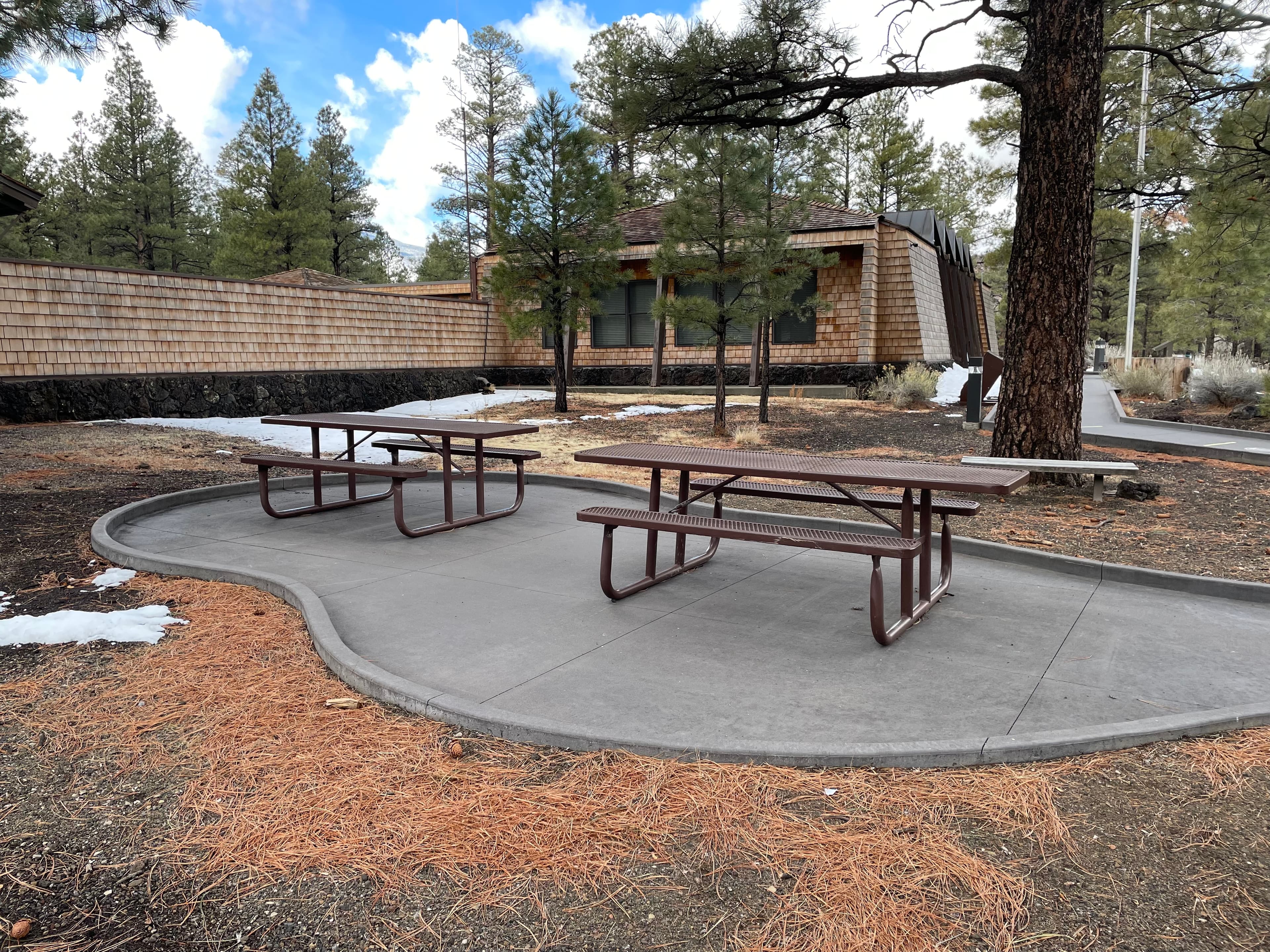
Sunset Crater Volcano Visitor Center Picnic Area
audioAudio & media
🎧
🎬
🖼
Learn more
When the climate changes enough, the vegetation communities growing in any given place will also change. Under an expanded bimodal climate zone, some plant communities in western national parks are more likely to change than others. National Park Service ecologists and partners investigated the future conditions that may force some of this change. Having this information can help park managers decide whether to resist, direct, or accept the change.
Trees shade us from the sun, provide homes for wildlife, stabilize Earth’s surface, and produce food for humans and animals alike. Some are massive, and others are miniscule by comparison, but what makes one better than the other—we’ll let you decide! Check out our iconic trees below and find your favorite!
The Cenozoic Era (66 million years ago [MYA] through today) is the "Age of Mammals." North America’s characteristic landscapes began to develop during the Cenozoic. Birds and mammals rose in prominence after the extinction of giant reptiles. Common Cenozoic fossils include cat-like carnivores and early horses, as well as ice age woolly mammoths.
Across the US, changes in water availability are altering which plants grow where. These changes are evident at a broad scale. But not all areas experience the same climate in the same way, even within the boundaries of a single national park. A new dataset gives park managers a valuable tool for understanding why vegetation has changed and how it might change in the future under different climate-change scenarios.
Cinder cones are typically simple volcanoes that consist of accumulations of ash and cinders around a vent. Sunset Crater Volcano and Capulin Volcano are cinder cones.
The combination of high. elevation and a semi-arid climate makes the Colorado Plateau particularly vulnerable to climate change. Climate models predict that over the next 100 years, the Southwest will become warmer and even more arid, with more extreme droughts than the region has experienced in the recent past.
Route 66 and the National Park Service have always had an important historical connection. Route 66 was known as the great road west and after World War II families on vacation took to the road in great numbers to visit the many National Park Service sites in the Southwest and beyond. That connection remains very alive and present today. Take a trip down Route 66 and Find Your Park today!
The Black-throated Sparrow edition of Get to Know the Plateau, spotlighting a beautiful bird of the Colorado Plateau. Brought to you by the Southern Colorado Plateau Network.
How Sunset Crater Volcano National Monument connects
This park's activities, topics, location, and on-the-ground places — one hop in the graph. Drag to explore; click an activity, topic, or related park to follow it.
Park
Activity
Topic
State
VisitorCenter
PassportStamp
Trail
ThingToDo
Alert
Similar parks
Share activities & topics with Sunset Crater Volcano National Monument.