Lewis and Clark National Historical Park
Oregon, Washington
Tonight
🌓 65% moon
8.4 h fully dark
Hikes
Easy–Strenuous
🟢 🔴
Crowds
low
Open today
Open
Fort Clatsop Visitor Center and Replica (Winter): closed Nov 26 – Nov 26; Fort Clatsop Visitor Center and Replica (Winter): closed Dec 25 – Dec 25; Fort Clatsop Visitor Center and Replica (Winter): closed Jan 1 – Jan 1
Entrance
$10
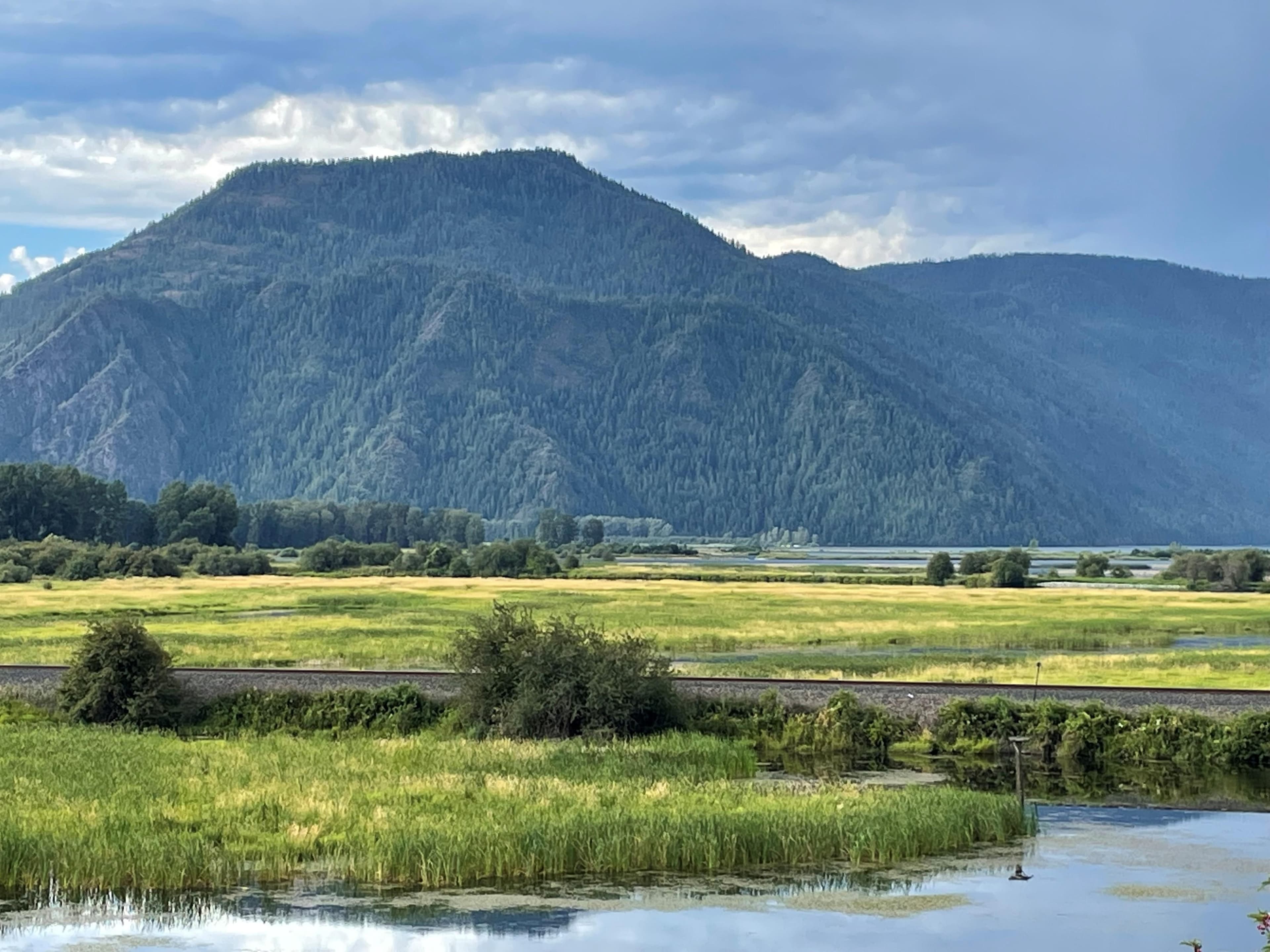
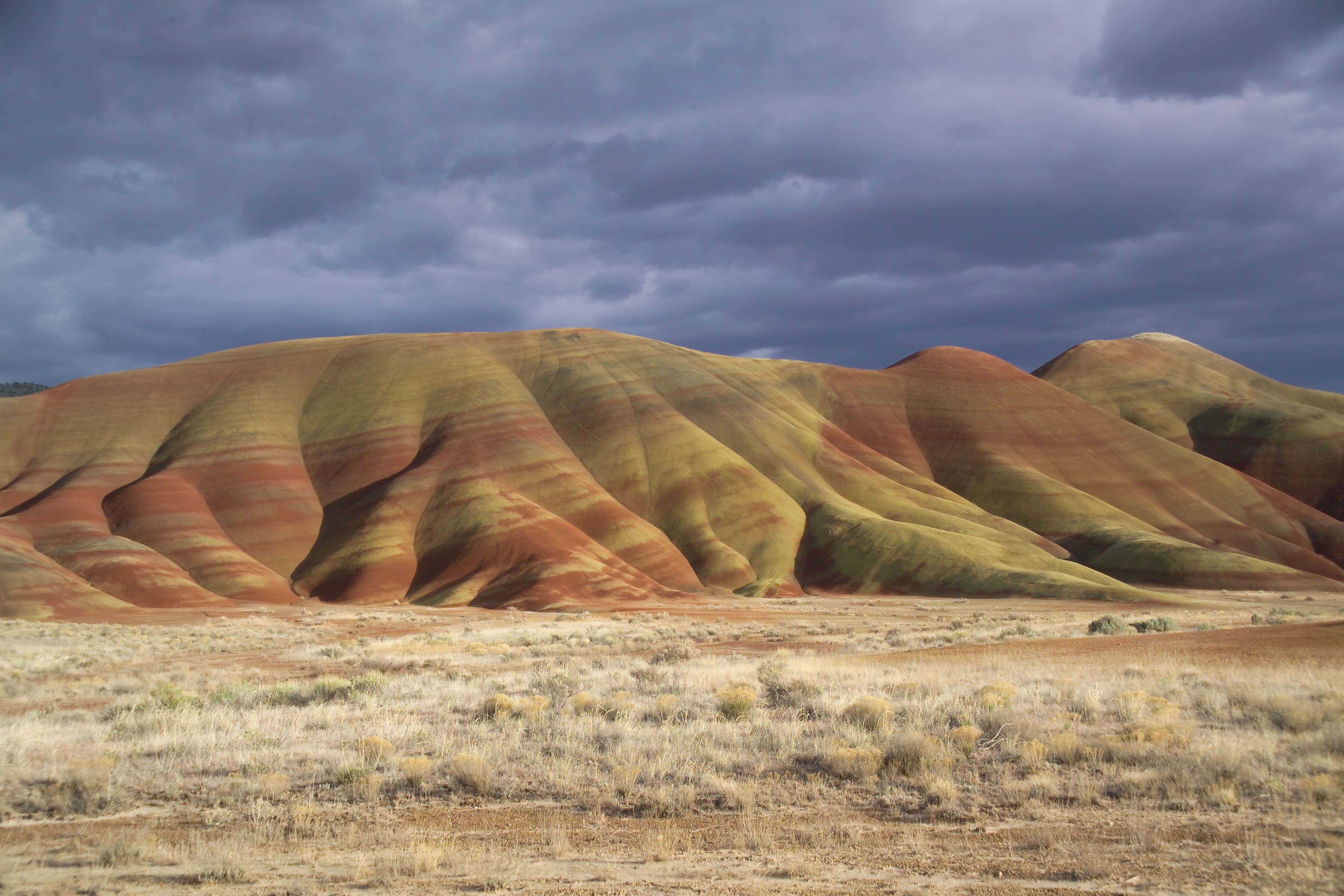
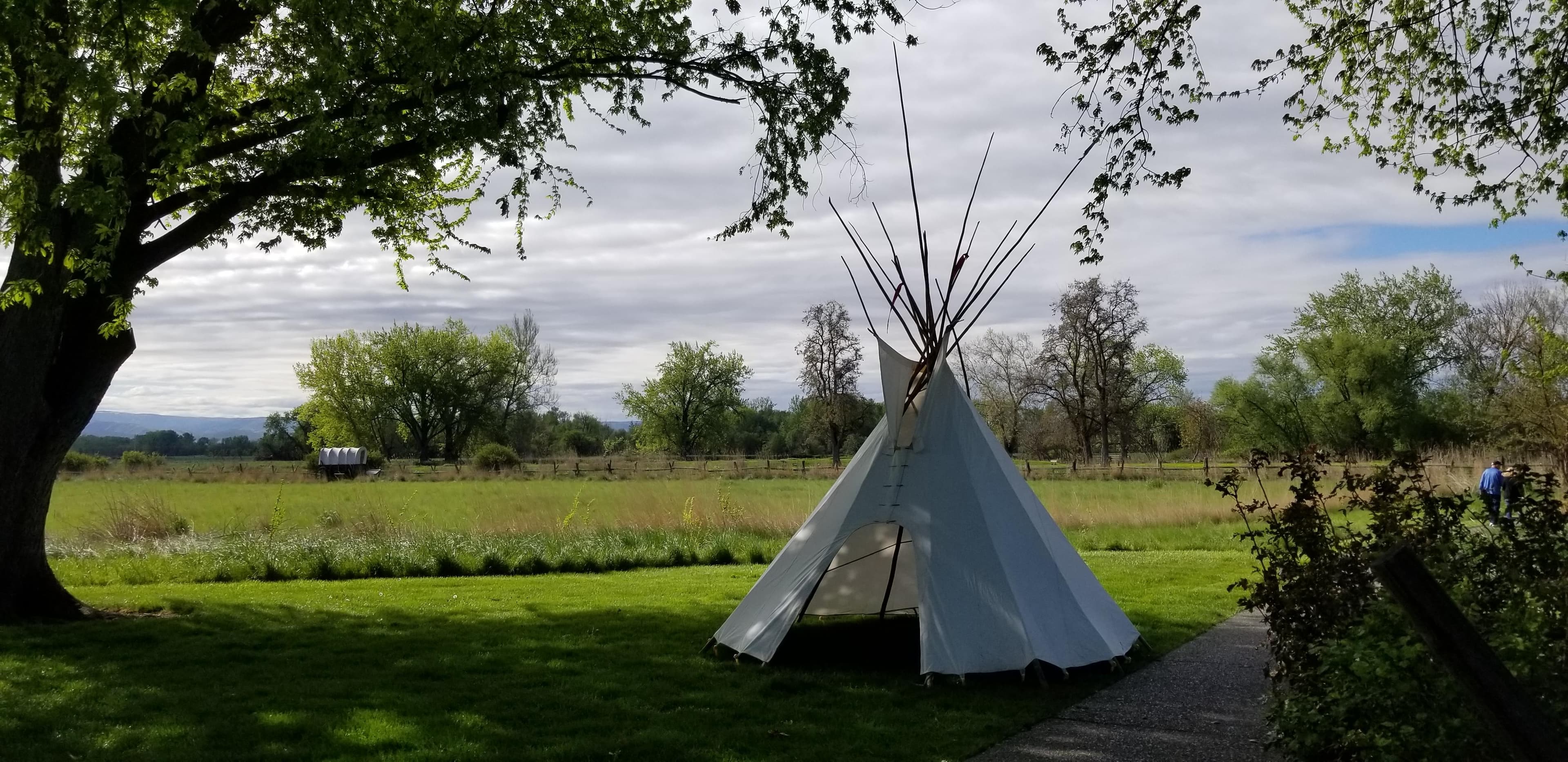
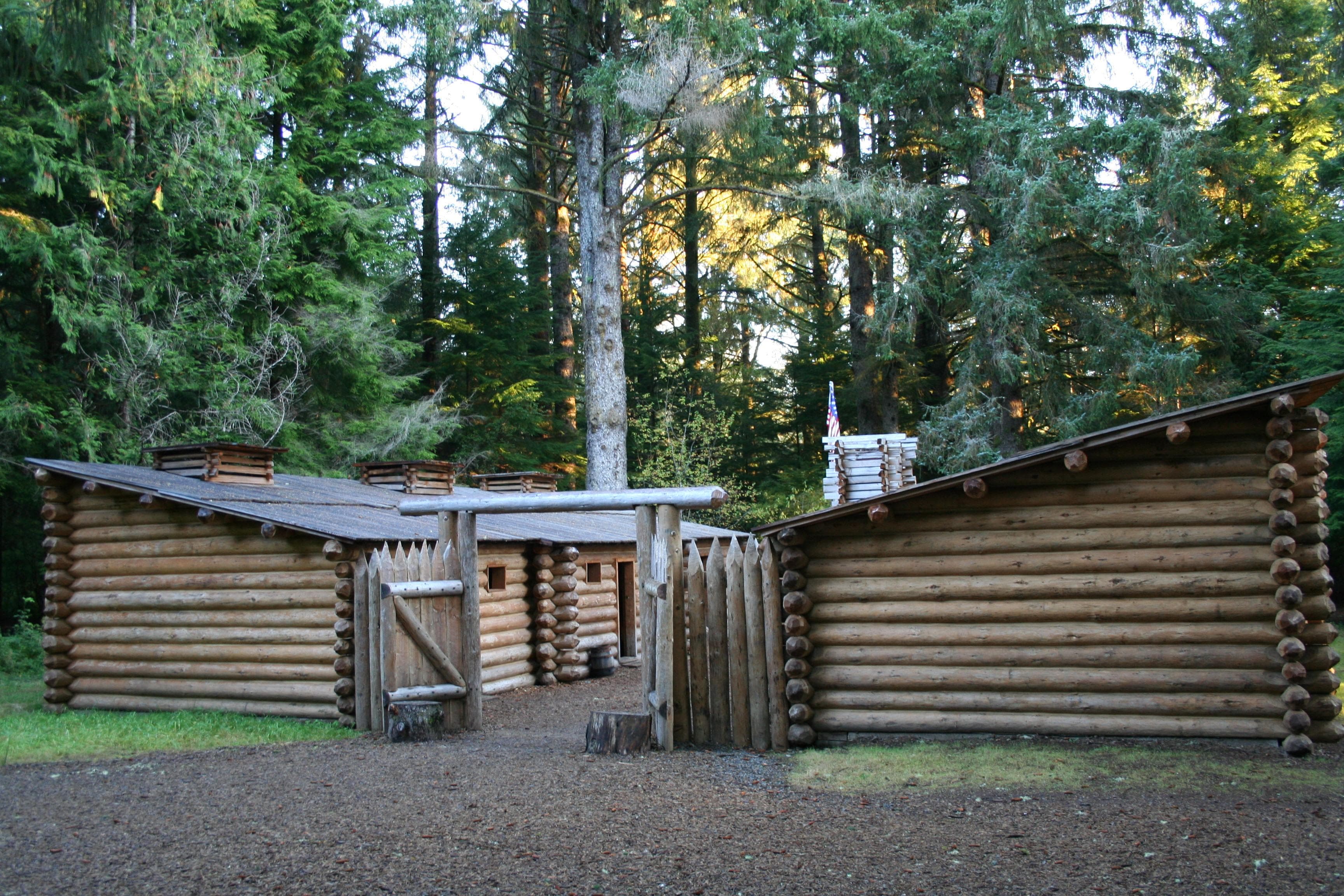
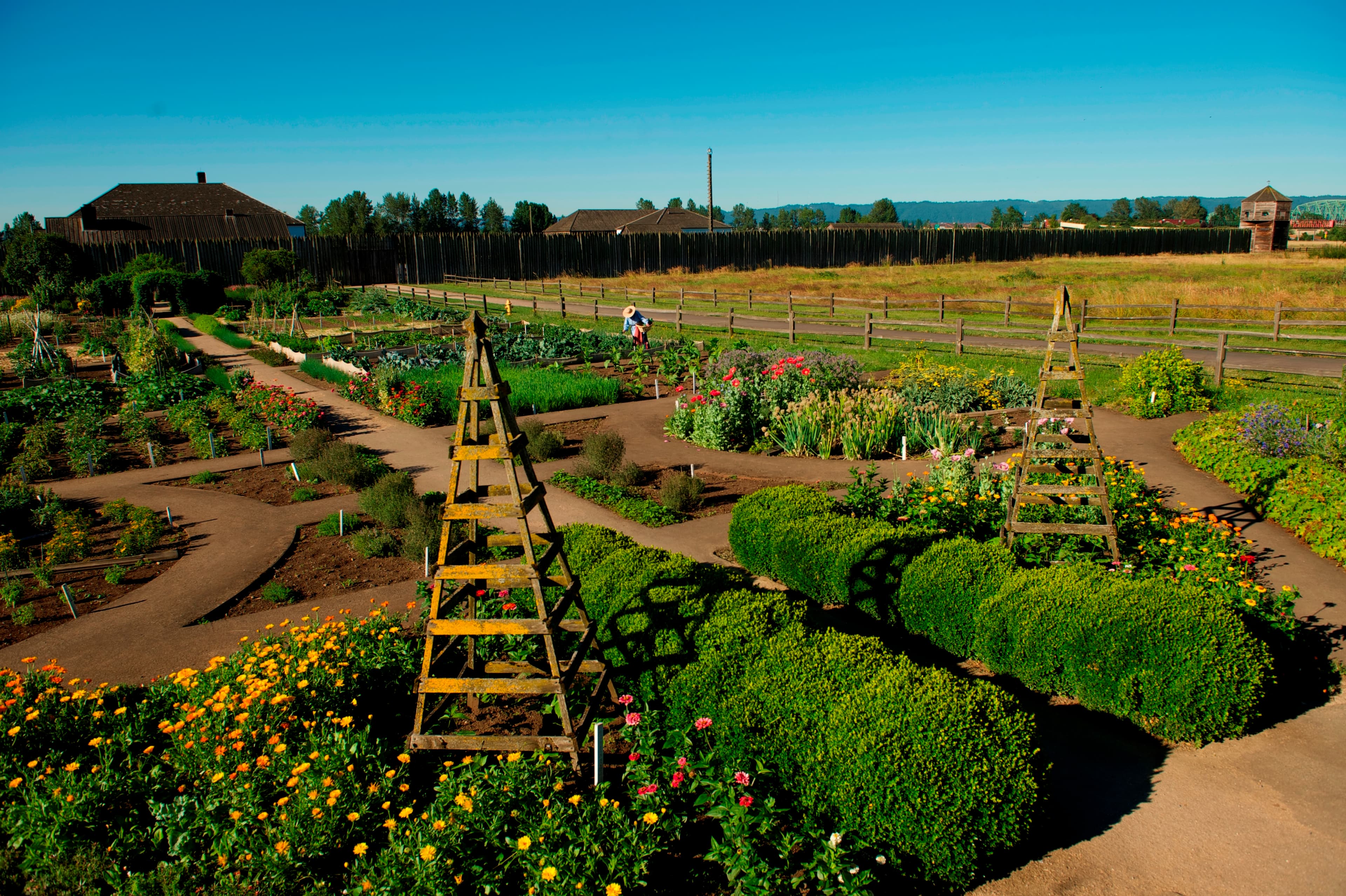
Explore the timeless rainforests and majestic coastal vistas. Discover the rich heritage of the native people. Unfold the dramatic stories of America's most famous explorers. The park encompasses sites along the Columbia River and the Pacific Coast. Follow in the footsteps of the explorers and have an adventure in history.
Activities
Topics
Entrance fees
$10.00 — Entrance - Per Person
Hours & seasons
Winter Hours: Begin the day after Labor Day Open 9 a.m. to 5 p.m.
⚠ Fort Clatsop Visitor Center and Replica (Winter): closed Nov 26 – Nov 26; Fort Clatsop Visitor Center and Replica (Winter): closed Dec 25 – Dec 25; Fort Clatsop Visitor Center and Replica (Winter): closed Jan 1 – Jan 1
Generally open:
winterspringsummerfallHours are reported by the park — verify before you go.
📞 5038612471
✉ LEWI_information@nps.govConditions
Quietest months (fewer crowds): Jan, Feb, Nov, Dec
Typical crowds: low
Weather now: ⛅ Partly cloudy, 57°F
☁️ 62°/53°
☁️ 62°/55°
☁️ 62°/55°
Typical monthly recreation visits · NPS avg 2023–2025 — orange months are the quietest by crowds.
Quietest months
Relative crowds by month — lighter is quieter; ringed months are the calmest by crowds.
Jan
25%
Feb
23%
Mar
42%
Apr
50%
May
64%
Jun
84%
Jul
100%
Aug
93%
Sep
65%
Oct
48%
Nov
26%
Dec
25%
Log a sky reading
Measured the sky with an SQM meter or app? Add your reading (16 = city glow … 22 = pristine). Opt in under “Travelers like you” to share it on the community leaderboard.
Things to do
Experience History Come Alive at Fort Clatsop · <p>Time spent varies greatly depending on time of year and how much you want to do. Add more time if there will be ranger programs, you want to watch all the movies, or if you plan to hike a longer trail such as the Kwis Kwis, South Slough, Or Fort-to-Sea. If you plan to hike, you may want to consider making it an activity for an additional day. </p>
Fort Clatsop Audio Tour
🔴 South Slough Trail
Kwis Kwis Trail · 3.6 mi · Duration will depend heavily on if an where you connect back to the Fort to Sea and if you continue on to the Kwis Kwis Extension.
🔴 Clay Pit Pond Trail
🟢 Netul River Trail · 1 mi · The Netul River Trail though one way is typically hiked out and back which will add additional time. There is no shuttle from the Netul Landing to the Visitor Center.
🟢 Fort to Sea Trail · 1 mi · <p>Timing depends on speed and amount of stops you take.</p>
Find a Salt Camp in Seaside · 15 mi
Visitor centers
Fort Clatsop Visitor Center
Accessibility
42 audio-described place(s)
Reported by the park — verify before you go.
Parking
Dismal Nitch Parking Lot · 34 accessible spacesaccessible
Middle Village - Station Camp Parking Lot · 15 accessible spacesaccessible
Sunset Beach Trail head Parking · 21 accessible spacesaccessible
Not an official safety source — always defer to NPS.gov and rangers for life-safety decisions.
By the numbers
A visual read on Lewis and Clark National Historical Park — its character, trails, sky, and weather.
Park fingerprint
How this park scores across the dimensions travelers care about.
Trail difficulty
Difficulty mix across this park's trails.
3-day forecast
Daily high and low temperatures (°F).
People & stories
Figures tied to Lewis and Clark National Historical Park — each spans a cross-park journey.
Edward Warbass
John B. Thompson
— Private, Lewis And Clark, Lewis And Clark ExpeditionMeriwether Lewis
— Travel Lewis Clark, Lewis And Clark, ExpeditionPrivate Francois Labiche
Private George Gibson
— Lewis And Clark, George Gibson, Fort ClatsopPrivate Hugh Hall
— Lewis And ClarkPrivate Hugh McNeal
Private Jean-Baptiste Lepage
Passport stamps
Mark the stamps you've collected — they show in your memory and along your routes.
🎫 Fort Clatsop Visitor Center
🎫 Fort Stevens State Park
Places to see
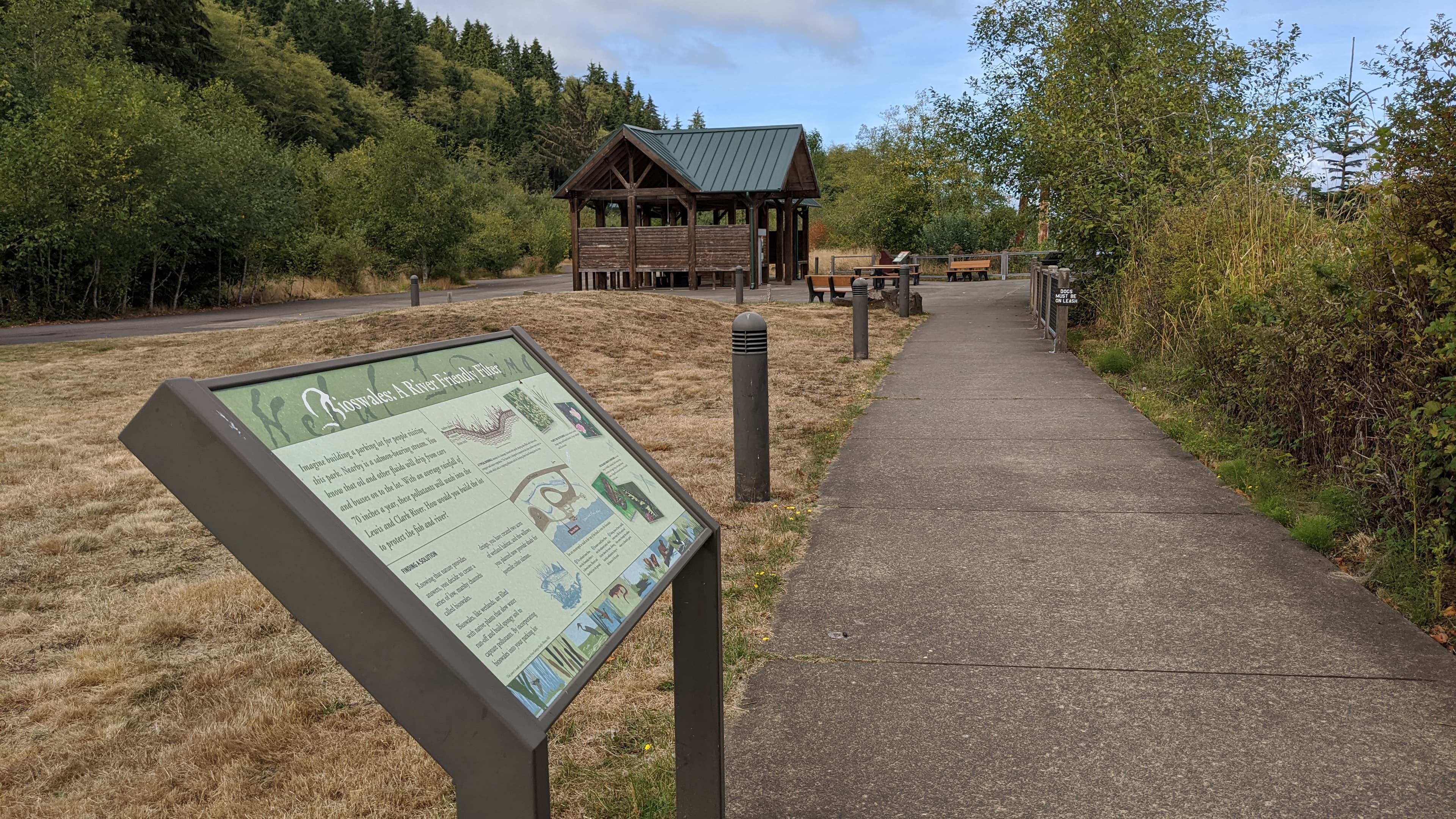
"Bioswales A River Friendly Filter" Sign
audio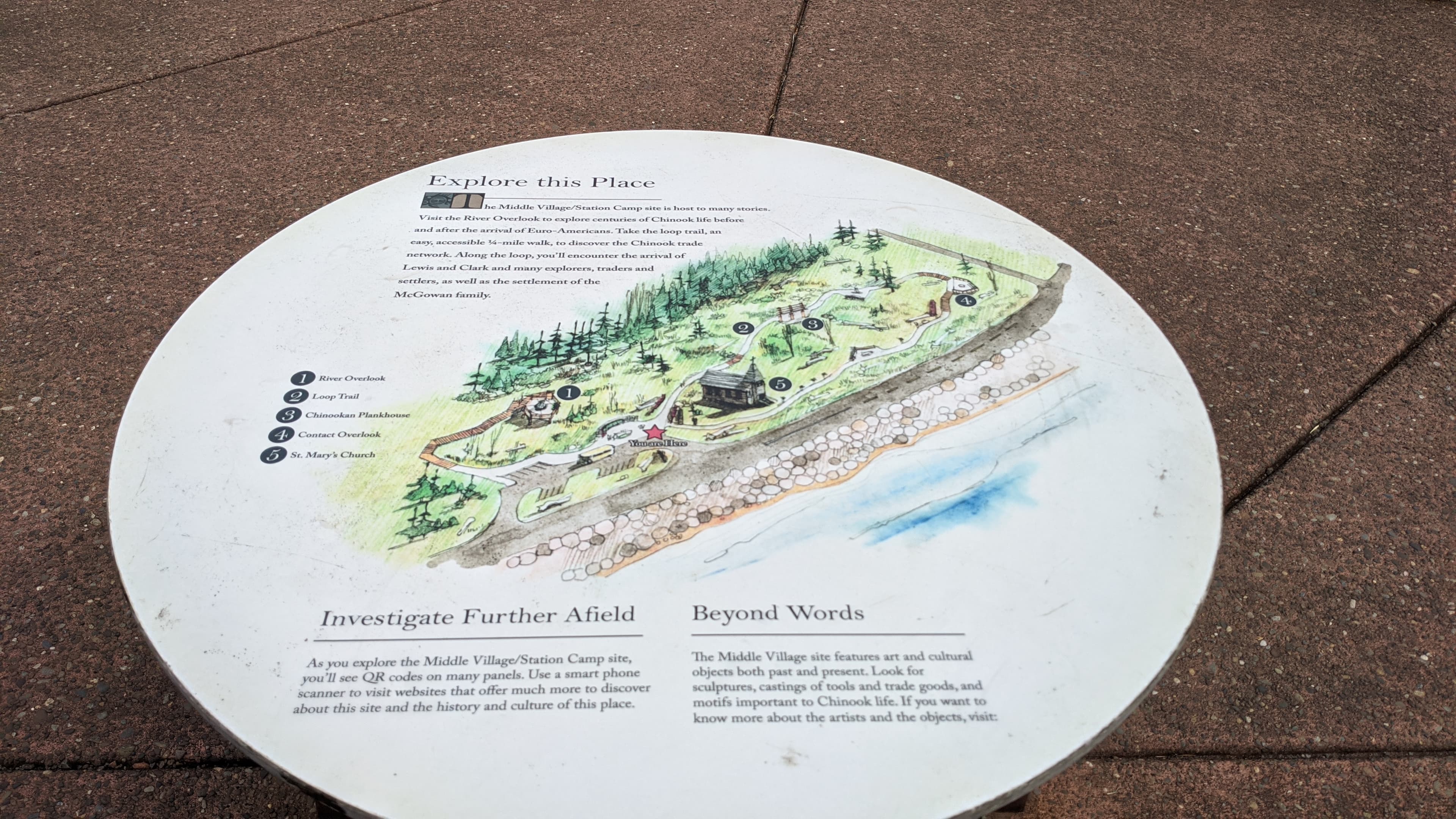
"Explore This Place" Sign at MV
audio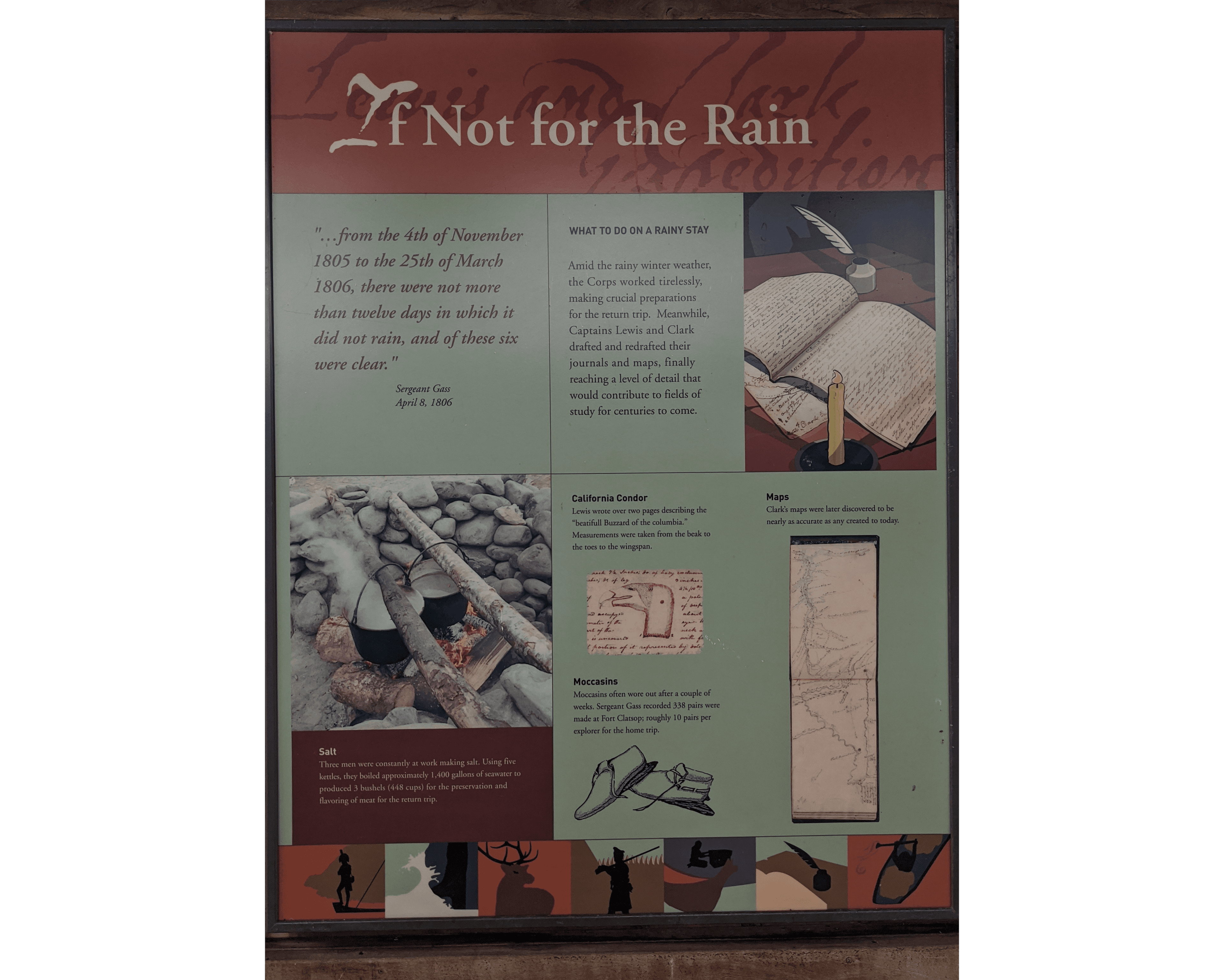
"If Not For The Rain" Sign
audio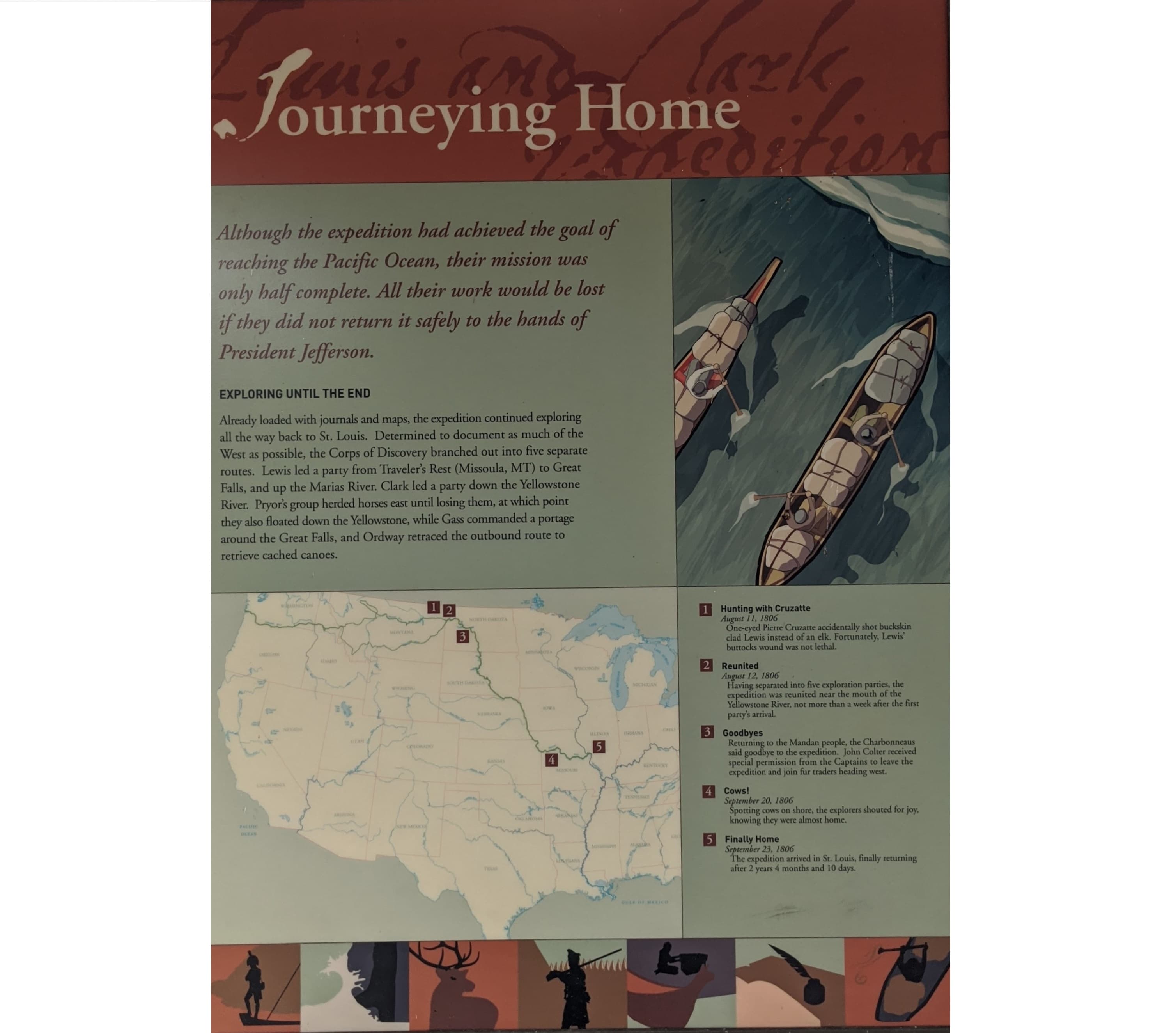
"Journeying Home" Sign
audio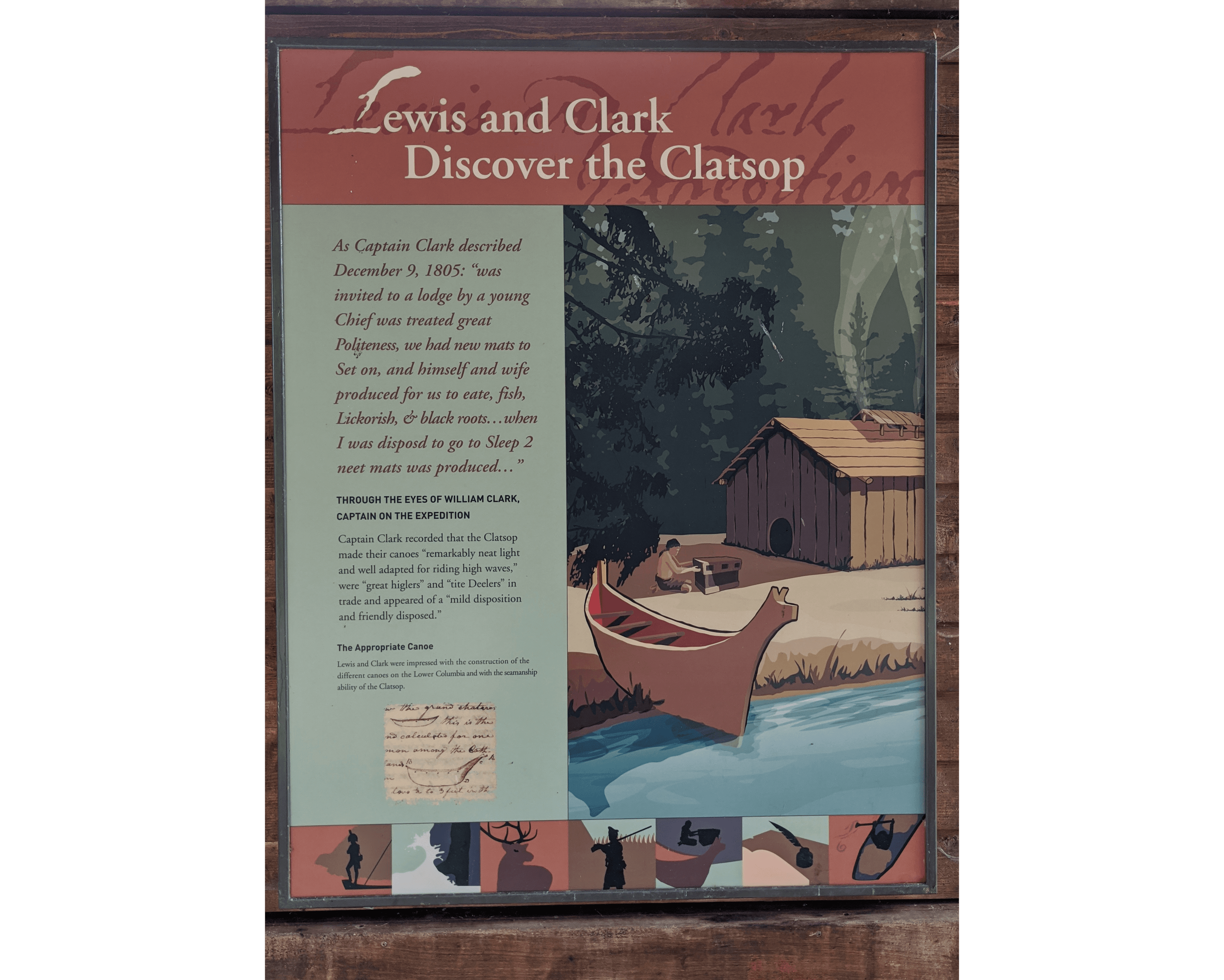
"Lewis and Clark Discover the Clatsop" sign
audio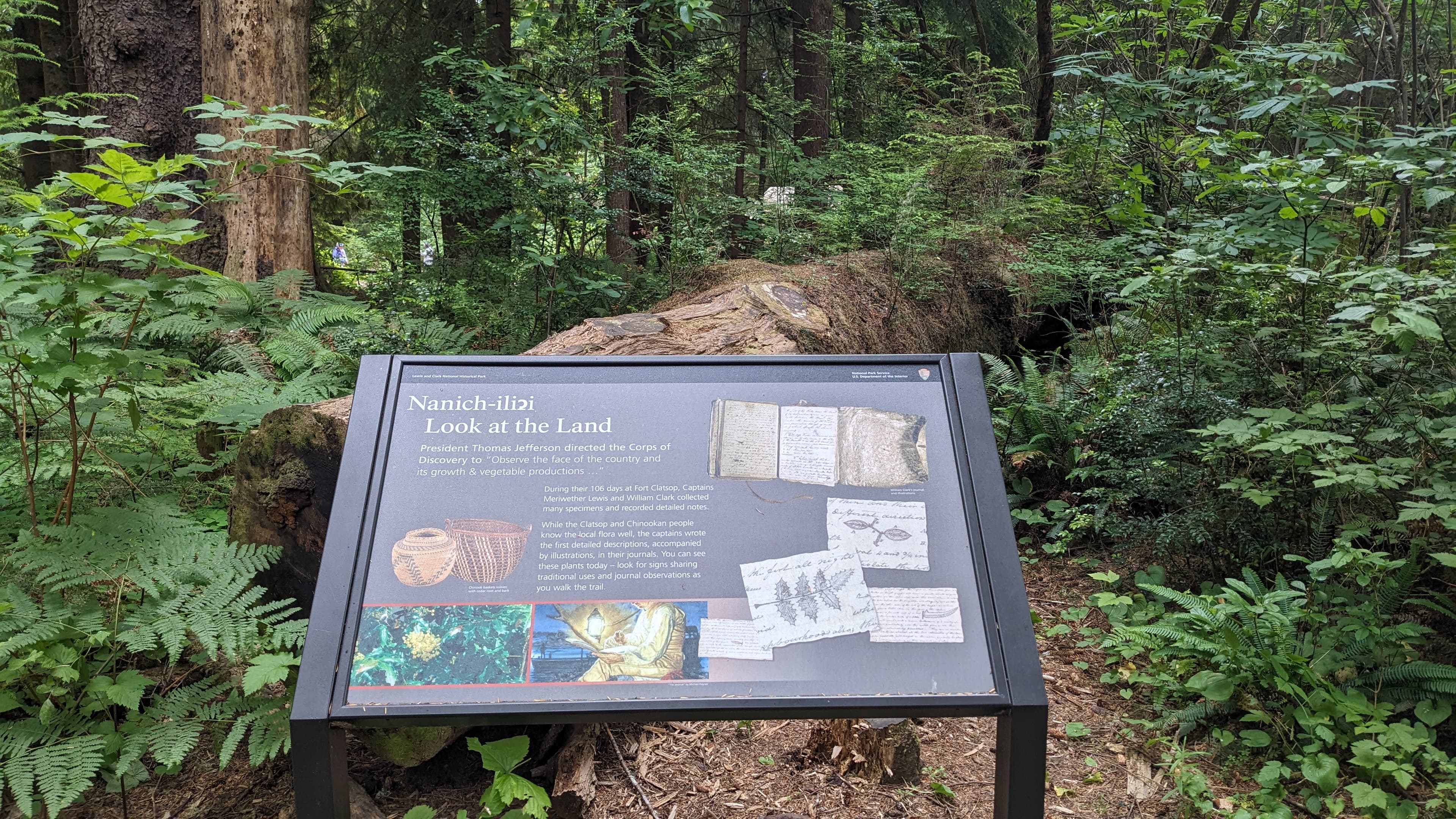
"Look at the Land" Sign
audio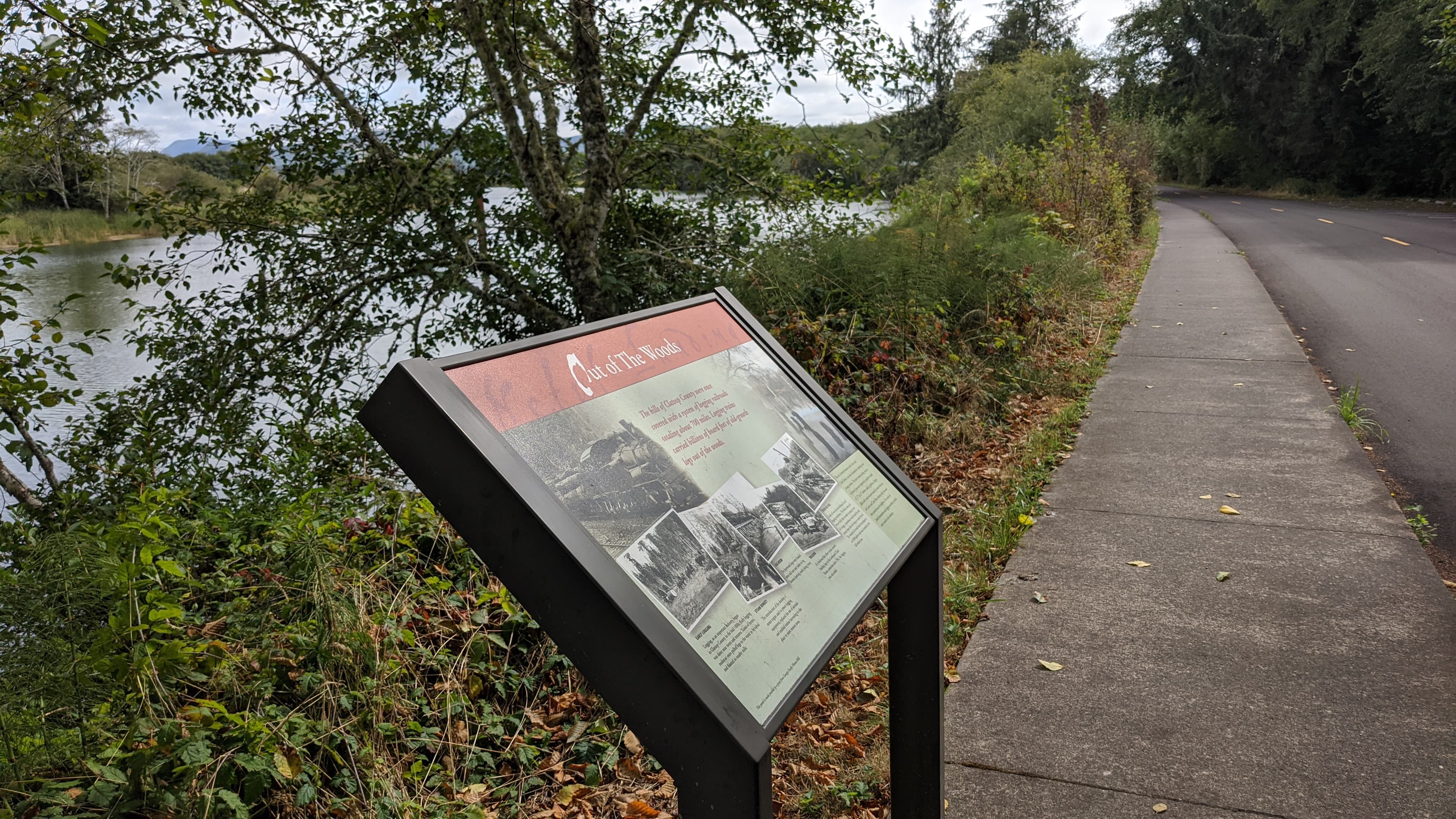
"Out of the Woods" Sign at North Netul Landing
audio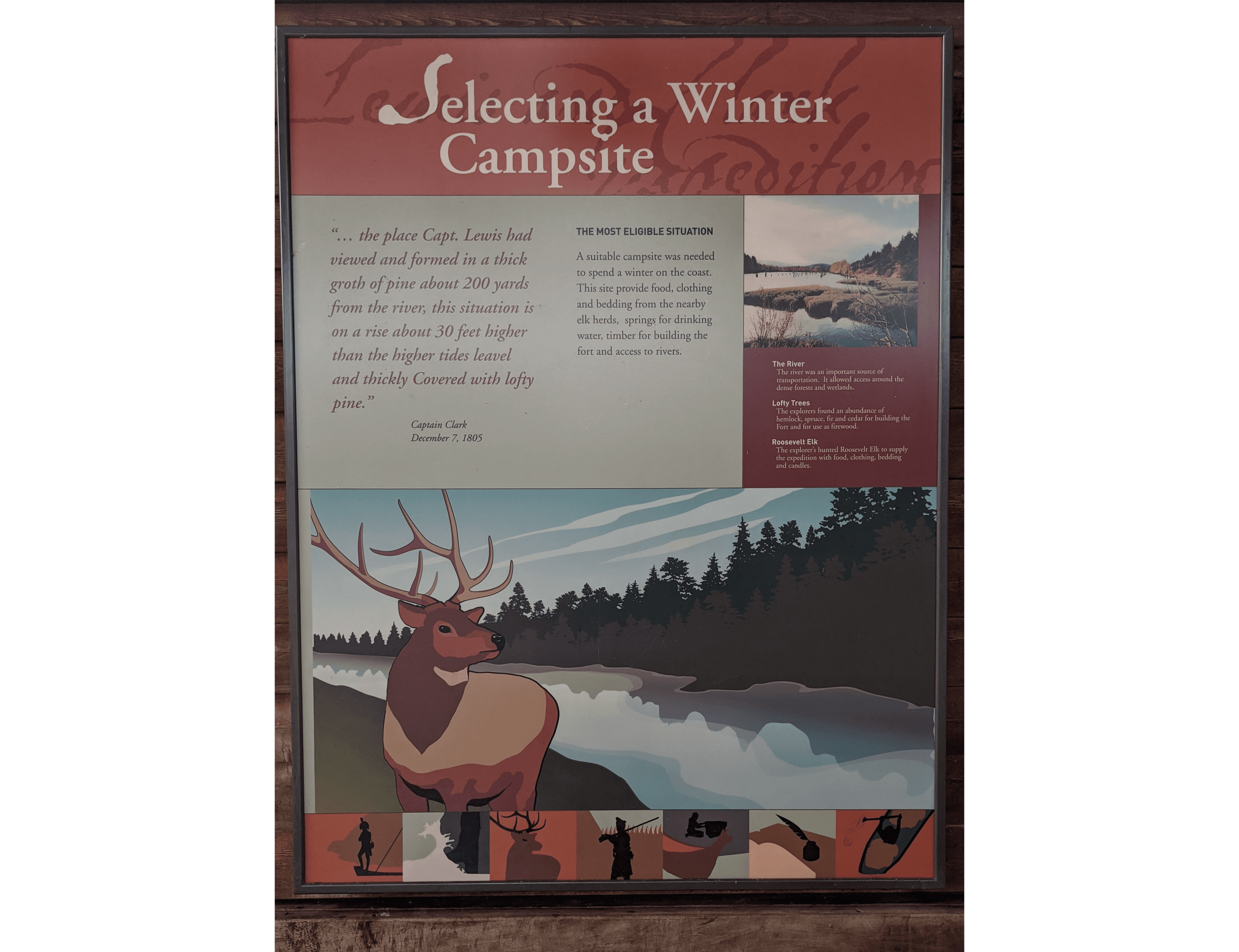
"Selecting a Winter Campsite" Sign
audio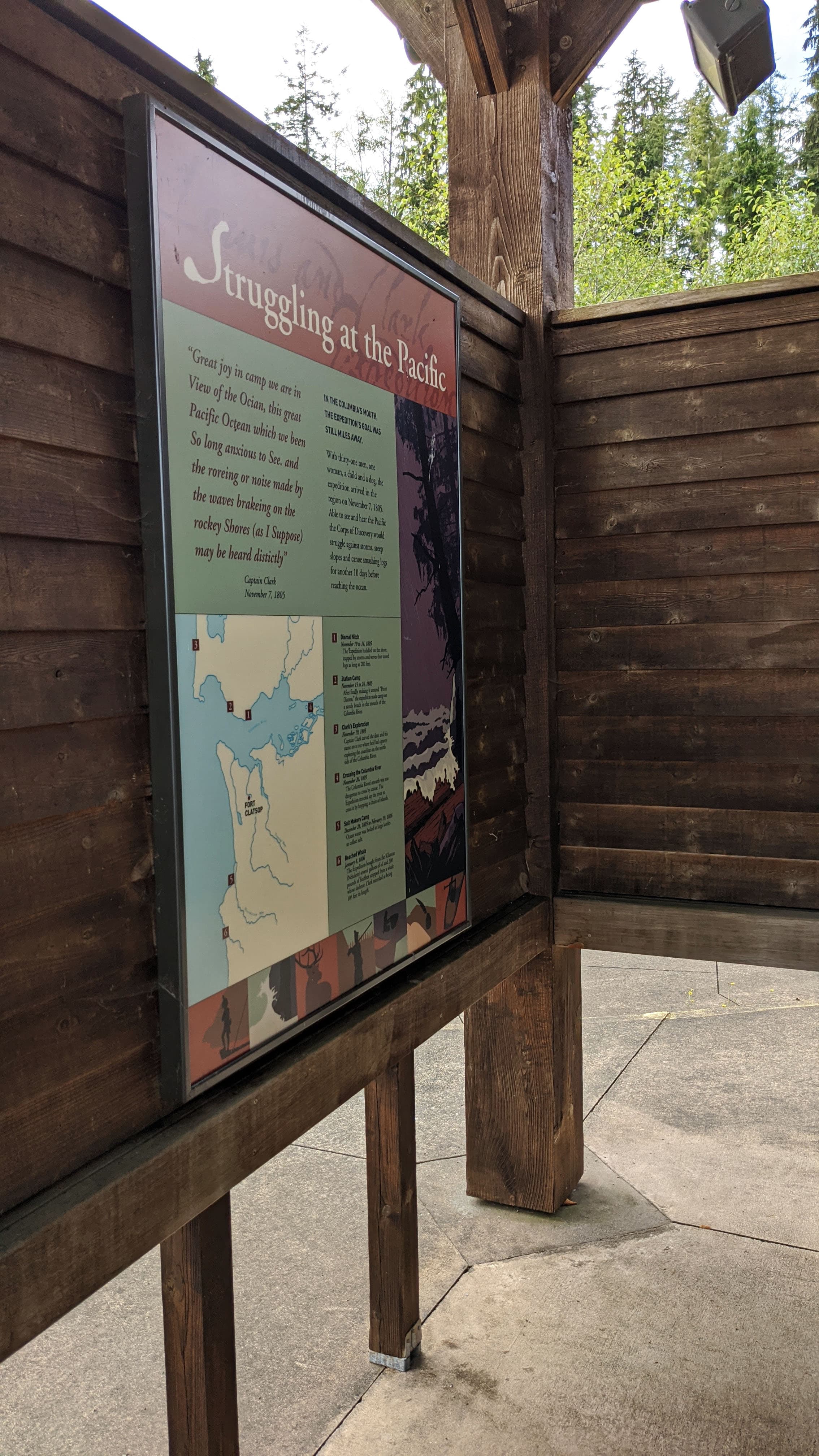
"Struggling at the Pacific" Sign
audio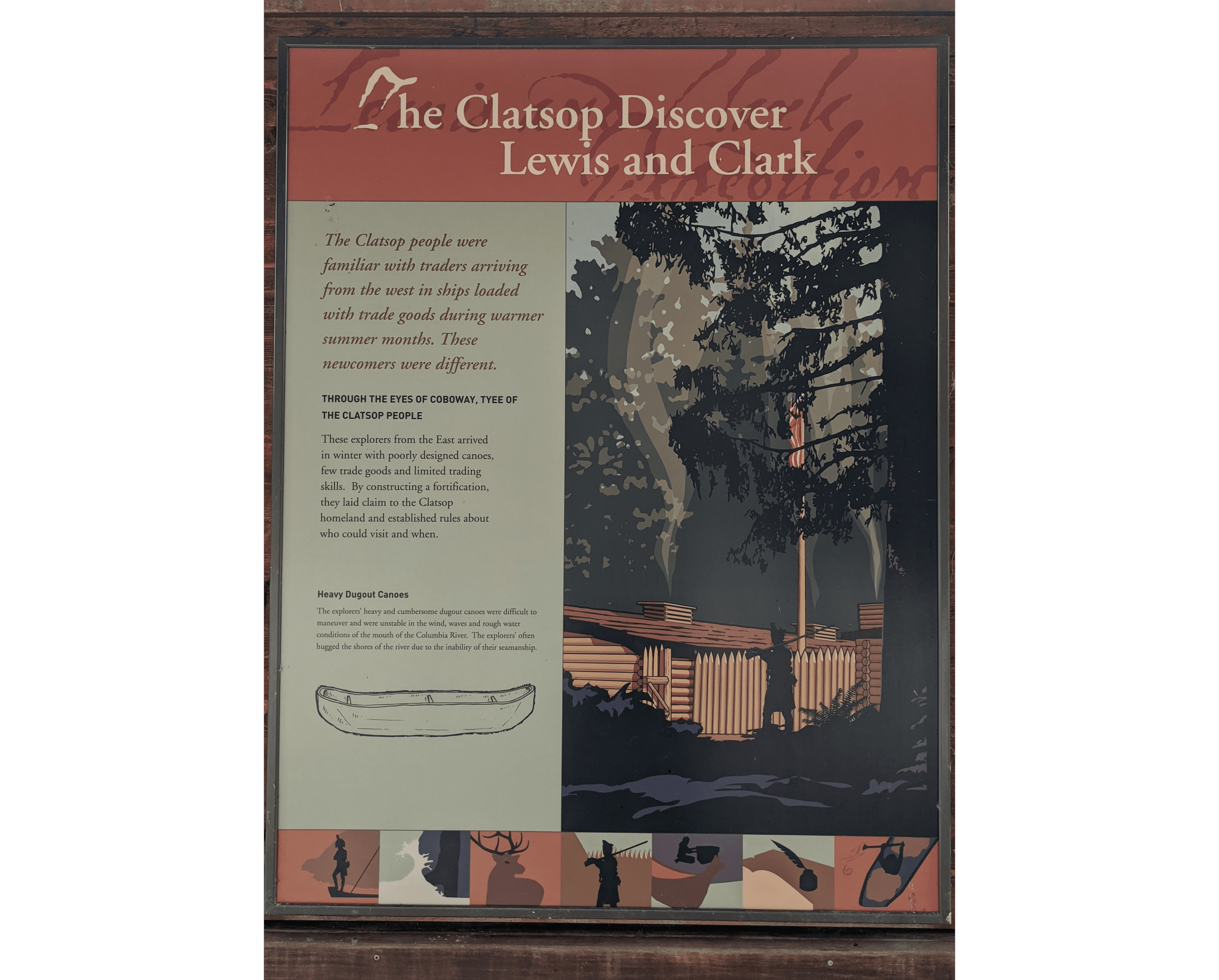
"The Clatsop Discover Lewis and Clark" sign
audio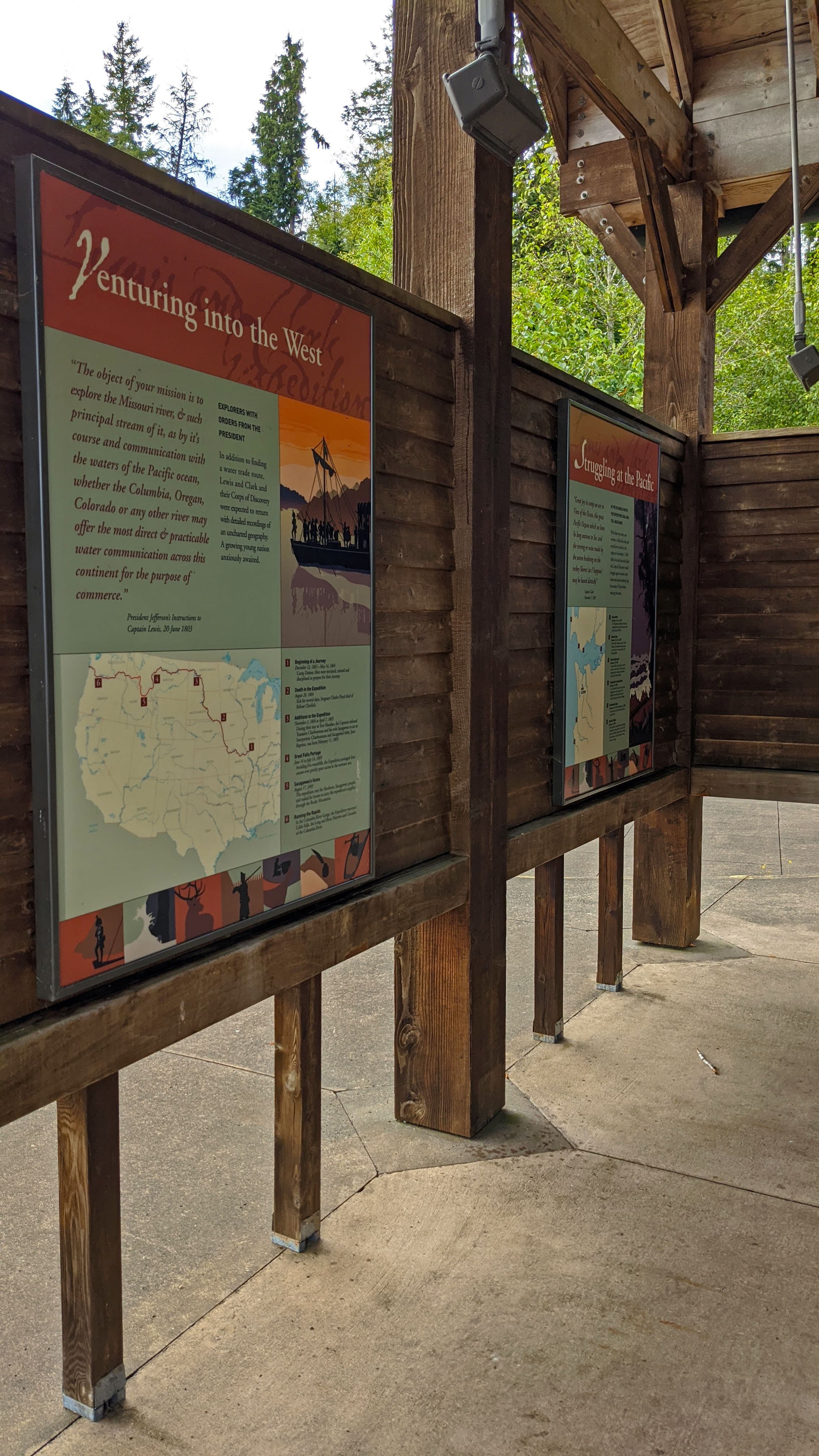
"Venturing Into the West" Sign
audio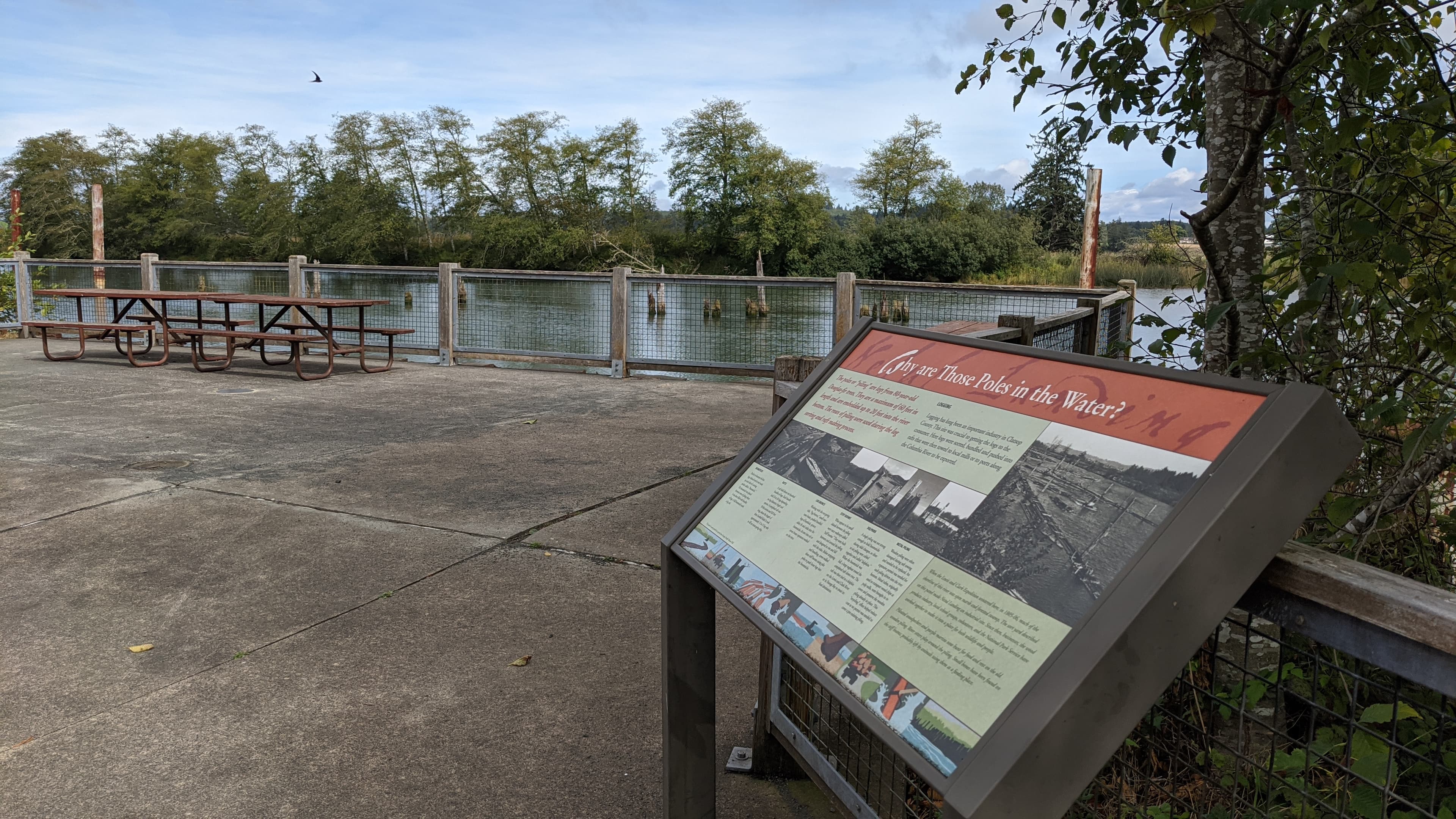
"Why Are Those Poles in the Water?" Sign
audioAudio & media
🎧
🎬
🖼
Learn more
Wind-driven waves and abnormally high sea levels contributed to hundreds of millions of dollars in flood and storm damage in the San Francisco Bay region, including Point Reyes National Seashore, Golden Gate National Recreation Area, and Pinnacles National Monument. In addition to California, the 1997–1998 El Niño and the following 1998–1999 La Niña severely impacted the Pacific Northwest, including many National Park System units.
Many people confuse the American Coot with different species of ducks. In fact, Captain Lewis, when writing in March 1806 at Fort Clatsop, called the coot a “black duck.”
A badger was killed by Joseph Field north of today’s Omaha, Nebraska, on July 30, 1804. Captain Clark wrote a short journal entry about it, but Meriwether Lewis, during the long winter of 1805-06 at Fort Clatsop, wrote a lengthy description of the American badger, Taxidea taxus.
Eleven bat species occur in North Coast Cascades Network Parks. Each species is unique, except that they're all facing threats of some kind in their environments. Learn more about how scientists study bats and what you can do to help.
Bees are some of the most abundant and important pollinators in the world – especially in mountainous environments. Despite the importance of bees in our natural environments, many national parks do not know what species live within their boundaries. In 2016, to celebrate the Centennial of the National Park Service, North Coast and Cascades national parks focused on inventories of pollinators, including bees.
In 1840, Celiast Smith, a Clatsop woman, returned to her homeland at the mouth of the Columbia River after two decades. It was a moment of immense joy, as people rushed into the river to bring her ashore. Today, Celiast’s long and eventful life can be traced through three different objects: a shellfish basket speaks to her youth and homeland; a thimble represents her defiance against colonial structures; and a family plate captures her ongoing legacy among her descendants.
Chinookan people have built and paddled canoes on the Lower Columbia River for generations, and their skills as canoe-makers and canoeists reflect their deep knowledge of the river.
Chinookan people controlled the water highway of the Columbia River.
Ranger School
Park-grounded courses you can learn with the Ranger.
"Cross and Examine"
Open →
"We Proceeded On..."
Open →
Biomes and Climates of the Lewis and Clark Expedition
Open →
Gifts and Trading
Open →
Important Members of the Lewis and Clark Expedition
Open →
I’ll Take This, and I’ll Need That!
Open →
Stepping Off the Map
Open →
To Code or Not to Code, That was the Question.
Open →
“Tracking” Down the Secret Code / North American Animal “Who am I”
Open →
“With Great Pains and Accuracy”
Open →
How Lewis and Clark National Historical Park connects
This park's activities, topics, location, and on-the-ground places — one hop in the graph. Drag to explore; click an activity, topic, or related park to follow it.
Park
Activity
Topic
State
VisitorCenter
PassportStamp
ParkingLot
Trail
ThingToDo
Similar parks
Share activities & topics with Lewis and Clark National Historical Park.
Nearby parks
Often planned together
Parks travelers add to the same trip as Lewis and Clark National Historical Park.