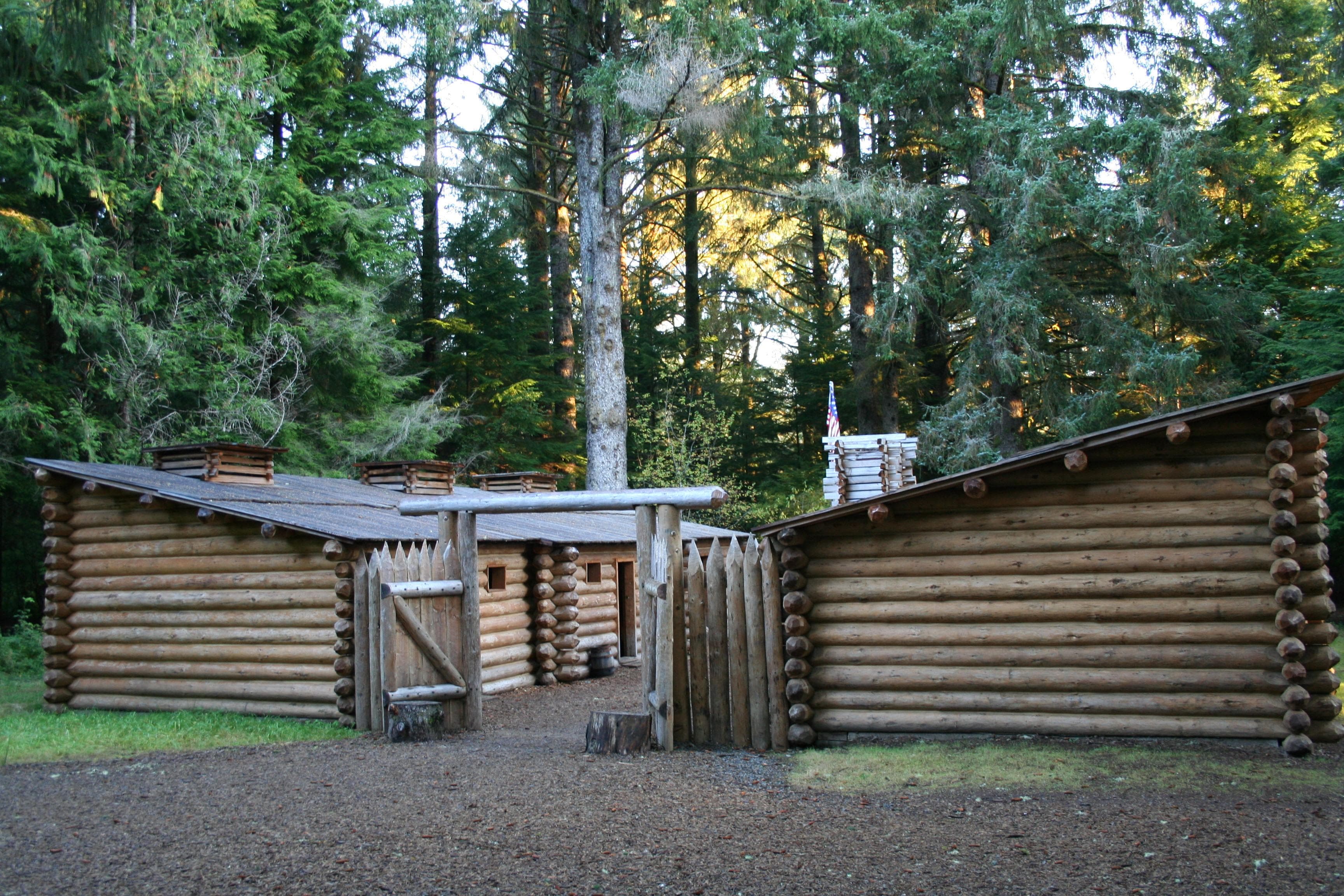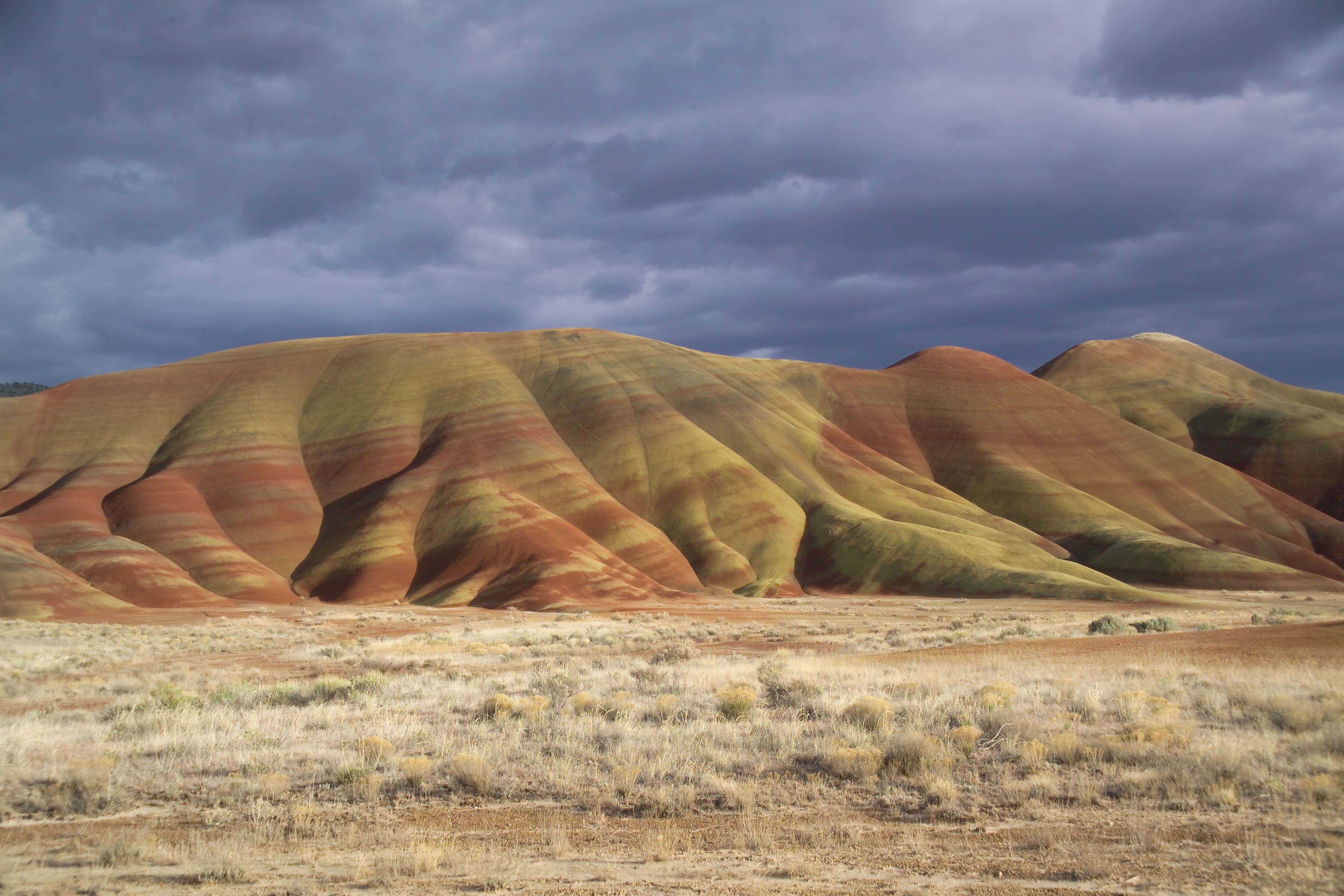
John Day Fossil Beds National Monument
Oregon
Tonight
🌓 65% moon
8.5 h fully dark
Hikes
Easy–Strenuous
🟢 🔴
Crowds
low
Open today
Open
Entrance
Free entry
Phone Lines Down
The park phones are not calling in. If you have an emergency, please dial 911. For everything else, you can contact us at JODA_Interpretation@nps.gov
Large rhino-like brontotheres roam a semitropical forest. Dog-sized, three-toed horses dart between the trees. The cat-like nimravid and bear dogs stalk their prey. The climate cools and forests alter to dryer grasslands. Saber tooth cats and camels get replaced by mountain lions and deer. Paleontologists learn more about the ancient animals and environment with every new fossil they discover.
Activities
Topics
No entrance fee.
Hours & seasons
All outdoor recreation opportunities in the park are open daily, including all overlooks and hiking trails at the park’s three units: Sheep Rock, Painted Hills, and Clarno.
Generally open:
winterspringsummerfallHours are reported by the park — verify before you go.
📞 5419872333
✉ joda_interpretation@nps.govConditions
Quietest months (fewer crowds): Jan, Feb, Nov, Dec
Typical crowds: low
Weather now: ☀️ Clear, 73°F
☀️ 79°/48°
☁️ 80°/55°
☁️ 66°/52°
Typical monthly recreation visits · NPS avg 2023–2025 — orange months are the quietest by crowds.
Quietest months
Relative crowds by month — lighter is quieter; ringed months are the calmest by crowds.
Jan
9%
Feb
12%
Mar
37%
Apr
48%
May
88%
Jun
100%
Jul
88%
Aug
87%
Sep
65%
Oct
48%
Nov
21%
Dec
11%
Log a sky reading
Measured the sky with an SQM meter or app? Add your reading (16 = city glow … 22 = pristine). Opt in under “Travelers like you” to share it on the community leaderboard.
Live conditions
Paleo Lab Web Cam ↗inactive
Painted Hills Unit: Carroll Rim ↗active
Sheep Rock Unit Cam ↗active
Painted Hills Unit: Carroll Rim ↗active
Sheep Rock Unit ↗active
Things to do
John Day Fossil Beds Junior Ranger Program
Layers of Life: Stories of Ancient Oregon
Fossil Gallery
Thomas Condon Overlook Trail · 0.25 mi
Trail of Fossils · 0.25 mi
🟢 Story in Stone Trail
Sheep Rock Overlook Trail · 0.5 mi
River Trail · 0.6 mi
Visitor centers
Historic Cant Ranch Museum
Thomas Condon Visitor Center
Accessibility
4 audio-described place(s)
Reported by the park — verify before you go.
Not an official safety source — always defer to NPS.gov and rangers for life-safety decisions.
By the numbers
A visual read on John Day Fossil Beds National Monument — its character, trails, sky, and weather.
Park fingerprint
How this park scores across the dimensions travelers care about.
Trail difficulty
Difficulty mix across this park's trails.
Trail profile
Each dot is a trail — distance vs. elevation gain, by difficulty.
3-day forecast
Daily high and low temperatures (°F).
Passport stamps
Mark the stamps you've collected — they show in your memory and along your routes.
🎫 Historic Cant Ranch Museum
🎫 Thomas Condon Visitor Center
Places to see
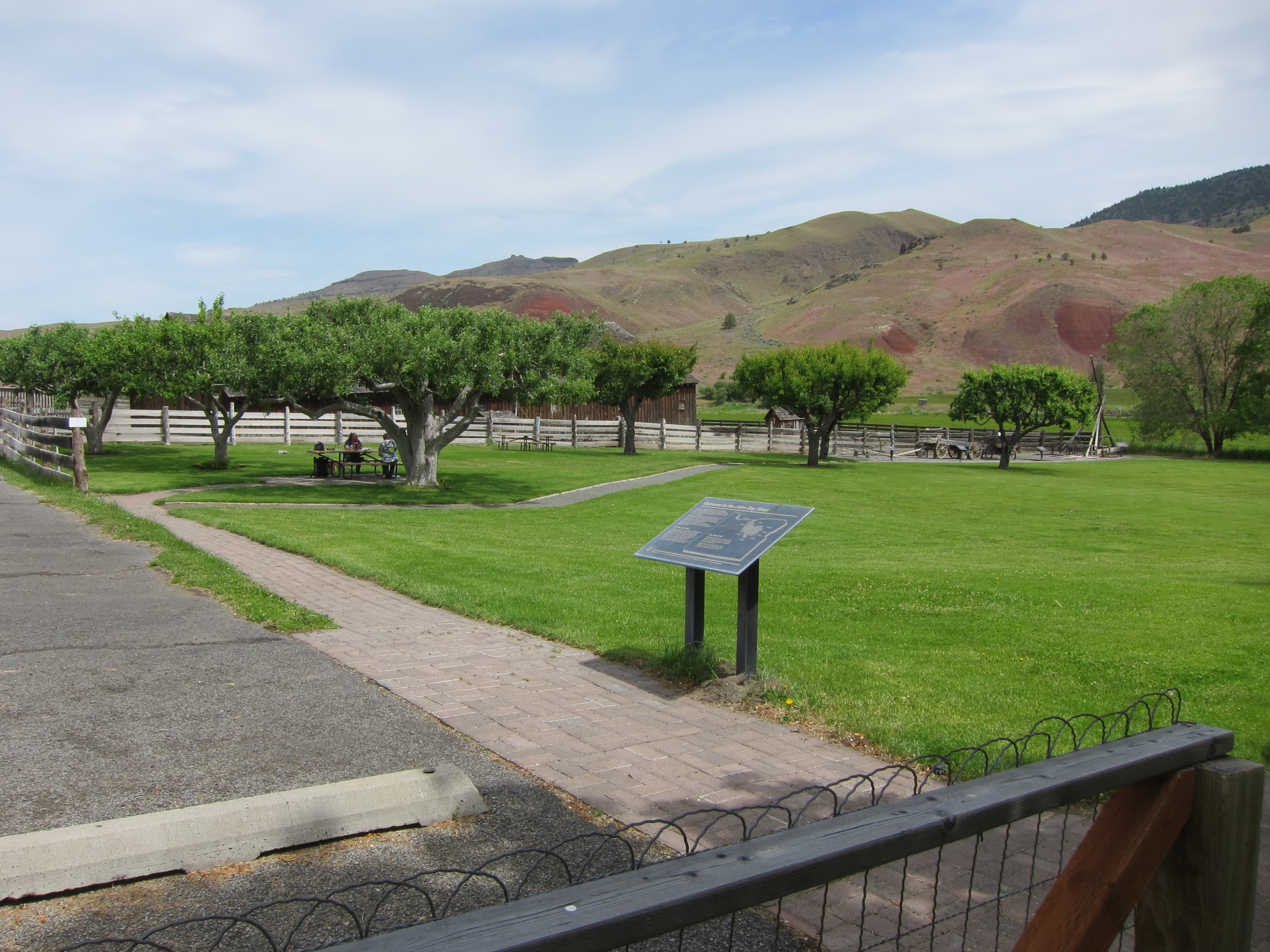
A Rhythm of Seasons
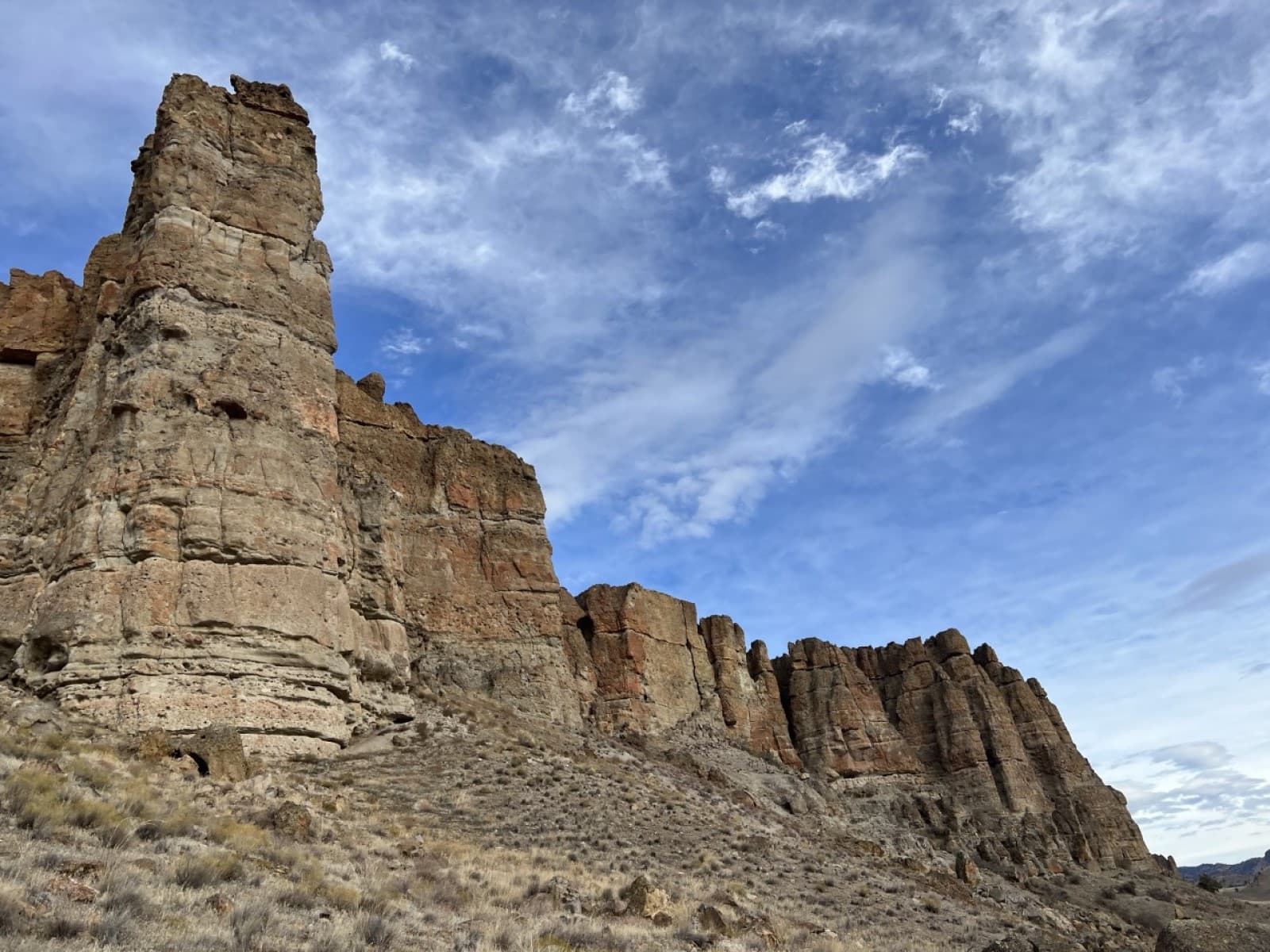
Arch Trail Introduction
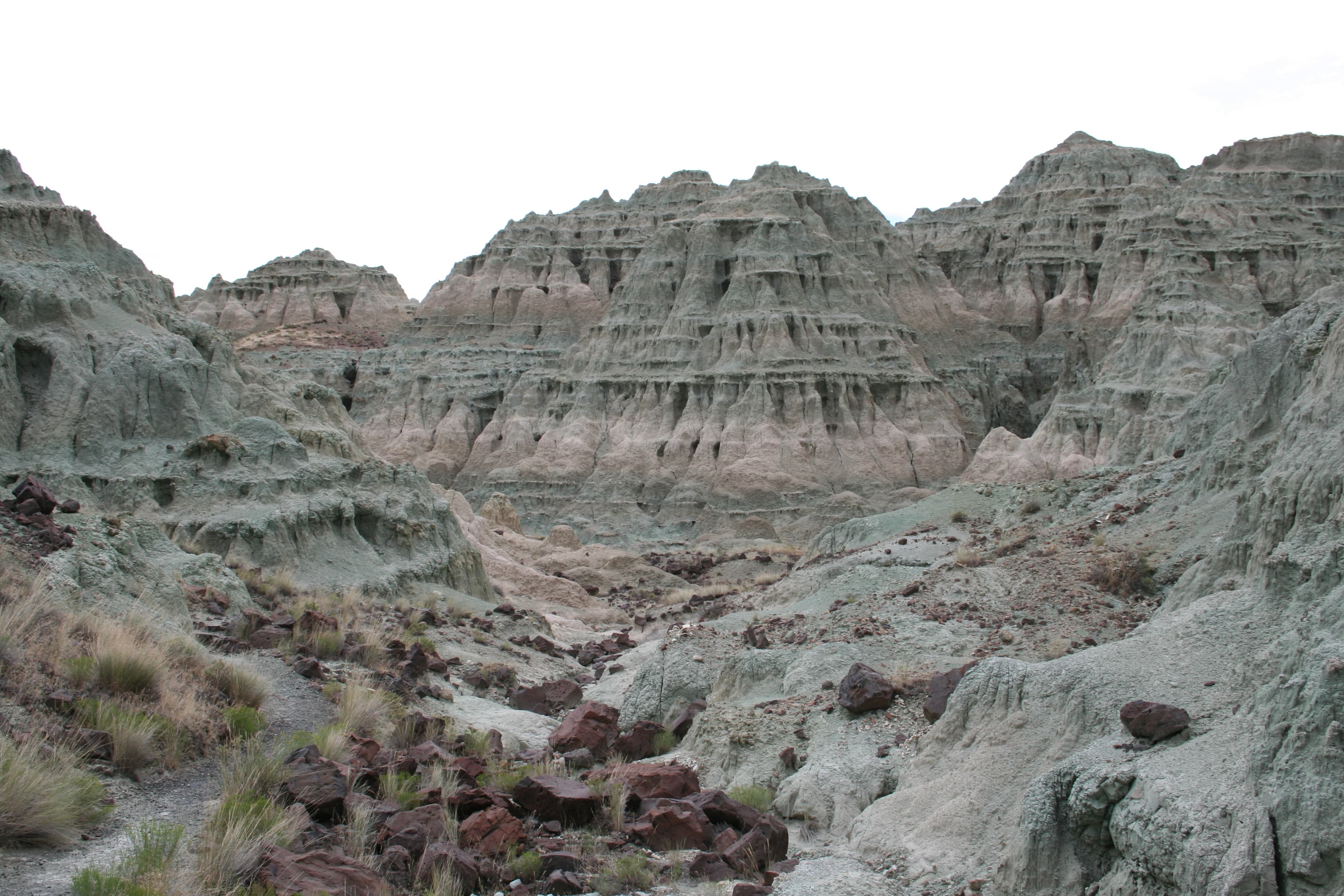
Blue Basin
audio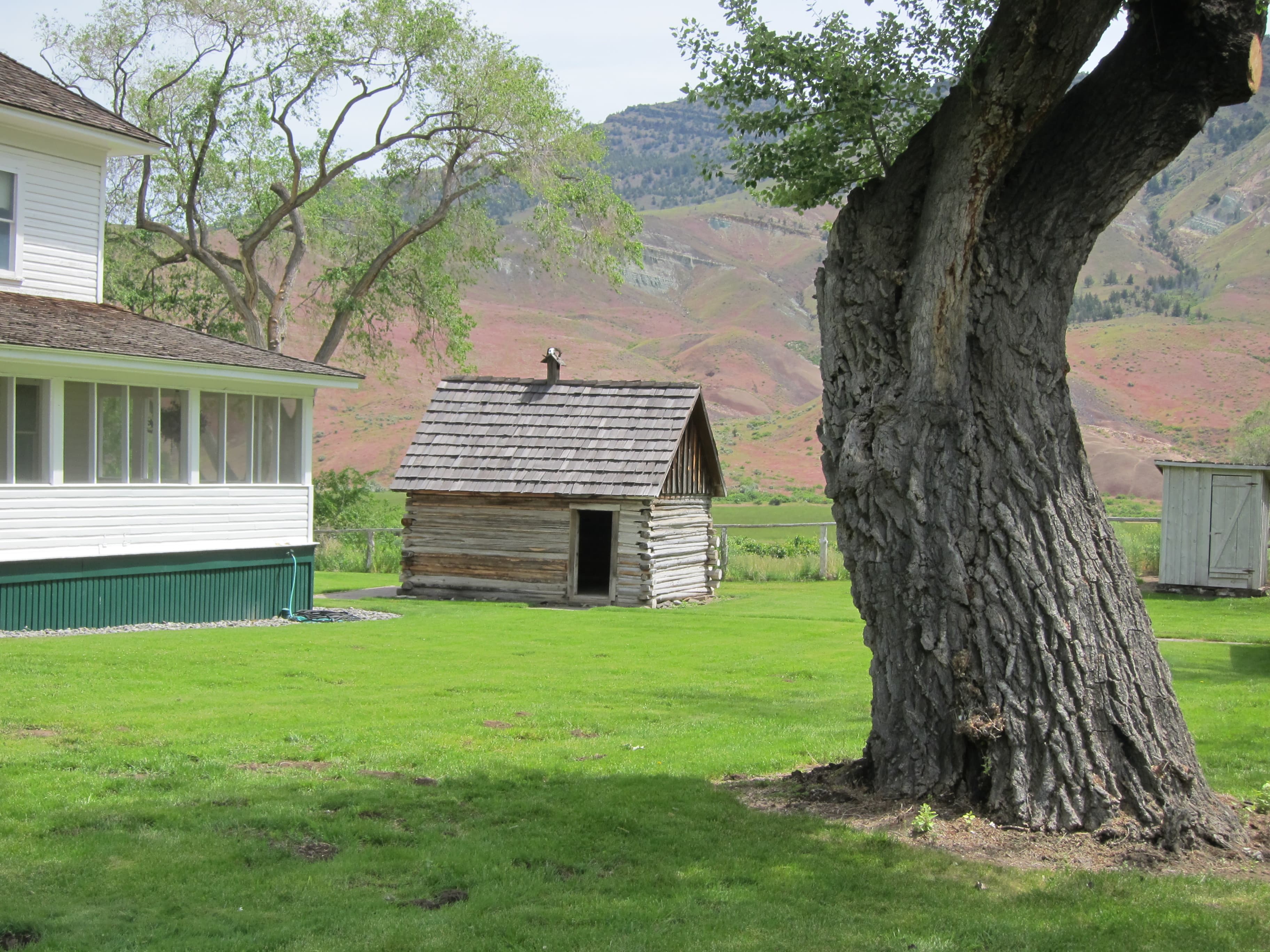
Building New with Old
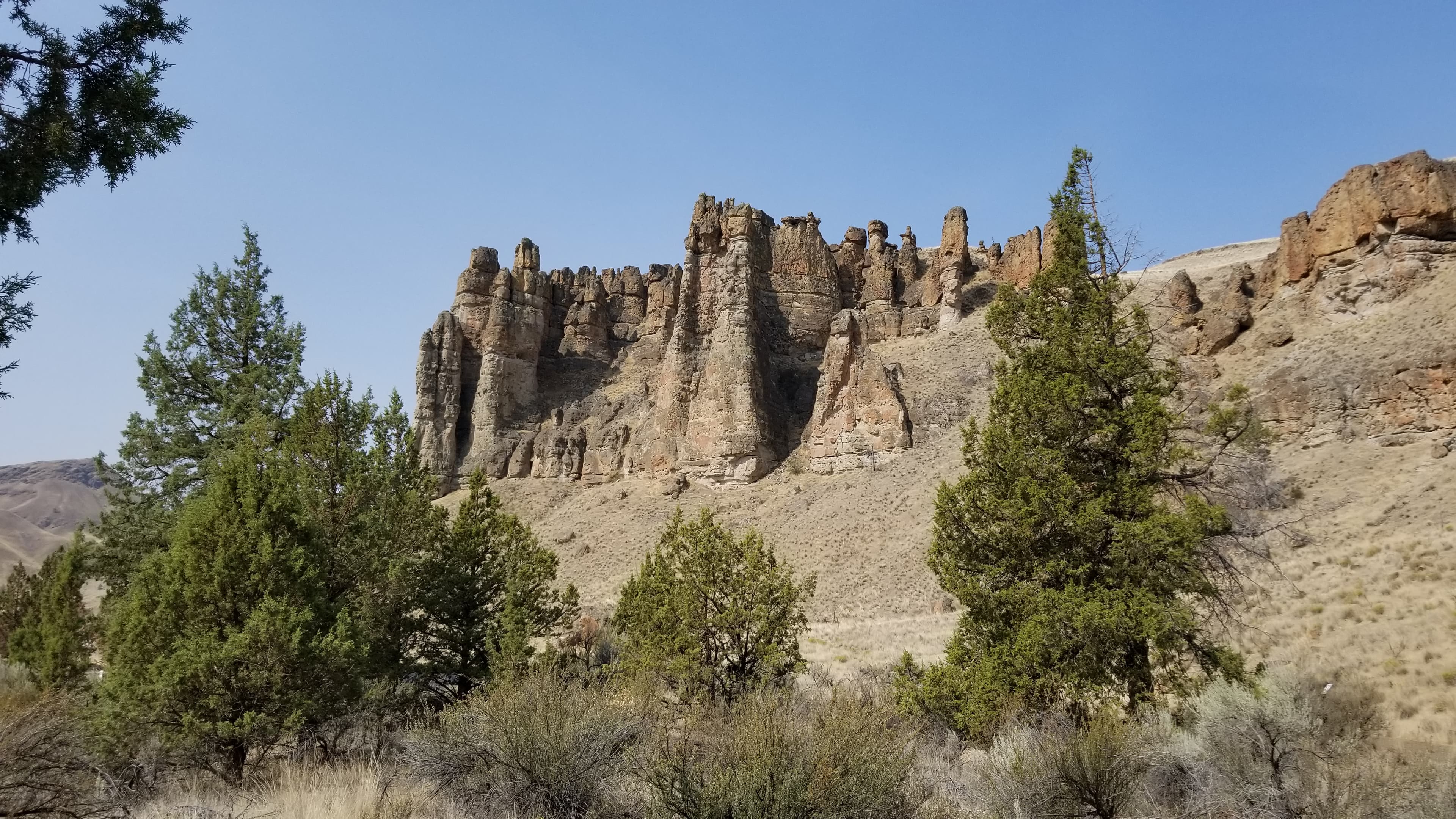
Clarno Palisades
audio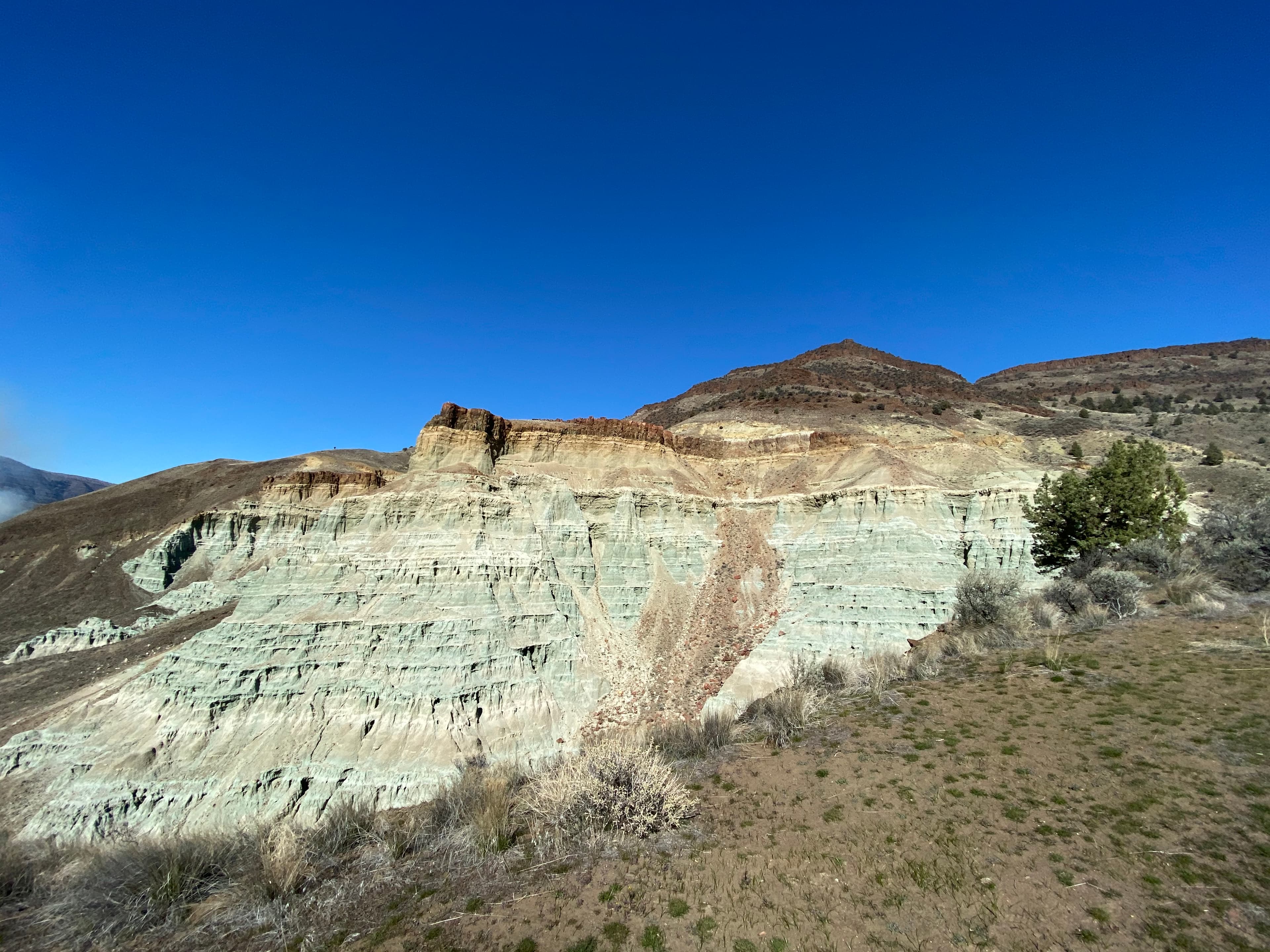
Foree
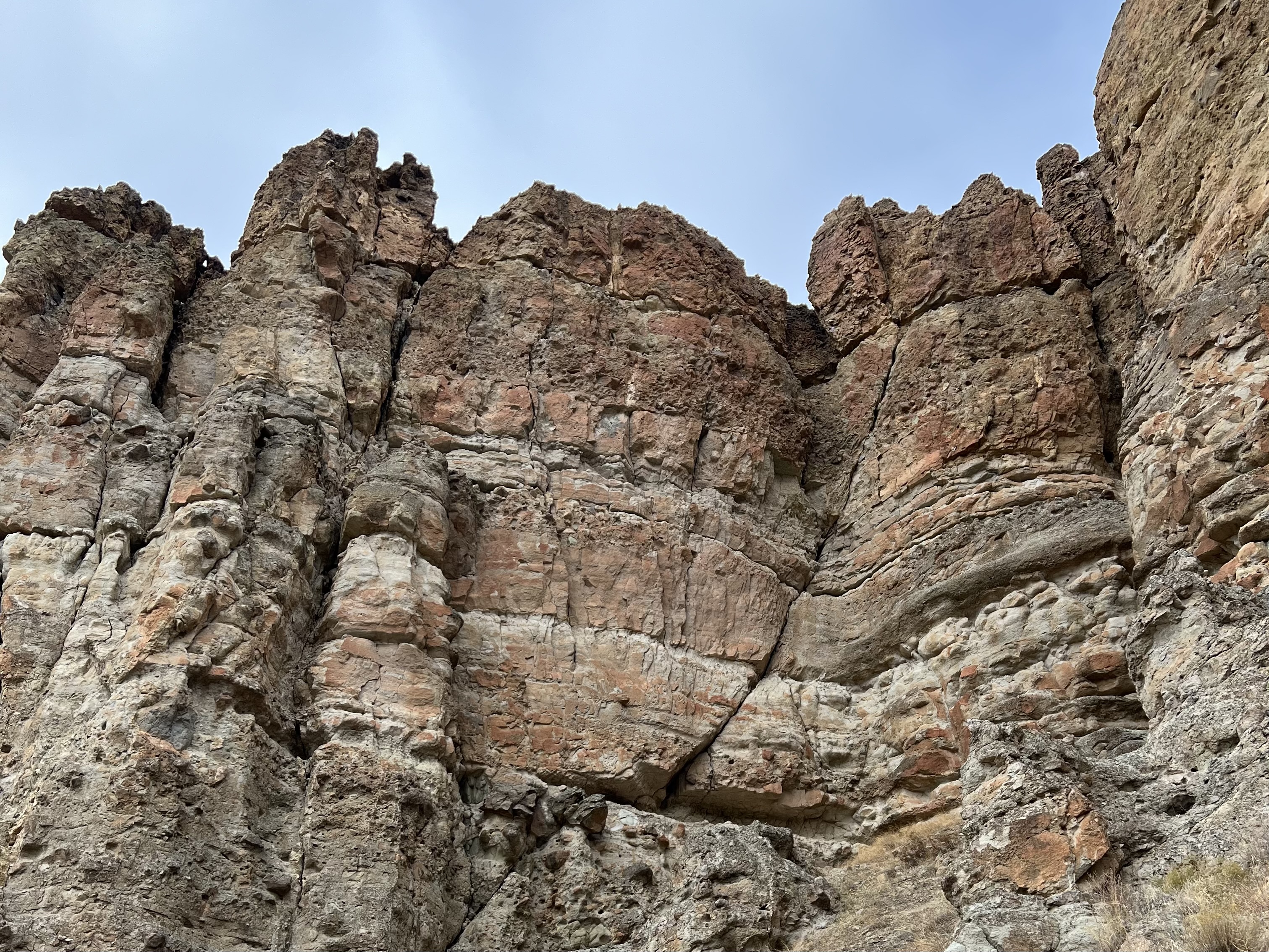
Forest Regrowth
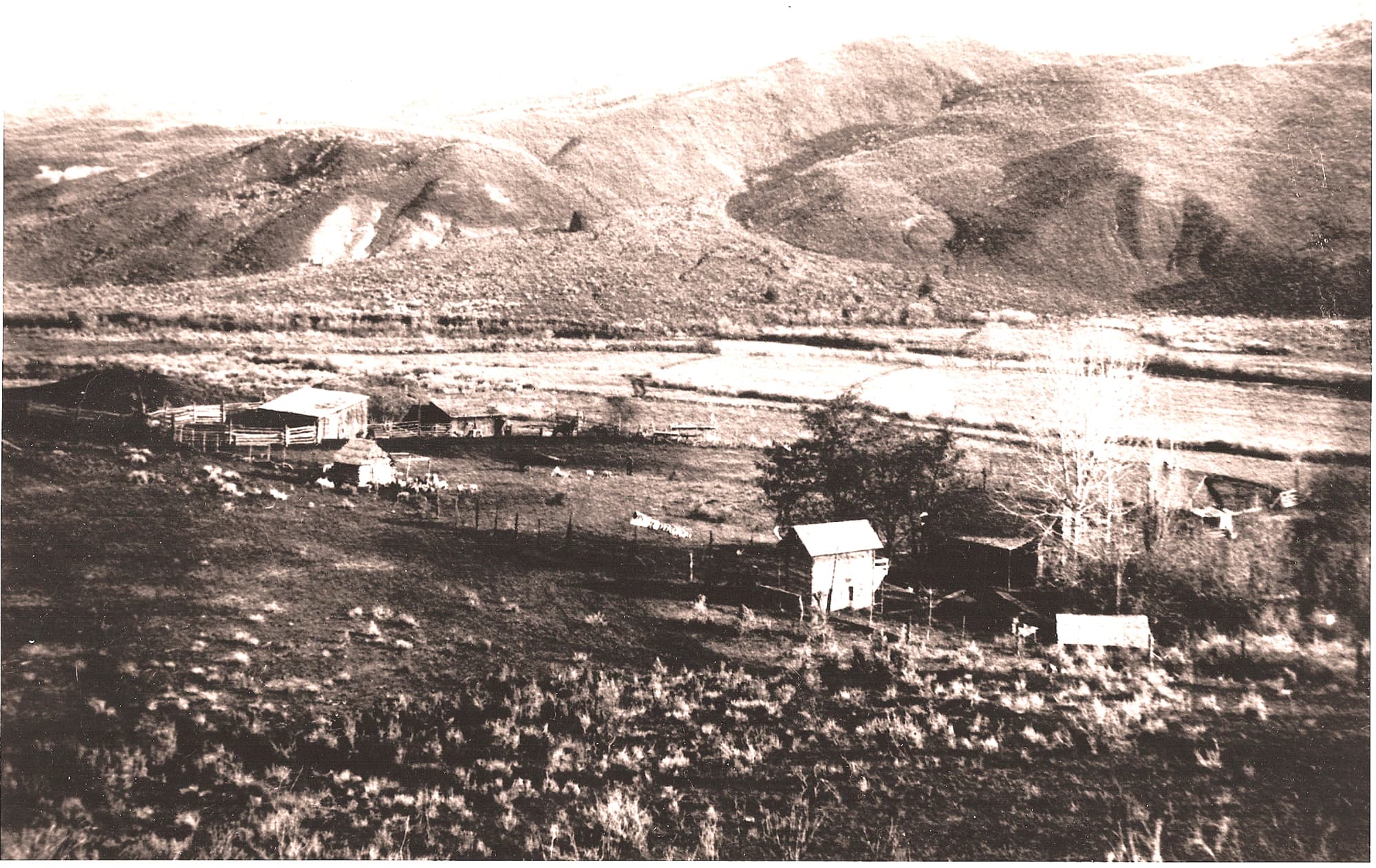
Homestead Welcome
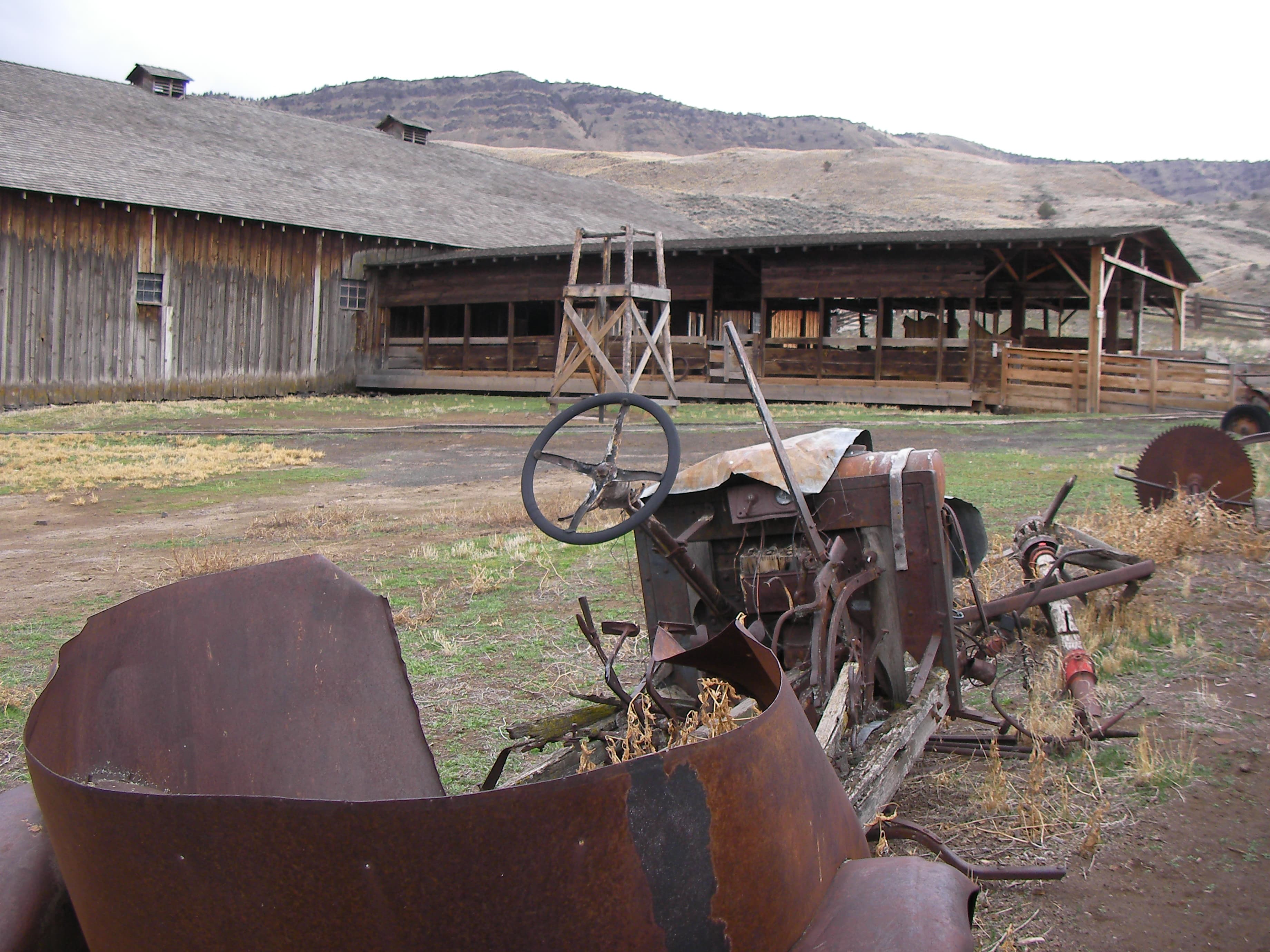
Impact of Time
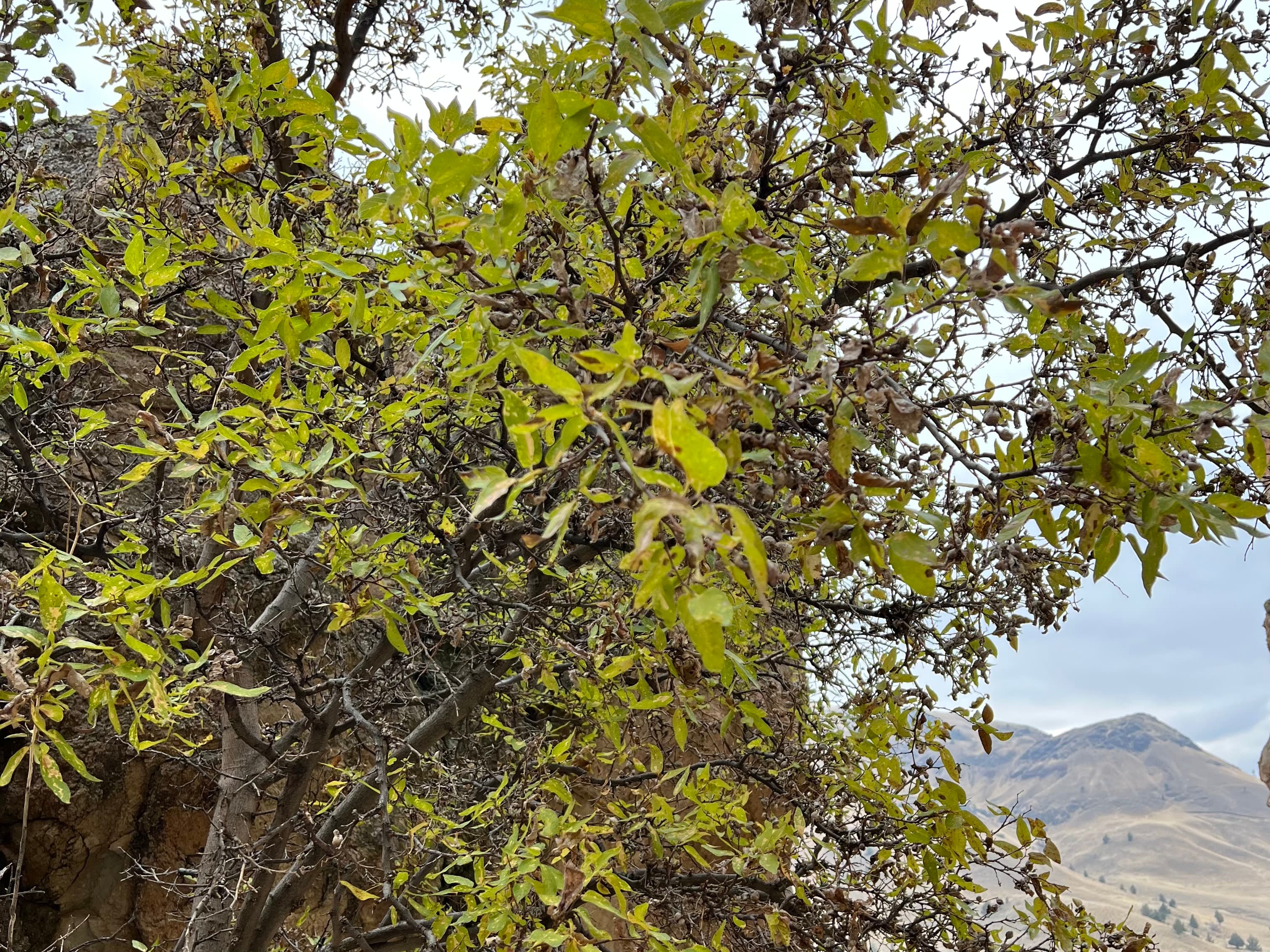
Living Fossils
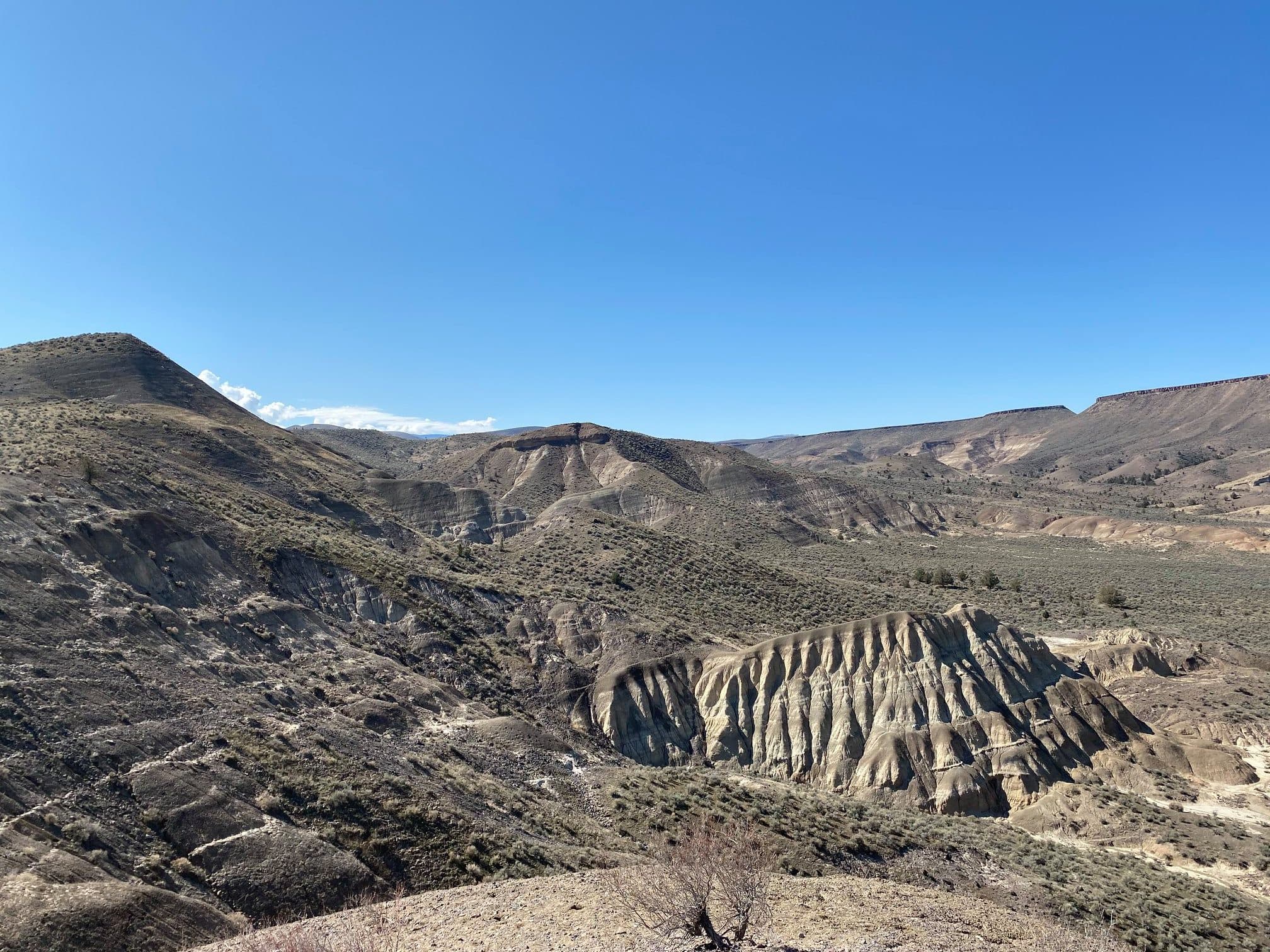
Mascall Formation Overlook
audio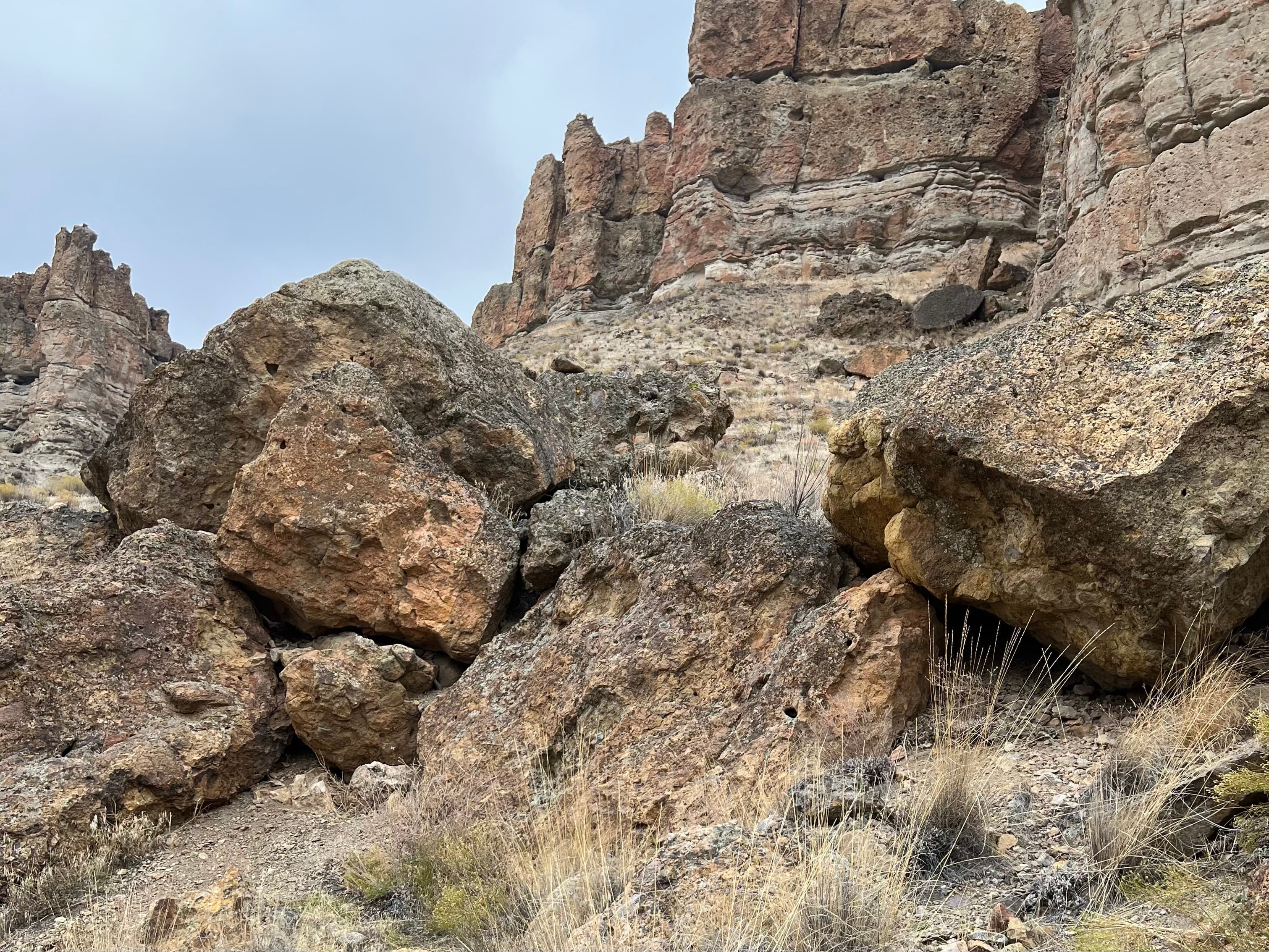
New Discoveries
Audio & media
🎧
🎬
🖼
Learn more
Recipients of the 2011 NPS Environmental Achievement Awards
Mammoths, mastodons, and other proboscideans are among the most familiar fossil organisms. An inventory complied by Jim Mead and others documents the occurrences of these animals in 63 National Park Service units.
The iconic National Park Service arrowhead emblem was created in 1949 by Dr. Aubrey Neasham. He used symbols to show us ideas and themes important to the National Parks. What do you think they the symbols mean? Find out more by completing this activity and then create your own arrowhead for specifically for John Day Fossil Bed!
Trees shade us from the sun, provide homes for wildlife, stabilize Earth’s surface, and produce food for humans and animals alike. Some are massive, and others are miniscule by comparison, but what makes one better than the other—we’ll let you decide! Check out our iconic trees below and find your favorite!
Thanks to funding from the Bipartisan Infrastructure Law, NPS projects in the West hope to collect native seeds to aide in accelerating repairs to damage due to wildfire, mining, flood, or other causes.
The Cant Ranch Historic District is located in the Sheep Rock Unit of John Day Fossil Beds National Monument established in 1974. The Cant Ranch Historic District, as established in the 1984 National Register nomination, is a 200-acre vernacular landscape that documents early 20th century ranching operations in the John Day River Valley.
The Cenozoic Era (66 million years ago [MYA] through today) is the "Age of Mammals." North America’s characteristic landscapes began to develop during the Cenozoic. Birds and mammals rose in prominence after the extinction of giant reptiles. Common Cenozoic fossils include cat-like carnivores and early horses, as well as ice age woolly mammoths.
Across the US, changes in water availability are altering which plants grow where. These changes are evident at a broad scale. But not all areas experience the same climate in the same way, even within the boundaries of a single national park. A new dataset gives park managers a valuable tool for understanding why vegetation has changed and how it might change in the future under different climate-change scenarios.
Ranger School
Park-grounded courses you can learn with the Ranger.
A Fossil’s Journey
Open →
Biodiversity and Adaptation
Open →
Paleo Fossil Cookie Dig
Open →
Physical or Behavioral Adaptations
Open →
Stratigraphic Column Formation Sandwich
Open →
Survival of the Fittest
Open →
Which Bone Goes Where
Open →
How John Day Fossil Beds National Monument connects
This park's activities, topics, location, and on-the-ground places — one hop in the graph. Drag to explore; click an activity, topic, or related park to follow it.
Park
Activity
Topic
State
VisitorCenter
PassportStamp
Trail
ThingToDo
Alert
Similar parks
Share activities & topics with John Day Fossil Beds National Monument.
Nearby parks
Often planned together
Parks travelers add to the same trip as John Day Fossil Beds National Monument.