Fort Union National Monument
New Mexico
Tonight
🌓 65% moon
8.9 h fully dark
Crowds
low
Open today
Open
Fort Union National Monument Operating Hours: closed Nov 26 – Nov 26; Fort Union National Monument Operating Hours: closed Dec 25 – Dec 25; Fort Union National Monument Operating Hours: closed Jan 1 – Jan 1
Entrance
Free entry
Intermittent Road Work
Visitors should be aware that there is road work occurring in the park starting June 18th and potentially continuing throughout the month. There may be some minor delays and alternative parking arrangements.
New Mexico Road Advisories
The New Mexico Department of Transportation updates its map of road advisories regularly. Visitors are encouraged to look for any possible road advisories along their route of travel beforehand.
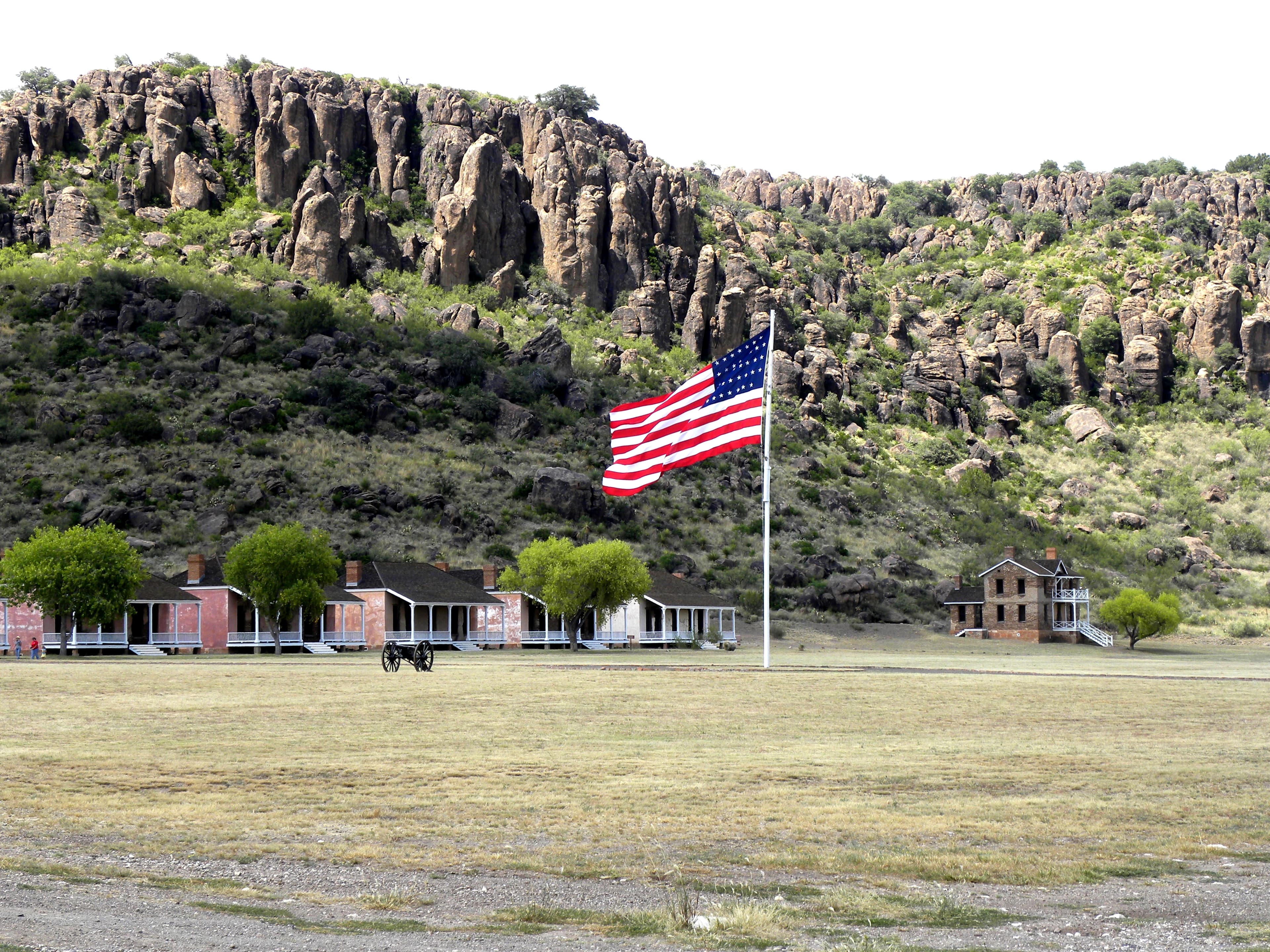
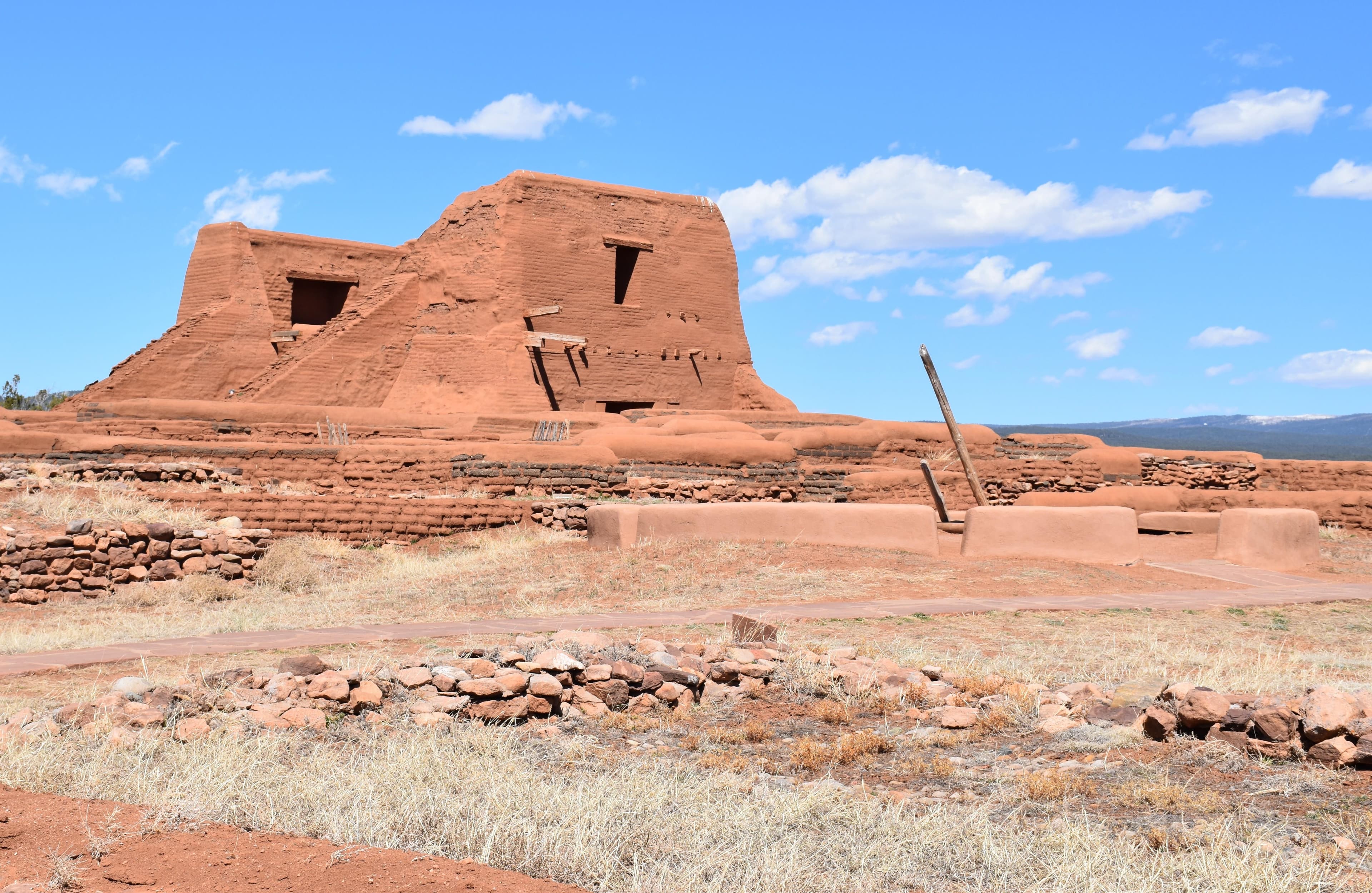
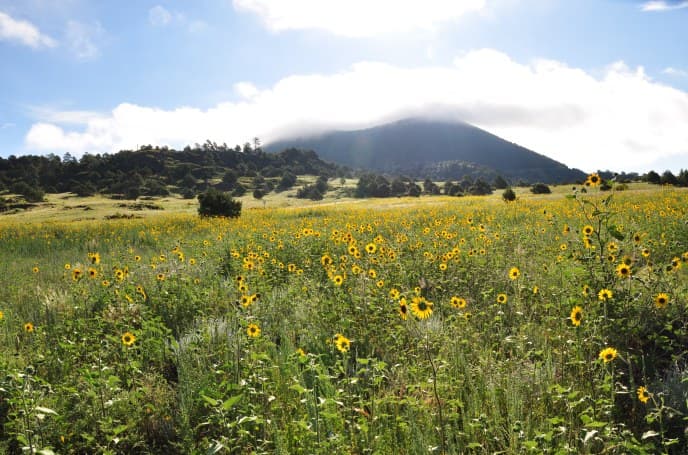
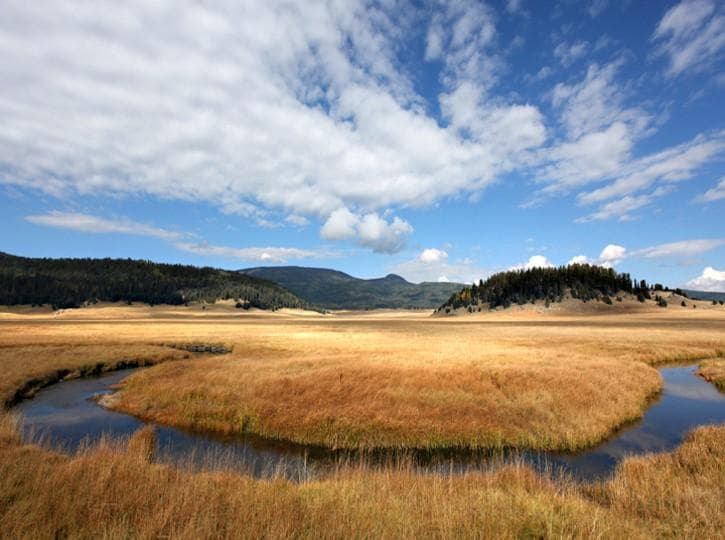
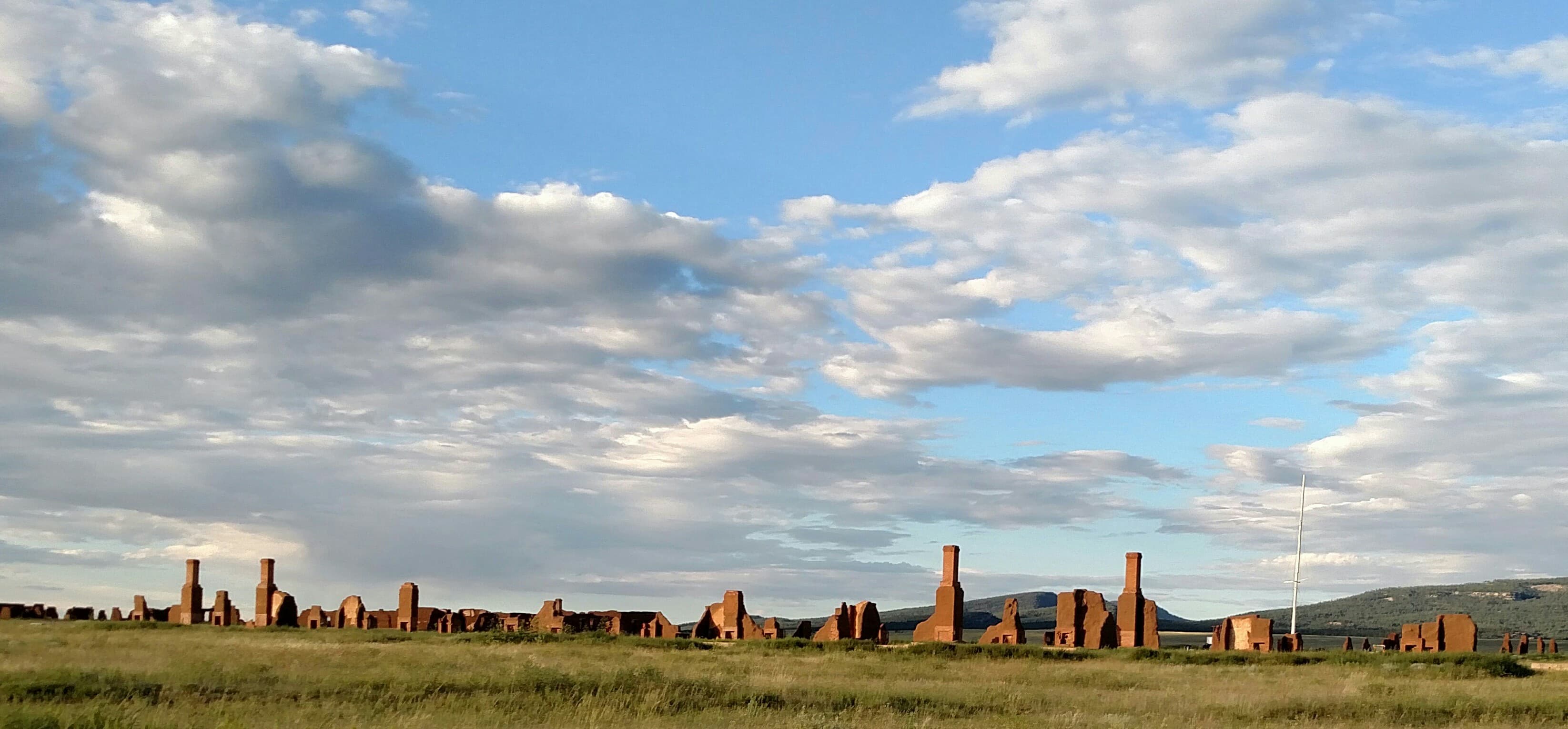
Official NPS alert →Exposed to the wind, within a sweeping valley of short grass prairie, and along the eroded Santa Fe Trail, lie the adobe walled ruins of the largest 19th century military fort in the region. From 1851 to 1891, Fort Union functioned as an agent of change, desired or not, in the New Mexico Territory and throughout the Southwest.
Activities
Topics
No entrance fee.
Hours & seasons
The monument grounds and visitor center are generally open 7 days a week, from 8:00 AM - 4:00 PM. The monument is closed Thanksgiving Day, Christmas Day, New Year's Day.
⚠ Fort Union National Monument Operating Hours: closed Nov 26 – Nov 26; Fort Union National Monument Operating Hours: closed Dec 25 – Dec 25; Fort Union National Monument Operating Hours: closed Jan 1 – Jan 1
Generally open:
winterspringsummerfallHours are reported by the park — verify before you go.
📞 505-425-8025
✉ foun_information@nps.govConditions
Quietest months (fewer crowds): Jan, Feb, Dec
Typical crowds: low
Weather now: ☀️ Clear, 77°F
☁️ 79°/46°
☁️ 76°/50°
🌦️ 70°/52°
Typical monthly recreation visits · NPS avg 2023–2025 — orange months are the quietest by crowds.
Quietest months
Relative crowds by month — lighter is quieter; ringed months are the calmest by crowds.
Jan
26%
Feb
38%
Mar
90%
Apr
77%
May
94%
Jun
100%
Jul
96%
Aug
73%
Sep
78%
Oct
65%
Nov
62%
Dec
37%
Log a sky reading
Measured the sky with an SQM meter or app? Add your reading (16 = city glow … 22 = pristine). Opt in under “Travelers like you” to share it on the community leaderboard.
Visitor centers
Fort Union National Monument Visitor Center
Accessibility
Reported by the park — verify before you go.
Not an official safety source — always defer to NPS.gov and rangers for life-safety decisions.
By the numbers
A visual read on Fort Union National Monument — its character, trails, sky, and weather.
Park fingerprint
How this park scores across the dimensions travelers care about.
3-day forecast
Daily high and low temperatures (°F).
Passport stamps
Mark the stamps you've collected — they show in your memory and along your routes.
🎫 Fort Union National Monument Visitor Center
🎫 Fort Union National Monument, the Santa Fe Trail
Places to see
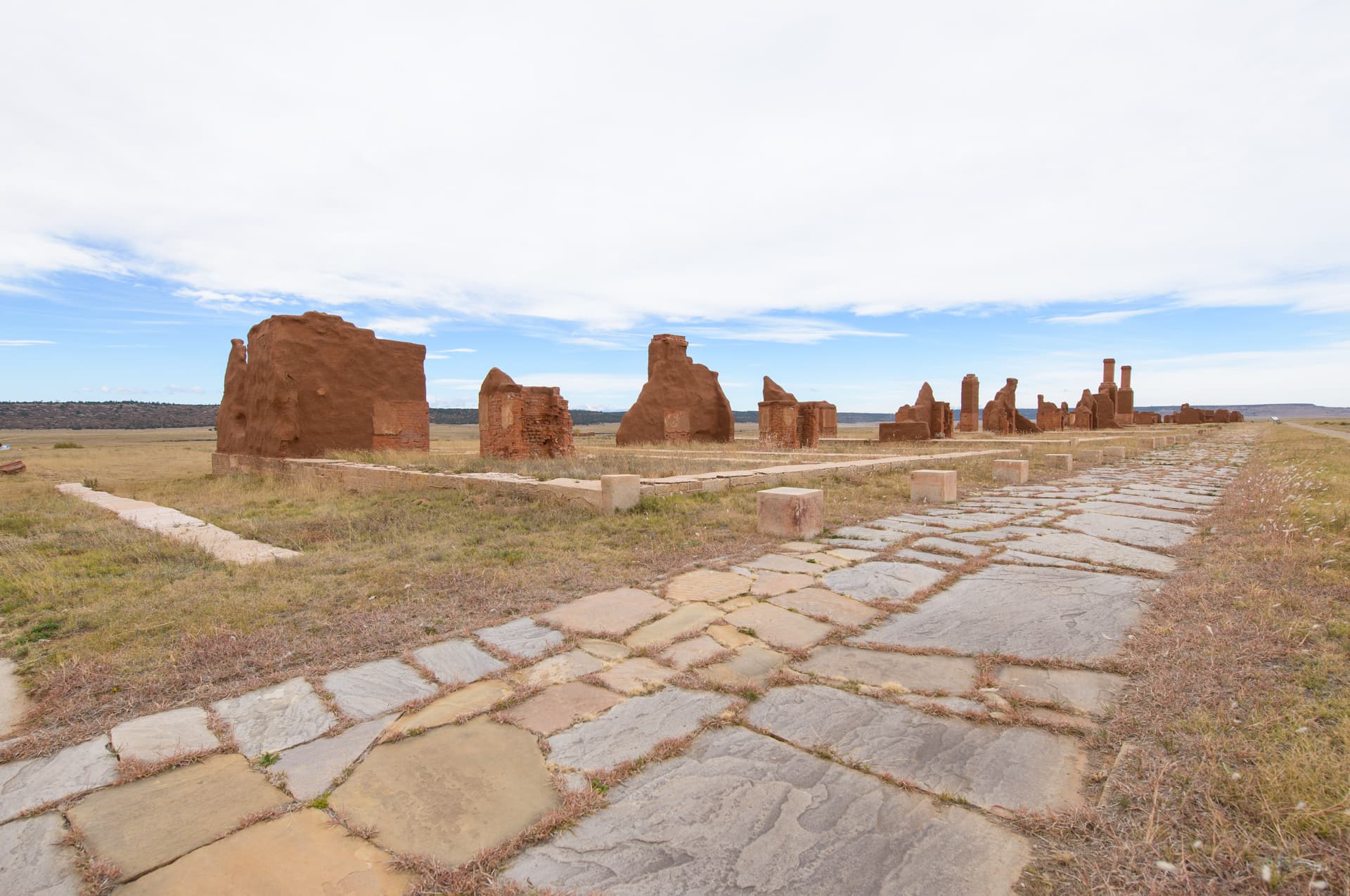
Fort Union National Monument, the Santa Fe Trail
Audio & media
🎧
🎬
🖼
Learn more
We joined the Central Grasslands Roadmap by installing our first Motus station. It’s a step forward in protecting the fastest declining group of birds in the world.
Across the US, changes in water availability are altering which plants grow where. These changes are evident at a broad scale. But not all areas experience the same climate in the same way, even within the boundaries of a single national park. A new dataset gives park managers a valuable tool for understanding why vegetation has changed and how it might change in the future under different climate-change scenarios.
Climate change may have direct and/or indirect effects on many elements of Southern Plains network ecosystems, from streams and grasslands to fires and birds.
Climate is one of many ecological indicators monitored by the National Park Service (NPS) Division of Inventory & Monitoring (I&M). Climate data help scientists to understand ecosystem processes and help to explain many of the patterns and trends observed in other natural-resource monitoring. In NPS units of the American Southwest, three I&M networks monitor climate using the scientific protocol described here.
Knowing how climate and water are changing is key to assessing the condition of park natural resources. We monitor climate and water at Fort Union National Monument as part of a larger monitoring program. Water Year 2022 was overall warmer and drier than 1991–2020 averages, and it was the third year of drought. This report summarizes Water Year 2022 climate and water data at the park.
Knowing how climate and water are changing is key to assessing the condition of park natural resources. We monitor climate and water at Fort Union National Monument as part of a larger monitoring program. This report summarizes Water Year 2023 climate and water data at the park.
Knowing how climate and water are changing is key to assessing the condition of park natural resources. We monitor climate and water at Fort Union National Monument as part of a larger monitoring program. This report summarizes Water Year 2024 climate and water data at the park.
National parks, like other publicly managed lands, are deluged by new exotic species arriving through predictable (e.g., road, trail, and riparian corridors), sudden (e.g., long distance dispersal through cargo containers and air freight), and unexpected anthropogenic pathways (e.g., weed seeds mixed in with restoration planting mixes).
How Fort Union National Monument connects
This park's activities, topics, location, and on-the-ground places — one hop in the graph. Drag to explore; click an activity, topic, or related park to follow it.
Park
Activity
Topic
State
VisitorCenter
PassportStamp
Alert
Similar parks
Share activities & topics with Fort Union National Monument.