Florissant Fossil Beds National Monument
Colorado
Tonight
🌓 65% moon
8.8 h fully dark
Hikes
Easy
🟢
Crowds
low
Open today
Open
Entrance
$10
Florissant Fossil Beds has moved to cashless fee collection
Entrance fees and pass purchases must be made with a credit/debit card or payment app on a mobile device. Electronic payment reduces transaction times, saves money, and improves accountability.
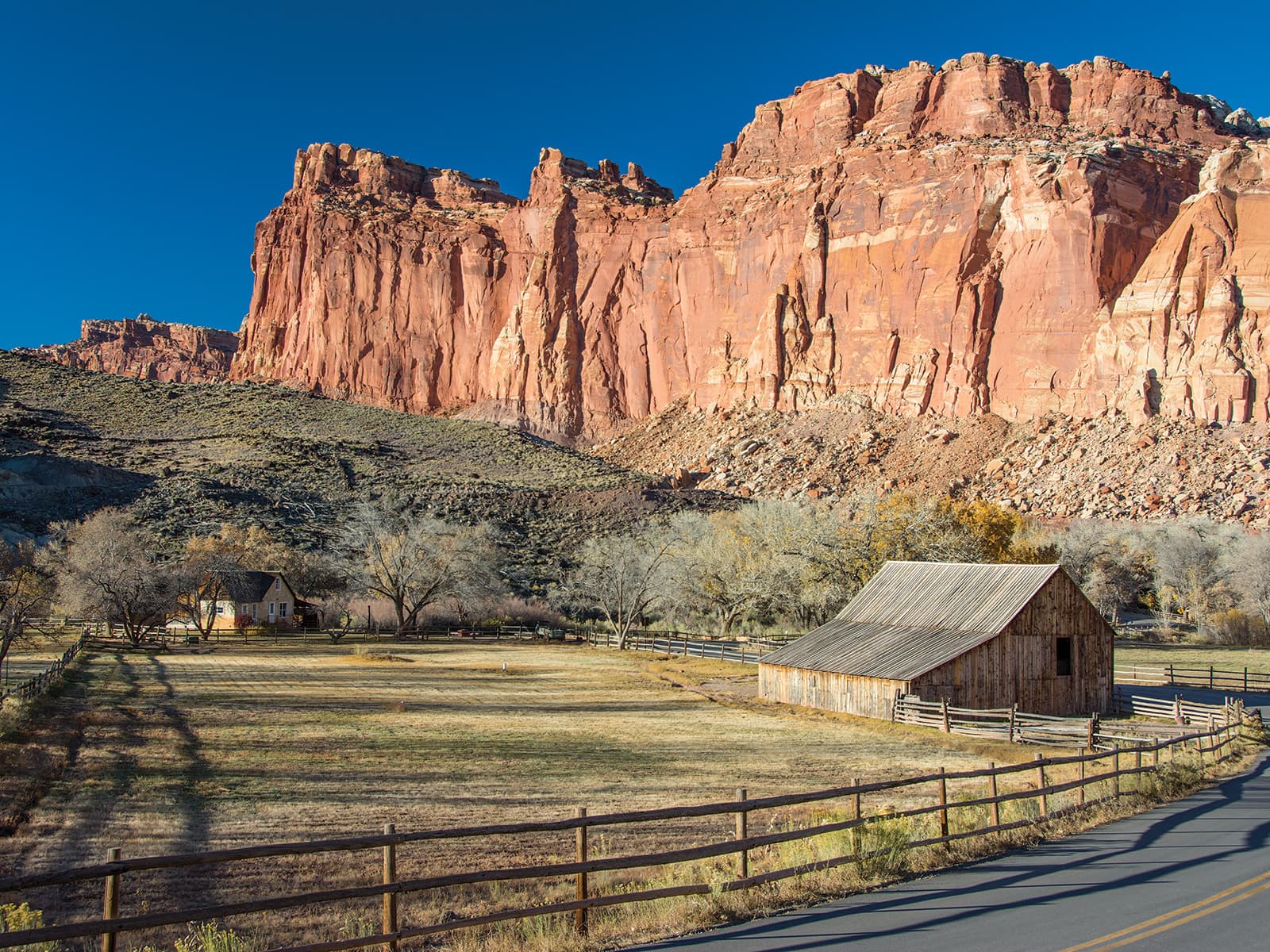
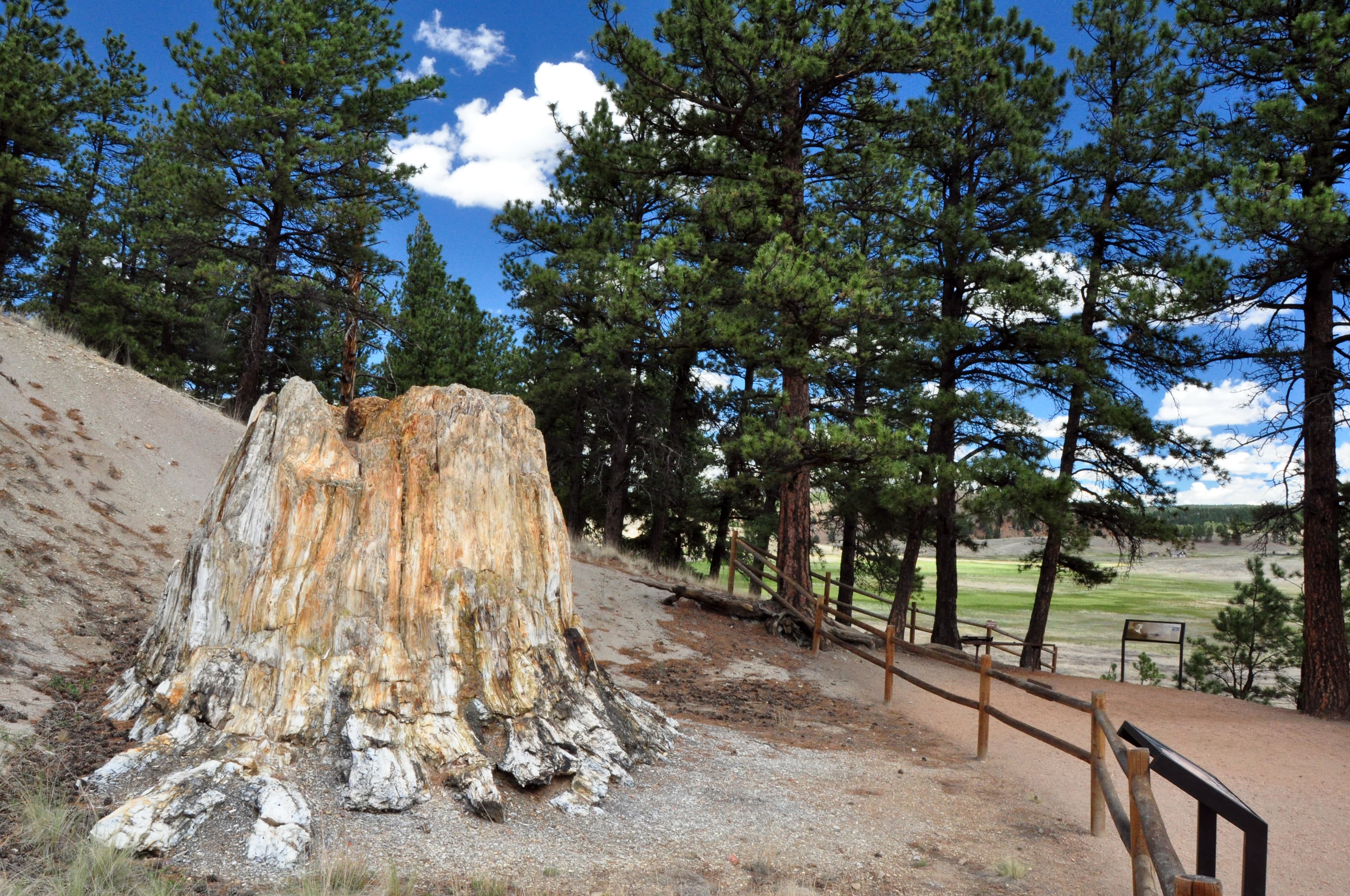
Beneath a grassy mountain valley in central Colorado lies one of the richest and most diverse fossil deposits in the world. Petrified redwood stumps up to 14 feet wide and thousands of detailed fossils of insects and plants reveal the story of a very different, prehistoric Colorado.
Activities
Topics
Entrance fees
$10.00 — Entrance - Per Person
Hours & seasons
The Visitor Center is closed Mondays and Tuesdays during the winter season beginning September 14, 2026. Check the Visitor Center hours section for more information. The Visitor Center parking lot gate is locked daily at 4:30 pm. Be sure to park at the Hornbek Homestead if you think your hike may run late - this lot is open 24 hours a day as a designated Dark Sky viewing area.
Generally open:
winterspringsummerfallHours are reported by the park — verify before you go.
📞 7197483253
✉ flfo_information@nps.govConditions
Quietest months (fewer crowds): Jan, Feb, Nov, Dec
Typical crowds: low
Weather now: ☀️ Clear, 67°F
⛅ 70°/39°
☁️ 68°/40°
☁️ 71°/44°
Typical monthly recreation visits · NPS avg 2023–2025 — orange months are the quietest by crowds.
Quietest months
Relative crowds by month — lighter is quieter; ringed months are the calmest by crowds.
Jan
10%
Feb
22%
Mar
27%
Apr
26%
May
56%
Jun
100%
Jul
80%
Aug
68%
Sep
93%
Oct
40%
Nov
14%
Dec
13%
Log a sky reading
Measured the sky with an SQM meter or app? Add your reading (16 = city glow … 22 = pristine). Opt in under “Travelers like you” to share it on the community leaderboard.
Live conditions
Things to do
Hiking the Petrified Forest Loop · The trail can be hiked fast in about 30 minutes, but if you take your time and look at exhibits, it might take up to 60 minutes.
🟢 Hiking the Ponderosa Loop Trail · 2 mi · This is a short trail which can be hiked relatively fast. If you take your time to read exhibits and stop and contemplate the scenery it might take up to 30 minutes.
Hiking the Geologic Trail · 1.2 mi · This trail could be hiked fast out and back in about 30 minutes. If you take your time to read exhibits, stop and contemplate, it might take 60 minutes.
Visitor centers
Florissant Fossil Beds Visitor Center
Accessibility
4 audio-described place(s)
Reported by the park — verify before you go.
Parking
Barksdale Picnic Area Parking Lot · 6 accessible spacesaccessible
Hornbek Homestead Parking Lot · 20 accessible spacesaccessible
Visitor Center Parking Lot · 99 accessible spacesaccessible
Not an official safety source — always defer to NPS.gov and rangers for life-safety decisions.
By the numbers
A visual read on Florissant Fossil Beds National Monument — its character, trails, sky, and weather.
Park fingerprint
How this park scores across the dimensions travelers care about.
Trail difficulty
Difficulty mix across this park's trails.
3-day forecast
Daily high and low temperatures (°F).
People & stories
Figures tied to Florissant Fossil Beds National Monument — each spans a cross-park journey.
Adeline Warfield Hornbek
— Homesteader, Women's History, ColoradoCharlotte Hill
— Women's History, History Of Science, GeologyPassport stamps
Mark the stamps you've collected — they show in your memory and along your routes.
🎫 Florissant Fossil Beds Visitor Center
Places to see
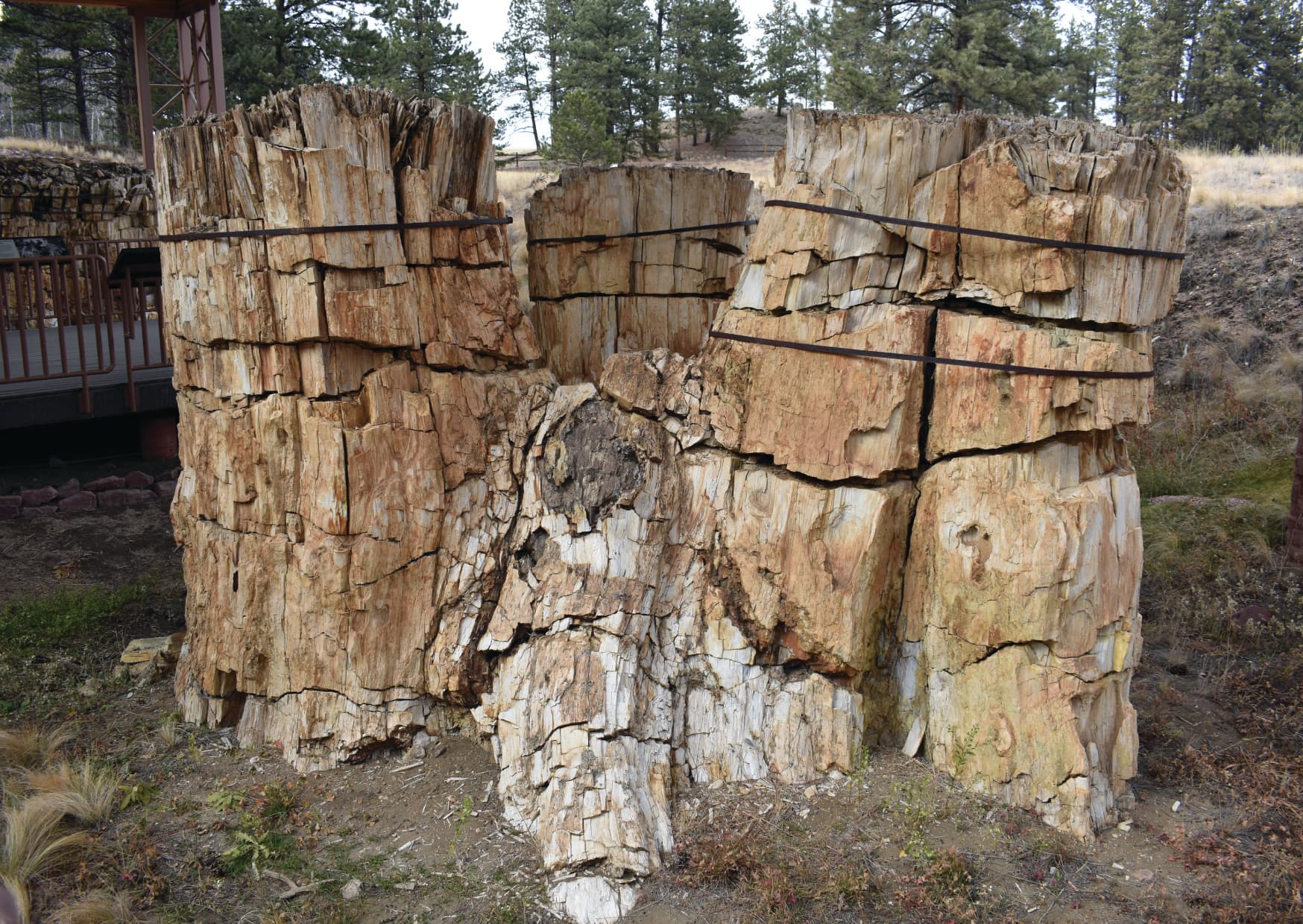
Ancient Clones
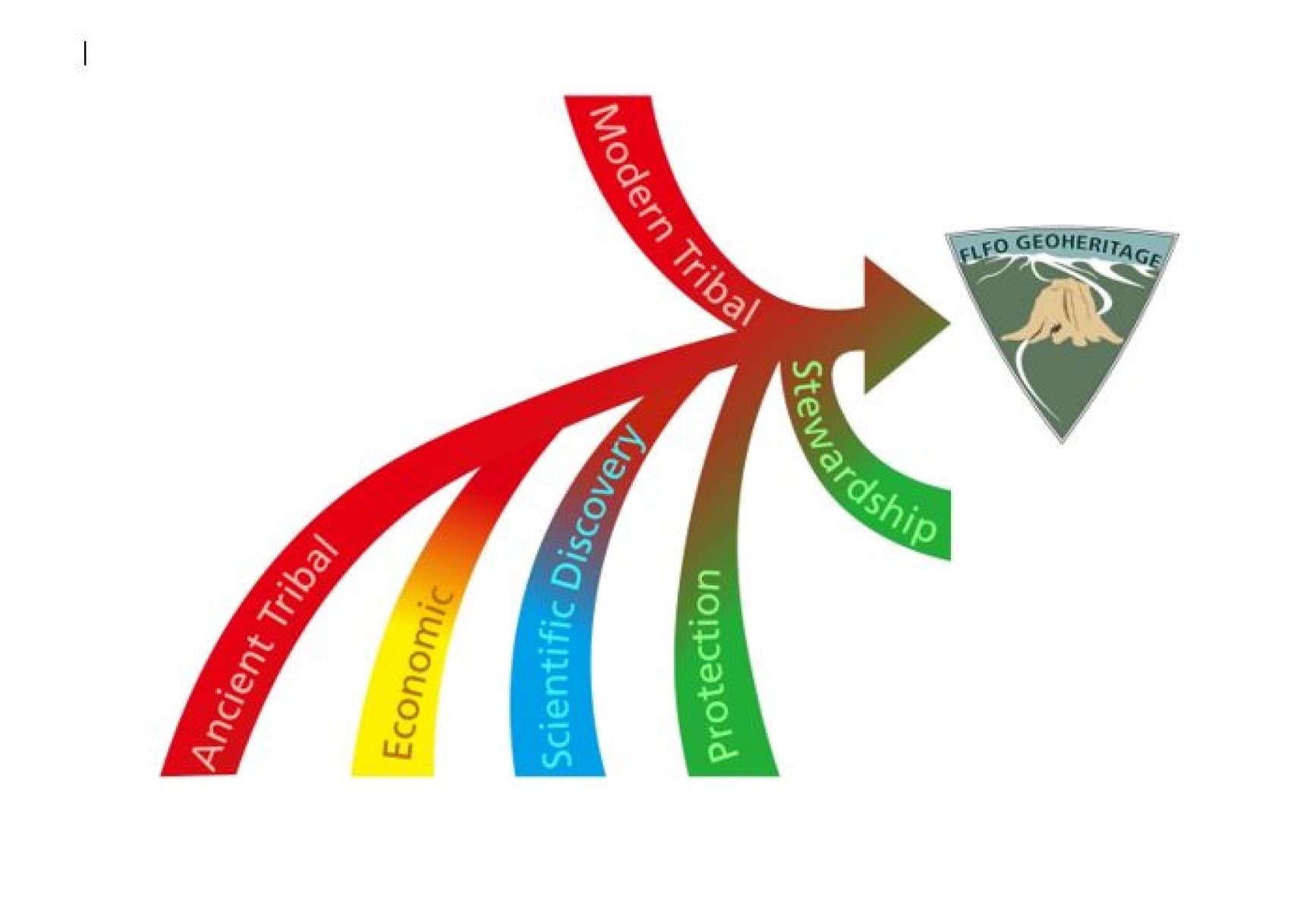
Arc of Heritage
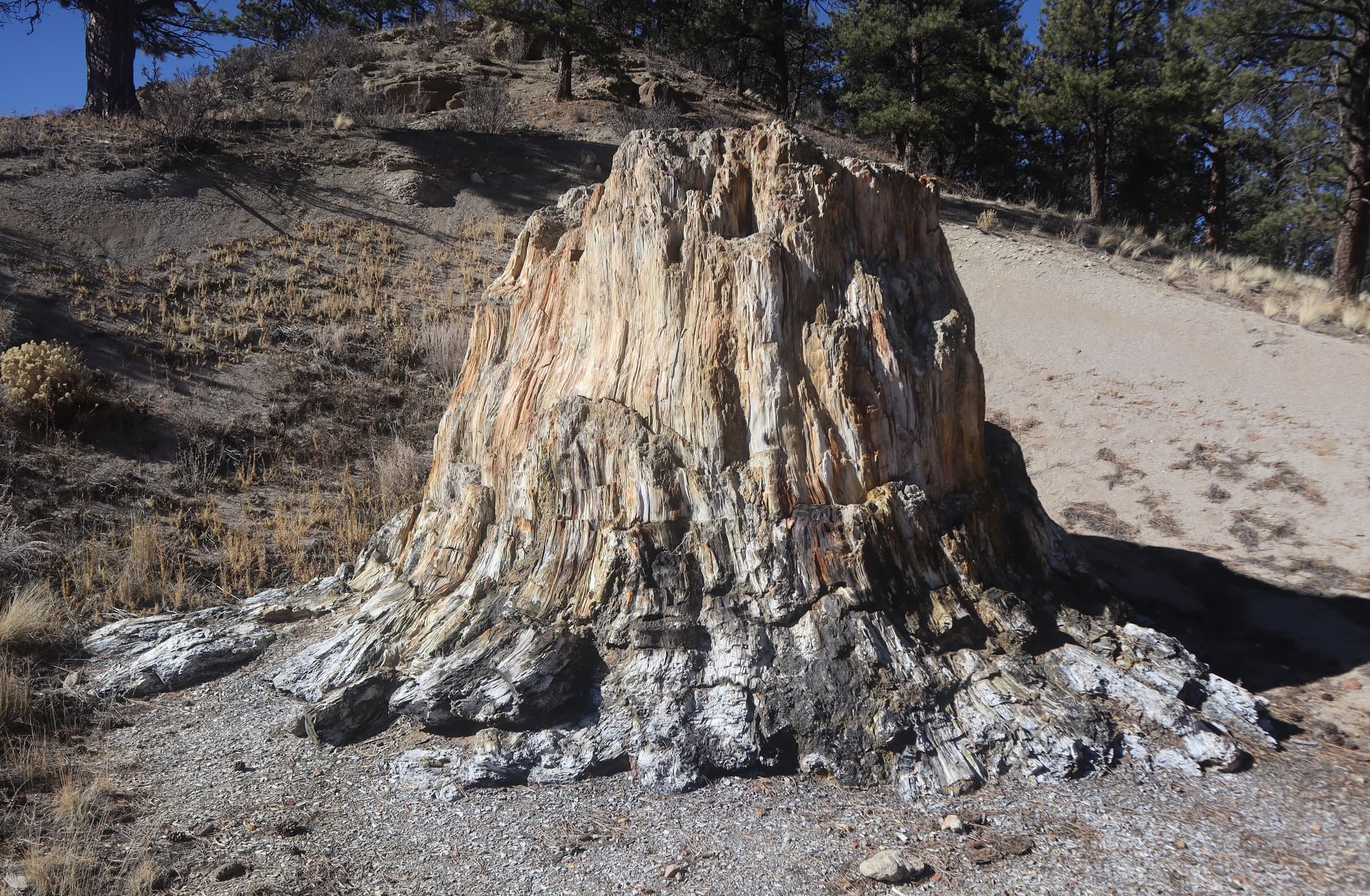
Big Stump
audio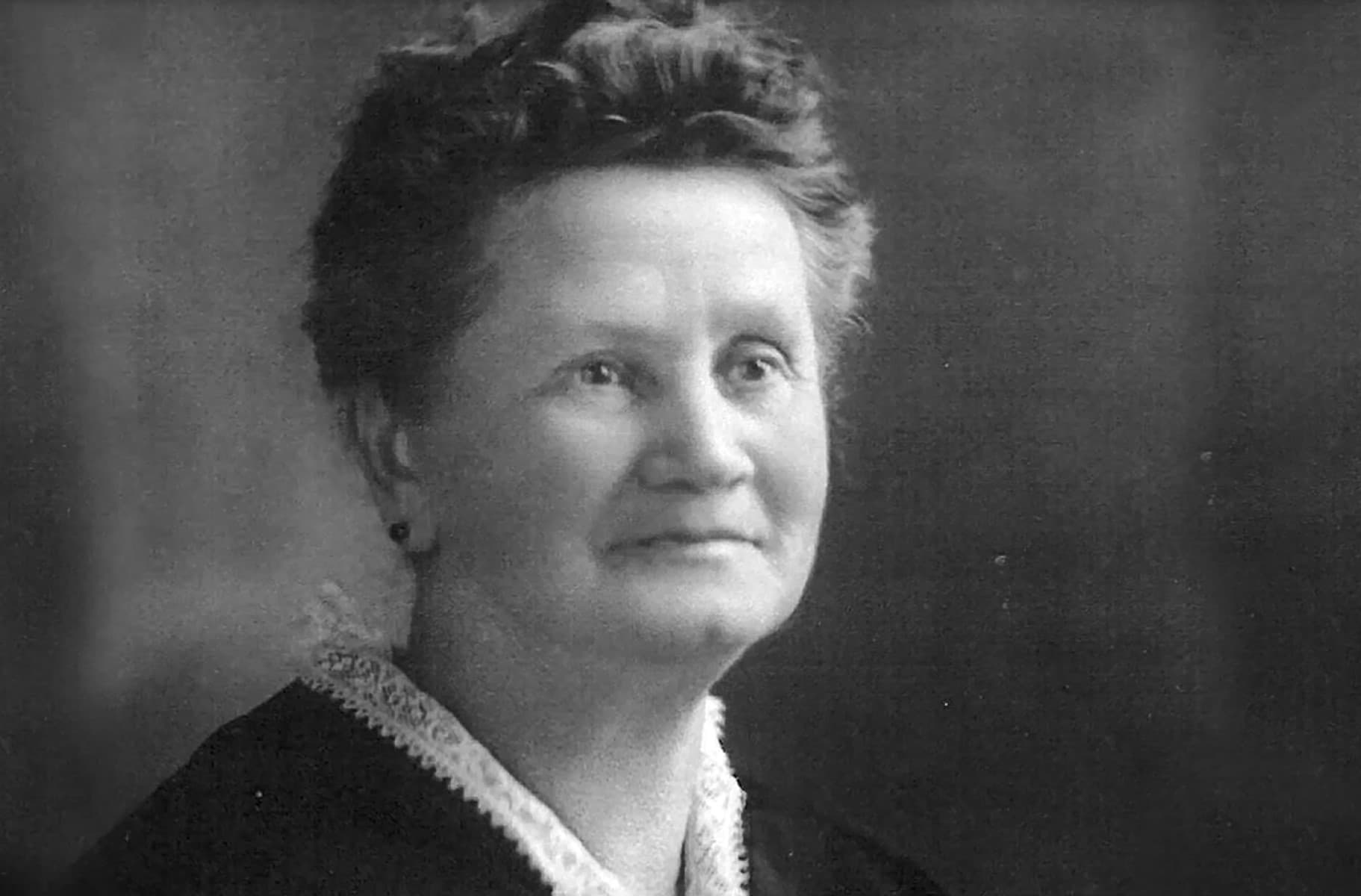
Charlotte Hill
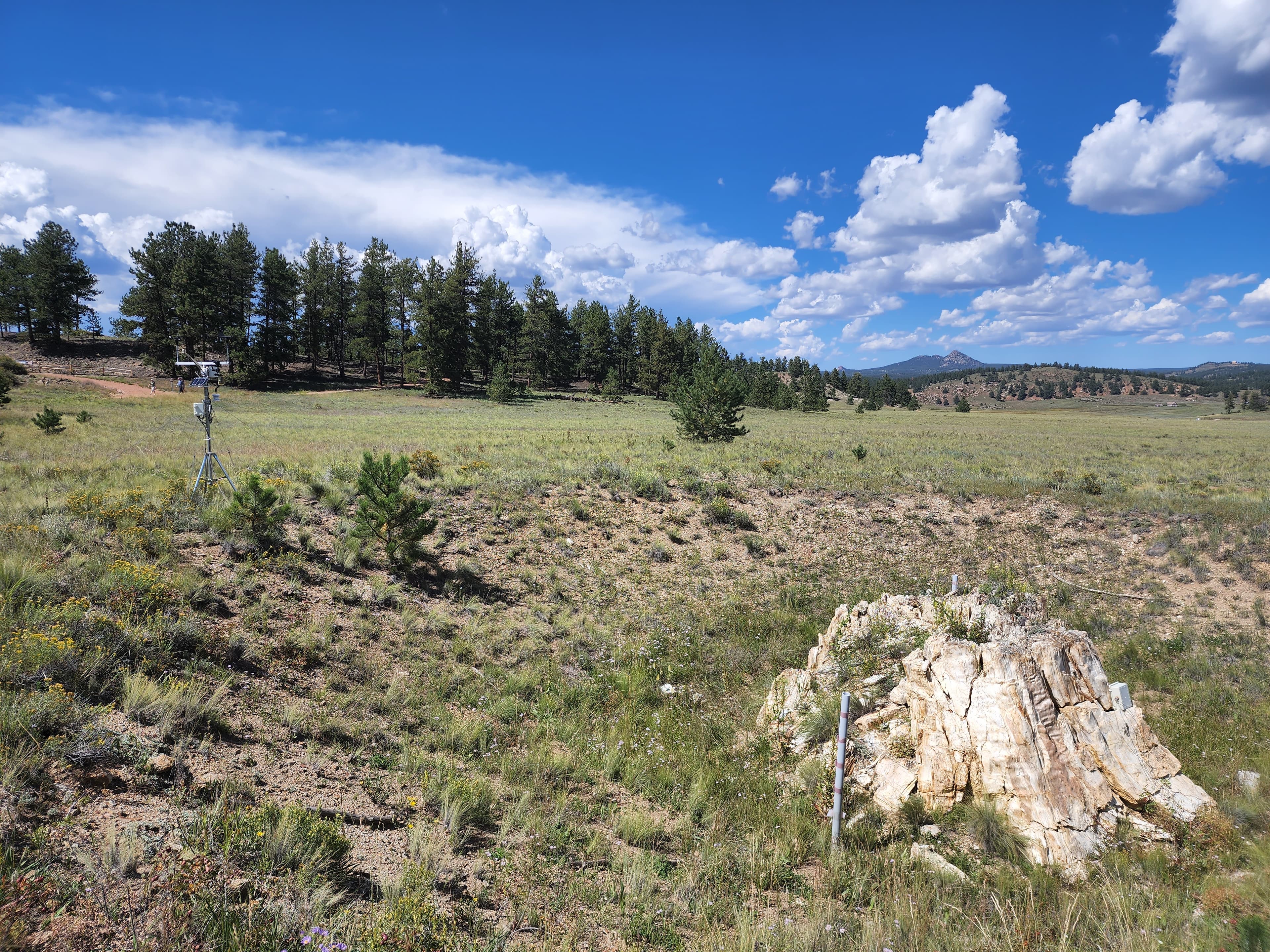
Conserving Stump P-47
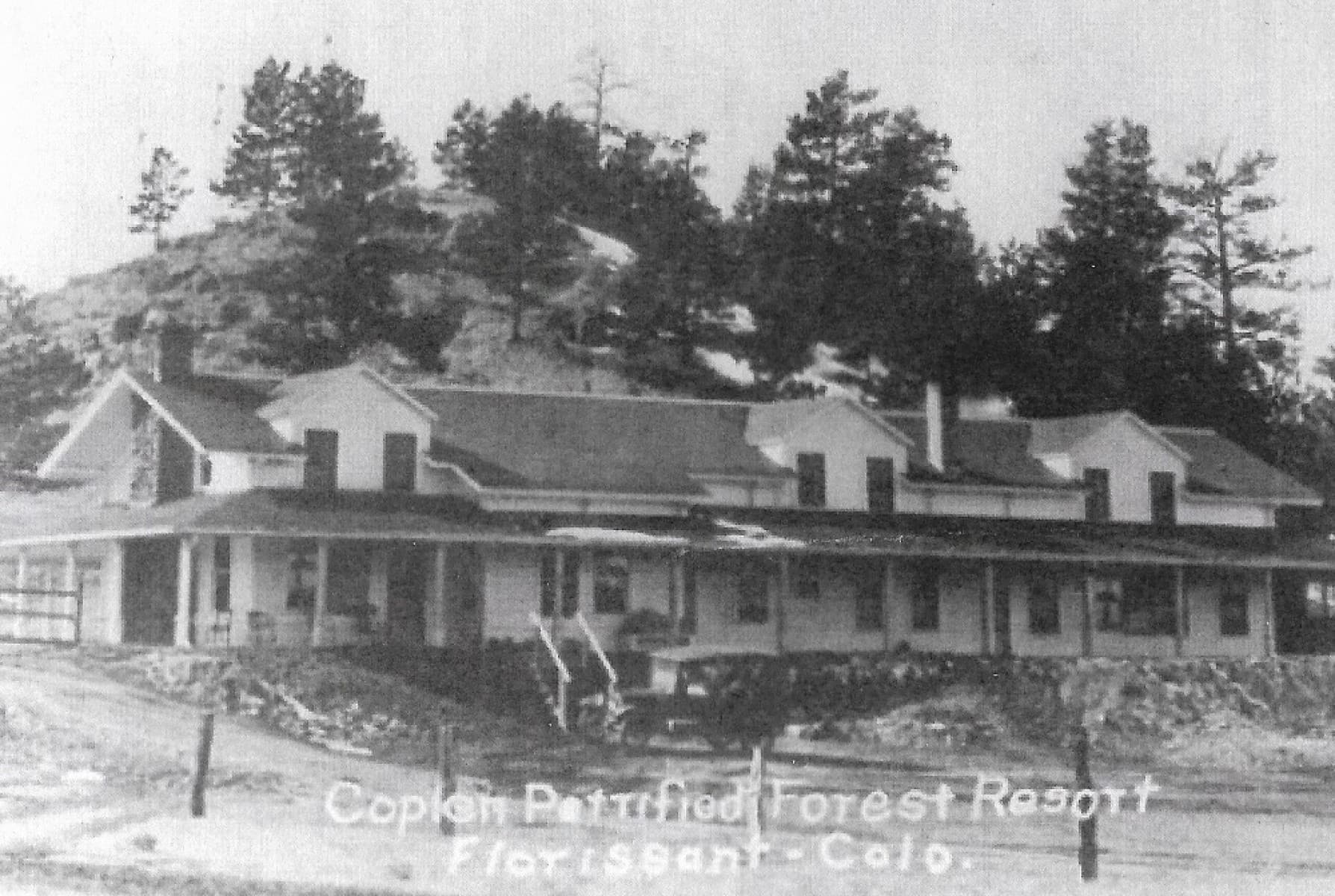
Fierce Competition
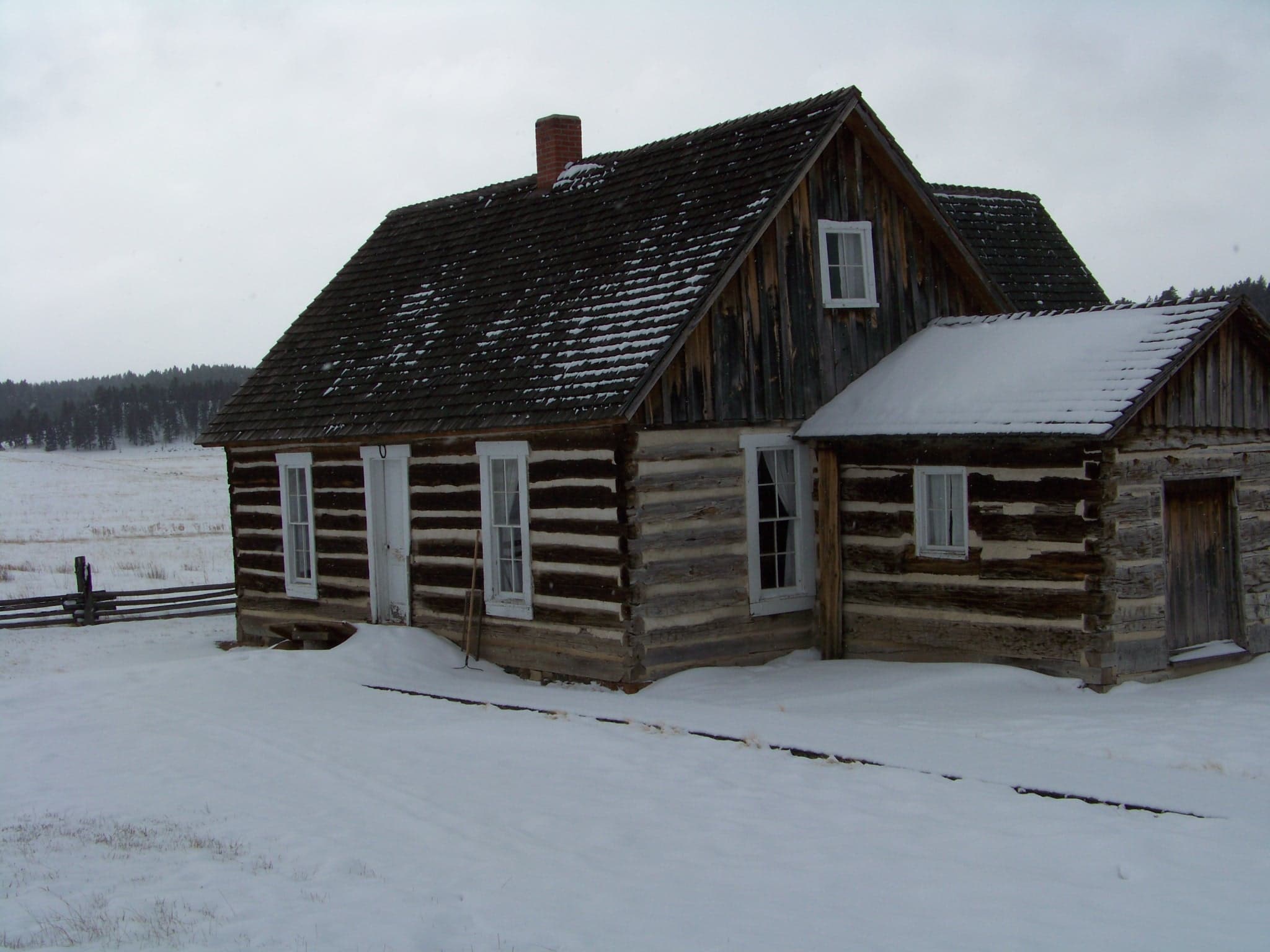
Hornbek Homestead
audio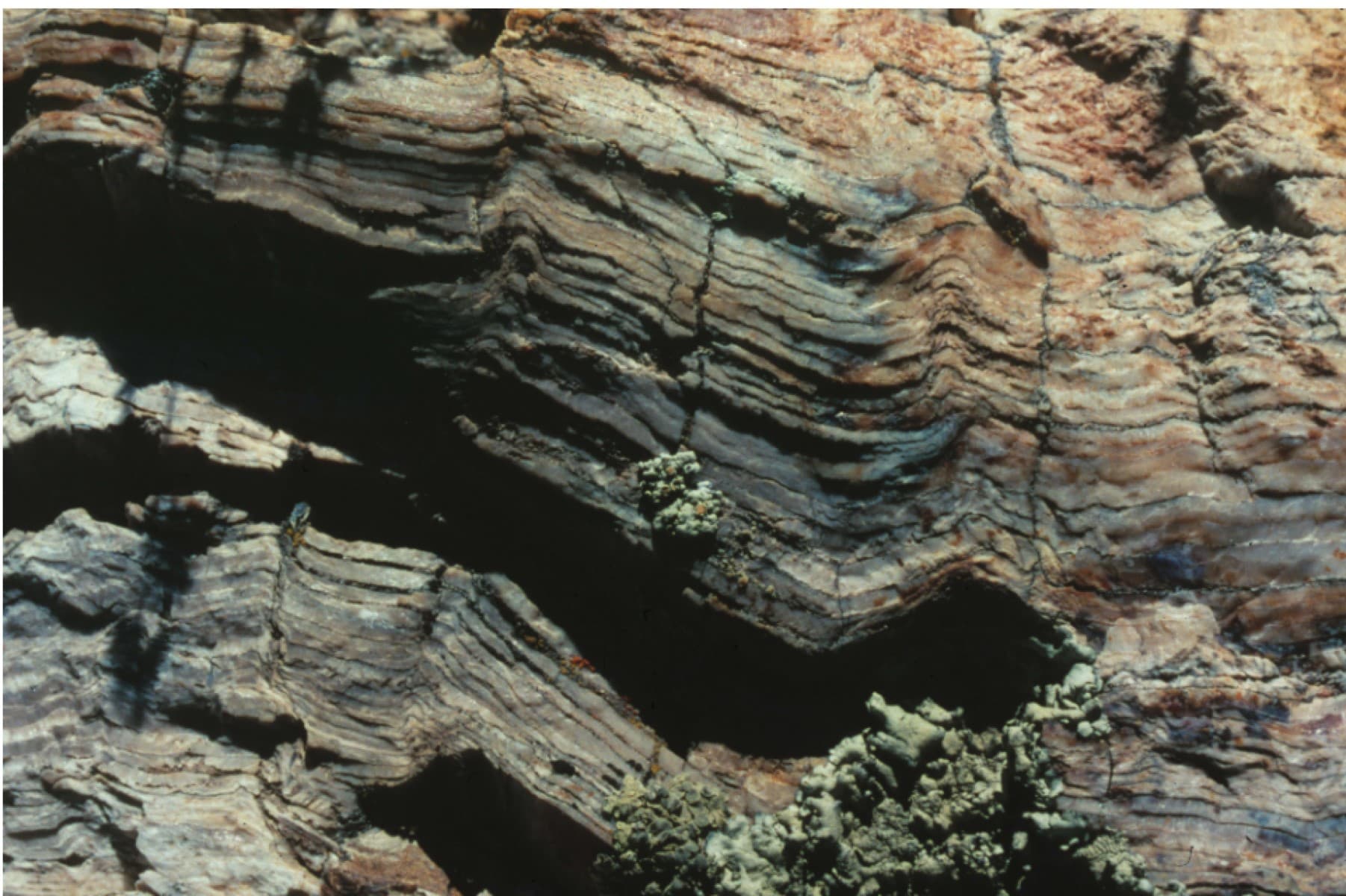
Learning from Tree Rings
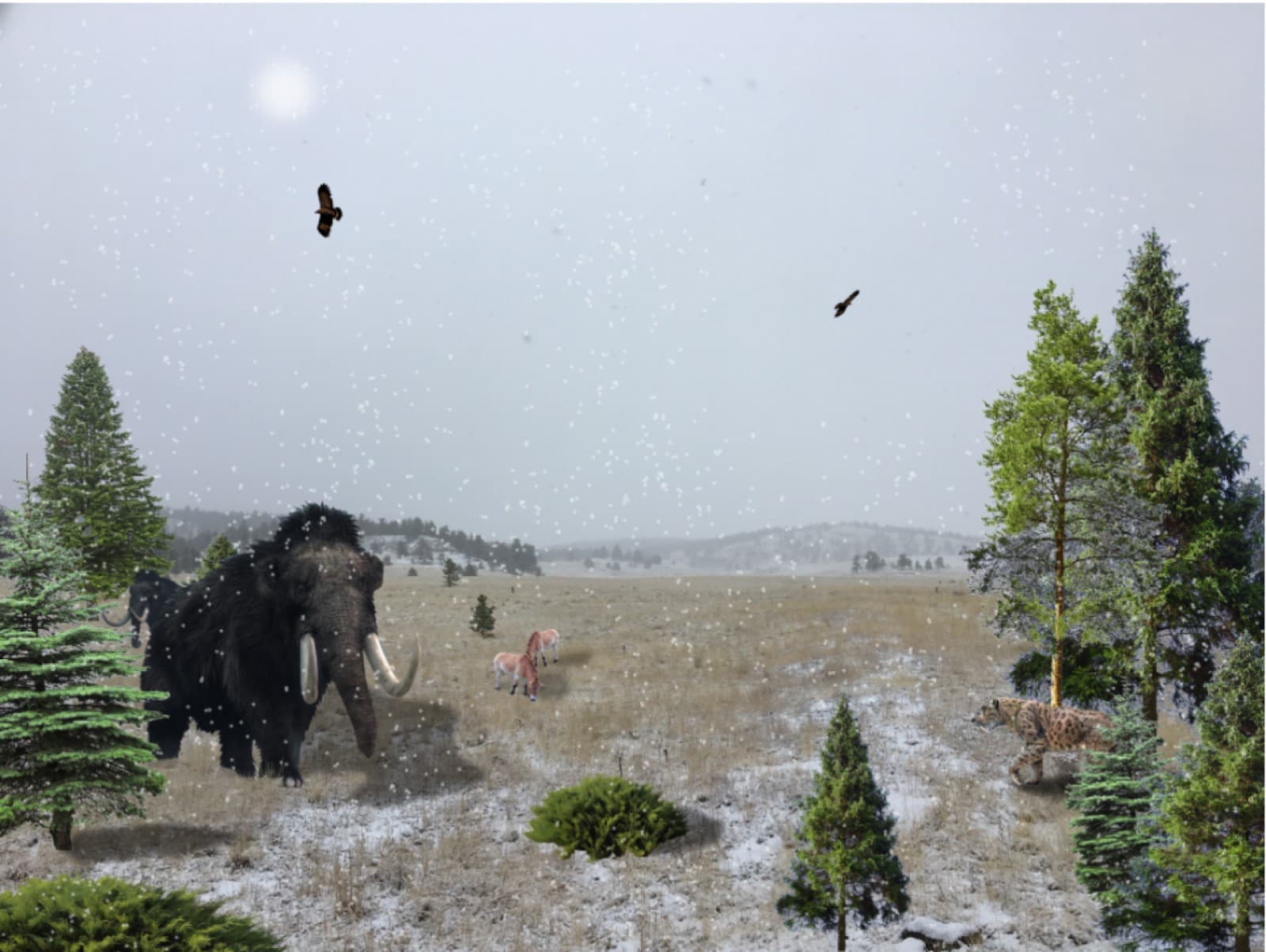
Mammoth Change
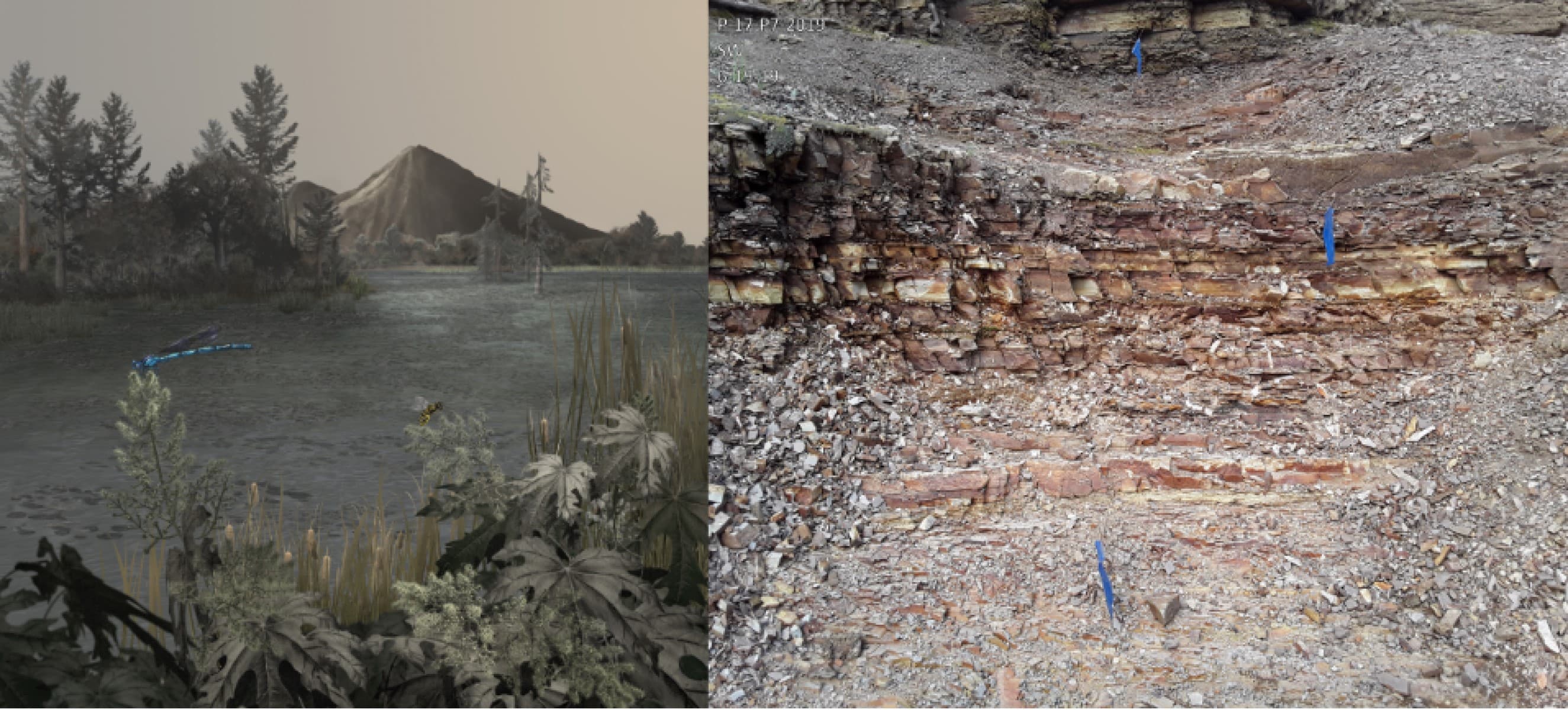
On Top of a Forest, on the Bottom of a Lake
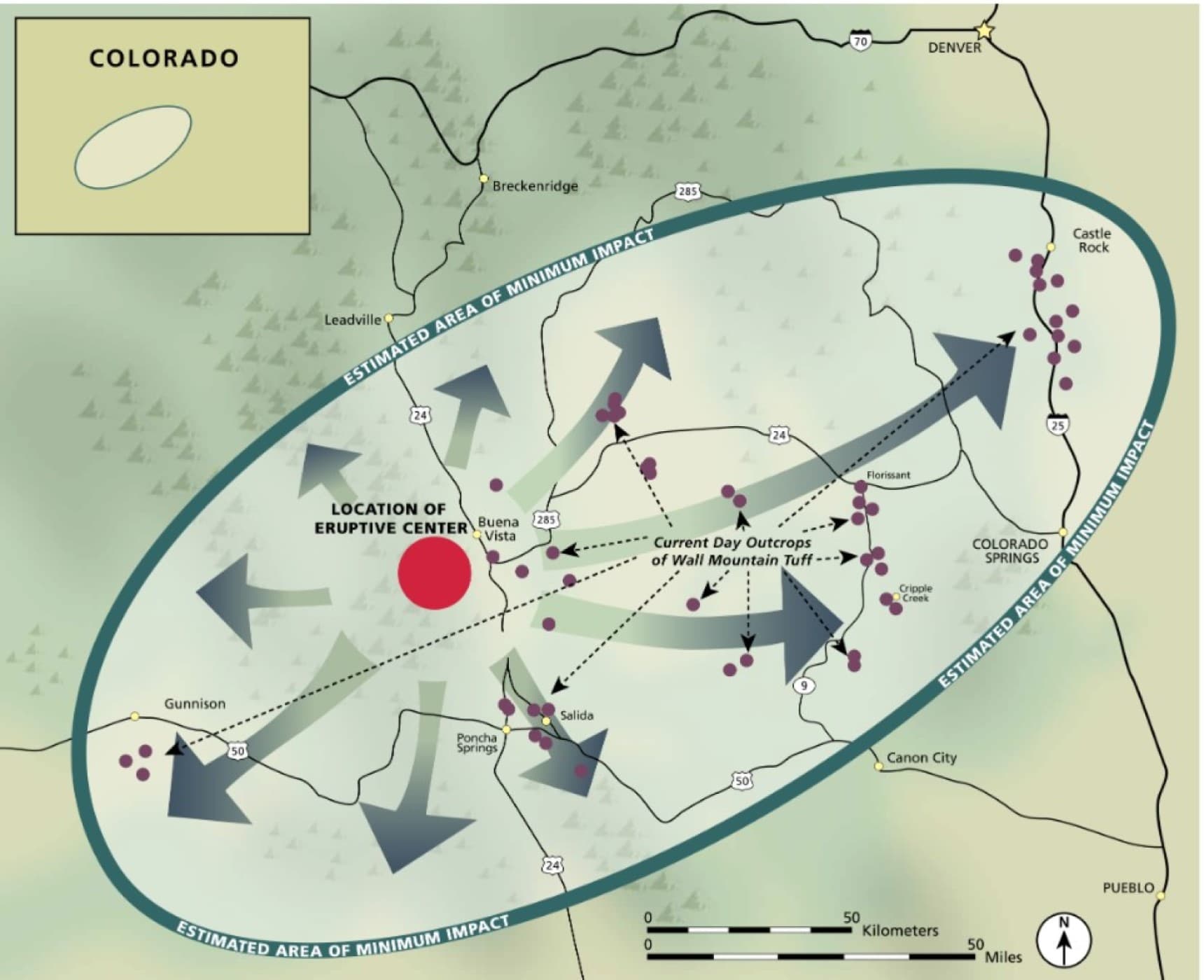
Remnants of Nature's Powerful Forces
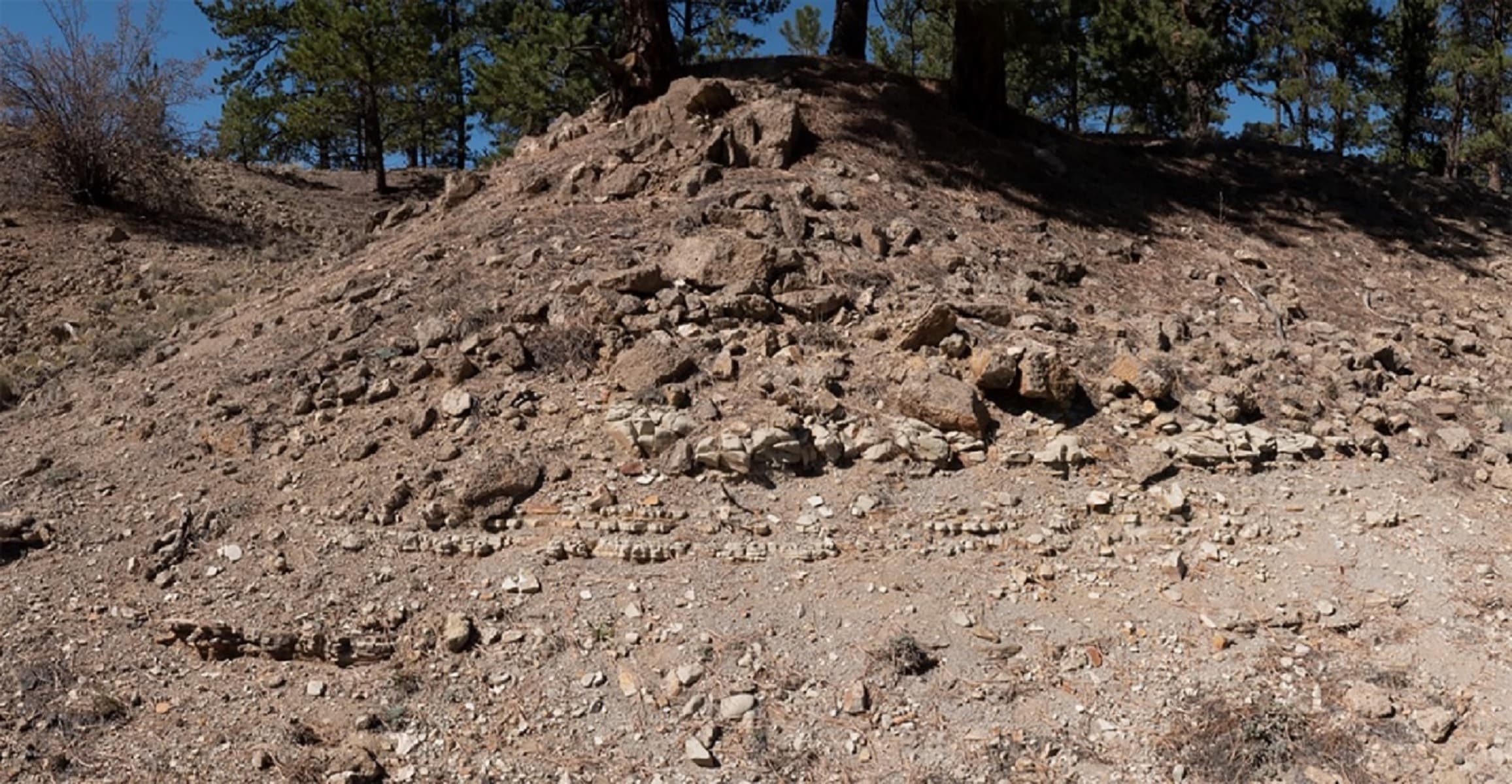
Shale Outcrop
audioAudio & media
Learn more
In 2012, seven rangers were awarded the national and region Freeman Tilden Awards for innovative and exciting interpretive programs. Learn their stories and more about their award-winning programs.
Meet the recipients of the 2017 George and Helen Hartzog Awards for Outstanding Volunteer Service. These award recipients are recognized for their exceptional dedication and service to parks and programs.
When the climate changes enough, the vegetation communities growing in any given place will also change. Under an expanded bimodal climate zone, some plant communities in western national parks are more likely to change than others. National Park Service ecologists and partners investigated the future conditions that may force some of this change. Having this information can help park managers decide whether to resist, direct, or accept the change.
Florissant Fossil Beds National Monument, for the second year in a row, offered a free geology and paleontology camp for upper elementary students.
The Cenozoic Era (66 million years ago [MYA] through today) is the "Age of Mammals." North America’s characteristic landscapes began to develop during the Cenozoic. Birds and mammals rose in prominence after the extinction of giant reptiles. Common Cenozoic fossils include cat-like carnivores and early horses, as well as ice age woolly mammoths.
Across the US, changes in water availability are altering which plants grow where. These changes are evident at a broad scale. But not all areas experience the same climate in the same way, even within the boundaries of a single national park. A new dataset gives park managers a valuable tool for understanding why vegetation has changed and how it might change in the future under different climate-change scenarios.
In 2007, the Rocky Mountain Inventory and Monitoring Network—a small team of NPS scientists—began monitoring natural resources, called “vital signs,” in Florissant Fossil Beds and nearby park units. Vital signs indicate park health and serve as red flags if conditions deteriorate, supporting park managers’ efforts to make science-based management decisions. Learn about the NPS Inventory and Monitoring Program and its work in Florissant Fossil Beds National Monument.
Lush sedges, delicate mosses, and a rich variety of water-loving plants grow in the wetlands of Florissant Fossil Beds National Monument. But past and present disturbances, along with changing climate conditions, affect wetland condition in the park. Find out what Rocky Mountain Network scientists have learned about wetland conditions in the monument between 2009 and 2019.
Ranger School
Park-grounded courses you can learn with the Ranger.
Clay Fossils
Open →
Climate Change Scavenger Hunt
Open →
Cookie Conservation
Open →
Earth's Layers
Open →
Florissant Club Sandwich
Open →
Florissant Enchiladas
Open →
Geologic Maps
Open →
Geologic Timeline
Open →
Inventory + Monitoring Evaluations
Open →
Lithic Tools
Open →
Make Your Own Fossils
Open →
Mountain Building
Open →
How Florissant Fossil Beds National Monument connects
This park's activities, topics, location, and on-the-ground places — one hop in the graph. Drag to explore; click an activity, topic, or related park to follow it.
Park
Activity
Topic
State
VisitorCenter
PassportStamp
ParkingLot
Trail
ThingToDo
Alert
Similar parks
Share activities & topics with Florissant Fossil Beds National Monument.