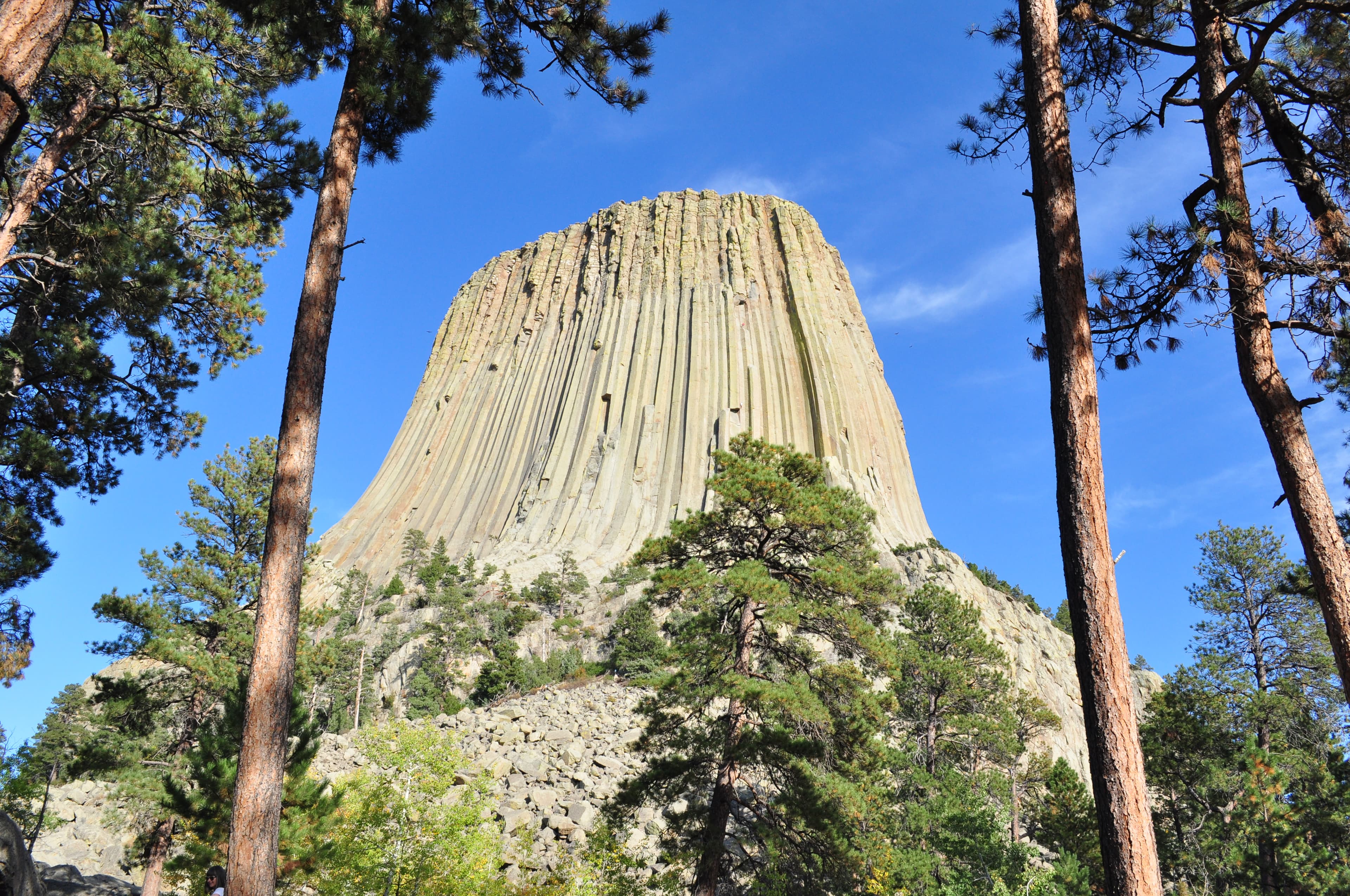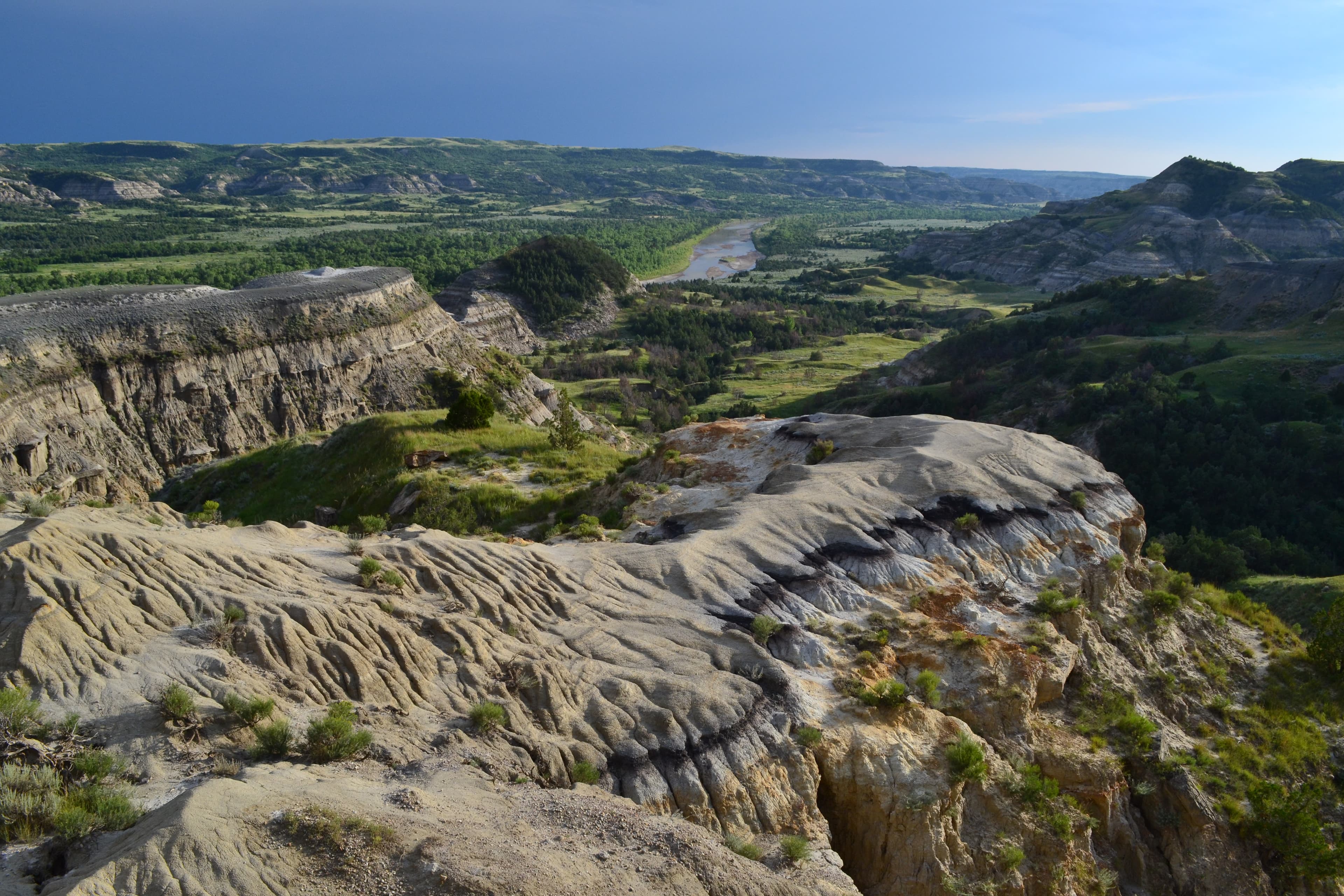
Theodore Roosevelt National Park
North Dakota
Tonight
🌓 65% moon
8.3 h fully dark
Hikes
Easy–Strenuous
🟢 🟡 🔴
Crowds
low
Open today
Open
Entrance
$30
Theodore Roosevelt National Park moves to cashless fee collection
Starting May 1, Theodore Roosevelt National Park will accept only credit cards, debit cards, or digital payments for entrance fees, campground fees, and Interagency Passes. Cash and check payments will no longer be accepted.
Official NPS alert →South Unit Address for Mobile Maps – Theodore Roosevelt NP
On all maps used on mobile devices, use the following address to reach the South Unit Visitor Center and Entrance Station 201 East River Road N. Medora, ND 58645
Petrified Forest Trailhead Access Update: Use Approved Route
Directions to the Petrified Forest trailhead have changed. Please use the approved legal route from I-94, Exit 10 toward Camels Hump Lake and follow the clearly marked posts. This update helps maintain good cooperation with neighbors and respect park boundaries. For precise directions, use the link provided.
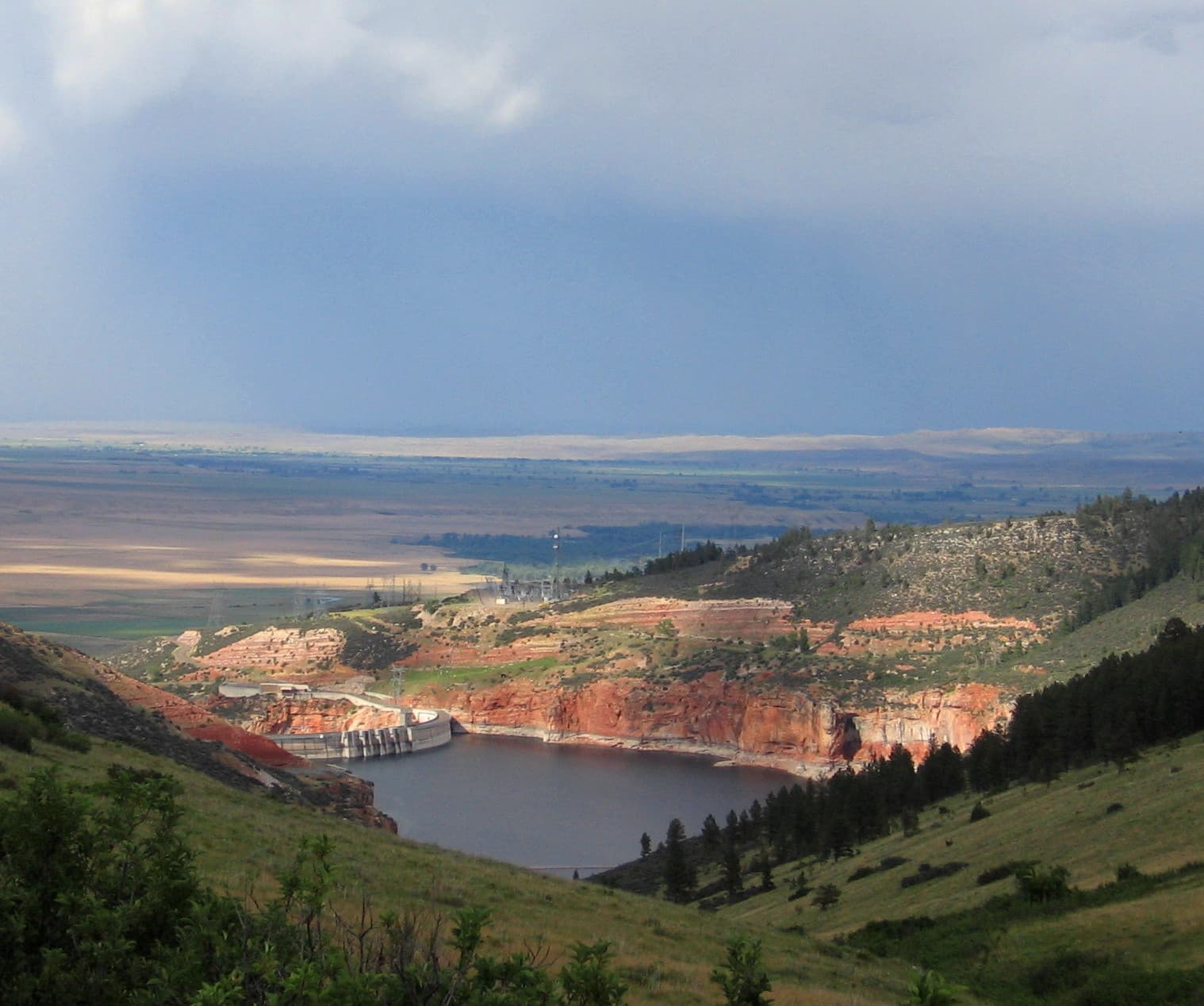
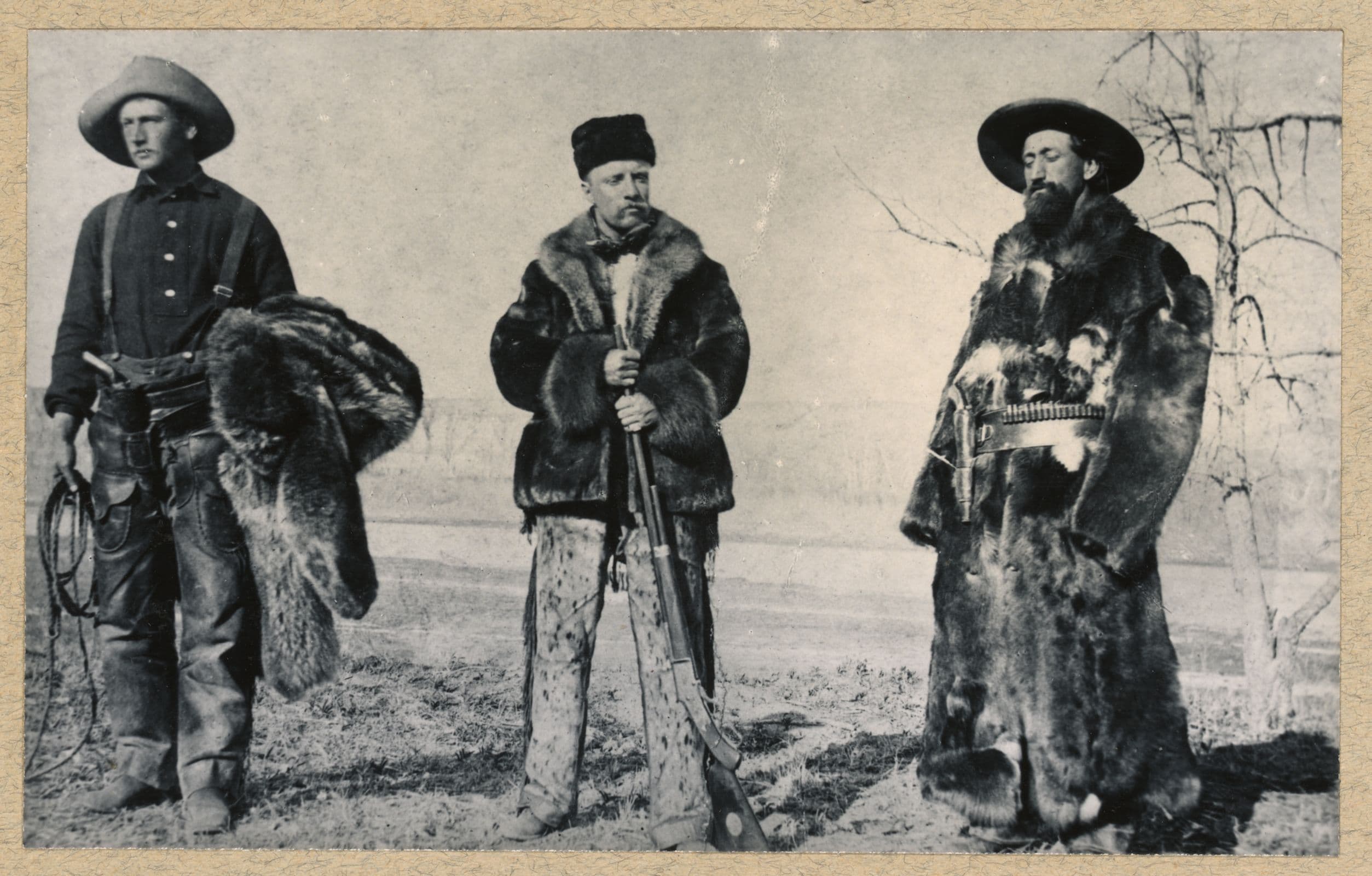
Official NPS alert →When Theodore Roosevelt came to Dakota Territory to hunt bison in 1883, he was a skinny, young, spectacled dude from New York. He could not have imagined how his adventure in this remote and unfamiliar place would forever alter the course of the nation. The rugged landscape and strenuous life that TR experienced here would help shape a conservation policy that we still benefit from today.
Activities
Topics
Entrance fees
$30.00 — Entrance - Private Vehicle
$25.00 — Entrance - Motorcycle
$15.00 — Entrance - Per Person
$50.00 — Commercial Entrance - Van
$60.00 — Commercial Entrance - Mini-bus
$150.00 — Commercial Entrance - Motor Coach
Hours & seasons
Theodore Roosevelt National Park is open 24 hours a day, every day of the year. This applies to all units of the park; North Unit, South Unit, and Elkhorn Ranch Unit. Even when entrance stations and visitor centers are closed, the park itself remains open. Remember to check current conditions for any weather related closures.
Generally open:
winterspringsummerfallHours are reported by the park — verify before you go.
📞 7016234466
✉ thro_interpretation@nps.govConditions
Quietest months (fewer crowds): Jan, Feb, Mar, Dec
Typical crowds: low
Weather now: 🌦️ Drizzle, 56°F
🌧️ 58°/53°
☁️ 64°/51°
☁️ 70°/50°
Typical monthly recreation visits · NPS avg 2023–2025 — orange months are the quietest by crowds.
Quietest months
Relative crowds by month — lighter is quieter; ringed months are the calmest by crowds.
Jan
1%
Feb
1%
Mar
5%
Apr
7%
May
46%
Jun
87%
Jul
100%
Aug
95%
Sep
75%
Oct
35%
Nov
9%
Dec
1%
Log a sky reading
Measured the sky with an SQM meter or app? Add your reading (16 = city glow … 22 = pristine). Opt in under “Travelers like you” to share it on the community leaderboard.
Things to do
🟢 Hike Skyline Vista Trail · 0.1 mi · The Skyline Vista Trail is a 0.1 mile round-trip accessible hike to an overlook with seating.
Birding in Theodore Roosevelt National Park
Wildlife Viewing - South Unit
Wildlife Viewing - North Unit
Visit the Elkhorn Ranch Unit · The Elkhorn Ranch Unit is remote, located between the North and South units. Visitors should plan for a drive of approximately 90 minutes each way, with time to hike and explore at the Elkhorn unit itself.
Hike Coal Vein Trail · 0.8 mi
🟡 Hike Wind Canyon Trail · The Wind Canyon trail is a 0.3 mile loop, with scenic views along its length.
🟢 Hike Boicourt Trail · 0.2 mi
Campgrounds
Cottonwood Campground ↗ · 76 sites
Juniper Campground ↗ · 50 sites · dump station
Roundup Group Horse Camp ↗ · 1 sites
Visitor centers
North Unit Visitor Center
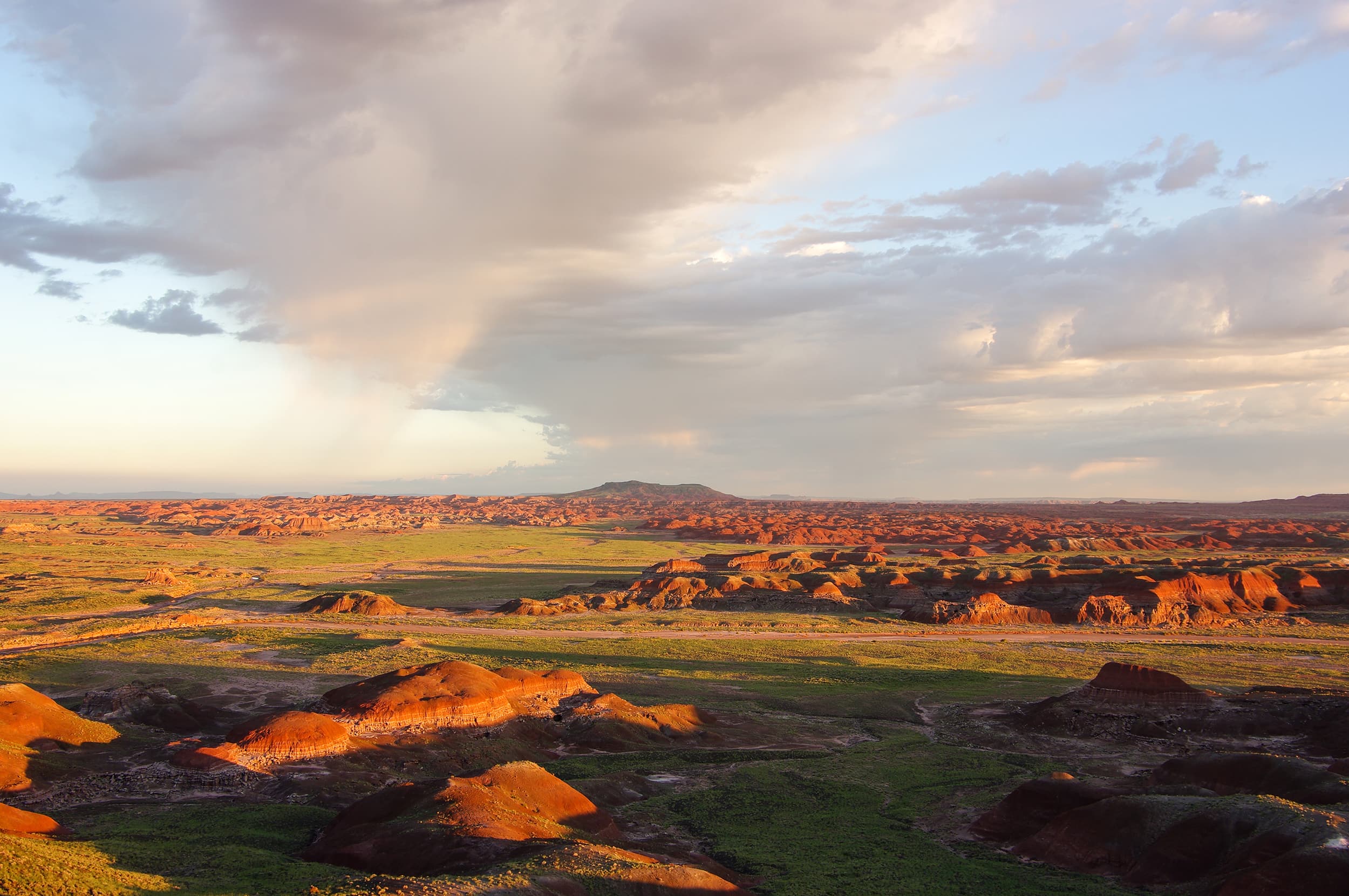
Painted Canyon Visitor Center
South Unit Visitor Center
Accessibility
2 accessible campground(s)
81 audio-described place(s)
Reported by the park — verify before you go.
Not an official safety source — always defer to NPS.gov and rangers for life-safety decisions.
By the numbers
A visual read on Theodore Roosevelt National Park — its character, trails, sky, and weather.
Park fingerprint
How this park scores across the dimensions travelers care about.
Trail difficulty
Difficulty mix across this park's trails.
3-day forecast
Daily high and low temperatures (°F).
People & stories
Figures tied to Theodore Roosevelt National Park — each spans a cross-park journey.
Theodore Roosevelt
— Presidents, Sagamore Hill, Mount RushmorePassport stamps
Mark the stamps you've collected — they show in your memory and along your routes.
🎫 North Unit Visitor Center
🎫 Painted Canyon Visitor Center
🎫 South Unit Visitor Center
Places to see
A Business Proposal
audio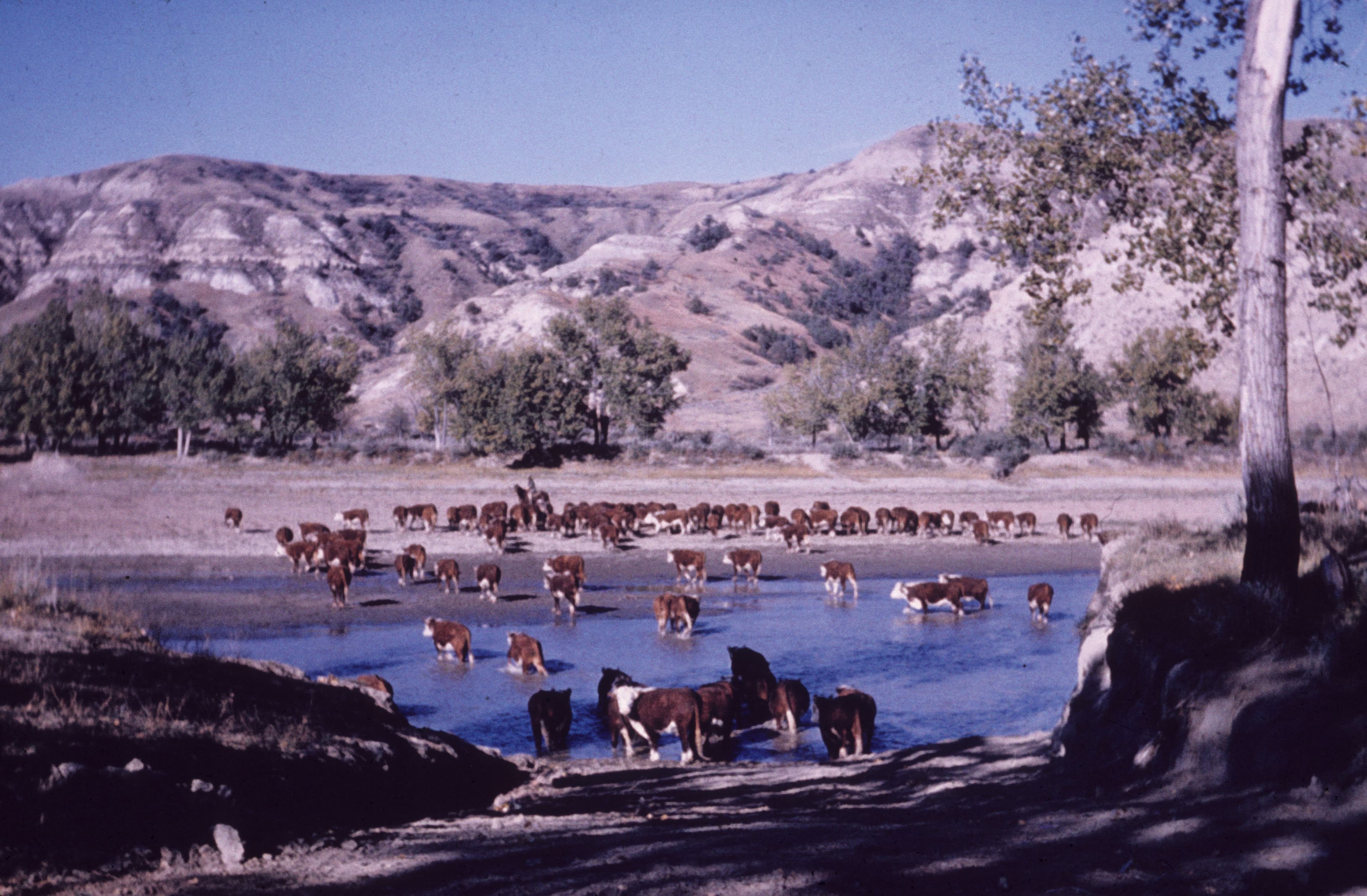
A Growing Ranch
audio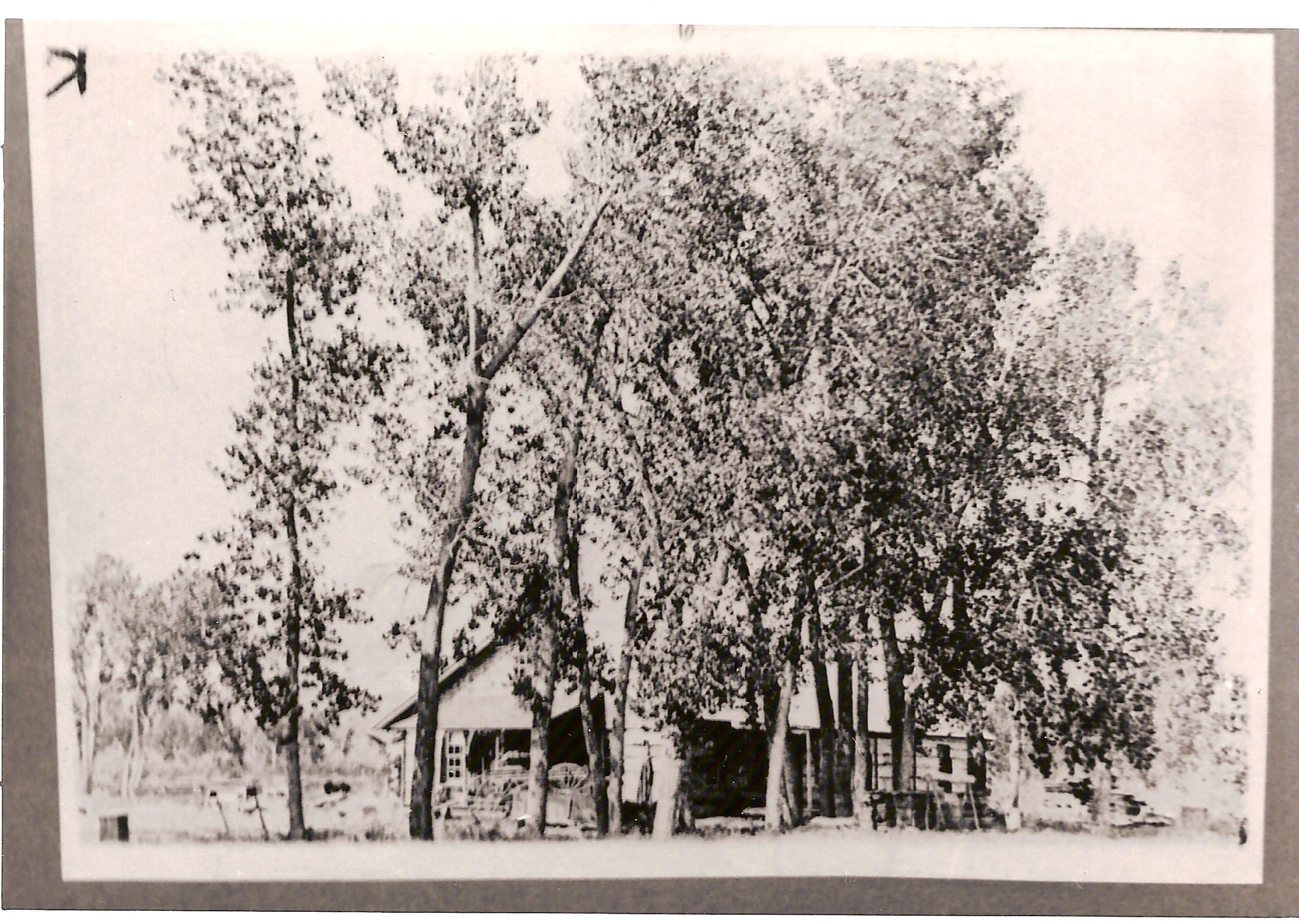
A Home on the Little Missouri
audio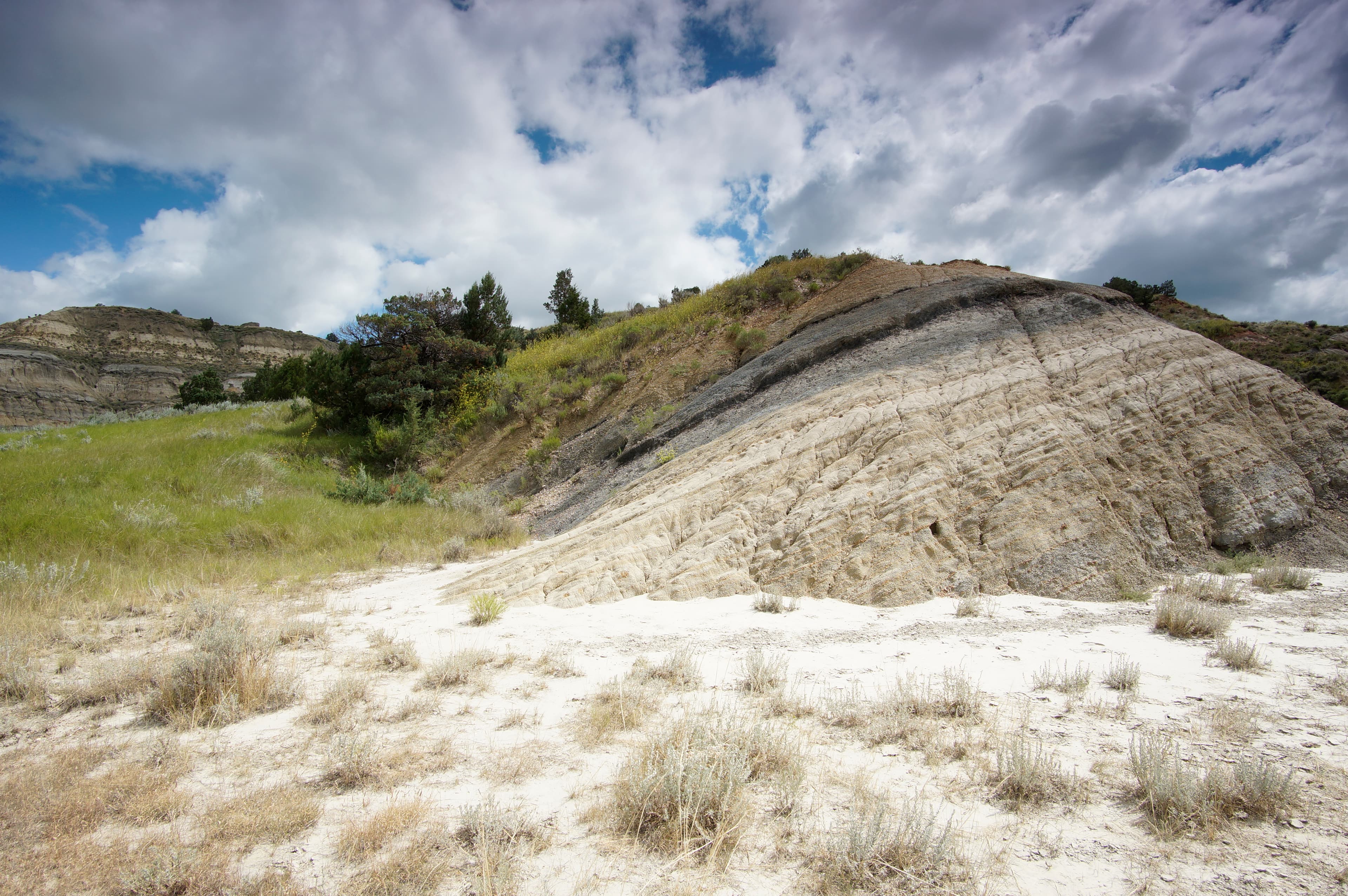
Active Slump
audio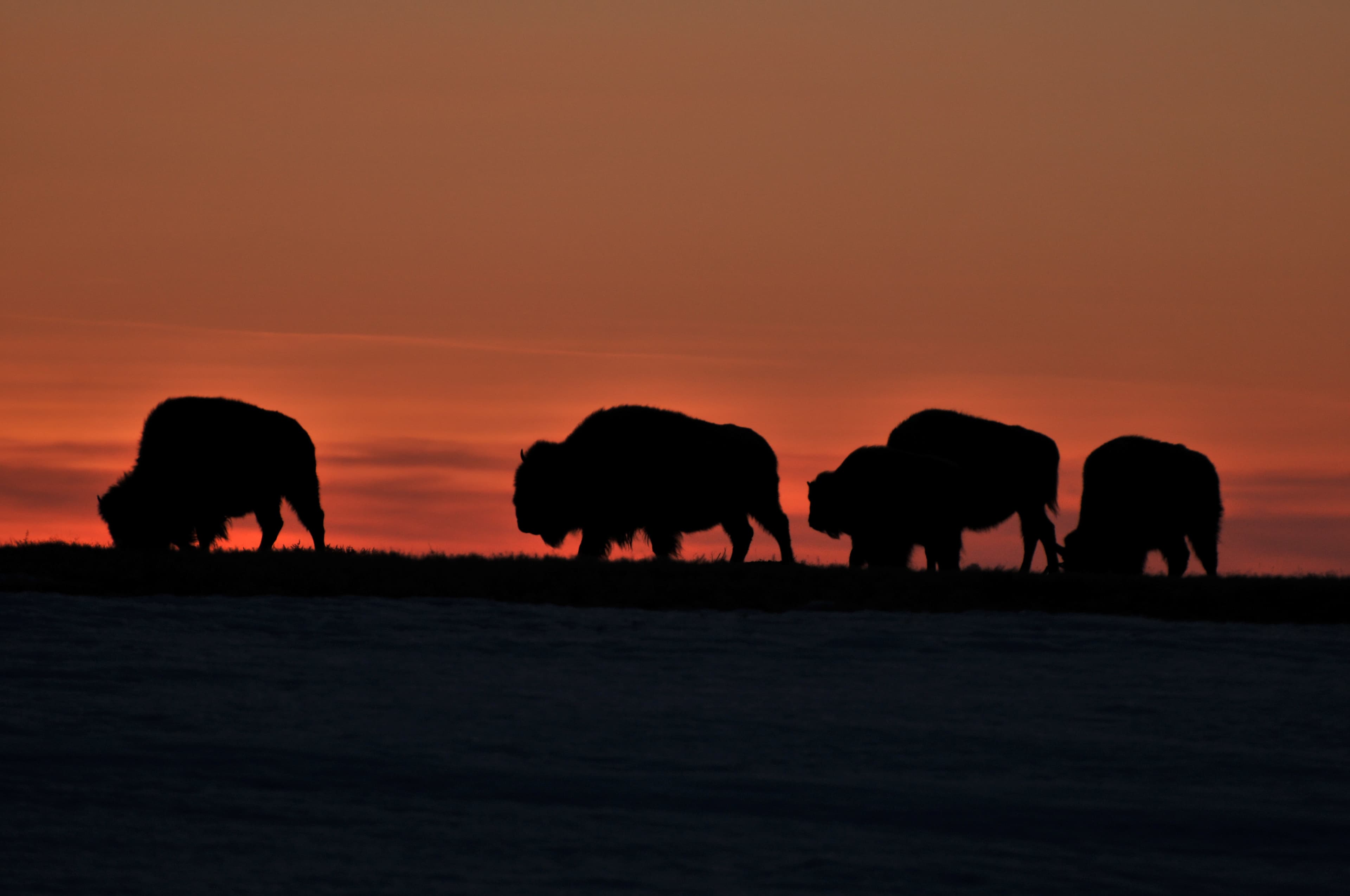
Audio Tour Conclusion
audio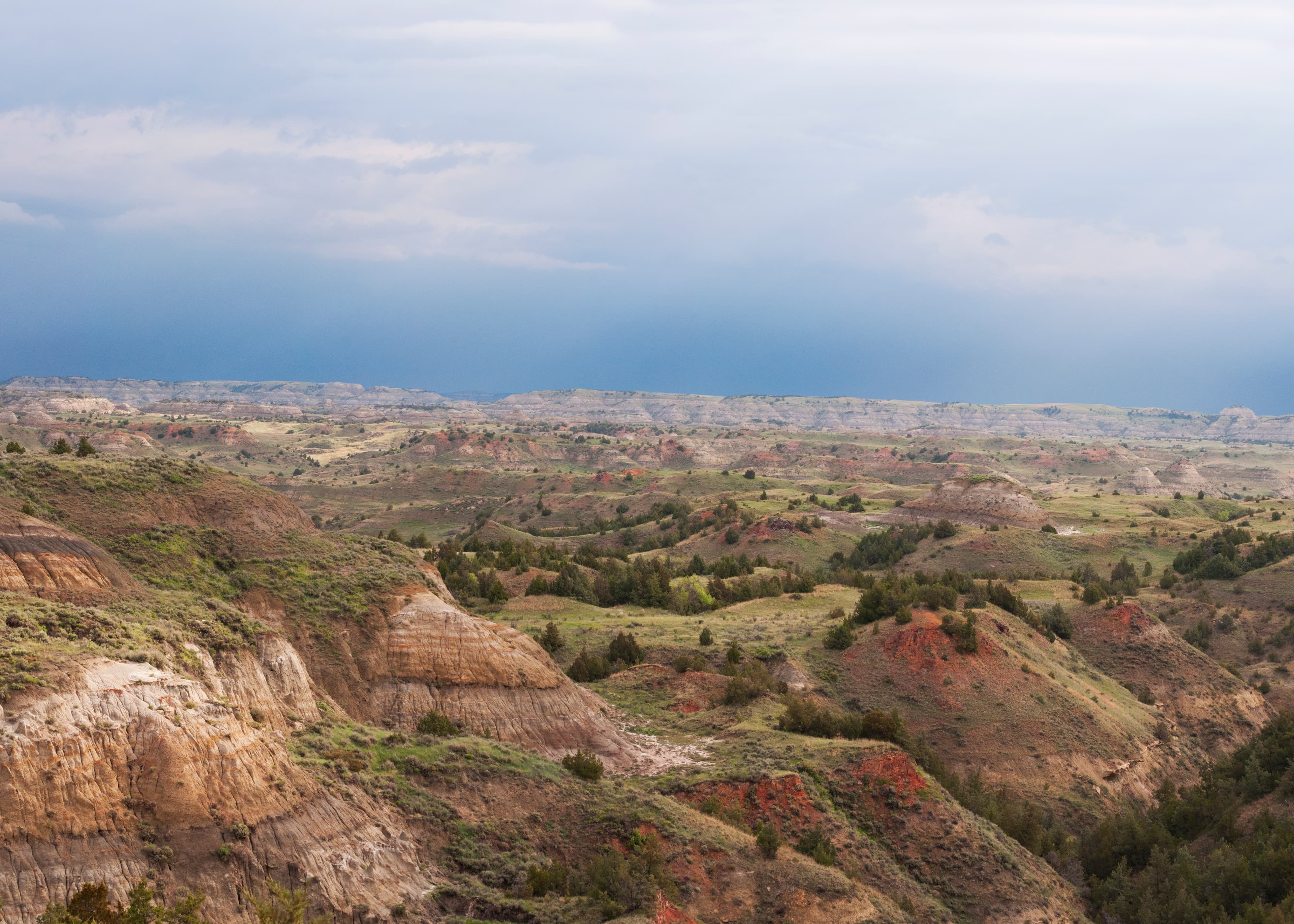
Badlands Overlook
audio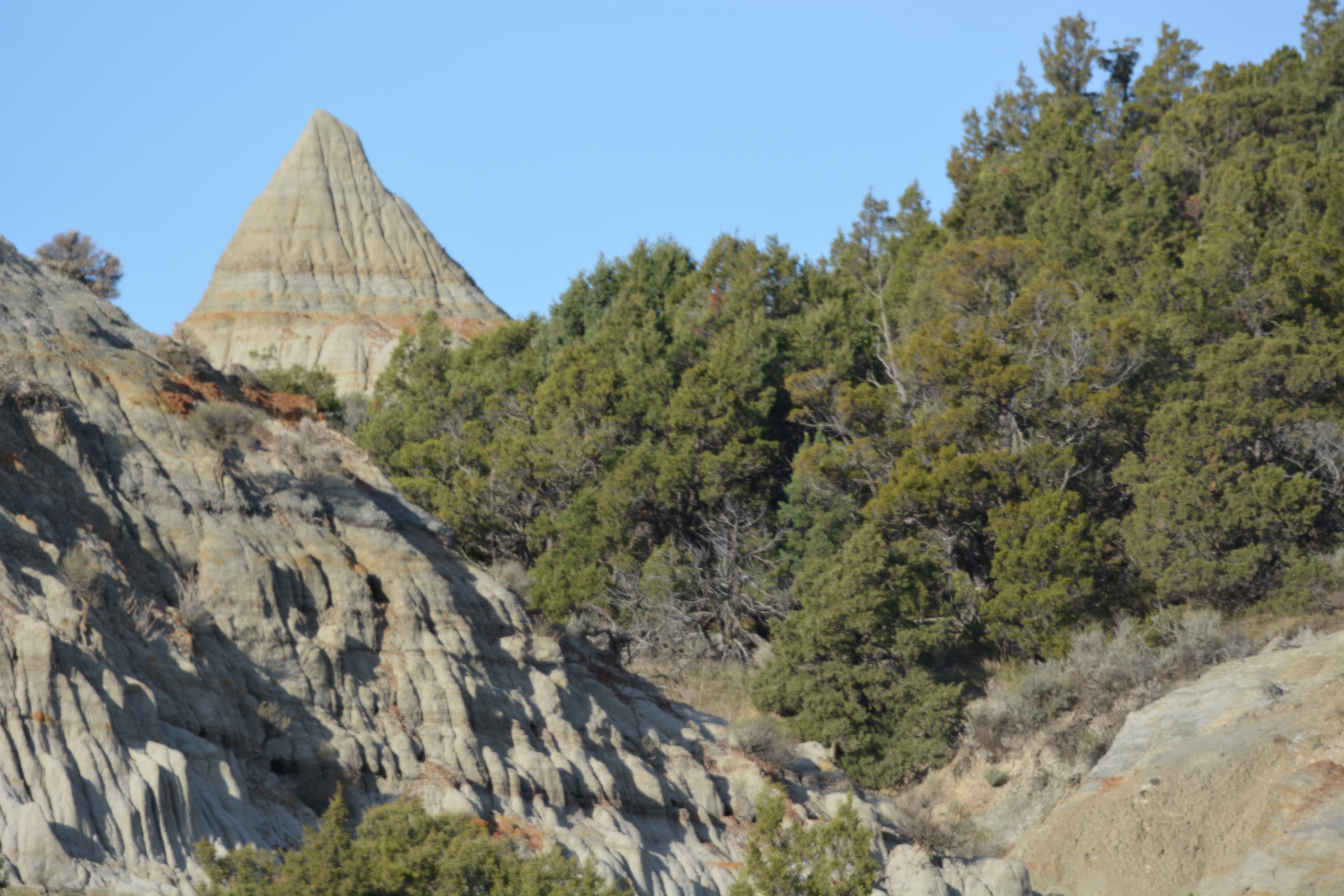
Badlands Slopes
audio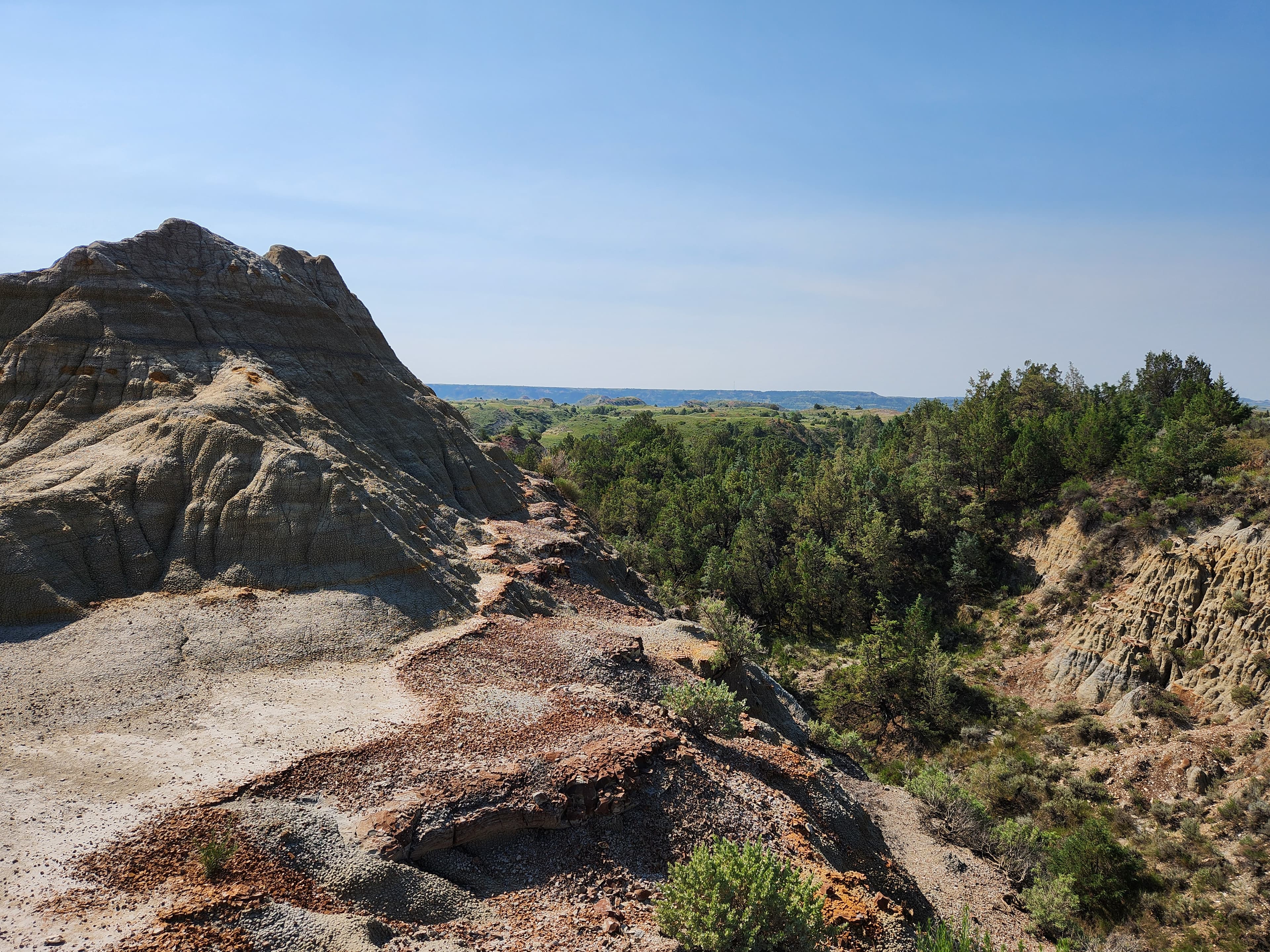
Badlands Spur Trail
audio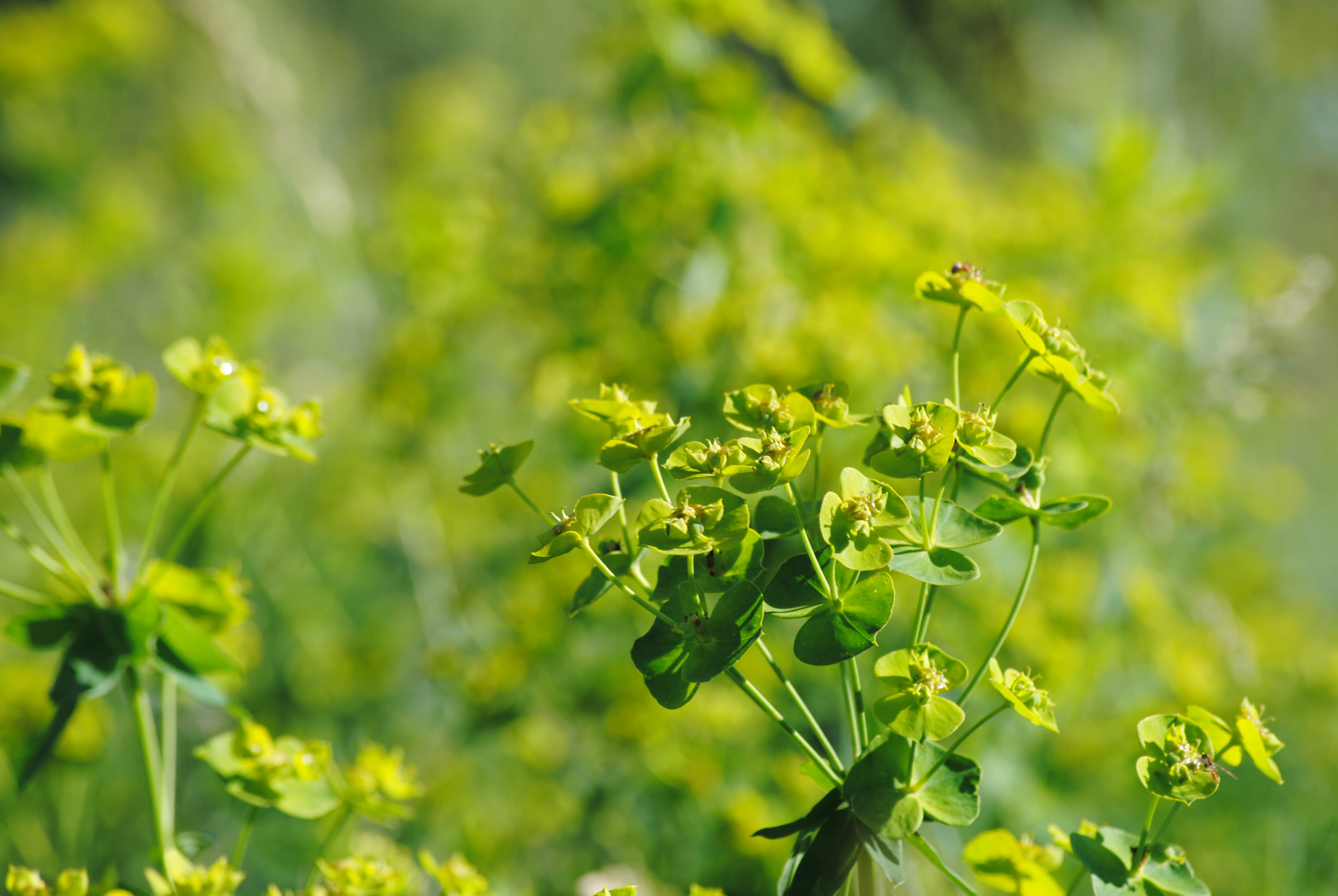
Beef Corral Bottom
audio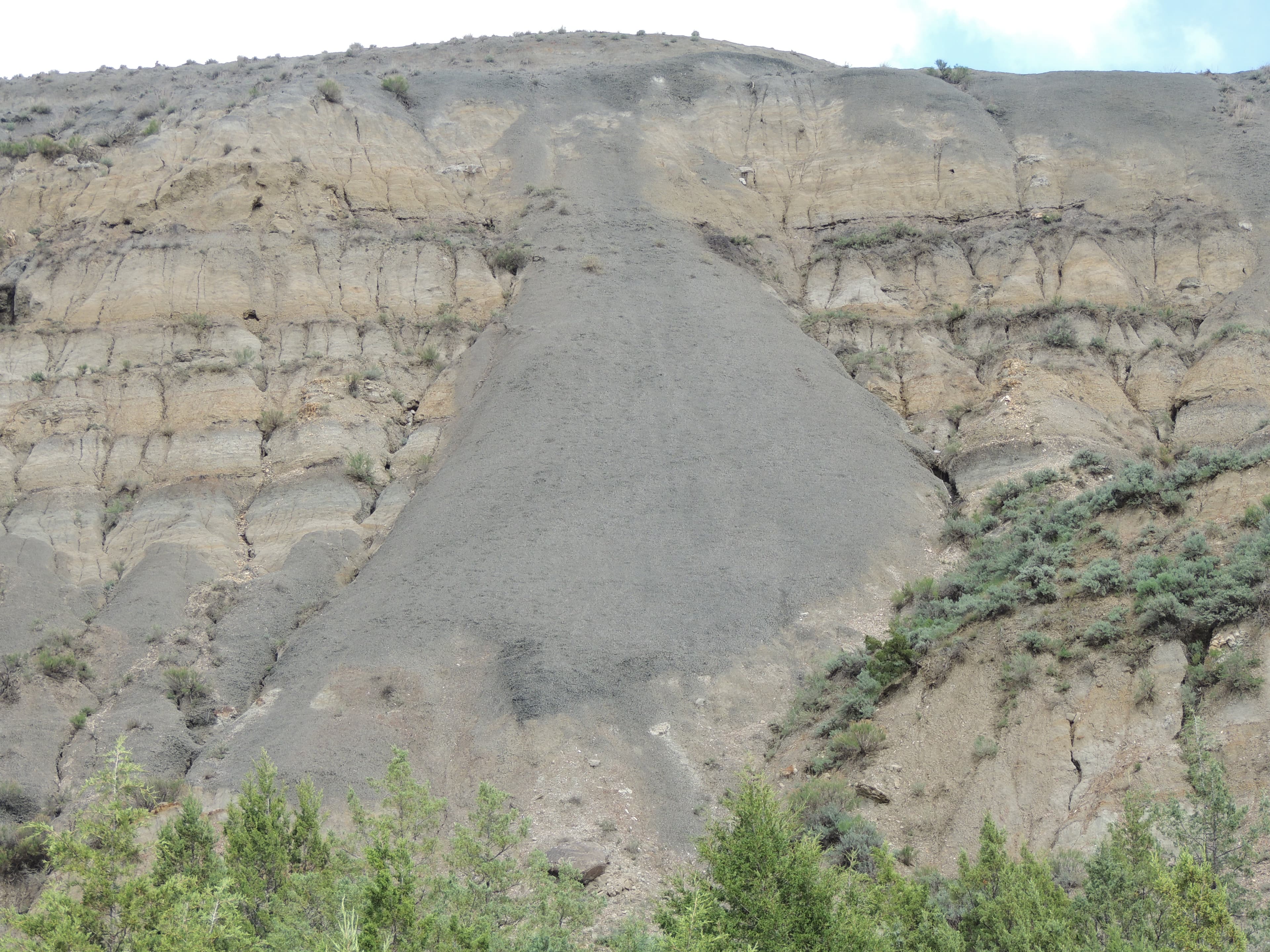
Bentonite
audio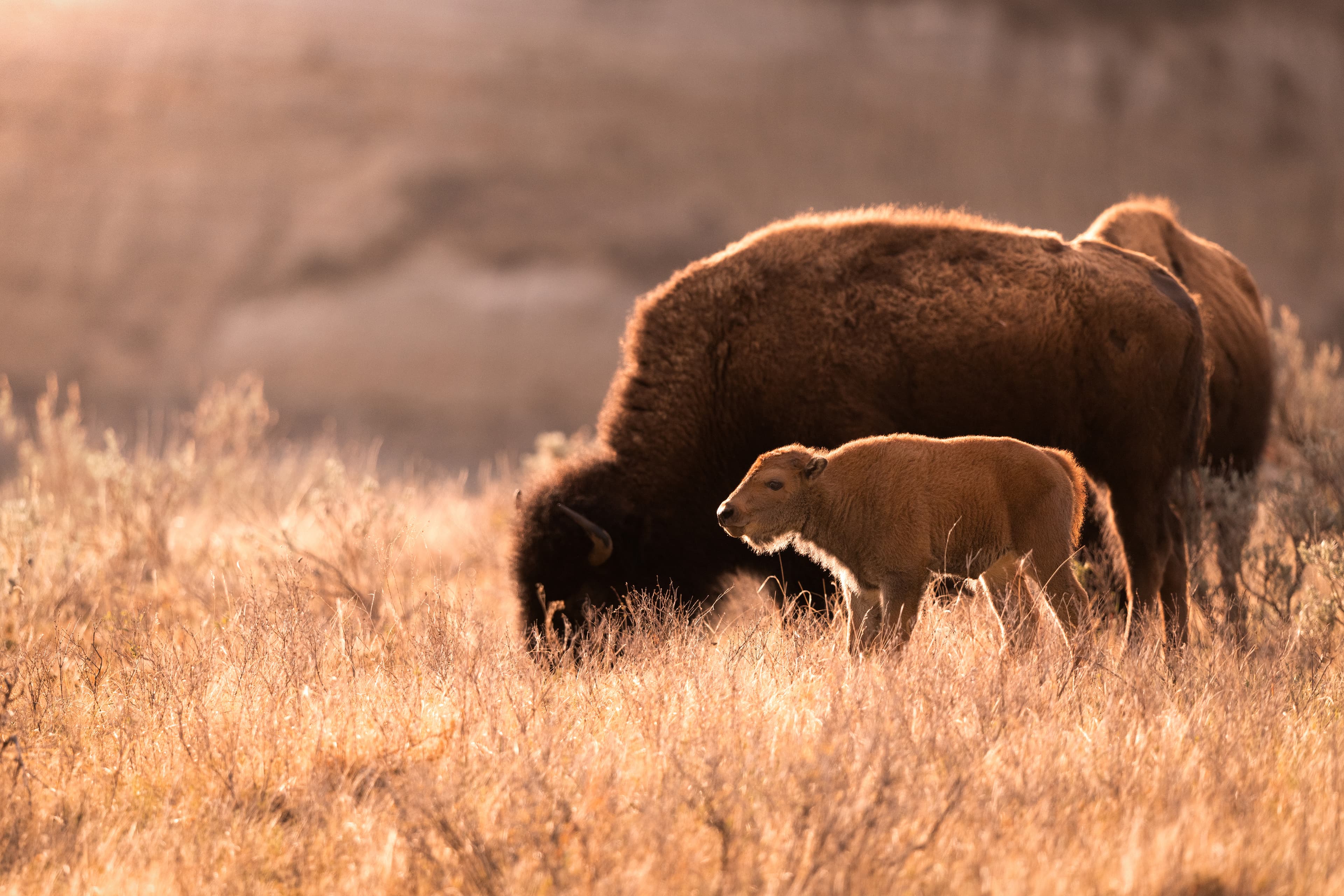
Bentonitic Clay Overlook
audio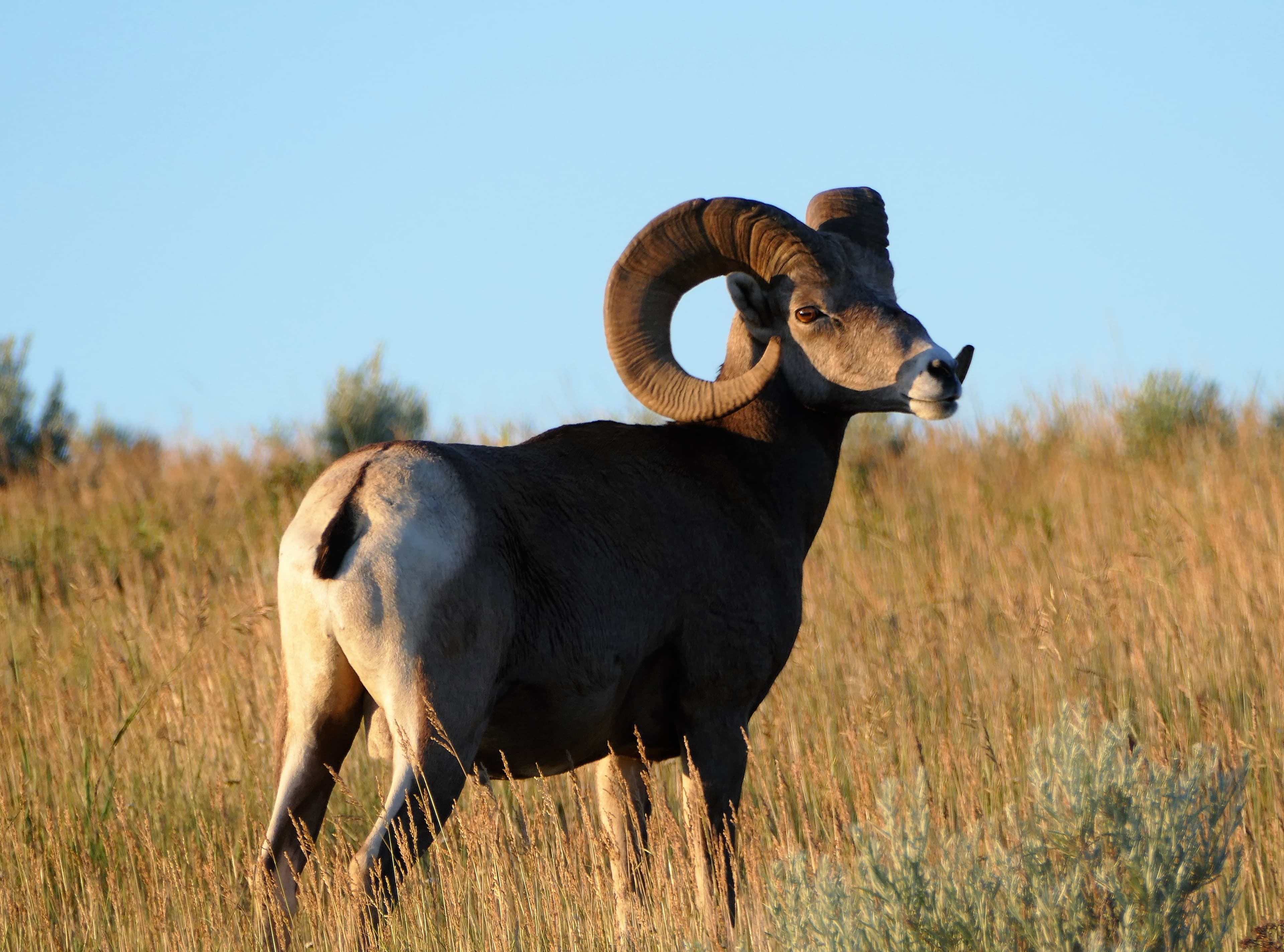
Bighorn Sheep
audioAudio & media
🎧 Elkhorn Ranch Audio Guide ↗ · 17 mintranscript
🎧 What Does Wilderness Mean to You? - Chad ↗ · 0 mintranscript
🎧 What Does Wilderness Mean to You? - Sean ↗ · 0 mintranscript
🎬
🖼
Learn more
A lot of articles have been written about the history of the National Park Service (NPS) arrowhead emblem. Many recycle the same content and outdated information that has largely come from the NPS itself. Challenging the traditional story has revealed new sources of information—and two previously overlooked arrowhead designs—that rewrite the arrowhead origin story.
On the western edge of North Dakota, the Great American Outdoors Act (GAOA) Legacy Restoration Fund (LRF) is not just preserving national parks; it's shaping the future for a new generation of park stewards.
Meet the herd of Theodore Roosevelt National Park!
The Cenozoic Era (66 million years ago [MYA] through today) is the "Age of Mammals." North America’s characteristic landscapes began to develop during the Cenozoic. Birds and mammals rose in prominence after the extinction of giant reptiles. Common Cenozoic fossils include cat-like carnivores and early horses, as well as ice age woolly mammoths.
Across the US, changes in water availability are altering which plants grow where. These changes are evident at a broad scale. But not all areas experience the same climate in the same way, even within the boundaries of a single national park. A new dataset gives park managers a valuable tool for understanding why vegetation has changed and how it might change in the future under different climate-change scenarios.
A recent study done in Theodore Roosevelt National Park shows the potential of fertility control - or contraceptives - to manage feral horse populations in the park.
Crocodylomorphs, including crocodylians and their extinct relatives, are known from body and trace fossils found in more than a dozen units of the National Park Service. The records range in age from the Late Triassic to the Pleistocene and include type specimens for five species, among them the giant Deinosuchus riograndensis from the Cretaceous of Big Bend National Park.
This finding aid describes the Allyn F. Hanks Papers, part of the NPS History Collection.
Ranger School
Park-grounded courses you can learn with the Ranger.
A Tale of Two Men
Open →
Asteroid Impact Model
Open →
Biological Biography
Open →
Finding Roosevelt Video Assessment
Open →
Make Your Own Astrolabe
Open →
Moon Phases With Cookies
Open →
The Young Naturalist
Open →
Web of Life
Open →
How Theodore Roosevelt National Park connects
This park's activities, topics, location, and on-the-ground places — one hop in the graph. Drag to explore; click an activity, topic, or related park to follow it.
Park
Activity
Topic
State
Campground
VisitorCenter
PassportStamp
Trail
ThingToDo
Alert
Similar parks
Share activities & topics with Theodore Roosevelt National Park.