Craters Of The Moon National Monument & Preserve
Idaho
Tonight
🌓 65% moon
8.6 h fully dark
Hikes
Easy–Strenuous
🟢 🟡 🔴
Crowds
low
Open today
Open
Entrance
$20
Navigation
Please do not rely upon GPS digital navigation systems to find your way to Craters of the Moon. Please note that the Robert Limbert Visitor Center at 1266 Craters Loop Road is located just off U.S. Highway 20/26/93 and is not accessed via any unpaved roads.
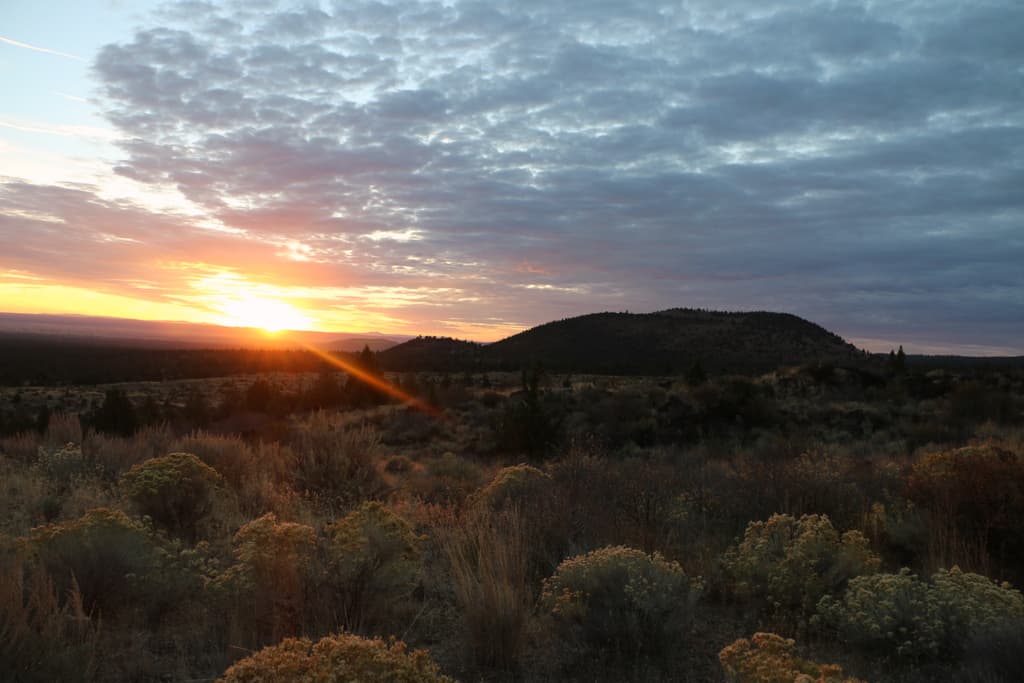
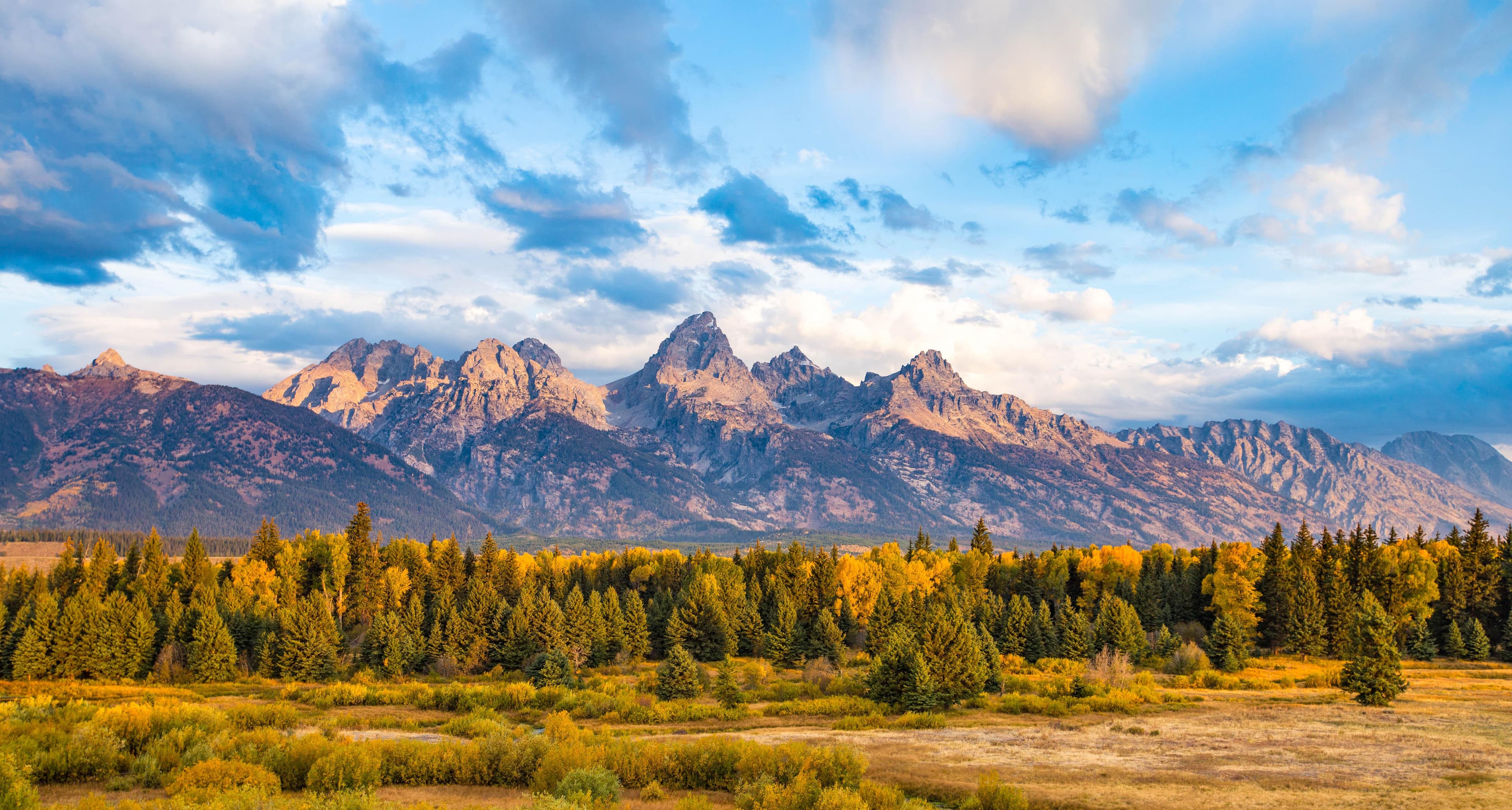
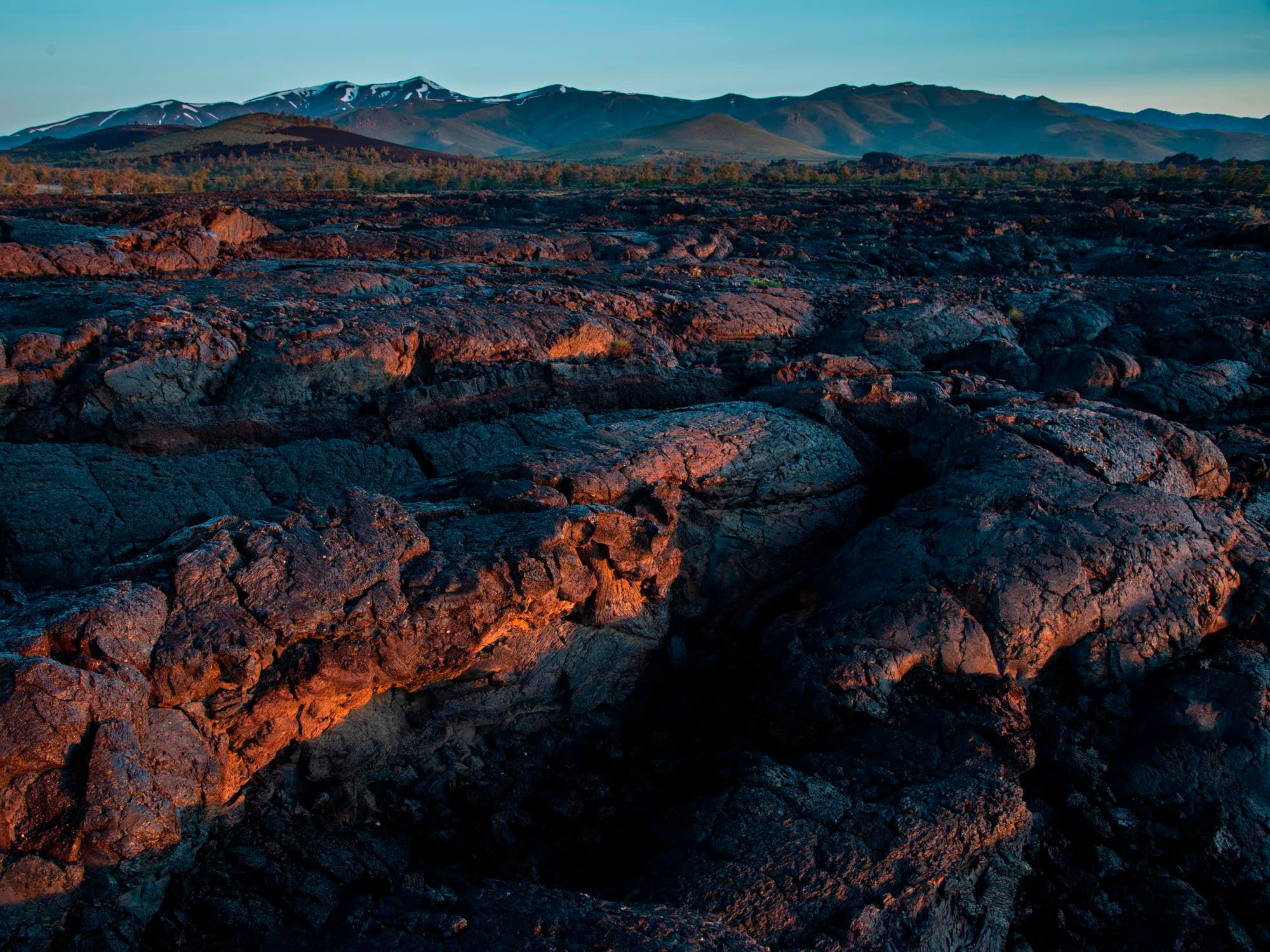
Official NPS alert →Craters of the Moon is a vast ocean of lava flows with scattered islands of cinder cones and sagebrush. We invite you to explore this "weird and scenic landscape" where yesterday's volcanic events are likely to continue tomorrow.
Activities
Topics
Entrance fees
$20.00 — Entrance - Private Vehicle
$15.00 — Entrance - Motorcycle
$25.00 — Commercial Entrance - Sedan
$10.00 — Entrance - Per Person
$0.00 — Entrance - Education/Academic Groups
$100.00 — Commercial Entrance - Motor Coach
$40.00 — Commercial Entrance - Van
Hours & seasons
The Loop Road is typically open from mid April through late November as conditions allow.
Generally open:
winterspringsummerfallHours are reported by the park — verify before you go.
📞 2085271300
✉ crmo_information@nps.govConditions
Quietest months (fewer crowds): Jan, Feb, Nov, Dec
Typical crowds: low
Weather now: ☀️ Clear, 63°F
⛅ 71°/43°
☁️ 75°/49°
☁️ 75°/56°
Typical monthly recreation visits · NPS avg 2023–2025 — orange months are the quietest by crowds.
Quietest months
Relative crowds by month — lighter is quieter; ringed months are the calmest by crowds.
Jan
5%
Feb
9%
Mar
13%
Apr
25%
May
58%
Jun
94%
Jul
99%
Aug
84%
Sep
100%
Oct
51%
Nov
13%
Dec
7%
Log a sky reading
Measured the sky with an SQM meter or app? Add your reading (16 = city glow … 22 = pristine). Opt in under “Travelers like you” to share it on the community leaderboard.
Things to do
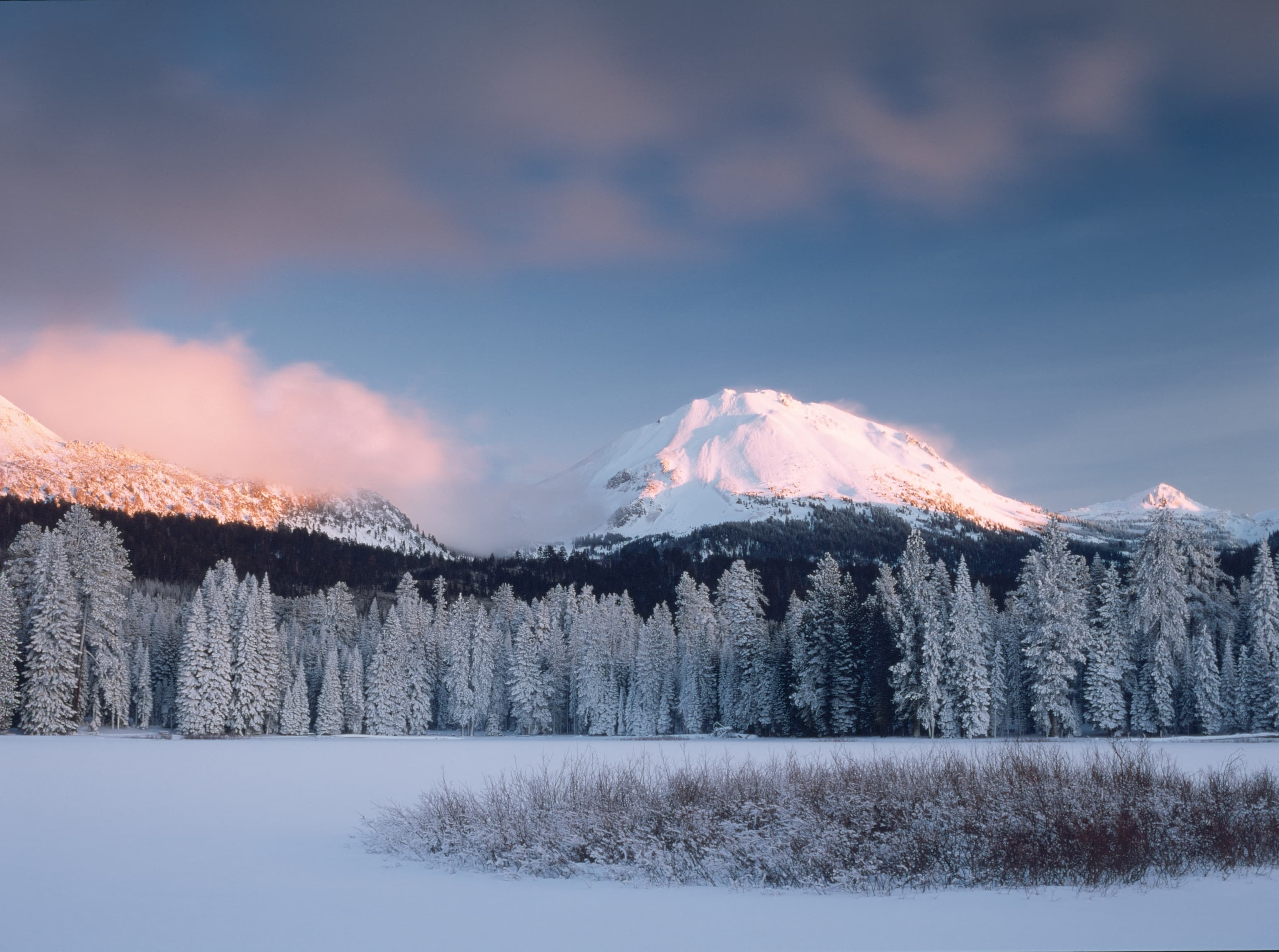
Visit Craters in Winter
🟢 Hike Devils Orchard · 0.5 mi · 39 ft gain
Become a Craters Junior Ranger
Visit the Spatter Cones · 0.1 mi
Explore a Cave · 1.6 mi
Stargazing at Craters of the Moon
🔴 Hike the North Crater Trail · 3.5 mi · 758 ft gain
🟡 Hike Broken Top Loop · 1.8 mi · 242 ft gain
Campgrounds
Lava Flow Campground · 42 sites · first-come
Visitor centers
Robert Limbert Visitor Center
Accessibility
1 accessible campground(s)
8 audio-described place(s)
Reported by the park — verify before you go.
Not an official safety source — always defer to NPS.gov and rangers for life-safety decisions.
By the numbers
A visual read on Craters Of The Moon National Monument & Preserve — its character, trails, sky, and weather.
Park fingerprint
How this park scores across the dimensions travelers care about.
Trail difficulty
Difficulty mix across this park's trails.
Trail profile
Each dot is a trail — distance vs. elevation gain, by difficulty.
3-day forecast
Daily high and low temperatures (°F).
People & stories
Figures tied to Craters Of The Moon National Monument & Preserve — each spans a cross-park journey.
Robert Limbert
— Idaho, History, Soid ParksPassport stamps
Mark the stamps you've collected — they show in your memory and along your routes.
🎫 Robert Limbert Visitor Center
Places to see
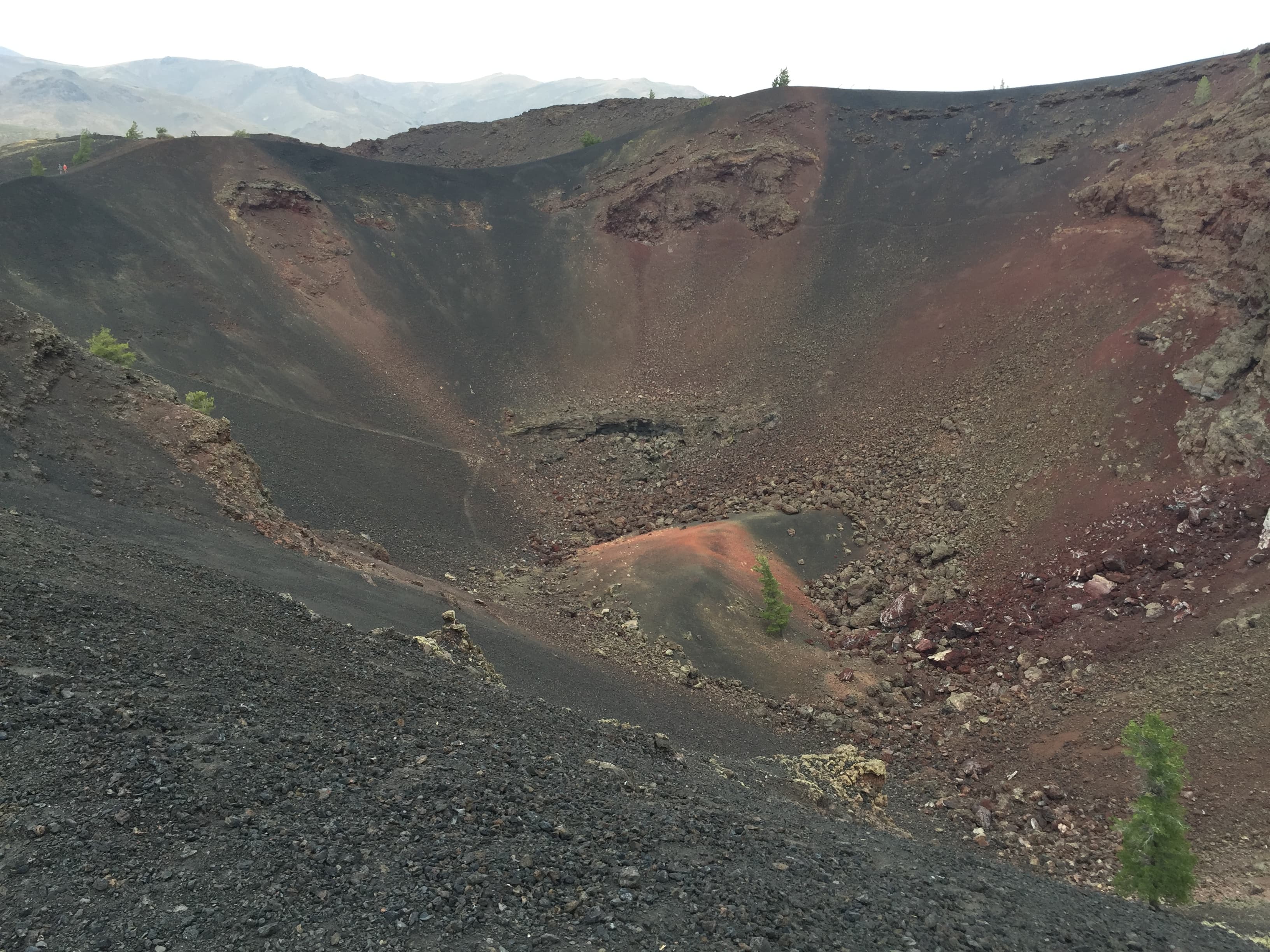
Big Craters
audio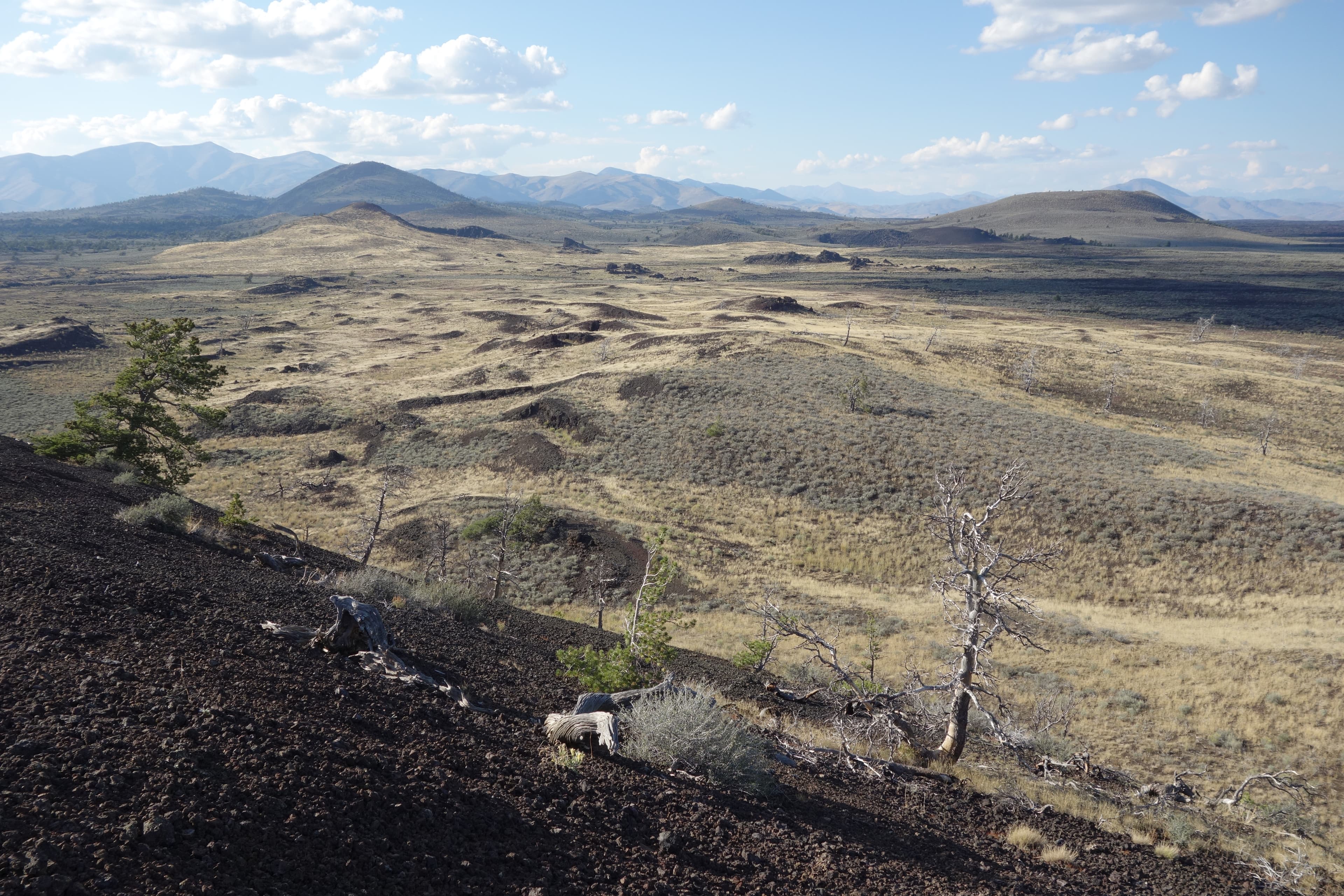
Craters of the Moon Wilderness
audio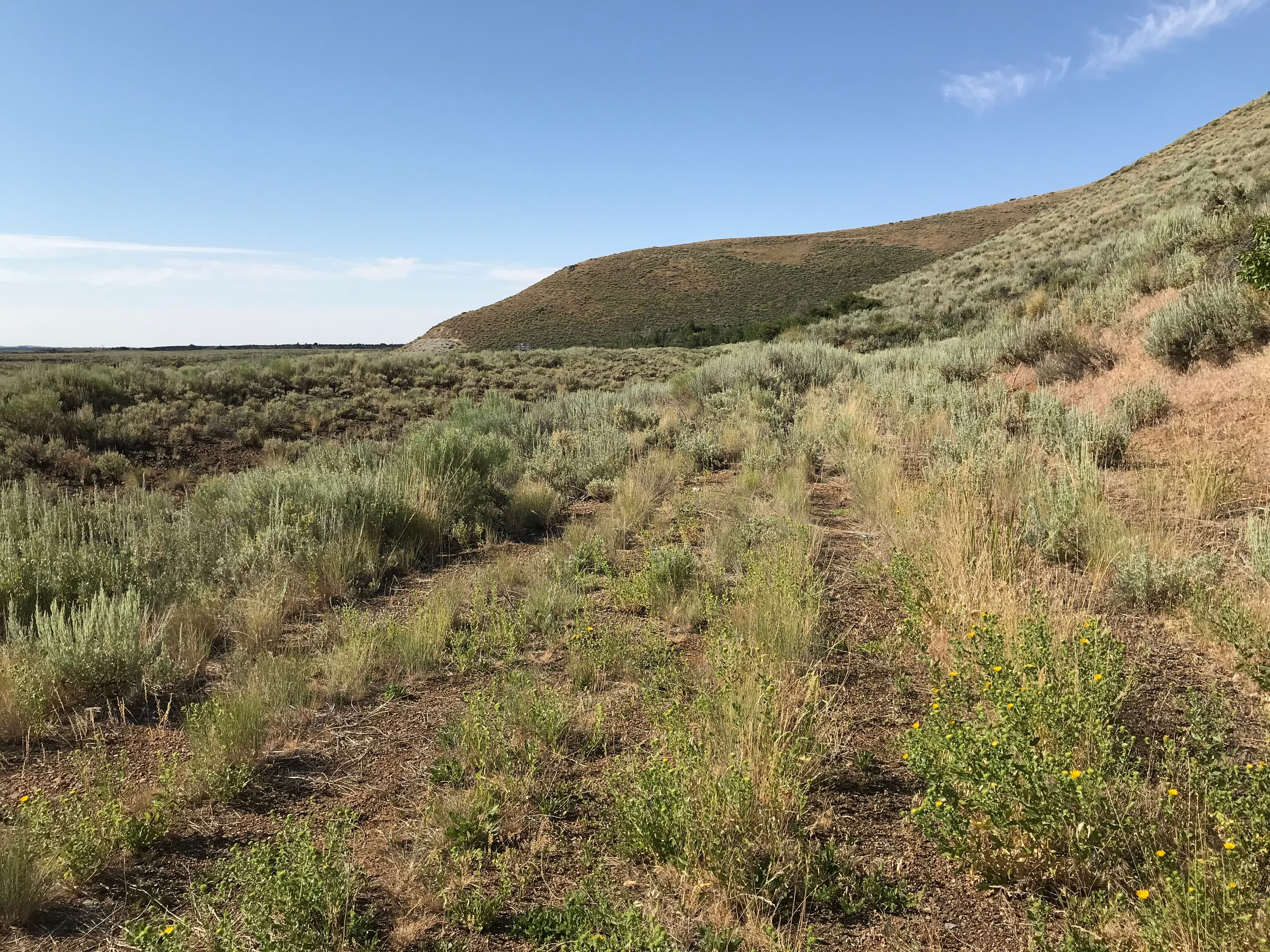
Craters of the Moon, the Oregon Trail
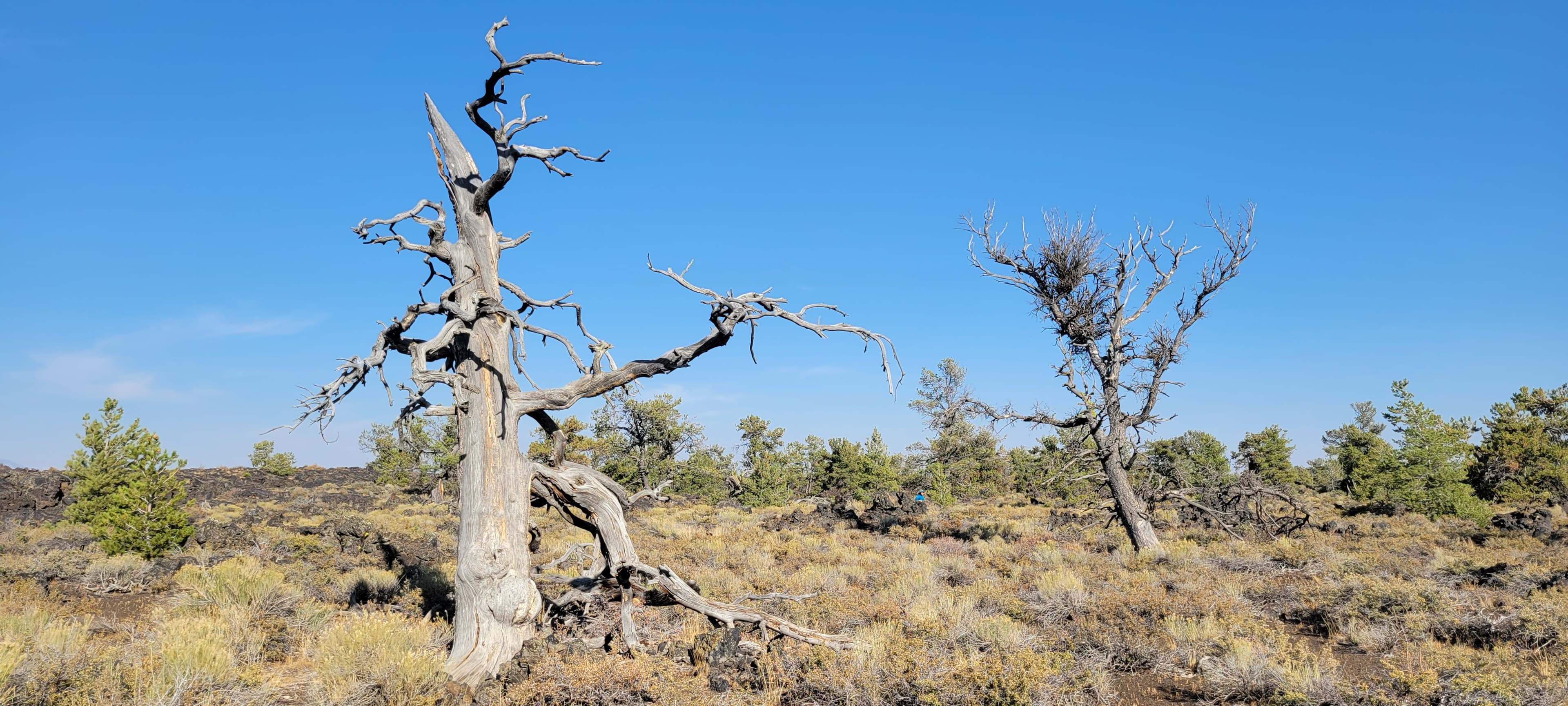
Devils Orchard Nature Trail
audio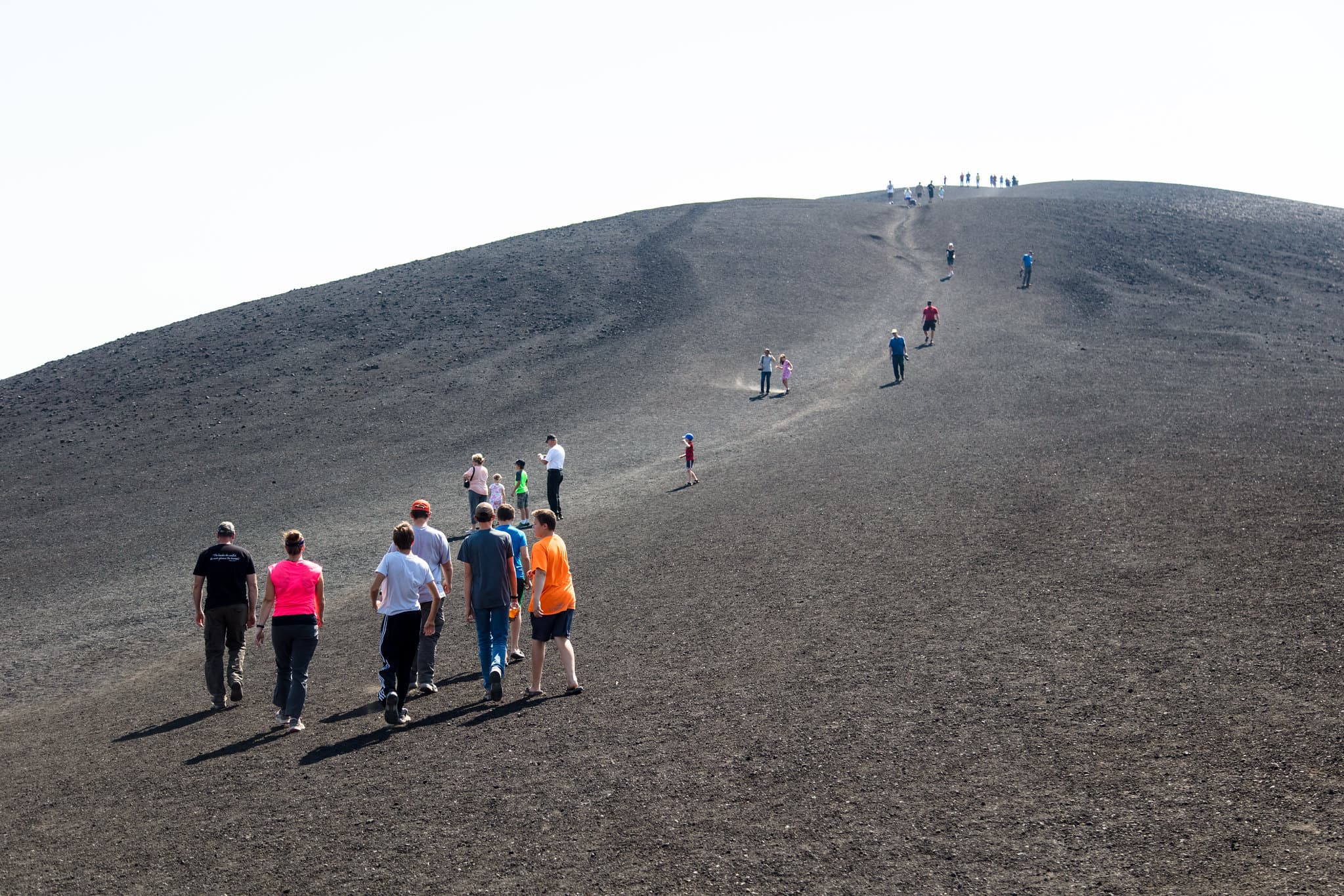
Inferno Cone
audio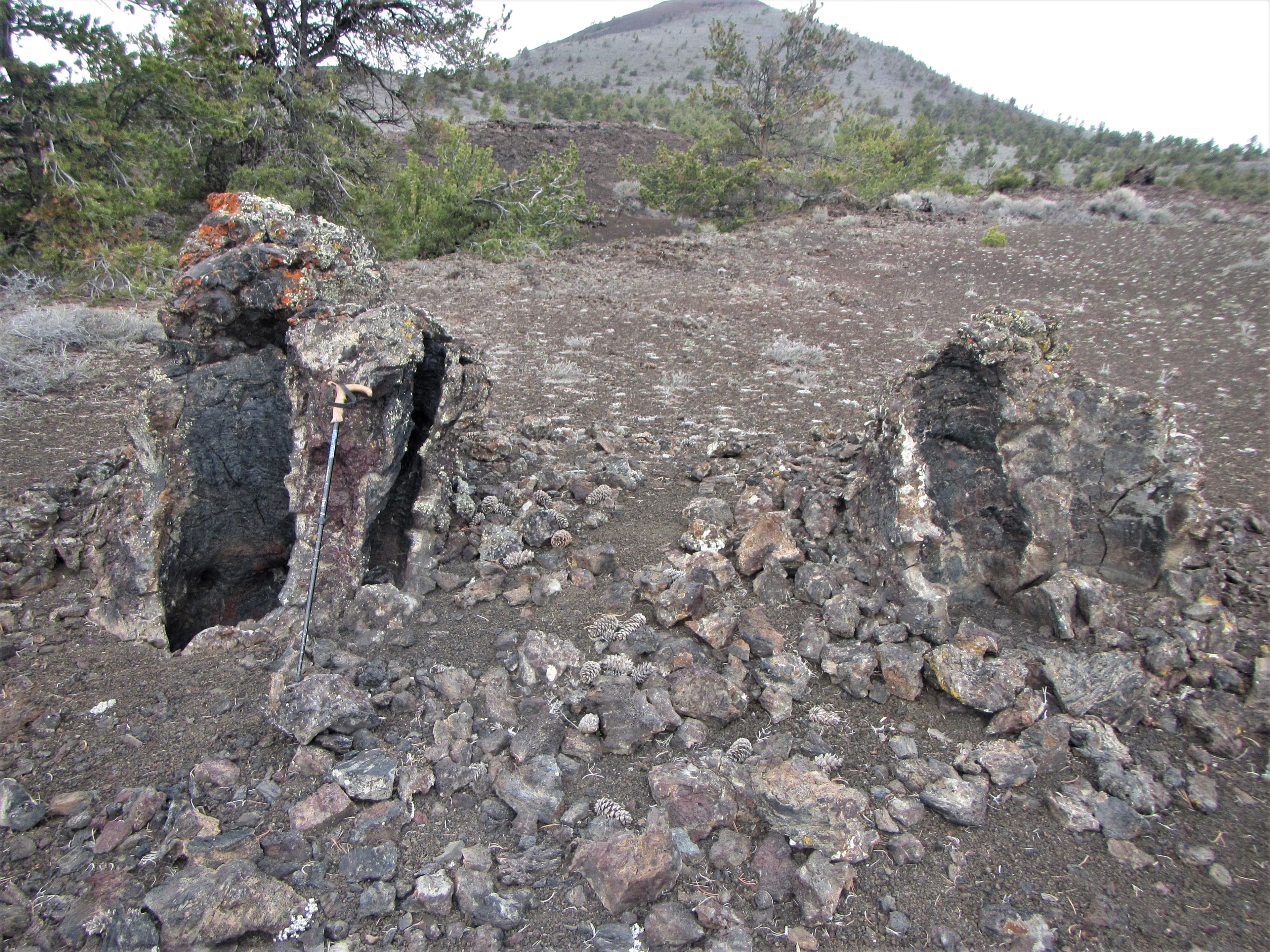
Lava Trees
audio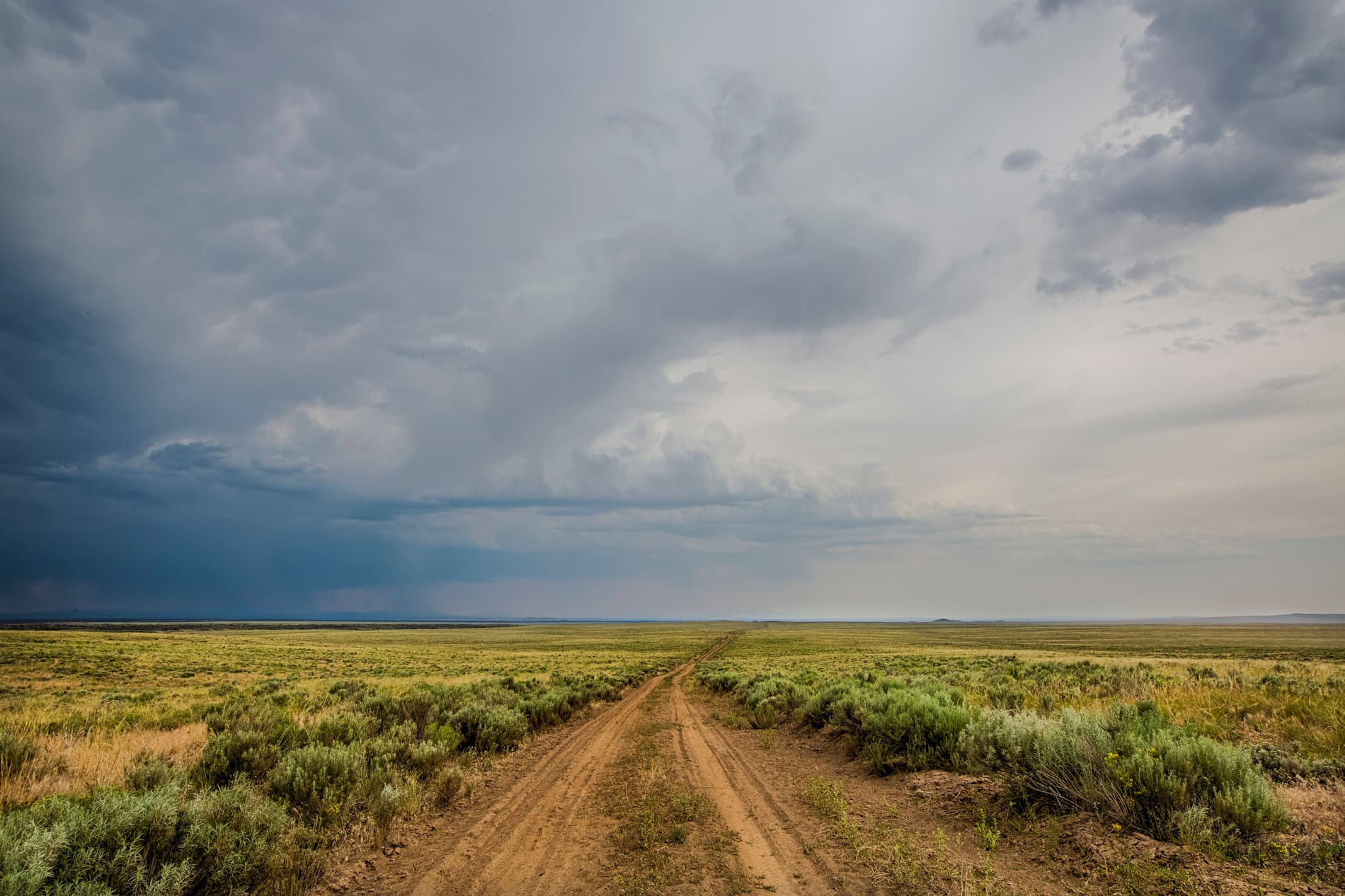
NPS Preserve and BLM Monument
audio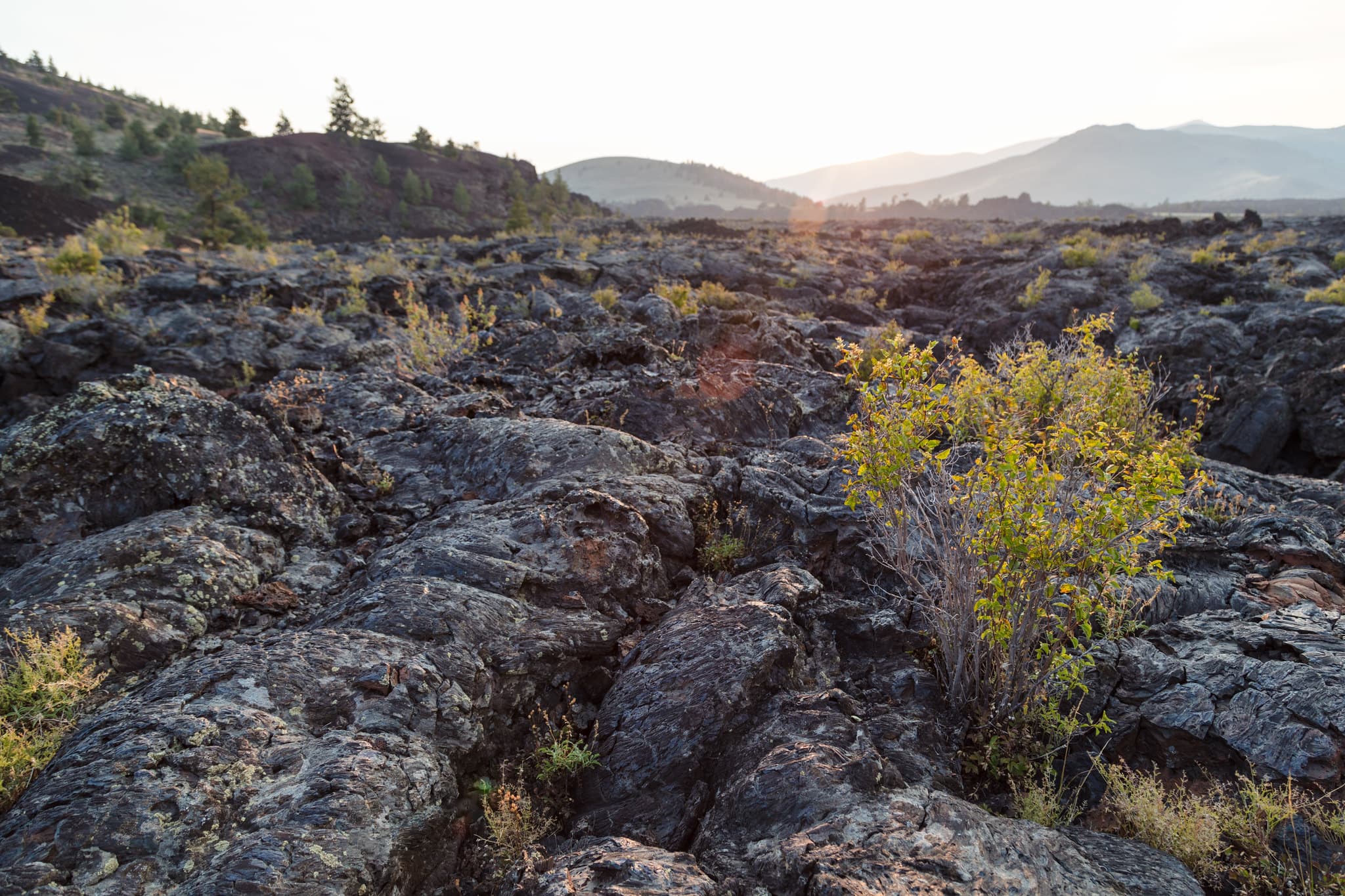
North Crater Flow Trail
audio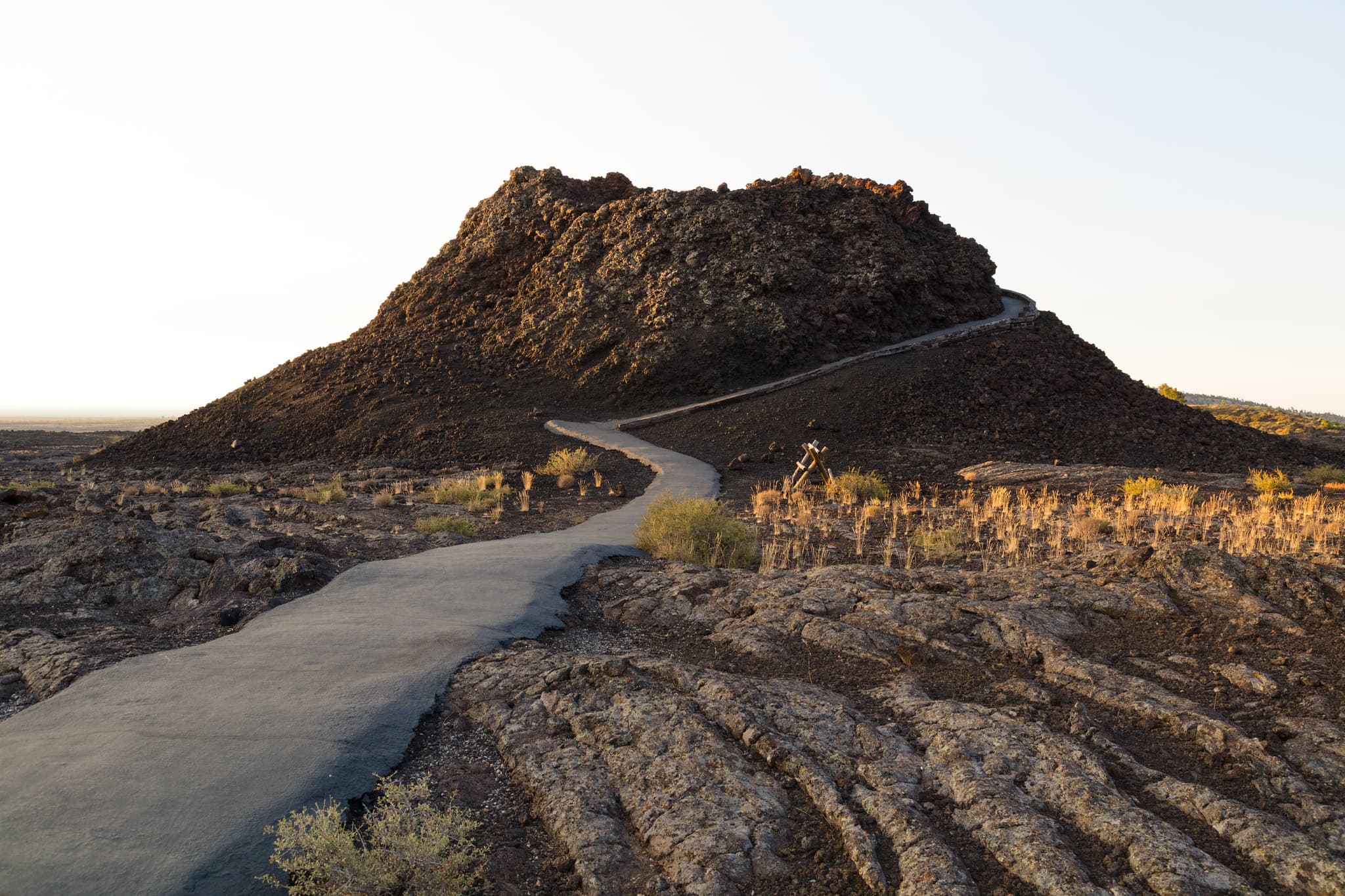
Spatter Cones
audioAudio & media
Learn more
As we reflect on 2024, we offer you a list of 24 interesting and exciting science and nature events from parks of the national park system. From awe-inspiring celestial events to celebrating anniversaries and conservation wins, 2024 was filled with amazing moments.
Humor is a form of commentary that often reveals serious truths. Cartoonists combine artistic talents with razor-sharp wits to shine light on political and social issues. In most cases, those artists are external observers. In the National Park Service (NPS), employees in the 1960s to 1980s drew cartoons, published in official newsletters, that provide unique insights into NPS organizational culture, working conditions, and employees' concerns—many of which still exist today.
Volcanologist Erika Rader's first thought about visual near-infrared spectroscopy equipment was, "I don't understand this and therefore I don't believe it works, but planetary scientists use it a lot so maybe I should give it a think." Soon after, she wanted to share the technology with others.
Pikas live in the expansive lava flows of Craters of the Moon National Monument and Preserve—an atypical habitat in a harsh environment. Here we have a spectacular opportunity to learn more about how this species may respond to climate change over time.
Craters of the Moon hosts at least nine species of bats year-round with several others passing through the area.
Enjoy a fun activity and learn about caves even when you can't get out to a park. In this activity you will build your own cave and learn how to make it like a "real" natural cave. Find out about cave formations and wildlife, and how to be safe and care for caves. New "Blanket Cave National Youth Parks" are springing up all across America! Join the fun!
Wildlife biologists at Craters of the Moon National Monument and Preserve have a unique opportunity to understand pronghorn migration through the park. Pronghorns are one of the West’s iconic animals and have one of the longest land migrations in North America. A narrow migration corridor in Craters of the Moon allows for the use of trail cameras to capture pronghorns during their annual movements. The data from this study supports management decisions at the park.
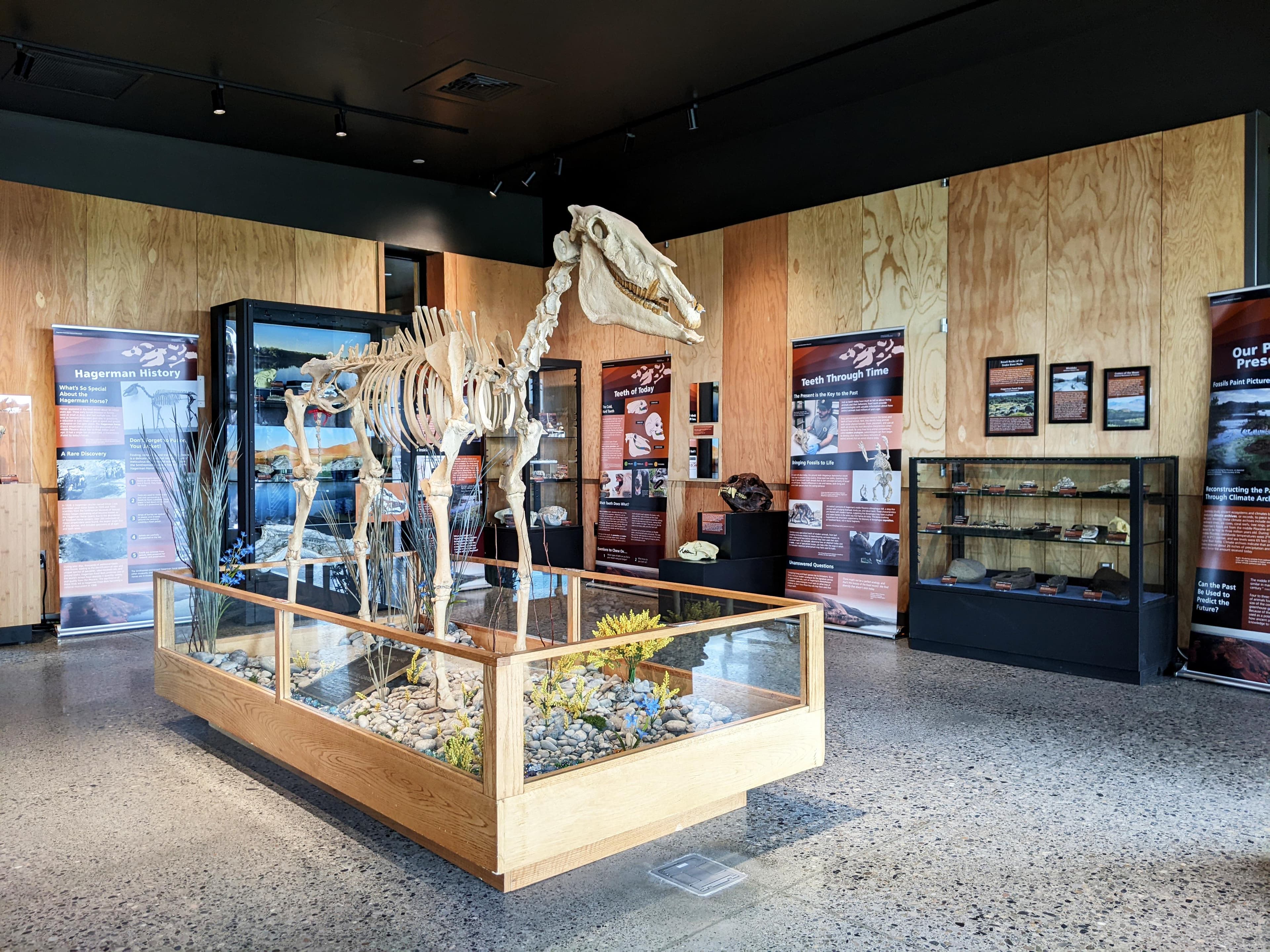
The Cenozoic Era (66 million years ago [MYA] through today) is the "Age of Mammals." North America’s characteristic landscapes began to develop during the Cenozoic. Birds and mammals rose in prominence after the extinction of giant reptiles. Common Cenozoic fossils include cat-like carnivores and early horses, as well as ice age woolly mammoths.
Ranger School
Park-grounded courses you can learn with the Ranger.
Adapting to an Extreme Environment
Open →
Craters Ecosystem
Open →
Deep Time and You
Open →
From Core to Crust
Open →
Hard Core Rock
Open →
Hot Spot
Open →
Life Time Line
Open →
Prepare For Cold Air: SnowSchool Pre-visit Activity
Open →
The Write Stuff
Open →
Winter Track Mystery: SnowSchool Post-visit Activity
Open →
How Craters Of The Moon National Monument & Preserve connects
This park's activities, topics, location, and on-the-ground places — one hop in the graph. Drag to explore; click an activity, topic, or related park to follow it.
Park
Activity
Topic
State
Campground
VisitorCenter
PassportStamp
Trail
ThingToDo
Alert
Similar parks
Share activities & topics with Craters Of The Moon National Monument & Preserve.