Fossil Butte National Monument
Wyoming
Tonight
🌓 65% moon
8.6 h fully dark
Hikes
Strenuous
🔴
Crowds
low
Entrance
Free entry
Temporary Phone Number for Visitor Center
Our main phone number for the visitor center is temporarily disconnected. Please call 307-877-4456 to reach a ranger.
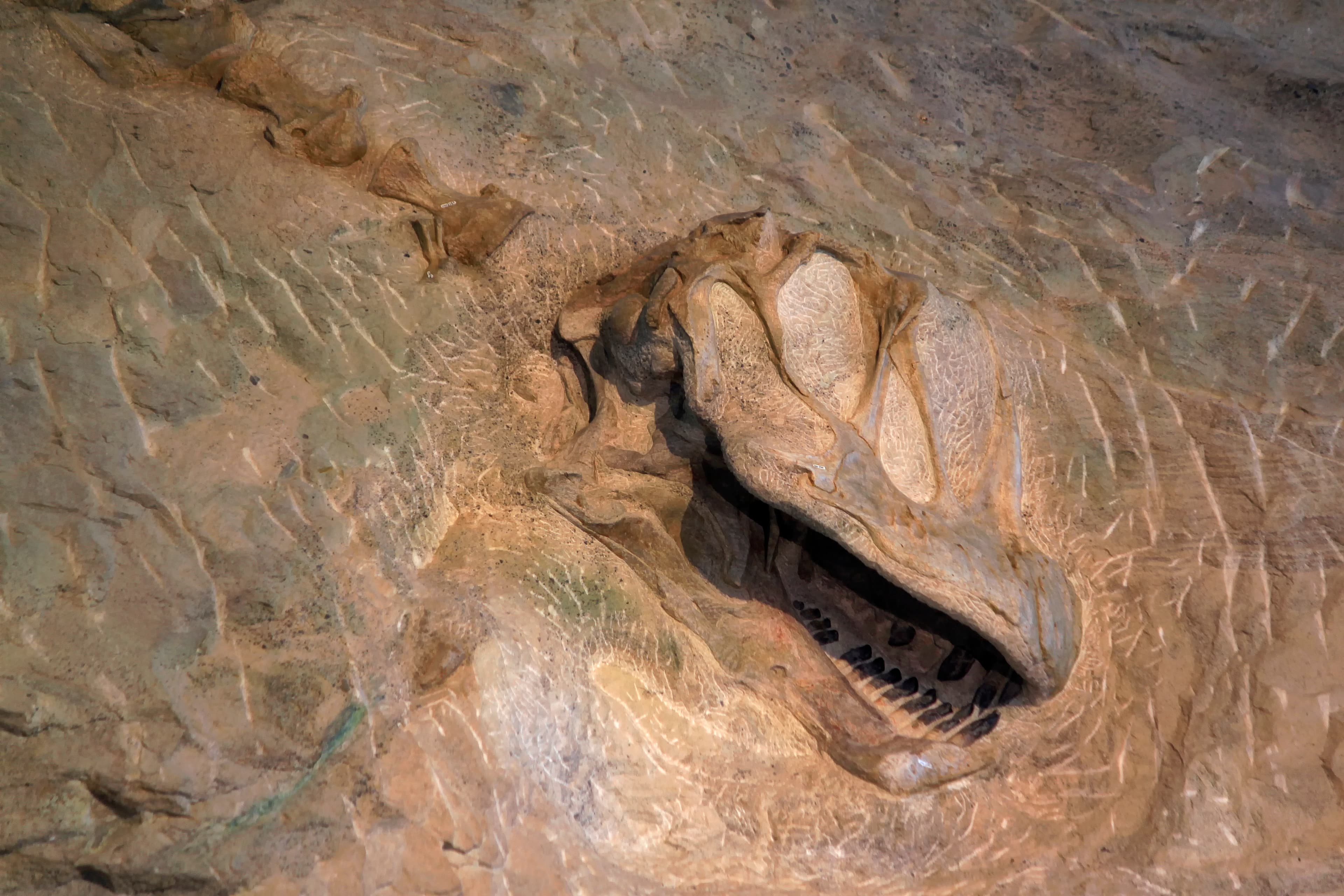
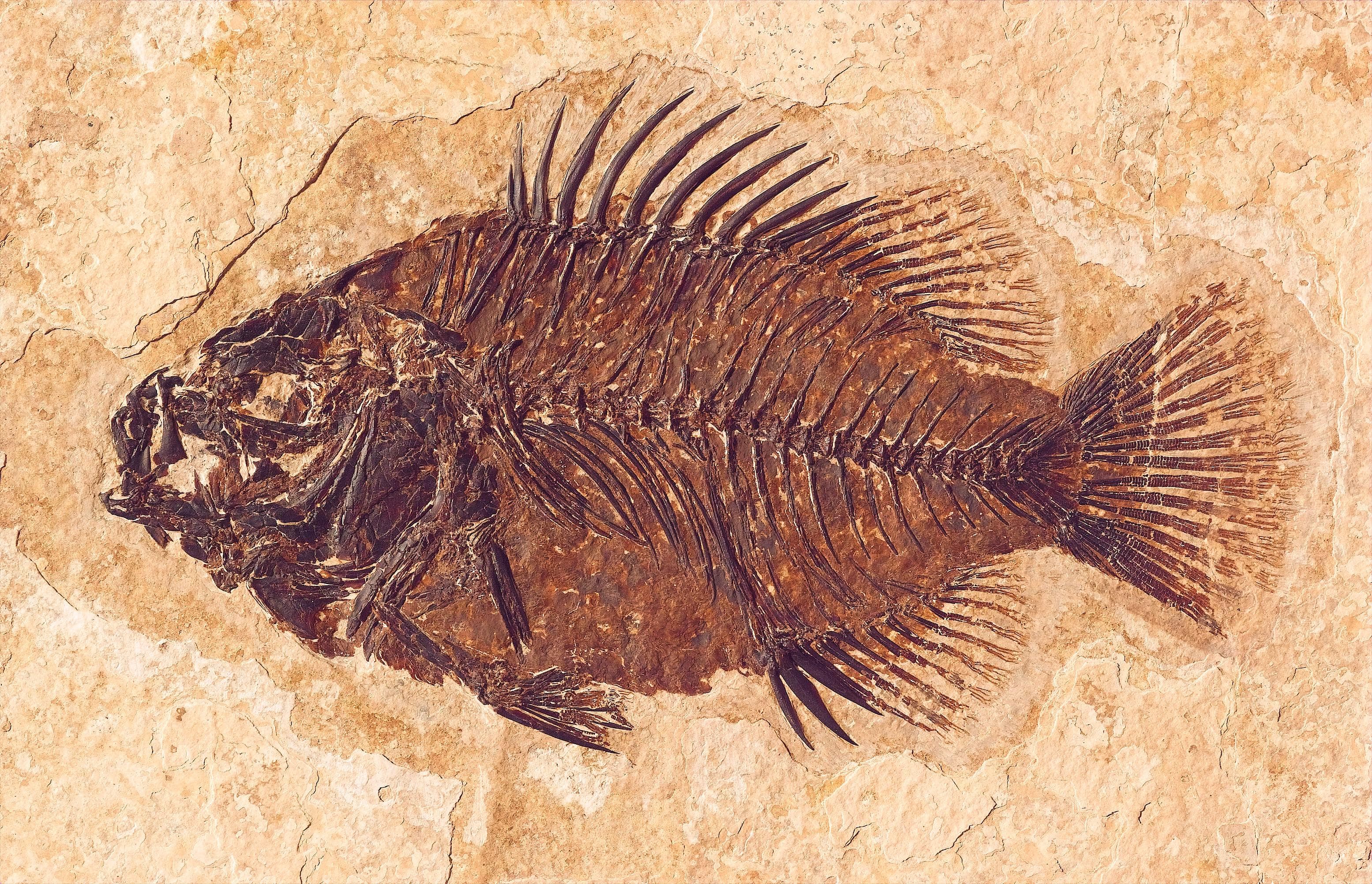
In the ridges of southwest Wyoming are some of the best-preserved fossils in the world. They tell the story of ancient life in a warm, wet environment in and around a freshwater lake. Stingrays swam in the lake. Turtles basked in the sun. Leaves rustled in the breeze while early horses darted between the trunks. We reveal more of the past with each fossil found.
Activities
No entrance fee.
Hours & seasons
Visitors may enter the park any day sunrise to sunset, but visitor services and motor vehicle access vary throughout the year. Camping is not available.
Hours are reported by the park — verify before you go.
📞 3078774455
✉ fobu_information@nps.govConditions
Quietest months (fewer crowds): Jan, Feb, Nov, Dec
Typical crowds: low
Weather now: ☀️ Clear, 56°F
☀️ 61°/38°
☁️ 67°/41°
🌦️ 67°/50°
Typical monthly recreation visits · NPS avg 2023–2025 — orange months are the quietest by crowds.
Quietest months
Relative crowds by month — lighter is quieter; ringed months are the calmest by crowds.
Jan
2%
Feb
2%
Mar
6%
Apr
12%
May
51%
Jun
95%
Jul
100%
Aug
75%
Sep
71%
Oct
25%
Nov
5%
Dec
3%
Log a sky reading
Measured the sky with an SQM meter or app? Add your reading (16 = city glow … 22 = pristine). Opt in under “Travelers like you” to share it on the community leaderboard.
Things to do
🔴 Eagle Nest Point Trail · 2 mi · 7800 ft gain · This trail is 2 miles round trip where you gain minimal elevation. As the trail is located at approximately 7800 feet, the hike is mild to moderate depending on how acclimated one is to the altitude. Generally the hike takes between one and two hours.
Cundick Ridge Trail · 2 mi · 7800 ft gain · This trail is 2 miles round trip where you gain minimal elevation. As the trail is located at approximately 7800 feet, the hike is mild to moderate depending on how acclimated one is to the altitude. Generally the hike takes between one to two hours.
Rubey Point Trail · 3 mi · 7900 ft gain · This trail is 3 miles round trip where you gain minimal elevation. As the trail is located at approximately 7900 feet, the hike is mild to moderate depending on how acclimated one is to the altitude. Generally, the hike takes anywhere from an hour and a half to three hours.
Historic Quarry Trail · 2.5 mi · 6675 ft gain · This trail is a 2.5 mile loop where you gain 600 feet in elevation. As the trail is located at approximately 7000 feet, the hike is moderate to strenuous depending on how acclimated one is to the altitude. Generally the hike takes between one and two hours.
Fossil Butte Nature Trail · 1.5 mi · 7000 ft gain · This trail is a 1.5 mile loop where you gain 300 feet in elevation. As the trail is located at approximately 7000 feet, the hike is easy to moderate depending on how acclimated one is to the altitude. Generally the hike takes between 45 minutes to an hour and a half.
🔴 Fossil Butte Scenic Drive · 5.5 mi
Ranger Programs at Fossil Butte · 2 mi · 300 ft gain
Fossil Butte Visitor Center Exhibits
Visitor centers
Fossil Butte Visitor Center
Accessibility
14 audio-described place(s)
Reported by the park — verify before you go.
Not an official safety source — always defer to NPS.gov and rangers for life-safety decisions.
By the numbers
A visual read on Fossil Butte National Monument — its character, trails, sky, and weather.
Park fingerprint
How this park scores across the dimensions travelers care about.
Trail difficulty
Difficulty mix across this park's trails.
Trail profile
Each dot is a trail — distance vs. elevation gain, by difficulty.
3-day forecast
Daily high and low temperatures (°F).
Passport stamps
Mark the stamps you've collected — they show in your memory and along your routes.
🎫 Fossil Butte Visitor Center
Places to see
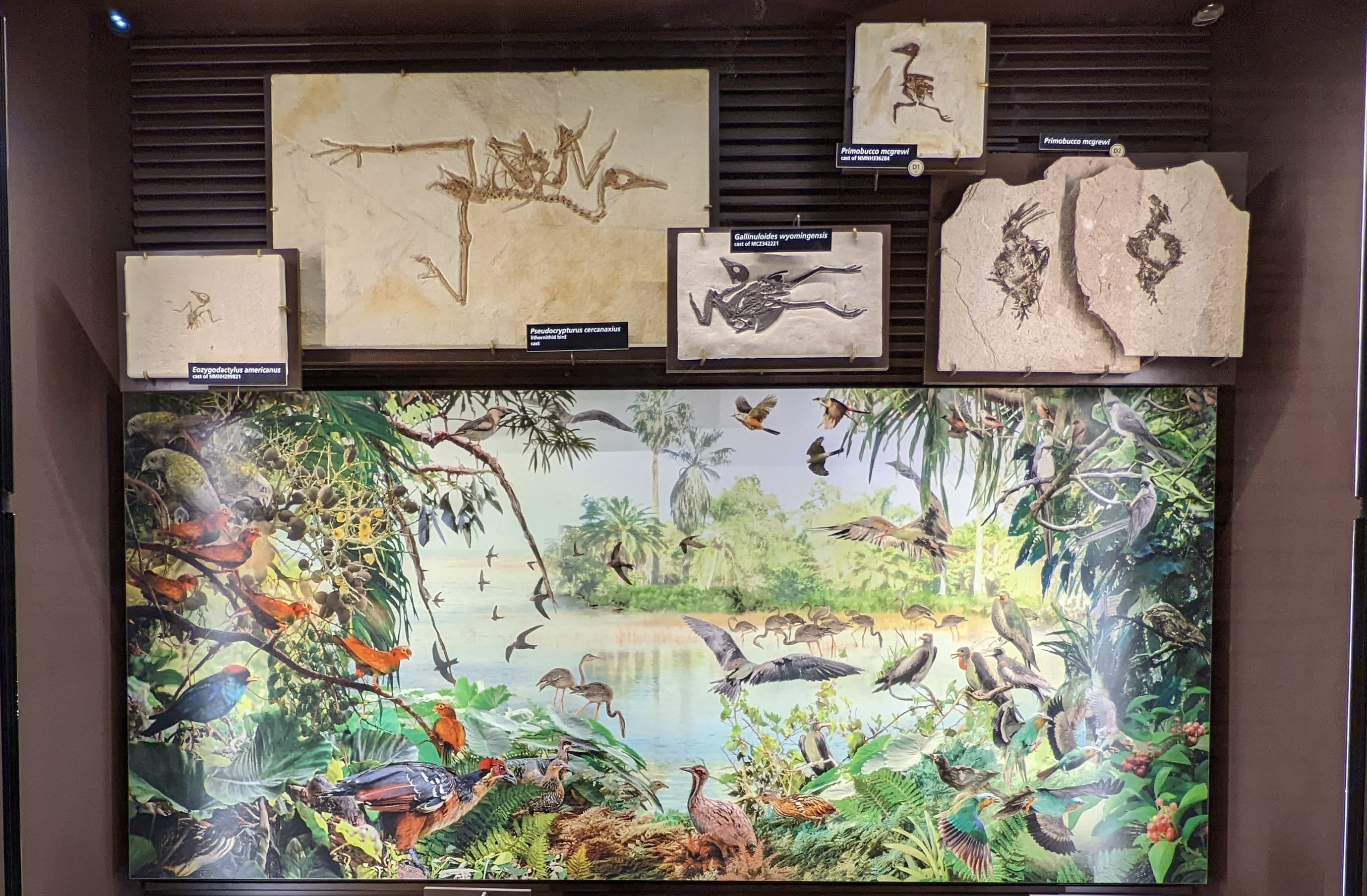
Fossil Birds Exhibit
audio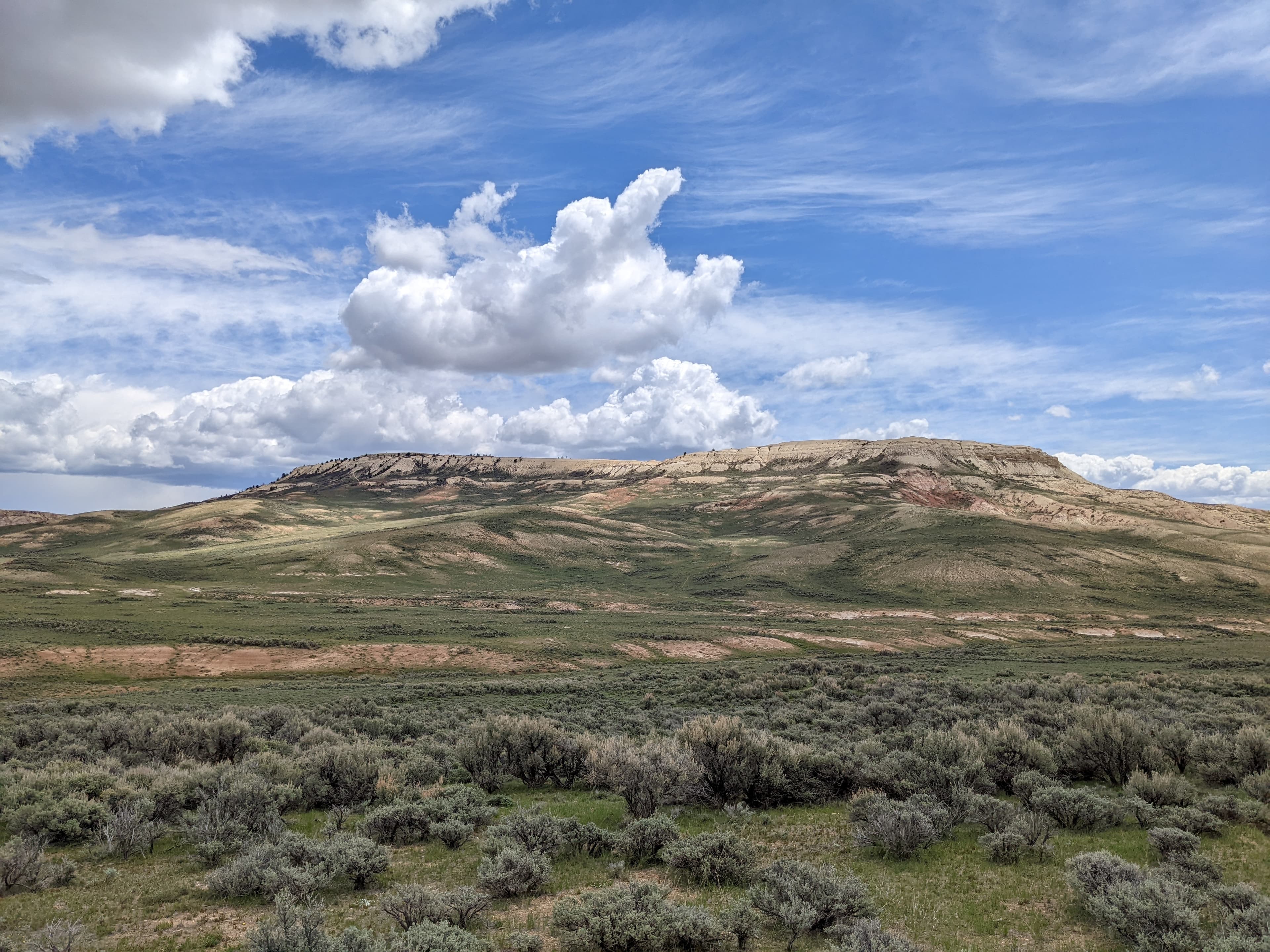
Fossil Butte
audio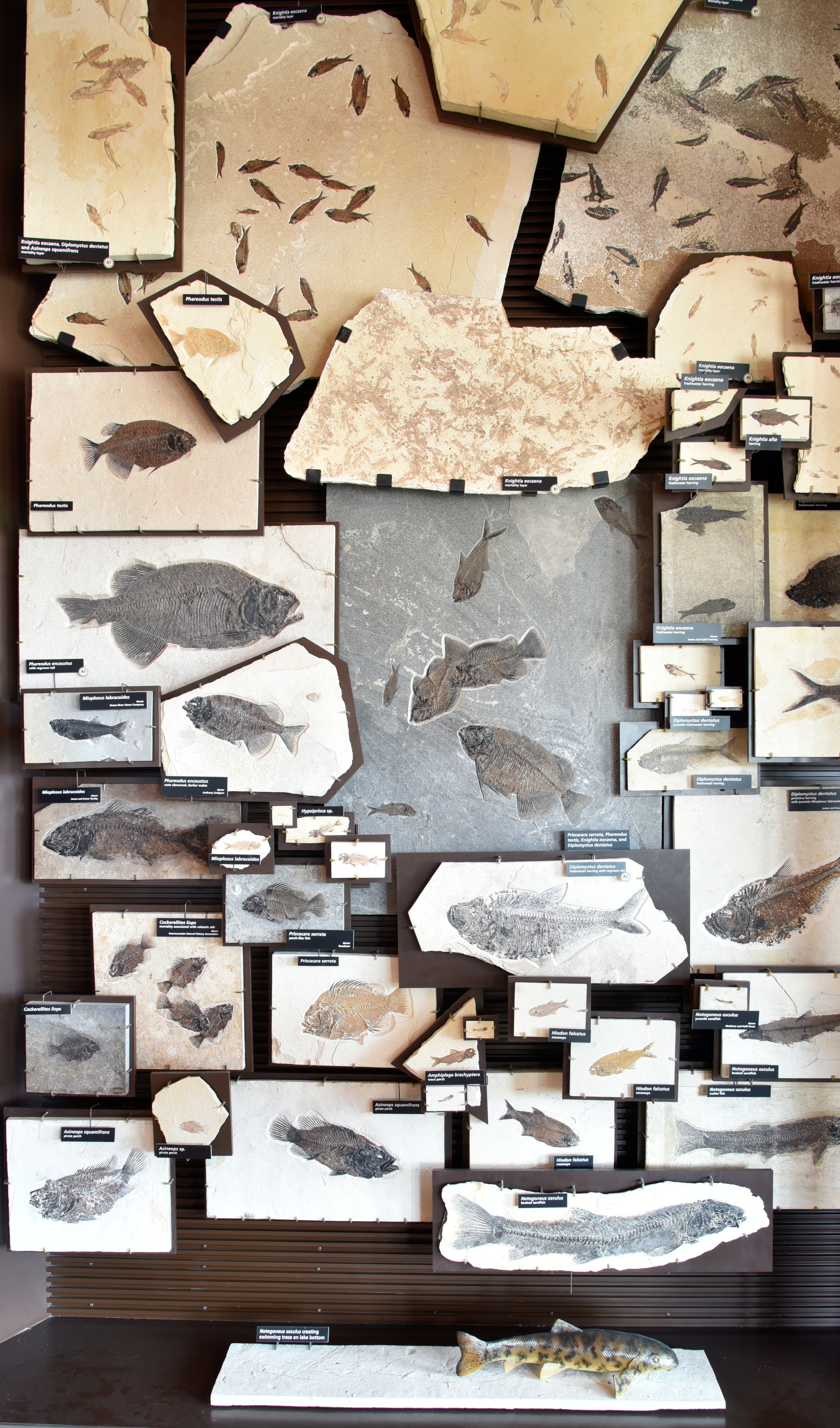
Fossil Fishes Exhibit
audio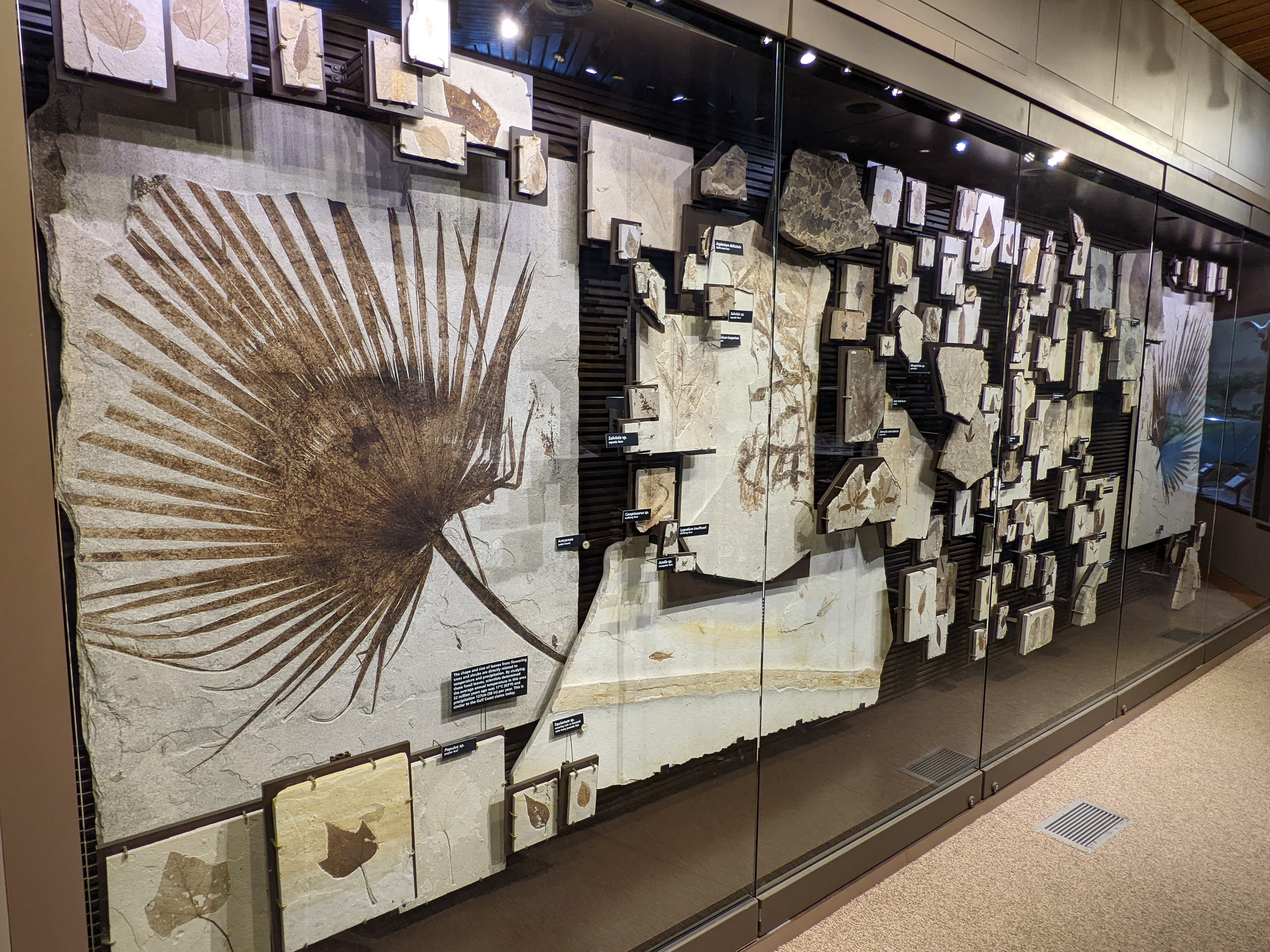
Fossil Plants Exhibit
audio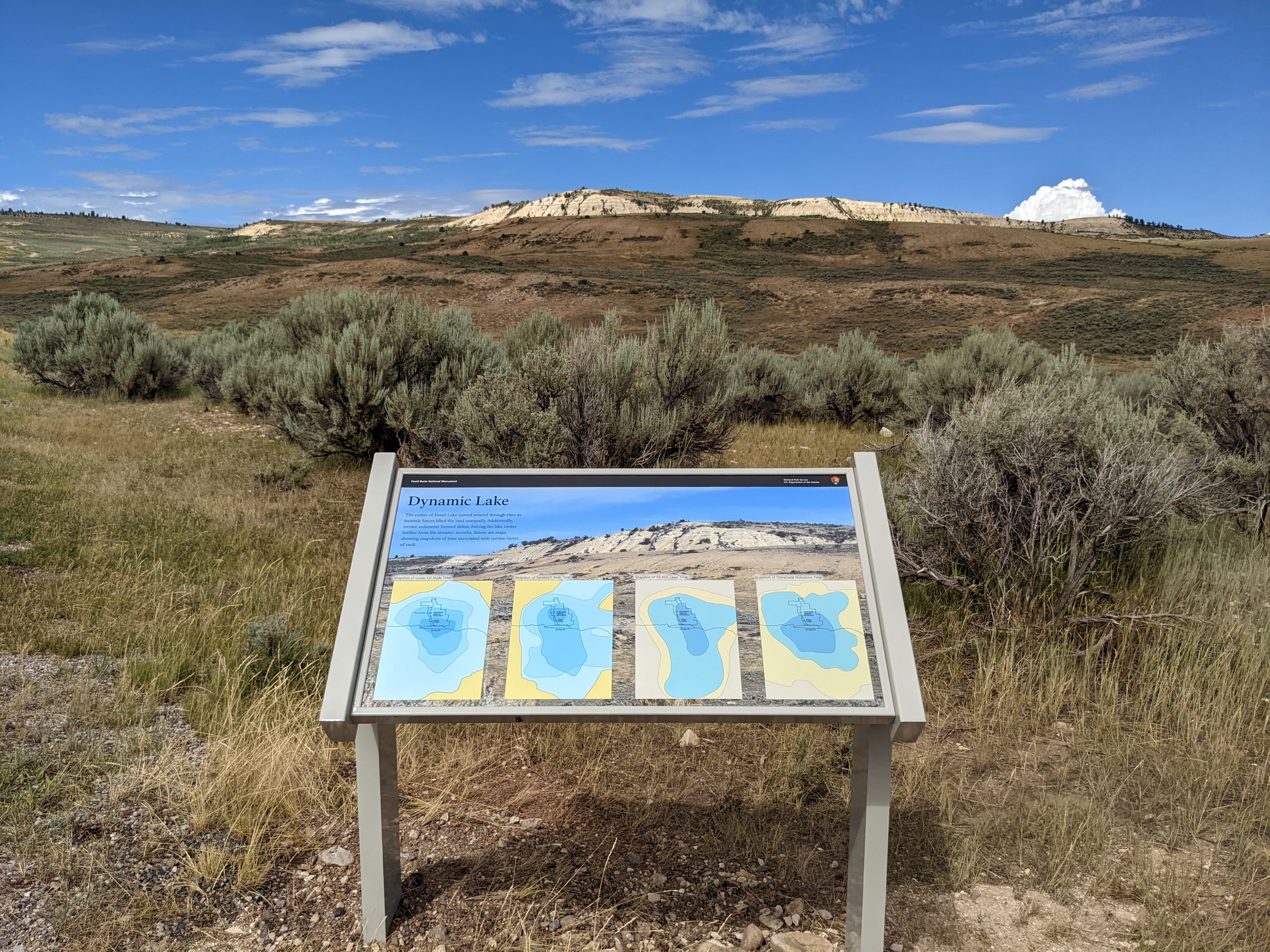
Wayside: Dynamic Lake
audio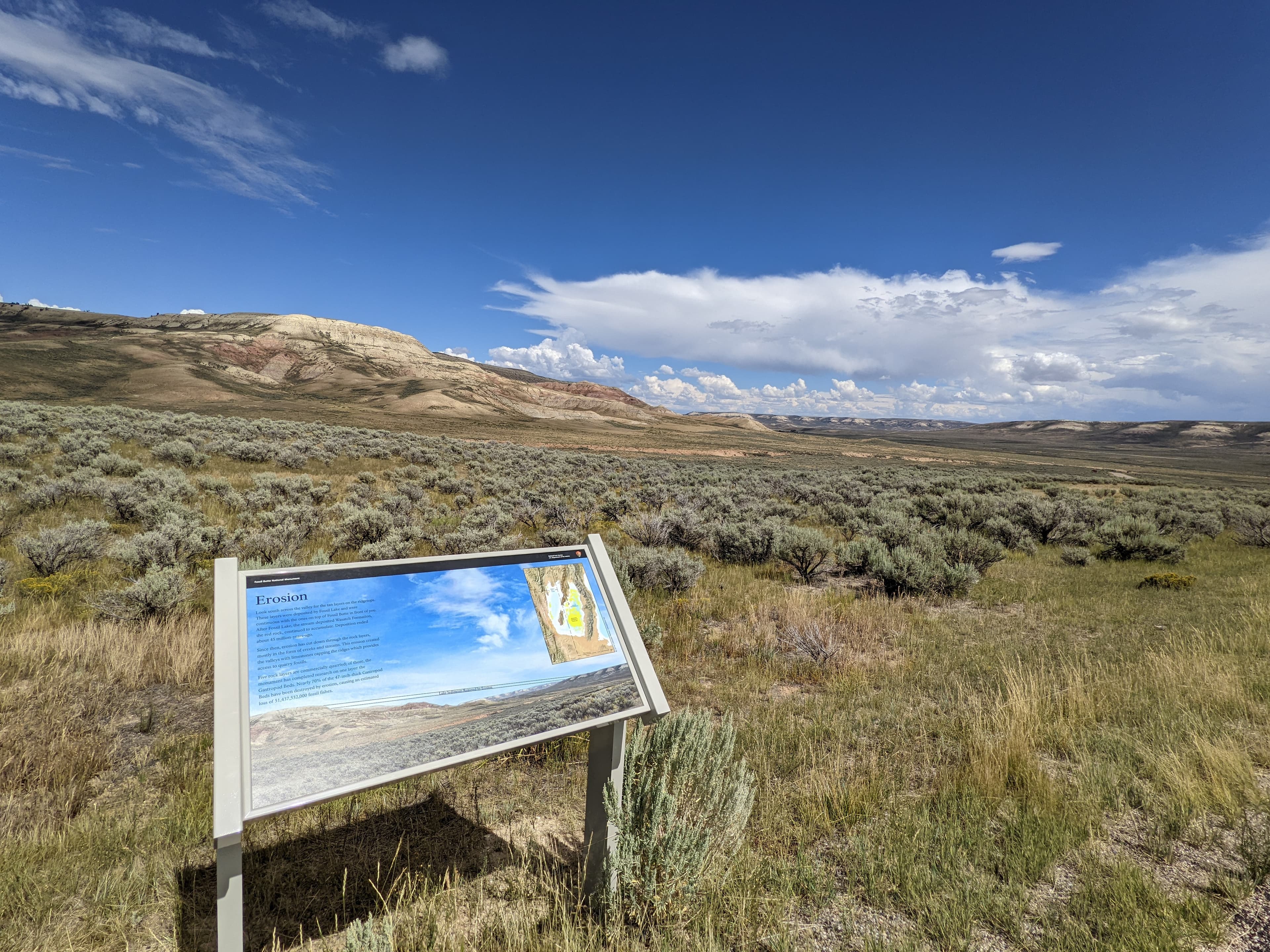
Wayside: Erosion (Roadside)
audio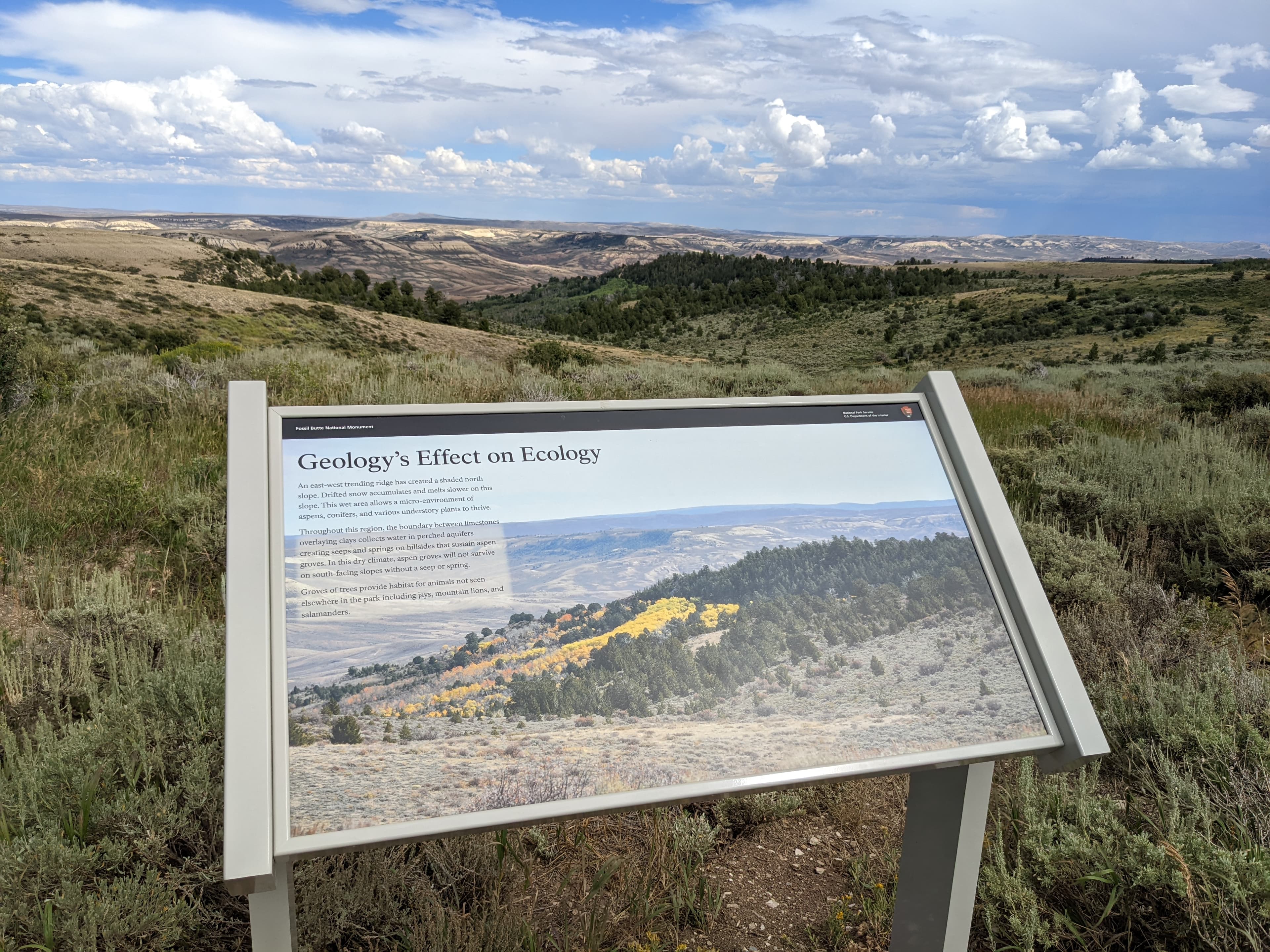
Wayside: Geology's Effect on Ecology
audio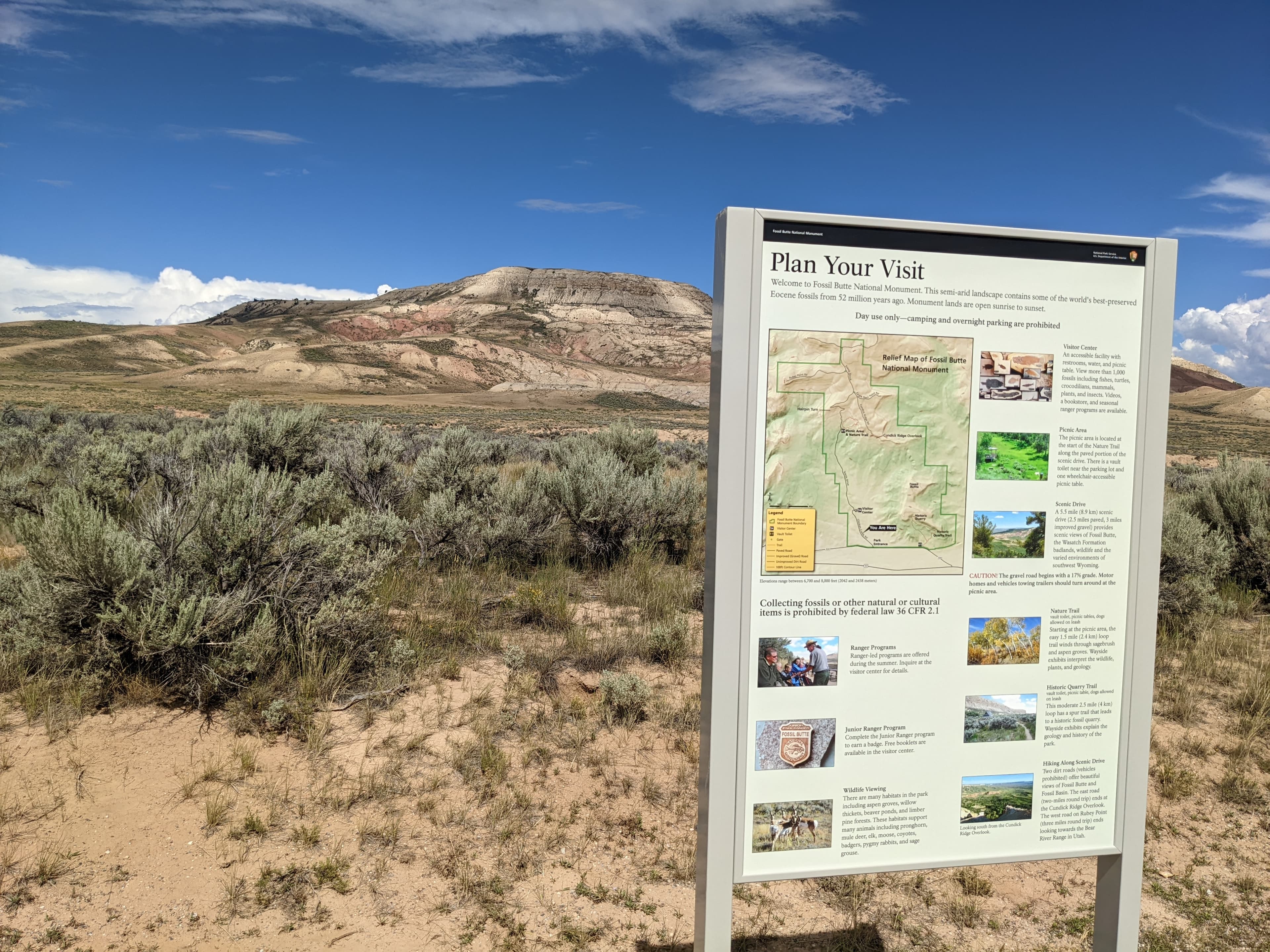
Wayside: Plan Your Visit to Fossil Butte
audio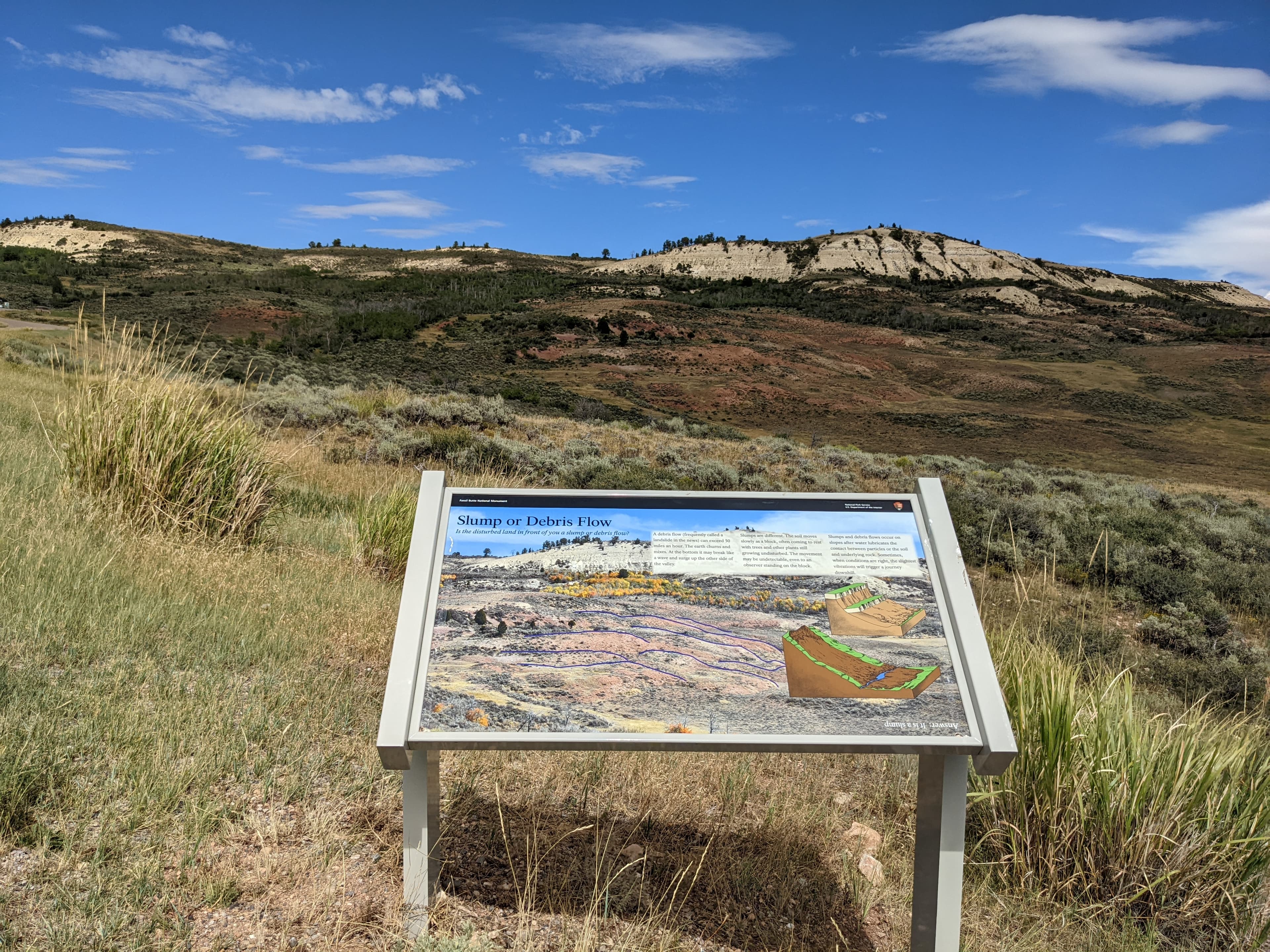
Wayside: Slump or Debris Flow (Roadside)
audio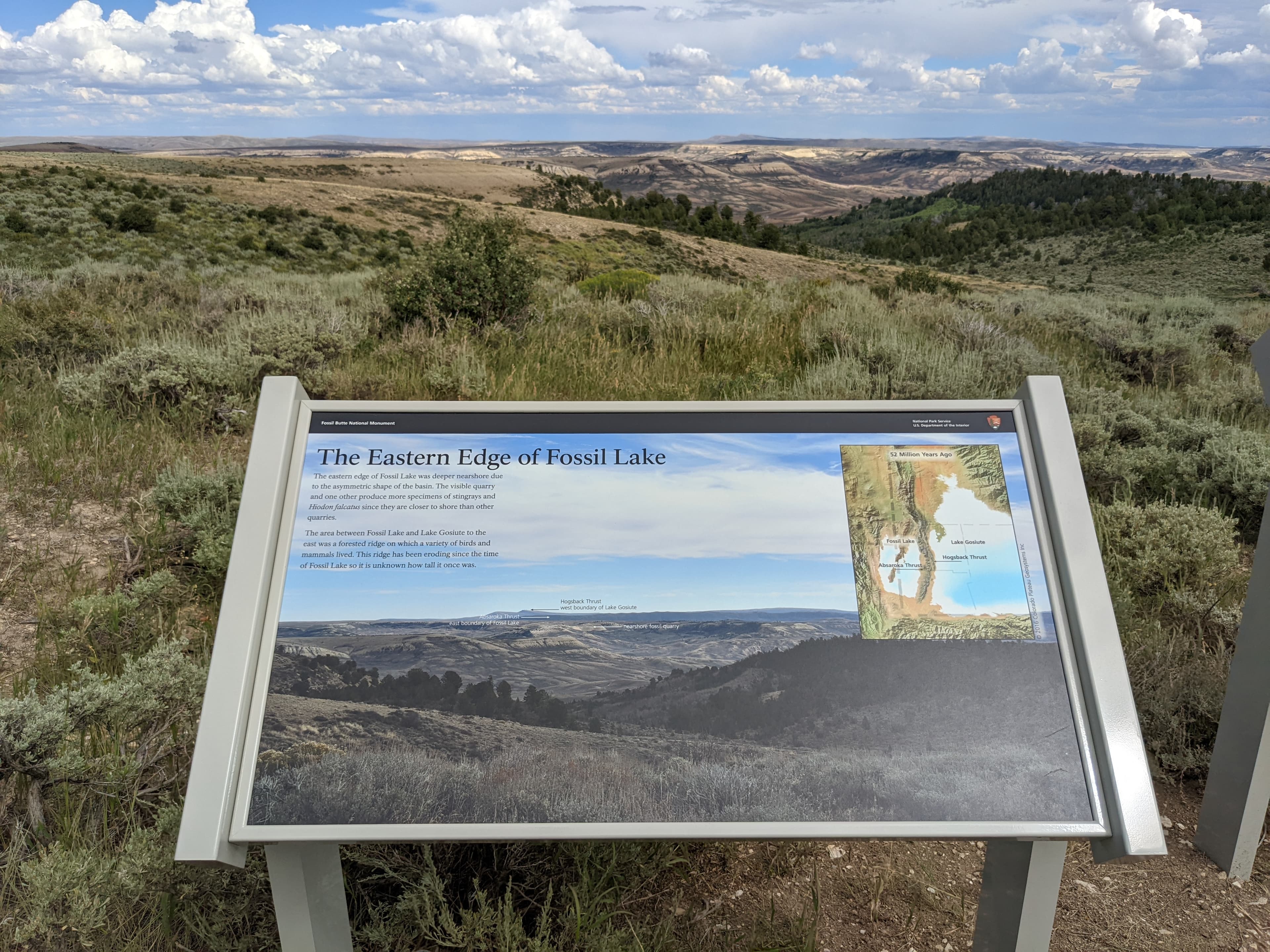
Wayside: The Eastern Edge of Fossil Lake
audio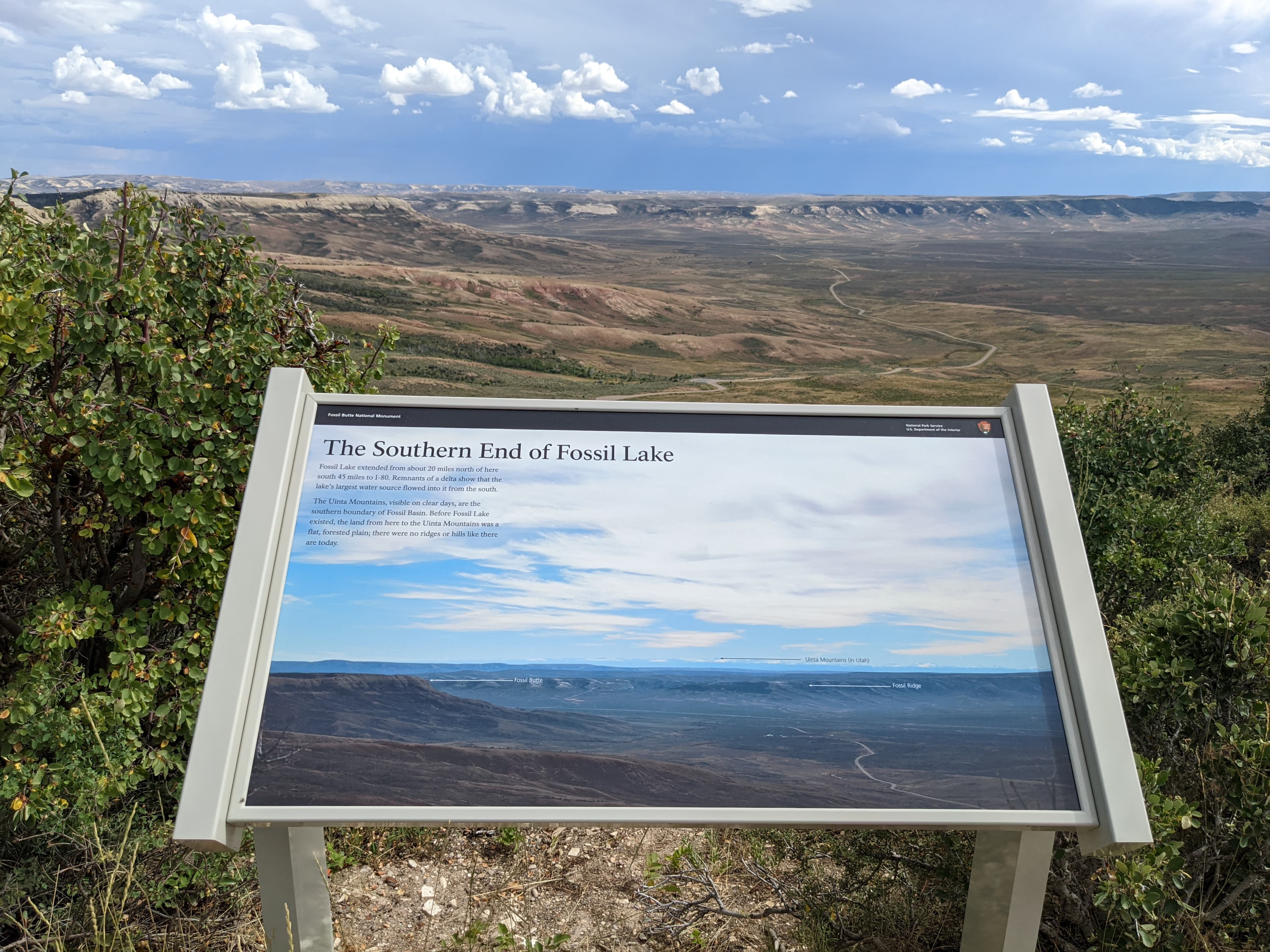
Wayside: The Southern End of Fossil Lake
audio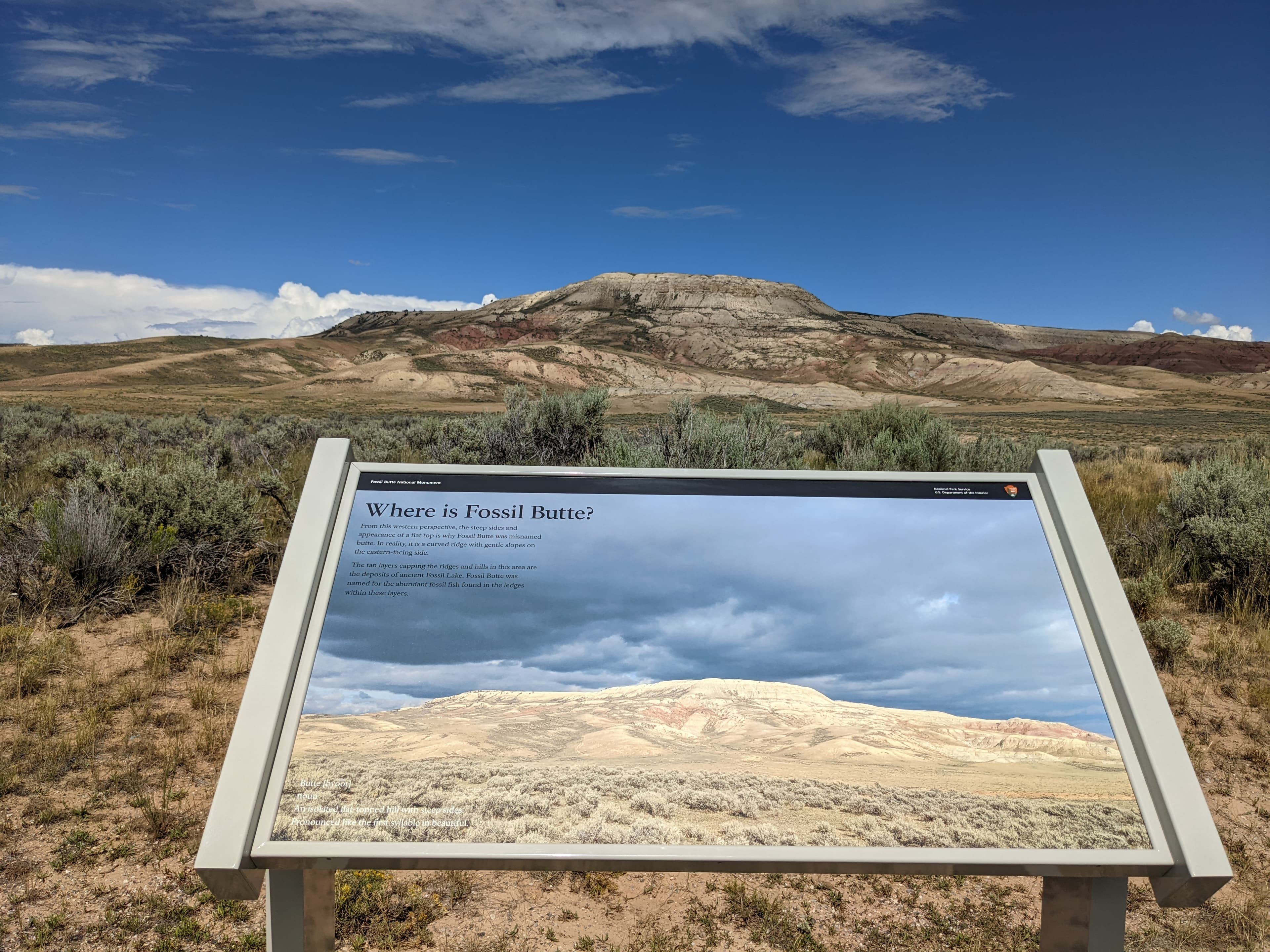
Wayside: Where is Fossil Butte?
audioAudio & media
🎧
🎬
🖼
Learn more
When the climate changes enough, the vegetation communities growing in any given place will also change. Under an expanded bimodal climate zone, some plant communities in western national parks are more likely to change than others. National Park Service ecologists and partners investigated the future conditions that may force some of this change. Having this information can help park managers decide whether to resist, direct, or accept the change.
The Cenozoic Era (66 million years ago [MYA] through today) is the "Age of Mammals." North America’s characteristic landscapes began to develop during the Cenozoic. Birds and mammals rose in prominence after the extinction of giant reptiles. Common Cenozoic fossils include cat-like carnivores and early horses, as well as ice age woolly mammoths.
Across the US, changes in water availability are altering which plants grow where. These changes are evident at a broad scale. But not all areas experience the same climate in the same way, even within the boundaries of a single national park. A new dataset gives park managers a valuable tool for understanding why vegetation has changed and how it might change in the future under different climate-change scenarios.
Crocodylomorphs, including crocodylians and their extinct relatives, are known from body and trace fossils found in more than a dozen units of the National Park Service. The records range in age from the Late Triassic to the Pleistocene and include type specimens for five species, among them the giant Deinosuchus riograndensis from the Cretaceous of Big Bend National Park.
The Black-throated Sparrow edition of Get to Know the Plateau, spotlighting a beautiful bird of the Colorado Plateau. Brought to you by the Southern Colorado Plateau Network.
Grand Teton National Park Fire Management Program Transfers Fire Engines to Rural Wyoming Fire Districts
Pollinators play a crucial role in national park ecosystems and beyond. In the national parks, species inventories help managers know which pollinators are present, and in what abundance, to better understand the state of park ecosystems and make decisions about how to manage them. From 2024 to 2026, 17 parks across the country will be surveyed for bees and butterflies.
Invasive exotic plants are one of the most significant threats to natural resources in the national parks today. To provide early warning of weed invasions, the Northern Colorado Plateau Network monitors target plants in park areas where they are likely to first establish: along roads, trails, and waterways. Find out what we've learned at Fossil Butte National Monument.
Ranger School
Park-grounded courses you can learn with the Ranger.
How Fossil Butte National Monument connects
This park's activities, topics, location, and on-the-ground places — one hop in the graph. Drag to explore; click an activity, topic, or related park to follow it.
Park
Activity
Topic
State
VisitorCenter
PassportStamp
Trail
ThingToDo
Alert
Similar parks
Share activities & topics with Fossil Butte National Monument.