Crater Lake National Park
Oregon
Tonight
🌓 65% moon
8.6 h fully dark
Hikes
Strenuous
🔴
Crowds
low
Open today
Open
North Entrance: closed Nov 1 – Jun 25
Entrance
$30
East Rim Drive is currently CLOSED from Skellhead to Park Headquarters
East Rim Drive is currently CLOSED from Skellhead to Park Headquarters. The non-construction section (Skellhead to Phantom Ship Overlook) will not reopen until late June or early July 2026. West Rim Drive, North Entrance Road, and East Rim Drive from North Junction to Skellhead are now OPEN for travel. (The map to the right is inaccurate due to technical difficulties.)
Cleetwood Cove Trail is CLOSED for Rehabilitation
The Cleetwood Cove Trail is CLOSED for construction. This critical project will fully rehabilitate the trail and marina to ensure safe access to the lake, provide a much-improved visitor experience, and protect the environment.
Official NPS alert →Roads May Be Icy - Please Use Caution!
Even though the sun is shining, the open roads in the park may still have icy patches, especially in the mornings and evenings when the temperatures drop. Please drive with caution.
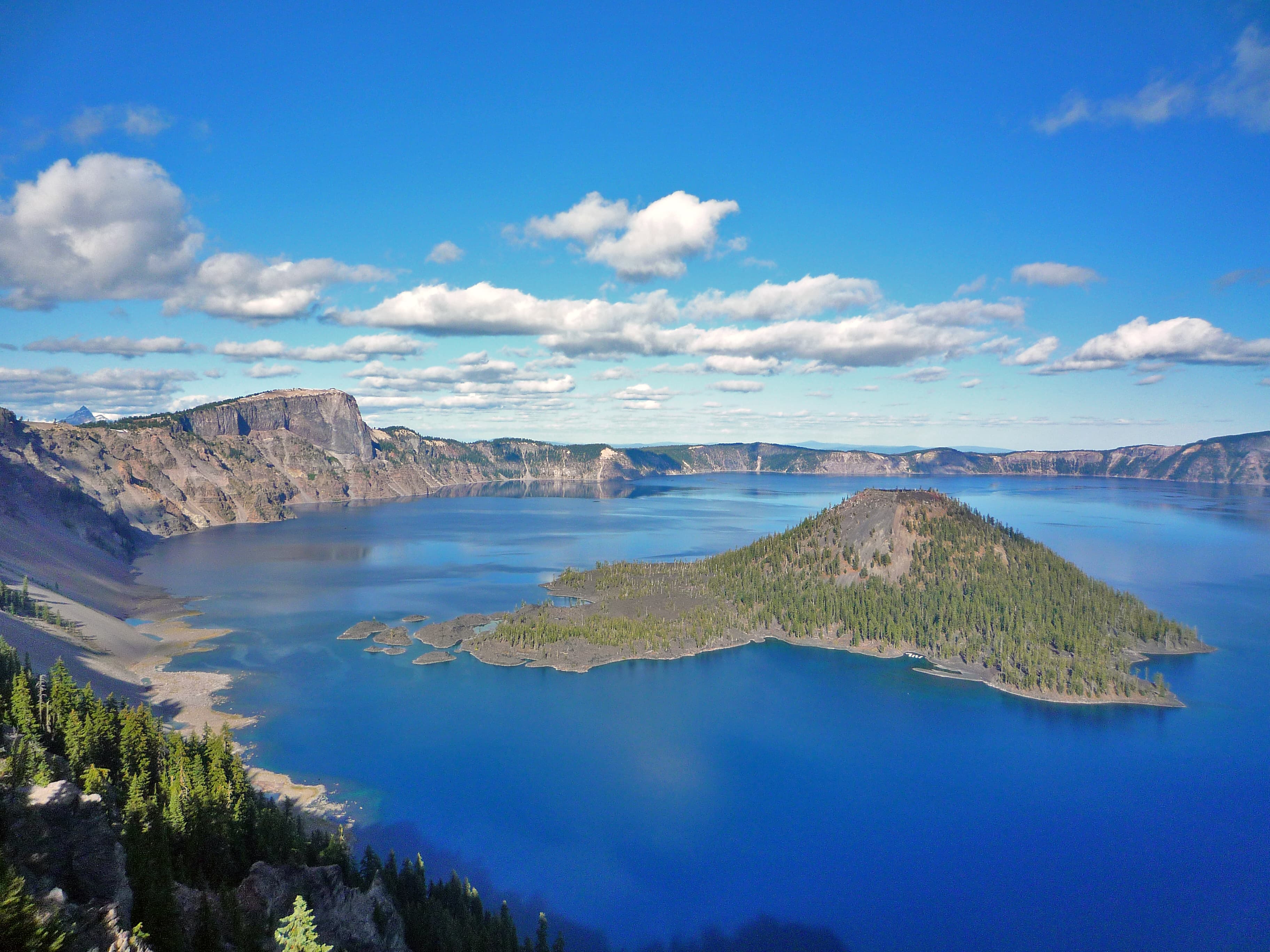
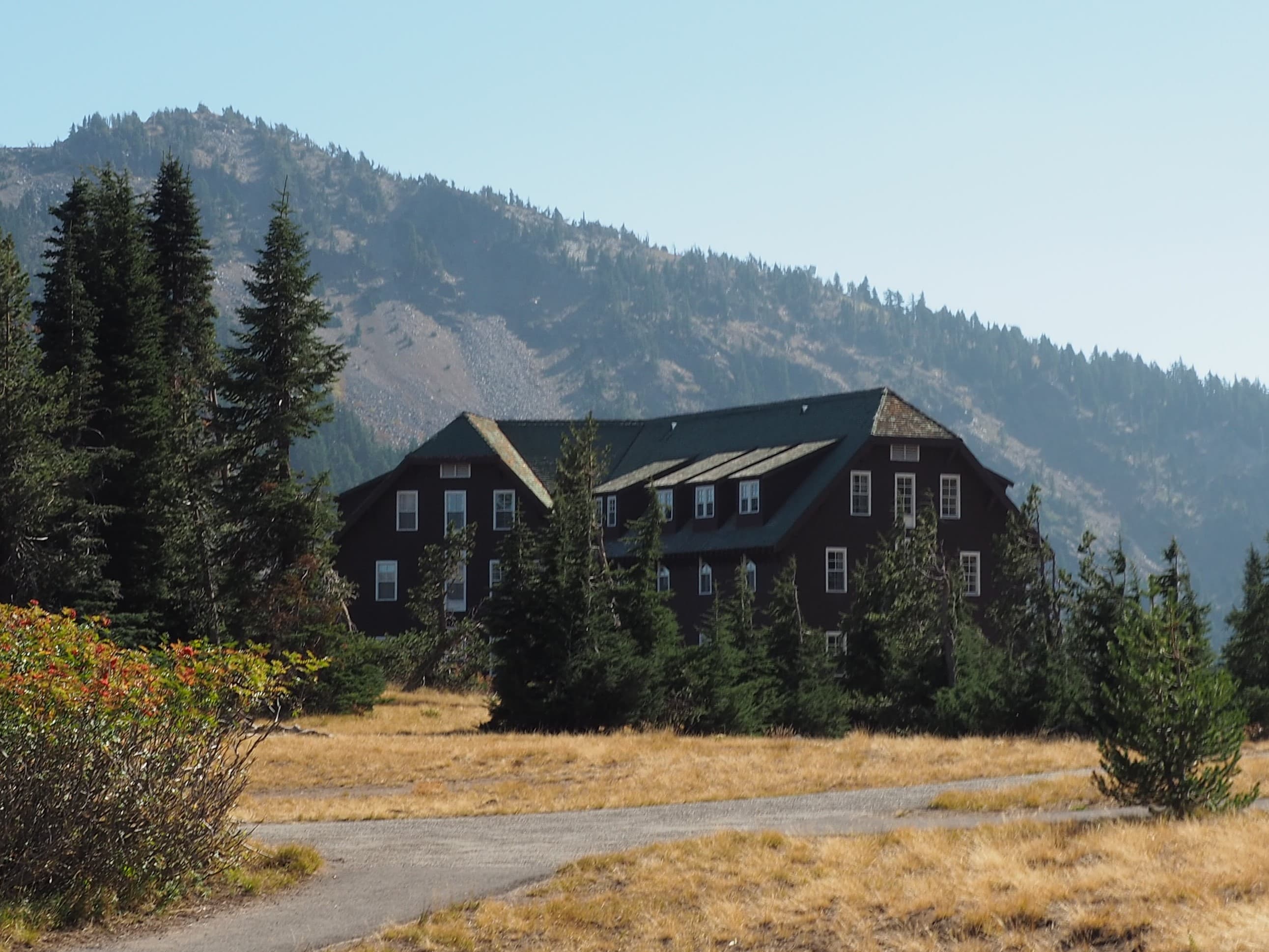
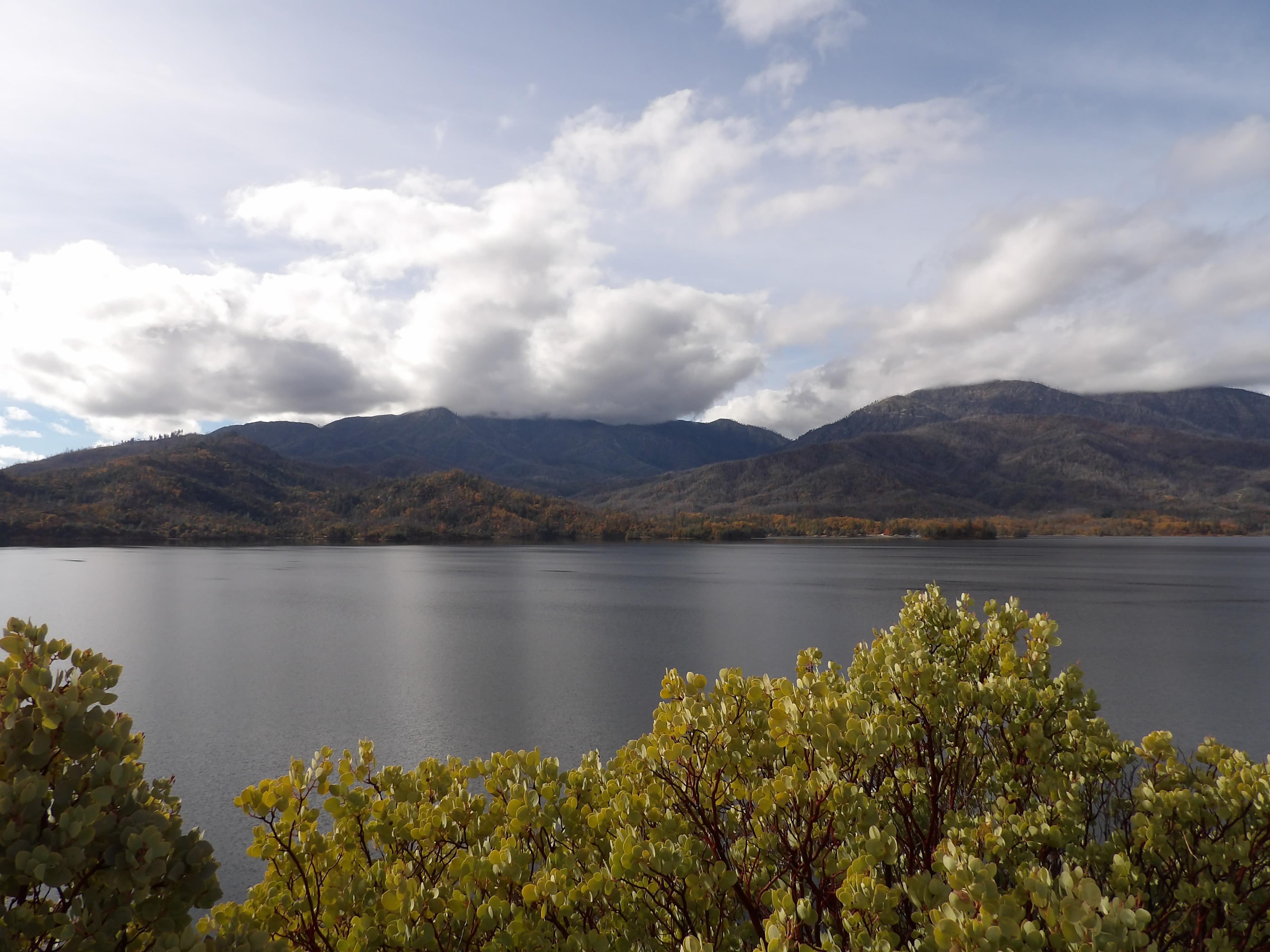
Crater Lake inspires awe. Native Americans witnessed its formation 7,700 years ago, when a violent eruption triggered the collapse of a tall peak. Scientists marvel at its purity—fed by rain and snow, it’s the deepest lake in the USA and one of the most pristine on Earth. Artists, photographers, and sightseers gaze in wonder at its blue water and stunning setting atop the Cascade Mountain Range.
Topics
Entrance fees
$30.00 — Entrance - Private Vehicle
$20.00 — Entrance - Private Vehicle
$25.00 — Entrance - Motorcycle
$15.00 — Entrance - Motorcycle
$15.00 — Entrance - Per Person
$15.00 — Entrance - Snowmobile
$25.00 — Commercial Entrance - Sedan
$75.00 — Commercial Entrance - Van
$100.00 — Commercial Entrance - Mini-bus
$200.00 — Commercial Entrance - Motor Coach
Hours & seasons
Crater Lake National Park is open year-round, 24 hours a day. Some roads, trails, and facilities, however, are closed seasonally due to snow. North Entrance Road, and West and East Rim Drives close for the season on November 1 (or earlier if there is significant snowfall). Crews begin removing snow from these roads in April, but opening dates vary. The North Entrance Road and West Rim Drive tend to open in early June. The East Rim Drive typically opens in early July.
⚠ North Entrance: closed Nov 1 – Jun 25
Generally open:
winterspringsummerfallHours are reported by the park — verify before you go.
📞 5415943000
✉ craterlake@nps.govConditions
Quietest months (fewer crowds): Jan, Feb, Mar, Dec
Typical crowds: low
Weather now: ☀️ Clear, 59°F
☁️ 67°/47°
☁️ 68°/52°
☁️ 63°/43°
Typical monthly recreation visits · NPS avg 2023–2025 — orange months are the quietest by crowds.
Quietest months
Relative crowds by month — lighter is quieter; ringed months are the calmest by crowds.
Jan
3%
Feb
3%
Mar
6%
Apr
9%
May
19%
Jun
40%
Jul
100%
Aug
84%
Sep
54%
Oct
20%
Nov
6%
Dec
4%
Log a sky reading
Measured the sky with an SQM meter or app? Add your reading (16 = city glow … 22 = pristine). Opt in under “Travelers like you” to share it on the community leaderboard.
Live conditions
Things to do
Snowshoeing at Crater Lake · 31 mi
🔴 Biking at Crater Lake · 33 mi
Scenic Rim Drive · 33 mi · It takes about 2 hours to travel Rim Drive and stop at various overlooks. Allow more time for exploring if needed.
Campgrounds
Lost Creek Campground · 16 sites · first-come
Mazama Campground ↗ · 214 sites · hookups · dump station
Visitor centers
Rim Visitor Center
Steel Information Center
Accessibility
2 accessible campground(s)
11 audio-described place(s)
Reported by the park — verify before you go.
Not an official safety source — always defer to NPS.gov and rangers for life-safety decisions.
By the numbers
A visual read on Crater Lake National Park — its character, trails, sky, and weather.
Park fingerprint
How this park scores across the dimensions travelers care about.
Trail difficulty
Difficulty mix across this park's trails.
3-day forecast
Daily high and low temperatures (°F).
Passport stamps
Mark the stamps you've collected — they show in your memory and along your routes.
🎫 Crater Lake Natural History Association Park Store
🎫 Mazama Visitor Center
🎫 Rim Visitor Center
Places to see
Annie Falls Picnic Area
Cabins at Mazama Village
audio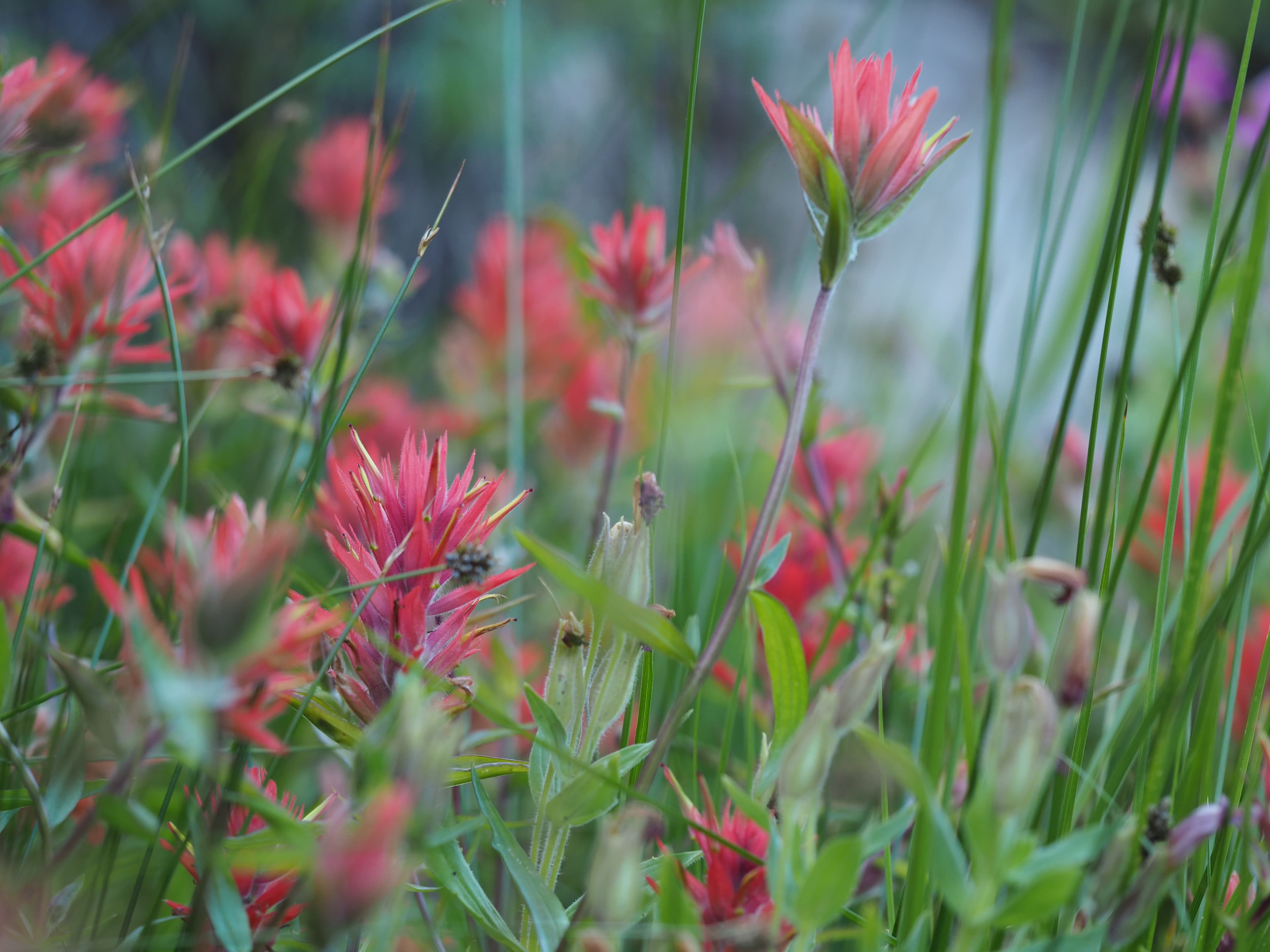
Castle Crest Wildflower Trail
audio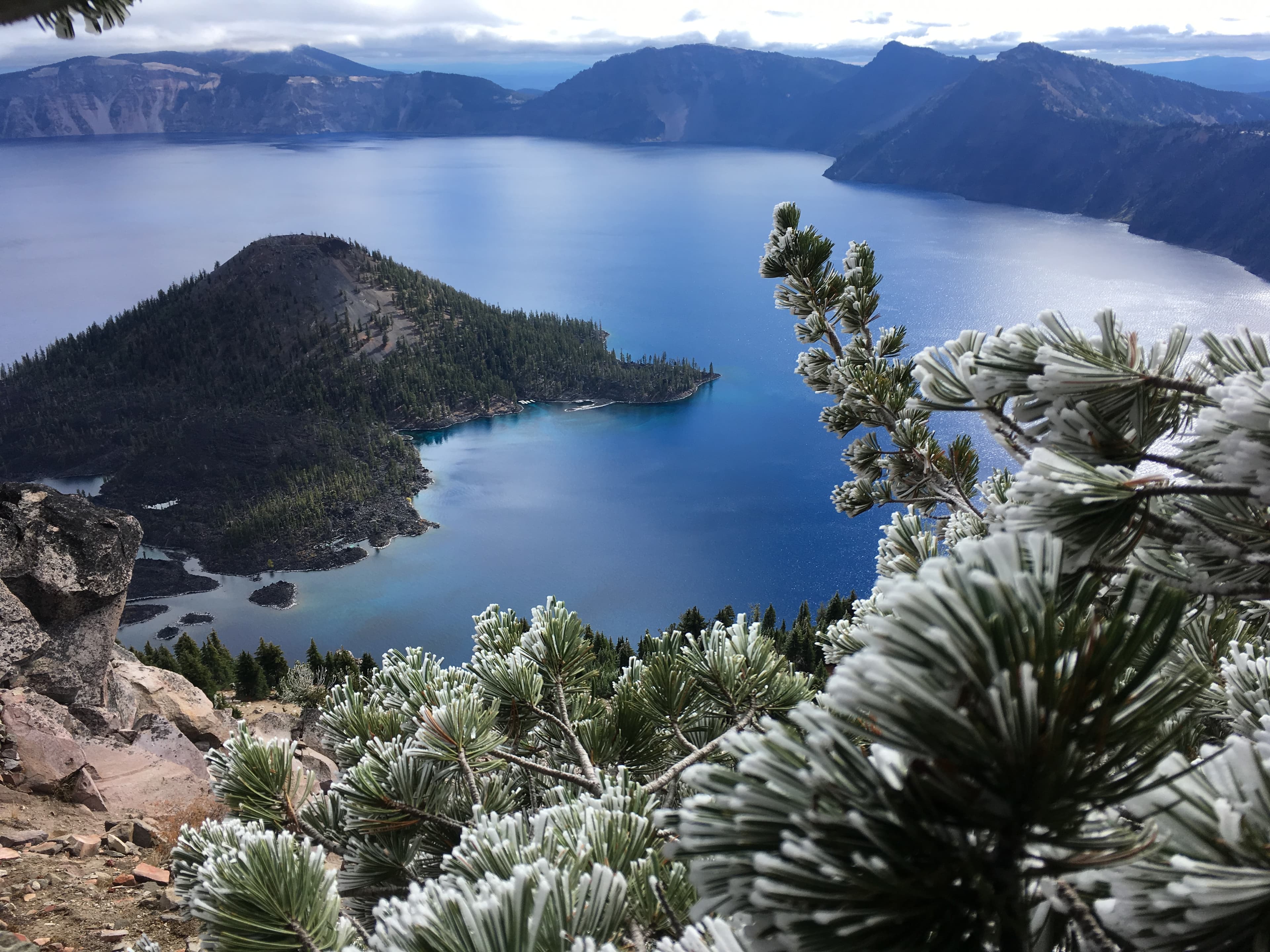
Crater Lake
Crater Lake Lodge
audio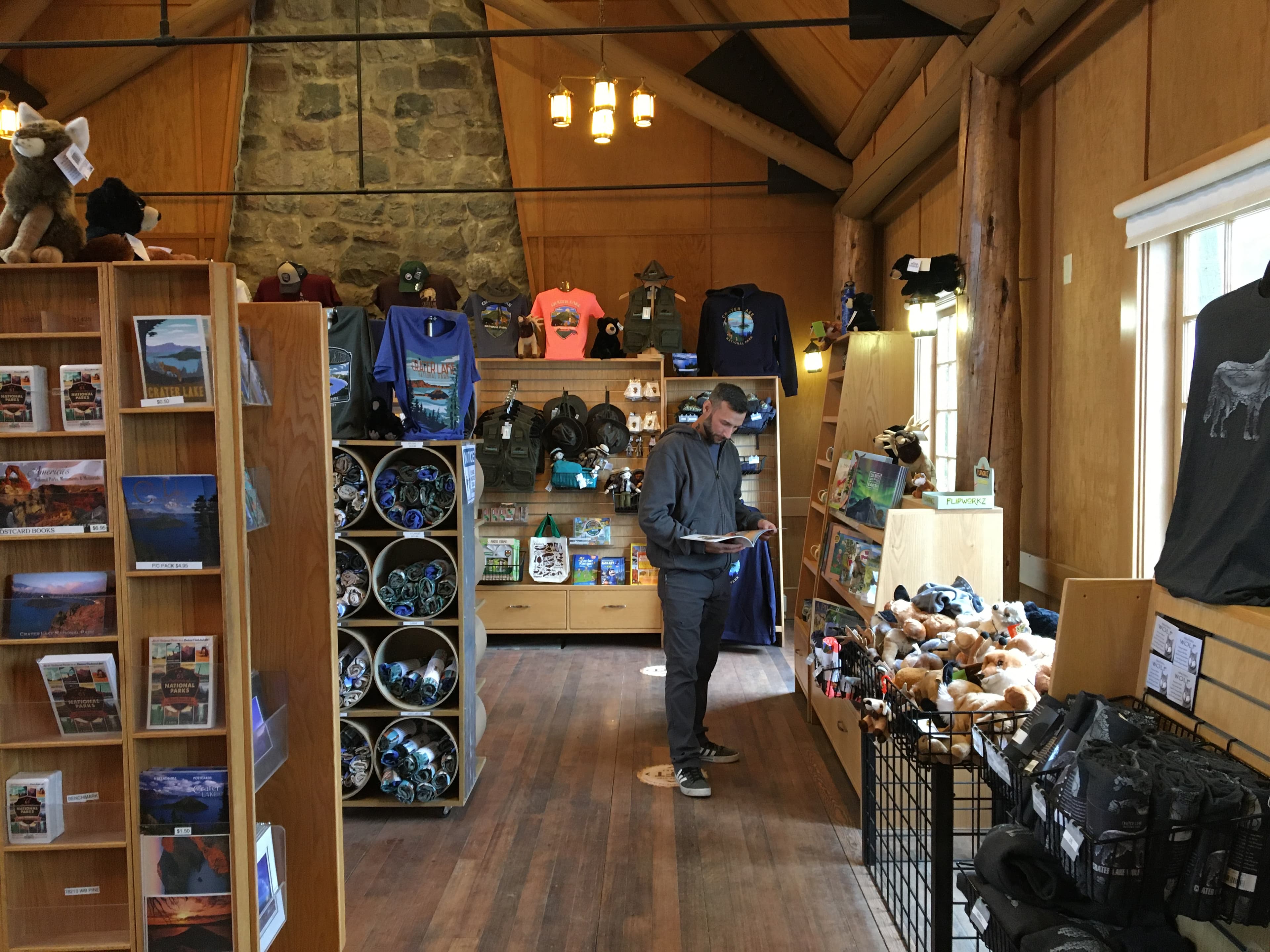
Crater Lake Natural History Association Park Store
audio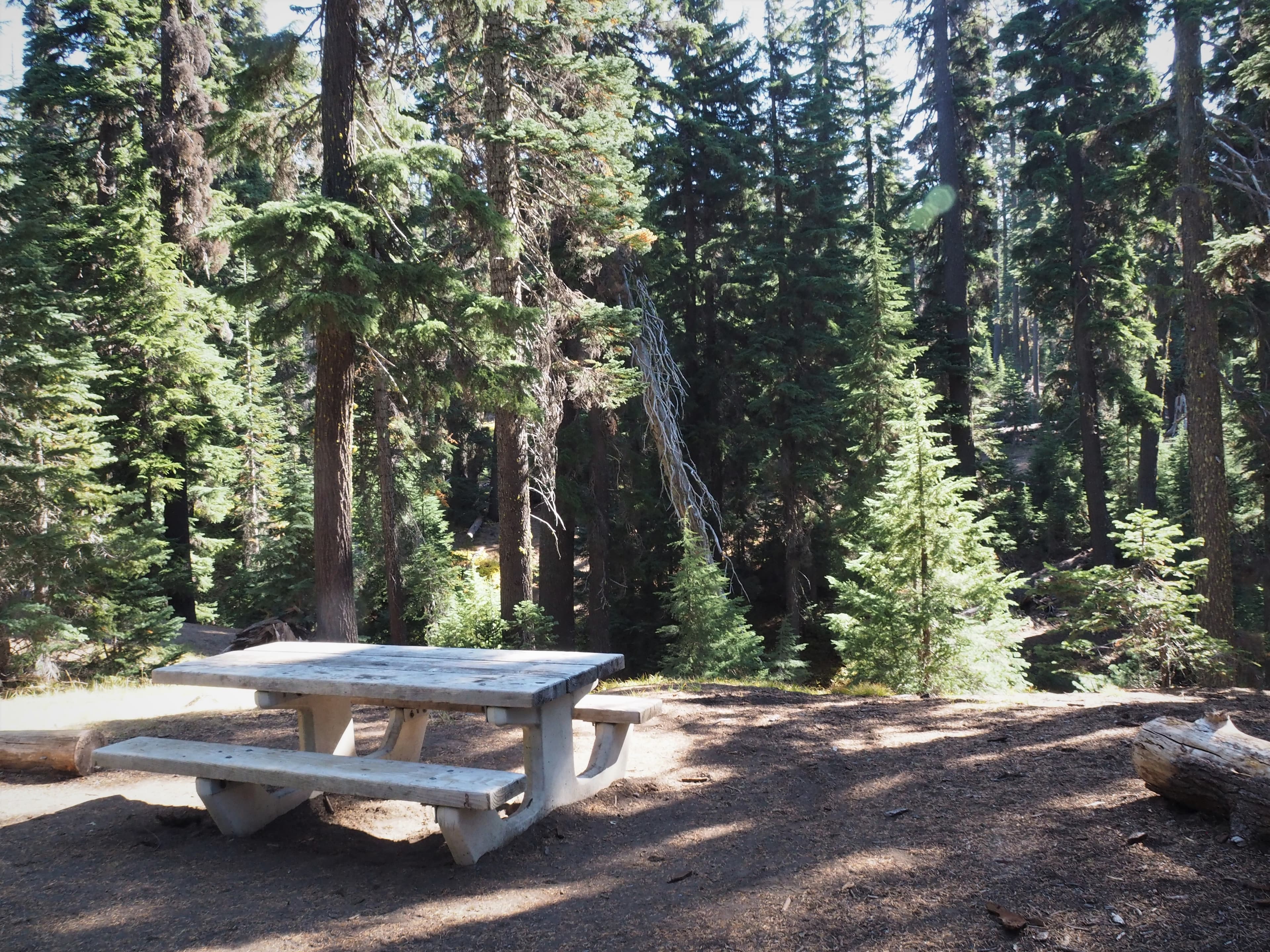
Goodbye Picnic Area
audio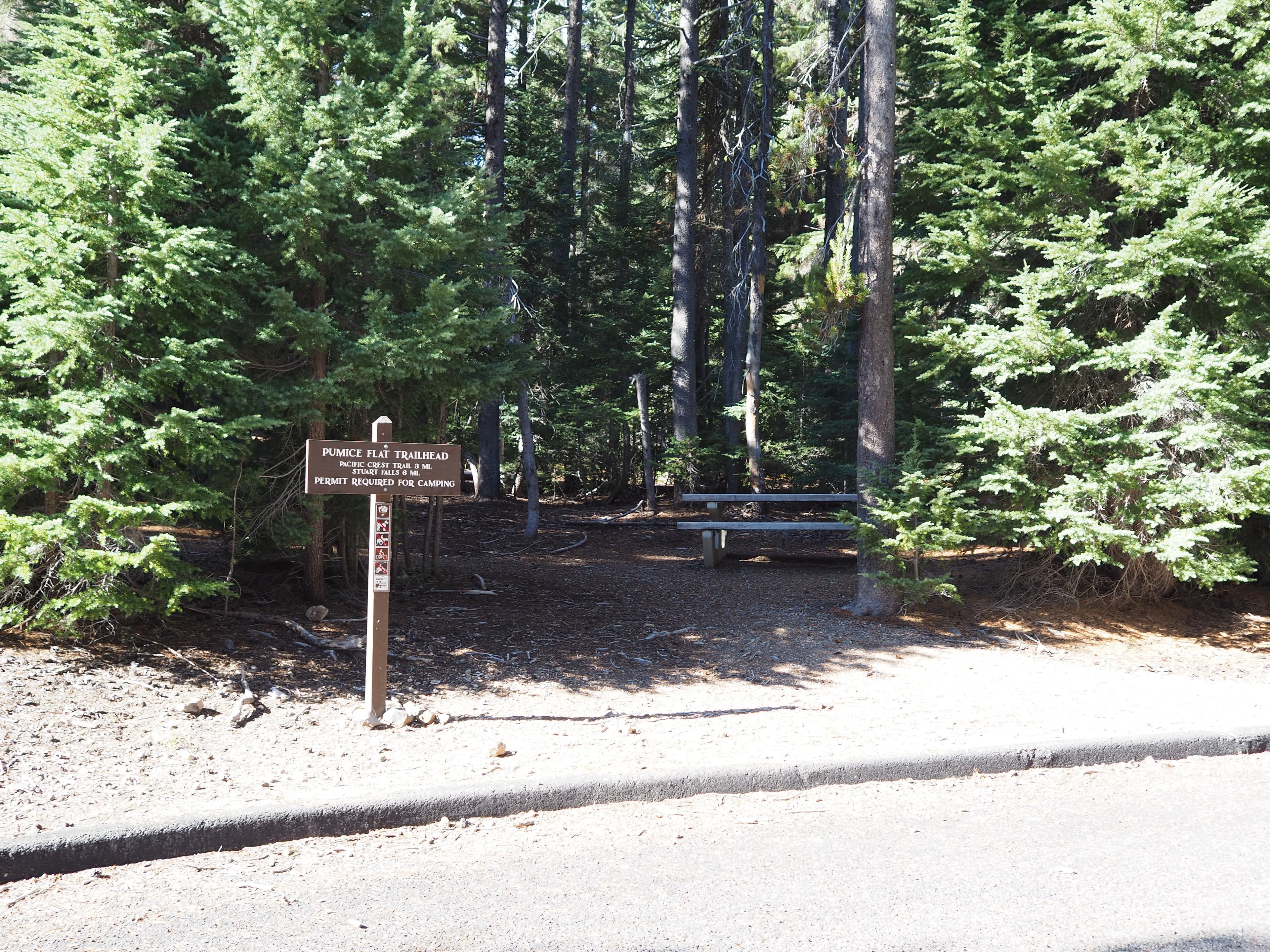
Lodgepole Picnic Area
audio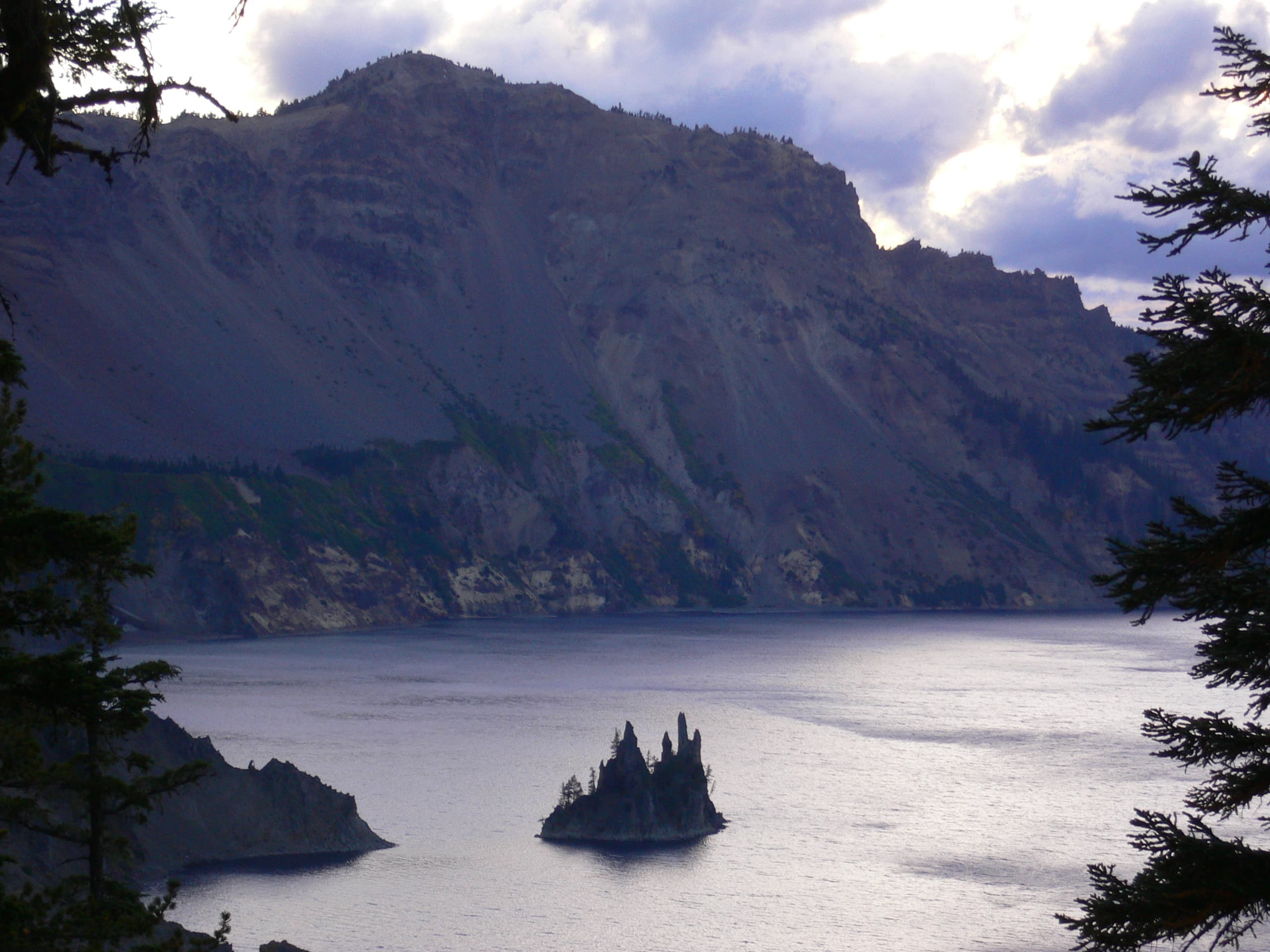
Phantom Ship Overlook
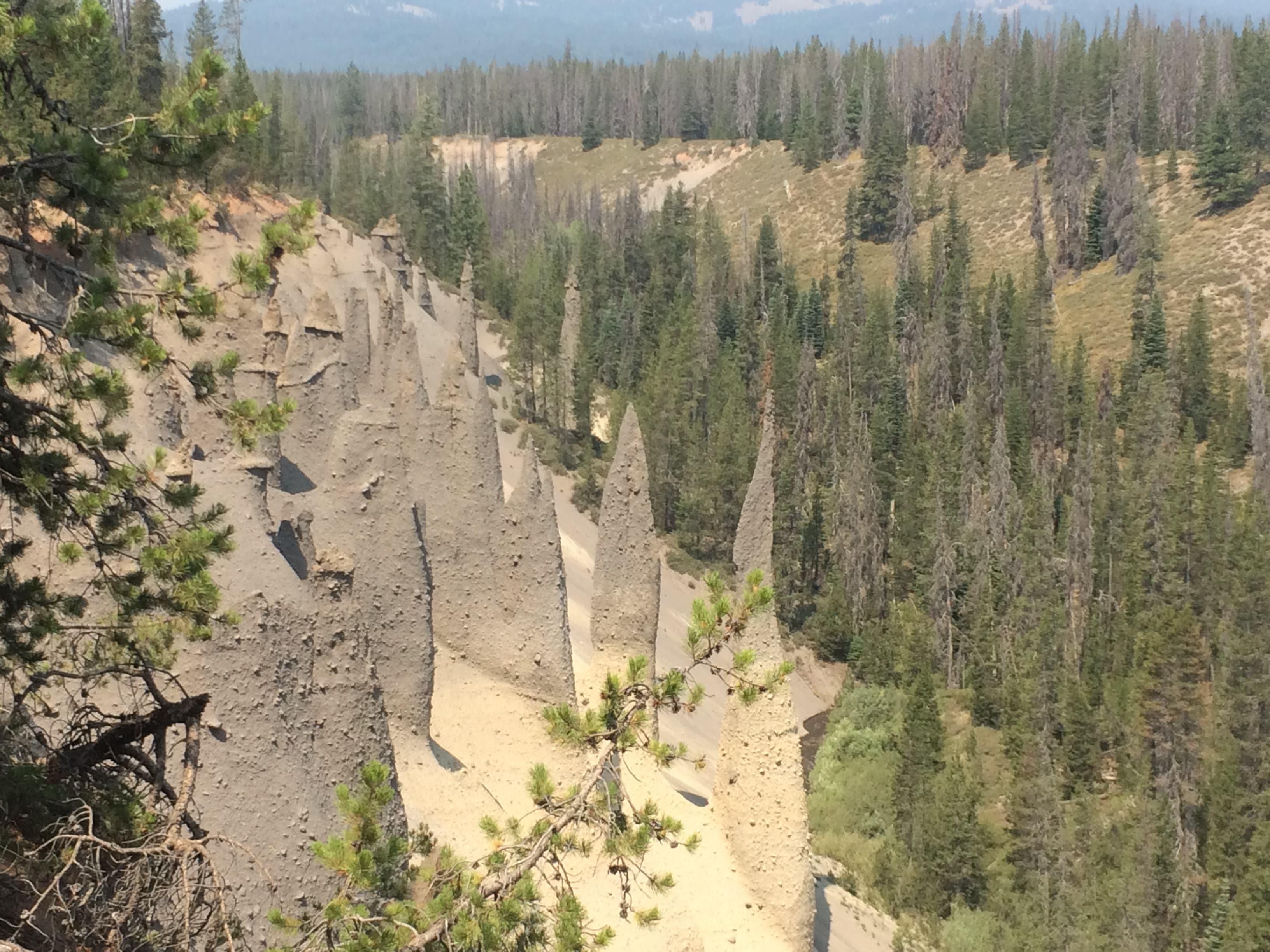
Pinnacles
audio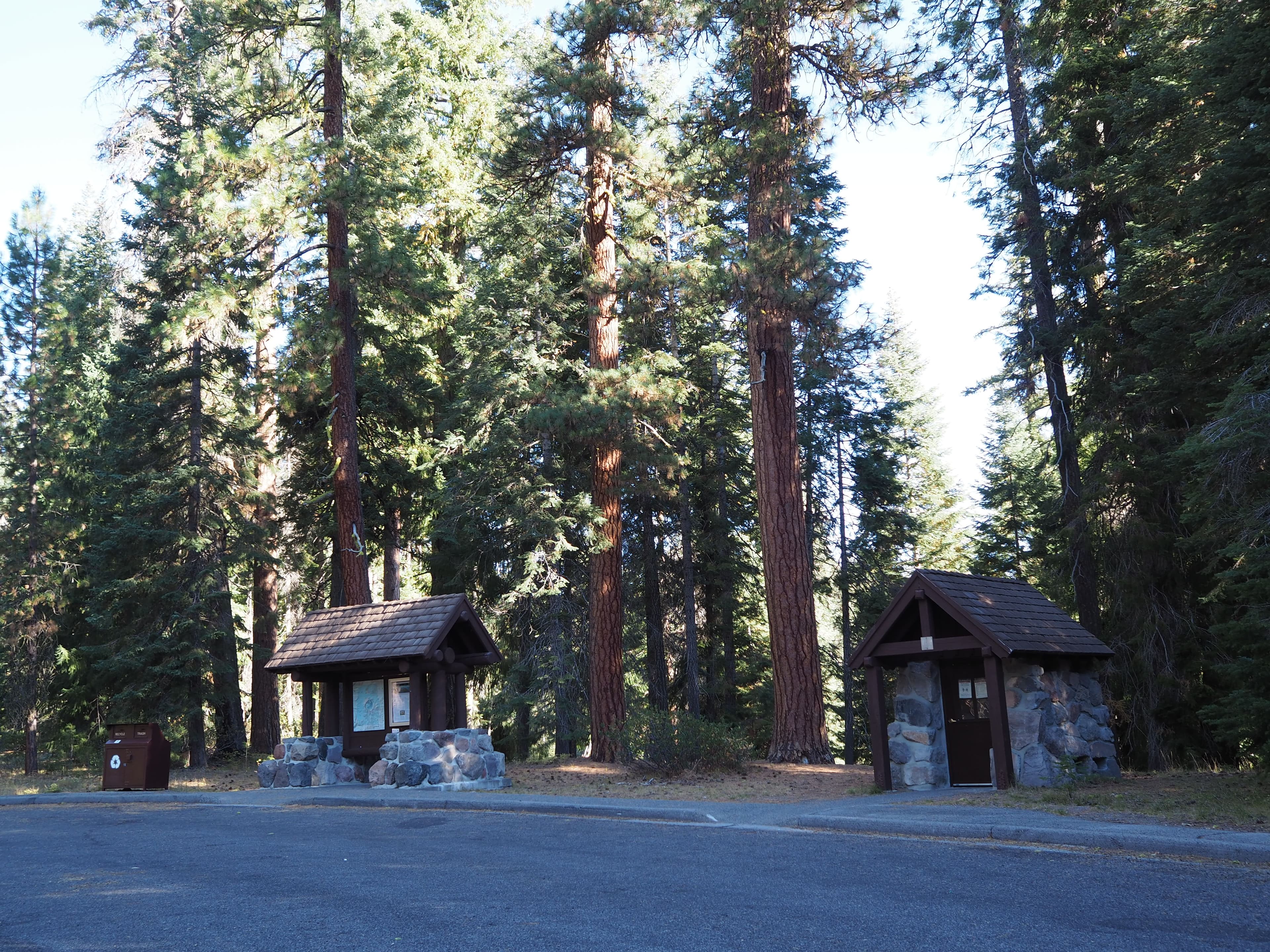
Ponderosa Picnic Area
audio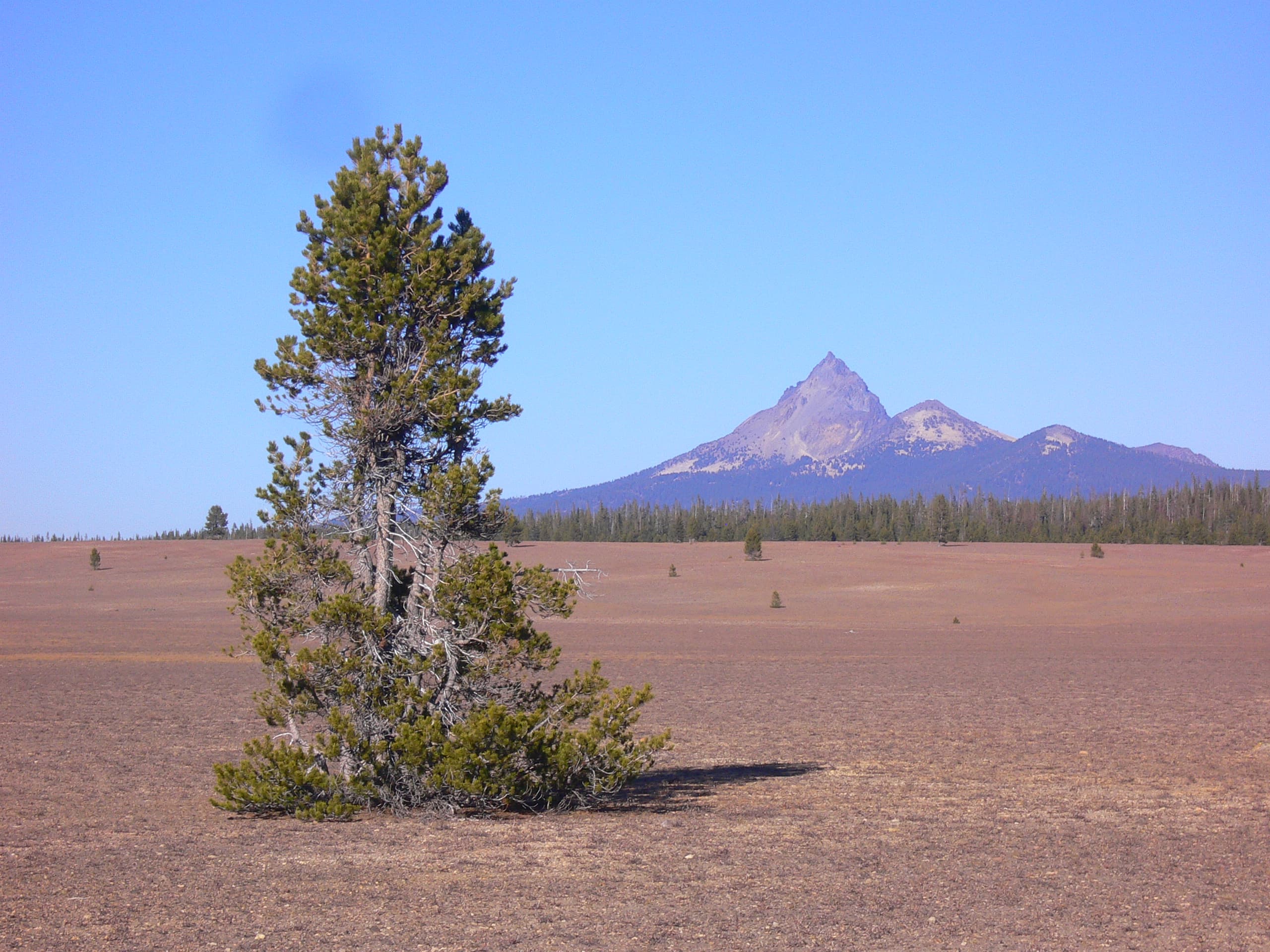
Pumice Desert
Audio & media
🎧
🎬
🖼
Learn more
Recipients of the 2007 NPS Environmental Achievement Awards
They say that coloring provides stress relief for adults as well as children. For artists at the National Park Service (NPS) Western Museum Laboratory in the 1930s, however, it wasn't easy to hand-color glass lanterns slides depicting the landscapes, people, plants, and animals of places they had never seen. Quality and accuracy were essential because the slides were used by rangers to illustrate lectures and to encourage people to visit national parks.
Political cartoons have long been a way for artists and their editors to bring attention to important social issues or political corruption and to support meaningful causes. The NPS History Collection includes drawings by some of the most influential cartoonists from the 1920s to the 1950s. Their support publicized the National Park Service (NPS) while helping build political support to protect park resources from commercial interests.
Many visitors to national parks today collect passport stamps, magnets, or other items to recall their trip and to show others where they’ve been. In the 1920s and 1930s the “must have” souvenirs weren’t created to be collected. National Park Service (NPS) windshield stickers served a practical administrative purpose; they were evidence that the automobile license fee drivers paid at some parks had been paid. Even so, Americans embraced their colorful, artistic designs.
One of the first Congressional committees to conduct an inspection tour of national parks was the US House of Representatives Appropriations Committee during the summer of 1920. Given the financial needs of the fledgling National Park Service (NPS), it was a high-stakes tour. Although a few members of the press called the trip an unnecessary junket, the tour highlighted NPS needs and created Congressional support for budget increases throughout the 1920s.
In the 1930s the National Park Service (NPS) fire suppression policy received a boost from Civilian Conservation Corps (CCC) funding. CCC enrollees built roads, fire breaks, fire trails, lookouts, and other infrastructure in national parks across the country. At the same time, another significant effort was underway to improve how quickly forest fires could be detected and suppressed. The tool used to accomplish this was a camera—a very special camera.
Photographer Ansel Adams is renowned for his black-and-white images of western American landscapes. His name conjures iconic images of national parks, particularly his beloved Yosemite. Although his 1941 mural project for the US Department of the Interior (DOI) is better known, Adams also worked with the National Park Service (NPS) to create a series of six posters. These affordable versions of Adams’ art provided priceless publicity for national parks.
A lot of articles have been written about the history of the National Park Service (NPS) arrowhead emblem. Many recycle the same content and outdated information that has largely come from the NPS itself. Challenging the traditional story has revealed new sources of information—and two previously overlooked arrowhead designs—that rewrite the arrowhead origin story.
How Crater Lake National Park connects
This park's activities, topics, location, and on-the-ground places — one hop in the graph. Drag to explore; click an activity, topic, or related park to follow it.
Park
Activity
Topic
State
Campground
VisitorCenter
PassportStamp
Trail
ThingToDo
Alert
Similar parks
Share activities & topics with Crater Lake National Park.
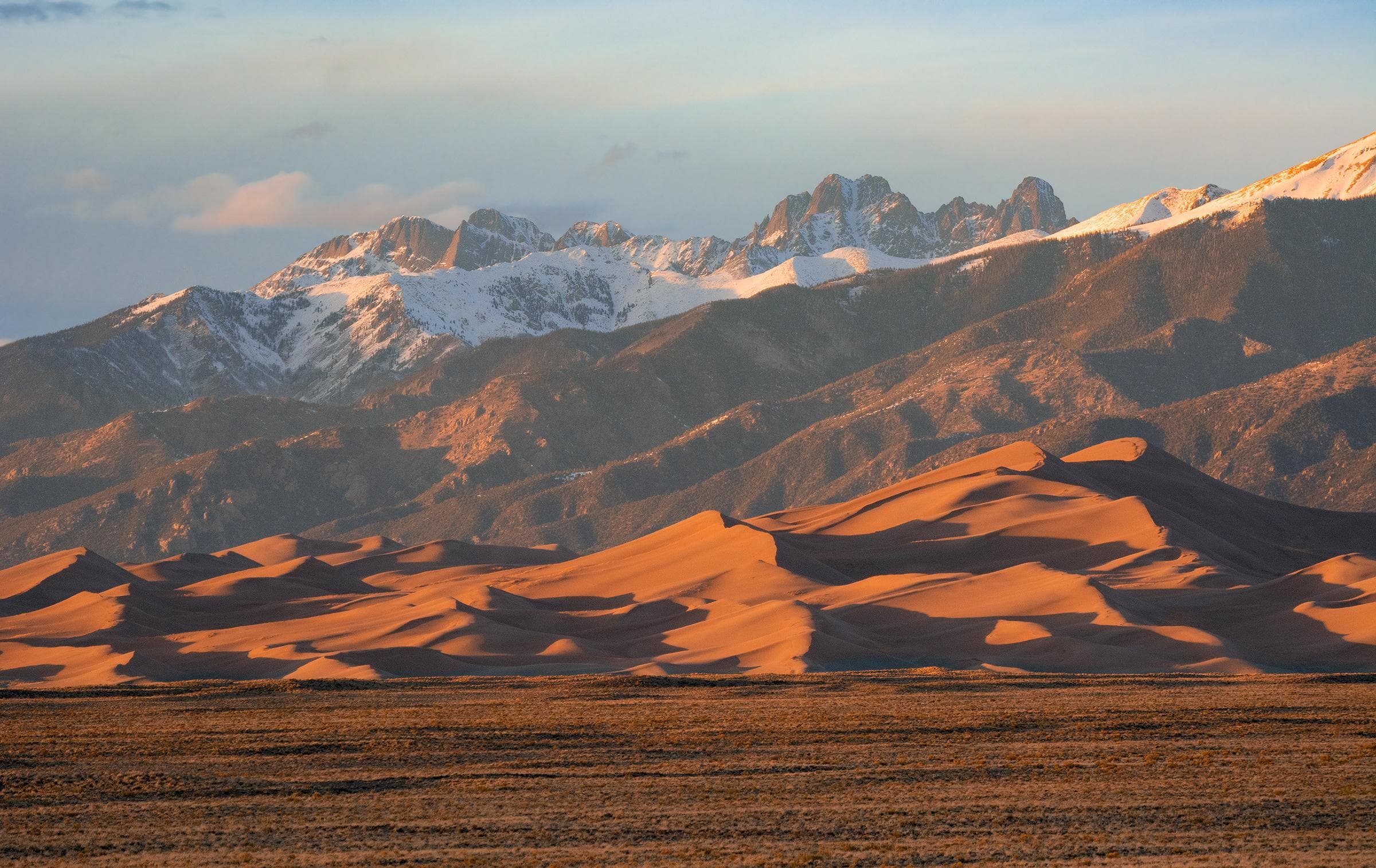
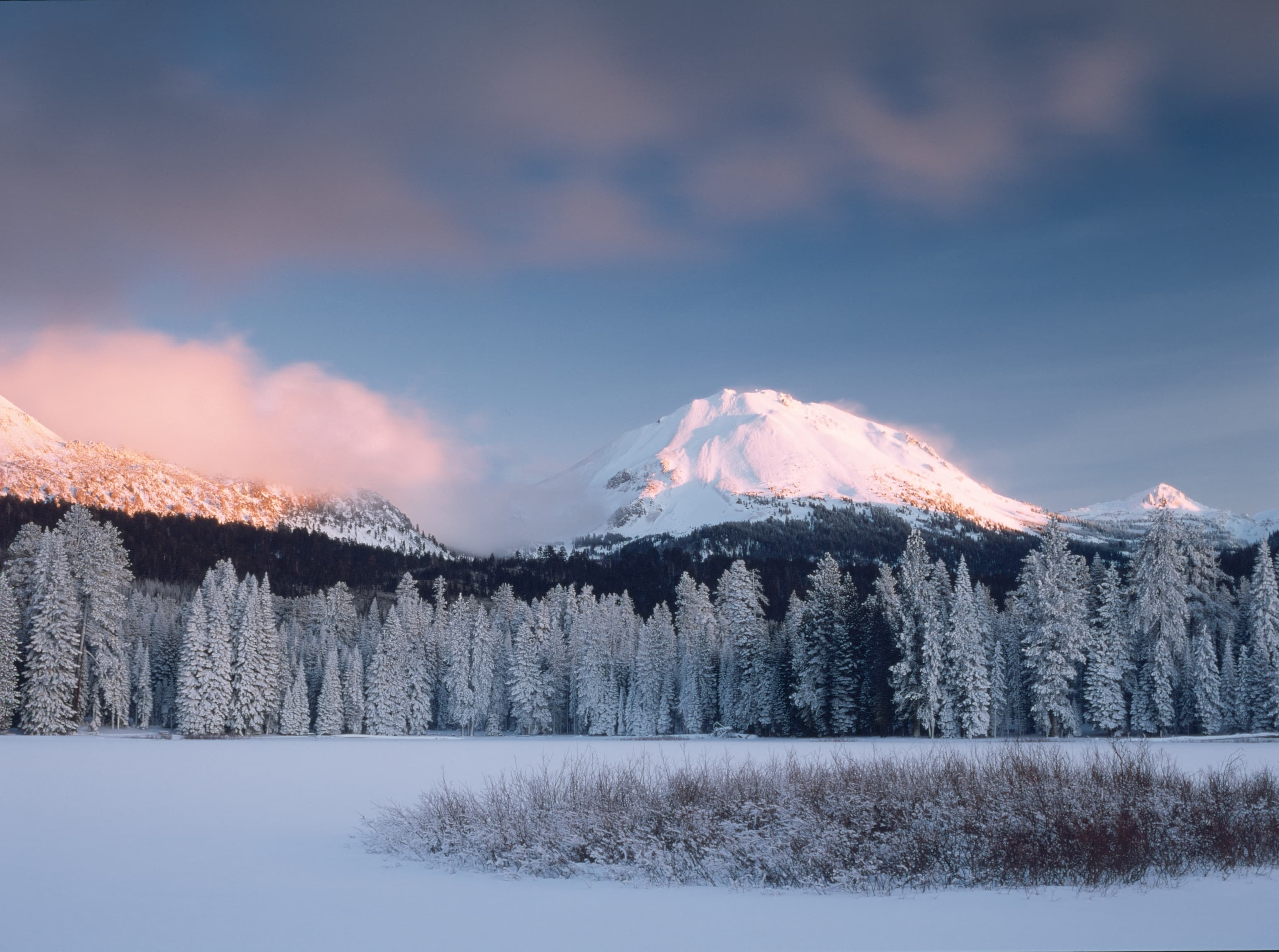
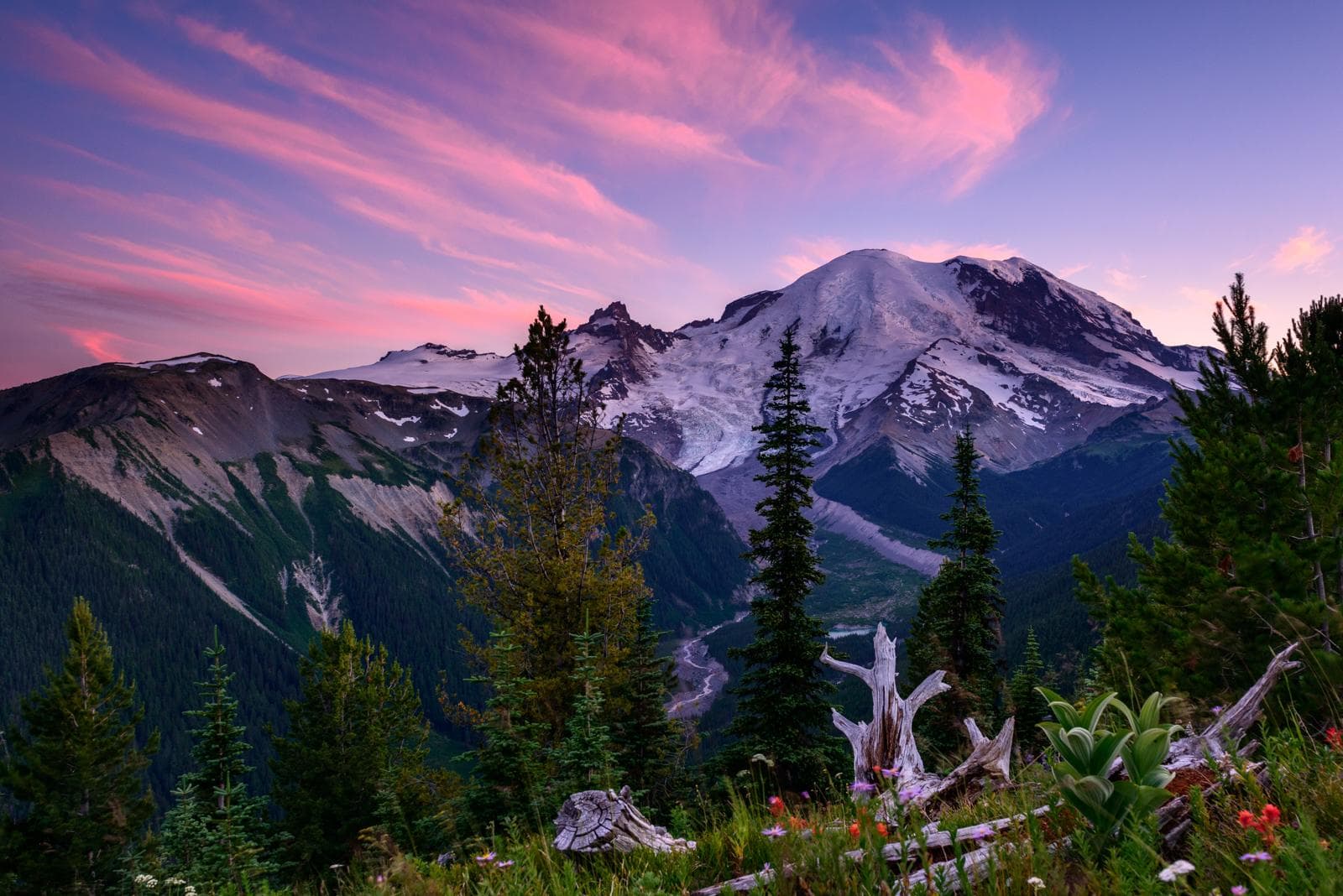
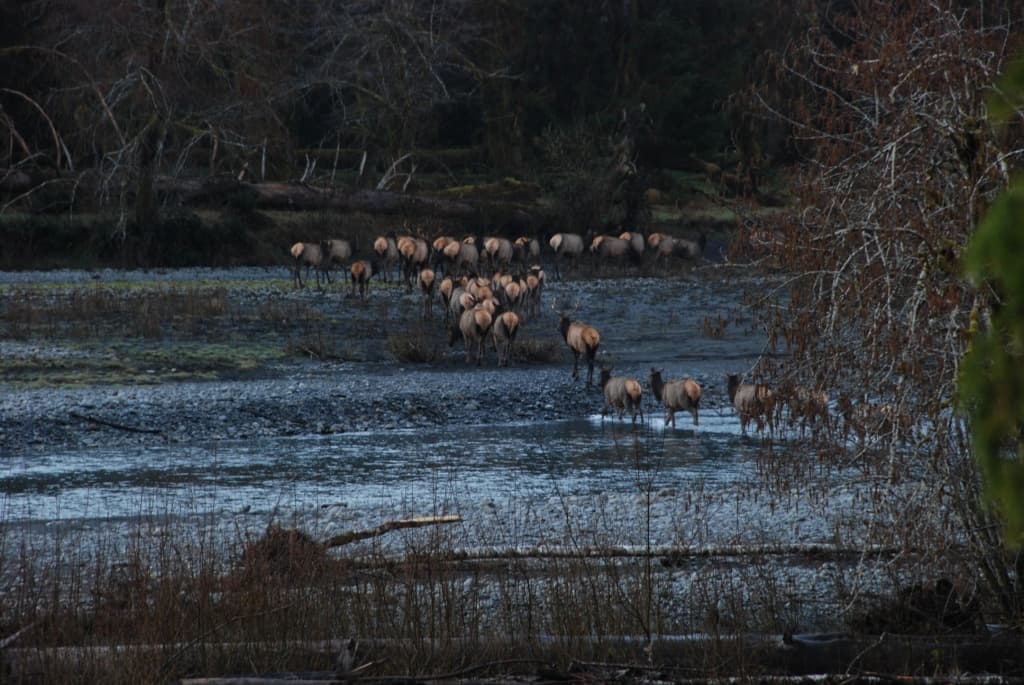
Nearby parks
Often planned together
Parks travelers add to the same trip as Crater Lake National Park.