Golden Spike National Historical Park
Utah
Tonight
🌓 65% moon
8.7 h fully dark
Crowds
low
Open today
Open
Entrance
$20
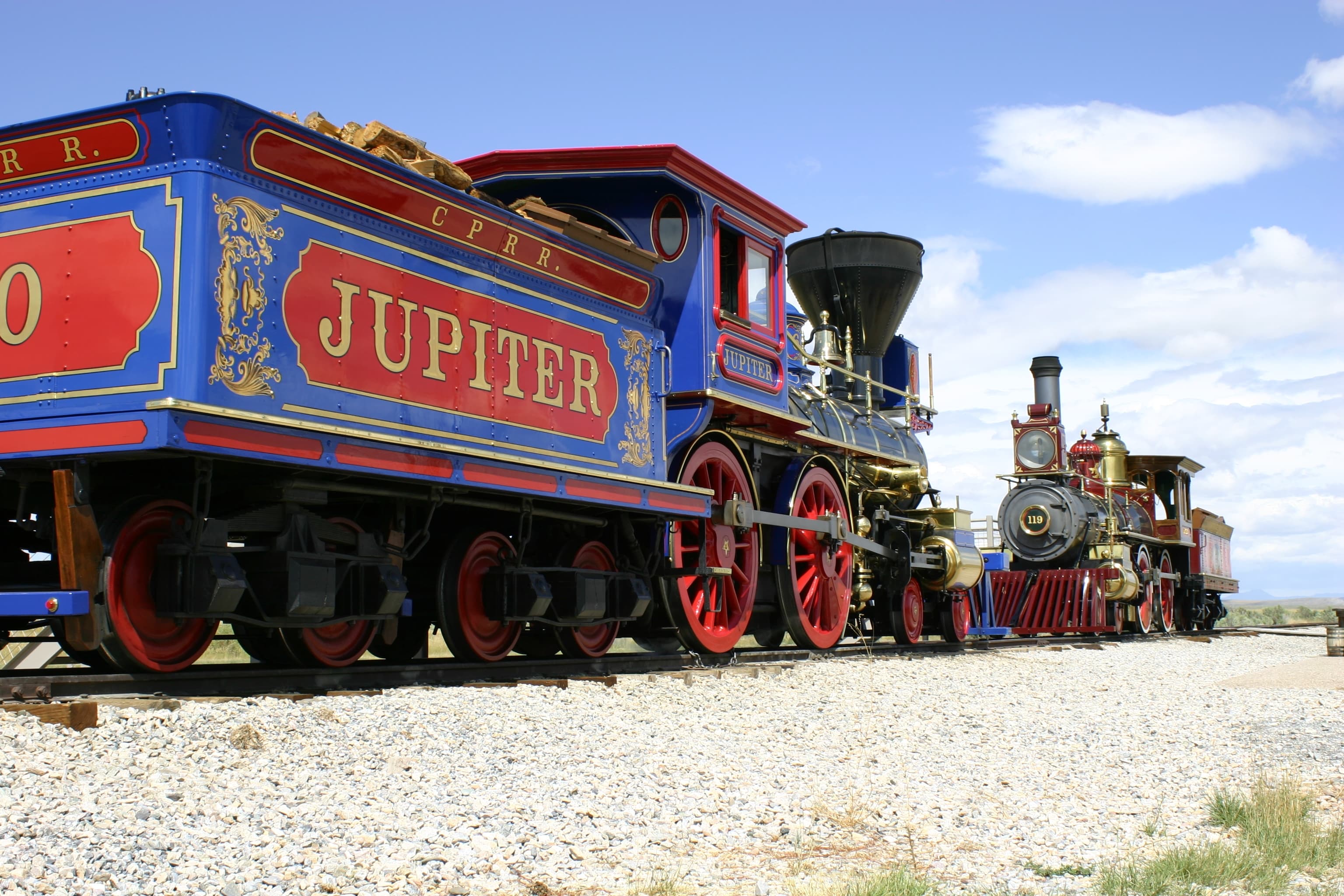
One of the greatest technological achievements of the 19th century is the completion of the first transcontinental railroad across the United States. Visitors to the park can see the location of the Last Spike Site, 1869 railroad construction features, walk or drive on the original railroad grade, and get an up close view of Victorian era replica locomotives.
Activities
Topics
Entrance fees
$20.00 — Entrance - Private Vehicle
$15.00 — Entrance - Motorcycle
$10.00 — Entrance - Per Person
$20.00 — Commercial Entrance - Sedan
$40.00 — Commercial Entrance - Van
$40.00 — Commercial Entrance - Mini-bus
$100.00 — Commercial Entrance - Motor Coach
Hours & seasons
Summer and Winter The Park Visitor Center features exhibits, a theater, bookstore, picnic areas, and a welcoming staff that will help visitors get the most out of their trip. Summer, from early-May to late-October the visitor center is open daily, 9:00 AM - 5:00 PM MDT. Winter, from late-October to late-April the visitor center is open five days a week, Thursday-Monday 9:00 AM - 5:00 PM MST, closed Tuesday & Wednesday.
Generally open:
winterspringsummerfallHours are reported by the park — verify before you go.
📞 4354712209
✉ gosp_interpretation@nps.govConditions
Quietest months (fewer crowds): Jan, Feb, Mar, Nov
Typical crowds: low
Weather now: ☀️ Clear, 60°F
☀️ 68°/44°
☁️ 75°/50°
🌦️ 73°/58°
Typical monthly recreation visits · NPS avg 2023–2025 — orange months are the quietest by crowds.
Quietest months
Relative crowds by month — lighter is quieter; ringed months are the calmest by crowds.
Jan
11%
Feb
16%
Mar
32%
Apr
46%
May
100%
Jun
90%
Jul
87%
Aug
68%
Sep
65%
Oct
34%
Nov
22%
Dec
37%
Log a sky reading
Measured the sky with an SQM meter or app? Add your reading (16 = city glow … 22 = pristine). Opt in under “Travelers like you” to share it on the community leaderboard.
Things to do
Hike the Big Fill Loop Trail · 1.5 mi
Western National Parks Store
Engine Hour Tours (winter) · Each ranger Engine House program lasts from 20 to 30 minutes.
Locomotive Ranger Program · Each ranger led locomotive demonstration and program lasts from 20 to 45 minutes.
East Auto Tour · 4 mi · 116 ft gain
West Auto Tour · 10 mi
Jr Ranger Program
Visitor centers
Summer and Winter Seasons
Accessibility
33 audio-described place(s)
Reported by the park — verify before you go.
Parking
Visitor Center Parking Lot
Not an official safety source — always defer to NPS.gov and rangers for life-safety decisions.
By the numbers
A visual read on Golden Spike National Historical Park — its character, trails, sky, and weather.
Park fingerprint
How this park scores across the dimensions travelers care about.
Trail difficulty
Difficulty mix across this park's trails.
Trail profile
Each dot is a trail — distance vs. elevation gain, by difficulty.
3-day forecast
Daily high and low temperatures (°F).
People & stories
Figures tied to Golden Spike National Historical Park — each spans a cross-park journey.
Elijah McCoy
— Steamtown National Historic Site, Steamtown Nhs, SteamtownPlaces to see
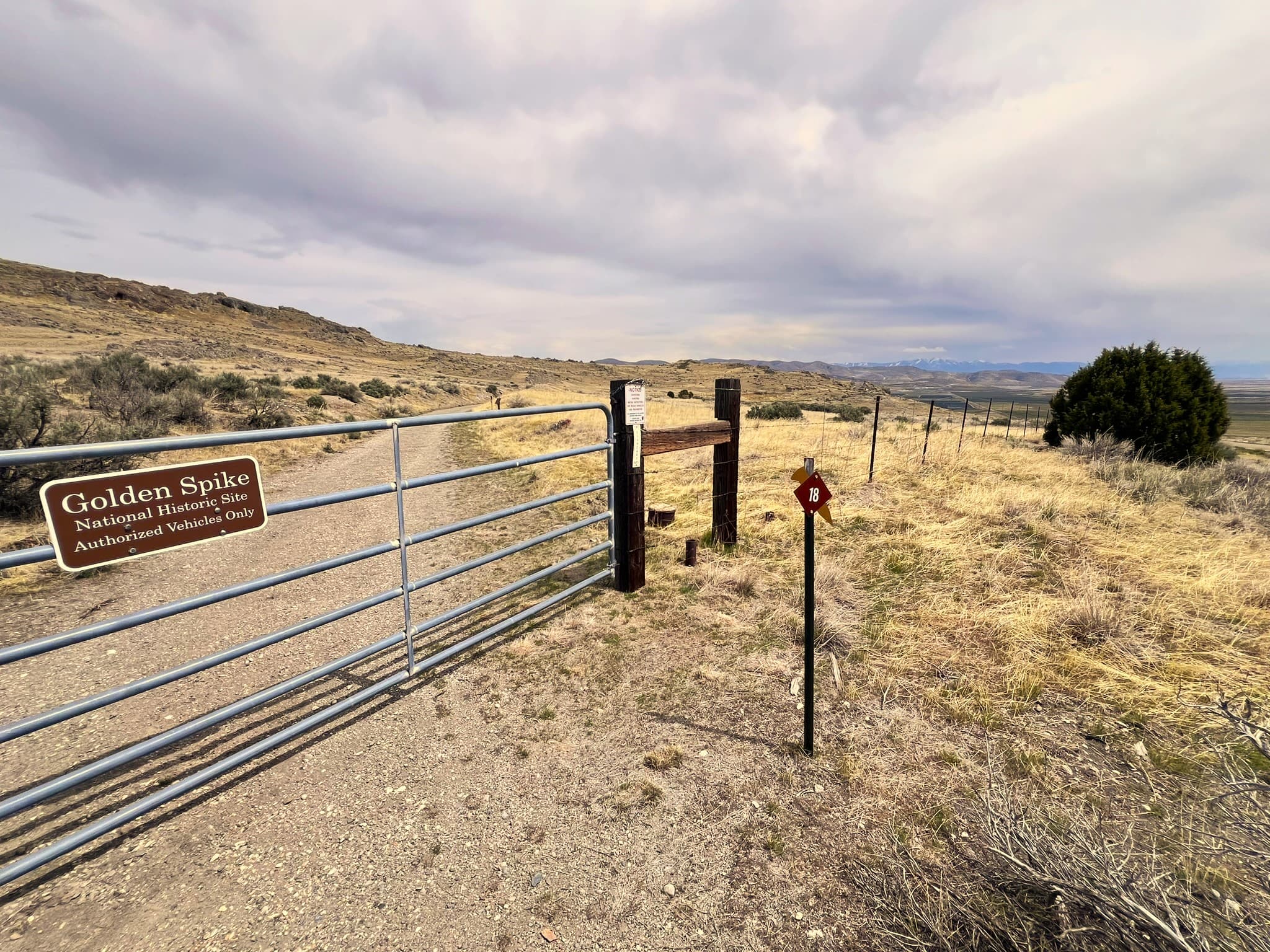
#18 Big Fill and Big Trestle Site
audio
Conclusion: A New Era
audio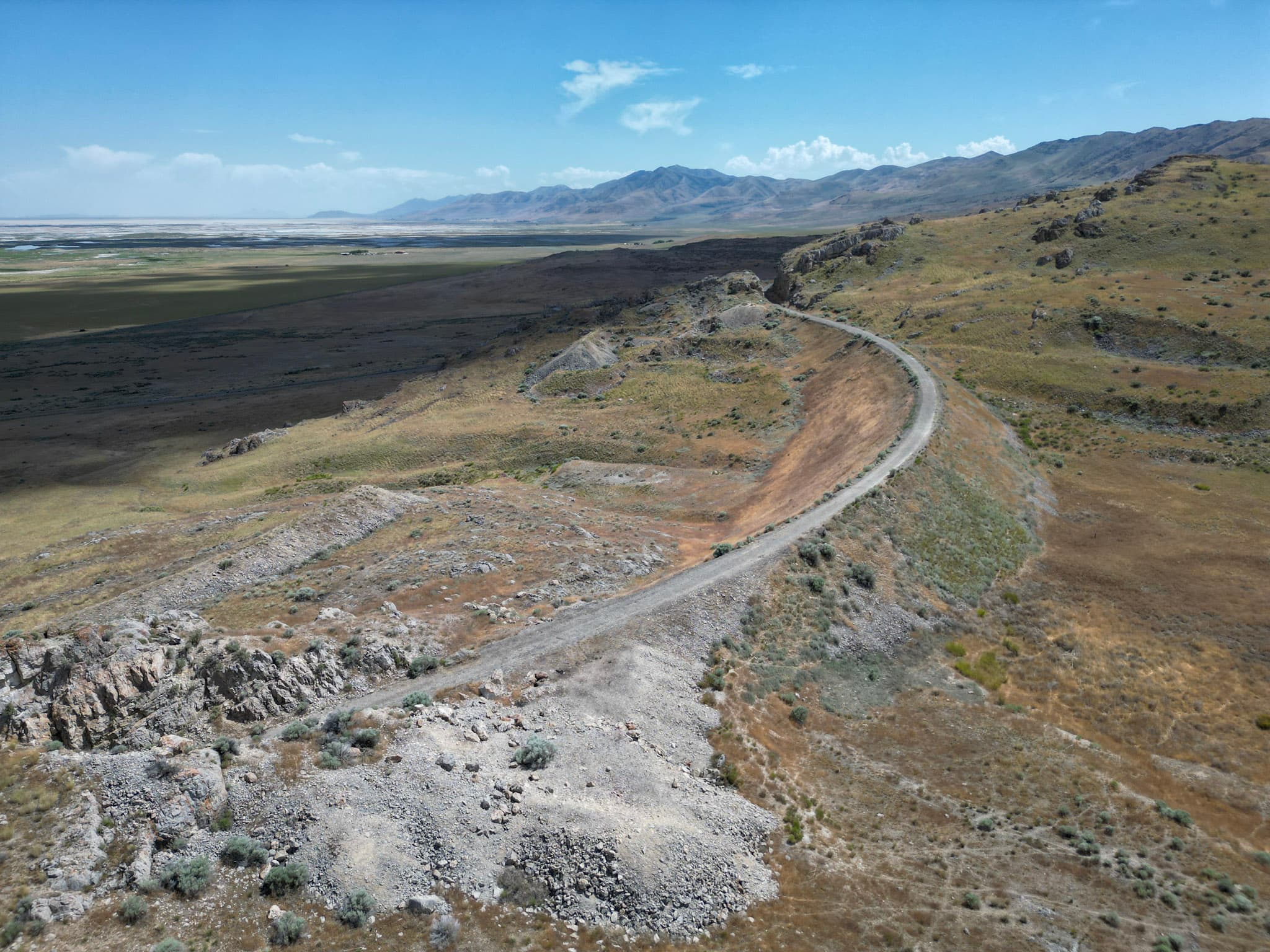
Introduction: An Epic Story
audio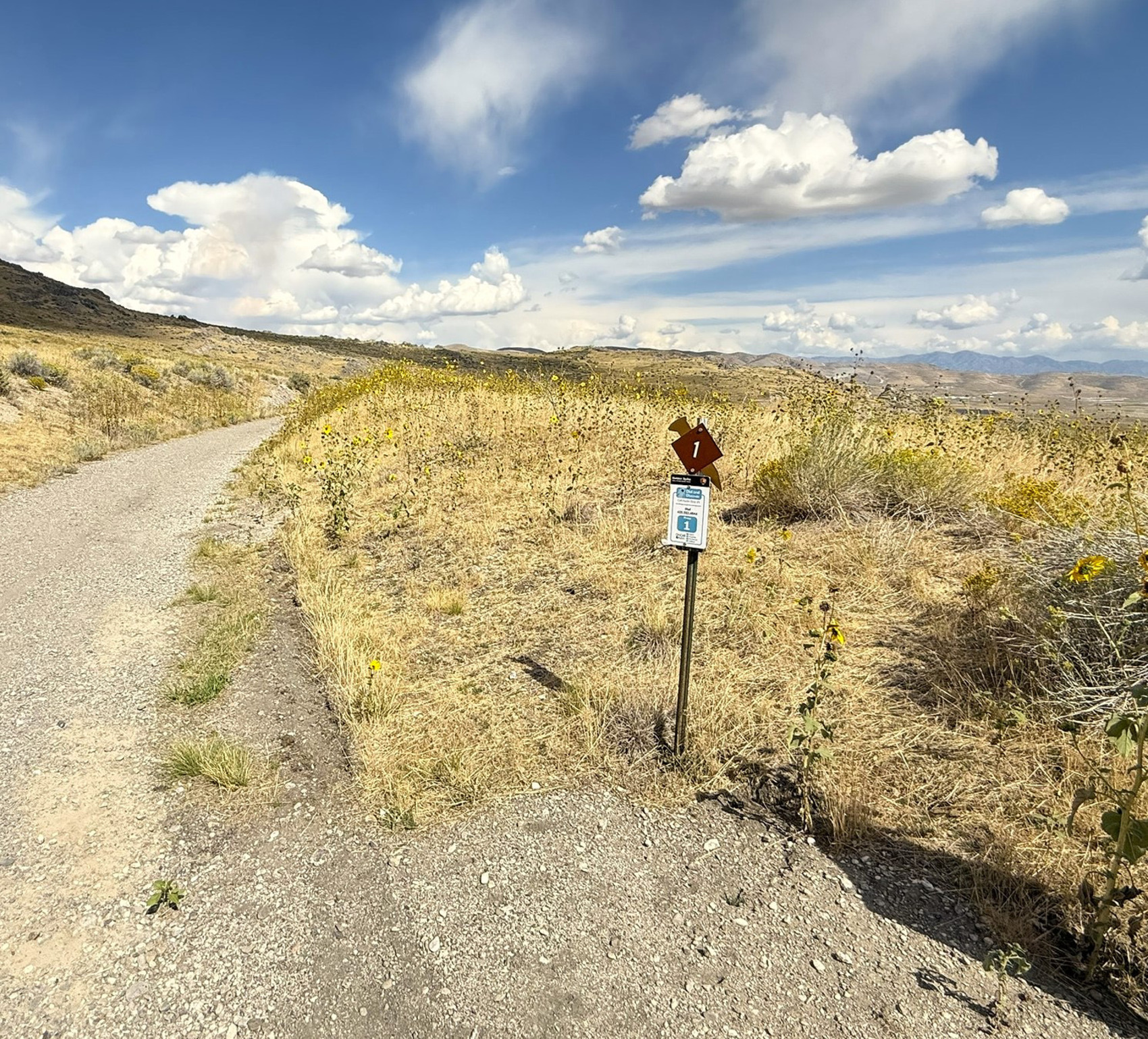
Stop 1-Steep Grade and the Orange Special Legend
audio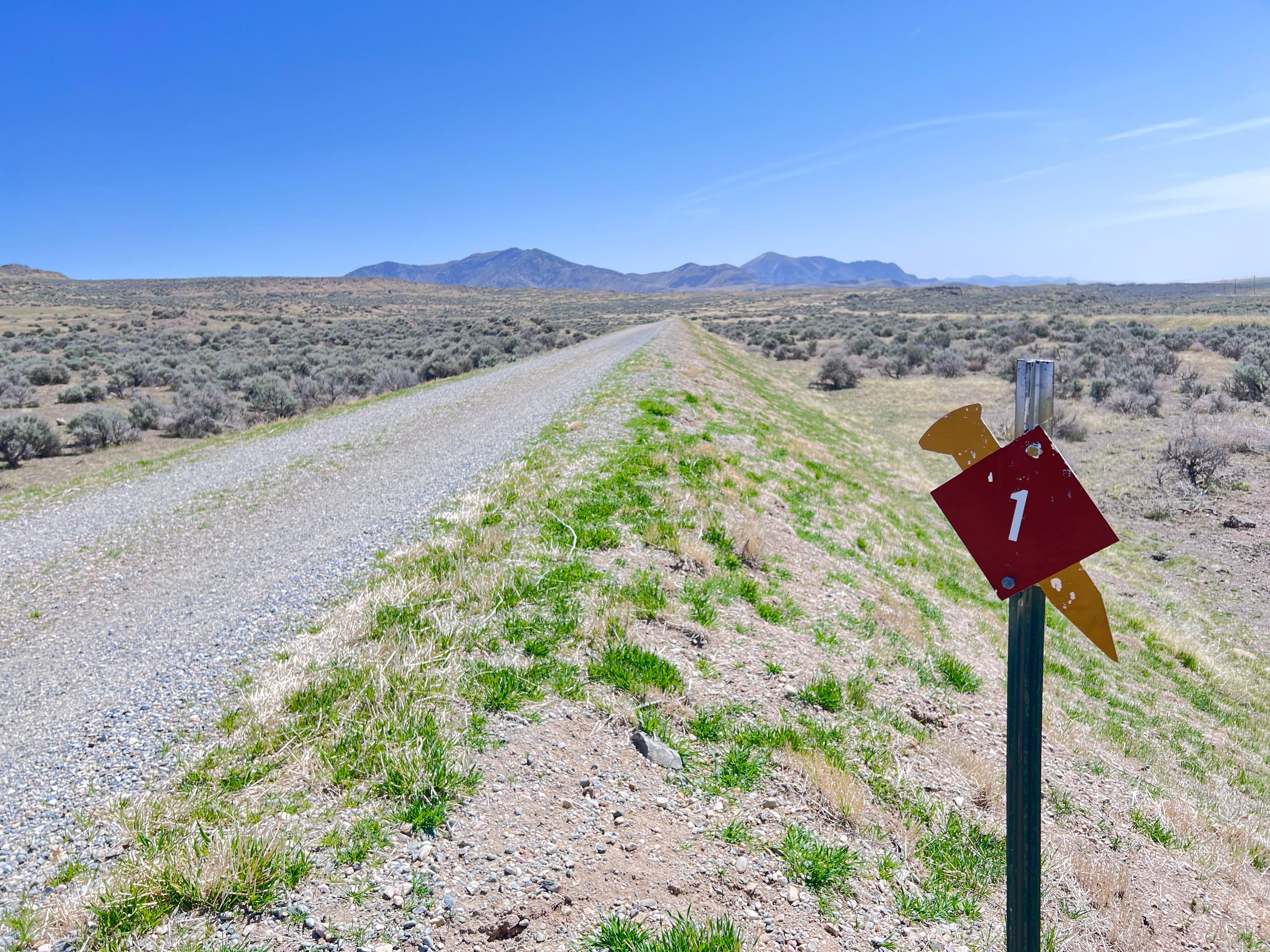
Stop 1-The Last Climb
audio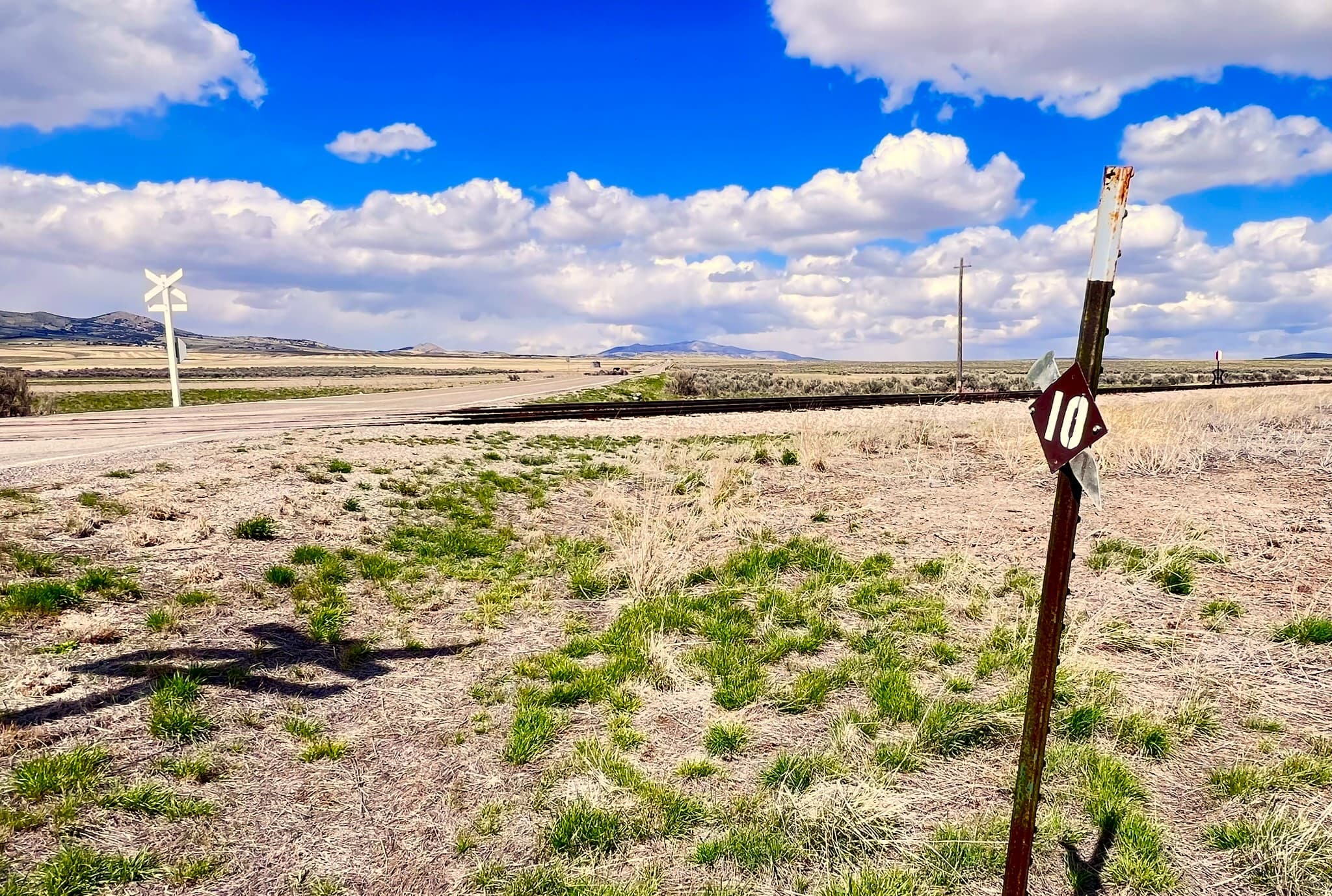
Stop 10-An Unlikey Meeting Place
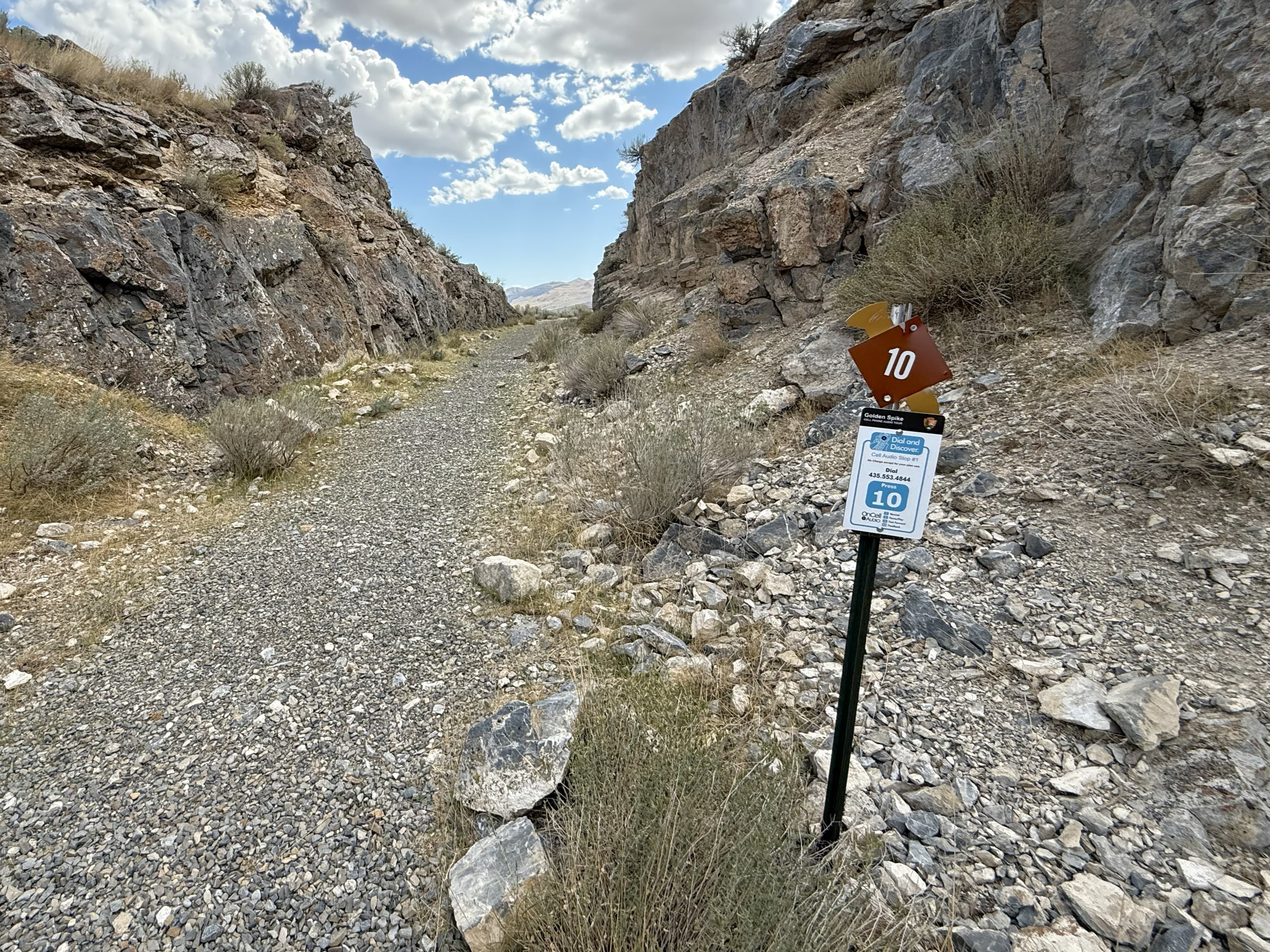
Stop 10-Drill Marks & Carmichael’s Cut
audio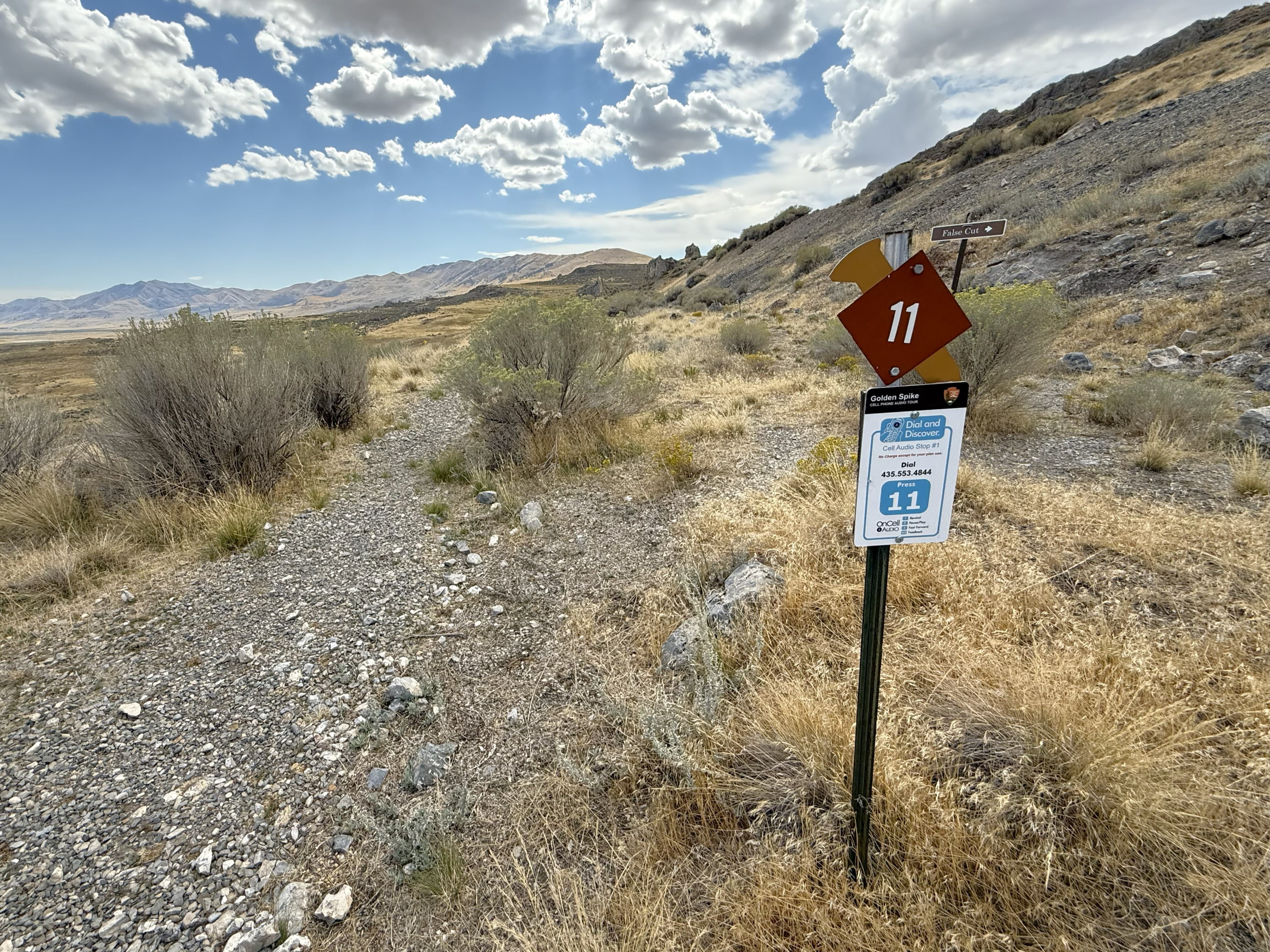
Stop 11-False Cut & Stair-Step Construction
audio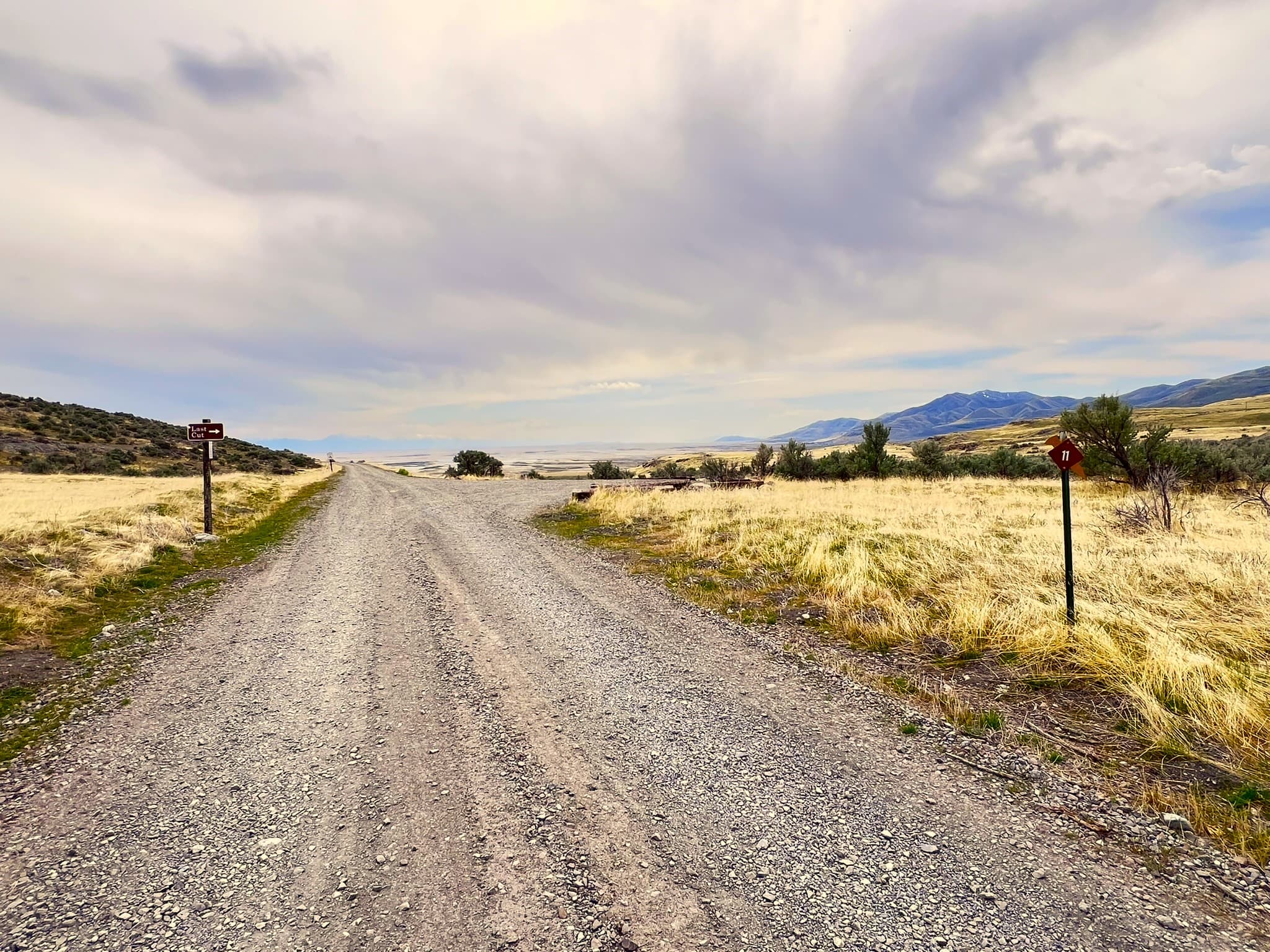
Stop 11-Union Pacifics Last Cut
audio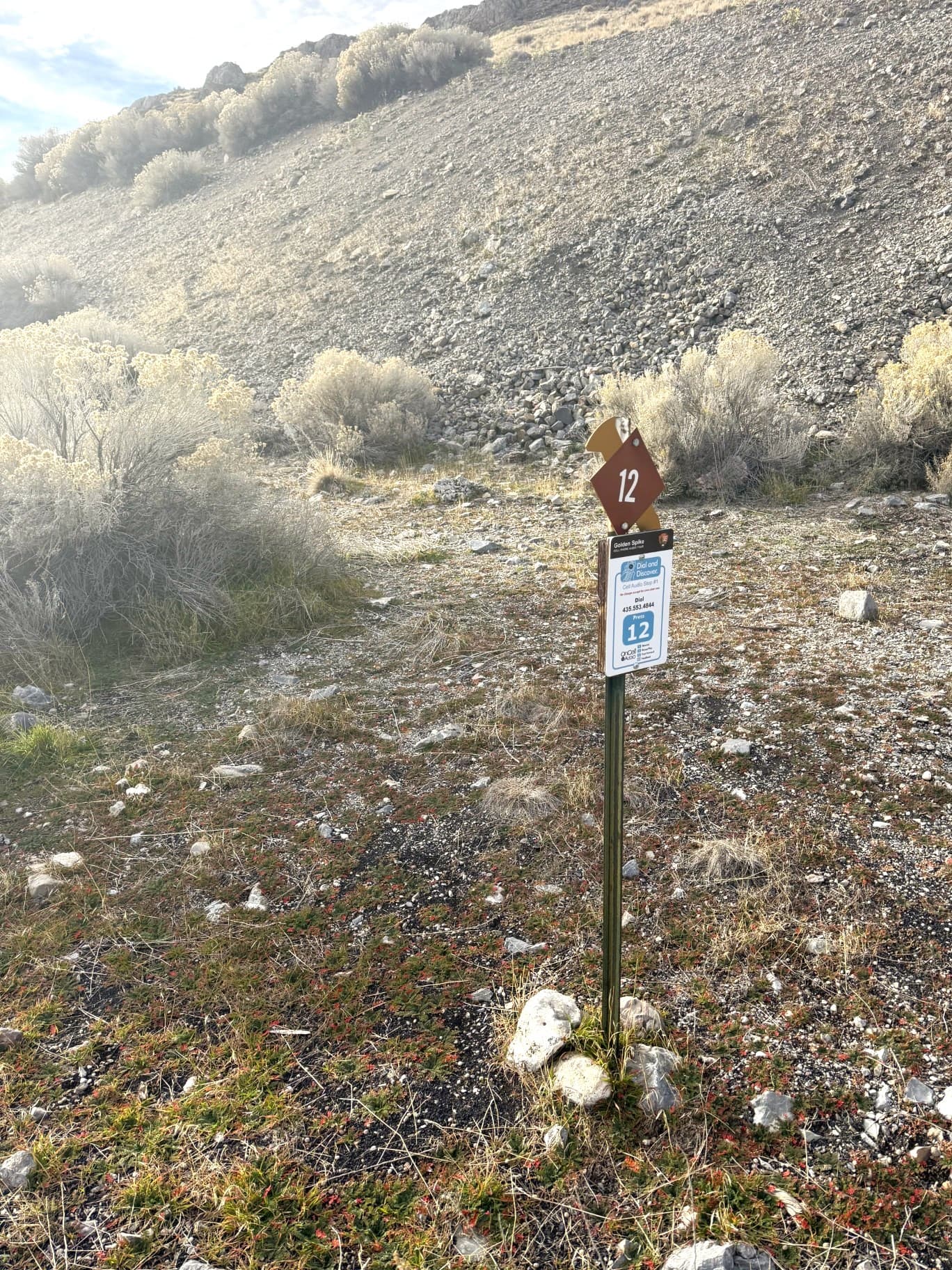
Stop 12-The Telegraph
audio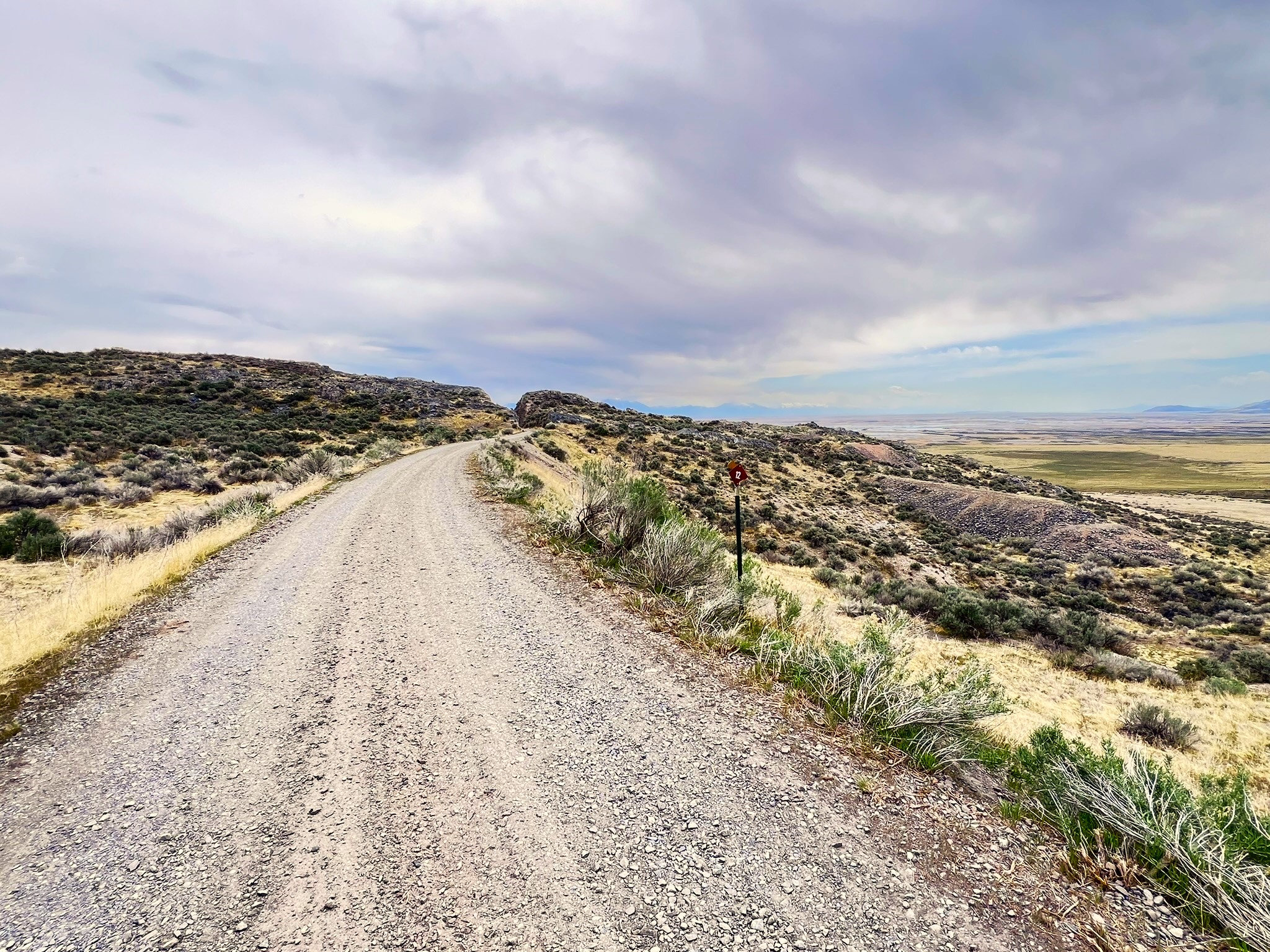
Stop 12-Trestles and Fills
audio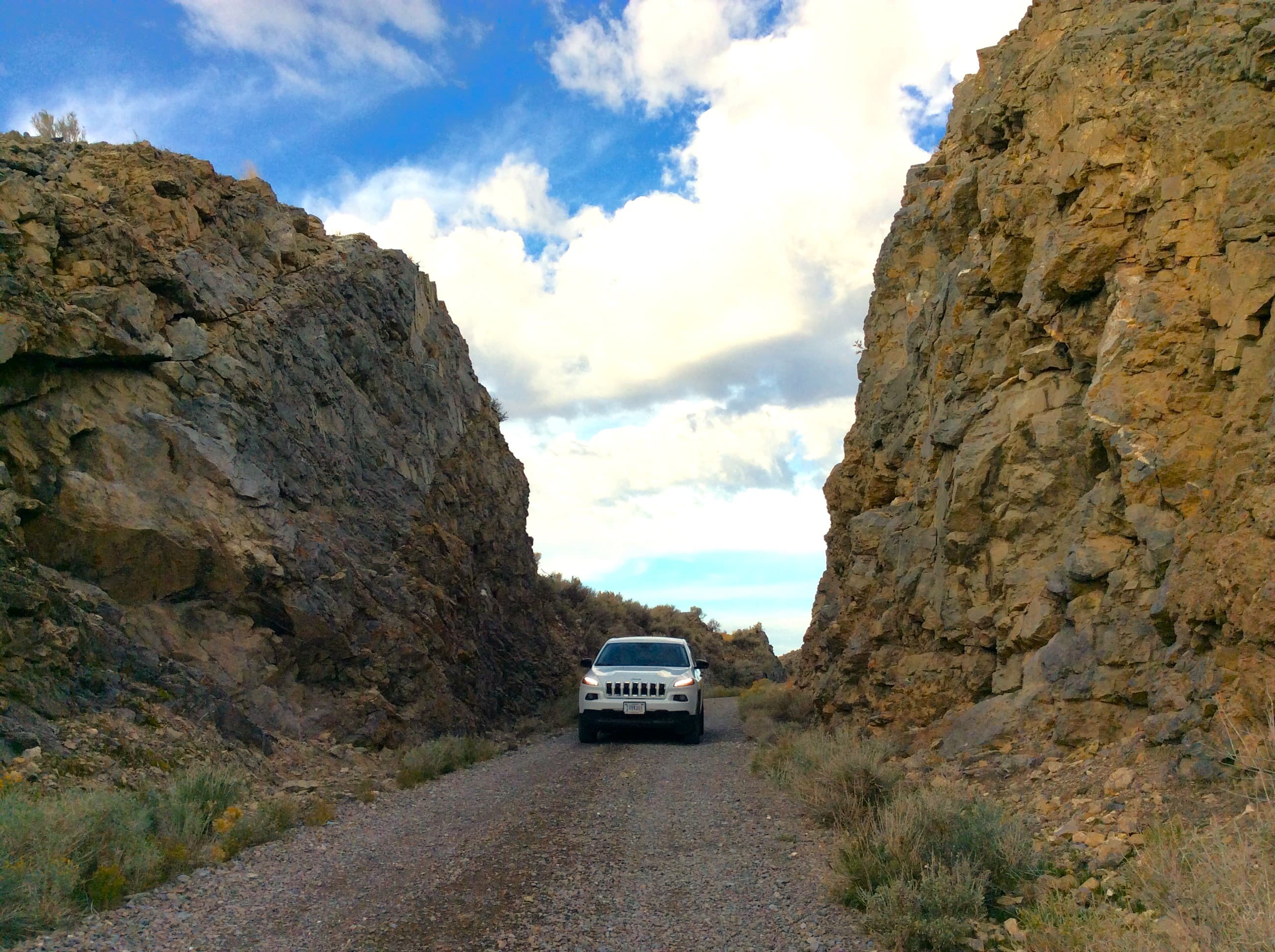
Stop 13-Blasting
audioAudio & media
🎧 Stair-Step Cuts ↗ · 0 mintranscript
🎧 An Unlikely Meeting Place ↗ · 1 mintranscript
🎧 Natural Memorial ↗ · 1 mintranscript
🎧 Blasting ↗ · 1 mintranscript
🎧 Gravel For Ballast ↗ · 0 mintranscript
🎧 Cut & Fill ↗ · 0 mintranscript
🎧 Parallel Grading ↗ · 1 mintranscript
🎧 Union Pacific's Last Cut ↗ · 1 mintranscript
🎬
🖼
Learn more
Michael Coleman, a Utah artist internationally known for his award-winning sculptures and paintings of the landscape and wildlife of the American West created a bison sculpture to commemorate the 150th anniversary of the Transcontinental Railroad in 2019. This mighty sculpture titled, “Distant Thunder” honors the bison’s demise due to the railroad and celebrates their eventual resurgence.
The National Park Service congratulates the regional recipients of the 2025 Excellence in Volunteerism Awards. These nominees embody the values of service, engagement, and stewardship fundamental to our national parks.
When the climate changes enough, the vegetation communities growing in any given place will also change. Under an expanded bimodal climate zone, some plant communities in western national parks are more likely to change than others. National Park Service ecologists and partners investigated the future conditions that may force some of this change. Having this information can help park managers decide whether to resist, direct, or accept the change.
Visitors to Arches National Park experience natural free-flowing waters and have water to quench their thirst, thanks to an agreement between the National Park Service and the State of Utah.
Across the US, changes in water availability are altering which plants grow where. These changes are evident at a broad scale. But not all areas experience the same climate in the same way, even within the boundaries of a single national park. A new dataset gives park managers a valuable tool for understanding why vegetation has changed and how it might change in the future under different climate-change scenarios.
The Black-throated Sparrow edition of Get to Know the Plateau, spotlighting a beautiful bird of the Colorado Plateau. Brought to you by the Southern Colorado Plateau Network.
Invasive exotic plants are one of the most significant threats to natural resources in the national parks today. To provide early warning of weed invasions, the Northern Colorado Plateau Network monitors target plants in park areas where they are likely to first establish: along roads, trails, and waterways. Find out what we've learned at Golden Spike National Historical Park.
Invasive exotic plants are one of the most significant threats to natural resources in the national parks today. To provide early warning of weed invasions, the Northern Colorado Plateau Network monitors target plants in park areas where they are likely to first establish: along roads, trails, and waterways or riparian corridors. Find out what we've learned at Golden Spike National Historical Park.
How Golden Spike National Historical Park connects
This park's activities, topics, location, and on-the-ground places — one hop in the graph. Drag to explore; click an activity, topic, or related park to follow it.
Park
Activity
Topic
State
VisitorCenter
ParkingLot
Trail
ThingToDo
Similar parks
Share activities & topics with Golden Spike National Historical Park.