Tule Springs Fossil Beds National Monument
Nevada
Tonight
🌓 65% moon
8.9 h fully dark
Crowds
low
Entrance
Free entry
South Unit temporarily closed south of Grand Teton Drive; Trailheads remain open.
The South Unit of Tule Springs Fossil Beds is temporarily closed to visitor access south of Grand Teton Drive, between Tule Springs Parkway and North Fifth Street in North Las Vegas for visitor safety during construction activities.
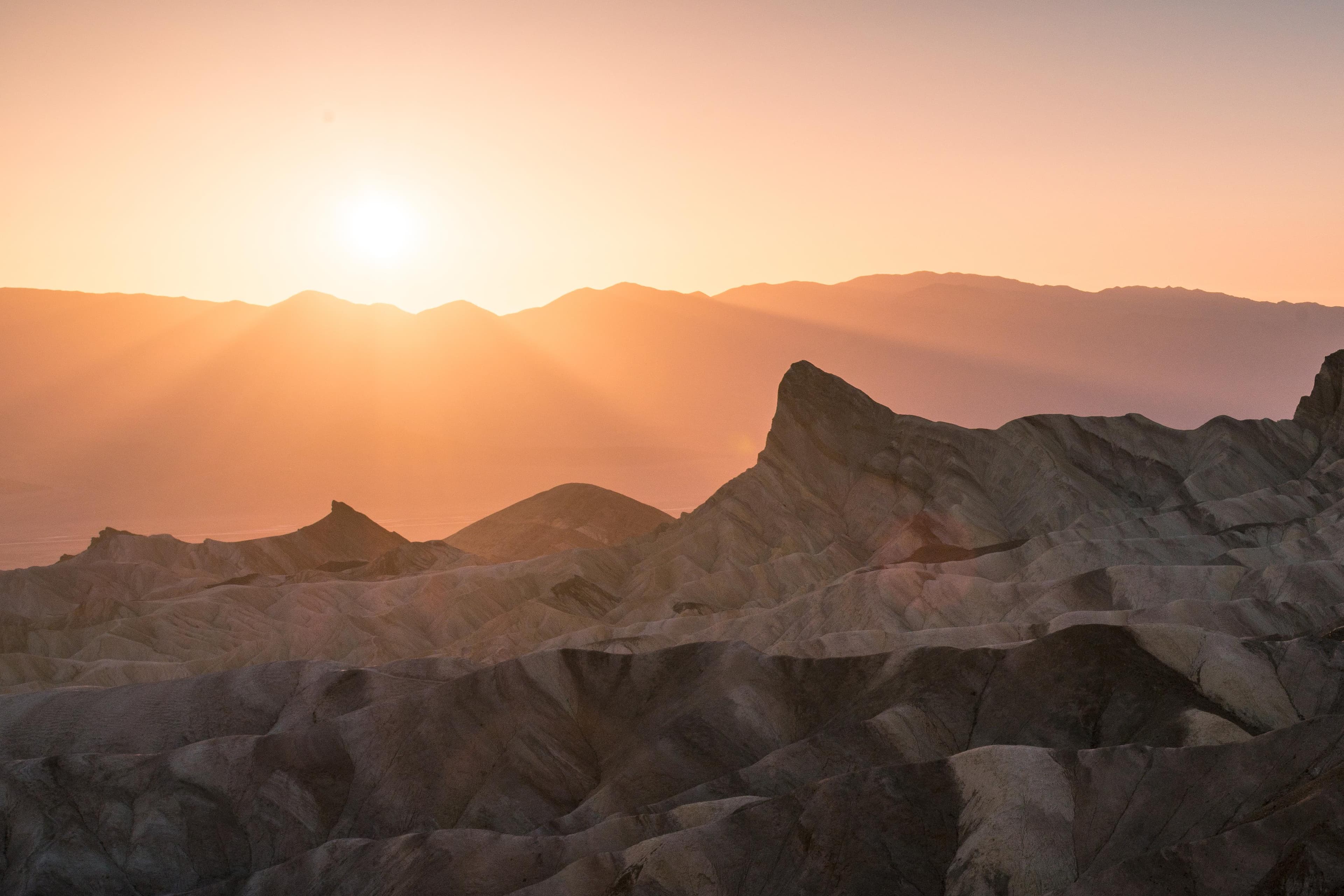
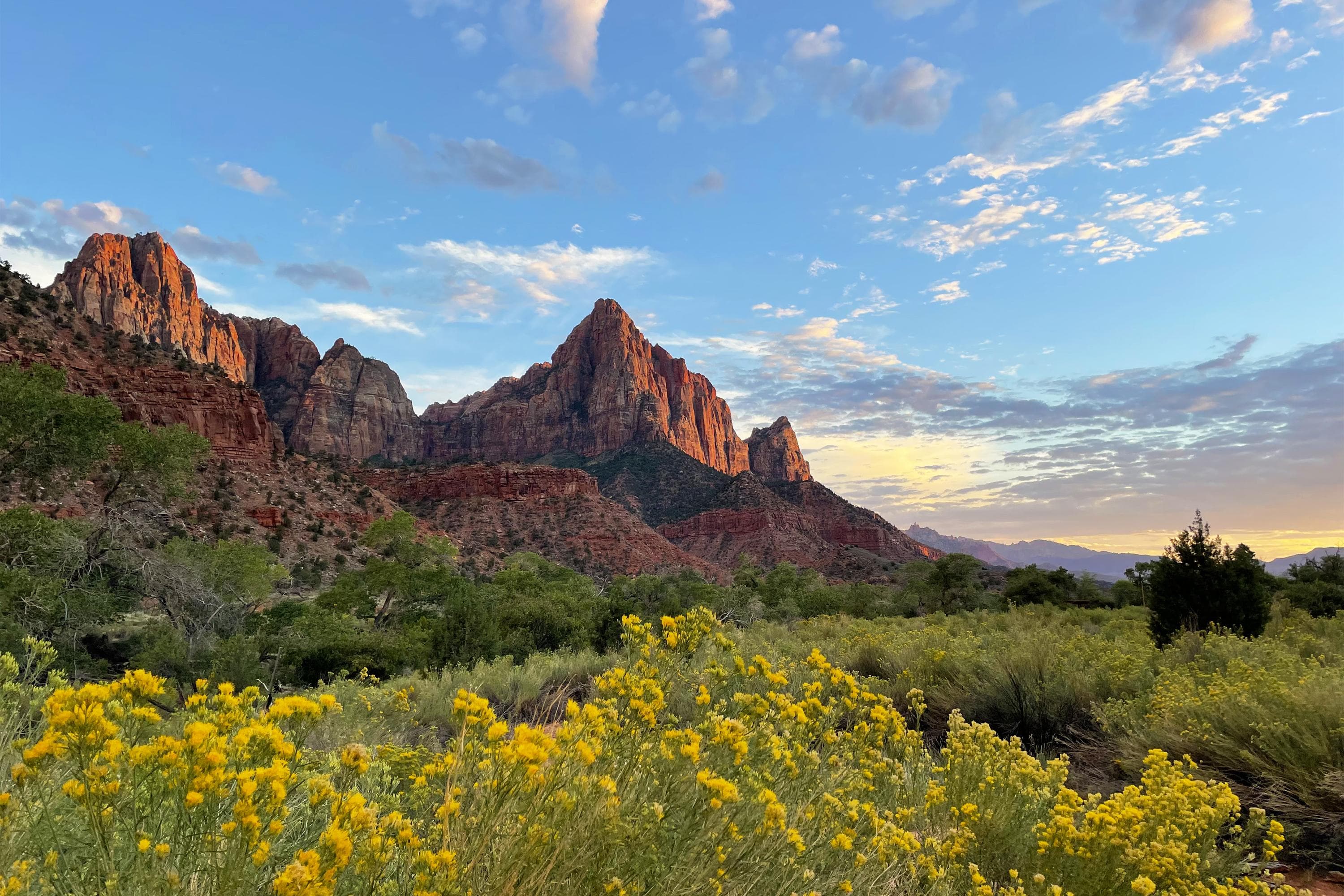
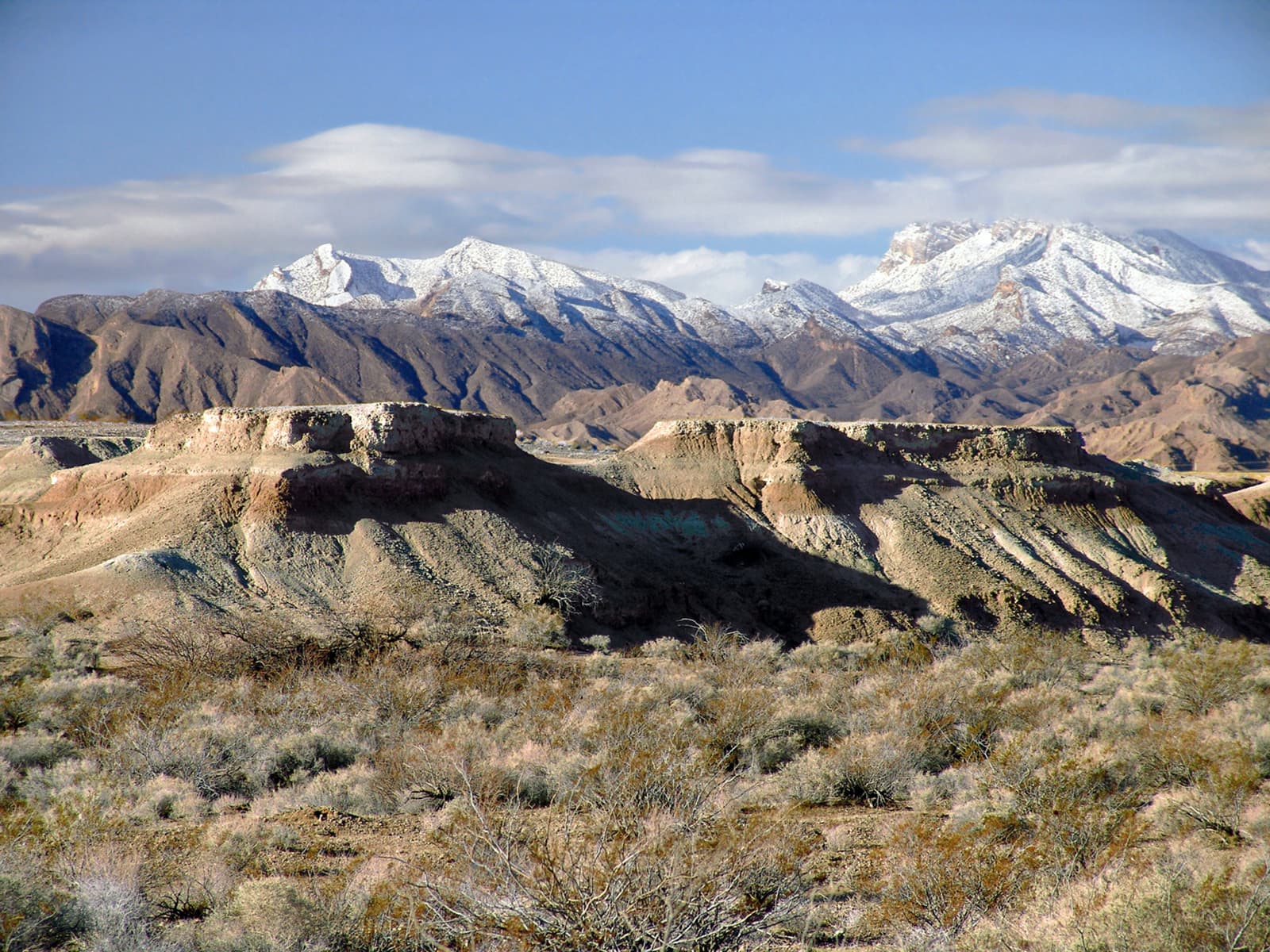
Over the last ~570,000 years, water has transformed the Upper Las Vegas Valley. Tule Springs Fossil Beds National Monument is an urban park that preserves the unique story of this ever-changing environment.
Activities
Topics
No entrance fee.
Hours & seasons
Tule Springs Fossil Beds National Monument is open during daylight hours. The park is closed at night.
Hours are reported by the park — verify before you go.
📞 7022938853 (Information Line)
✉ tusk_information@nps.govConditions
Quietest months (fewer crowds): Jun, Jul, Aug
Typical crowds: low
Weather now: ☀️ Clear, 87°F
☁️ 91°/62°
☁️ 90°/66°
☁️ 86°/65°
Typical monthly recreation visits · NPS avg 2023–2025 — orange months are the quietest by crowds.
Quietest months
Relative crowds by month — lighter is quieter; ringed months are the calmest by crowds.
Jan
82%
Feb
95%
Mar
100%
Apr
91%
May
78%
Jun
46%
Jul
34%
Aug
33%
Sep
48%
Oct
60%
Nov
67%
Dec
67%
Log a sky reading
Measured the sky with an SQM meter or app? Add your reading (16 = city glow … 22 = pristine). Opt in under “Travelers like you” to share it on the community leaderboard.
Things to do
Hiking at Tule Springs Fossil Beds National Monument · <h4>Trail Overview</h4> <p><b>Distance:</b> 3.25 mi (5.23 km)<br /> <b>Trail Style:</b> Loop<br /> <b>Elevation:</b> <a id="anch_17">75 ft (23 m)</a><br /> <b>Difficulty:</b> Easy-Moderate<br /> <b>Average Time:</b> 2.5 hours</p>
Accessibility
9 audio-described place(s)
Reported by the park — verify before you go.
Parking
Durango/Moccasin Parking Lot · 62 accessible spaces
Not an official safety source — always defer to NPS.gov and rangers for life-safety decisions.
By the numbers
A visual read on Tule Springs Fossil Beds National Monument — its character, trails, sky, and weather.
Park fingerprint
How this park scores across the dimensions travelers care about.
Trail difficulty
Difficulty mix across this park's trails.
3-day forecast
Daily high and low temperatures (°F).
Passport stamps
Mark the stamps you've collected — they show in your memory and along your routes.
🎫 Corn Creek Visitor Center - US Fish & Wildlife Service
Places to see
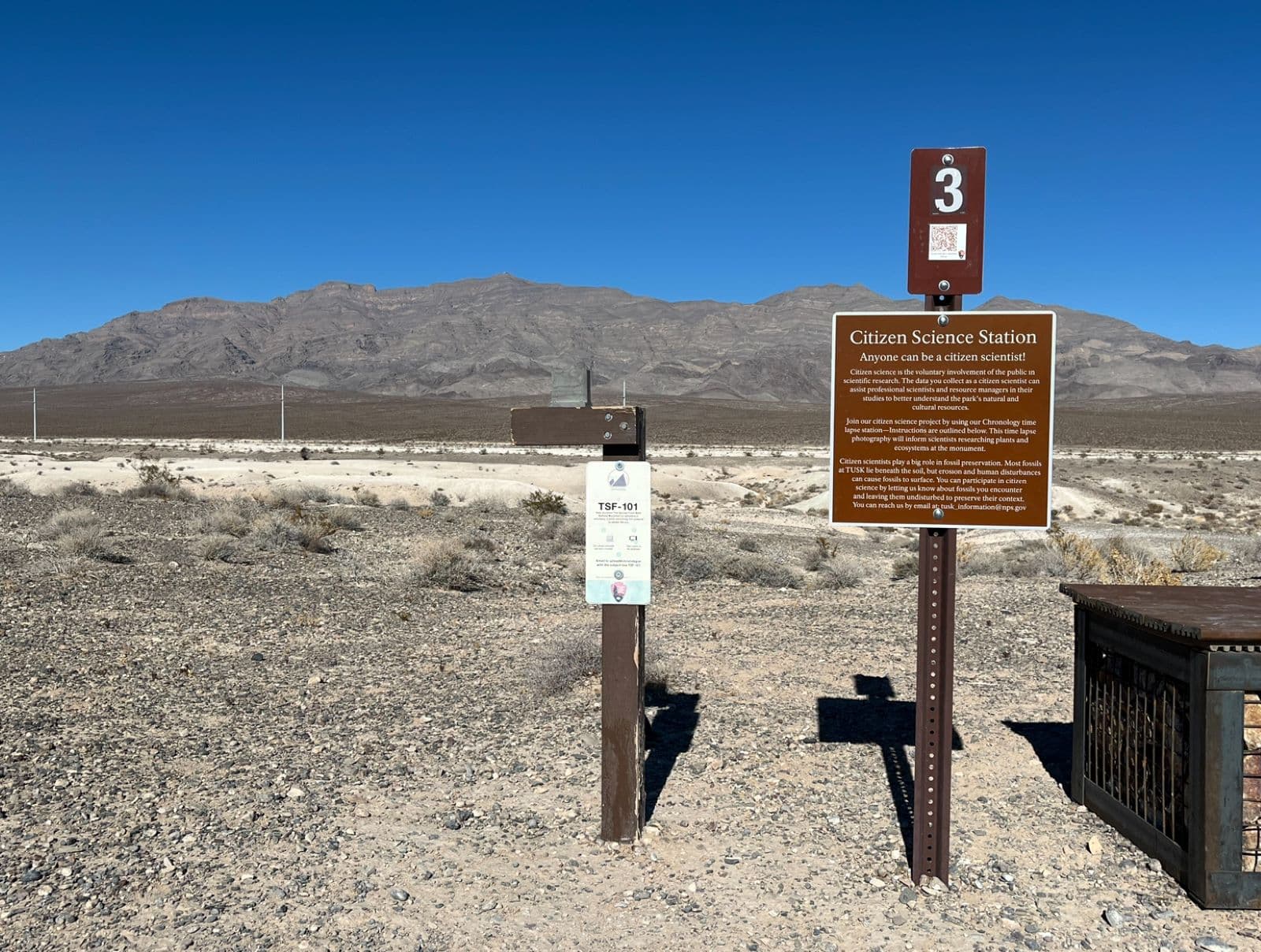
Aliante Loop Citizen Science Station
audio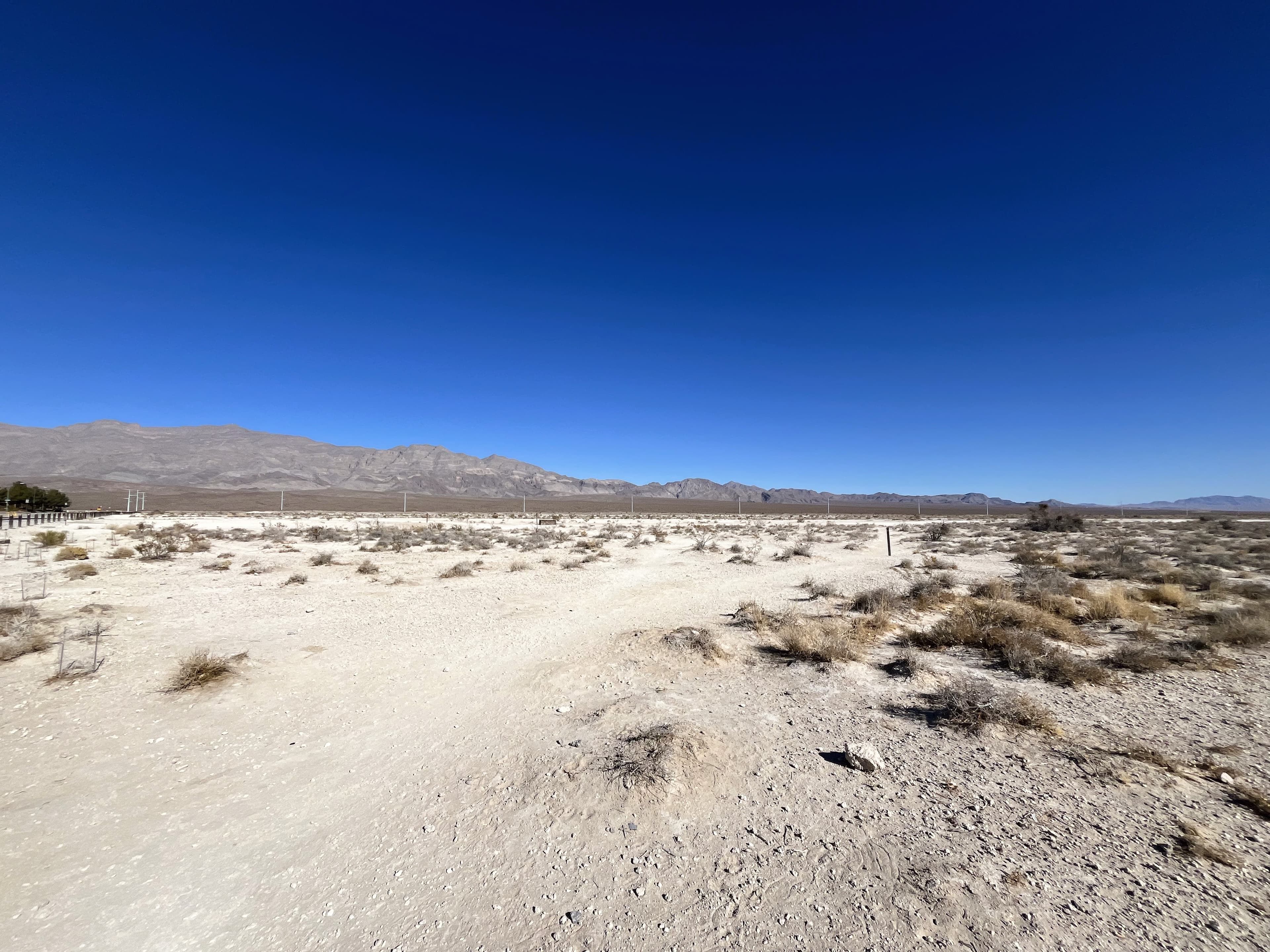
Aliante Loop Trailhead
audio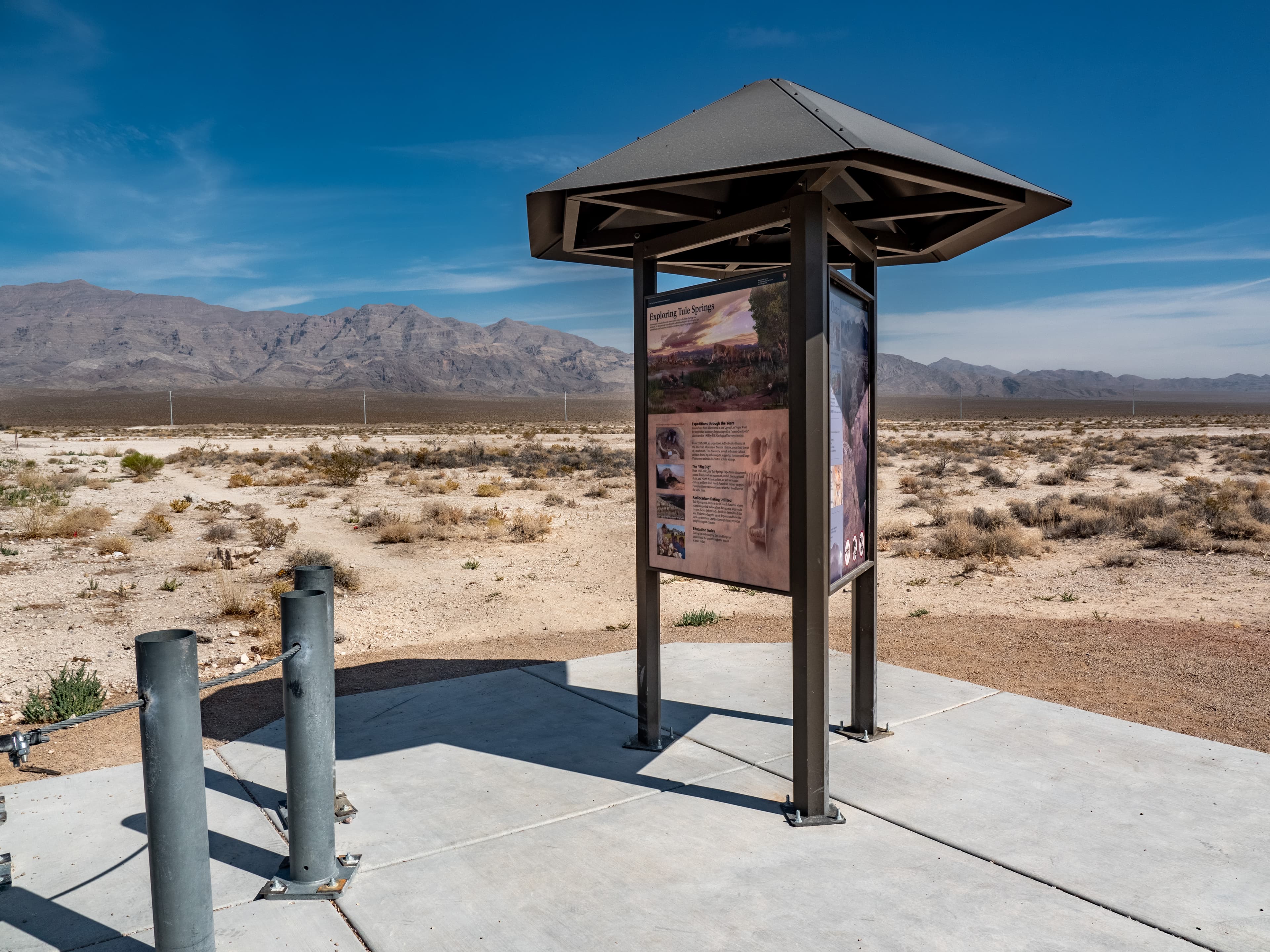
Aliante Parkway Kiosk
audio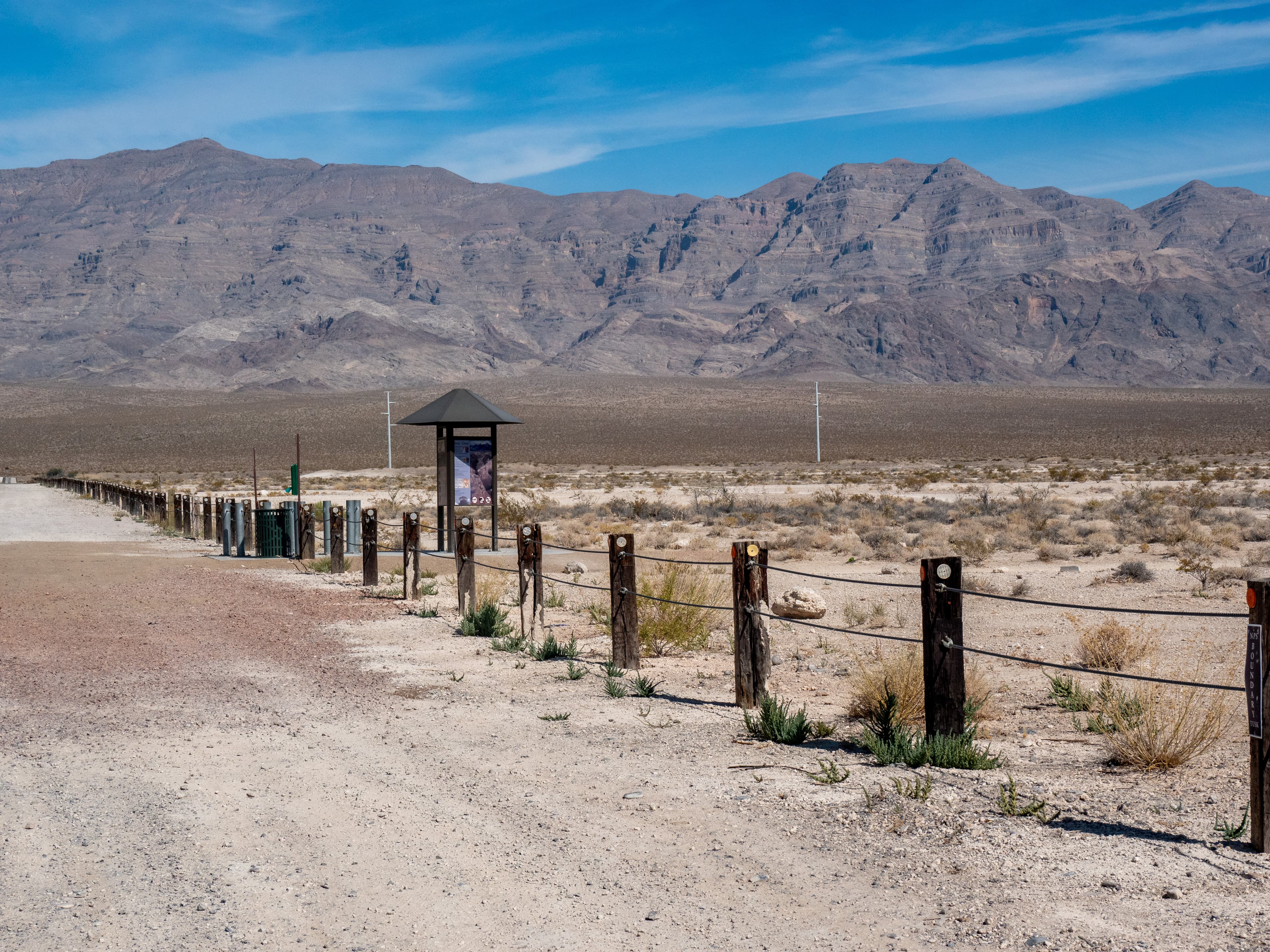
Aliante Parkway Parking Lot
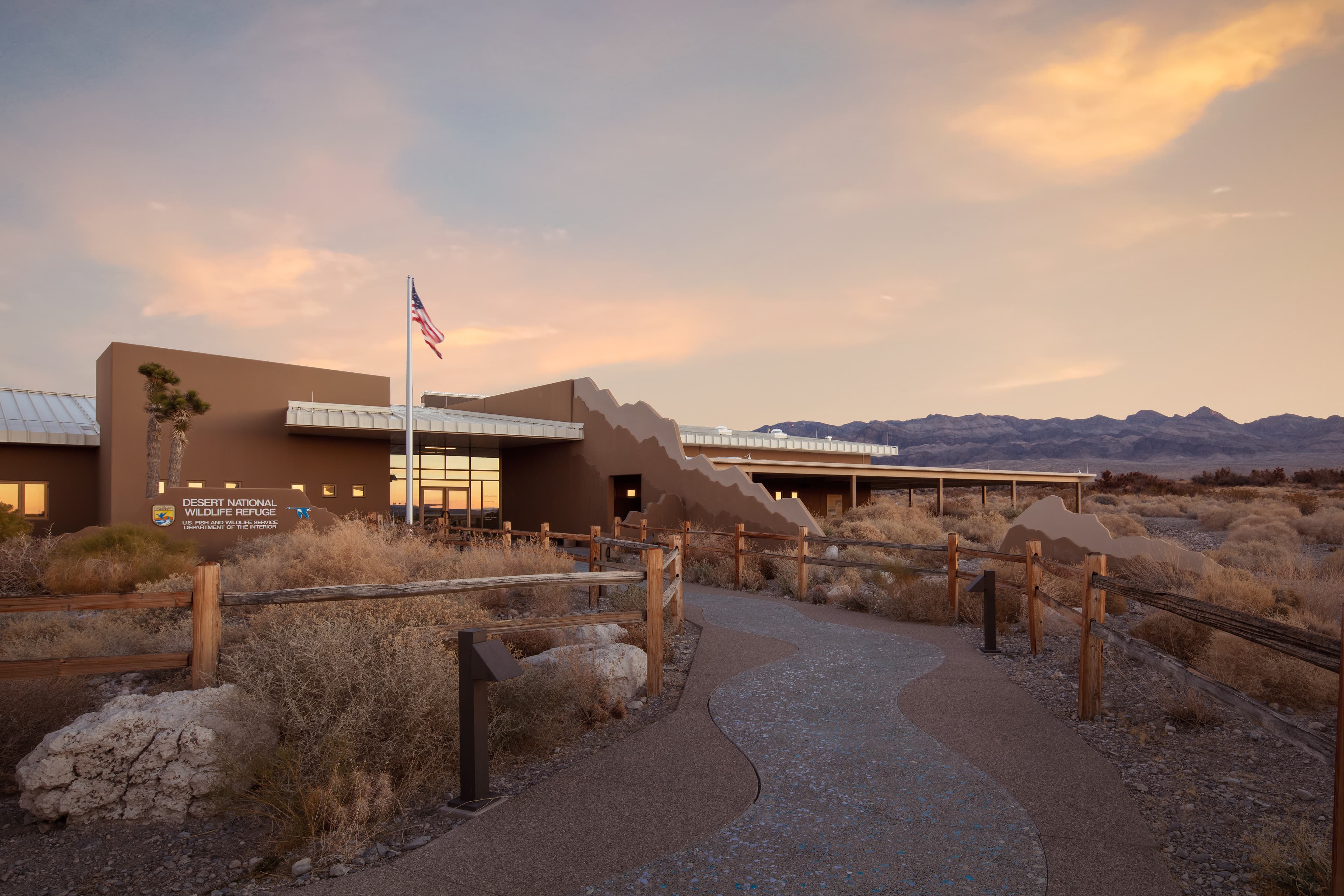
Corn Creek Visitor Center - US Fish & Wildlife Service
audio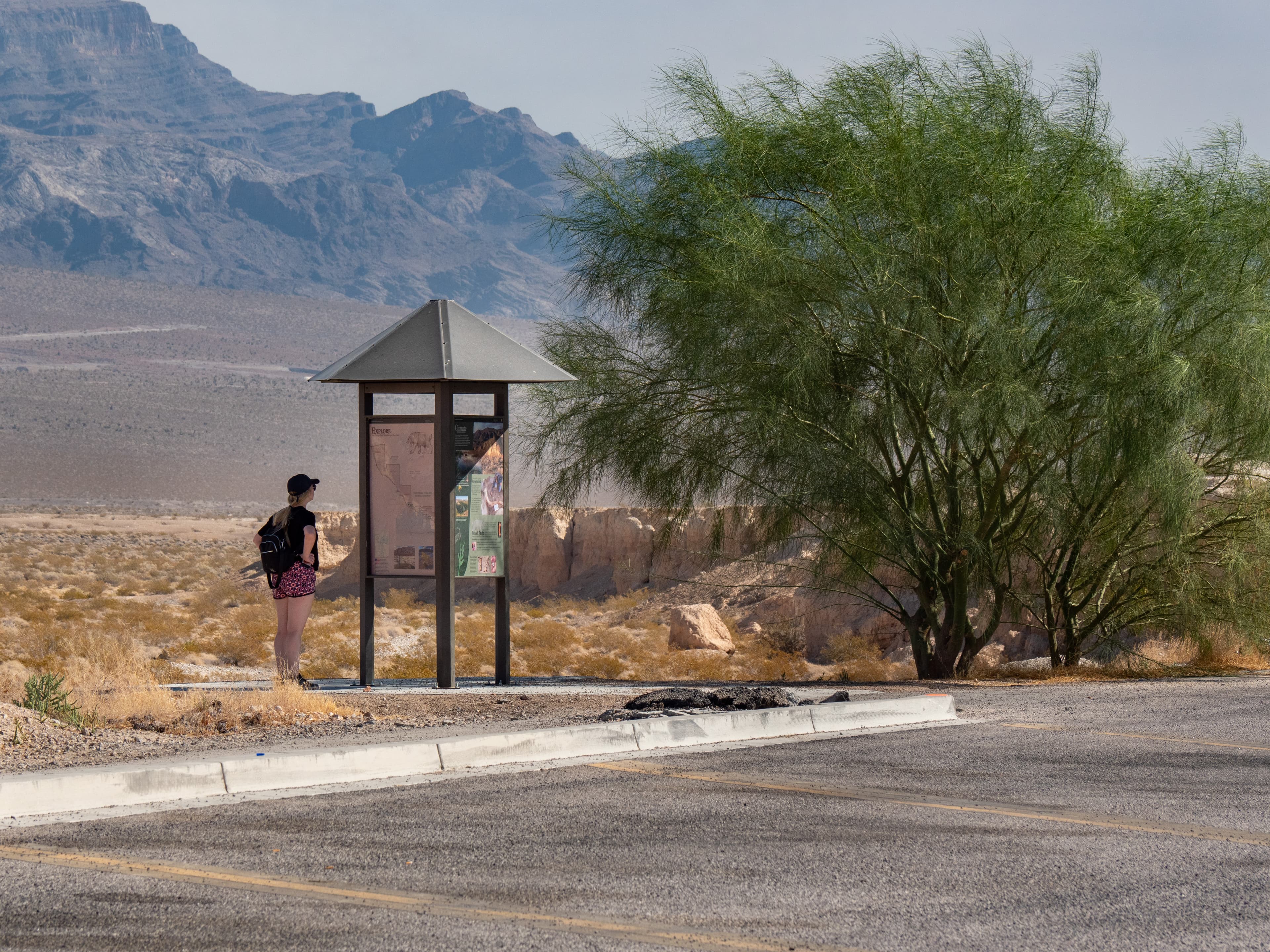
Durango/Moccasin Kiosk
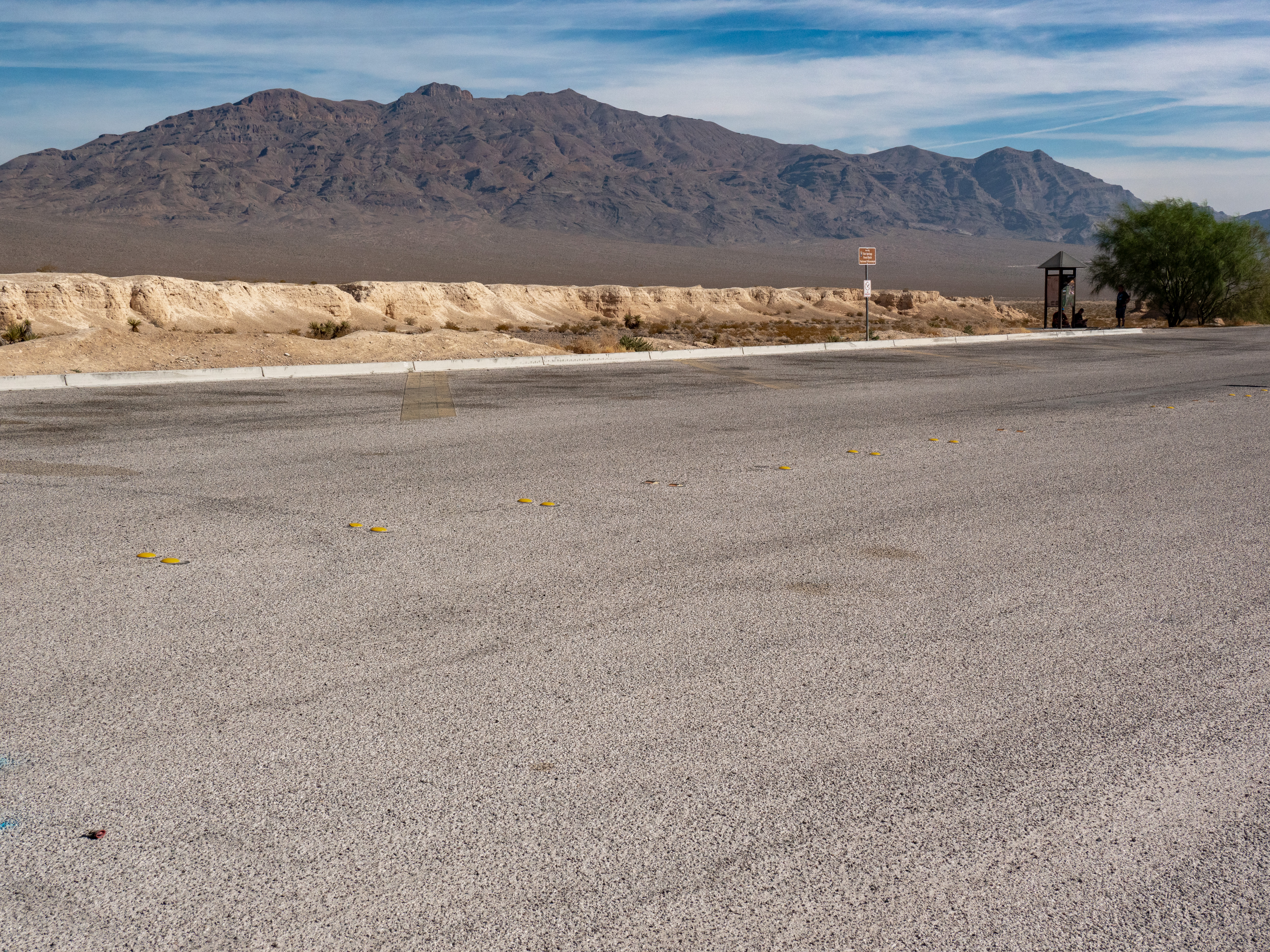
Durango/Moccasin Parking Lot
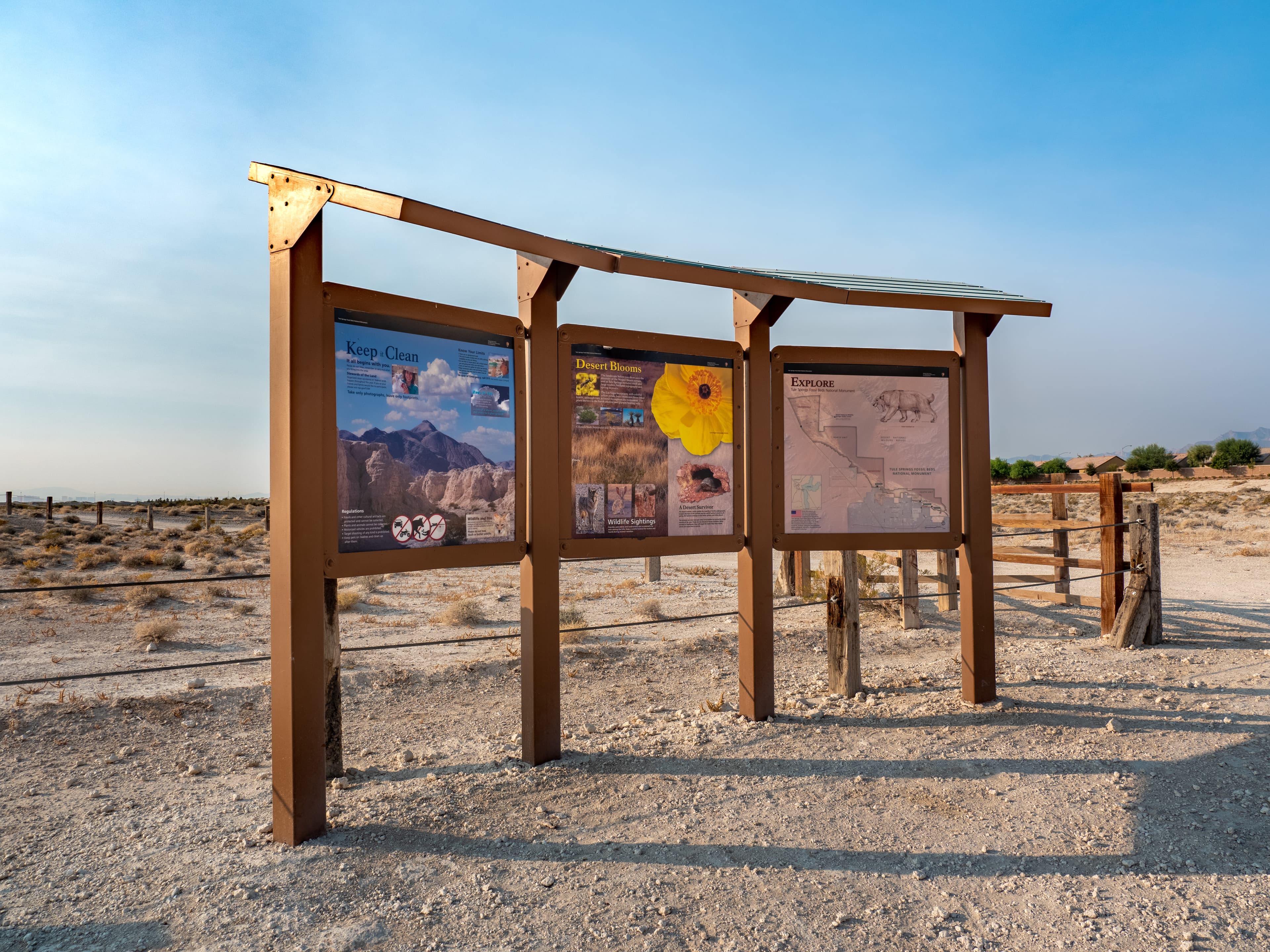
Eglington Preserve Kiosk
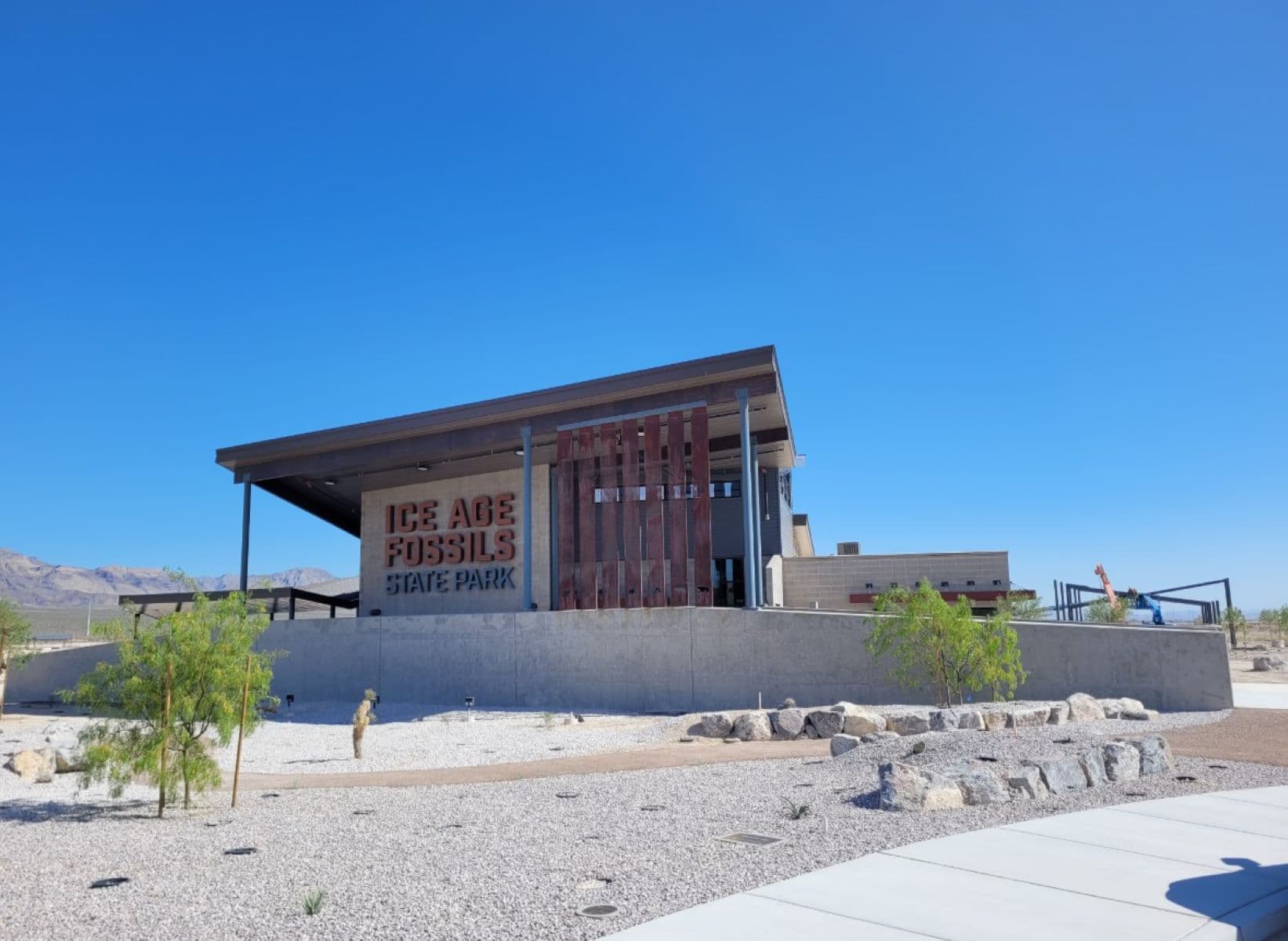
Ice Age Fossils State Park Visitor Center
audio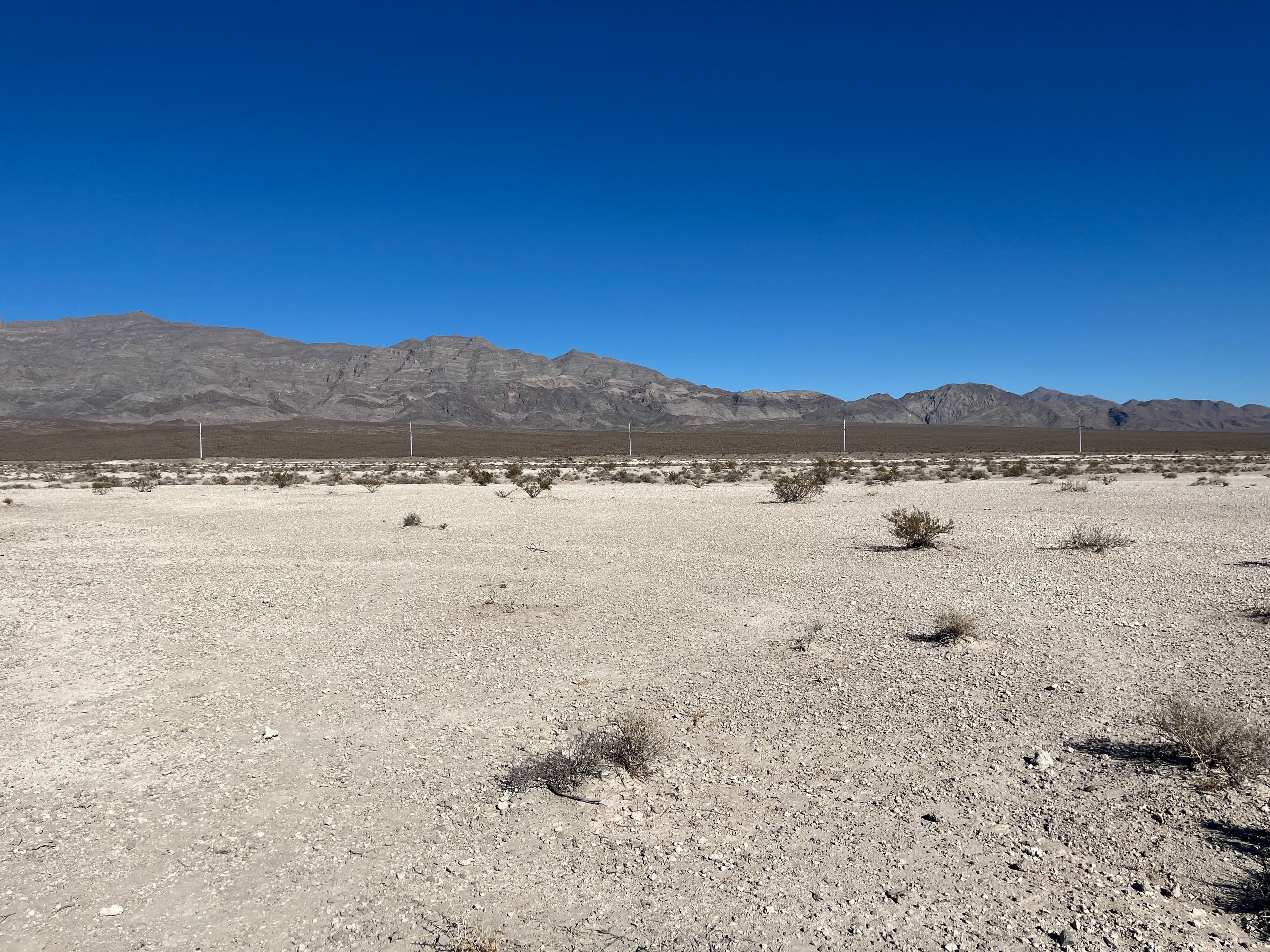
Stop 1: Aliante Loop Tour
audio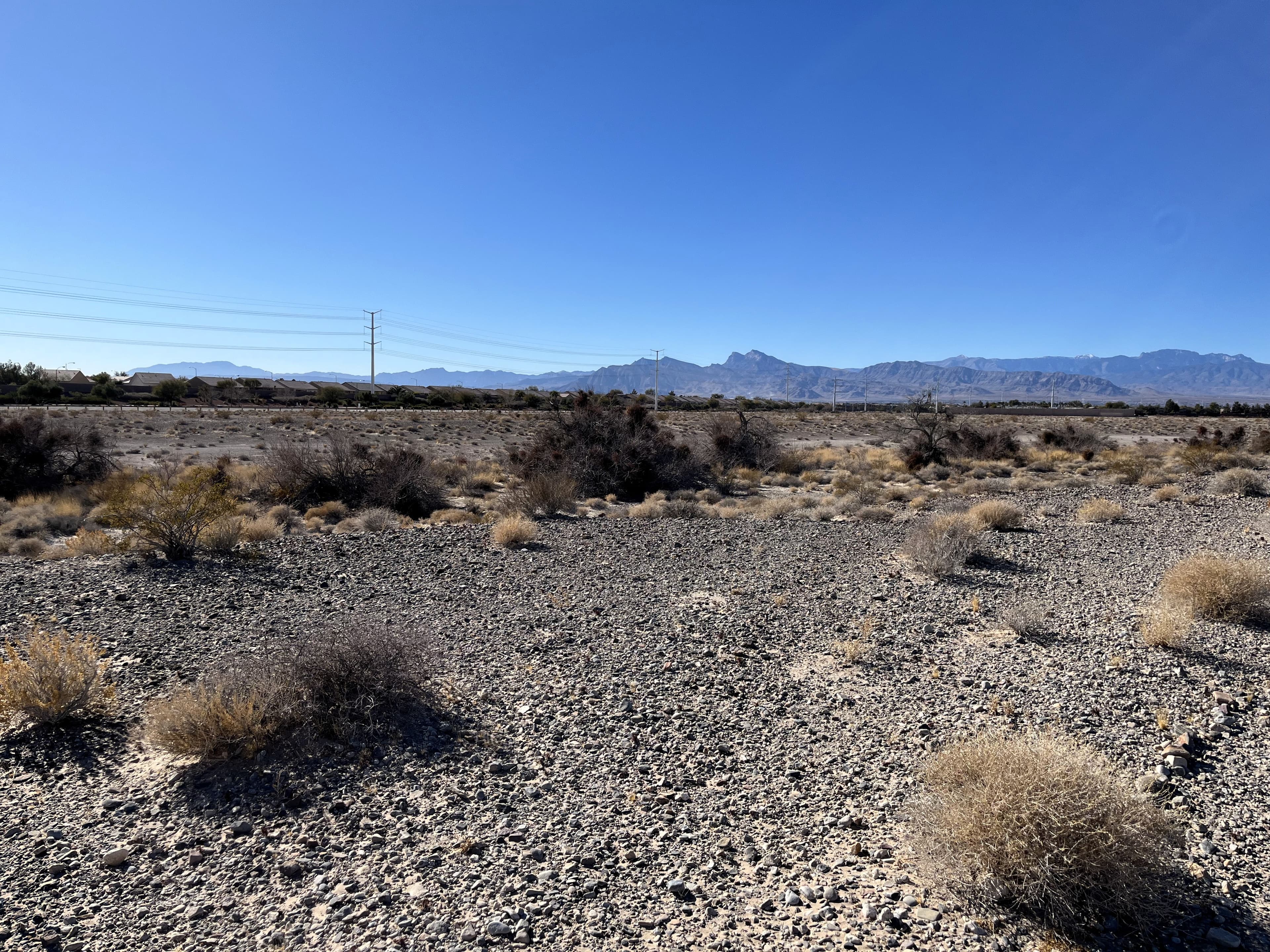
Stop 2: Aliante Loop Tour
audio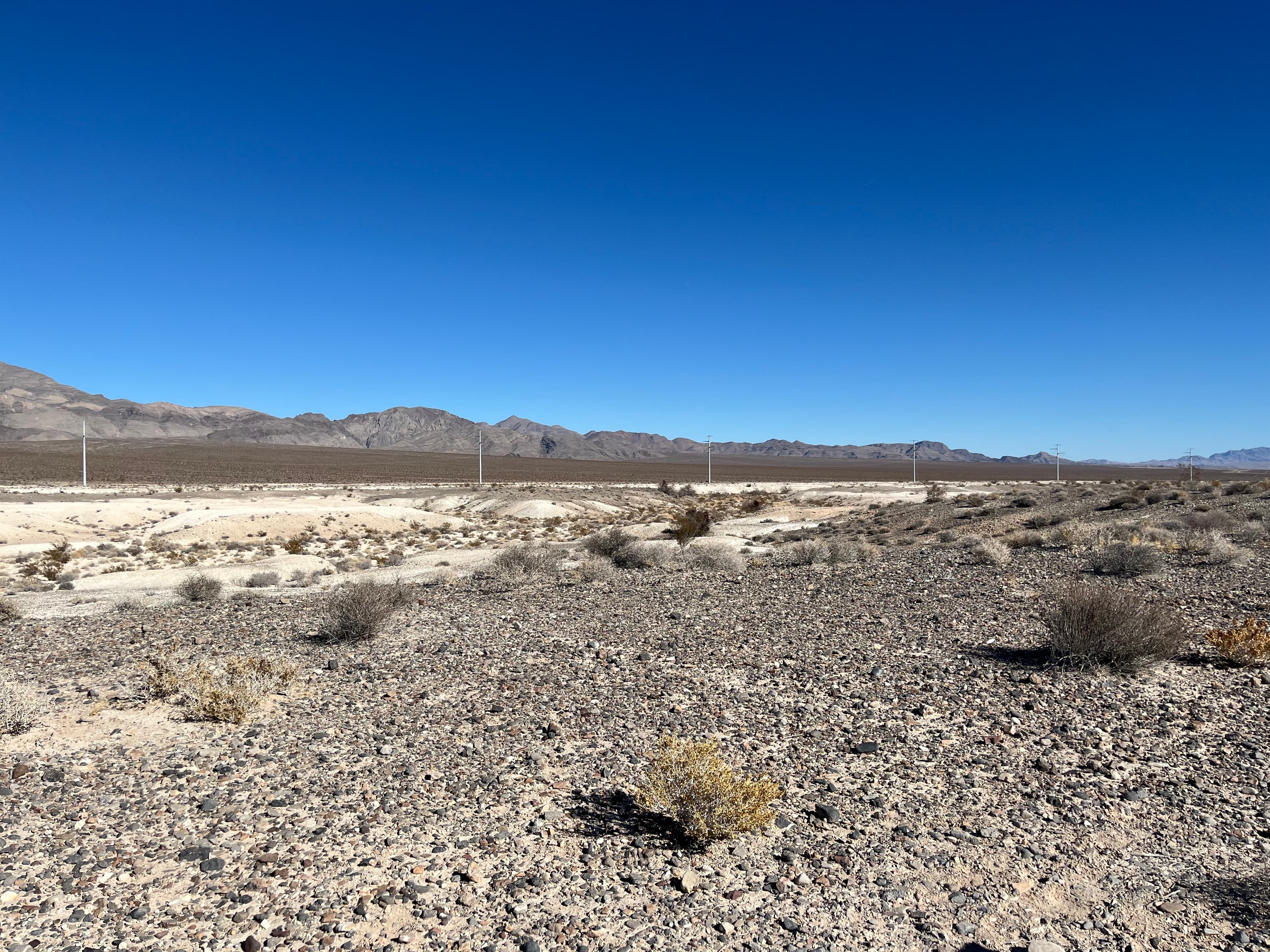
Stop 4: Aliante Loop Tour
audioAudio & media
🎧
🎬
🖼
Learn more
This year, for the first time, the NPS hired a shared paleontologist to support multiple parks in the same region. Dr. Aubrey Bonde was selected as the Southern Network Paleontologist to support five parks throughout Southern Nevada and California.
Derek Carter is the new Superintendent of Tule Springs Fossil Beds National Monument, a rich Pleistocene fossil site northwest of Las Vegas, Nevada. Management of this site, which is both recently established and adjacent to a growing metro area, has numerous challenges and opportunities. Superintendent Carter looks to address visitor experience, scientific research, and resource management.
Mammoths, mastodons, and other proboscideans are among the most familiar fossil organisms. An inventory complied by Jim Mead and others documents the occurrences of these animals in 63 National Park Service units.
Although some species have gone extinct, bison have lived in North America for hundreds of thousands of years. Herds of now-extinct bison once lived in what is now Tule Springs Fossil Beds National Monument during the Pleistocene epoch, between 100,000-12,500 years ago.
Horses first evolved in North America during the Eocene epoch and adapted to the changing climate over tens of millions of years. <em>Equus scotti</em> was one of the last of the native North American horses and had a wide distribution over the continent, before it went extinct 10,000 years ago.
The Cenozoic Era (66 million years ago [MYA] through today) is the "Age of Mammals." North America’s characteristic landscapes began to develop during the Cenozoic. Birds and mammals rose in prominence after the extinction of giant reptiles. Common Cenozoic fossils include cat-like carnivores and early horses, as well as ice age woolly mammoths.
Across the US, changes in water availability are altering which plants grow where. These changes are evident at a broad scale. But not all areas experience the same climate in the same way, even within the boundaries of a single national park. A new dataset gives park managers a valuable tool for understanding why vegetation has changed and how it might change in the future under different climate-change scenarios.
The Columbian mammoth is the largest and most identified extinct large mammal found in the Las Vegas Formation at Tule Springs Fossil Bed National Monument. Columbian mammoths belonged to the same family as living elephants.
Ranger School
Park-grounded courses you can learn with the Ranger.
Climate Change & Bird Range
Open →
Climate Change: Past, Present, and Future
Open →
Owl Pellets from the Past
Open →
Stratigraphic Column Formation Sandwich
Open →
What's for Dinner?
Open →
How Tule Springs Fossil Beds National Monument connects
This park's activities, topics, location, and on-the-ground places — one hop in the graph. Drag to explore; click an activity, topic, or related park to follow it.
Park
Activity
Topic
State
PassportStamp
ParkingLot
Trail
ThingToDo
Alert
Similar parks
Share activities & topics with Tule Springs Fossil Beds National Monument.