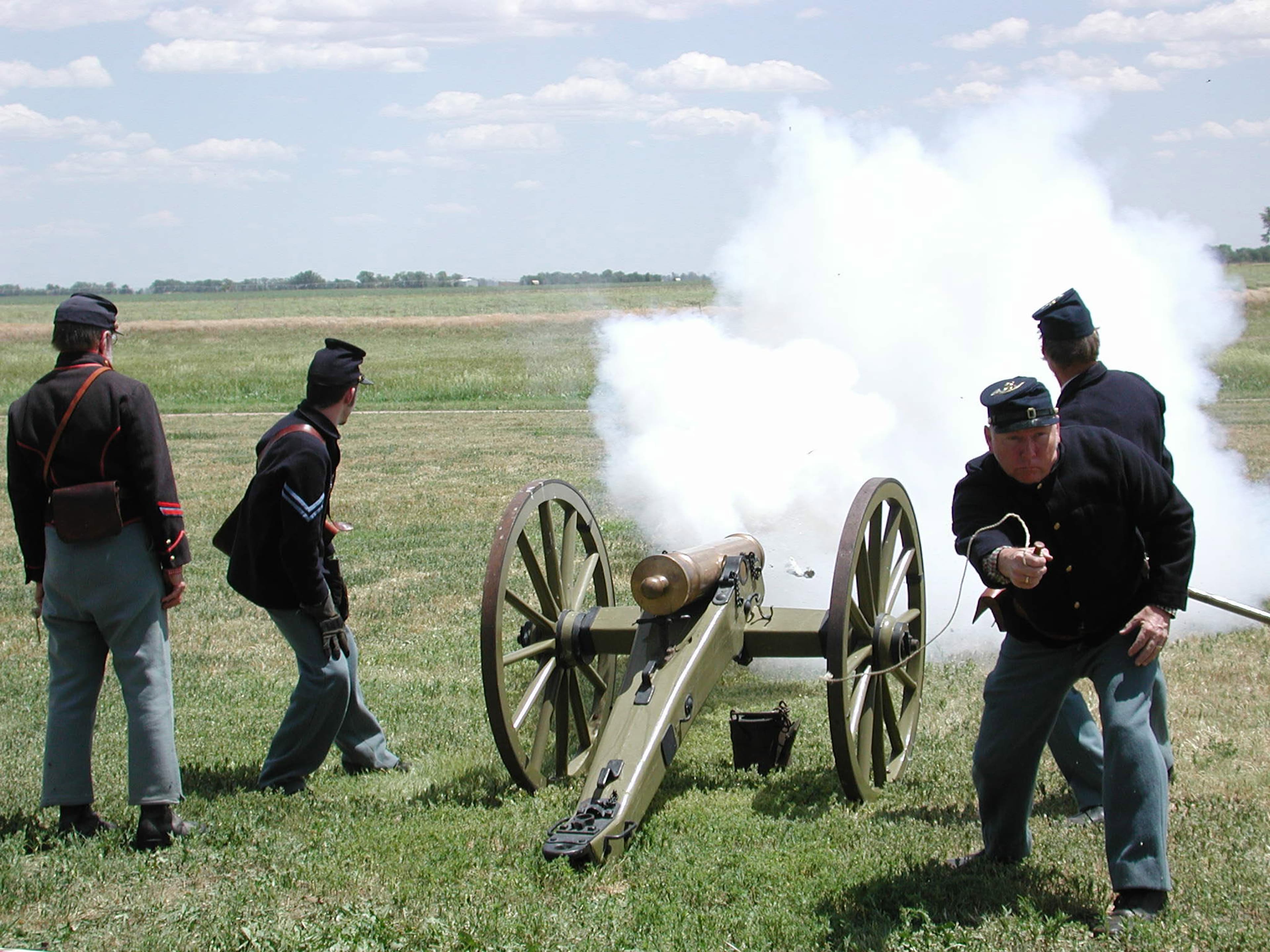
Fort Larned National Historic Site
Kansas
Tonight
🌓 65% moon
8.8 h fully dark
Crowds
low
Open today
Open
Park Grounds and Historic Buildings: closed Nov 26 – Nov 26; Park Grounds and Historic Buildings: closed Dec 25 – Dec 25
Entrance
Free entry
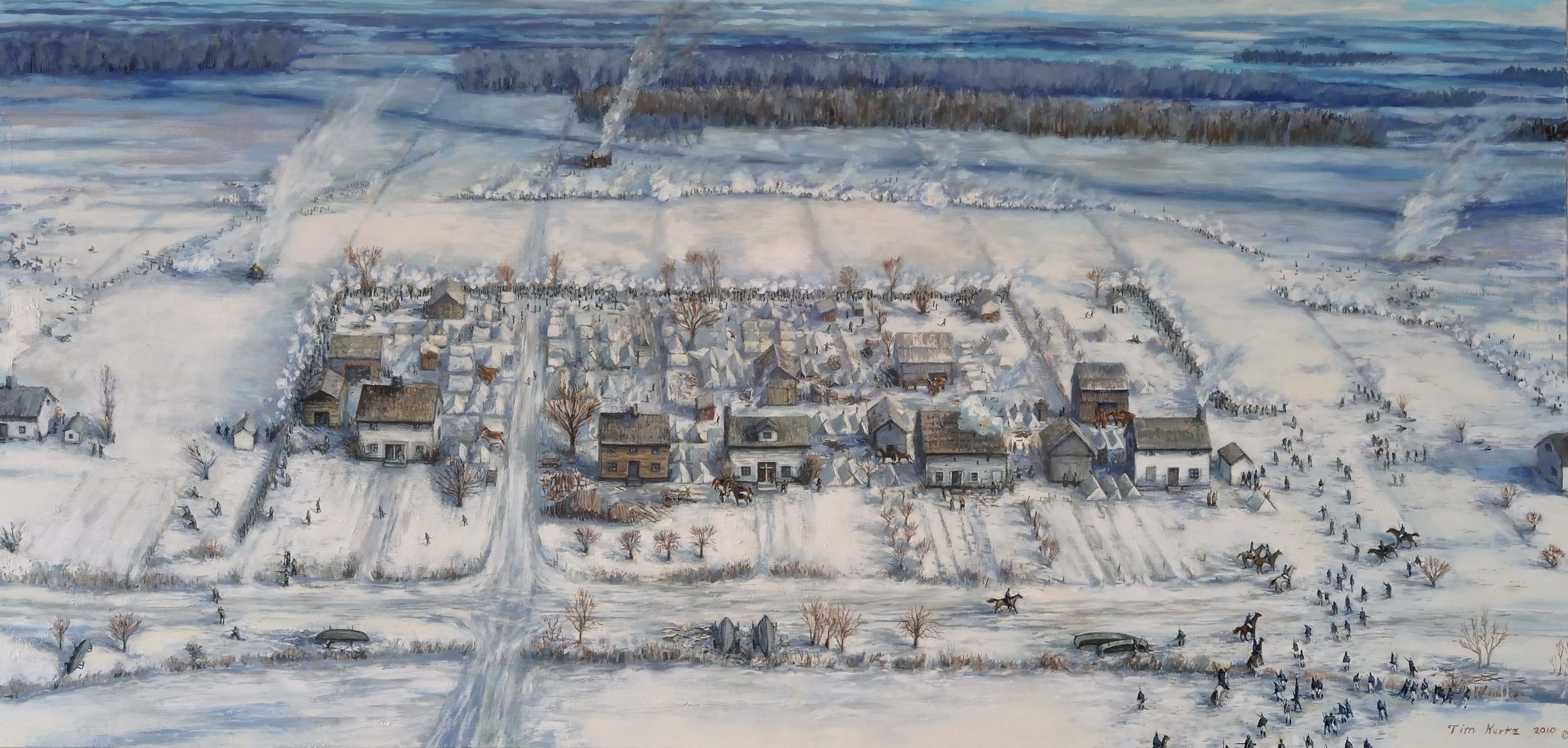
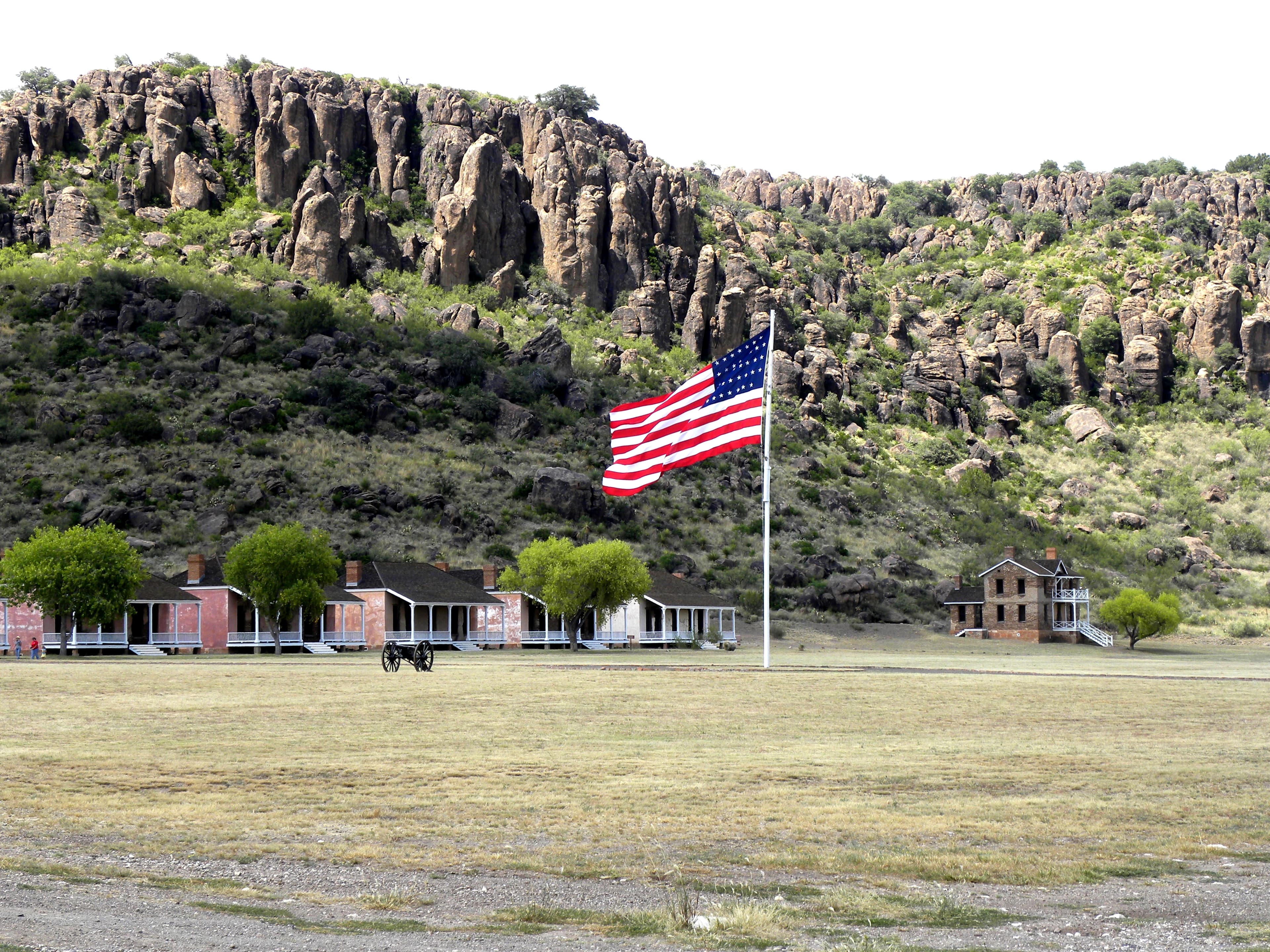
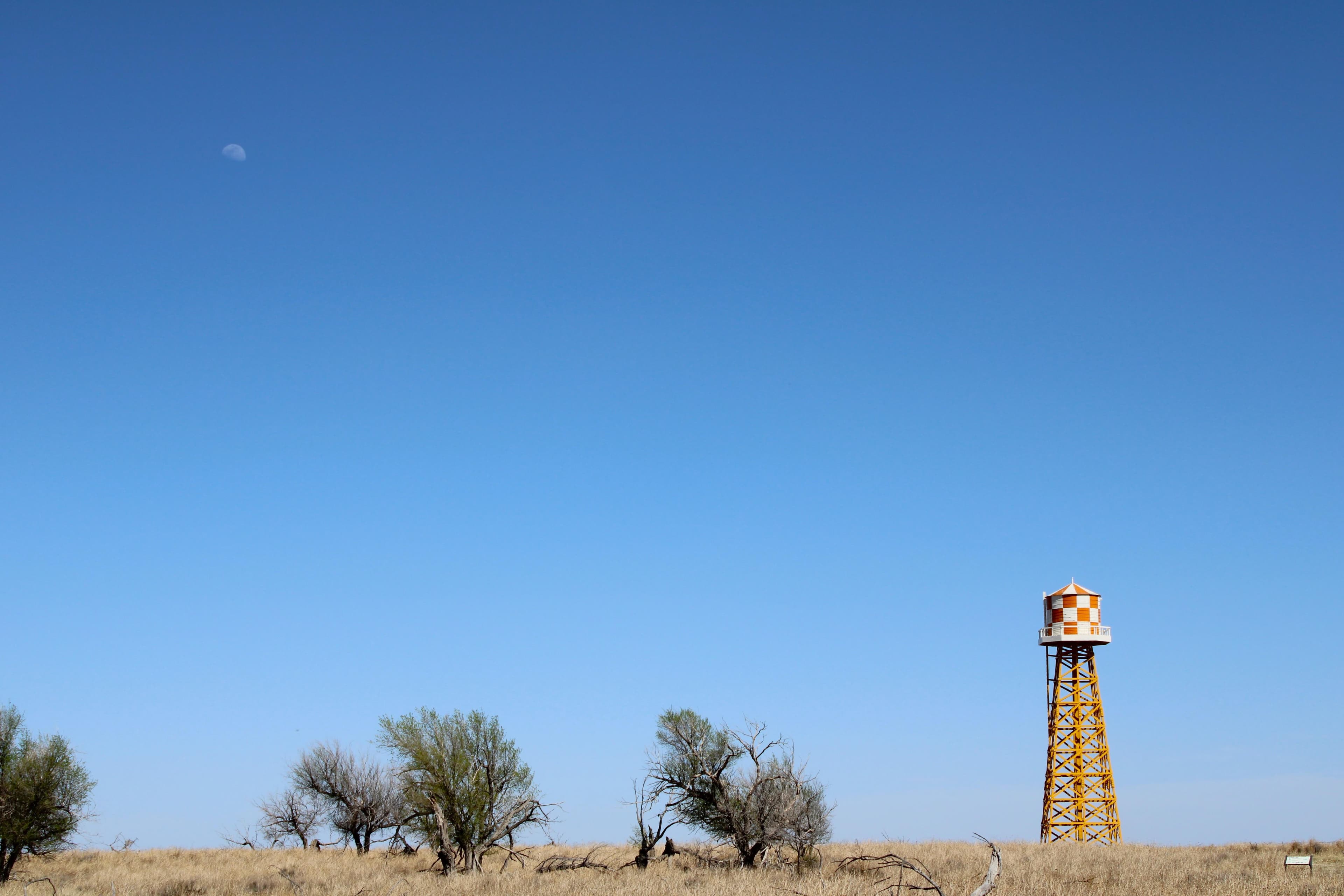
Discover a complete and authentic army post from the 1860s -1870s! This well-preserved fort on the Santa Fe Trail shares a tumultuous history of the Indian Wars era. The sandstone constructed buildings sheltered troops who were known as the Guardians of the Santa Fe Trail.
Activities
Topics
No entrance fee.
Hours & seasons
Staff begin closing the grounds and visitor center at 4:30 p.m. The parking lot gate is closed and locked for the night at 5 p.m.
⚠ Park Grounds and Historic Buildings: closed Nov 26 – Nov 26; Park Grounds and Historic Buildings: closed Dec 25 – Dec 25
Generally open:
winterspringsummerfallHours are reported by the park — verify before you go.
📞 620-285-6911
✉ fols_internet@nps.govConditions
Quietest months (fewer crowds): Jan, Feb, Nov, Dec
Typical crowds: low
Weather now: ☁️ Overcast, 68°F
🌧️ 73°/65°
🌦️ 75°/59°
☁️ 82°/61°
Typical monthly recreation visits · NPS avg 2023–2025 — orange months are the quietest by crowds.
Quietest months
Relative crowds by month — lighter is quieter; ringed months are the calmest by crowds.
Jan
16%
Feb
18%
Mar
41%
Apr
60%
May
100%
Jun
87%
Jul
94%
Aug
72%
Sep
55%
Oct
44%
Nov
30%
Dec
34%
Log a sky reading
Measured the sky with an SQM meter or app? Add your reading (16 = city glow … 22 = pristine). Opt in under “Travelers like you” to share it on the community leaderboard.
Things to do
Fort Larned Living History
Visit the Fort Larned Blacksmith
Picnic at Fort Larned
Hike the Fort Larned History & Nature Trail
Tour Fort Larned with a Ranger
Tour Fort Larned's Original Sandstone Buildings
Fort Larned Visitor Center
See Santa Fe Trail Ruts · 5.5 mi
Visitor centers
Fort Larned Visitor Center
Accessibility
11 audio-described place(s)
Reported by the park — verify before you go.
Not an official safety source — always defer to NPS.gov and rangers for life-safety decisions.
By the numbers
A visual read on Fort Larned National Historic Site — its character, trails, sky, and weather.
Park fingerprint
How this park scores across the dimensions travelers care about.
Trail difficulty
Difficulty mix across this park's trails.
3-day forecast
Daily high and low temperatures (°F).
People & stories
Figures tied to Fort Larned National Historic Site — each spans a cross-park journey.
Edward Wynkoop
— Indian Wars, Cheyenne And Arapaho Tribes, CheyenneLittle Heart
— People Of Fort LarnedPrivate Adolph Hunnius
— People Of Fort Larned, Fort Larned, Frontier ArmyWinfield Scott Hancock
— Civil War, Military Leaders, GeneralPassport stamps
Mark the stamps you've collected — they show in your memory and along your routes.
🎫 Fort Larned Visitor Center
🎫 Santa Fe Trail Center
Places to see
Cheyenne Bottoms Wildlife Area
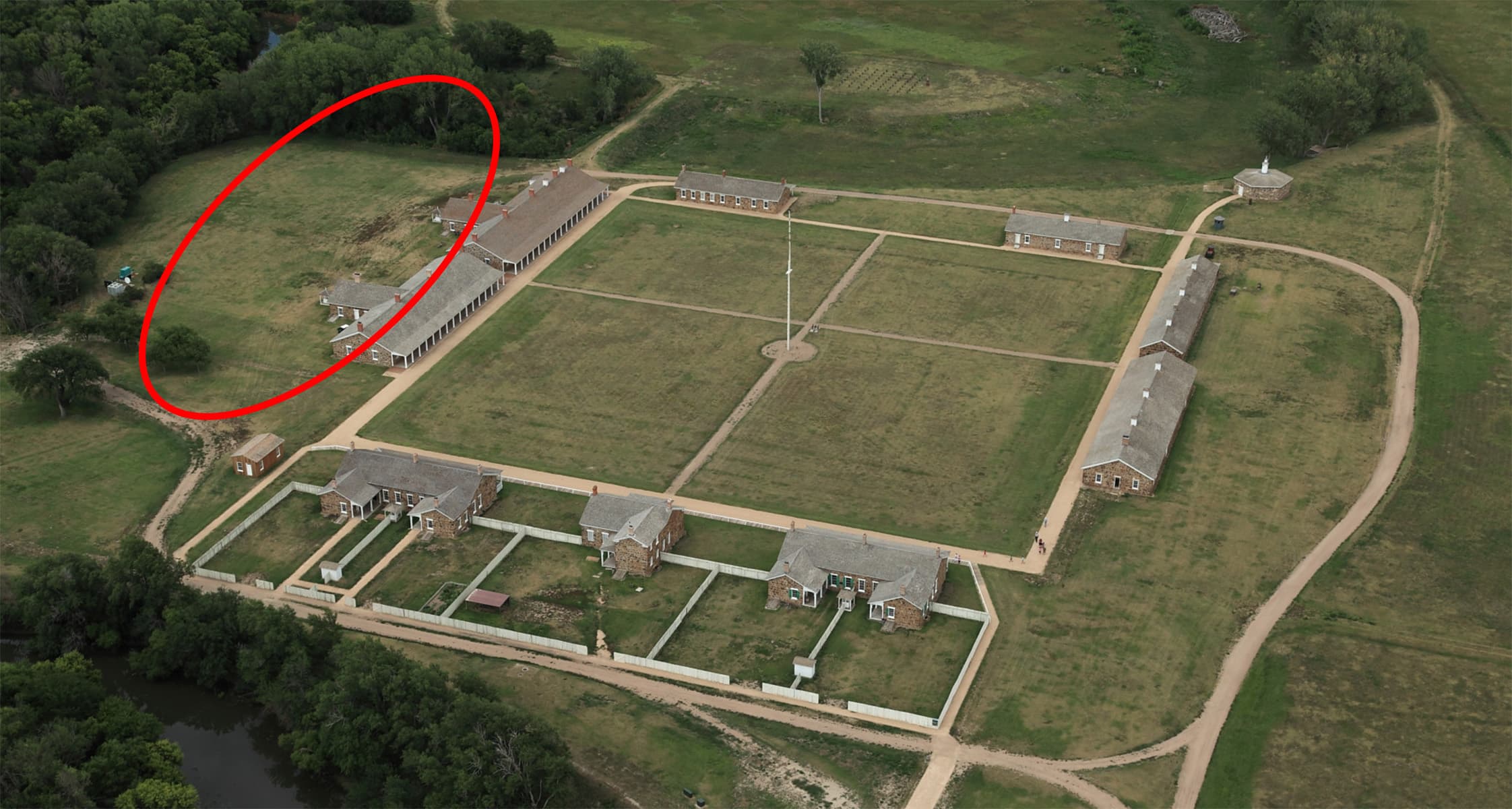
Early Fort Structures
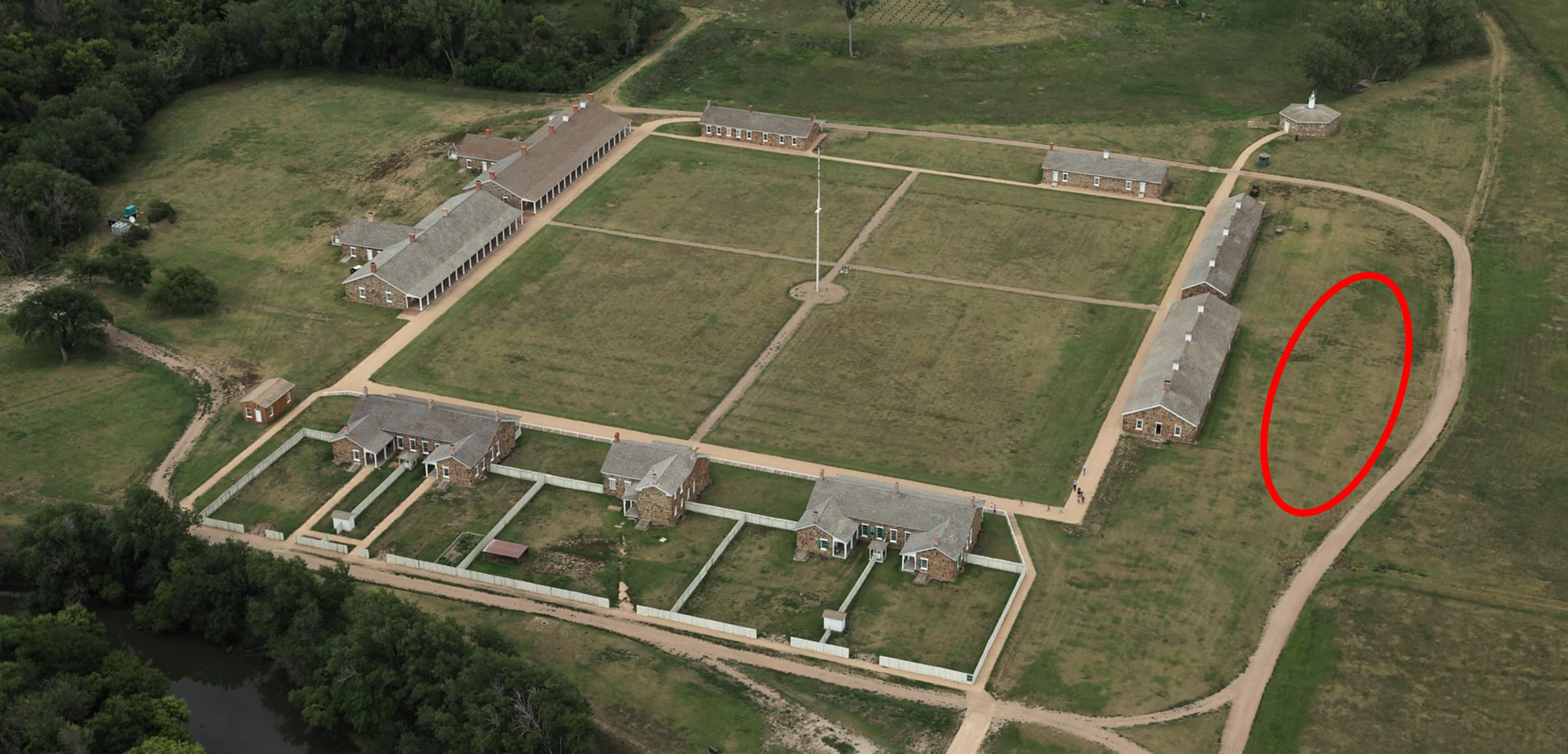
Early Officers' Quarters at Fort Larned
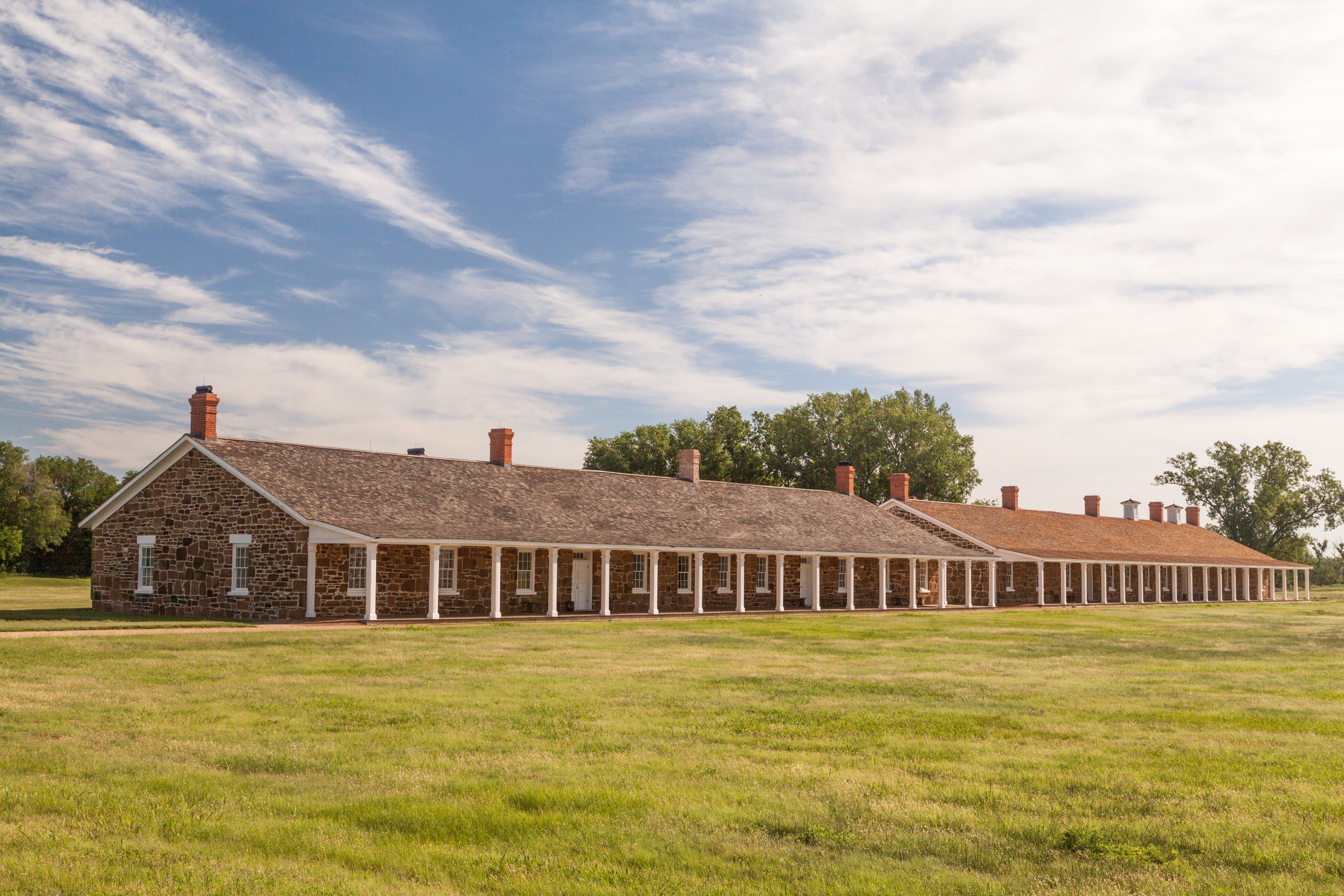
Enlisted Barracks & Post Hospital
audio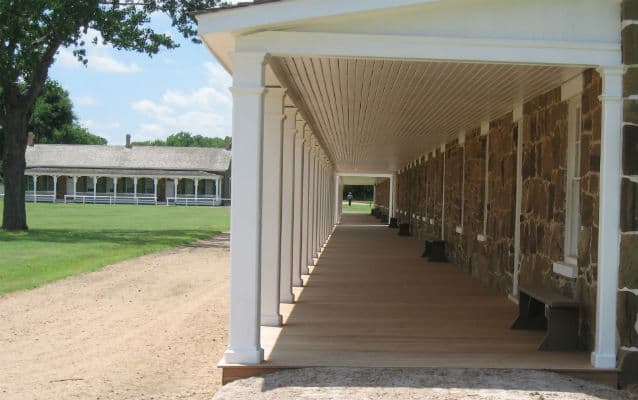
Fort Larned
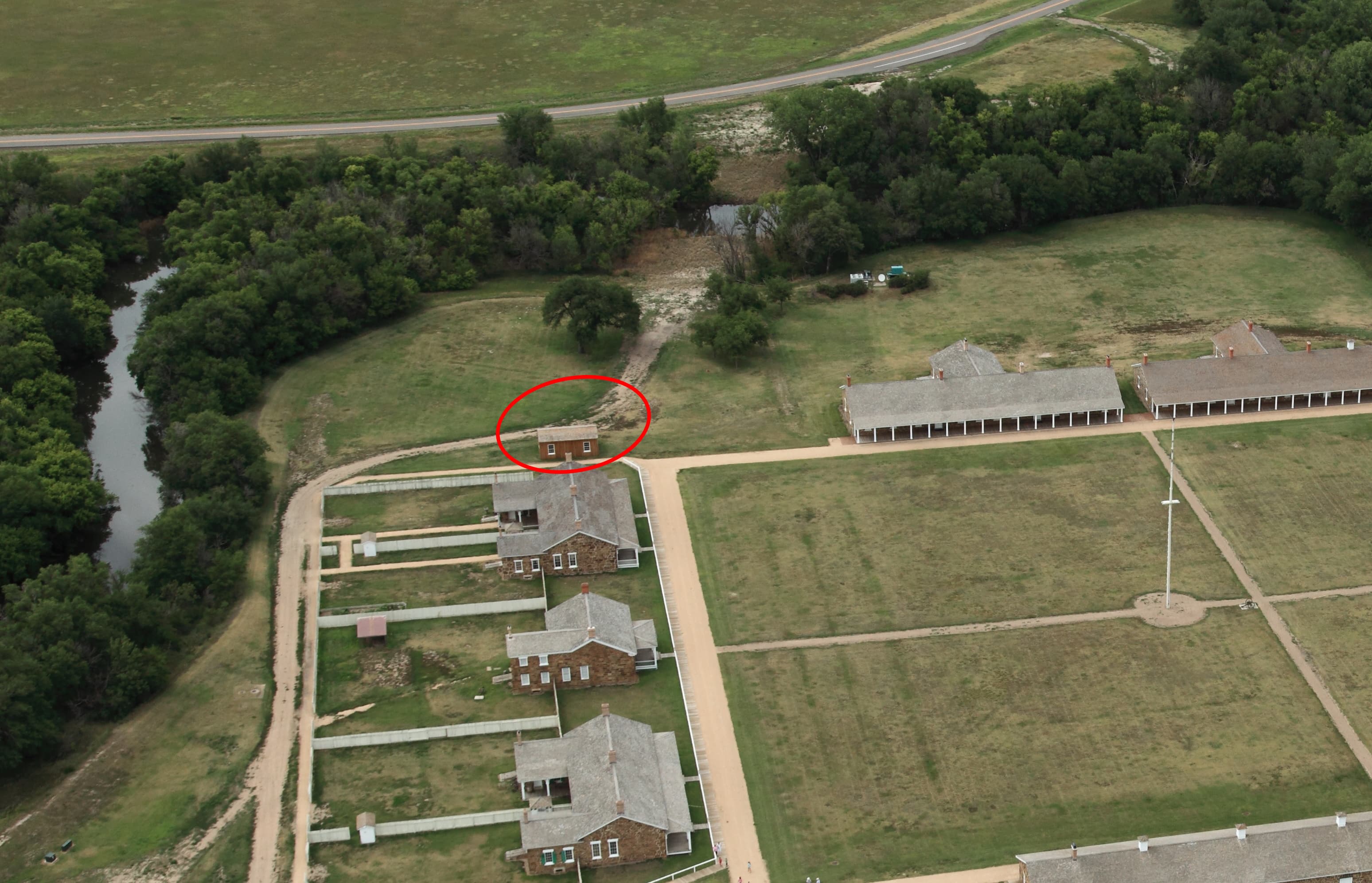
Fort Larned Adjutant's Office
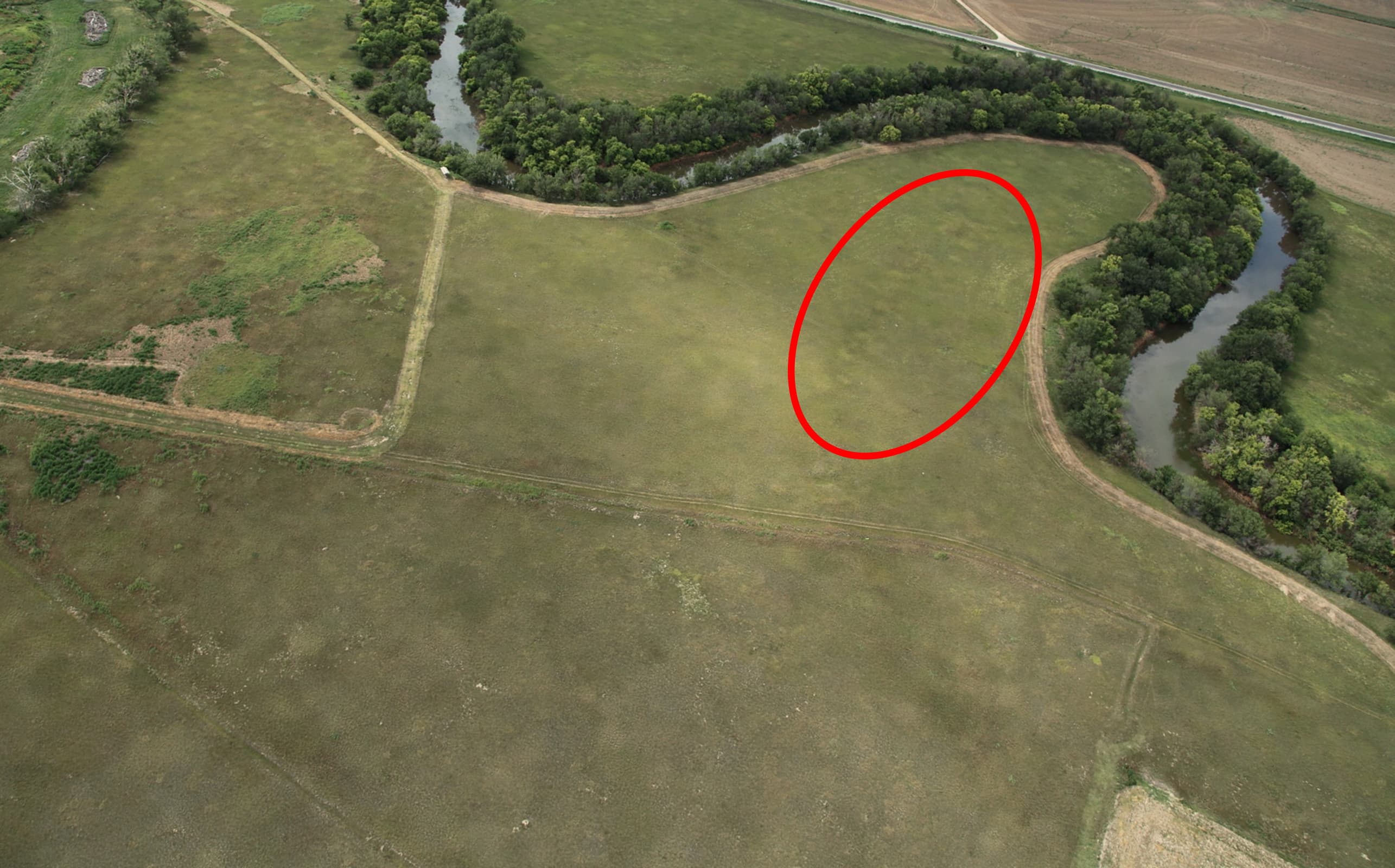
Fort Larned Beef Corral
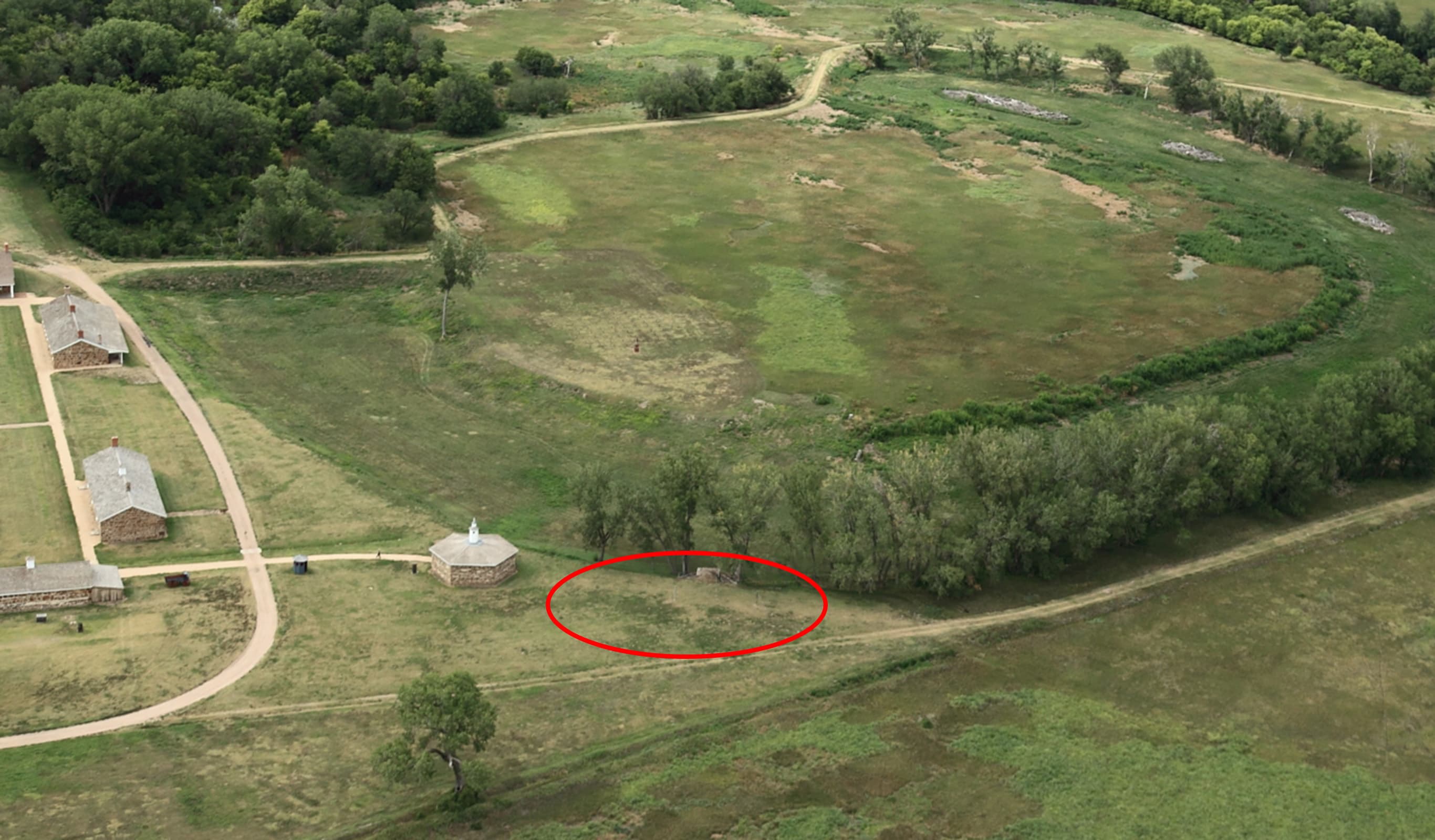
Fort Larned Cavalry Stables & Dugout
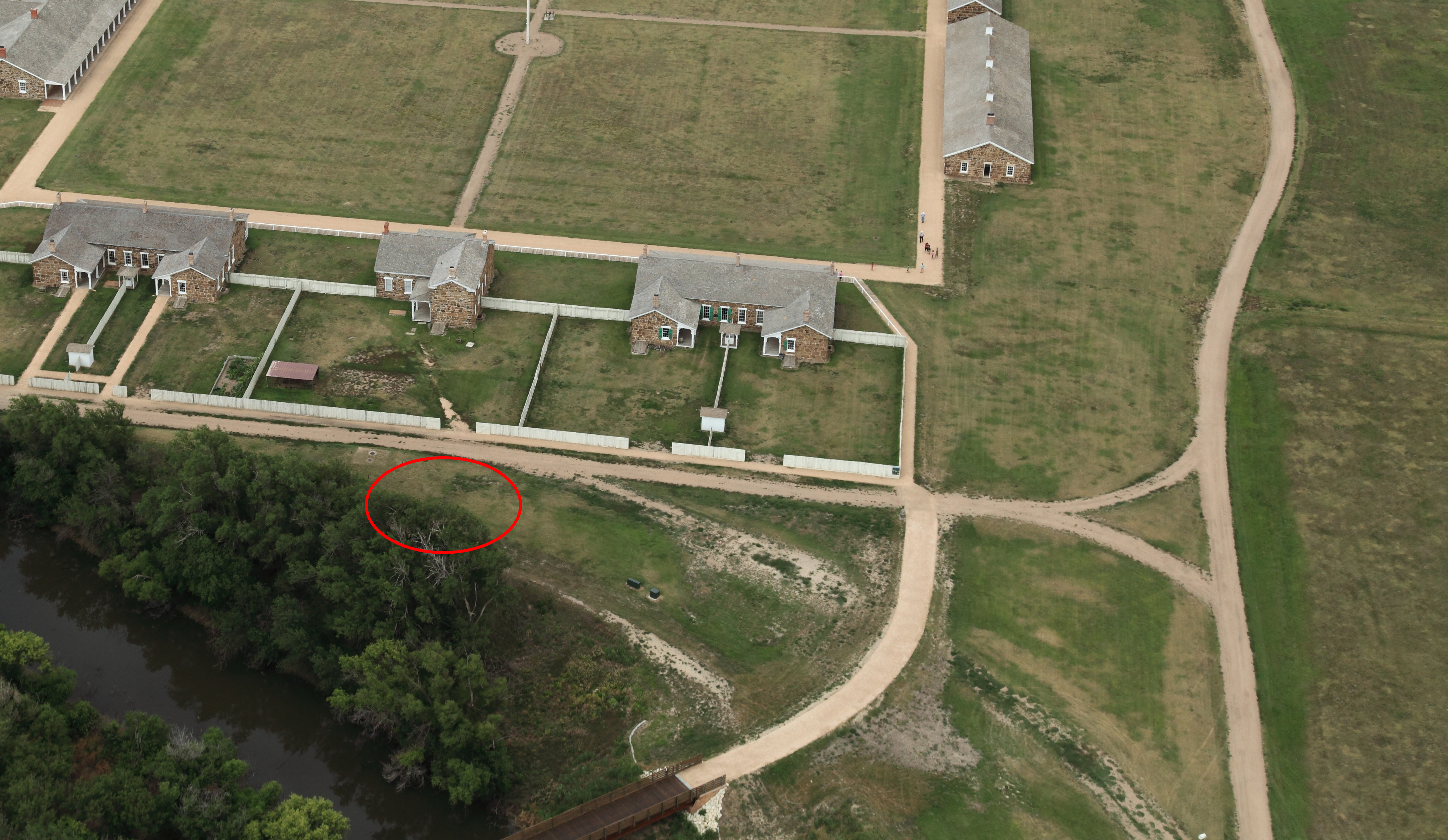
Fort Larned Dugout
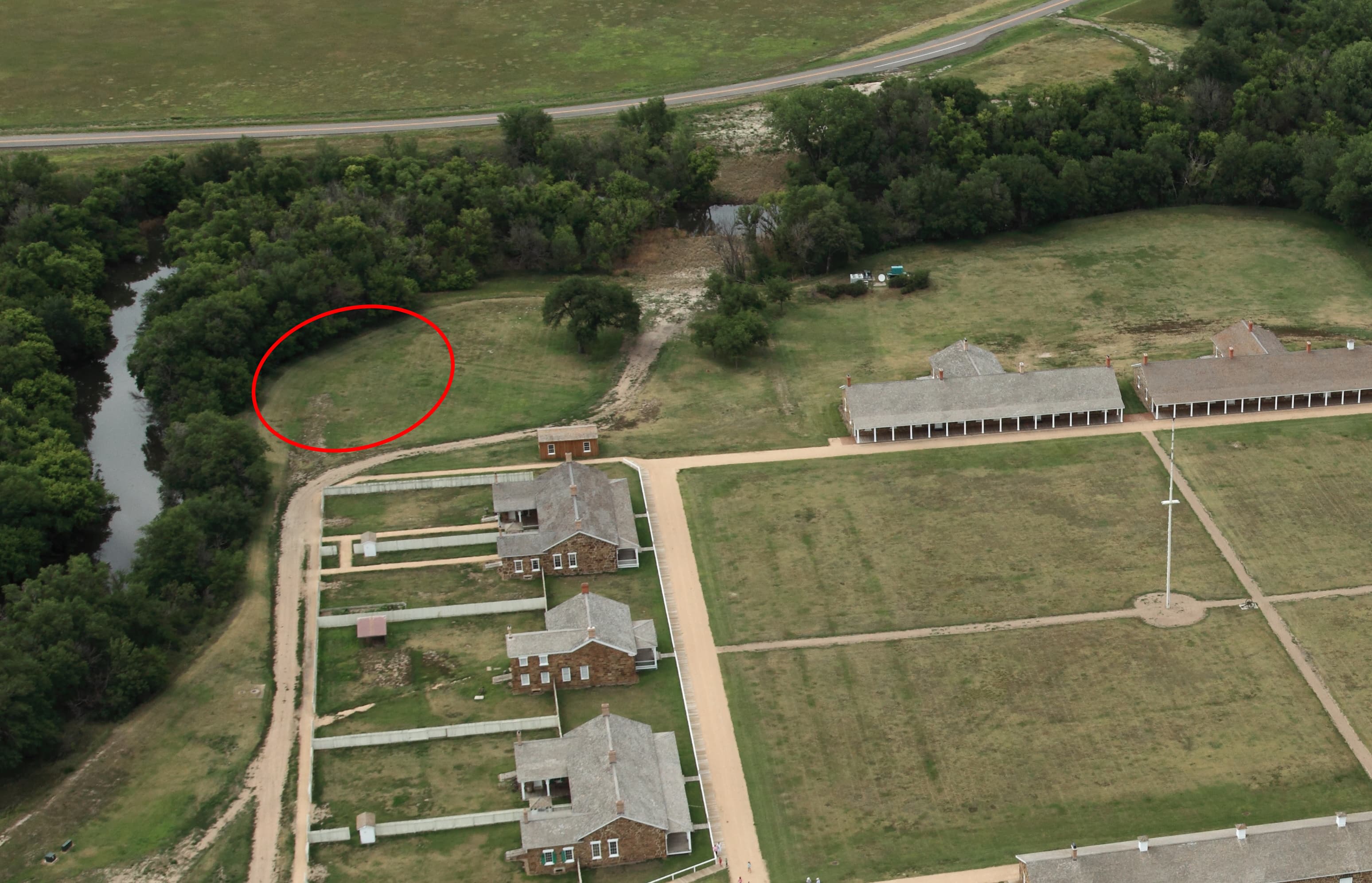
Fort Larned Ice House
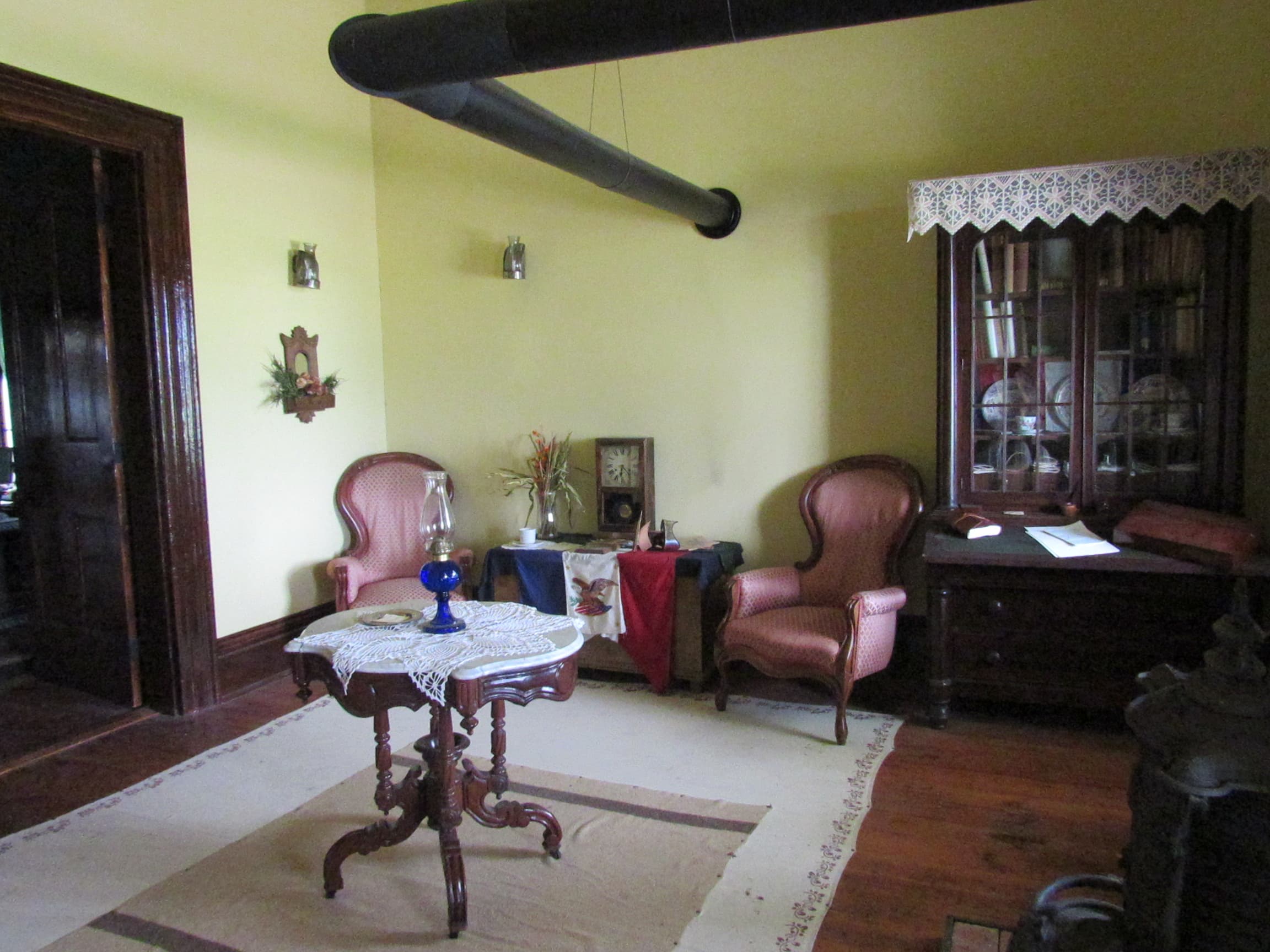
Fort Larned North Officers' Quarters
audio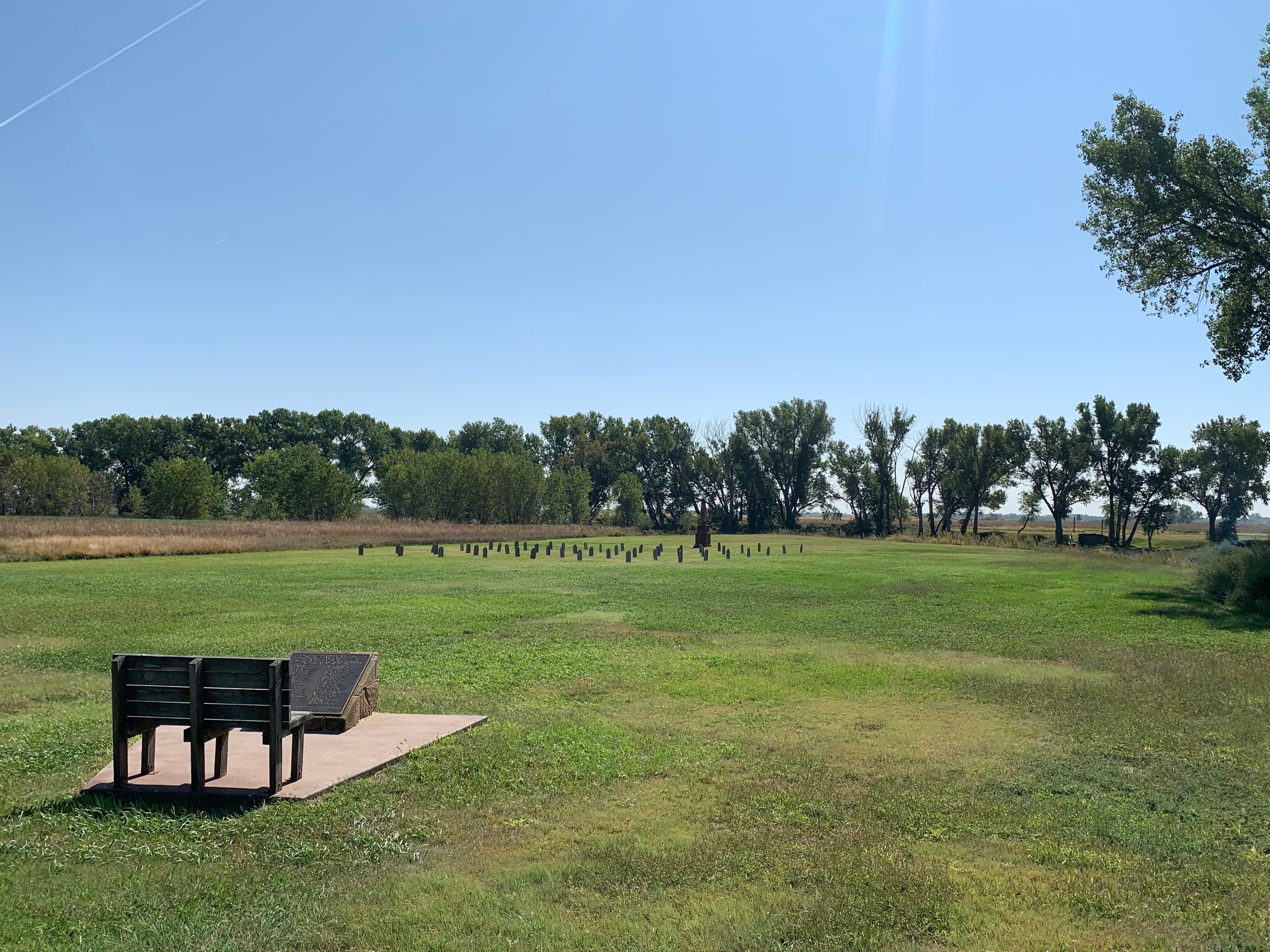
Fort Larned Post Cemetery
Audio & media
🎧
🎬
🖼
Learn more
Co. A of the 10th U.S. Cavalry was stationed at Fort Larned from April 1867 to January 1869. Although they served with dedication, their time at the fort was troubled by racial prejudice.
When the climate changes enough, the vegetation communities growing in any given place will also change. Under an expanded bimodal climate zone, some plant communities in western national parks are more likely to change than others. National Park Service ecologists and partners investigated the future conditions that may force some of this change. Having this information can help park managers decide whether to resist, direct, or accept the change.
The life of a soldier in the frontier army was not an easy one. Being stationed at a post like Fort Larned could be lonely, but they still kept themselves busy. Follow one soldier on his adventures at Fort Larned.
Both the Clean Air Act and the National Park Service Organic Act protect air resources in national parks. Park resources affected by air quality include scenery and vistas, vegetation, water, and wildlife. Over the past three decades, the National Park Service has developed several internal and cooperative programs for monitoring various measures of air quality.
Over the course of its time as an active army post Fort Larned had many different army units stationed here.
Across the US, changes in water availability are altering which plants grow where. These changes are evident at a broad scale. But not all areas experience the same climate in the same way, even within the boundaries of a single national park. A new dataset gives park managers a valuable tool for understanding why vegetation has changed and how it might change in the future under different climate-change scenarios.
Climate change may have direct and/or indirect effects on many elements of Southern Plains network ecosystems, from streams and grasslands to fires and birds.
At Fort Larned National Historic Site, Southern Plains Network scientists take measurements of key resources including climate. We analyze temperature, precipitation, and drought indices to determine if climate is changing and to better understand its effect on natural resources at the park. This report summarizes Water Year 2024 climate and weather data at the park.
Ranger School
Park-grounded courses you can learn with the Ranger.
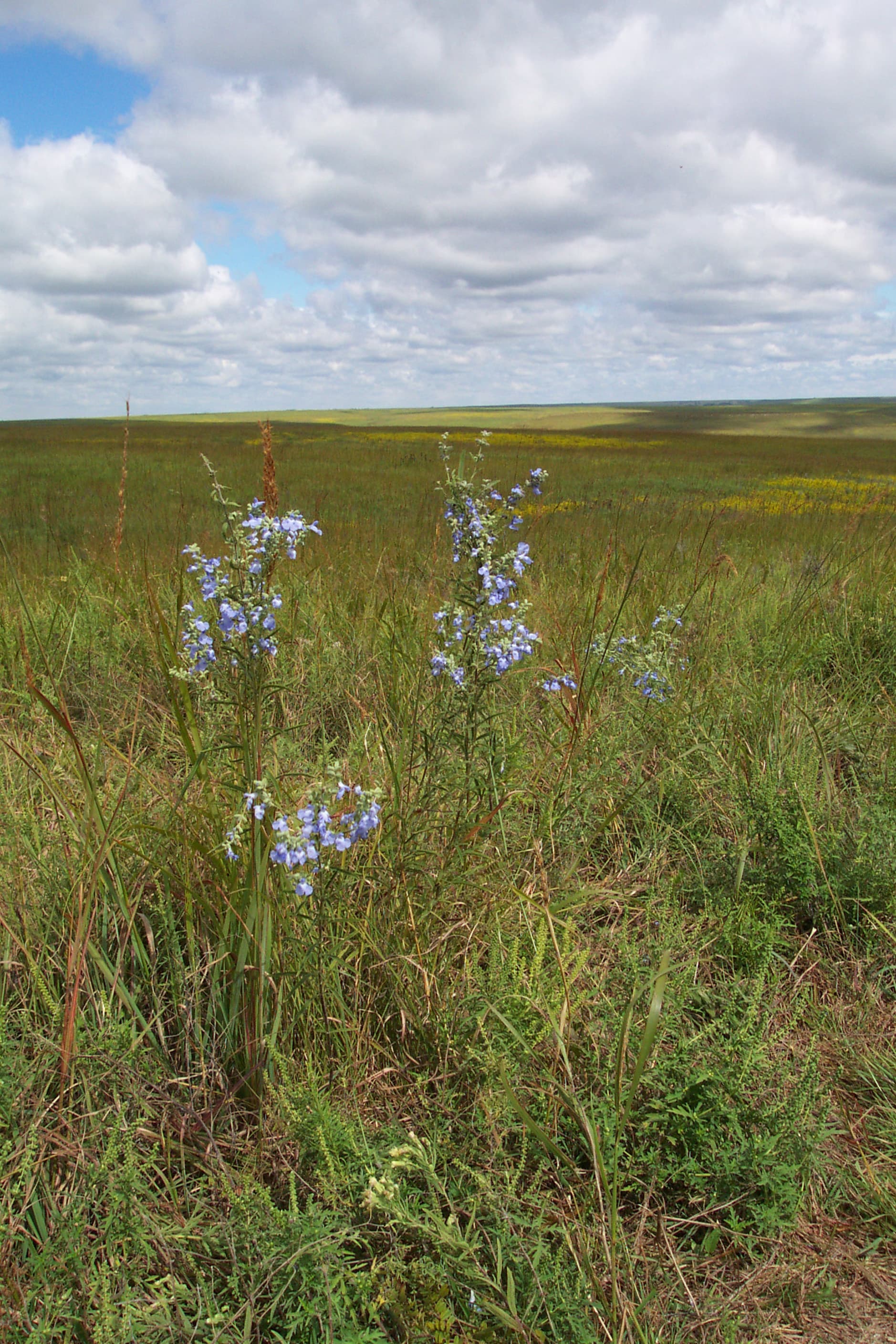
Butterflies, Hummingbirds, and Bees Oh My! Pollinators on the Tallgrass Prairie
Open →
Flowering Plant Reproduction in the Tallgrass Prairie
Open →
Fort Larned Around the Room Scavenger Hunt
Open →
Life at a Frontier Fort
Open →
How Fort Larned National Historic Site connects
This park's activities, topics, location, and on-the-ground places — one hop in the graph. Drag to explore; click an activity, topic, or related park to follow it.
Park
Activity
Topic
State
VisitorCenter
PassportStamp
Trail
ThingToDo
Similar parks
Share activities & topics with Fort Larned National Historic Site.