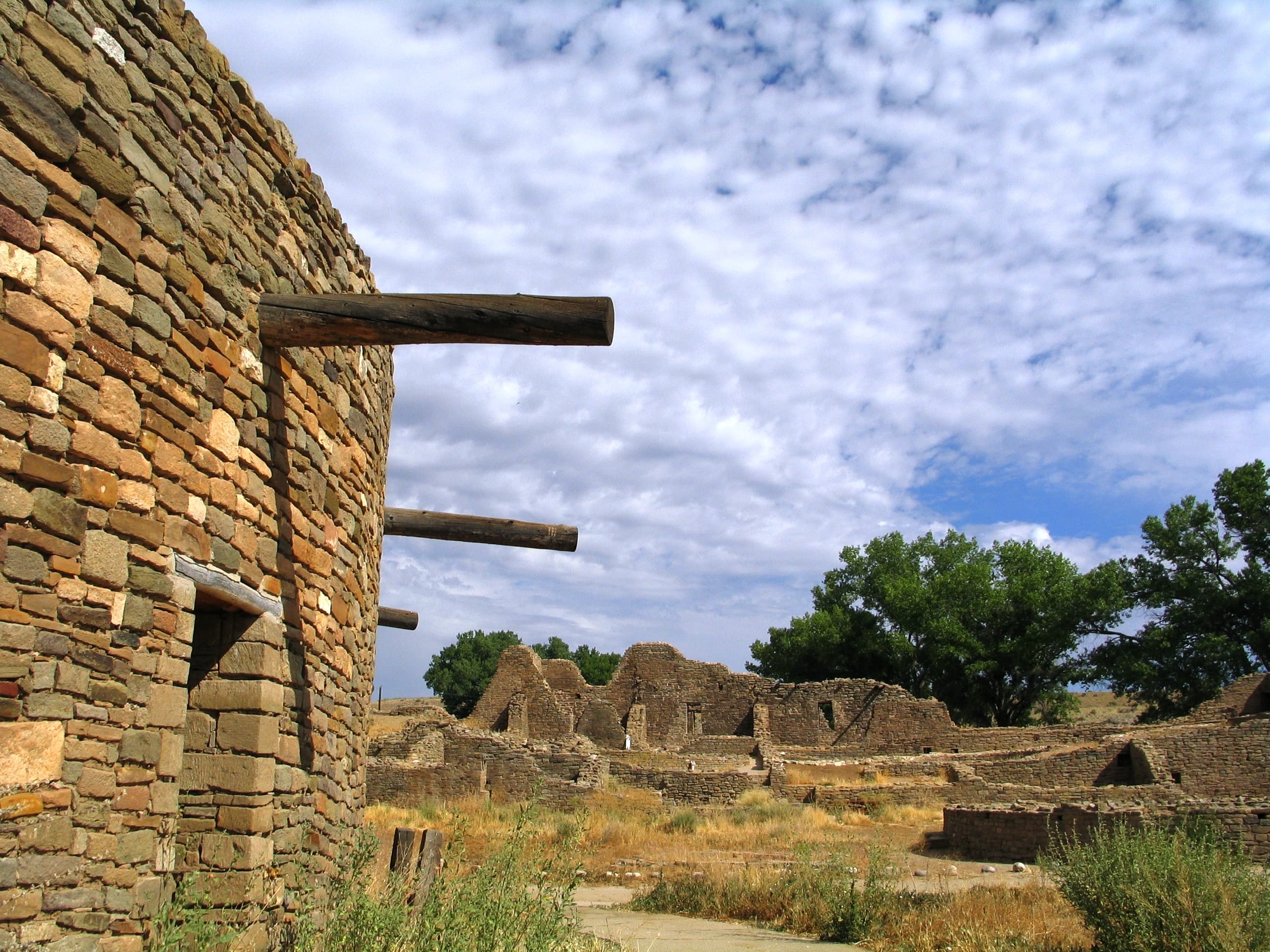
Aztec Ruins National Monument
New Mexico
Tonight
🌓 65% moon
8.9 h fully dark
Hikes
Easy
🟢
Crowds
low
Open today
Open
Entrance
Free entry
Pet Policy
Pets are not allowed inside the visitor center at Aztec Ruins or on the trail through the Aztec West Great House. Pets are welcome in the parking lot, the picnic area, and along the Old Spanish Trail. Service animals are the only exception. Emotional support, therapy, and companion animals are not considered service animals and therefore not permitted in the visitor center or on the trail through Aztec West.
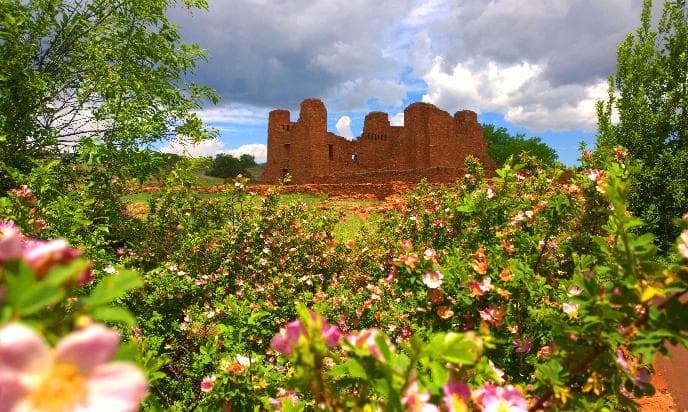
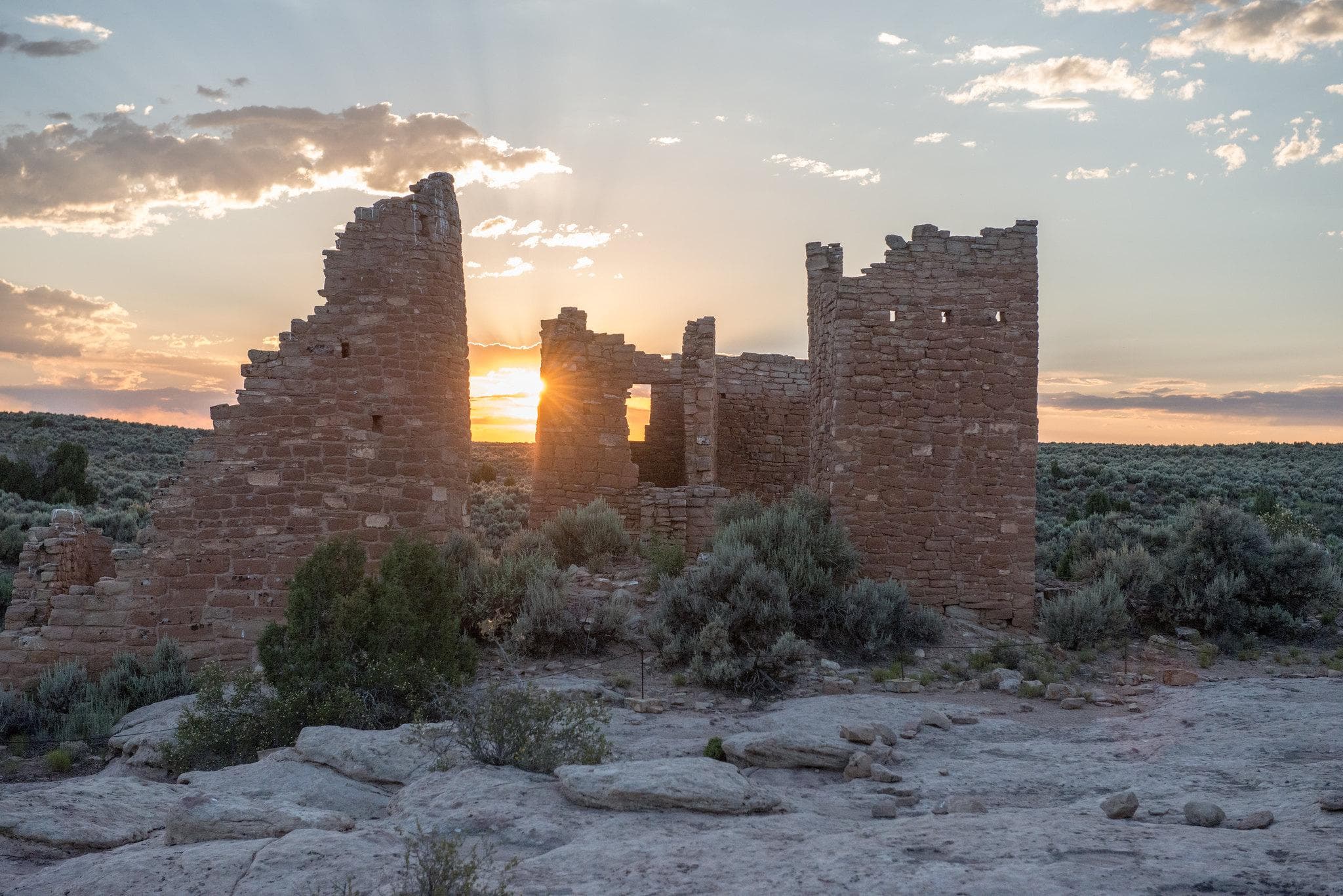
Aztec Ruins has some of the best-preserved Chacoan structures of its kind. Learn more about the ancestral Pueblo people in the park's museum and explore the Aztec West great house to see exceptionally advanced architecture, original wooden beams, and a restored Great Kiva. Aztec Ruins is a deeply sacred place to many Indigenous peoples across the American Southwest. Please visit with respect.
Activities
Topics
No entrance fee.
Hours & seasons
Aztec Ruins National Monument is open to the public from 7:00am-5:00pm, which includes the parking areas, archeological sites, picnic areas, and trails. The visitor center is open from 9:00am-5:00pm daily. The monument and visitor center close on Thanksgiving, Christmas, and New Year's Days. Unless there is a public program scheduled, there is no after-hours access. Vehicles are not permitted to be left in the parking lot after closing.
Generally open:
winterspringsummerfallHours are reported by the park — verify before you go.
📞 5053346174
✉ azru_information@nps.govConditions
Quietest months (fewer crowds): Jan, Feb, Nov, Dec
Typical crowds: low
Weather now: ☀️ Clear, 75°F
☁️ 80°/52°
☁️ 82°/52°
☁️ 81°/61°
Typical monthly recreation visits · NPS avg 2023–2025 — orange months are the quietest by crowds.
Quietest months
Relative crowds by month — lighter is quieter; ringed months are the calmest by crowds.
Jan
18%
Feb
34%
Mar
55%
Apr
73%
May
88%
Jun
100%
Jul
78%
Aug
76%
Sep
78%
Oct
50%
Nov
37%
Dec
35%
Log a sky reading
Measured the sky with an SQM meter or app? Add your reading (16 = city glow … 22 = pristine). Opt in under “Travelers like you” to share it on the community leaderboard.
Things to do
Eat Lunch at Aztec Ruin's Picnic Area
🟢 Aztec West Great House Loop
Become an Aztec Ruins Junior Ranger
Visitor centers
Aztec Ruins National Monument Visitor Center
Accessibility
20 audio-described place(s)
Reported by the park — verify before you go.
Parking
Parking Lot · 30 accessible spacesaccessible
Not an official safety source — always defer to NPS.gov and rangers for life-safety decisions.
By the numbers
A visual read on Aztec Ruins National Monument — its character, trails, sky, and weather.
Park fingerprint
How this park scores across the dimensions travelers care about.
Trail difficulty
Difficulty mix across this park's trails.
3-day forecast
Daily high and low temperatures (°F).
People & stories
Figures tied to Aztec Ruins National Monument — each spans a cross-park journey.
Ann Axtell Morris
— Archeologist, Archaeologist, ArtistEarl Morris
— Archaeologist, Archeology, AnthropologyFrank "Boss" Pinkley
— Pinkley, Boss, NPS HistoryPassport stamps
Mark the stamps you've collected — they show in your memory and along your routes.
🎫 Aztec Ruins National Monument Visitor Center
Places to see
Aztec West Audio Tour Introduction
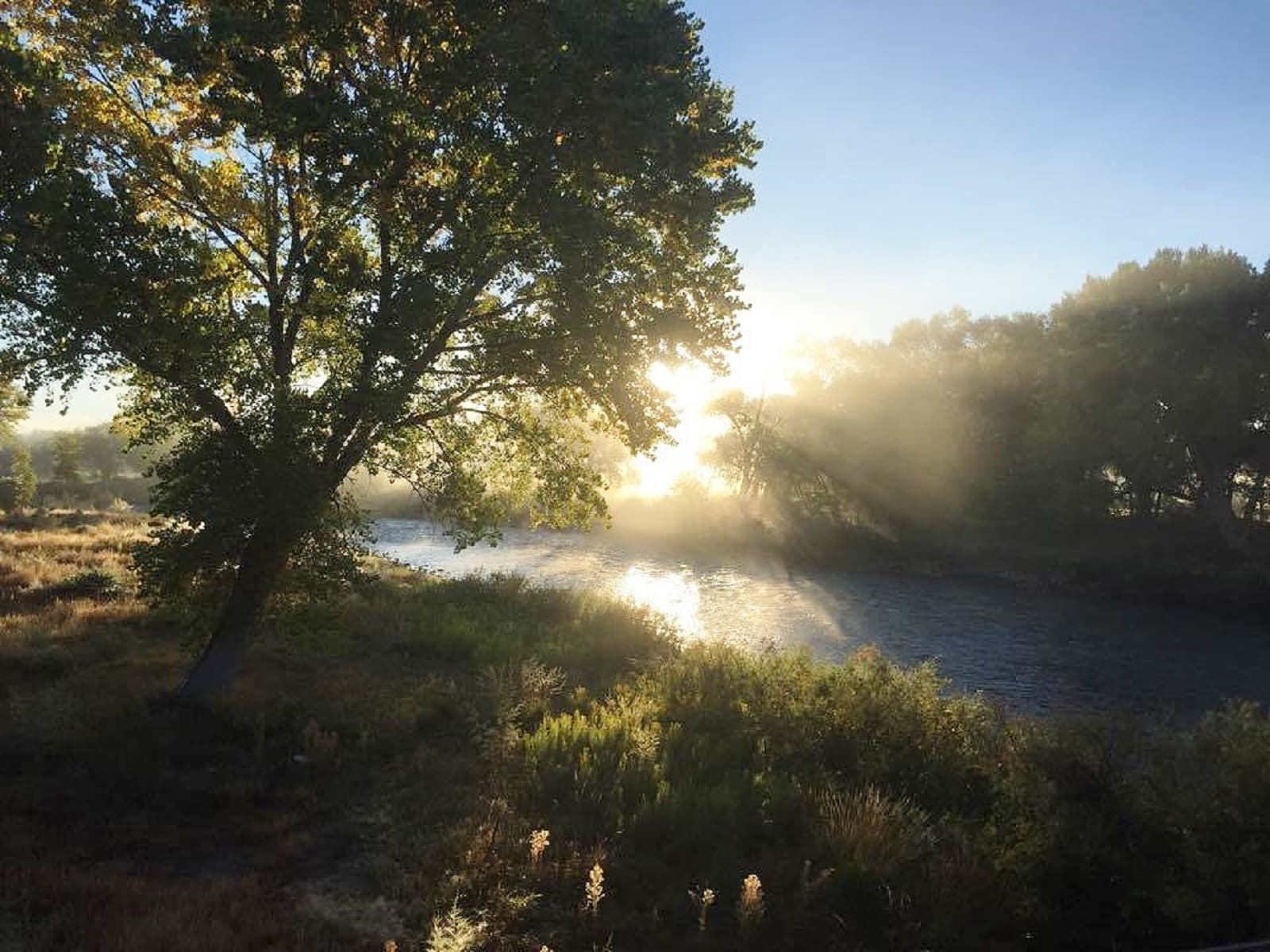
Aztec West Audio Tour: A Place By Flowing Waters
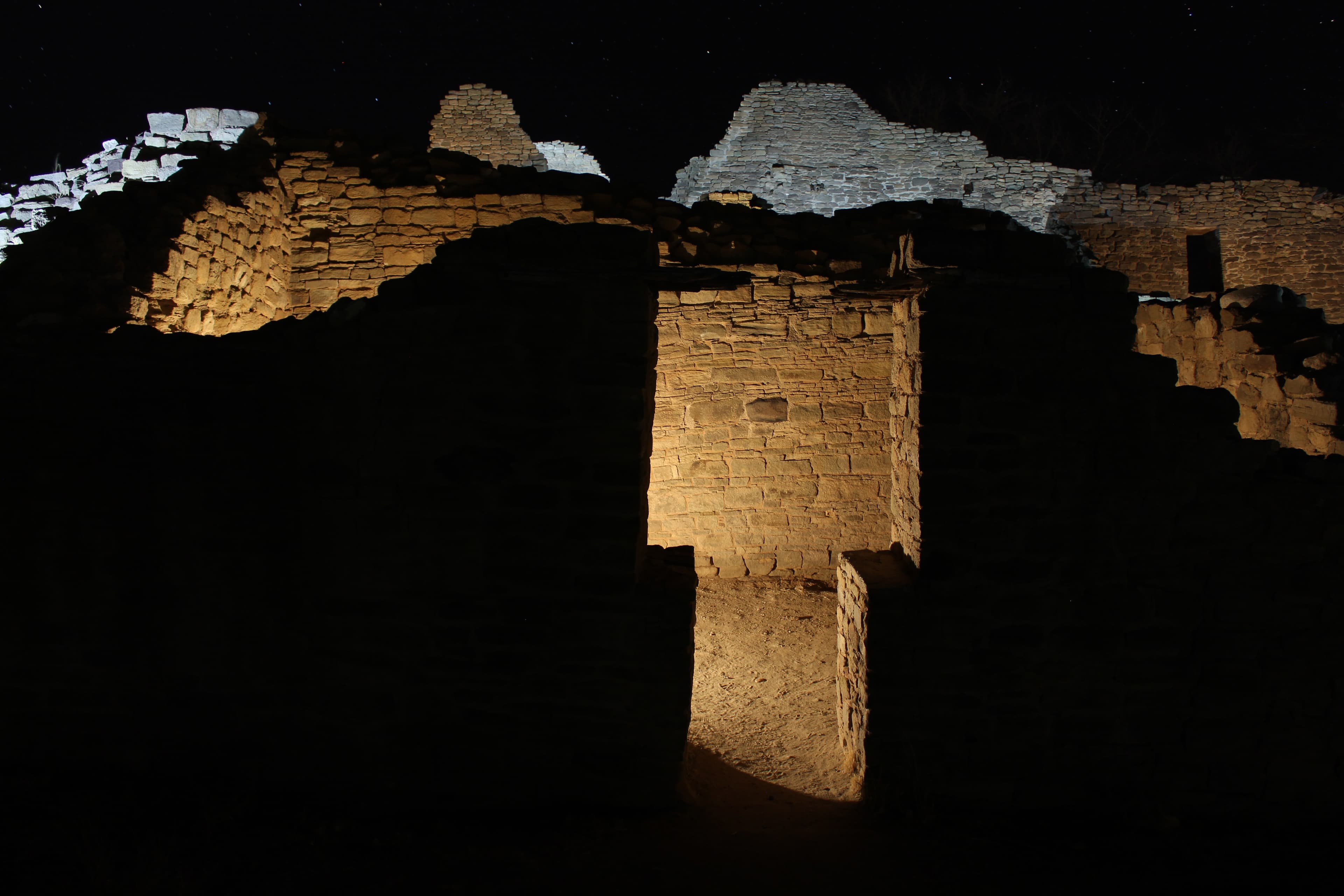
Aztec West Audio Tour: Living
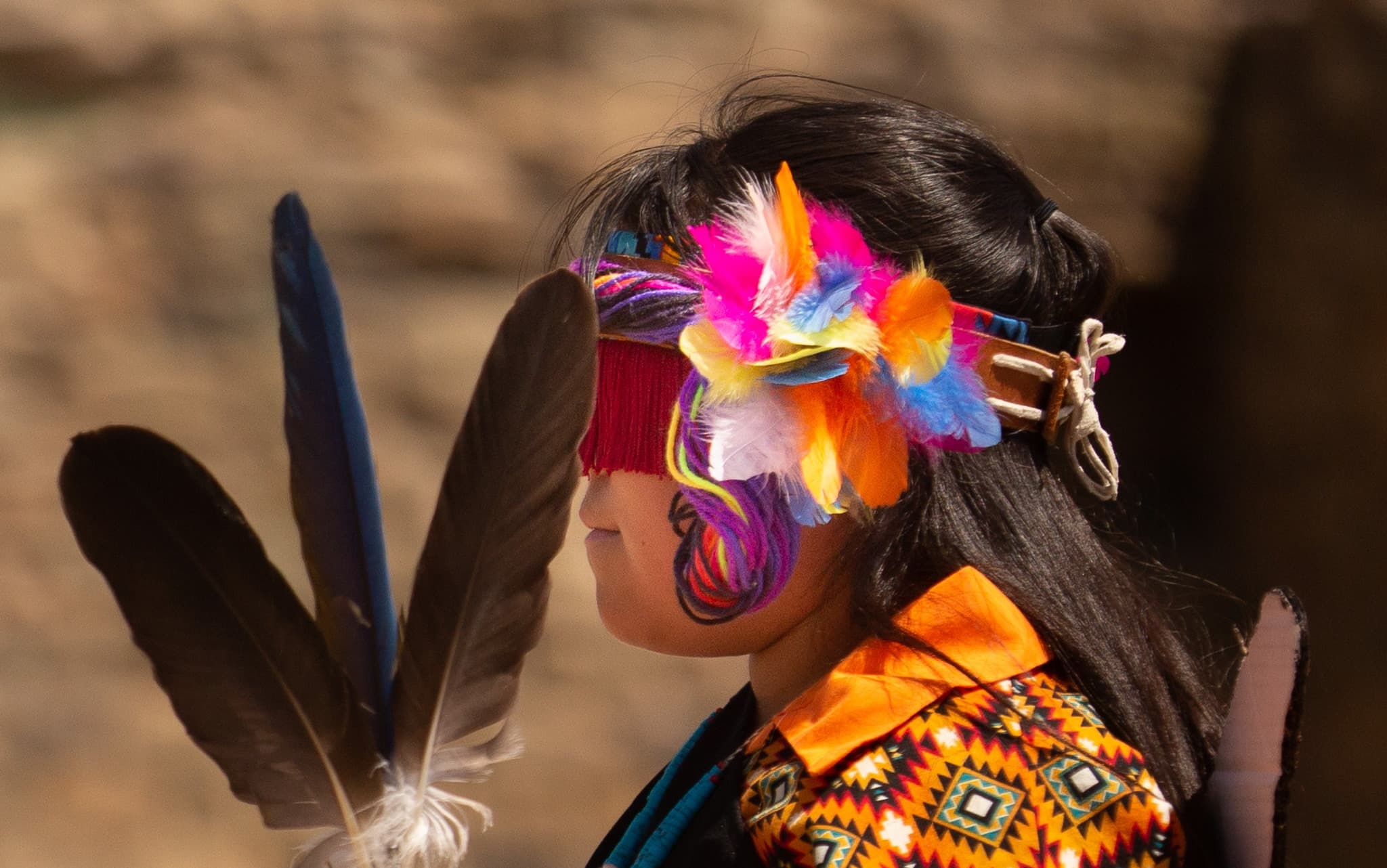
Aztec West Audio Tour: Resonance
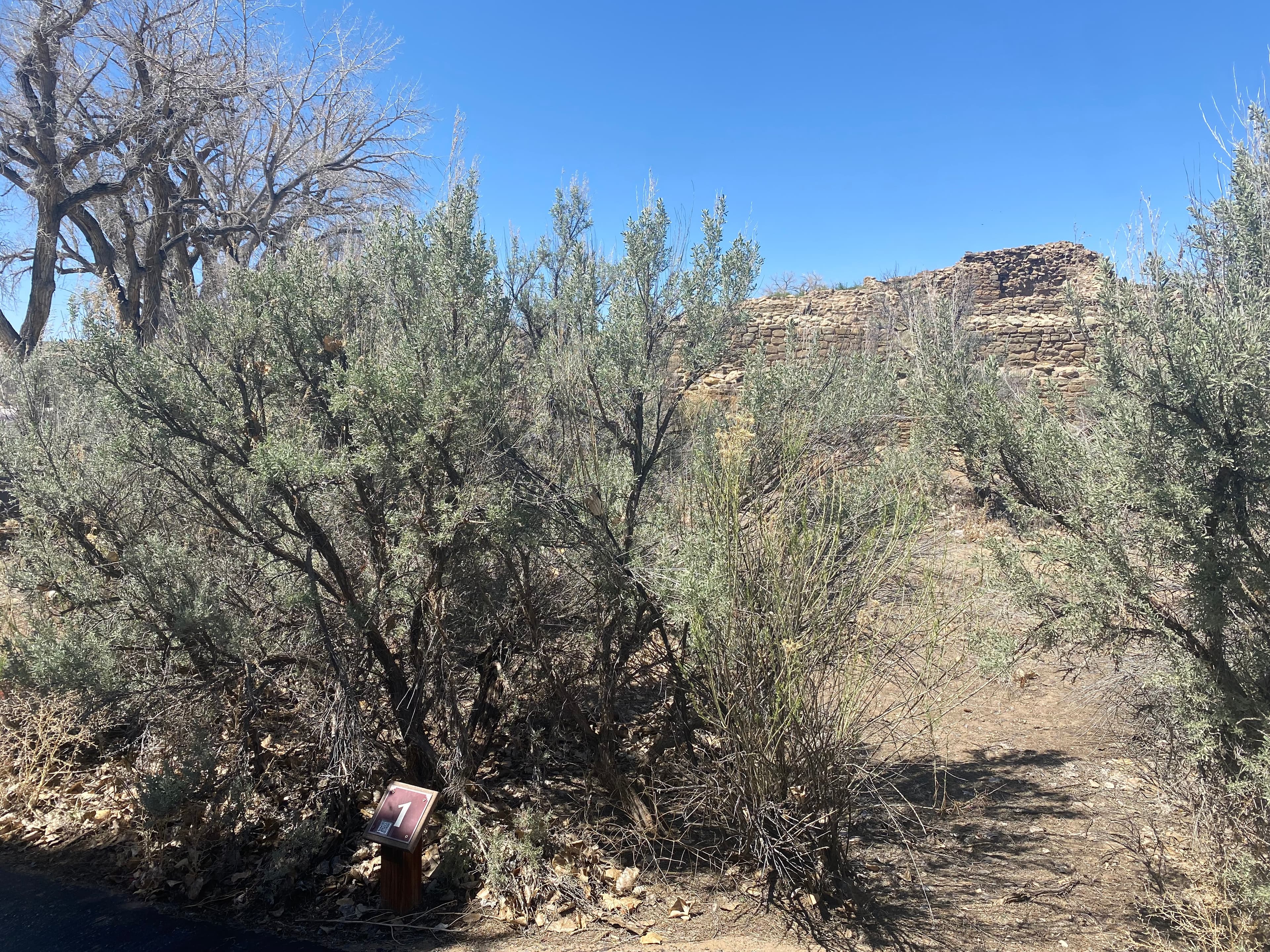
Aztec West Audio Tour: Stop #1
audio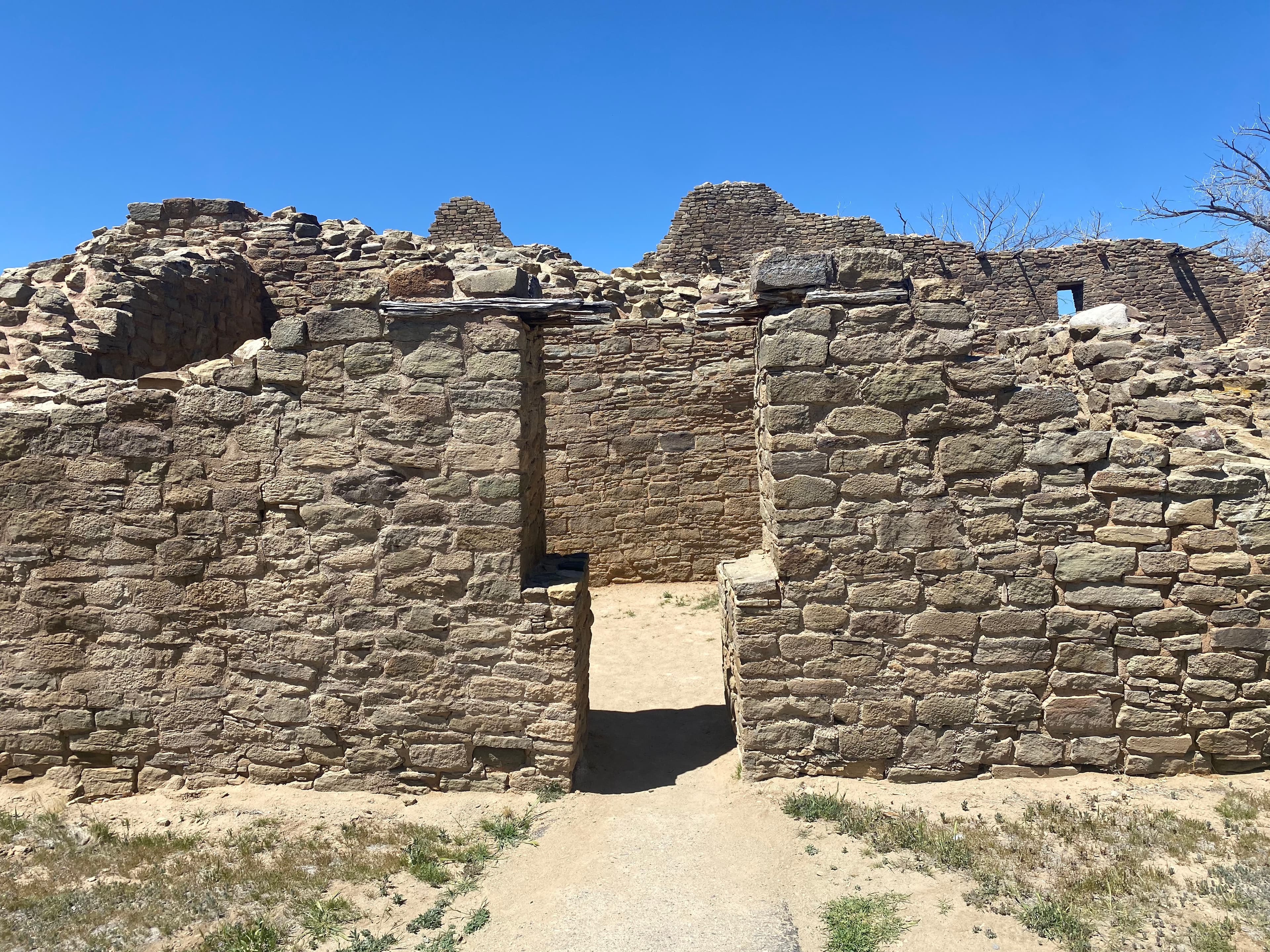
Aztec West Audio Tour: Stop #10
audio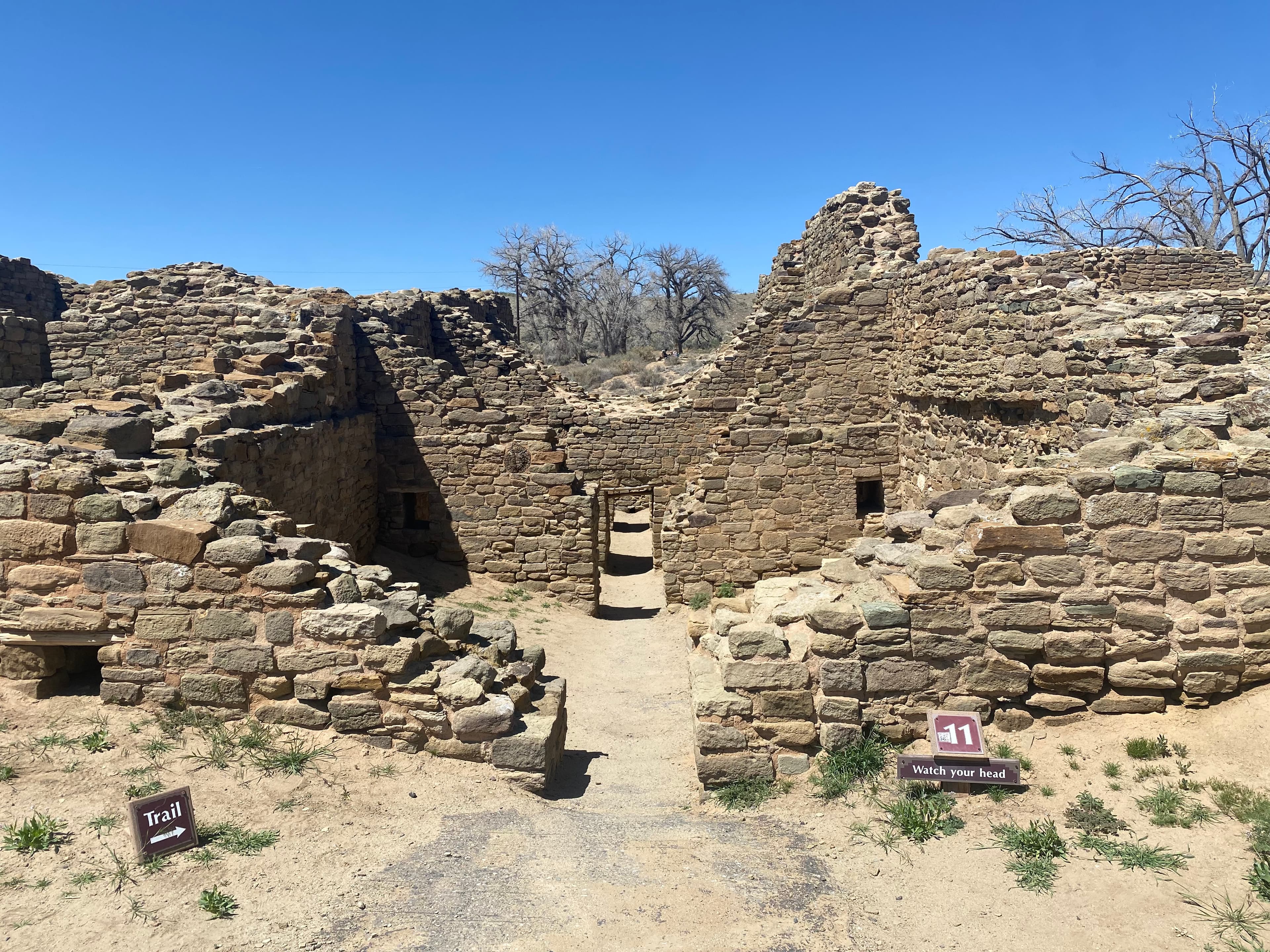
Aztec West Audio Tour: Stop #11
audio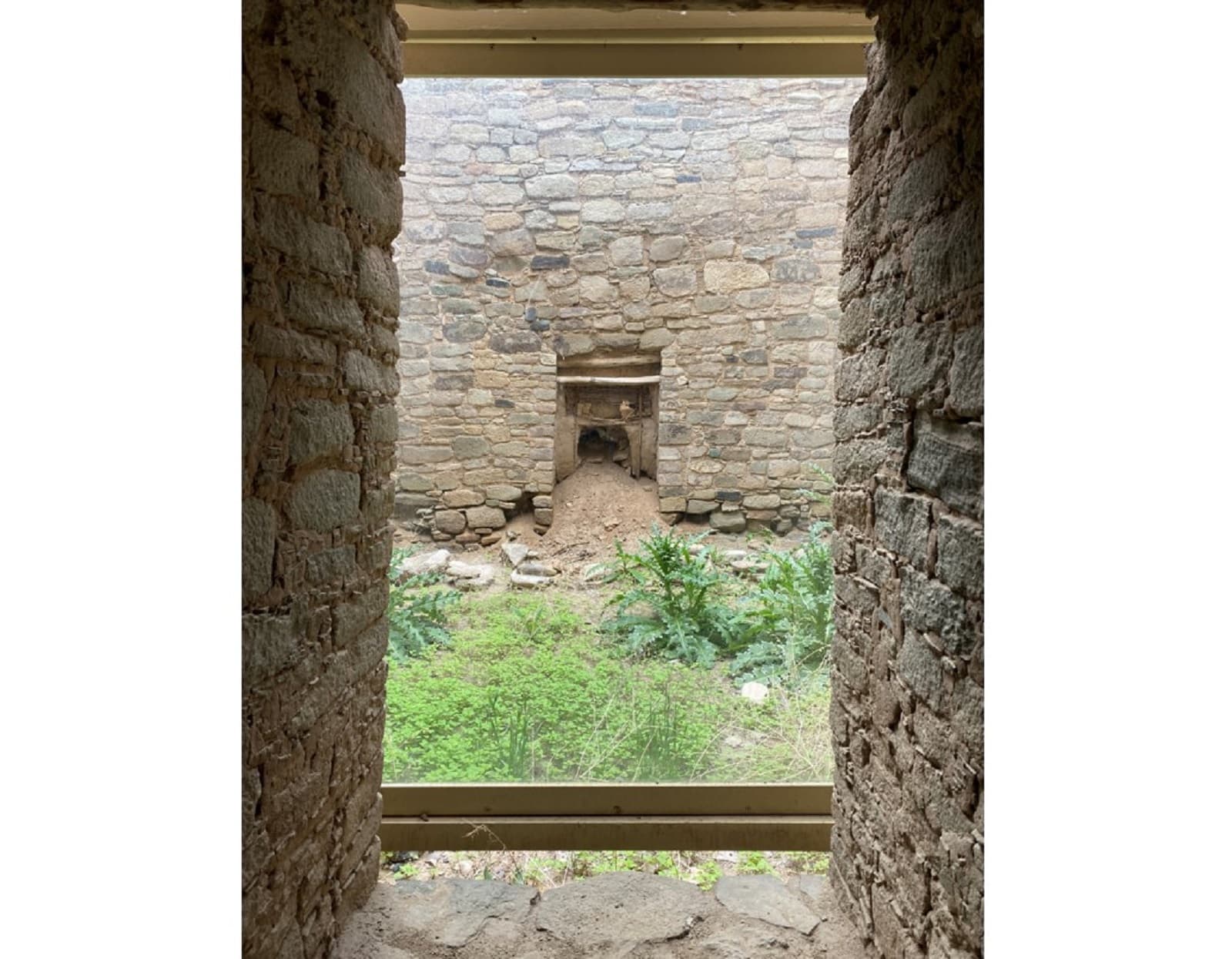
Aztec West Audio Tour: Stop #12
audio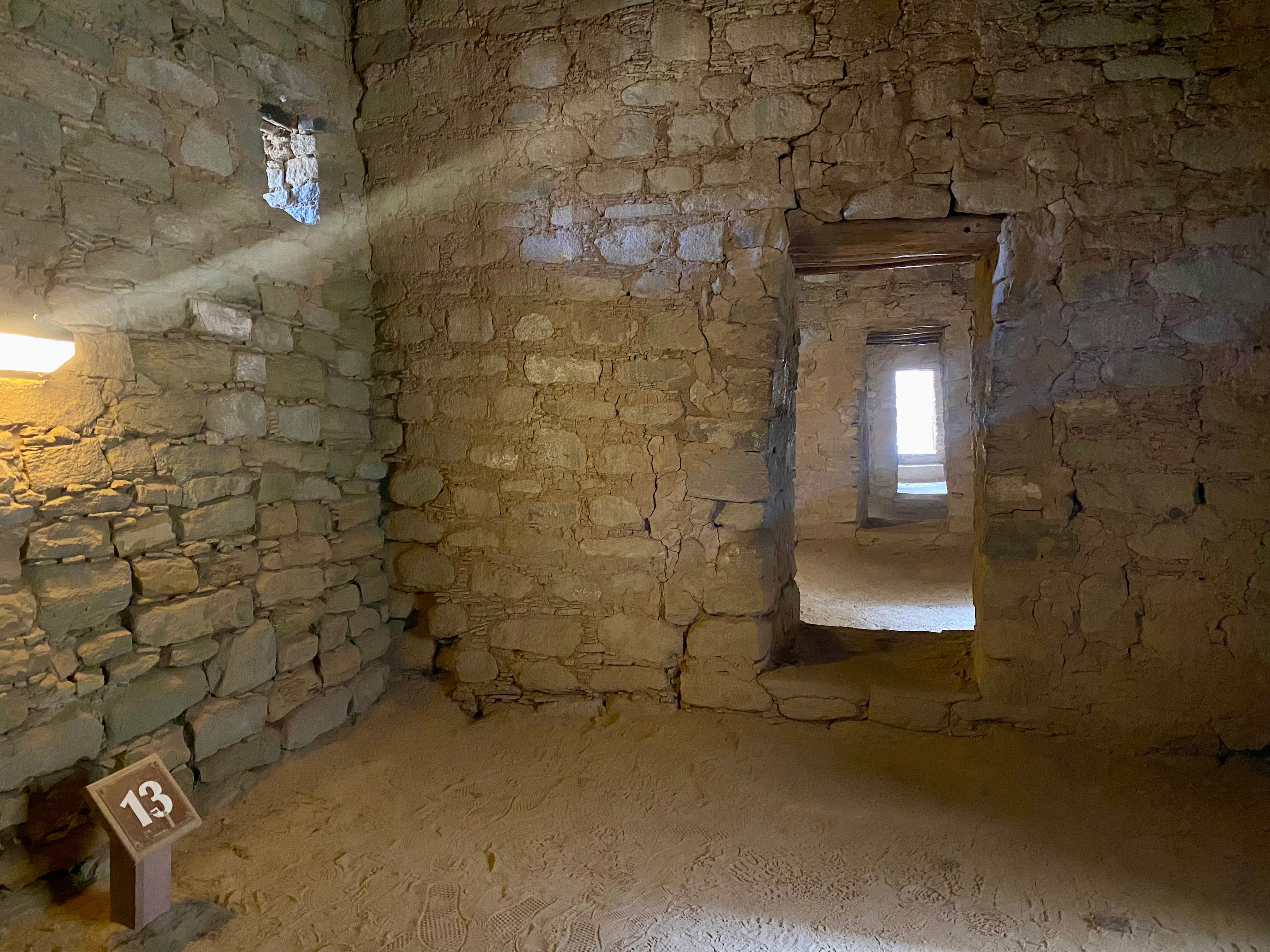
Aztec West Audio Tour: Stop #13
audio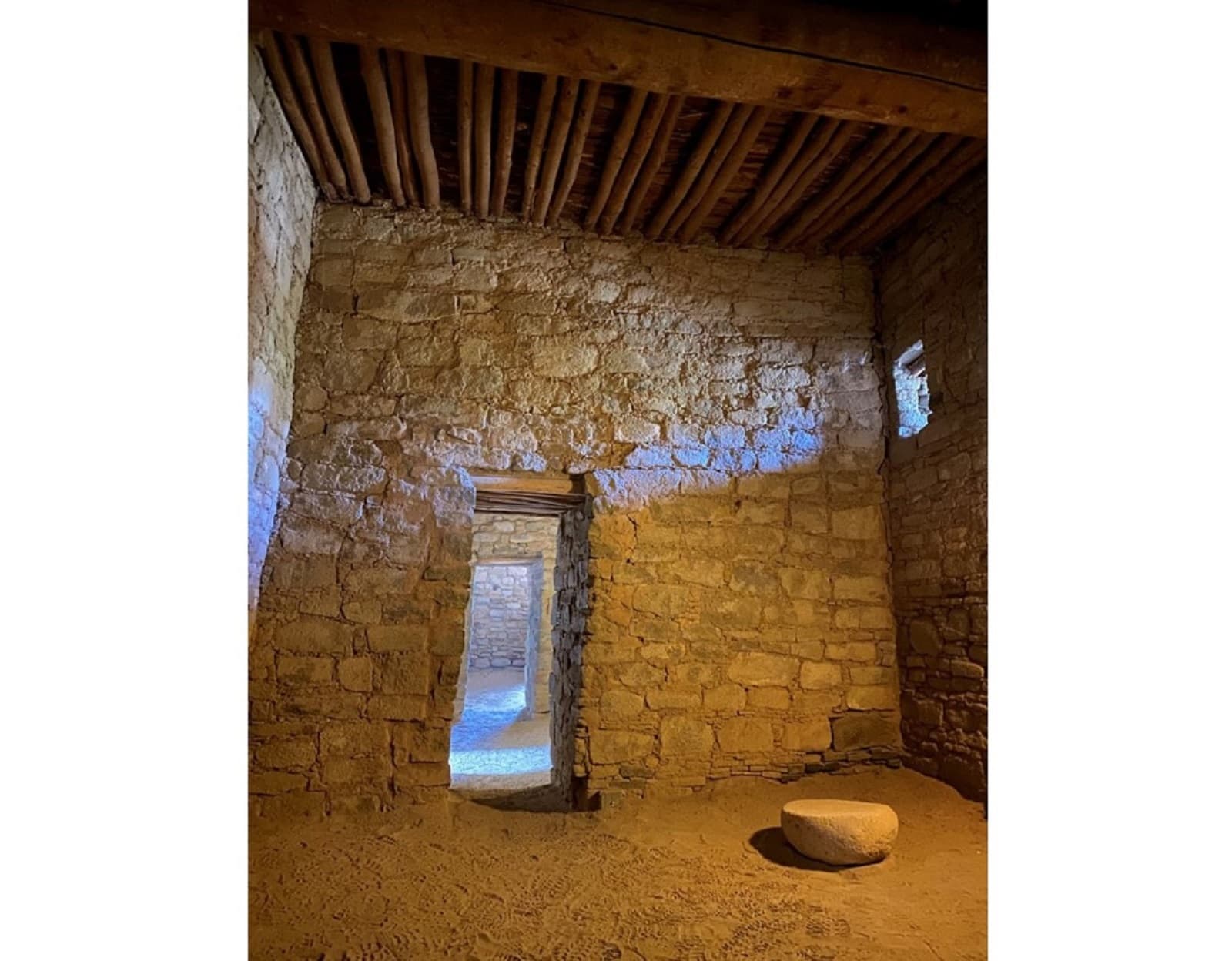
Aztec West Audio Tour: Stop #14
audio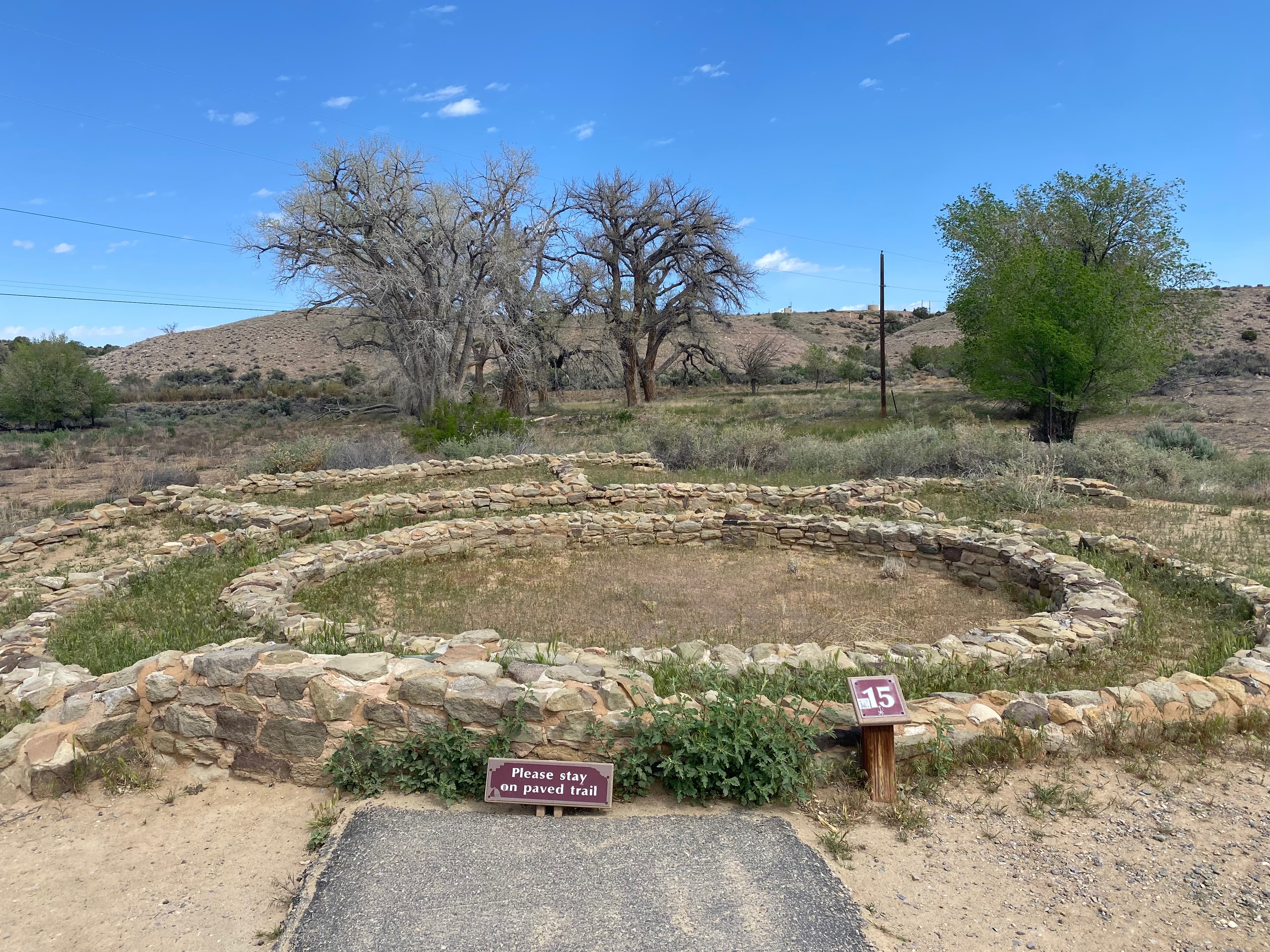
Aztec West Audio Tour: Stop #15
audio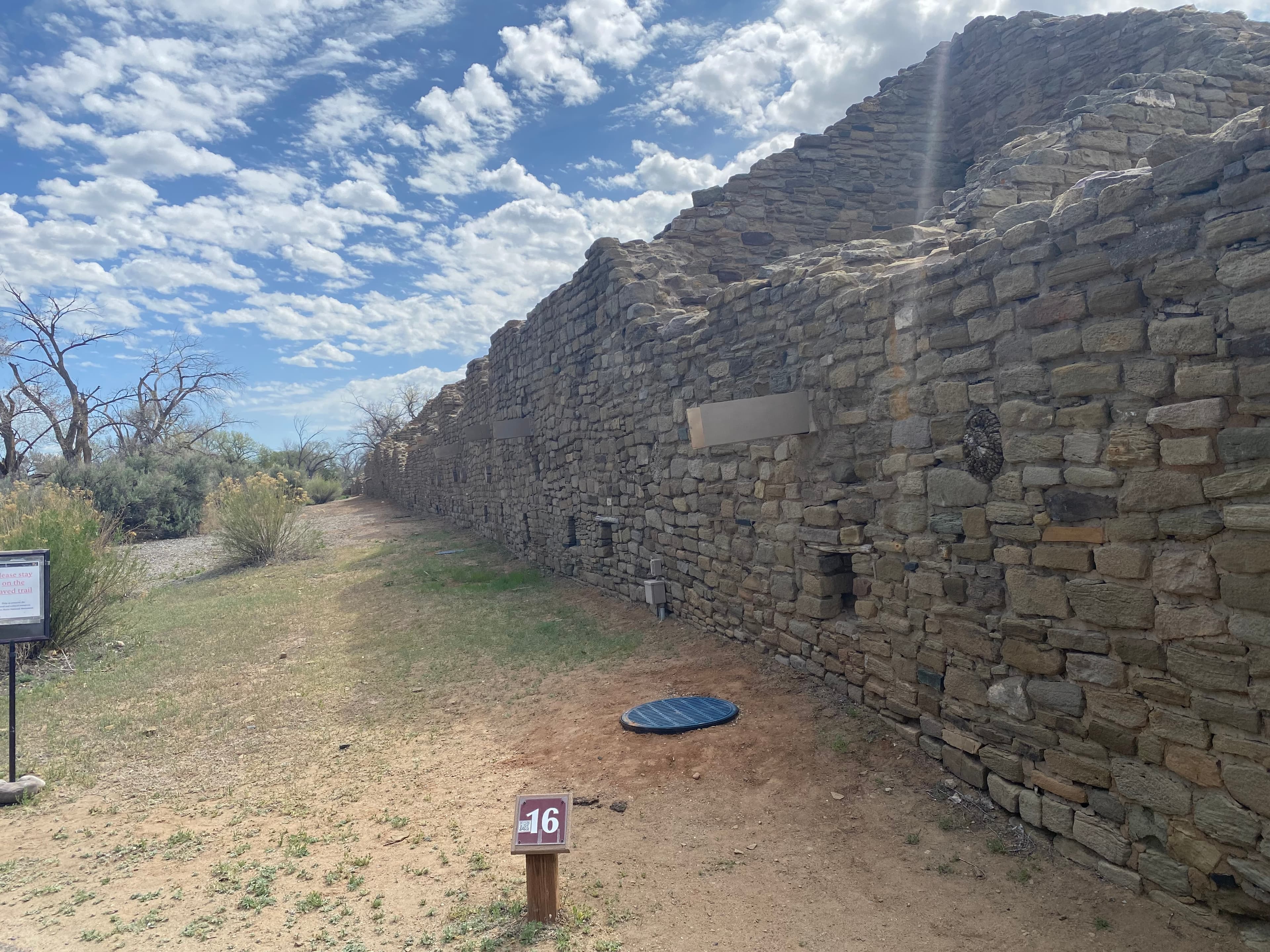
Aztec West Audio Tour: Stop #16
audioAudio & media
🎧 Stop #4 ↗ · 1 mintranscript
🎧 Introduction ↗ · 1 mintranscript
🎧 Stop #2 ↗ · 1 mintranscript
🎧 A Place By Flowing Waters ↗ · 1 mintranscript
🎧 Stop #12 ↗ · 0 mintranscript
🎧 Living ↗ · 1 mintranscript
🎧 Stop #17 ↗ · 1 mintranscript
🎧 Stop #11 ↗ · 0 mintranscript
🎬
🖼
Learn more
In spring 2011, the SCPN-NAU School of Communication collaboration began with a multimedia studies course focused on documenting park resources and resource projects. The class was taught by NAU professors Laura Camden and Peter Friederici.
Each National Park Service (NPS) employee has a unique story. We can't tell them all, but sometimes there's a personal account—like that of Sallie Pierce Brewer Van Valkenburg Harris—that speaks to common experiences. Although her NPS connections ran from 1933 to 1971, many of her joys, challenges, and frustrations can still be recognized in the NPS today. Sallie's story resonates regardless of era, gender, or position. How will it speak to you?
The Works Progress Administration (WPA) did for National Park Service (NPS) education programs what the better-known Civilian Conservation Corps (CCC) did for park roads, trails, and buildings. Many artists—including a large number of women—were hired with WPA funding to create art and exhibits in parks around the country. Natasha D. Smith was one of those women. She led a life dedicated to art, wildlife, and environmental conservation.
When the climate changes enough, the vegetation communities growing in any given place will also change. Under an expanded bimodal climate zone, some plant communities in western national parks are more likely to change than others. National Park Service ecologists and partners investigated the future conditions that may force some of this change. Having this information can help park managers decide whether to resist, direct, or accept the change.
On my drive out west toward Grand Canyon this year, I had the chance to stop at a few Ancestral Puebloan sites – namely, Bandelier, Chaco Culture, and Aztec Ruins. Having worked and spent some time around these types of sites before, I felt like I was seeing and appreciating these special places on a much deeper level than even I realized was possible.
People in the past carved petroglyphs and painted pictographs to mark the cycle of the sun, moon, and stars; solstices; and the changing seasons. They tracked time by creating solar calendars that interacted with light and shadow as the sun moved across the sky. When unique astronomical events took place, they documented the moment in stone. Learn more about the purpose for these images.
Across the US, changes in water availability are altering which plants grow where. These changes are evident at a broad scale. But not all areas experience the same climate in the same way, even within the boundaries of a single national park. A new dataset gives park managers a valuable tool for understanding why vegetation has changed and how it might change in the future under different climate-change scenarios.
The combination of high. elevation and a semi-arid climate makes the Colorado Plateau particularly vulnerable to climate change. Climate models predict that over the next 100 years, the Southwest will become warmer and even more arid, with more extreme droughts than the region has experienced in the recent past.
Ranger School
Park-grounded courses you can learn with the Ranger.
How Aztec Ruins National Monument connects
This park's activities, topics, location, and on-the-ground places — one hop in the graph. Drag to explore; click an activity, topic, or related park to follow it.
Park
Activity
Topic
State
VisitorCenter
PassportStamp
ParkingLot
Trail
ThingToDo
Alert
Similar parks
Share activities & topics with Aztec Ruins National Monument.