Yucca House National Monument
Colorado
Tonight
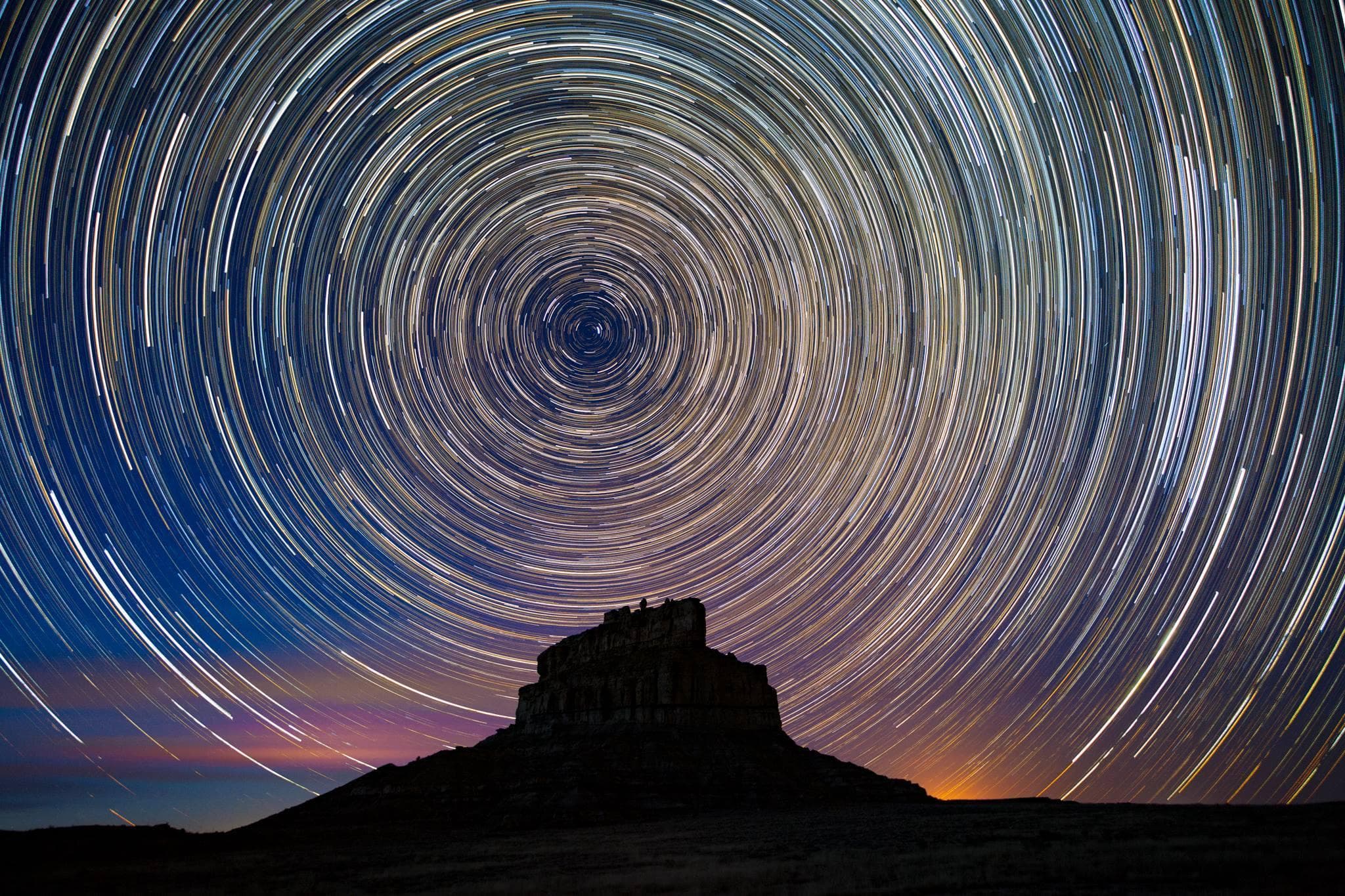
🌓 65% moon
8.9 h fully dark
Open today
Open
Entrance
Free entry
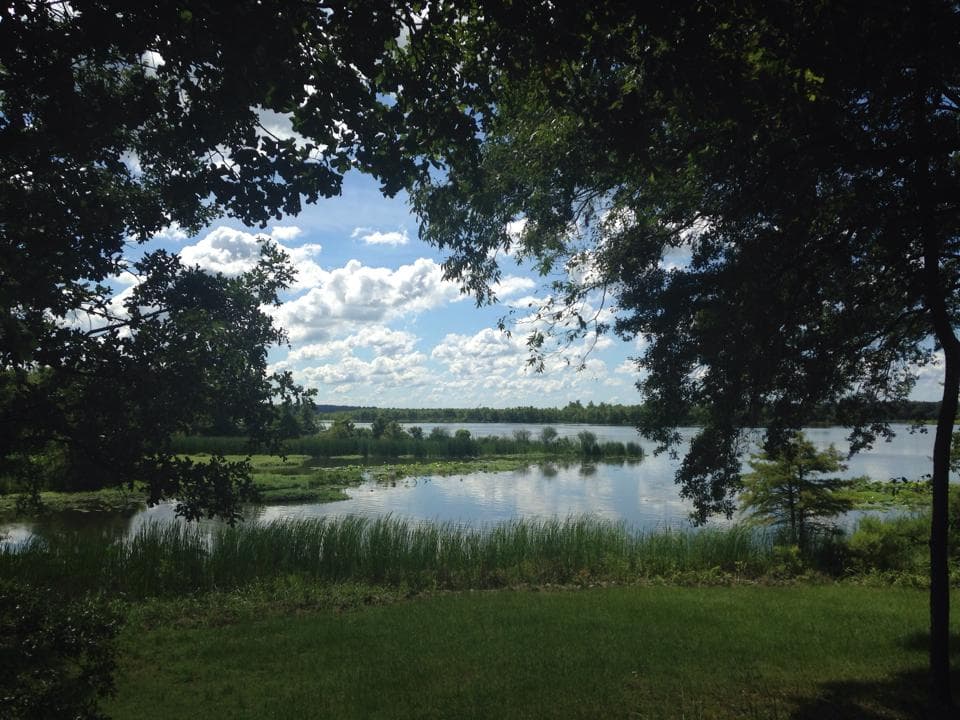
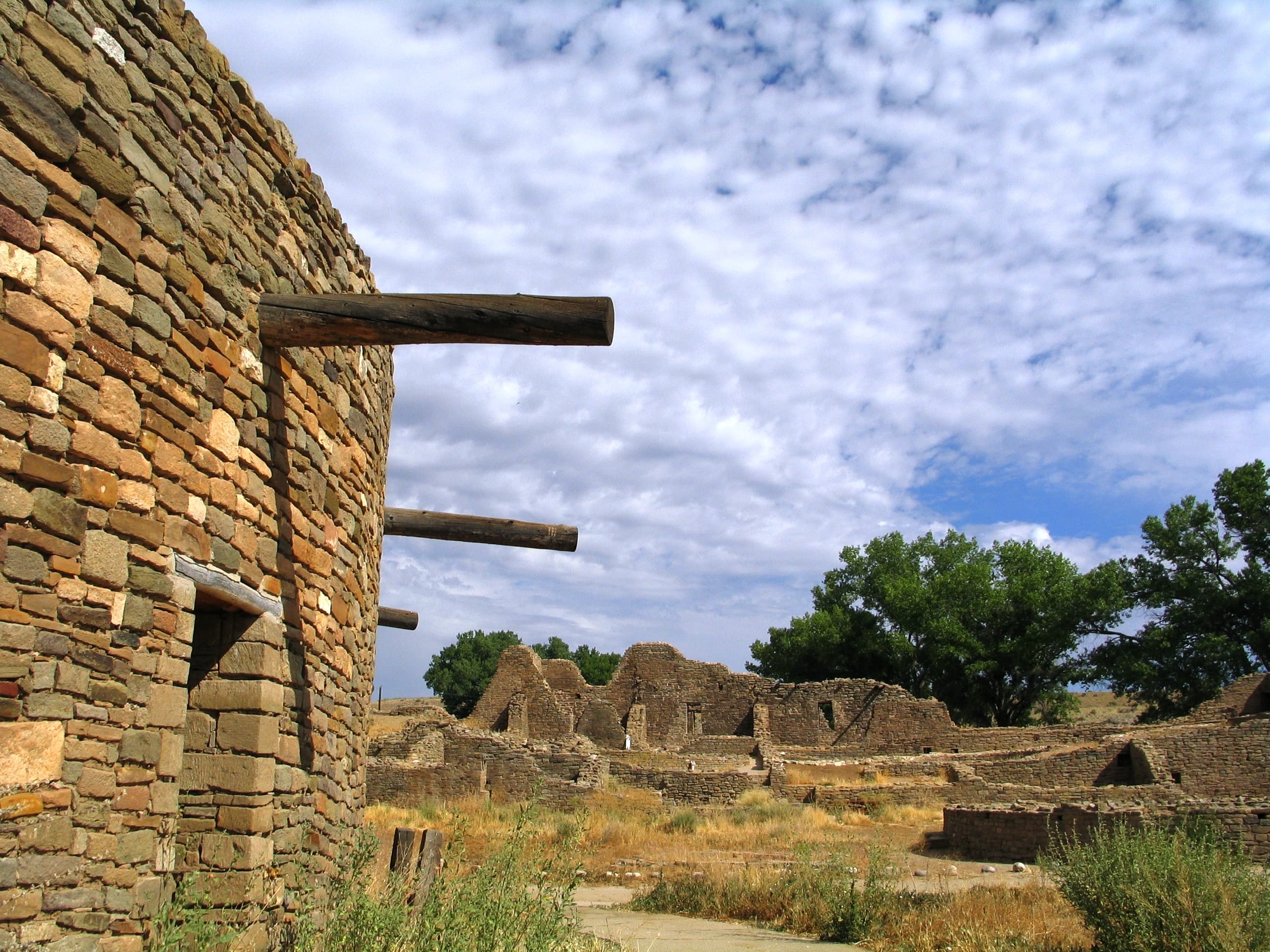
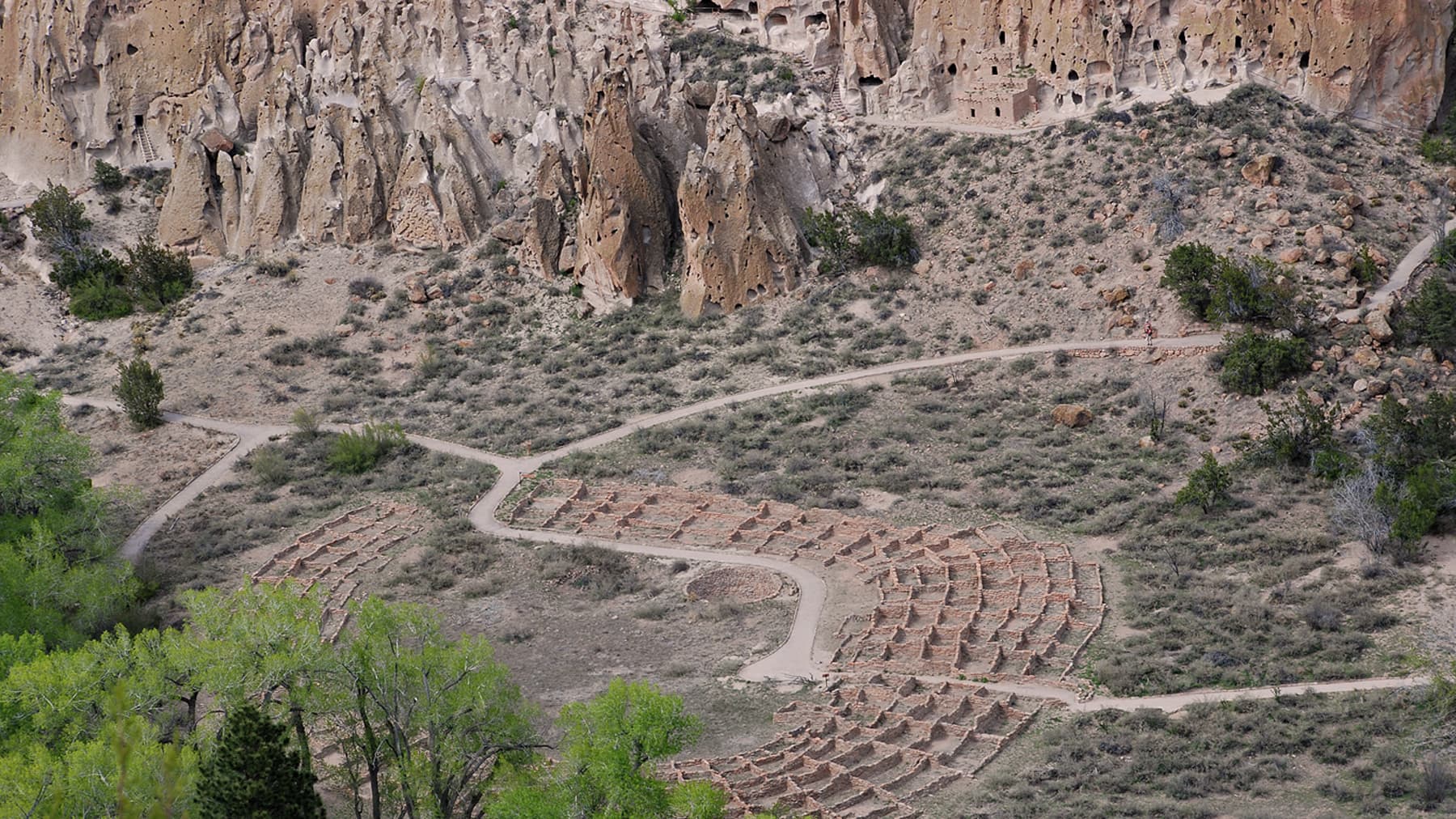
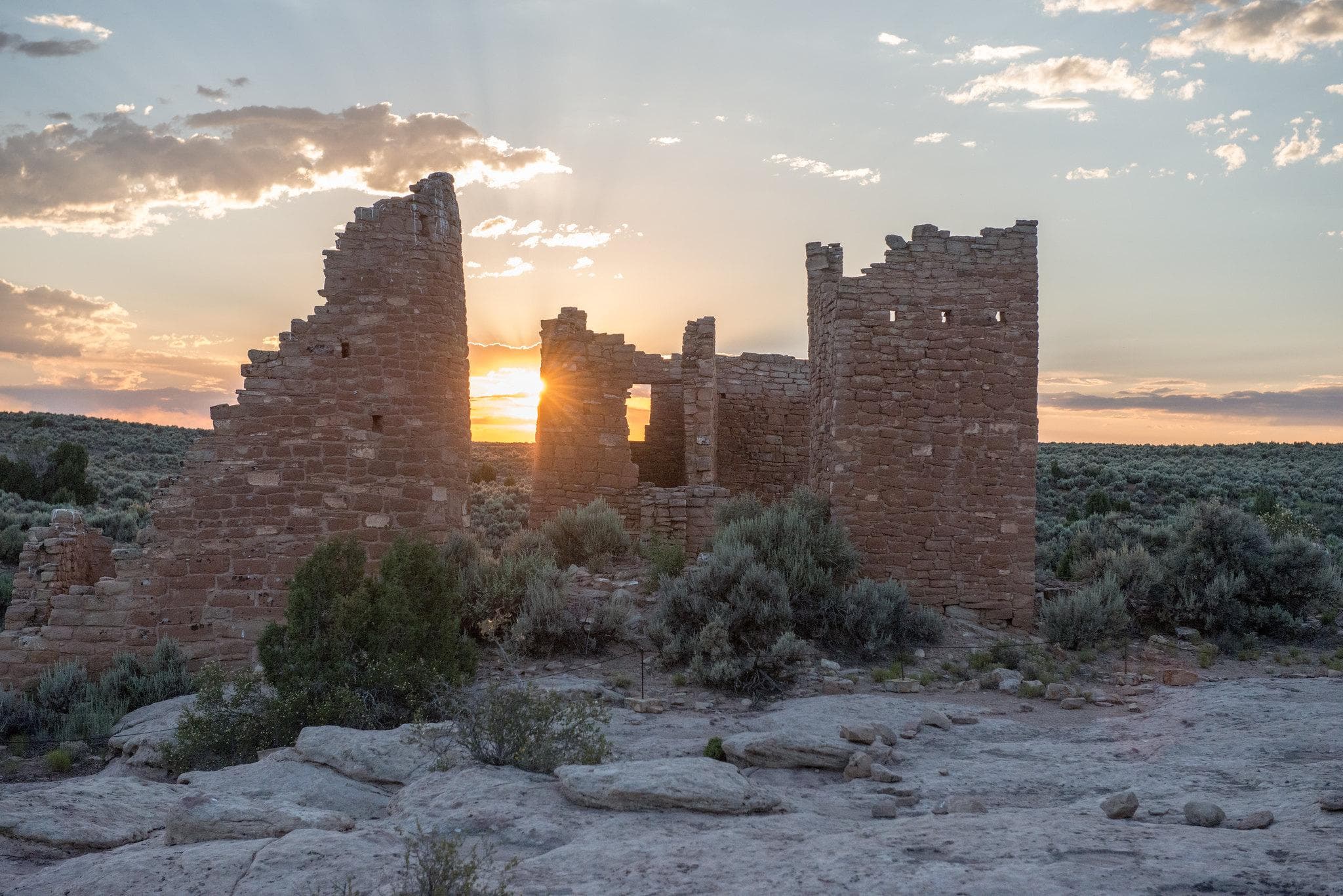
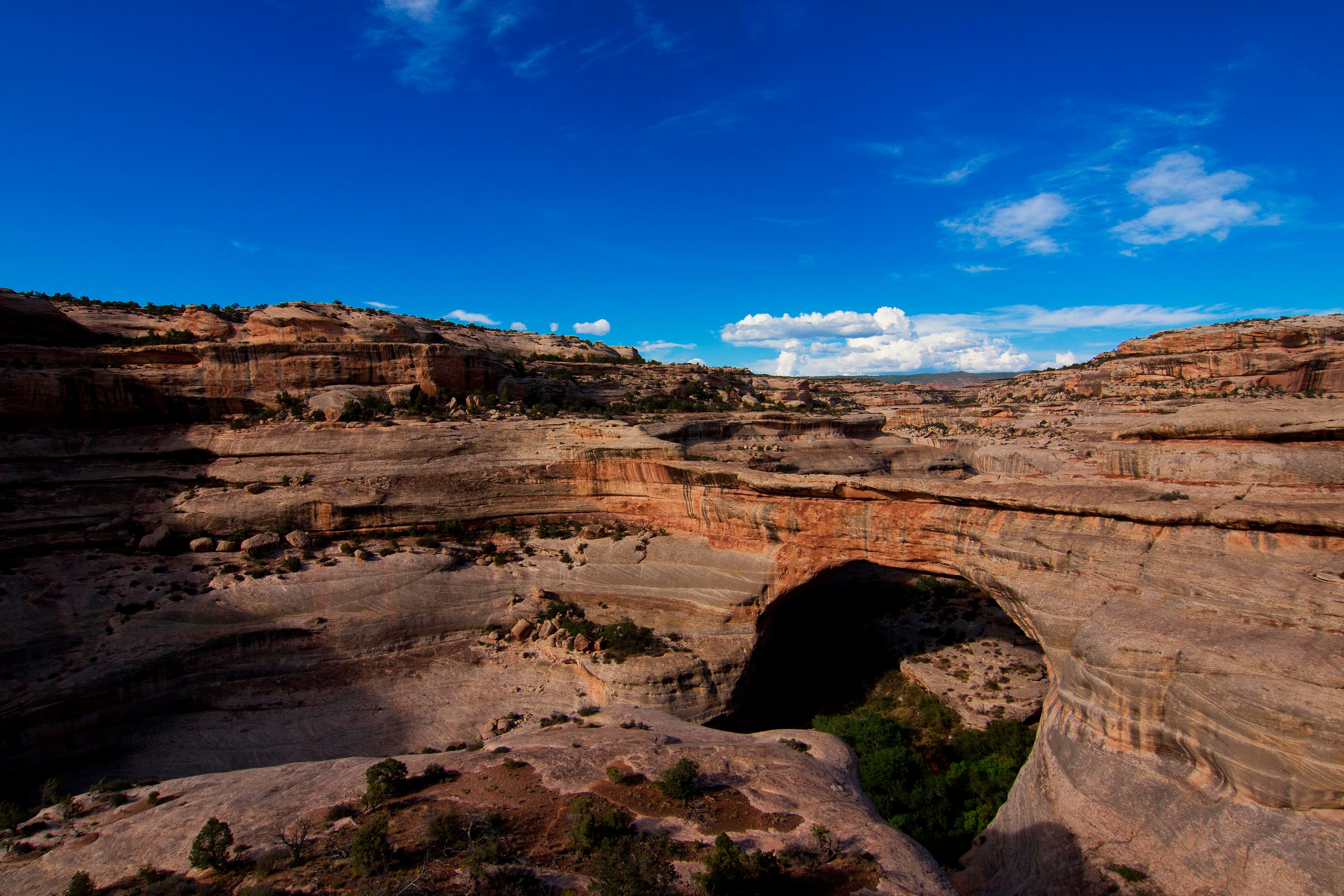
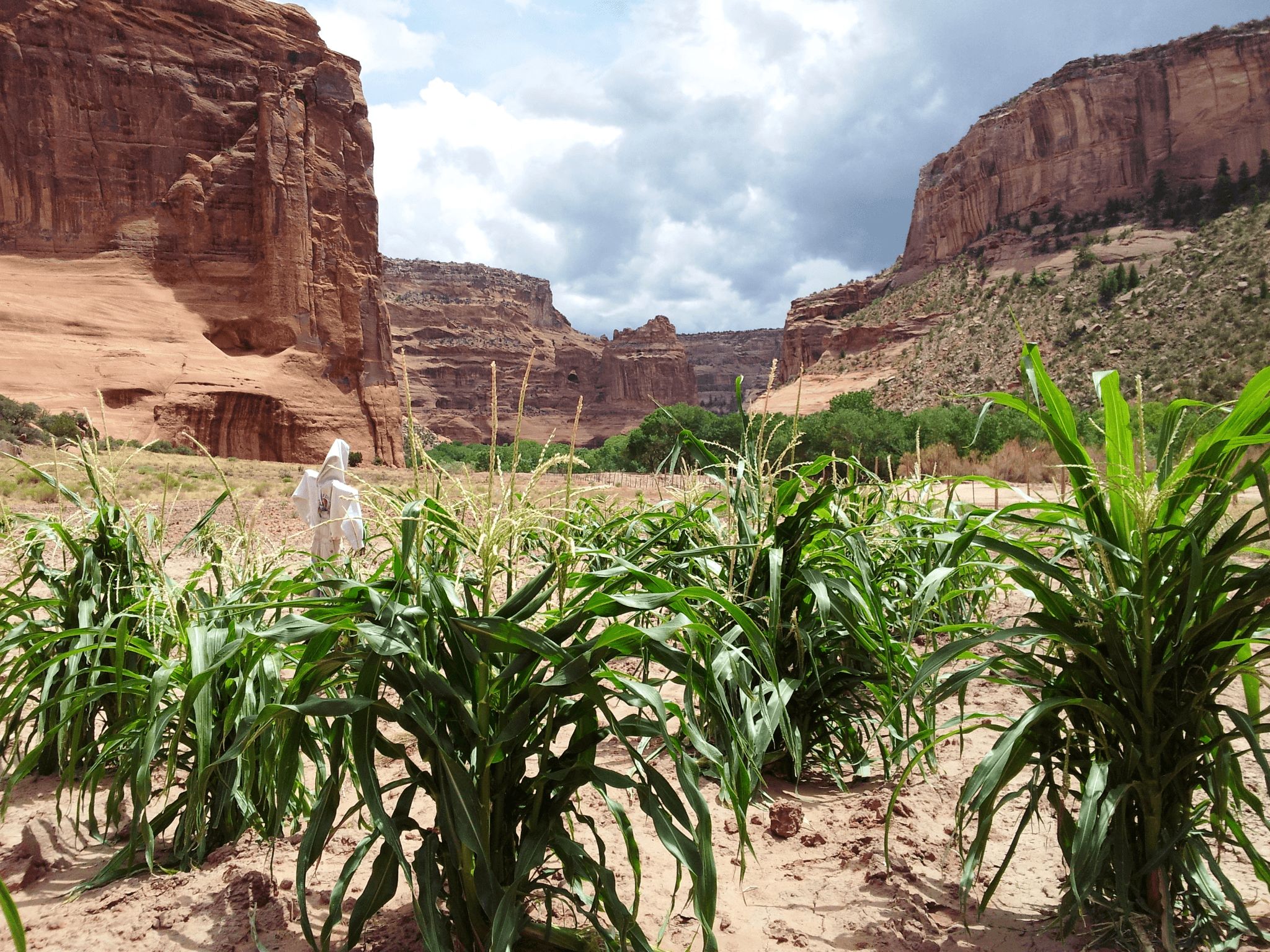
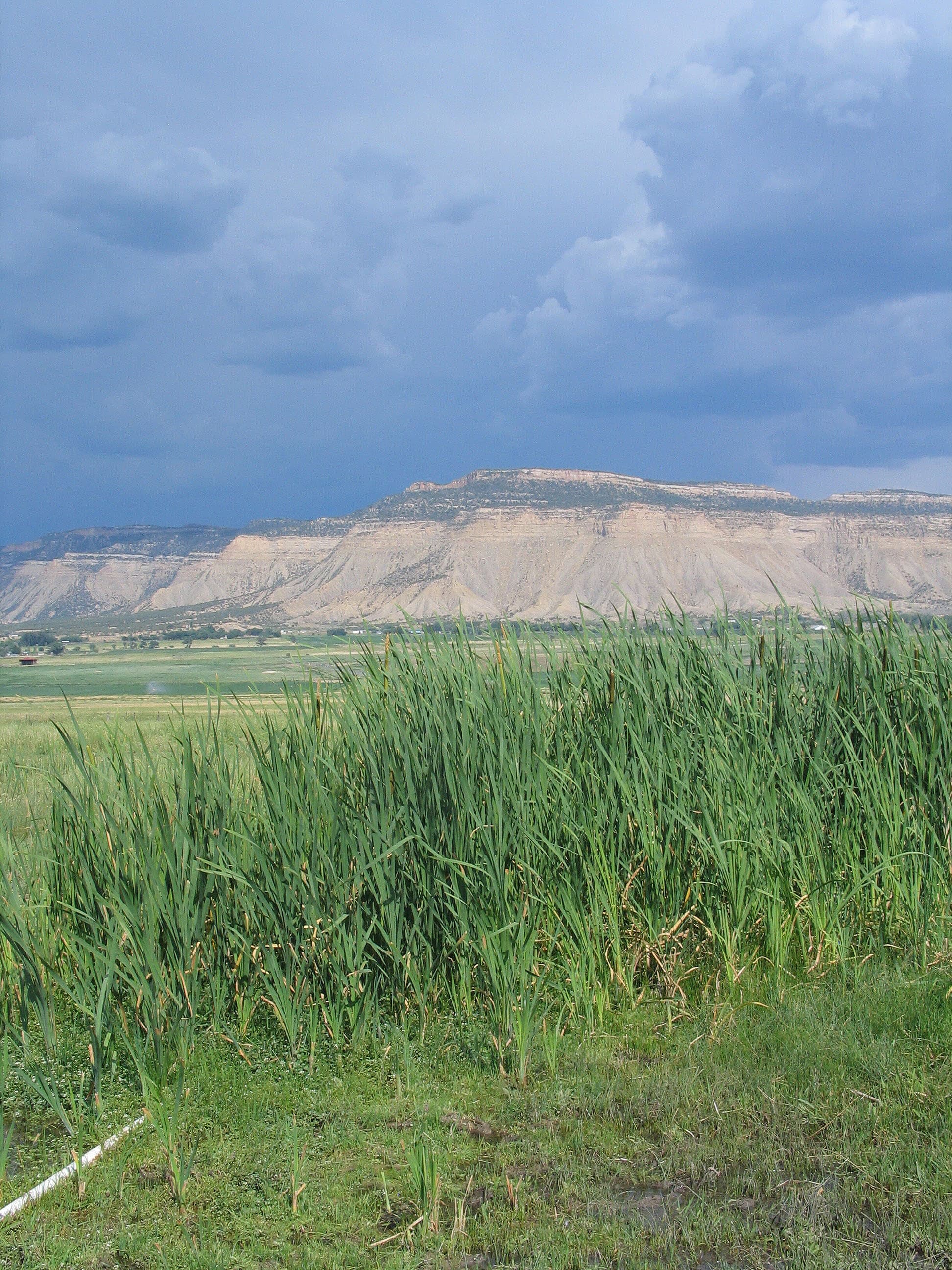
Yucca House National Monument preserves a large unexcavated pueblo with a stunning setting in Montezuma Valley, nestled between Mesa Verde and Ute Mountain. Since Yucca House was protected as a national monument in 1919, it has remained largely untouched, offering intrepid visitors a sense of discovery and preserving the pueblo's beauty and integrity for future generations.
Activities
No entrance fee.
Hours & seasons
Open year-round, weather pending. No services are available.
Generally open:
winterspringsummerfallHours are reported by the park — verify before you go.
📞 970-529-4465
✉ meve_general_information@nps.govConditions
Weather now: ☀️ Clear, 76°F
☁️ 78°/46°
☁️ 80°/47°
🌧️ 79°/57°
Log a sky reading
Measured the sky with an SQM meter or app? Add your reading (16 = city glow … 22 = pristine). Opt in under “Travelers like you” to share it on the community leaderboard.
Not an official safety source — always defer to NPS.gov and rangers for life-safety decisions.
By the numbers
A visual read on Yucca House National Monument — its character, trails, sky, and weather.
Park fingerprint
How this park scores across the dimensions travelers care about.
3-day forecast
Daily high and low temperatures (°F).
People & stories
Figures tied to Yucca House National Monument — each spans a cross-park journey.
Frank "Boss" Pinkley
— Pinkley, Boss, NPS HistoryPlaces to see
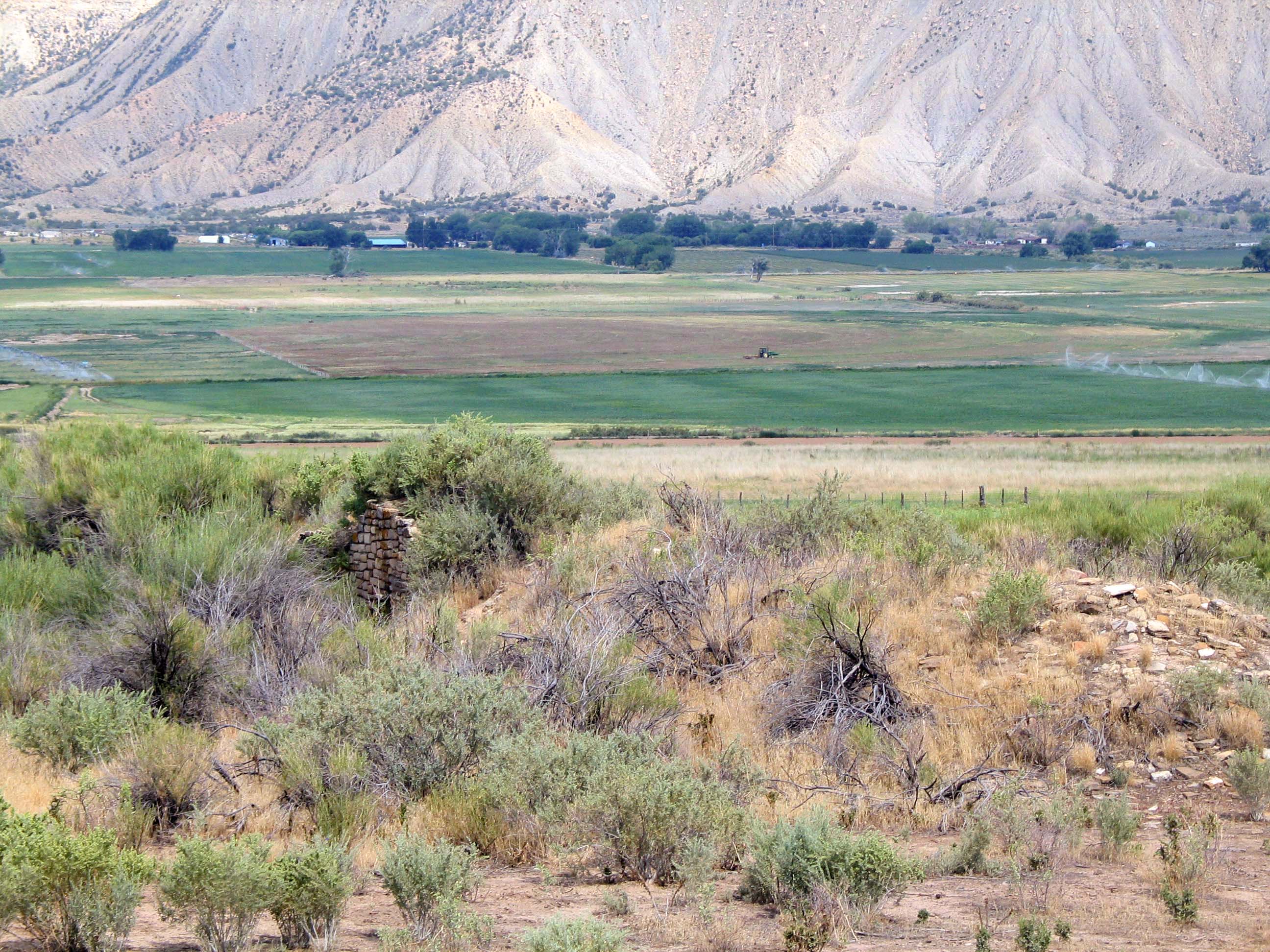
Yucca House
Audio & media
🎧
🎬
🖼
Learn more
When the climate changes enough, the vegetation communities growing in any given place will also change. Under an expanded bimodal climate zone, some plant communities in western national parks are more likely to change than others. National Park Service ecologists and partners investigated the future conditions that may force some of this change. Having this information can help park managers decide whether to resist, direct, or accept the change.
Across the US, changes in water availability are altering which plants grow where. These changes are evident at a broad scale. But not all areas experience the same climate in the same way, even within the boundaries of a single national park. A new dataset gives park managers a valuable tool for understanding why vegetation has changed and how it might change in the future under different climate-change scenarios.
The combination of high. elevation and a semi-arid climate makes the Colorado Plateau particularly vulnerable to climate change. Climate models predict that over the next 100 years, the Southwest will become warmer and even more arid, with more extreme droughts than the region has experienced in the recent past.
The Black-throated Sparrow edition of Get to Know the Plateau, spotlighting a beautiful bird of the Colorado Plateau. Brought to you by the Southern Colorado Plateau Network.
In conjunction with a forthcoming boundary expansion of Yucca House National Monument, in southwestern Colorado, a park-specific paleontological resource inventory was coordinated by paleontologist Victoria Crystal.
Across the Intermountain Region, Inventory & Monitoring Division ecologists are helping to track the effects of climate change, provide baseline information for resource management, evaluate new technologies, and inspire the next generation of park stewards. This article highlights accomplishments achieved during fiscal year 2021.
Springs are important water sources in arid landscapes, supporting unique plant associations and sustaining high levels of biotic diversity. Because springs rely on groundwater, they can serve as important indicators of change in local and regional aquifers. On the Colorado Plateau, spring ecosystems also provide vital habitat for both endemic and regionally rare species, including several types of orchids and declining populations of leopard frogs.
Each park-specific page in the NPS Geodiversity Atlas provides basic information on the significant geologic features and processes occurring in the park. Links to products from Baseline Geologic and Soil Resources Inventories provide access to maps and reports.
How Yucca House National Monument connects
This park's activities, topics, location, and on-the-ground places — one hop in the graph. Drag to explore; click an activity, topic, or related park to follow it.
Park
Activity
Topic
State
Similar parks
Share activities & topics with Yucca House National Monument.