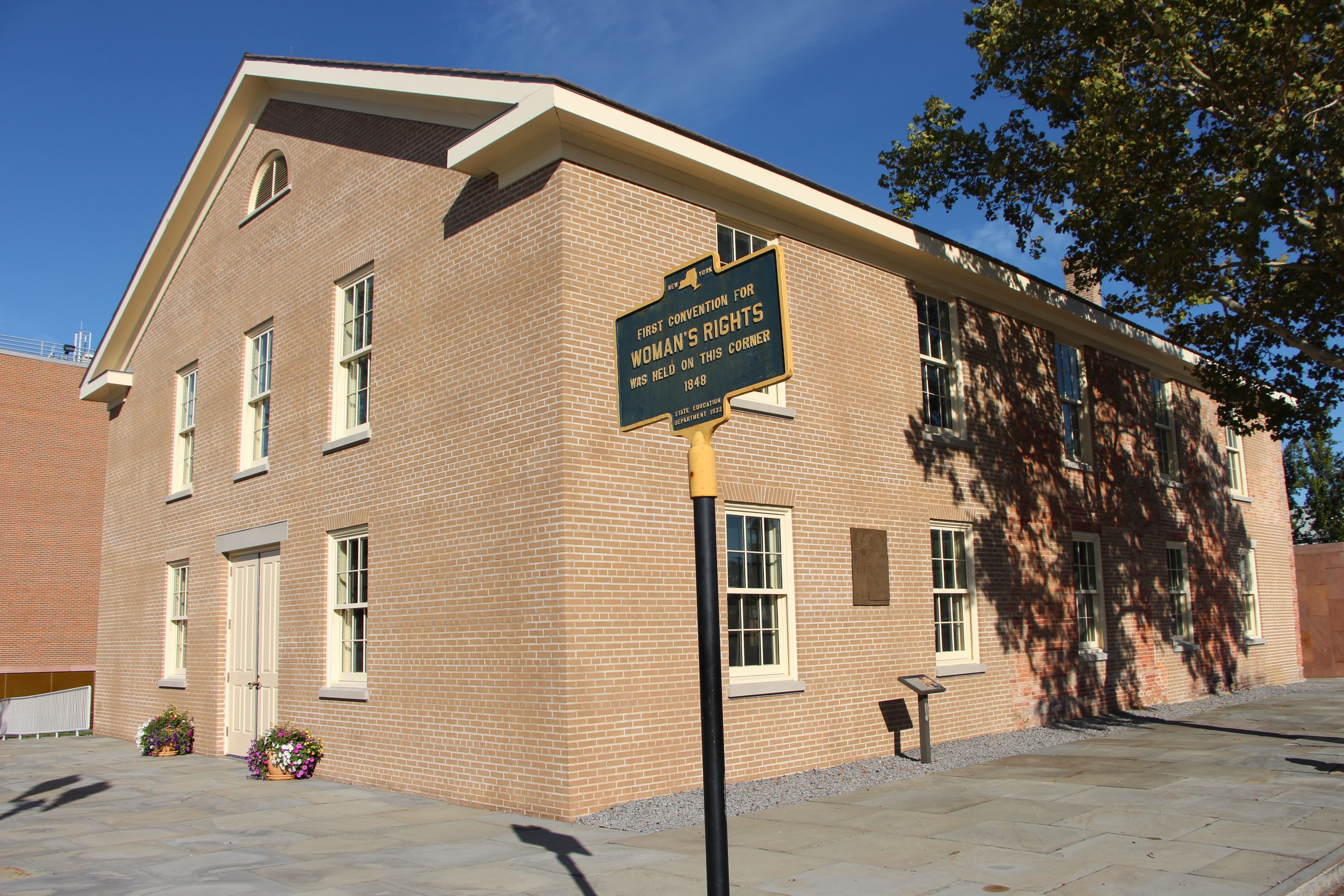
Women's Rights National Historical Park
New York
Tonight
🌓 65% moon
8.6 h fully dark
Crowds
low
Open today
Open
Visitor Center: closed Nov 26 – Nov 26; Visitor Center: closed Dec 25 – Dec 25; Elizabeth Cady Stanton House: closed Feb 28 – Jun 1; Elizabeth Cady Stanton House: closed Nov 1 – Feb 27
Entrance
Free entry
Women’s Rights National Historical Park tells the story of the first Women’s Rights Convention, held in Seneca Falls, New York on July 19-20, 1848. It is a story of struggles for civil rights, human rights, and equality, global struggles that continue today. The efforts of women’s rights leaders, abolitionists, and other 19th century reformers remind us that all people must be accepted as equals.
Topics
No entrance fee.
Hours & seasons
The Visitor Center and Wesleyan Chapel share a site at 136 Fall Street in Seneca Falls. The building hours change by season. See below for current hours. Declaration Park, also at this address, is open dawn to dusk.
⚠ Visitor Center: closed Nov 26 – Nov 26; Visitor Center: closed Dec 25 – Dec 25; Elizabeth Cady Stanton House: closed Feb 28 – Jun 1; Elizabeth Cady Stanton House: closed Nov 1 – Feb 27
Generally open:
winterspringsummerfallHours are reported by the park — verify before you go.
📞 3155680024
✉ wori_information_desk@nps.govConditions
Quietest months (fewer crowds): Jan, Feb, Nov, Dec
Typical crowds: low
Weather now: ☁️ Overcast, 63°F
🌦️ 67°/56°
☁️ 59°/50°
☁️ 64°/46°
Typical monthly recreation visits · NPS avg 2023–2025 — orange months are the quietest by crowds.
Quietest months
Relative crowds by month — lighter is quieter; ringed months are the calmest by crowds.
Jan
5%
Feb
7%
Mar
16%
Apr
31%
May
36%
Jun
62%
Jul
100%
Aug
83%
Sep
52%
Oct
35%
Nov
12%
Dec
14%
Log a sky reading
Measured the sky with an SQM meter or app? Add your reading (16 = city glow … 22 = pristine). Opt in under “Travelers like you” to share it on the community leaderboard.
Things to do
Ranger Programs at Women's Rights · Program length may vary.
Dreams of Equality Film & Museum · The park film, Dreams of Equality, runs about 20 minutes. Additional time spent in the Visitor Center may be spent exploring exhibits on the first and second floor, participating in crafts, and perusing the park bookstore.
Visitor centers
Women's Rights National Historical Park Visitor Center
Accessibility
Reported by the park — verify before you go.
Not an official safety source — always defer to NPS.gov and rangers for life-safety decisions.
By the numbers
A visual read on Women's Rights National Historical Park — its character, trails, sky, and weather.
Park fingerprint
How this park scores across the dimensions travelers care about.
Trail difficulty
Difficulty mix across this park's trails.
3-day forecast
Daily high and low temperatures (°F).
People & stories
Figures tied to Women's Rights National Historical Park — each spans a cross-park journey.
Alva Belmont
— 19th Amendment, Women's History, Women's RightsAngelina Emily Grimké (Weld)
— Women's Rights, Women's History, Suffrage MovementAnita Pollitzer
— Nineteenth Amendment, 19th Amendment, Women's HistoryElizabeth Cady Stanton
— Women's History, Suffrage, Women’s SuffrageFlorence Bayard Hilles
— Delaware, National Womans Party, Womans HistoryInez Milholland
— Women's History, Suffrage Movement, SuffrageJane Hunt
— 1848 Seneca Falls Convention Organizer, 1848 Seneca Falls Convention Attendee, Declaration Of Sentiments SignerJeannette Rankin
— Women's History, Suffrage, 19th AmendmentPassport stamps
Mark the stamps you've collected — they show in your memory and along your routes.
🎫 Elizabeth Cady Stanton House
🎫 M'Clintock House
🎫 Women's Rights National Historical Park Visitor Center
Places to see
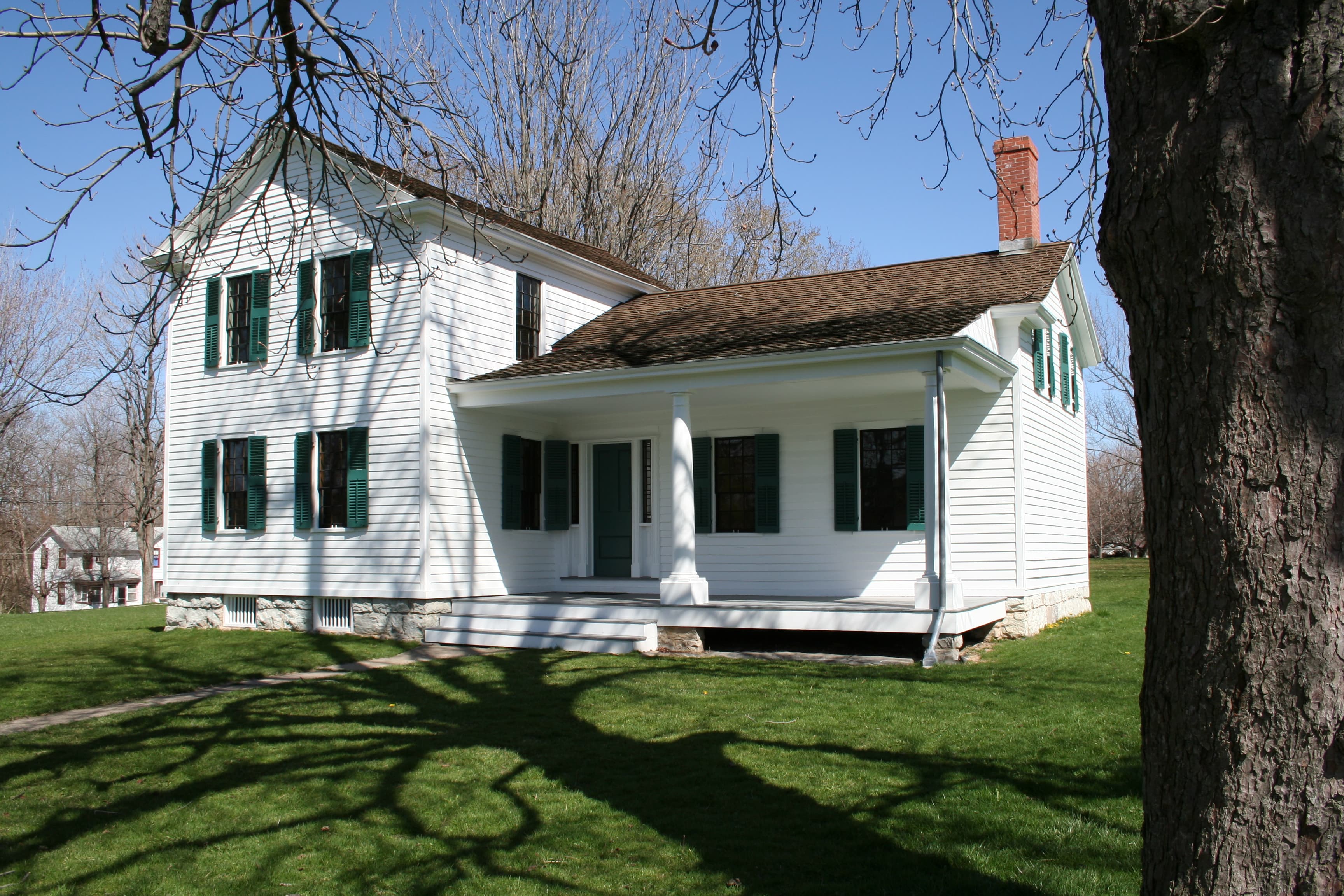
Elizabeth Cady Stanton House
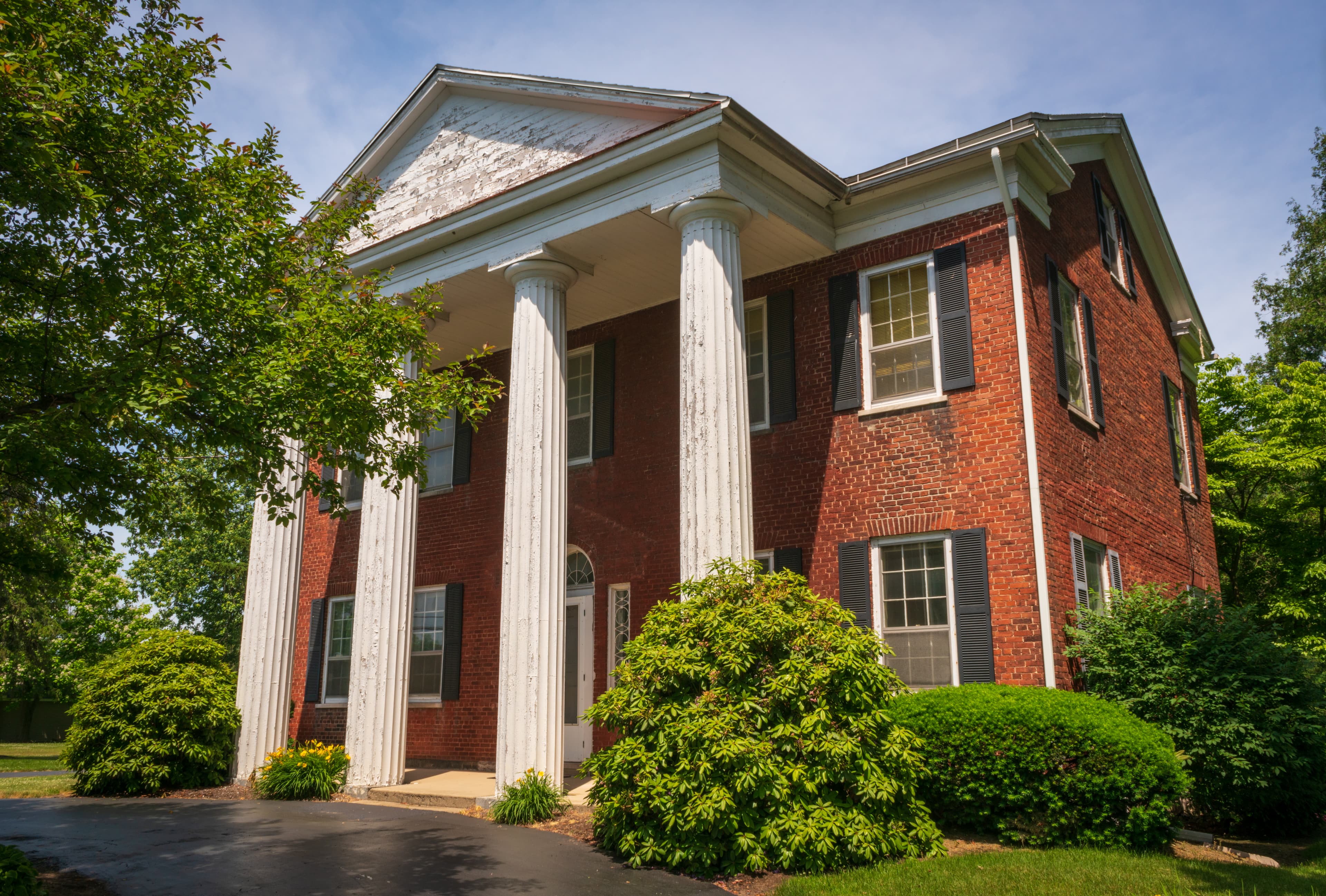
Hunt House
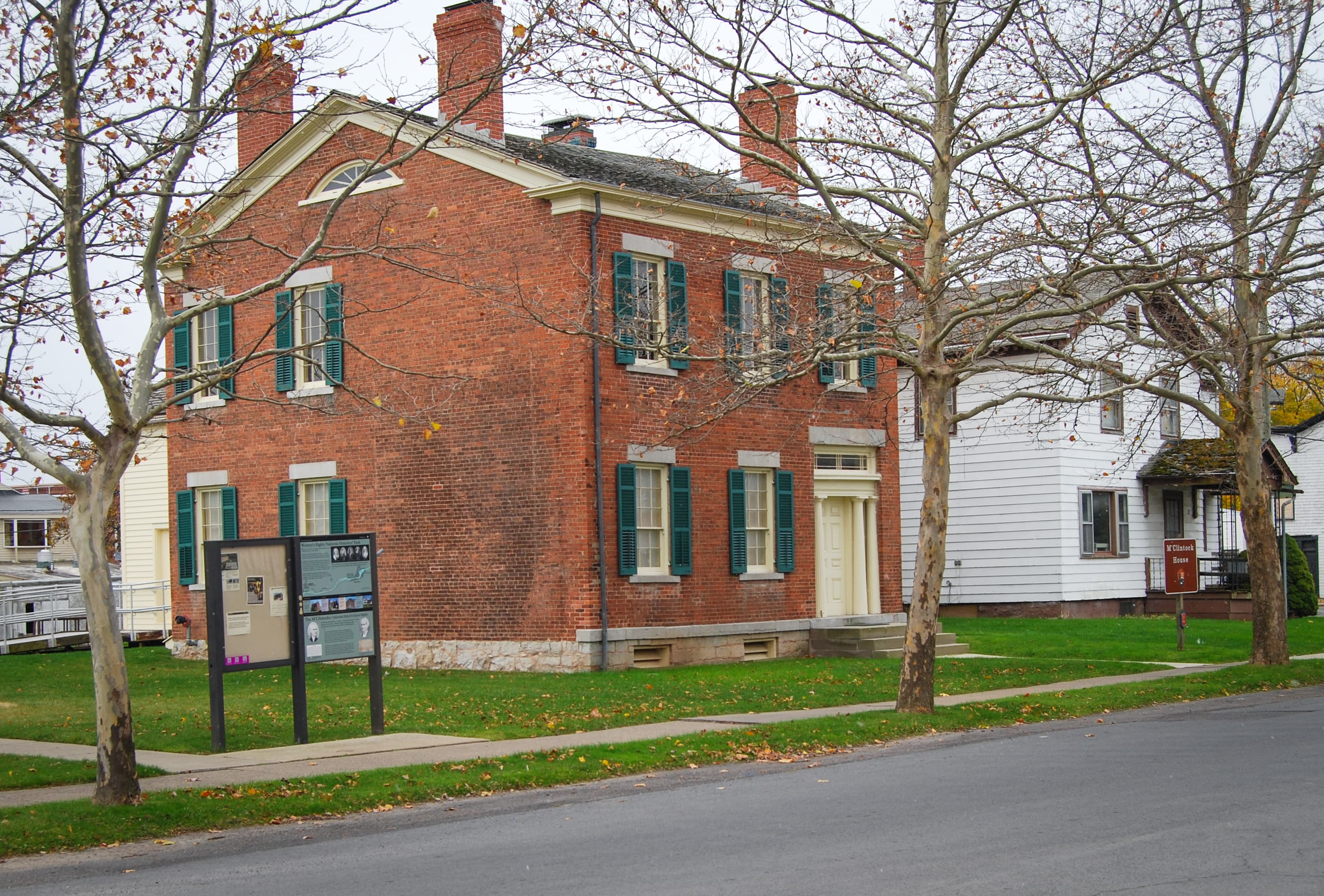
M'Clintock House
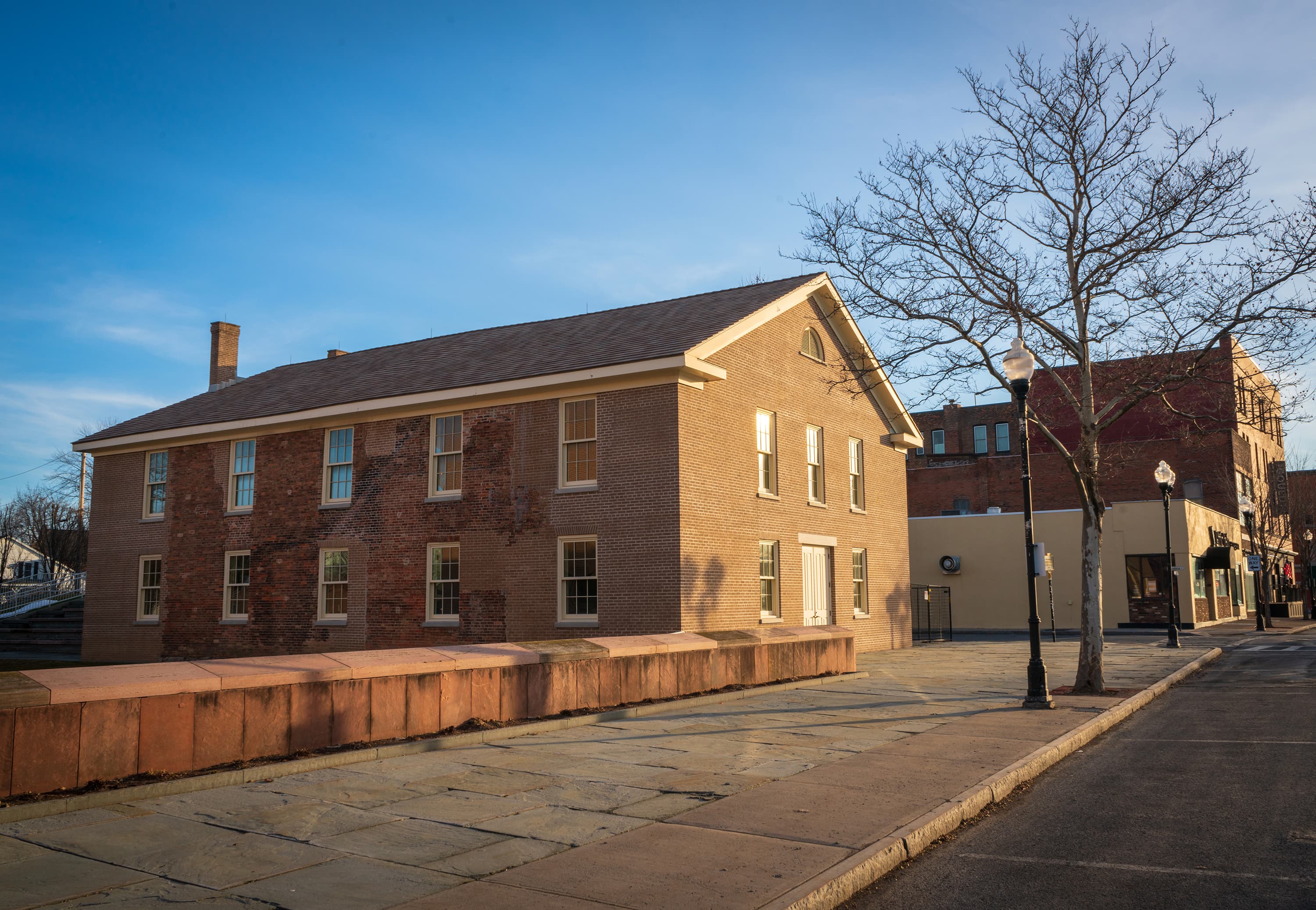
Wesleyan Methodist Chapel
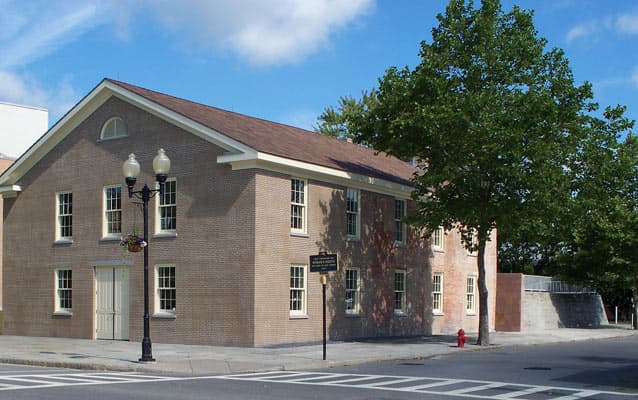
Women's Rights National Historical Park
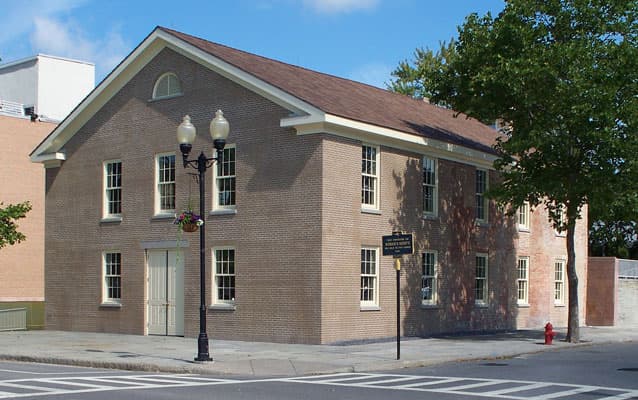
Women's Rights in Seneca Falls
Audio & media
🎧
🎬
🖼
Learn more
When Carrie Lane Chapman Catt was 13-years-old and living in rural Charles City, Iowa, she witnessed something that would help to decide the course of her life. Her family was politically active and on Election Day in 1872, Carrie’s father and some of the male hired help were getting ready to head into town to vote. She asked her mother why she wasn’t getting dressed to go too. Her parents laughingly explained to their daughter that women couldn’t vote.
Uncover the hidden history of World War I in the national parks!
The Woman Suffrage Procession along Pennsylvania Avenue on March 3, 1913, the day before Woodrow Wilson's presidential inauguration, used pageantry to raise awareness about women's exclusion from the nation's political process. The publicity following the event re-energized the woman suffrage movement in the United States.
During my lifetime Black people were deeply entrenched in the struggle for voting rights. As a child of the 1960s I heard a constant emphasis on how important it was to vote. To make our voices heard. I went with my parents to polling places when they voted, where I was surrounded by adults who grew up in the Jim Crow South and knew that voting was not something to take for granted. Michelle Duster is the great-granddaughter of Ida B. Wells.
Prior to the 1830s, American antislavery organizations were formed and controlled by white men. This changed in December of 1833 when African American men were invited to participate at the first convention of the American Anti-Slavery Slavery Society (AASS) held in Philadelphia. Some women were also invited to the convention, but as spectators rather than as members. Excluding women from full participation was customary of the period’s social conventions.
Some abolitionist women found the confidence needed to reject social conventions and participate in public activities by denying the authority of clerical rules. Abolitionist feminists also found resolve to contradict gender roles in the abolitionist belief of the common humanity of all people. The belief in common humanity was used by abolitionists to argue for the definition of African American slaves as people, not property.
The abolition movement helped form and influence those who built and led the women’s rights movement. The beliefs and practices of the abolition movement provided a backdrop against which antislavery women could challenge gender roles and leave the woman’s sphere to enter the public sphere.
The abolition movement was one of the leading factors in the formation of the 19th century women’s rights movement. This series explores the connections between the abolition movement and the women’s rights movement to reveal the relationship between the two campaigns.
Ranger School
Park-grounded courses you can learn with the Ranger.
Ain't I A Woman
Open →
Be a Women's Rights Influencer
Open →
Be a Women's Rights Influencer- Middle School Level
Open →
Correspondents, Soldiers and Spies: Women in the U.S.-Mexican War
Open →
Create Your Own Exhibit- Middle School Level
Open →
Create Your Own Exhibit- Upper Elementary Level
Open →
Defending Your Beliefs
Open →
Opening the Gates to Change: the Erie Canal and Woman’s Suffrage
Open →
Rights and Privileges- High School Level
Open →
Rights and Privileges- Middle School Level
Open →
Sentiments and Resolutions
Open →
Virtual Scavenger Hunt- High School Level
Open →
How Women's Rights National Historical Park connects
This park's activities, topics, location, and on-the-ground places — one hop in the graph. Drag to explore; click an activity, topic, or related park to follow it.
Park
Activity
Topic
State
VisitorCenter
PassportStamp
ThingToDo
Similar parks
Share activities & topics with Women's Rights National Historical Park.