Knife River Indian Villages National Historic Site
North Dakota
Tonight
🌓 65% moon
8.3 h fully dark
Crowds
low
Open today
Open
Entrance
Free entry
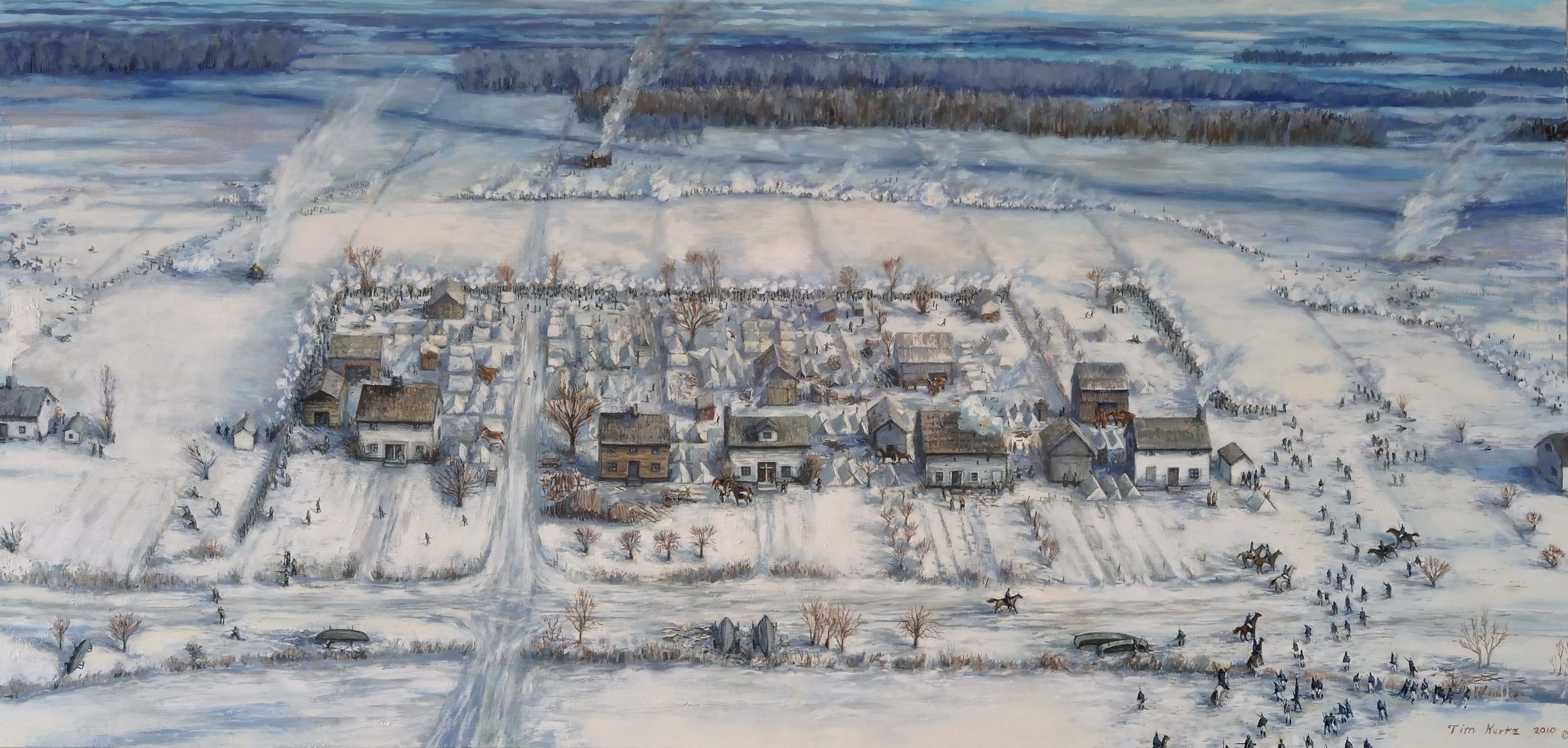
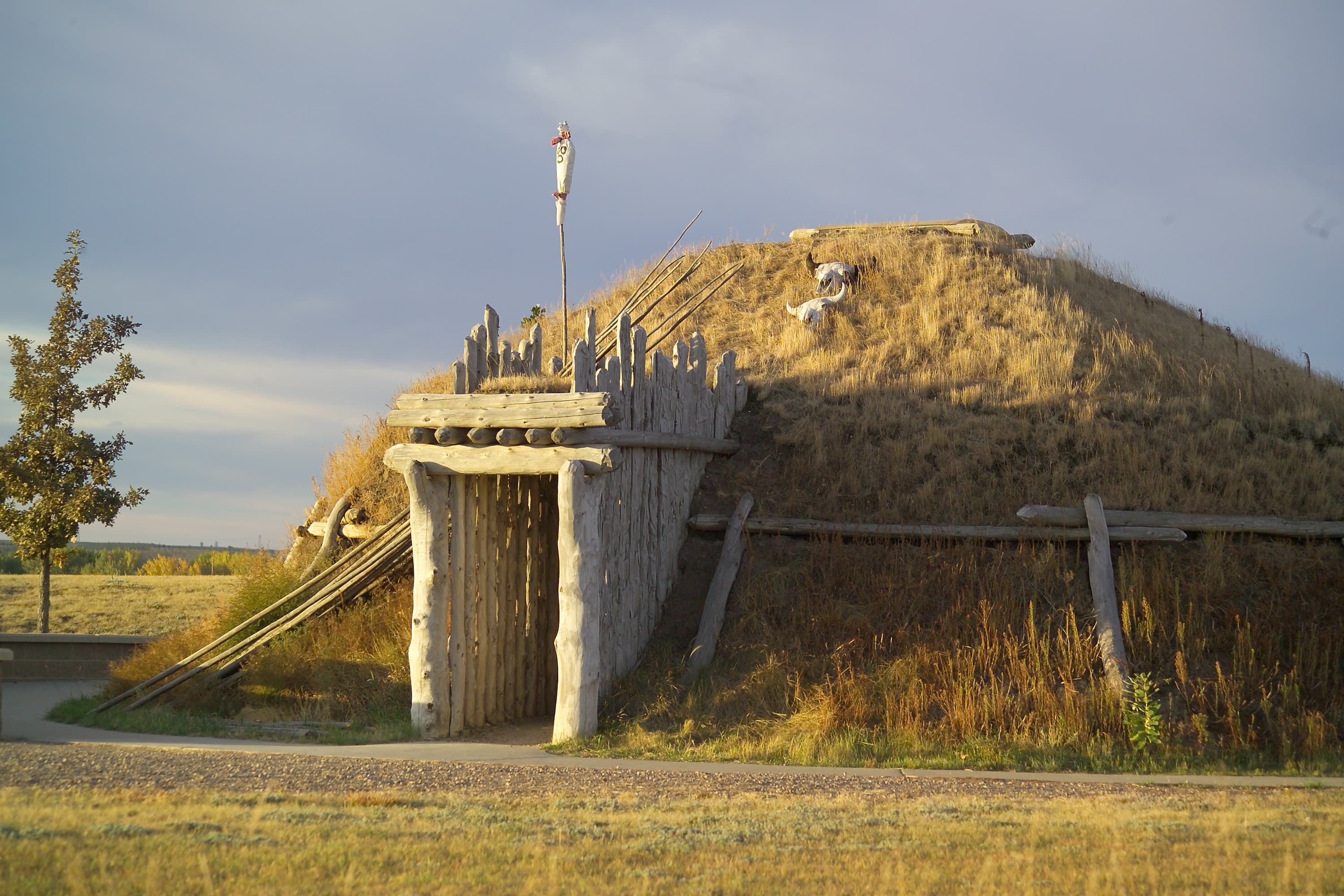
Earthlodge people hunted bison and other game, but were in essence farmers living in villages along the Missouri and its tributaries. The site was a major Native American trade center for hundreds of years prior to becoming an important market place for fur traders after 1750.
Activities
Topics
No entrance fee.
Hours & seasons
Knife River Indian Villages National Historic Site is open from sunrise to sunset, every day of the year. Even when visitor center is closed, the park itself remains open.
Generally open:
winterspringsummerfallHours are reported by the park — verify before you go.
📞 7017453300
✉ KNRI_Information@nps.govConditions
Quietest months (fewer crowds): Jan, Feb, Mar, Dec
Typical crowds: low
Weather now: ☁️ Overcast, 59°F
🌦️ 65°/54°
☁️ 68°/49°
⛅ 68°/46°
Typical monthly recreation visits · NPS avg 2023–2025 — orange months are the quietest by crowds.
Quietest months
Relative crowds by month — lighter is quieter; ringed months are the calmest by crowds.
Jan
2%
Feb
4%
Mar
5%
Apr
15%
May
64%
Jun
86%
Jul
100%
Aug
87%
Sep
64%
Oct
19%
Nov
7%
Dec
2%
Log a sky reading
Measured the sky with an SQM meter or app? Add your reading (16 = city glow … 22 = pristine). Opt in under “Travelers like you” to share it on the community leaderboard.
Things to do
Walk the Village Trail · 1.3 mi
Visitor centers
Knife River Indian Villages National Historic Site Visitor Center
Accessibility
9 audio-described place(s)
Reported by the park — verify before you go.
Not an official safety source — always defer to NPS.gov and rangers for life-safety decisions.
By the numbers
A visual read on Knife River Indian Villages National Historic Site — its character, trails, sky, and weather.
Park fingerprint
How this park scores across the dimensions travelers care about.
Trail difficulty
Difficulty mix across this park's trails.
3-day forecast
Daily high and low temperatures (°F).
Passport stamps
Mark the stamps you've collected — they show in your memory and along your routes.
🎫 Knife River Indian Villages National Historic Site Visitor Center
Places to see
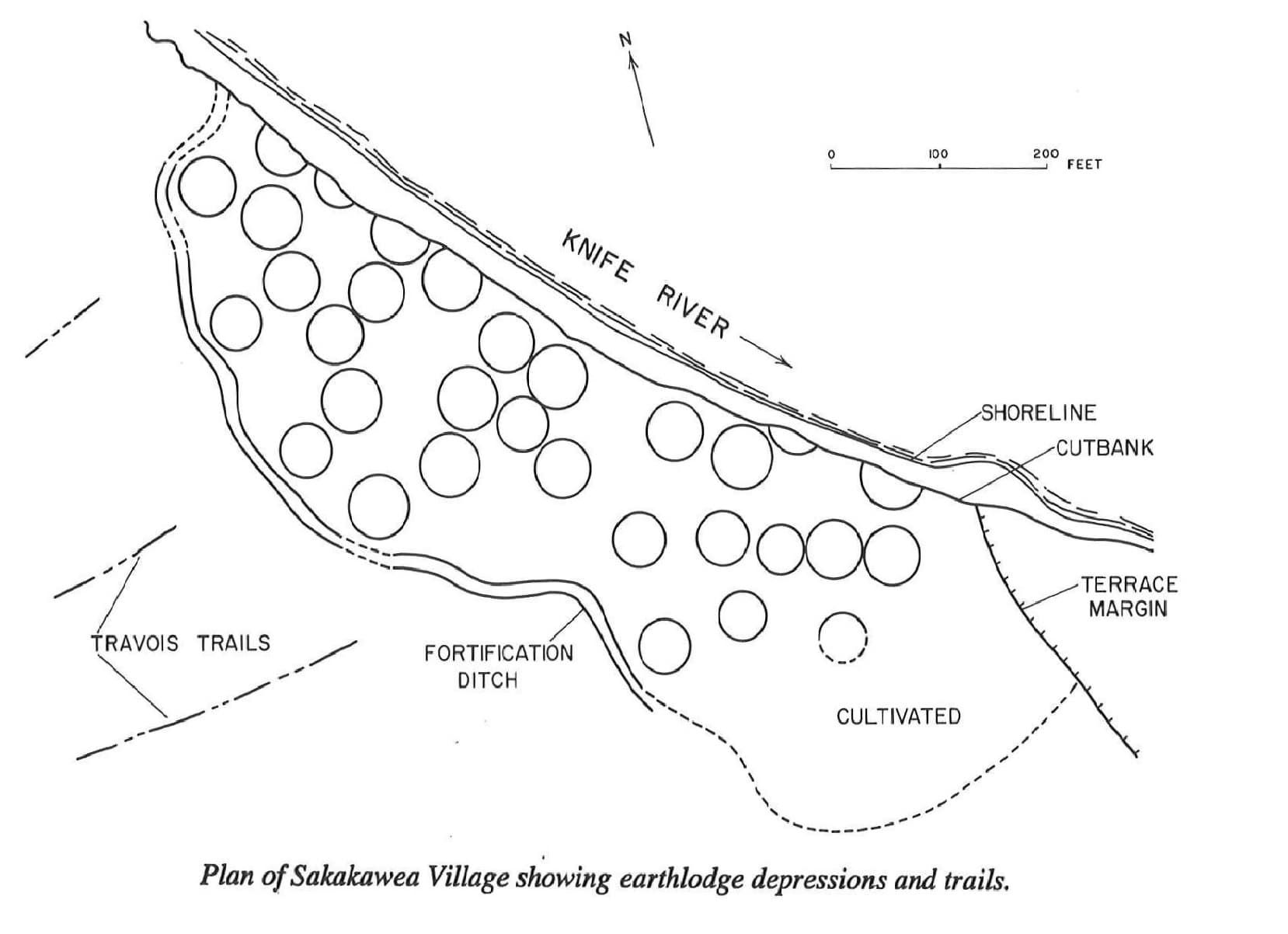
A New Village - Awatixa or Sakakawea Village
audio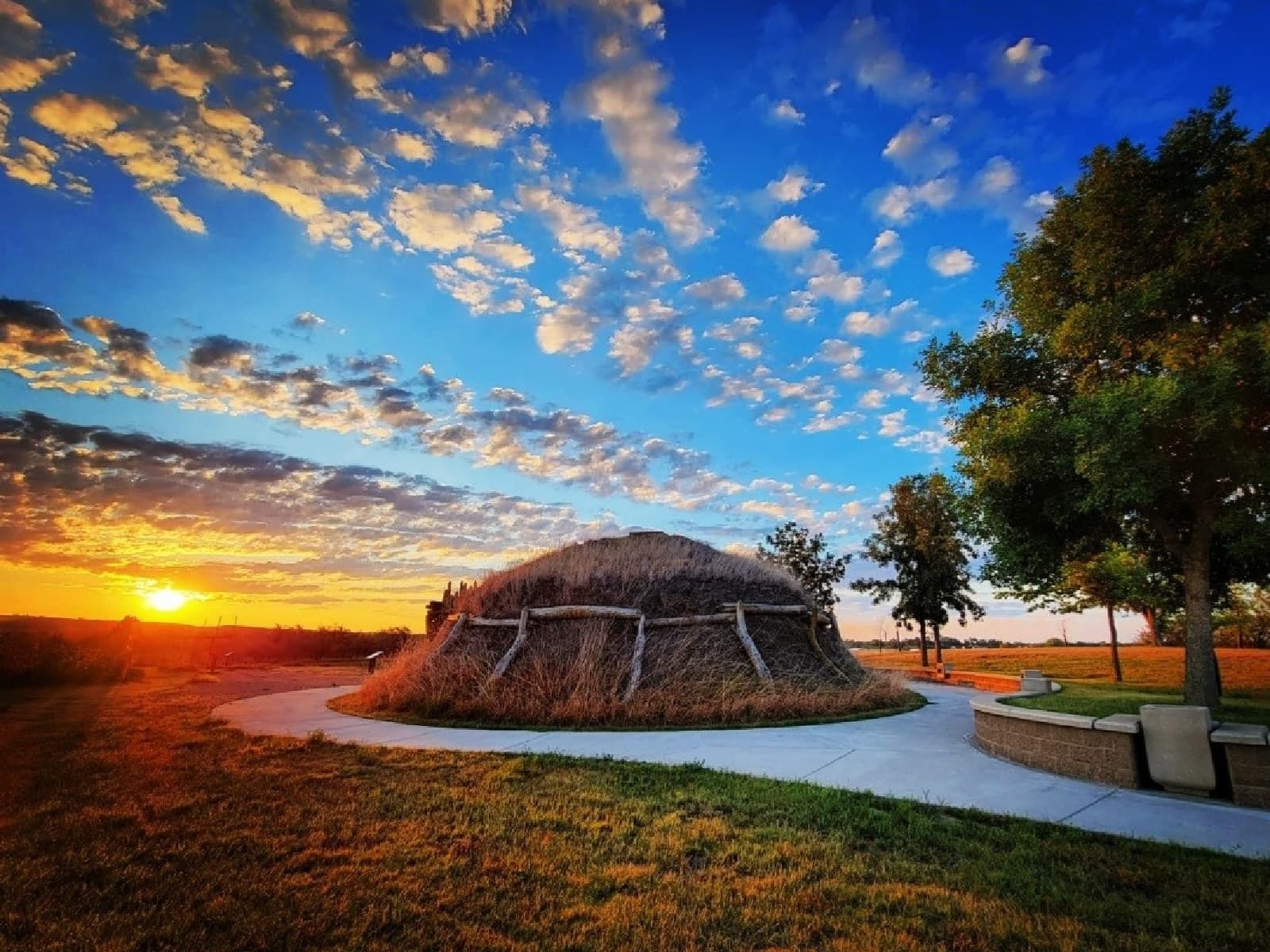
An Earthlodge (Awa-adi)
audio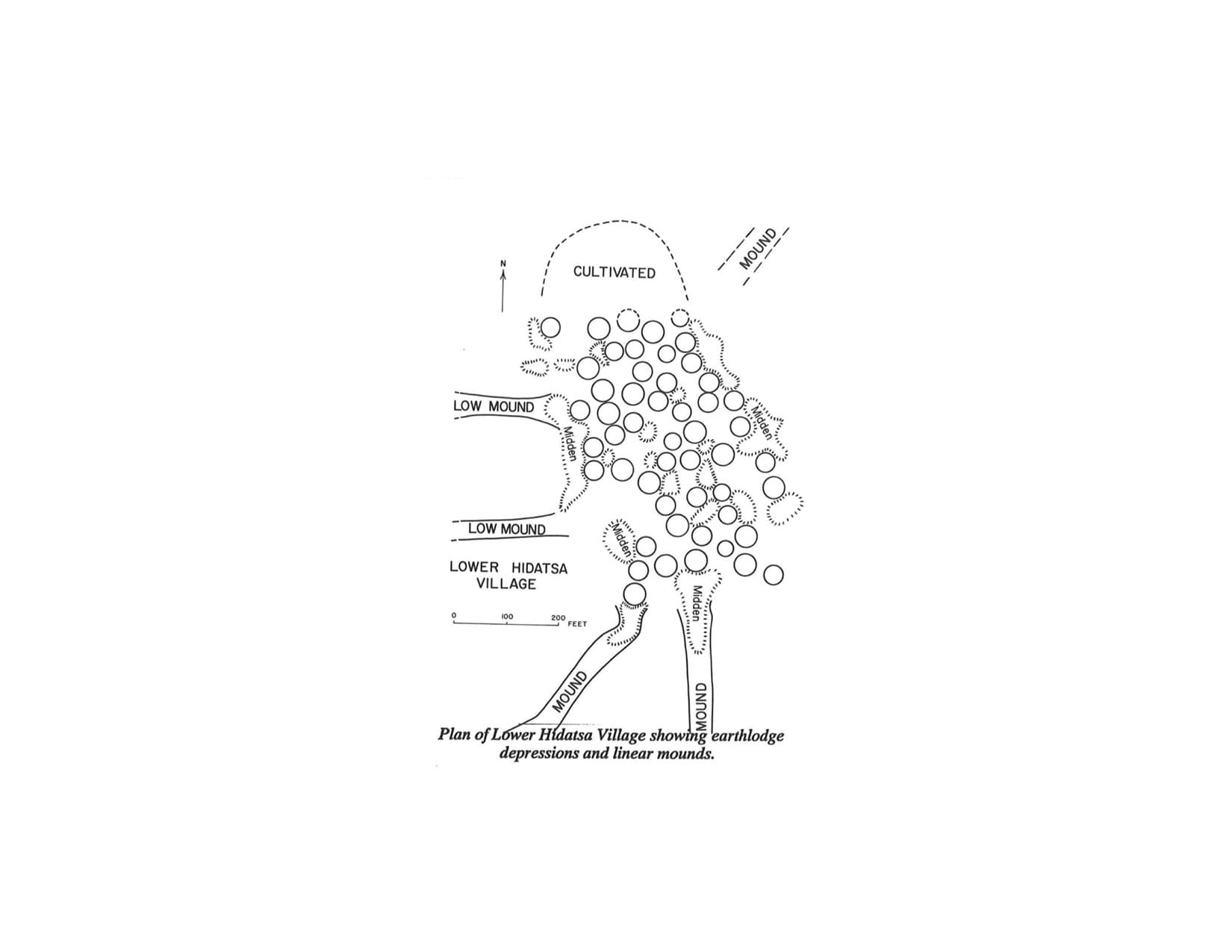
Awatixa Xi'e Village (Lower Hidatsa)
audio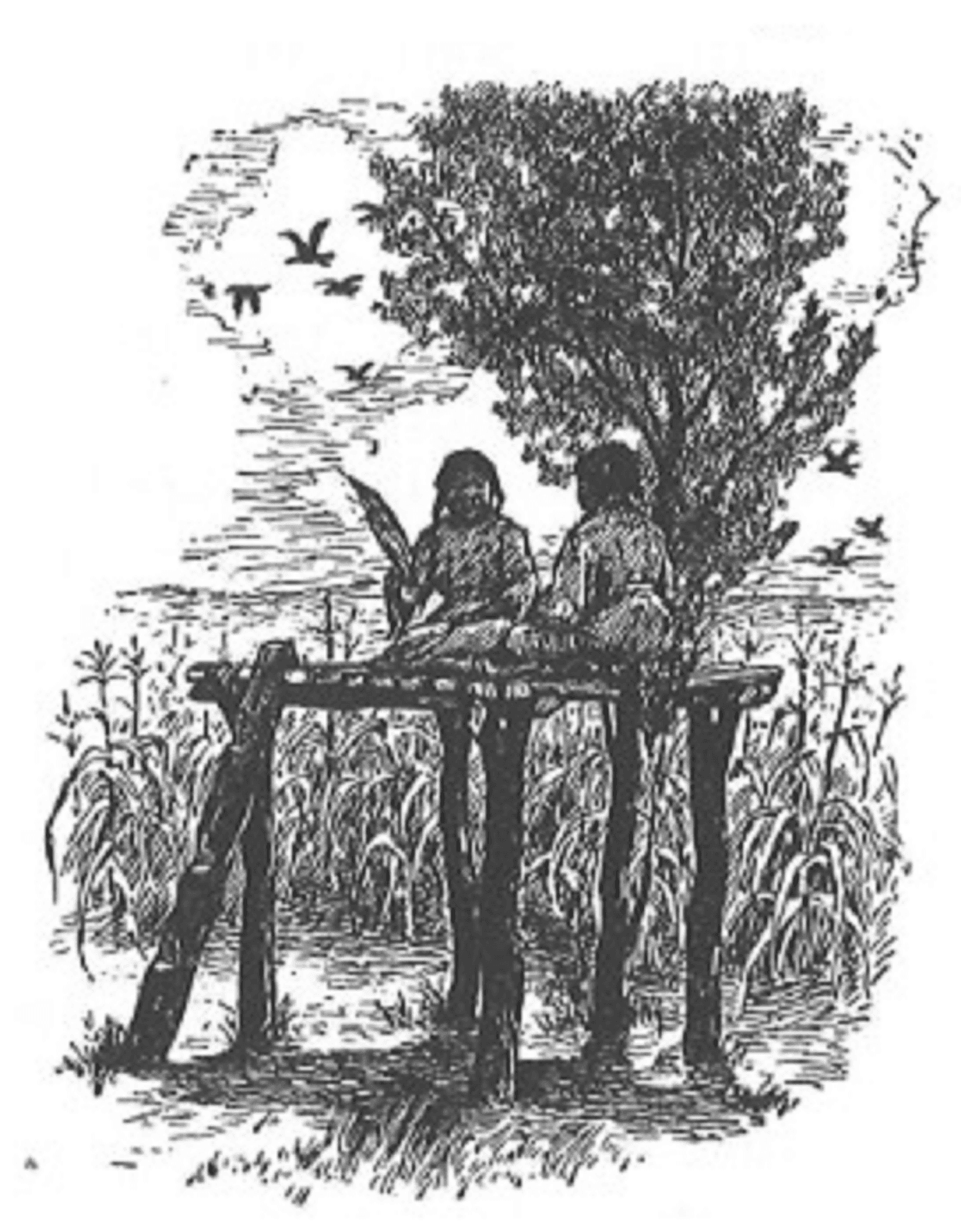
Garden and Drying Stage
audio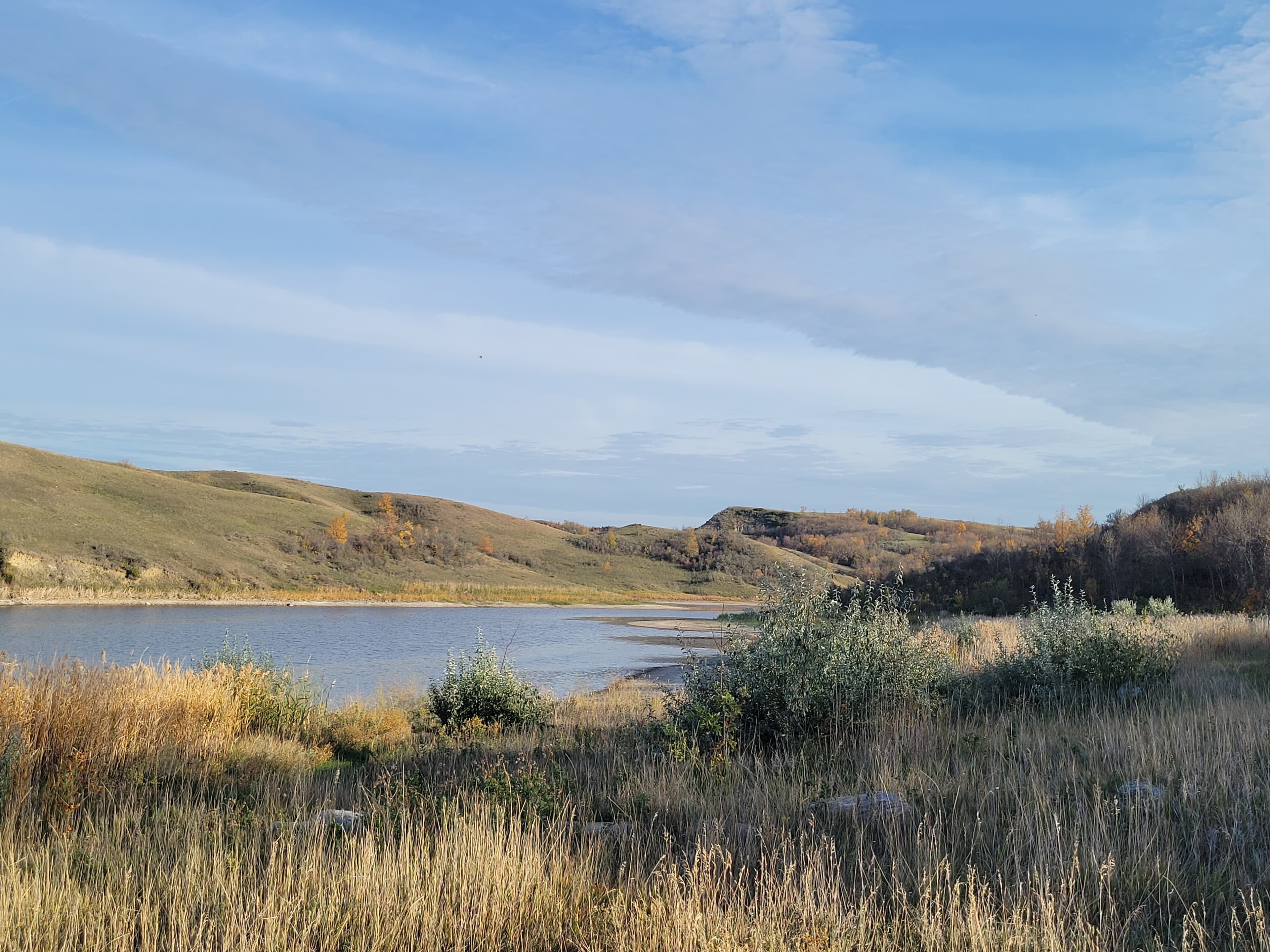
Geology of the Area
audio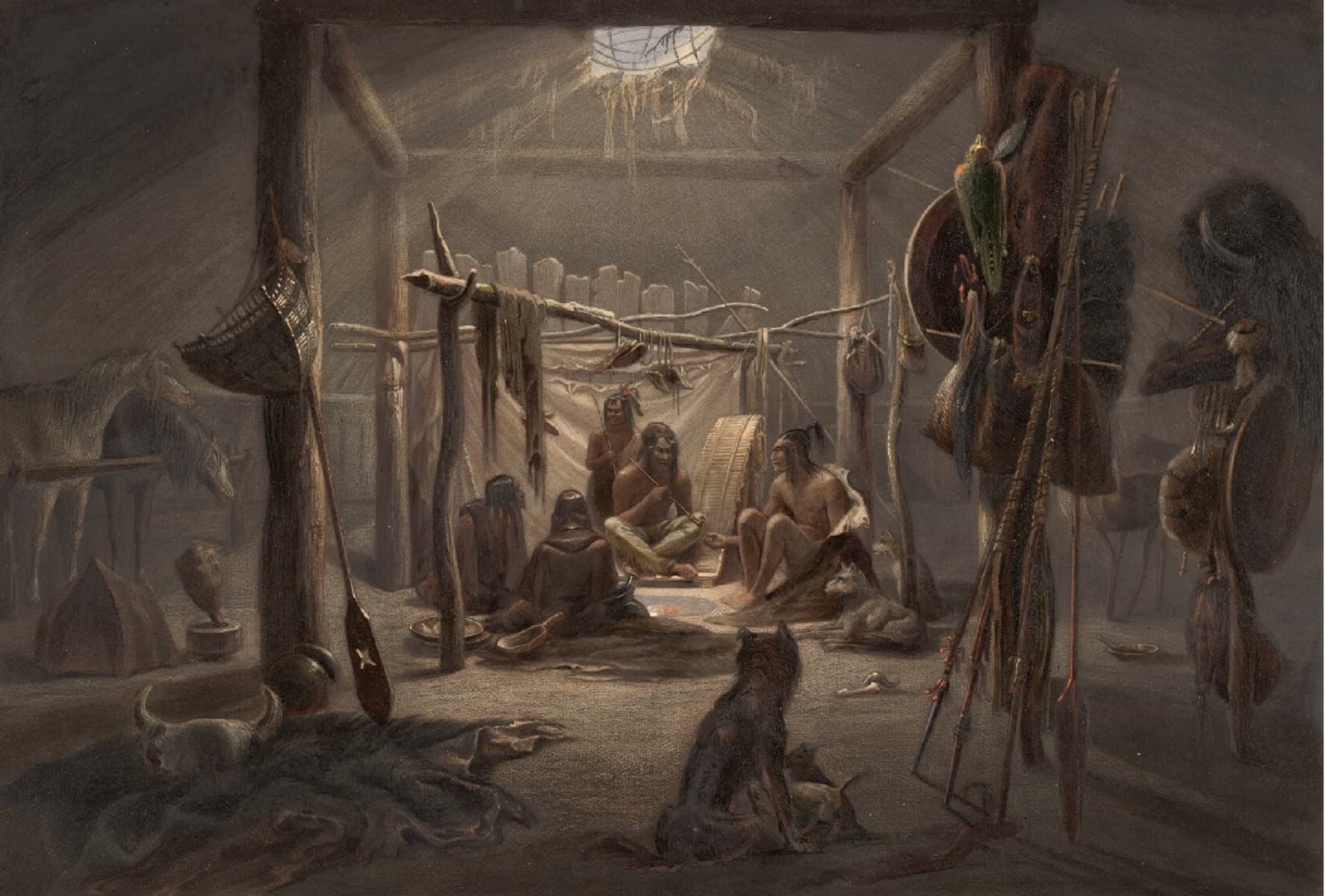
Knife River Earthlodge
audio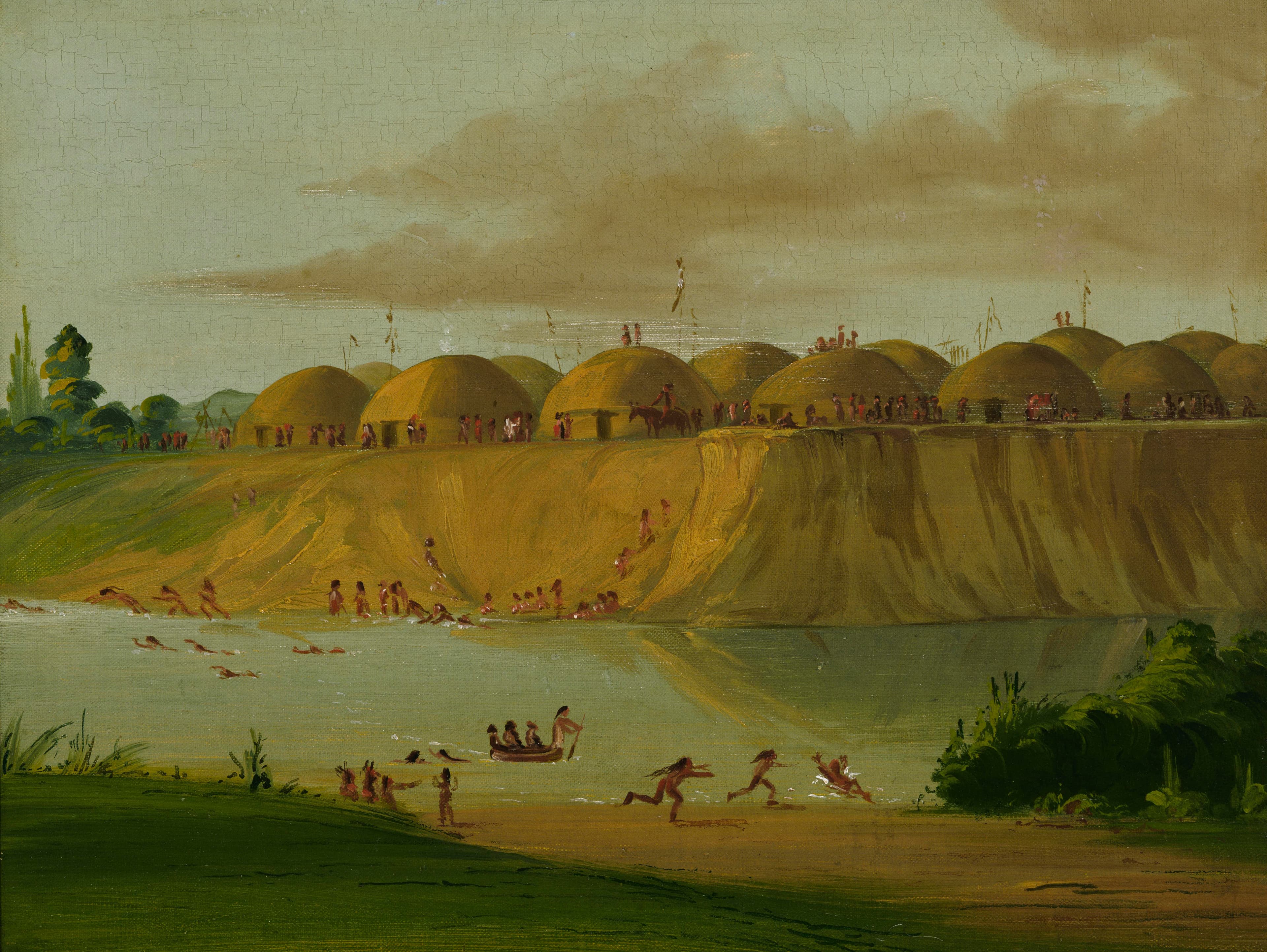
Knife River Villages
audio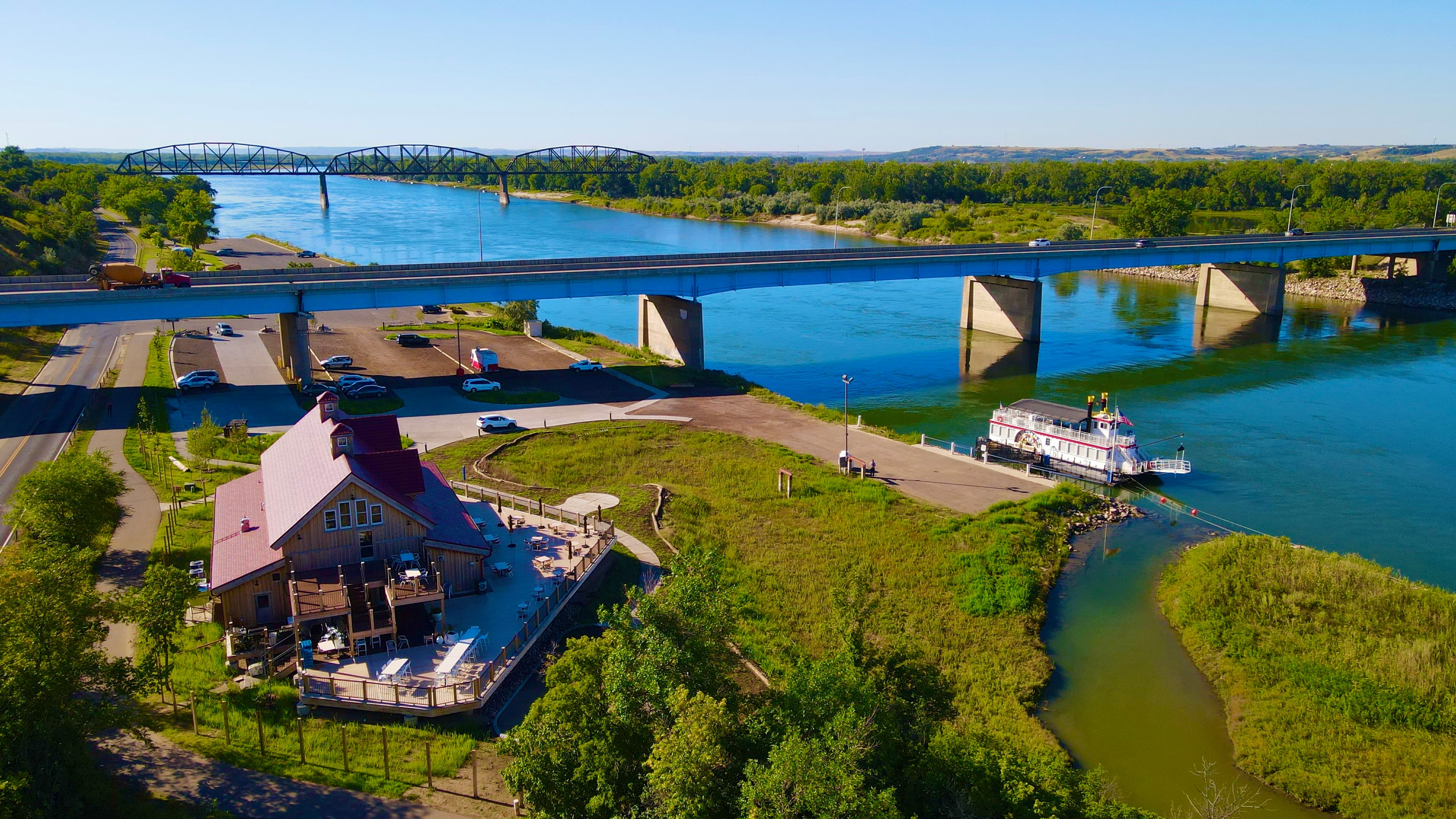
Northern Plains National Heritage Area
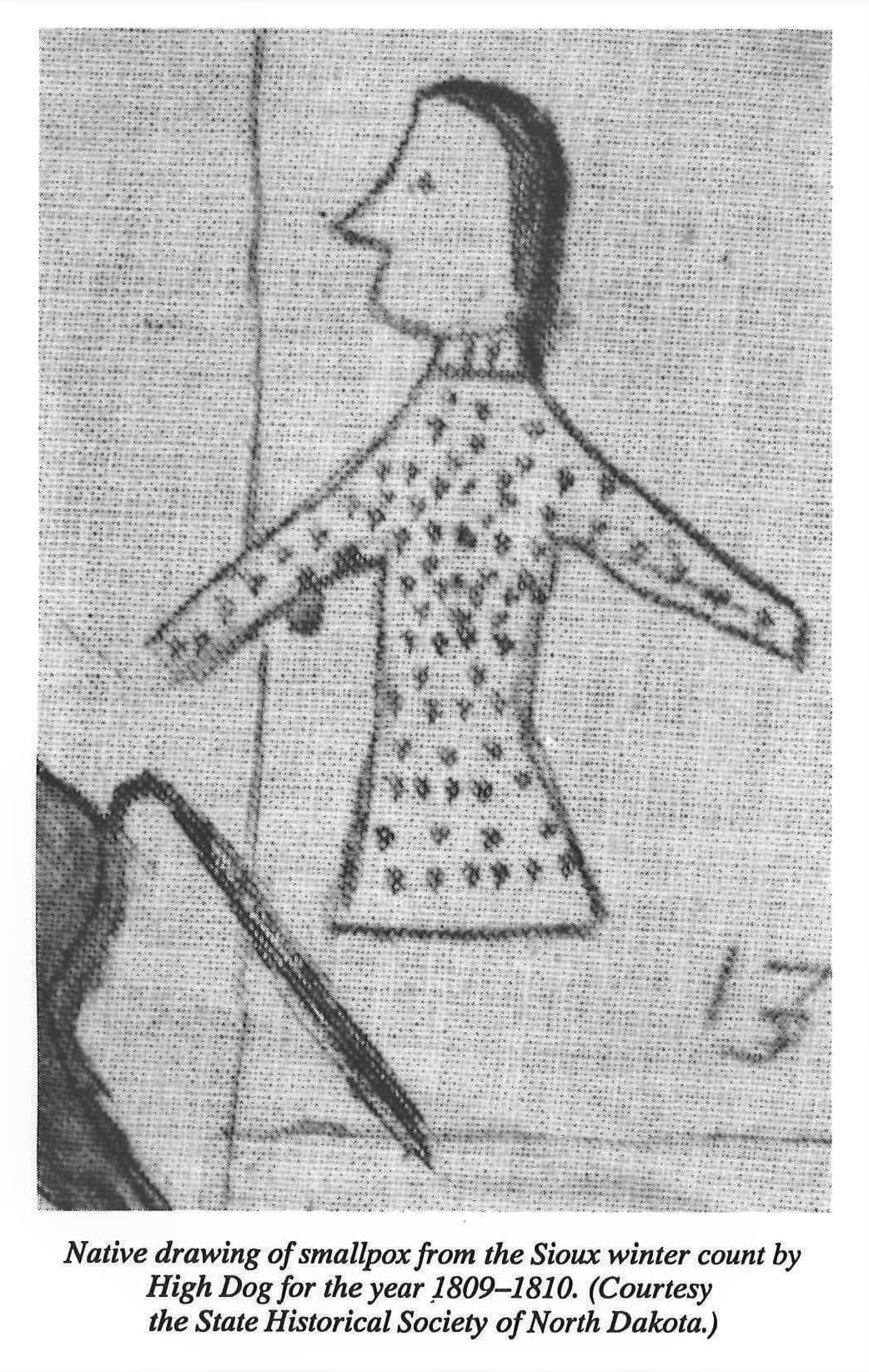
Smallpox Arrived at the Little Village.
audio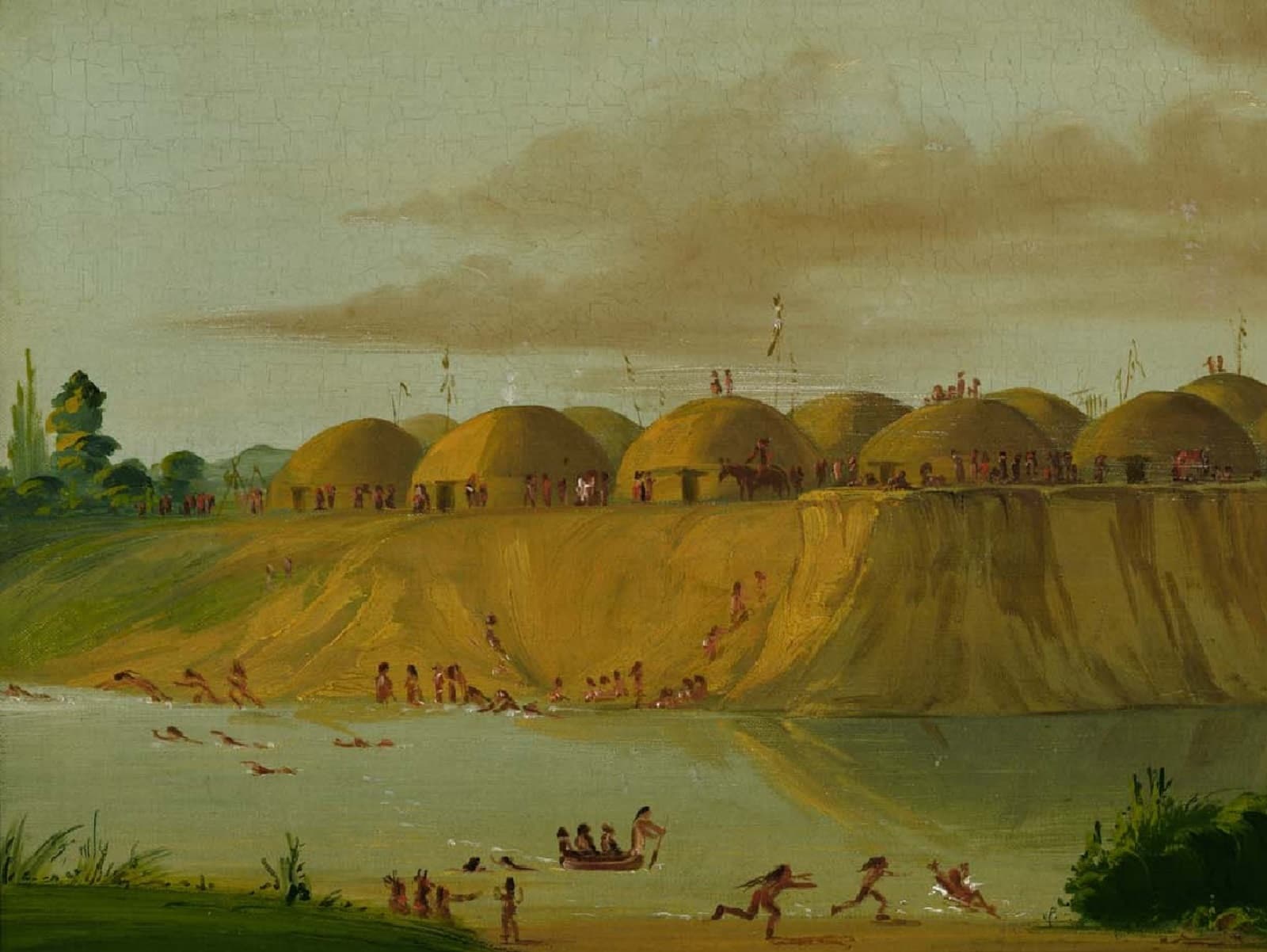
What Happened to the Earthlodge Builders?
audioAudio & media
🎧
🎬
🖼
Learn more
Superintendent of Knife River Indian Villages, Alisha Deegan describes her journey with the NPS for the 19th Amendment Centennial.
This historical background information explains arts, crafts, and clothing traditions for the Mandan and Hidatsa tribes. It details flint, pottery, basketry, painting, parfleche, quillwork, clothing, footwear, appearance, and singing and dancing. It also explains activity in a modern Hidatsa or Mandan home.
Knife River Indian Villages National Historic Site protects upland woodlands and cottonwood forests along the Knife and Missouri rivers that provide foraging and roosting habitat for bats. The Northern Great Plains Inventory & Monitoring Network monitors bats at the park to detect long-term trends in bat populations.
Across six Northern Great Plains parks, education and outreach for bats was conducted.
The Big Hidatsa Village Site is part of the Knife River Indian Villages National Historic Site. Settled from 1740 until about 1850, Big Hidatsa Village is the largest of the Hidatsa communities near the Knife River. It was comprised of approximately 120 circular earth lodges that housed 20 to 30 individuals each. They were set close together, allowing for communal interaction among the inhabitants.
The Cenozoic Era (66 million years ago [MYA] through today) is the "Age of Mammals." North America’s characteristic landscapes began to develop during the Cenozoic. Birds and mammals rose in prominence after the extinction of giant reptiles. Common Cenozoic fossils include cat-like carnivores and early horses, as well as ice age woolly mammoths.
At Sakakawea, archeologists discovered hundreds of stone tools. The Hidatsa who manufactured them, however, were not the eighteenth-century villagers, but people who lived several decades earlier. The smallpox epidemics in 1781-1782 and 1837-1838 devastated the Hidatsa artisans, leading to new ways of making ceramic and metal objects and passing along the methodologies to the next generation.
In traditional Hidatsa society, women constructed, owned, and maintained the earthlodge, or awadi. The elaborately designed structure was home to between ten and twenty people, often sisters and their families spanning several generations. Today, shallow depressions mark the locations of the earthlodge villages at Knife River Indian Villages National Historic Site in North Dakota.
Ranger School
Park-grounded courses you can learn with the Ranger.
Arts Crafts Clothing and Appearance: Parfleche, Quillwork, Basketry
Open →
Arts, Crafts, Clothing and Appearance: Flint, Pottery, Painting
Open →
Biodiversity Study
Open →
Biomes and Climates of the Lewis and Clark Expedition
Open →
Economy and Trade: Pre 1845
Open →
Hidatsa Tribe Use of Prairie Plants
Open →
Housing: Early Homes
Open →
Important Members of the Lewis and Clark Expedition
Open →
Native American Lithic Tools
Open →
Researching Prairie Restoration
Open →
Seeing Into the Ground: Archeology and Magnetometry
Open →
Subsistence: Men’s Contributions
Open →
How Knife River Indian Villages National Historic Site connects
This park's activities, topics, location, and on-the-ground places — one hop in the graph. Drag to explore; click an activity, topic, or related park to follow it.
Park
Activity
Topic
State
VisitorCenter
PassportStamp
Trail
ThingToDo
Similar parks
Share activities & topics with Knife River Indian Villages National Historic Site.