Pipe Spring National Monument
Arizona
Tonight
🌓 65% moon
8.9 h fully dark
Crowds
low
Open today
Open
Entrance
$10
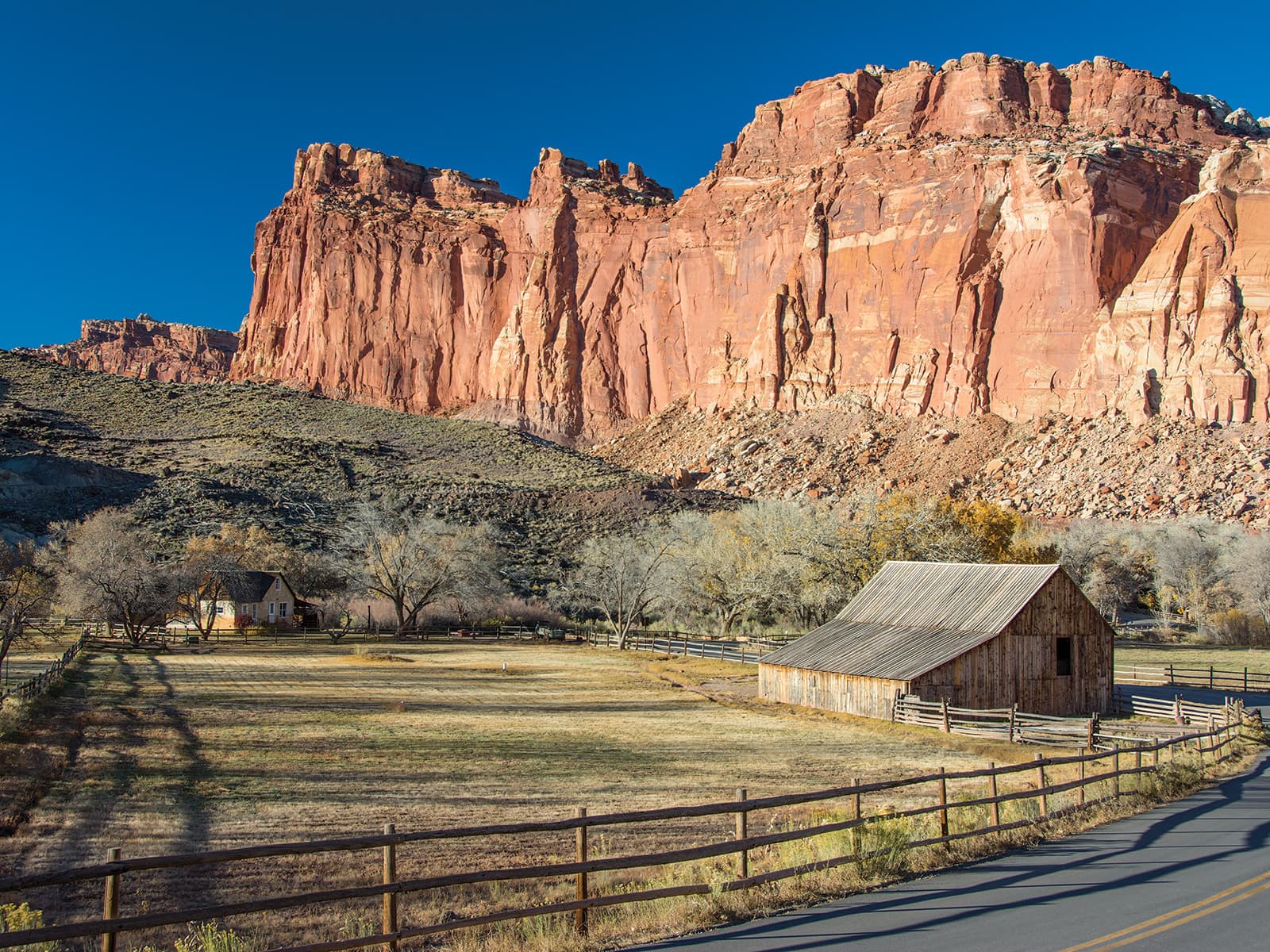
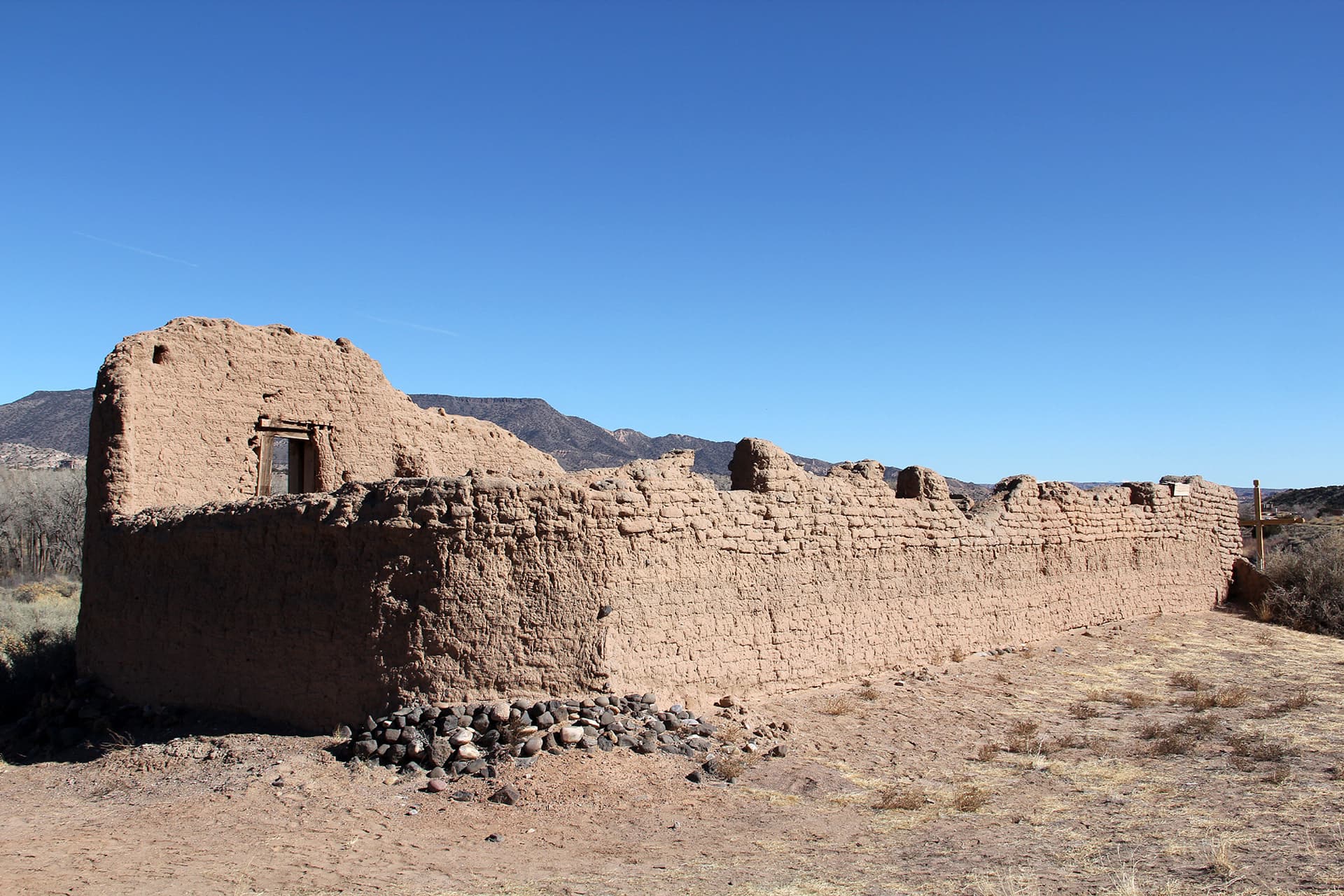
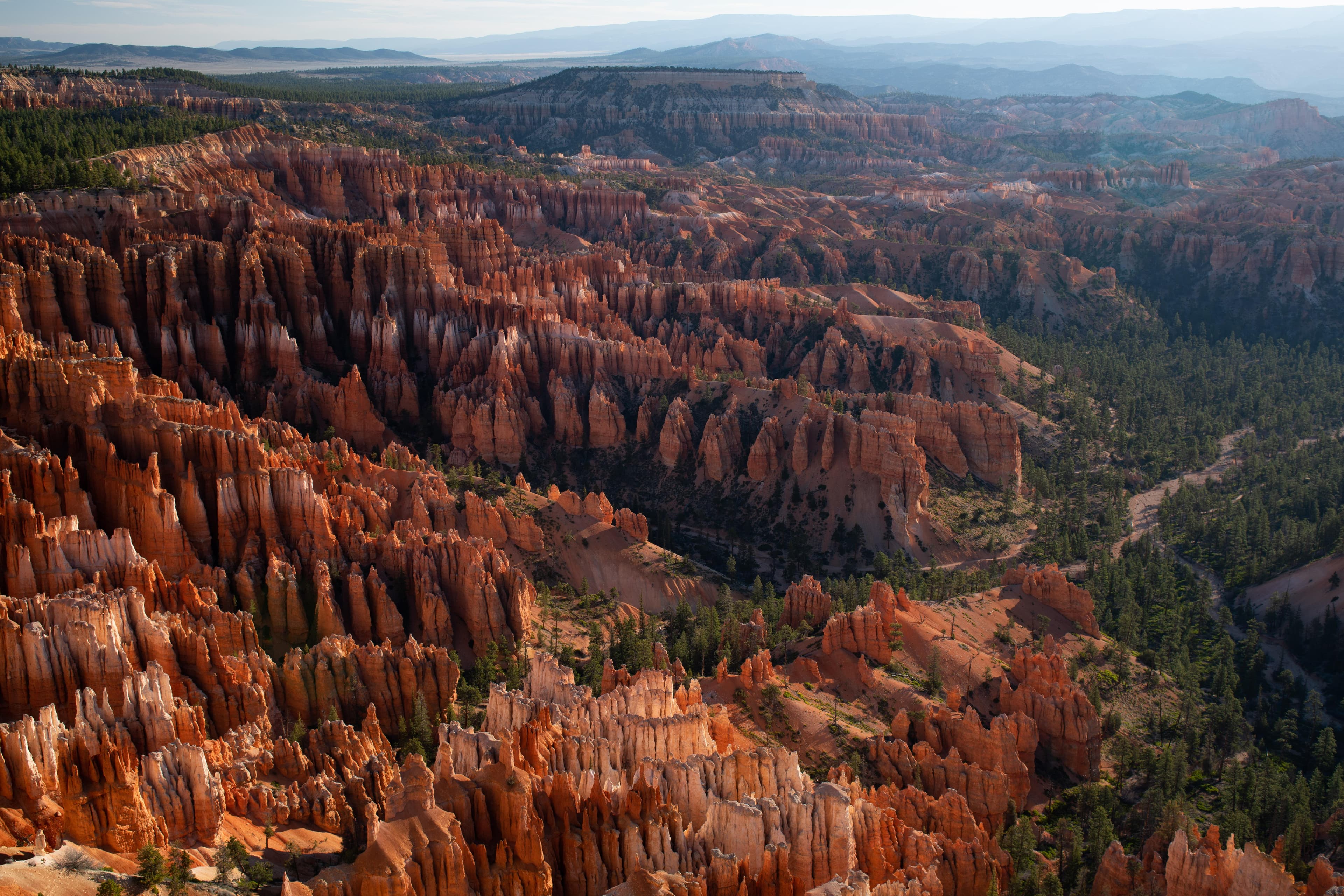
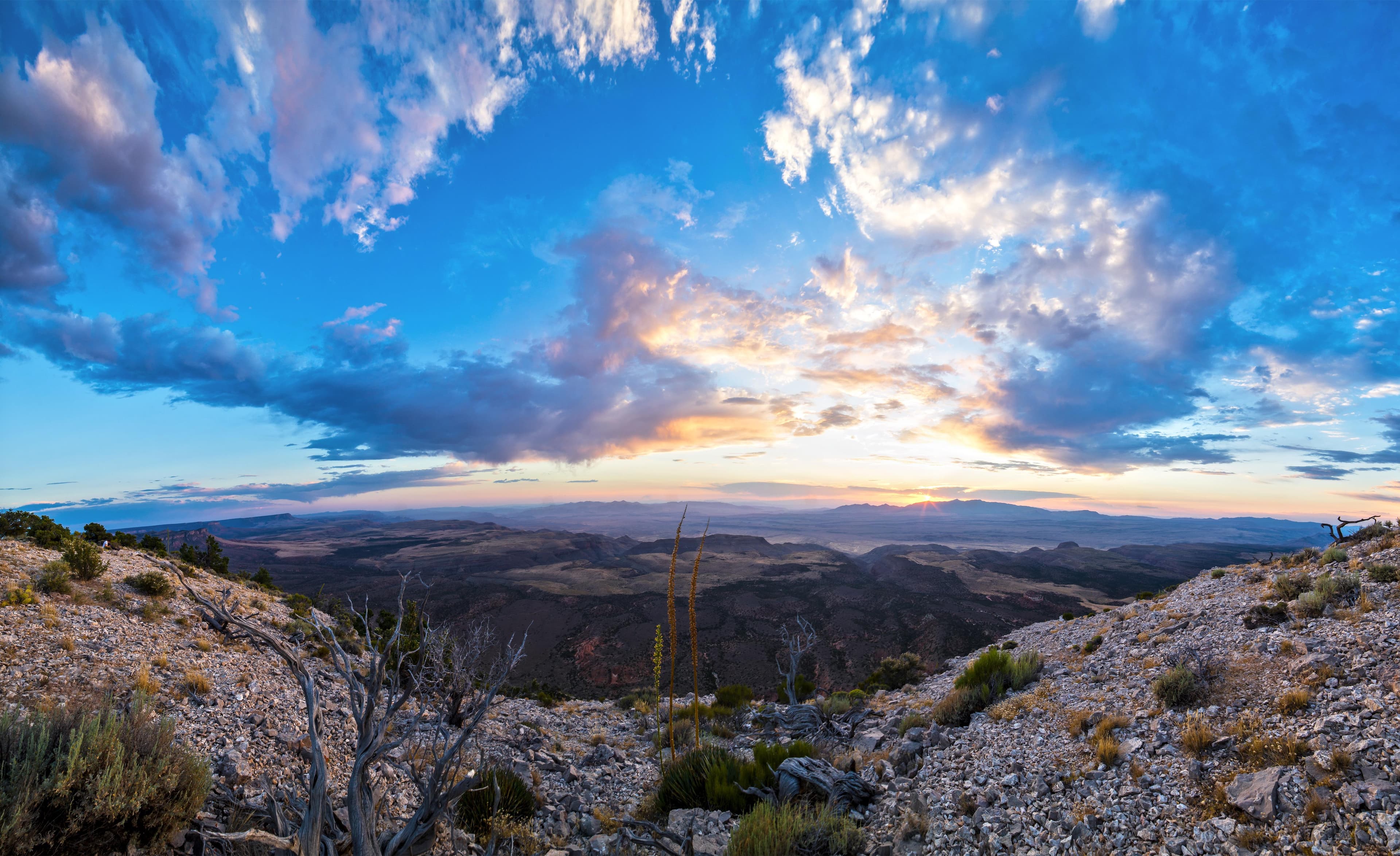
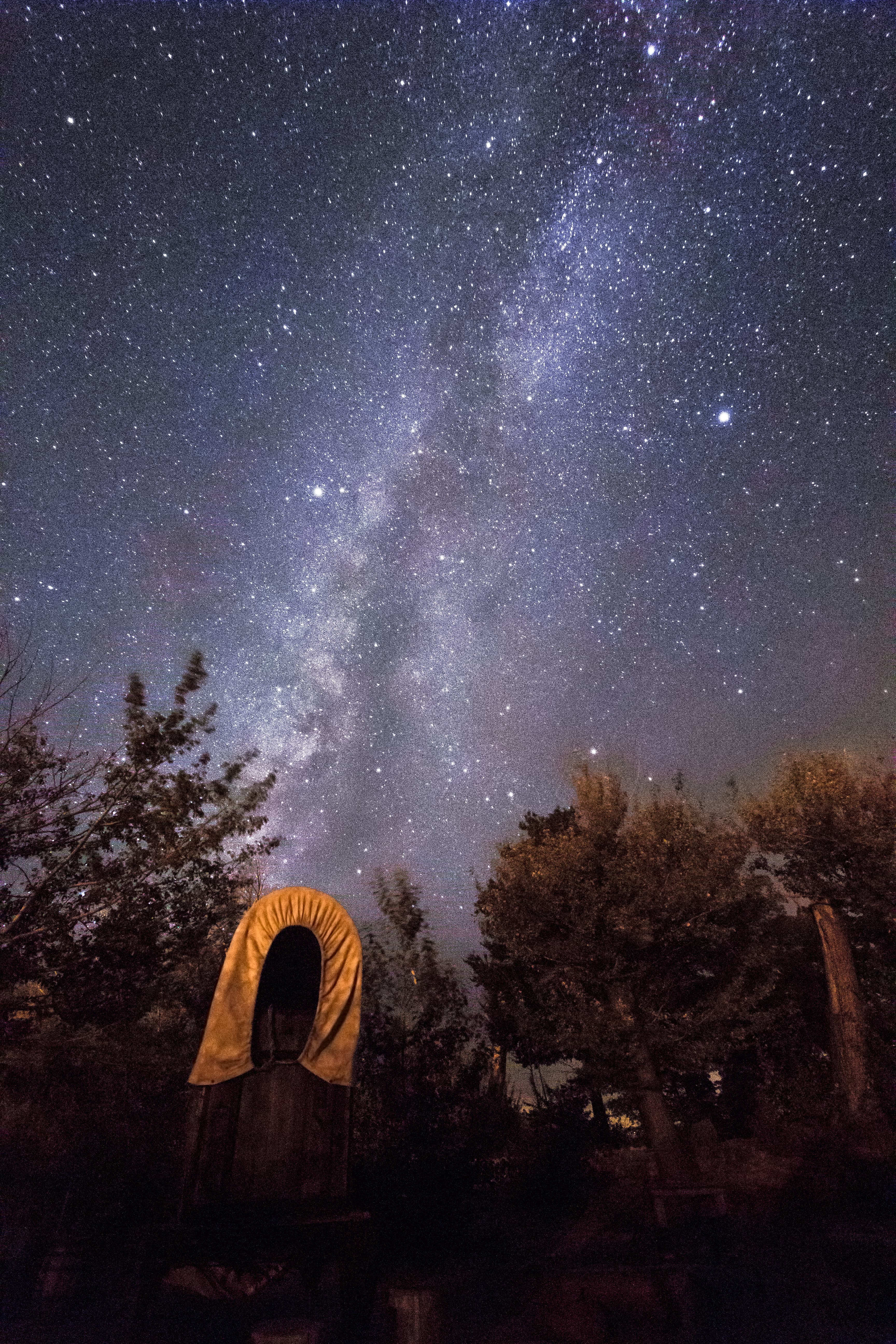
The rich history of Pipe Spring and its flowing water comes alive as you explore the traditions of the Kaibab Paiute and the Mormon settlers through the museum, historic fort, cabins, and garden. Hike the Ridge Trail to enjoy geologic wonders, plants, and wildlife. Attend living history demonstrations and talks and be sure to visit with our amazing ranch animals!
Activities
Topics
Entrance fees
$10.00 — Entrance - Per Person
Hours & seasons
Visitor Center, Museum, and Monument open 8:30AM to 4:30PM, 7 days a week. Closed Thanksgiving, Christmas, and New Year's Day.
Generally open:
winterspringsummerfallHours are reported by the park — verify before you go.
📞 9286437105
✉ pipespring_info@nps.govConditions
Quietest months (fewer crowds): Jan, Feb, Nov, Dec
Typical crowds: low
Weather now: ☀️ Clear, 67°F
☁️ 82°/51°
☁️ 84°/61°
🌦️ 81°/60°
Typical monthly recreation visits · NPS avg 2023–2025 — orange months are the quietest by crowds.
Quietest months
Relative crowds by month — lighter is quieter; ringed months are the calmest by crowds.
Jan
20%
Feb
31%
Mar
65%
Apr
93%
May
100%
Jun
94%
Jul
66%
Aug
53%
Sep
92%
Oct
58%
Nov
33%
Dec
27%
Log a sky reading
Measured the sky with an SQM meter or app? Add your reading (16 = city glow … 22 = pristine). Opt in under “Travelers like you” to share it on the community leaderboard.
Visitor centers
Pipe Spring Visitor Center and Cultural Museum
Accessibility
Reported by the park — verify before you go.
Not an official safety source — always defer to NPS.gov and rangers for life-safety decisions.
By the numbers
A visual read on Pipe Spring National Monument — its character, trails, sky, and weather.
Park fingerprint
How this park scores across the dimensions travelers care about.
3-day forecast
Daily high and low temperatures (°F).
People & stories
Figures tied to Pipe Spring National Monument — each spans a cross-park journey.
Frank "Boss" Pinkley
— Pinkley, Boss, NPS HistoryAudio & media
🎧
🎬
🖼
Learn more
When the climate changes enough, the vegetation communities growing in any given place will also change. Under an expanded bimodal climate zone, some plant communities in western national parks are more likely to change than others. National Park Service ecologists and partners investigated the future conditions that may force some of this change. Having this information can help park managers decide whether to resist, direct, or accept the change.
“Paa” ute means water ute, and explains the Southern Paiute preference for living near water sources. The Spanish explorer Escalante kept detailed journals of his travels in the Southwest and made notes concerning Southern Paiute horticulture, writing in 1776, that there were “well dug irrigation ditches” being used to water small fields of corn, pumpkins, squash, and sunflowers.
Across the US, changes in water availability are altering which plants grow where. These changes are evident at a broad scale. But not all areas experience the same climate in the same way, even within the boundaries of a single national park. A new dataset gives park managers a valuable tool for understanding why vegetation has changed and how it might change in the future under different climate-change scenarios.
Dinosaur fossils have been discovered at or are associated with at least 27 NPS units. Geographically, their finds are concentrated in the parks of the Colorado Plateau, but they have been found from central Alaska to Big Bend National Park in Texas to Springfield Armory National Historic Site in Massachusetts. The most famous site is the Dinosaur Quarry of Dinosaur National Monument, but a rush of new finds since the 1970s has greatly expanded our knowledge.
The Black-throated Sparrow edition of Get to Know the Plateau, spotlighting a beautiful bird of the Colorado Plateau. Brought to you by the Southern Colorado Plateau Network.
This finding aid describes the Leonard Heaton Diaries part of the NPS History Collection.
Because birds can be sensitive to habitat change, they are good indicators of ecosystem integrity. The Northern Colorado Plateau Network partners with the University of Delaware to assess breeding-bird species trends in three different habitats: low-elevation riparian, pinyon-juniper, and sage shrubland. Find out which species were increasing and declining at network parks as of 2018.
Because birds can be sensitive to habitat change, they are good indicators of ecosystem integrity. The Northern Colorado Plateau Network partners with the University of Delaware to assess breeding-bird species trends in three different habitats: low-elevation riparian, pinyon-juniper, and sage shrubland. Find out which species were increasing and declining at network parks as of 2019.
How Pipe Spring National Monument connects
This park's activities, topics, location, and on-the-ground places — one hop in the graph. Drag to explore; click an activity, topic, or related park to follow it.
Park
Activity
Topic
State
VisitorCenter
Trail
Similar parks
Share activities & topics with Pipe Spring National Monument.