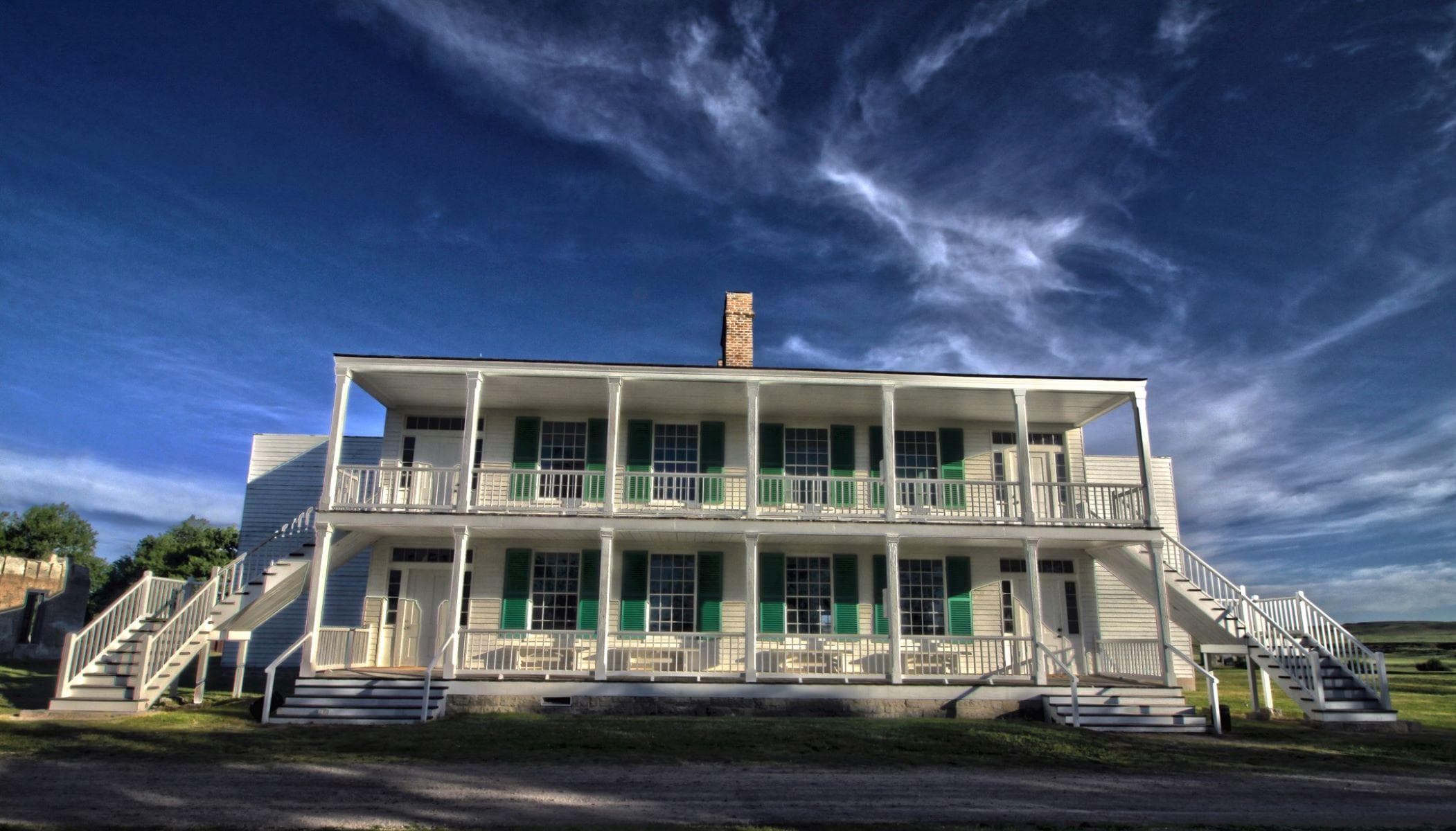
Fort Laramie National Historic Site
Wyoming
Tonight
🌓 65% moon
8.6 h fully dark
Crowds
low
Entrance
Free entry
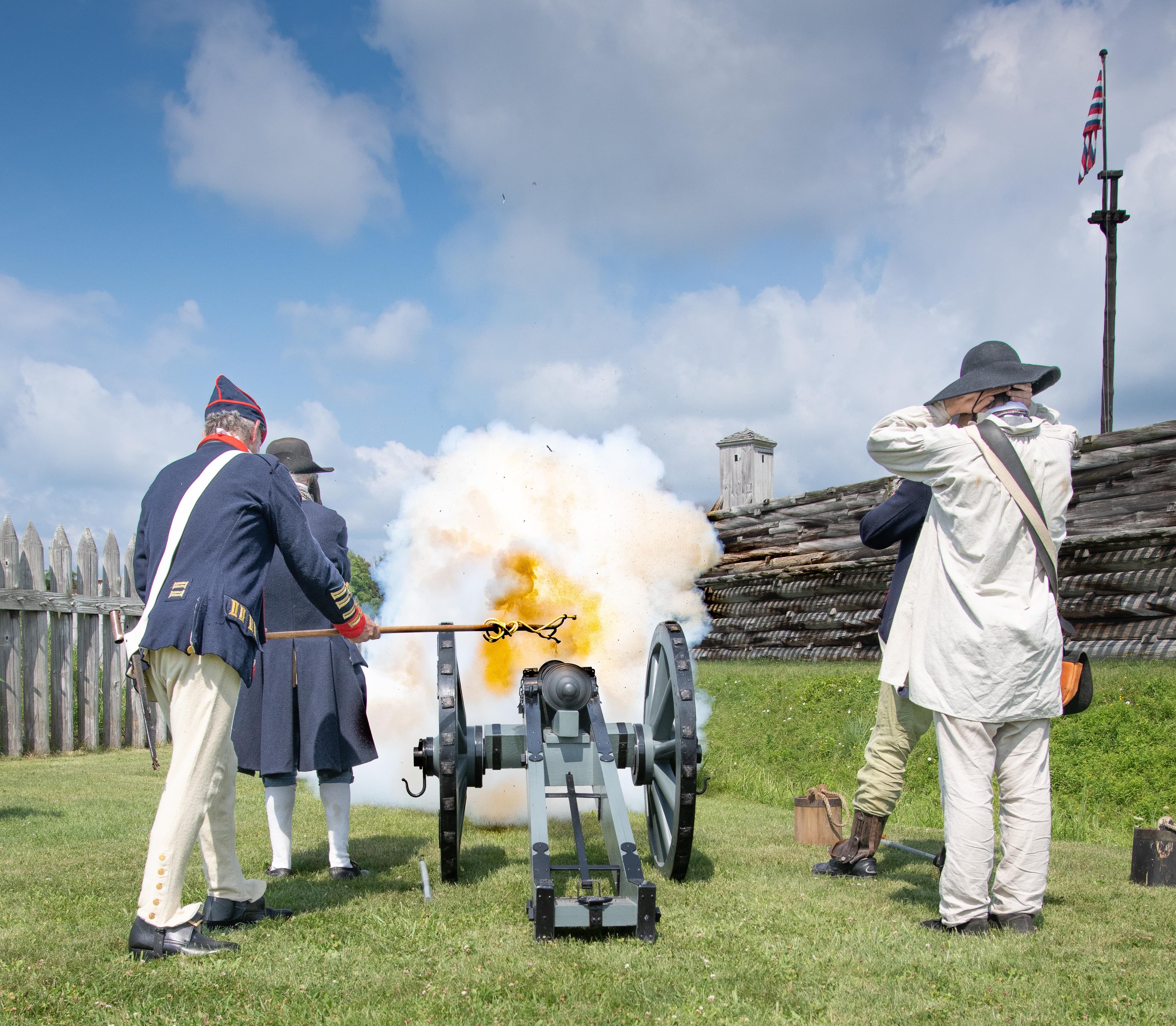
Originally established as a private fur trading fort in 1834, Fort Laramie evolved into the largest and best-known military post on the Northern Plains before its abandonment in 1890. Nicknamed the “Grand Old Post,” Fort Laramie witnessed the entire sweeping saga of America’s western expansion and Indian resistance to encroachment on their territories.
Activities
Topics
No entrance fee.
Hours & seasons
The park grounds are open from dawn until dusk every day of the year. Some historic buildings may be closed in winter. Post trader store and cavalry barracks are open daily - weather permitting.
Hours are reported by the park — verify before you go.
📞 3078372221
✉ FOLA_Visitor_Information@nps.govConditions
Quietest months (fewer crowds): Jan, Feb, Nov, Dec
Typical crowds: low
Weather now: ⛅ Partly cloudy, 66°F
🌦️ 66°/55°
☁️ 67°/48°
☁️ 82°/53°
Typical monthly recreation visits · NPS avg 2023–2025 — orange months are the quietest by crowds.
Quietest months
Relative crowds by month — lighter is quieter; ringed months are the calmest by crowds.
Jan
6%
Feb
6%
Mar
12%
Apr
17%
May
72%
Jun
80%
Jul
100%
Aug
73%
Sep
65%
Oct
19%
Nov
6%
Dec
7%
Log a sky reading
Measured the sky with an SQM meter or app? Add your reading (16 = city glow … 22 = pristine). Opt in under “Travelers like you” to share it on the community leaderboard.
Visitor centers
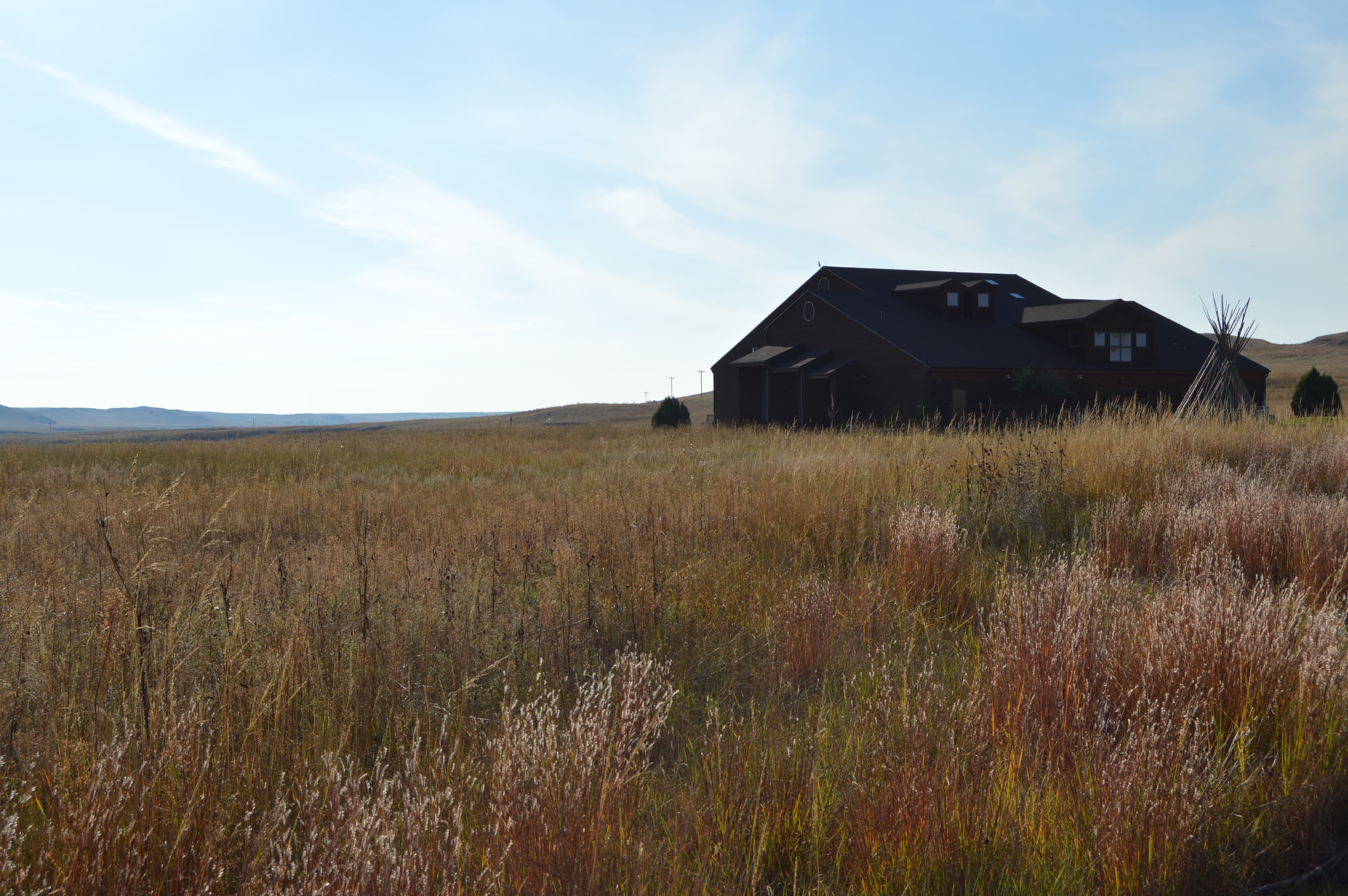
Fort Laramie National Historic Site Visitor Center
Accessibility
38 audio-described place(s)
Reported by the park — verify before you go.
Parking
Accessible Lot · 4 accessible spacesaccessible
Main Parking Lot · 107 accessible spaces
Picnic Area Lot · 12 accessible spaces
Not an official safety source — always defer to NPS.gov and rangers for life-safety decisions.
By the numbers
A visual read on Fort Laramie National Historic Site — its character, trails, sky, and weather.
Park fingerprint
How this park scores across the dimensions travelers care about.
3-day forecast
Daily high and low temperatures (°F).
People & stories
Figures tied to Fort Laramie National Historic Site — each spans a cross-park journey.
Andrew Sheridan Burt
— Fort Laramie National Historic Site, HistoryElizabeth Burt
— Fort Laramie National Historic Site, HistoryHenry Evelith Maynadier
— Fort Laramie National Historic Site, HistoryOliver Nixon Unthank
— Fort Laramie National Historic Site, HistorySpotted Tail
— Fort Laramie National Historic Site, HistoryPassport stamps
Mark the stamps you've collected — they show in your memory and along your routes.
🎫 Commissary Storehouse
🎫 Fort Laramie National Historic Site Visitor Center
🎫 Old Bedlam
Places to see
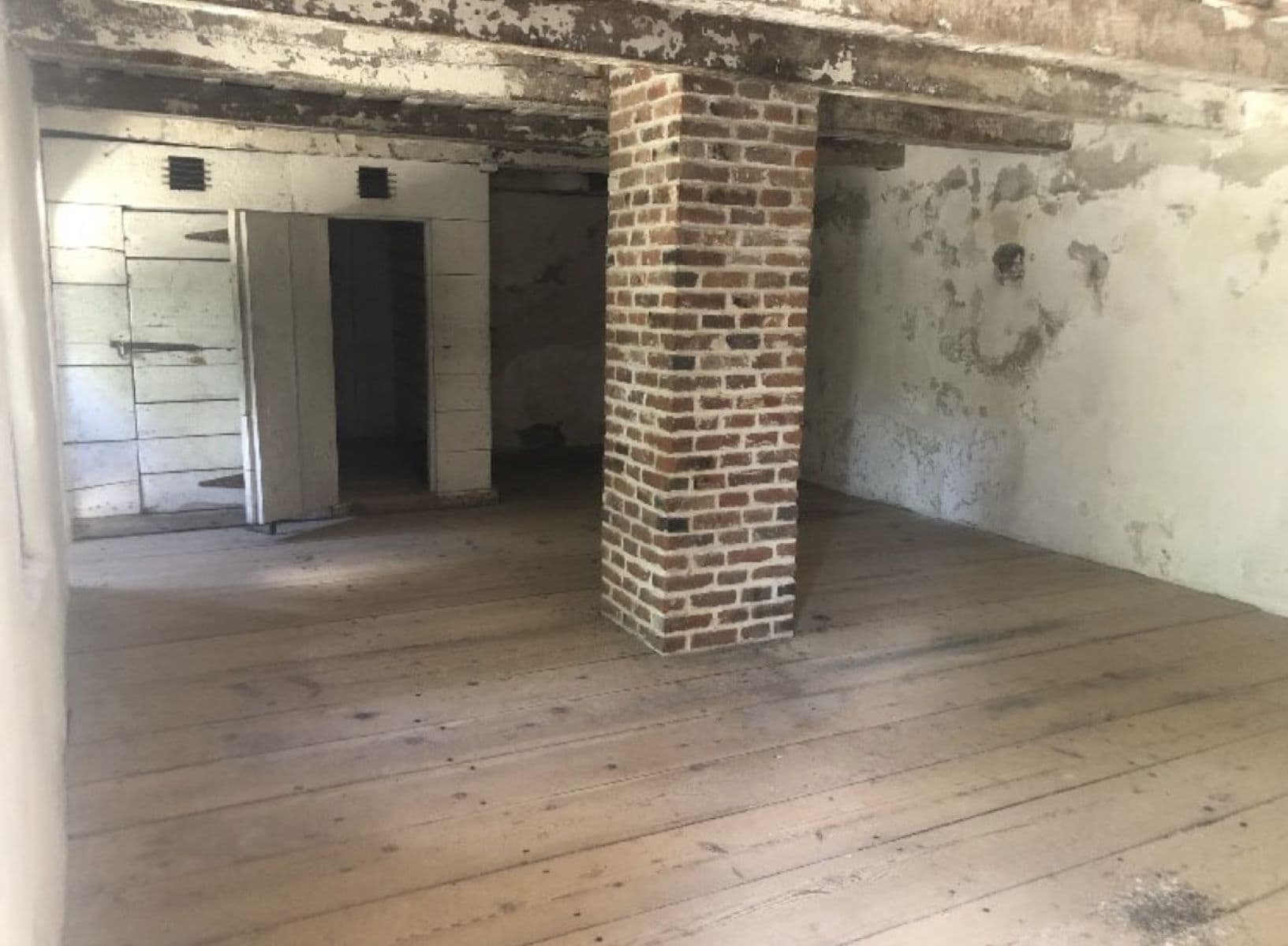
1866 Jail Cells at Fort Laramie
audio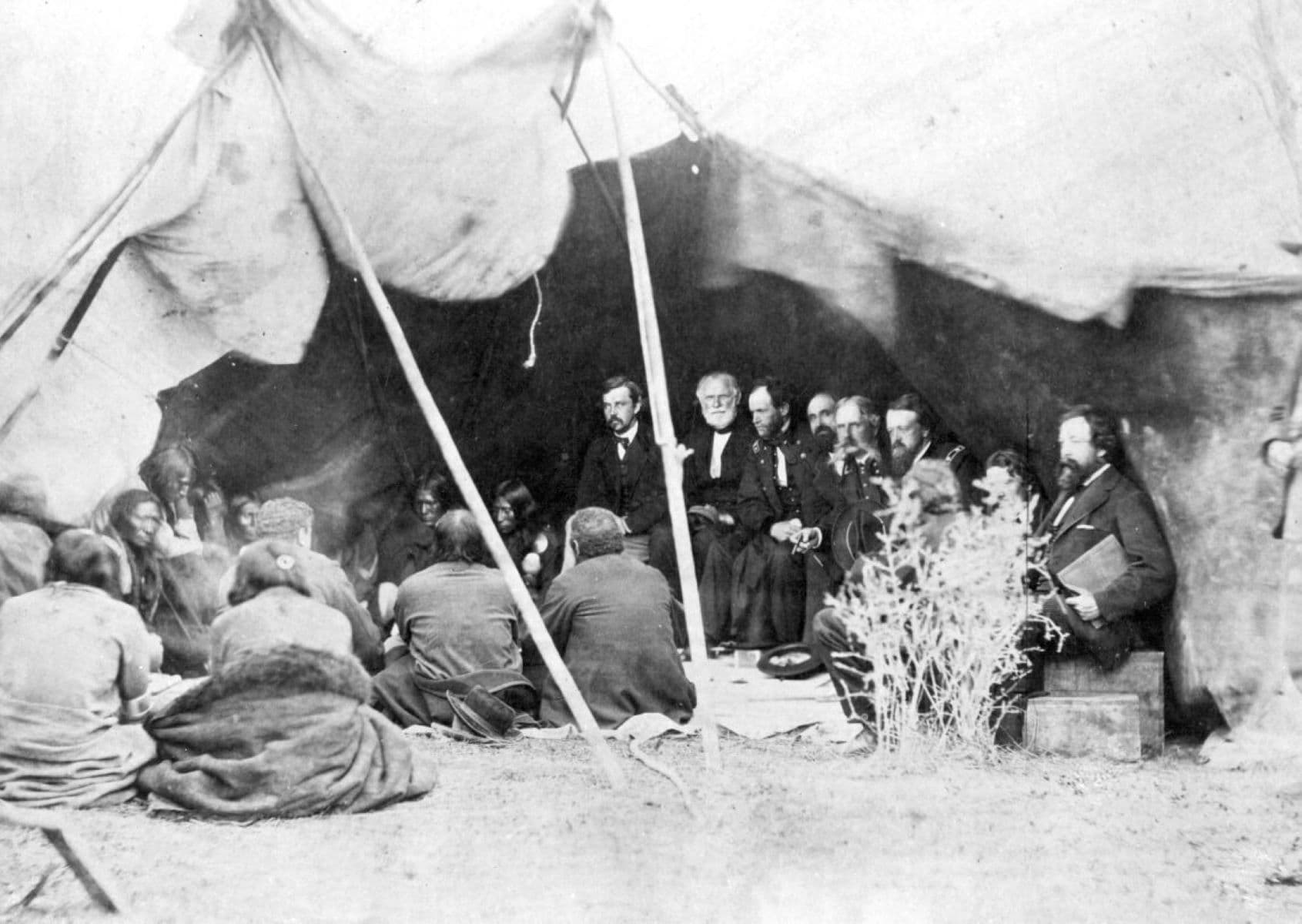
1868 Treaty Field Area
audio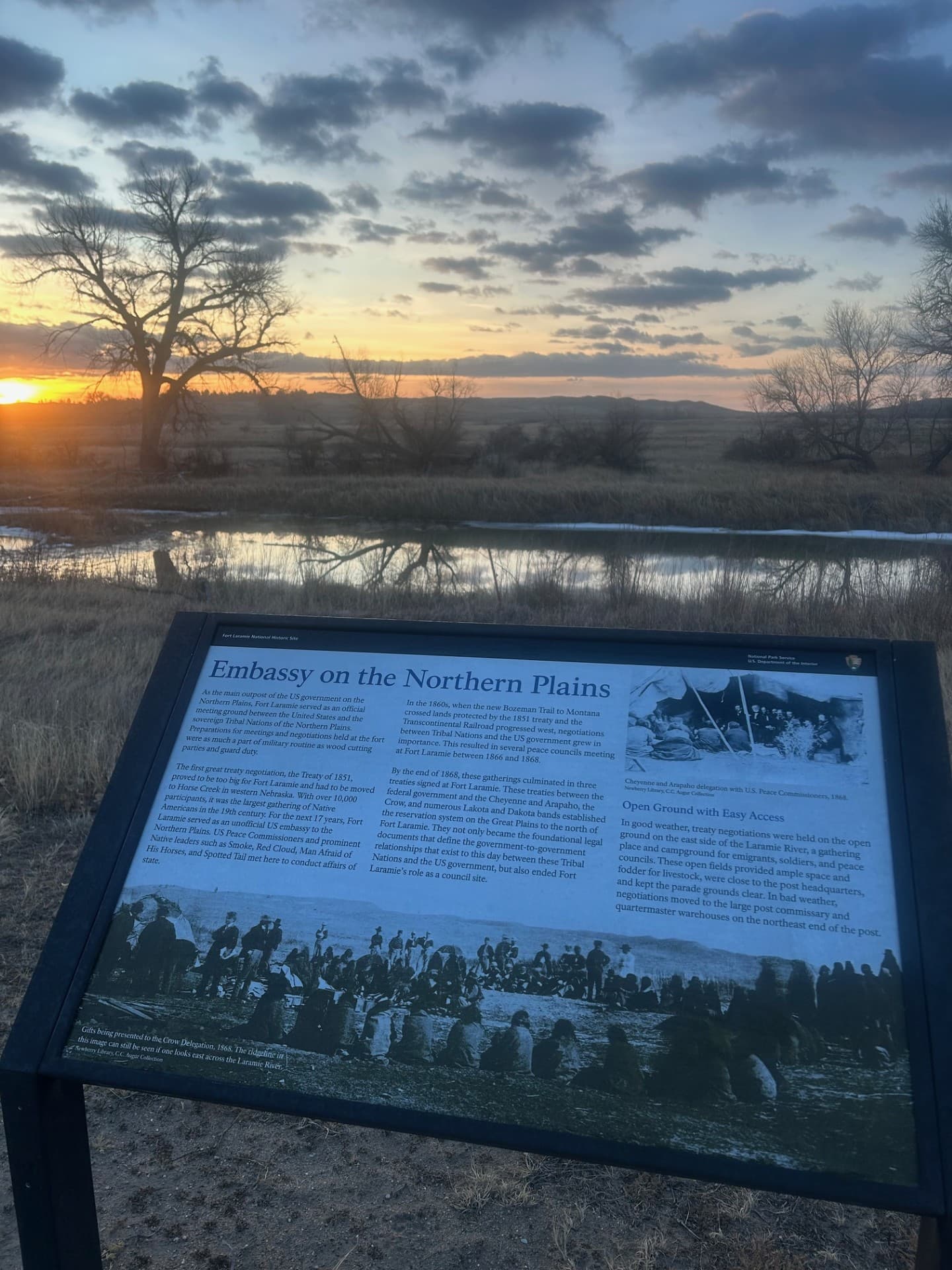
1868 Treaty Grounds
audio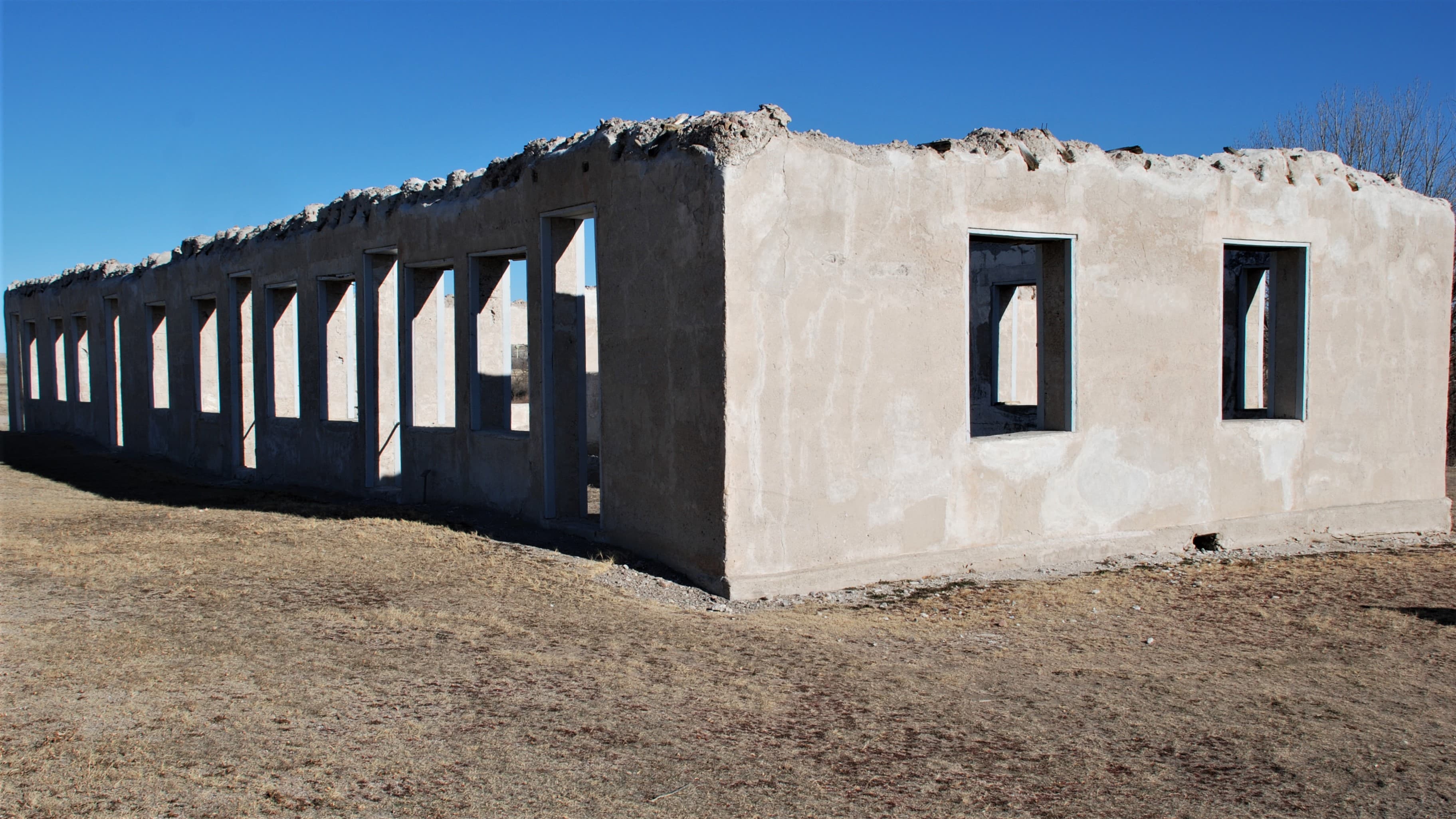
Administration Building Ruins (1885)
audio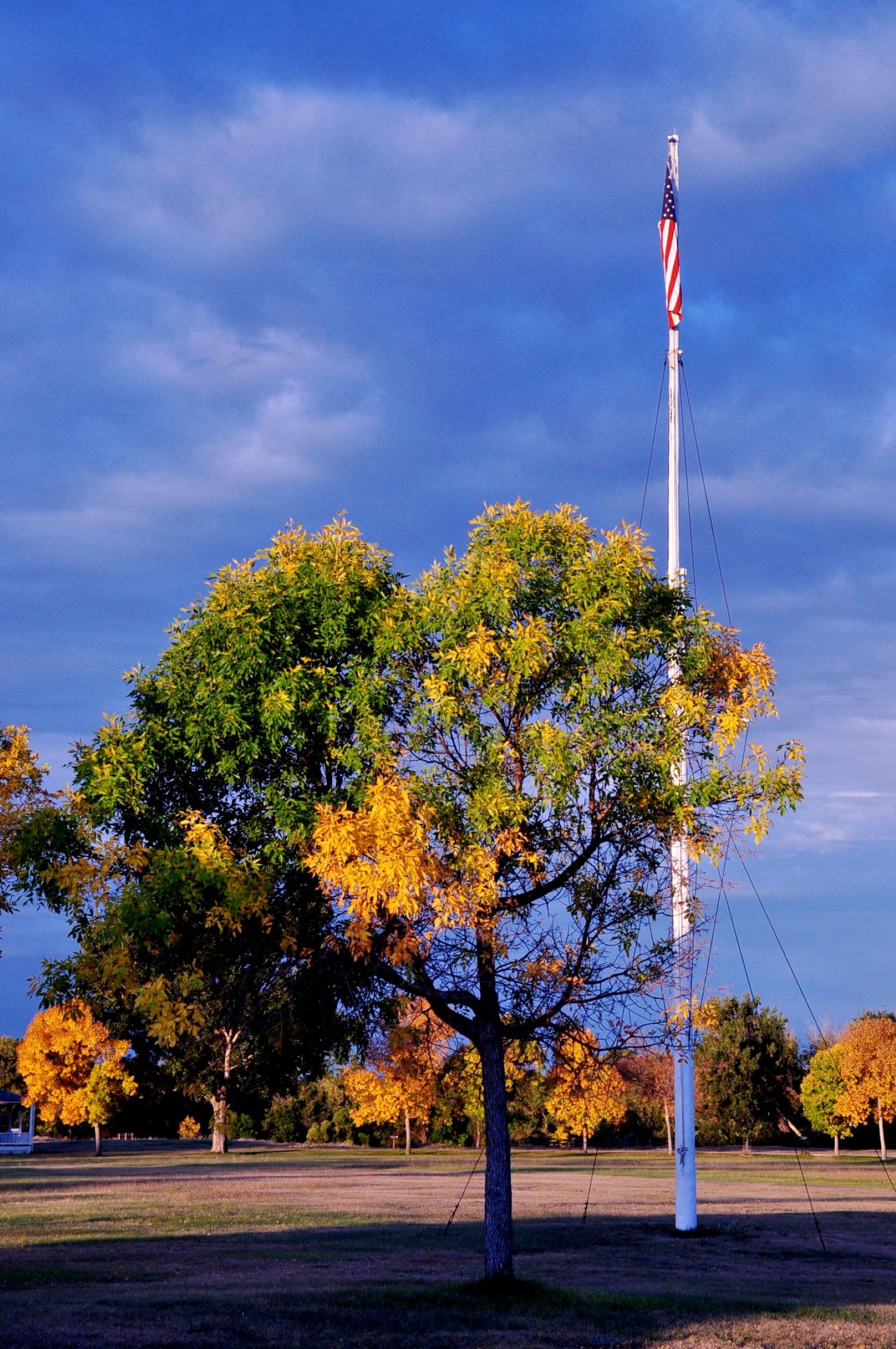
Attack and Fortifications at Fort Laramie
audio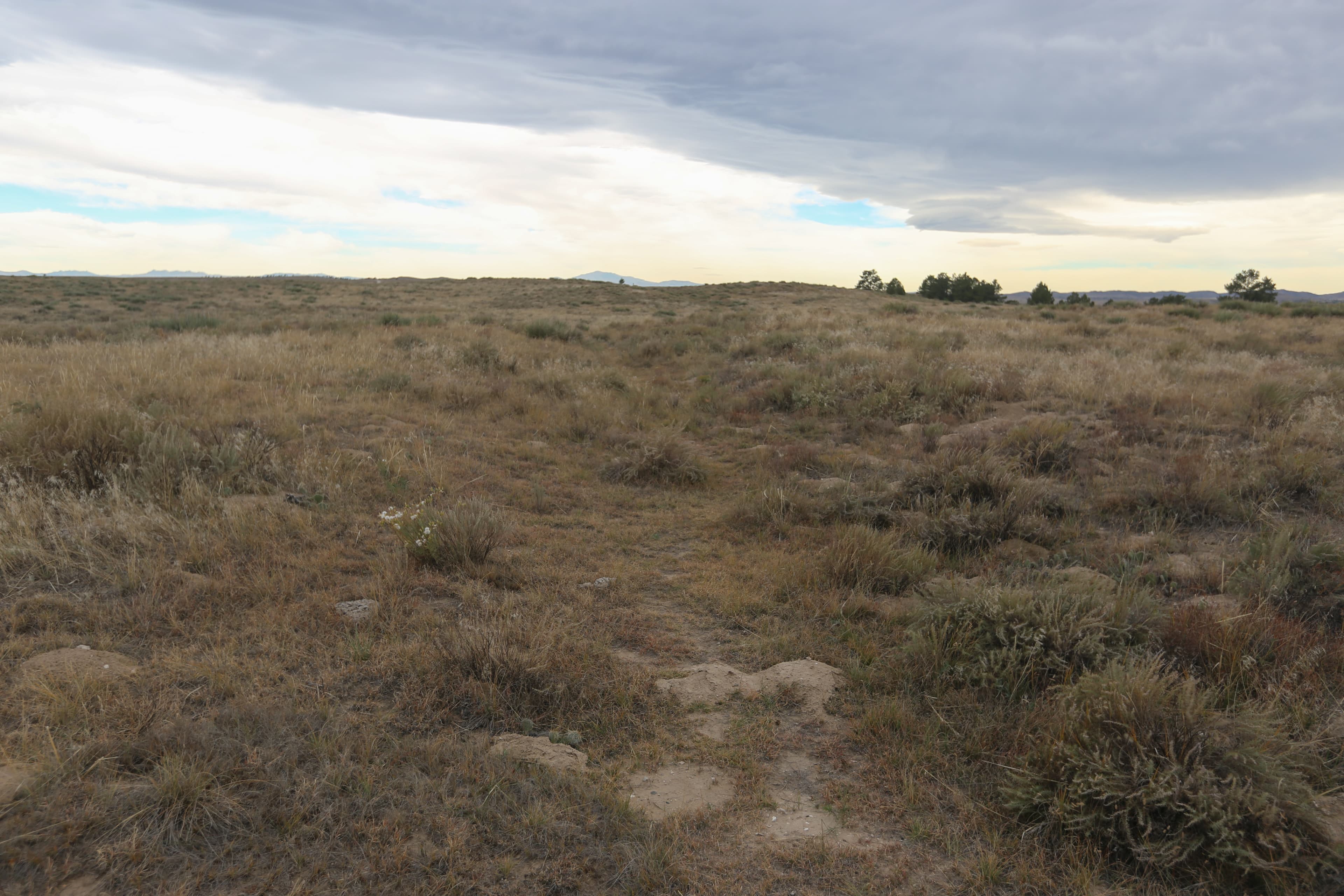
Bedlam Ruts
audio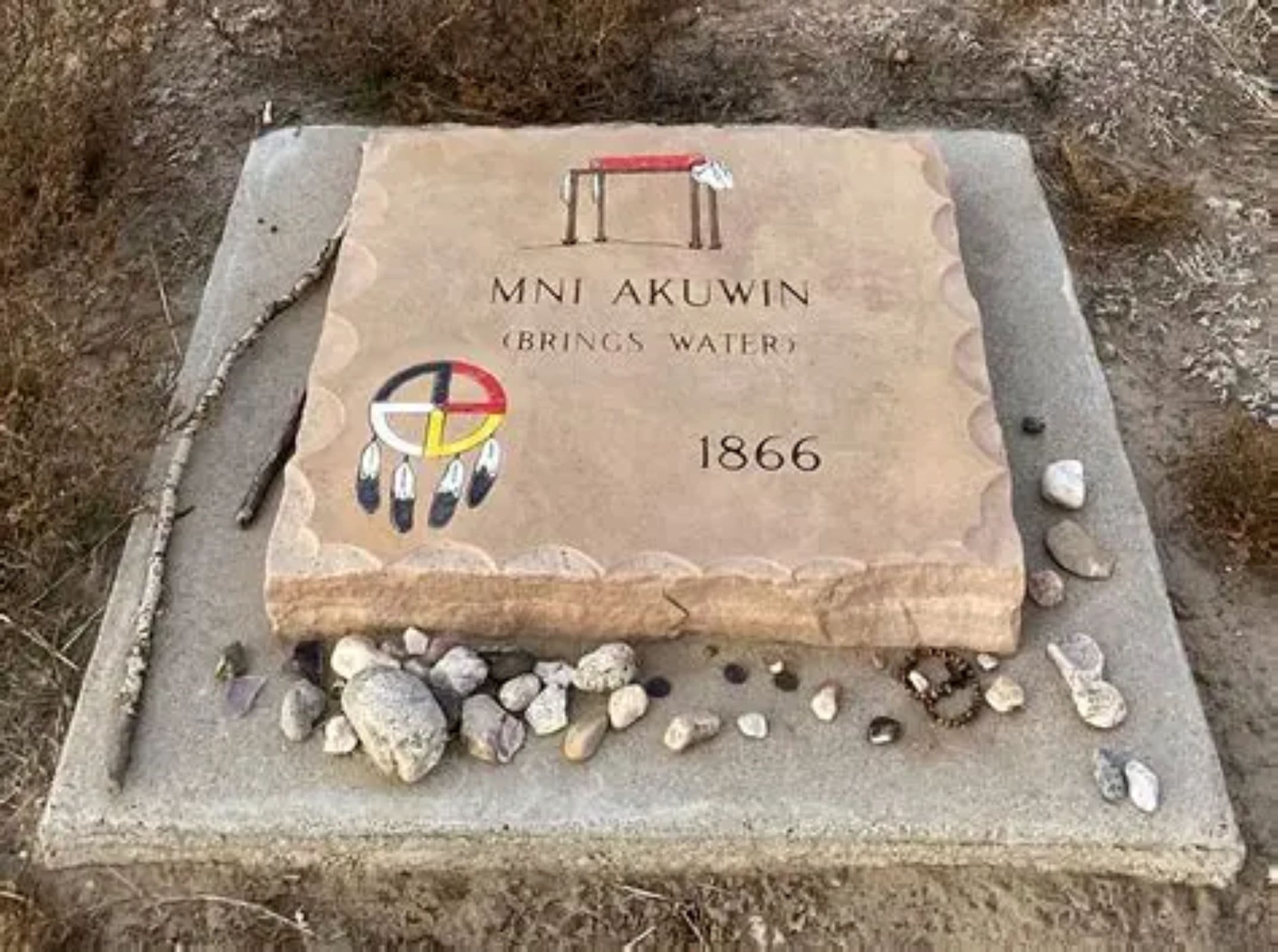
Burial of Mni Akuwin 1866
audio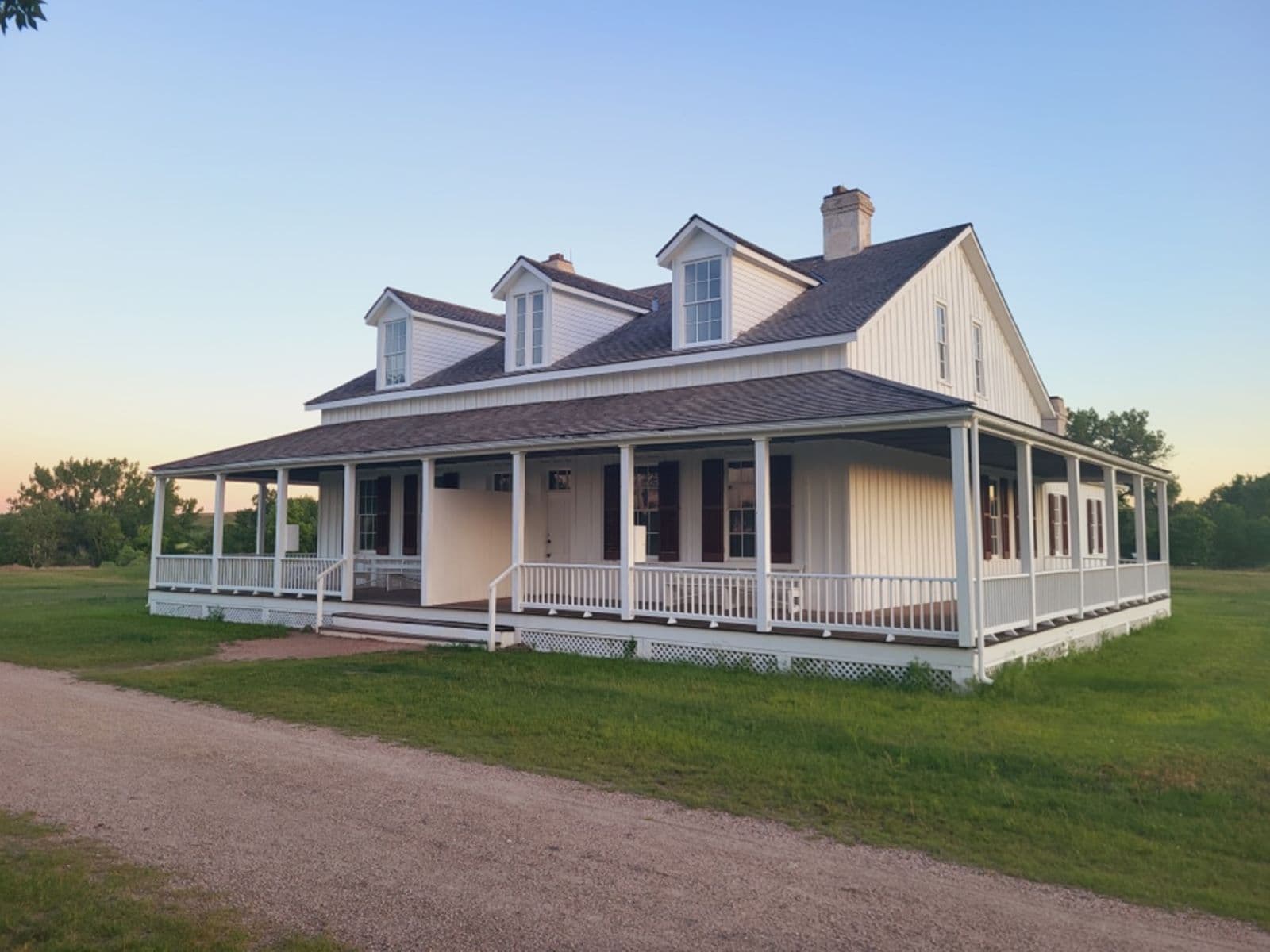
Captain's Quarters
audio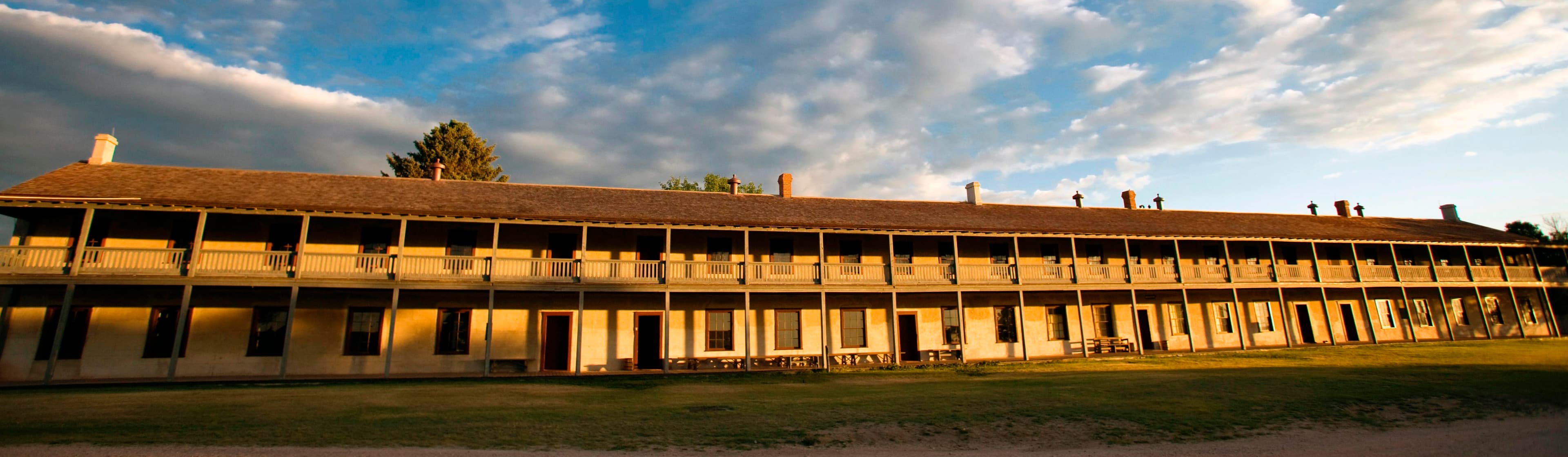
Cavalry Barracks (1874)
audio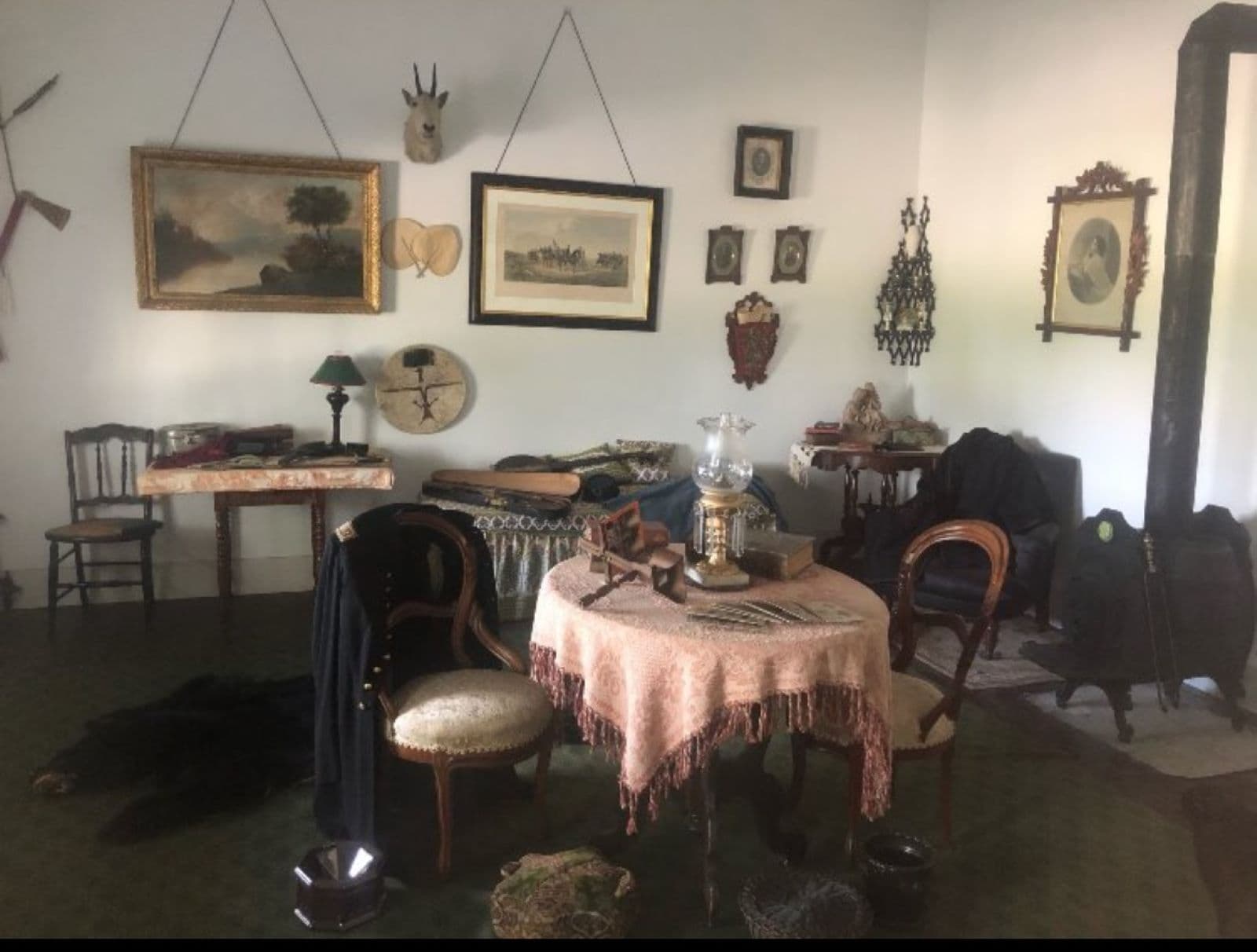
Children Stories at the Captain's Quarters
audio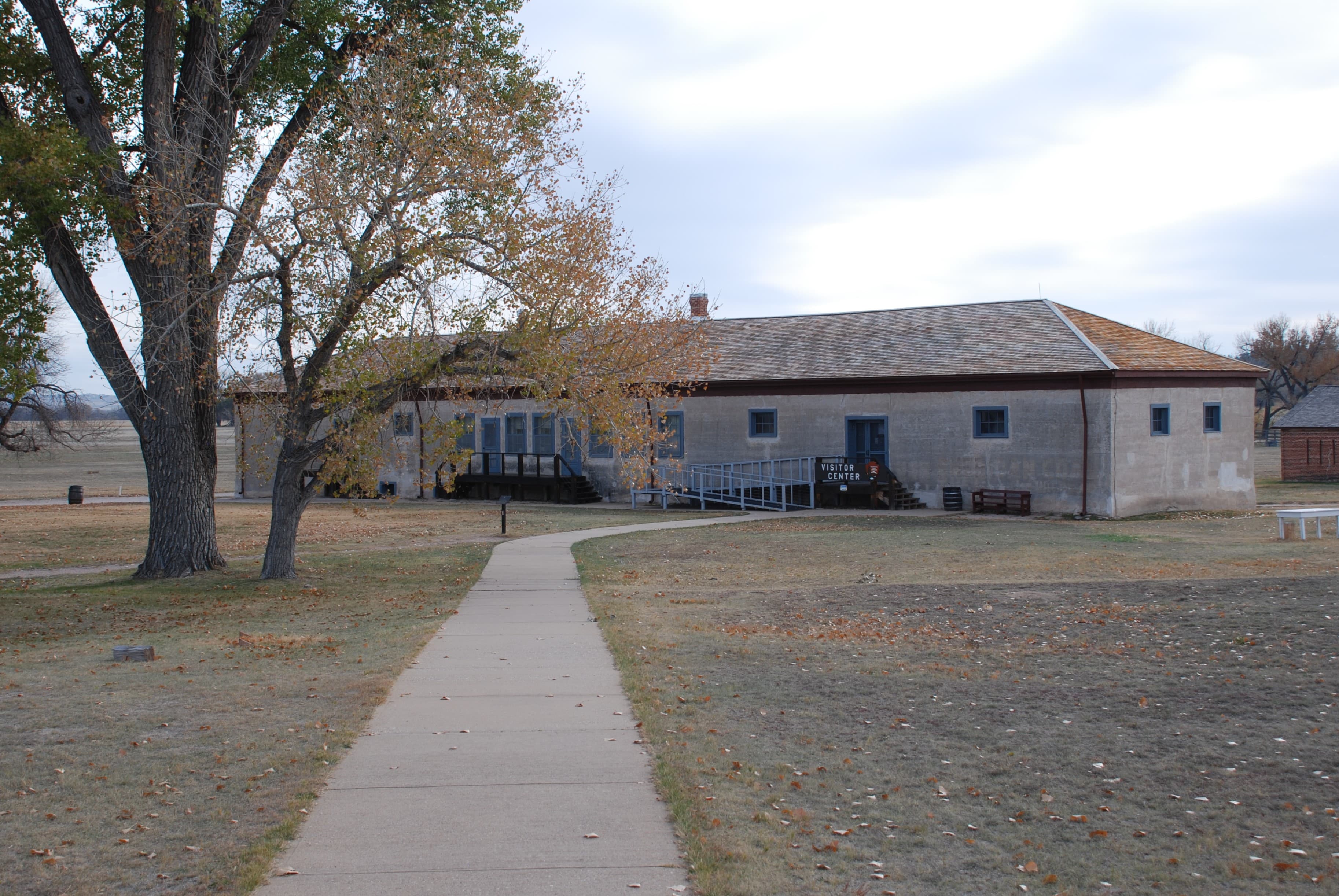
Commissary Storehouse
audio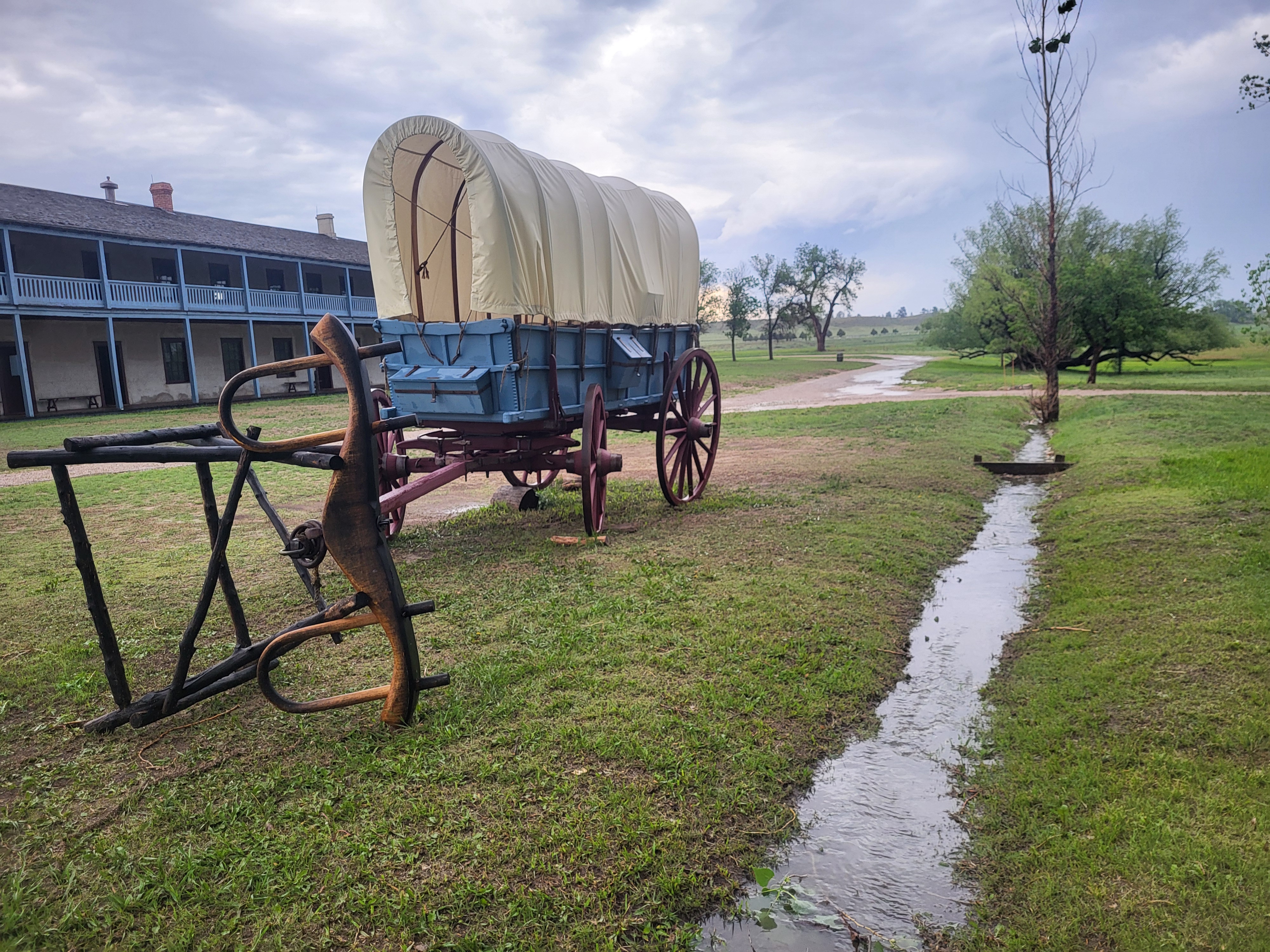
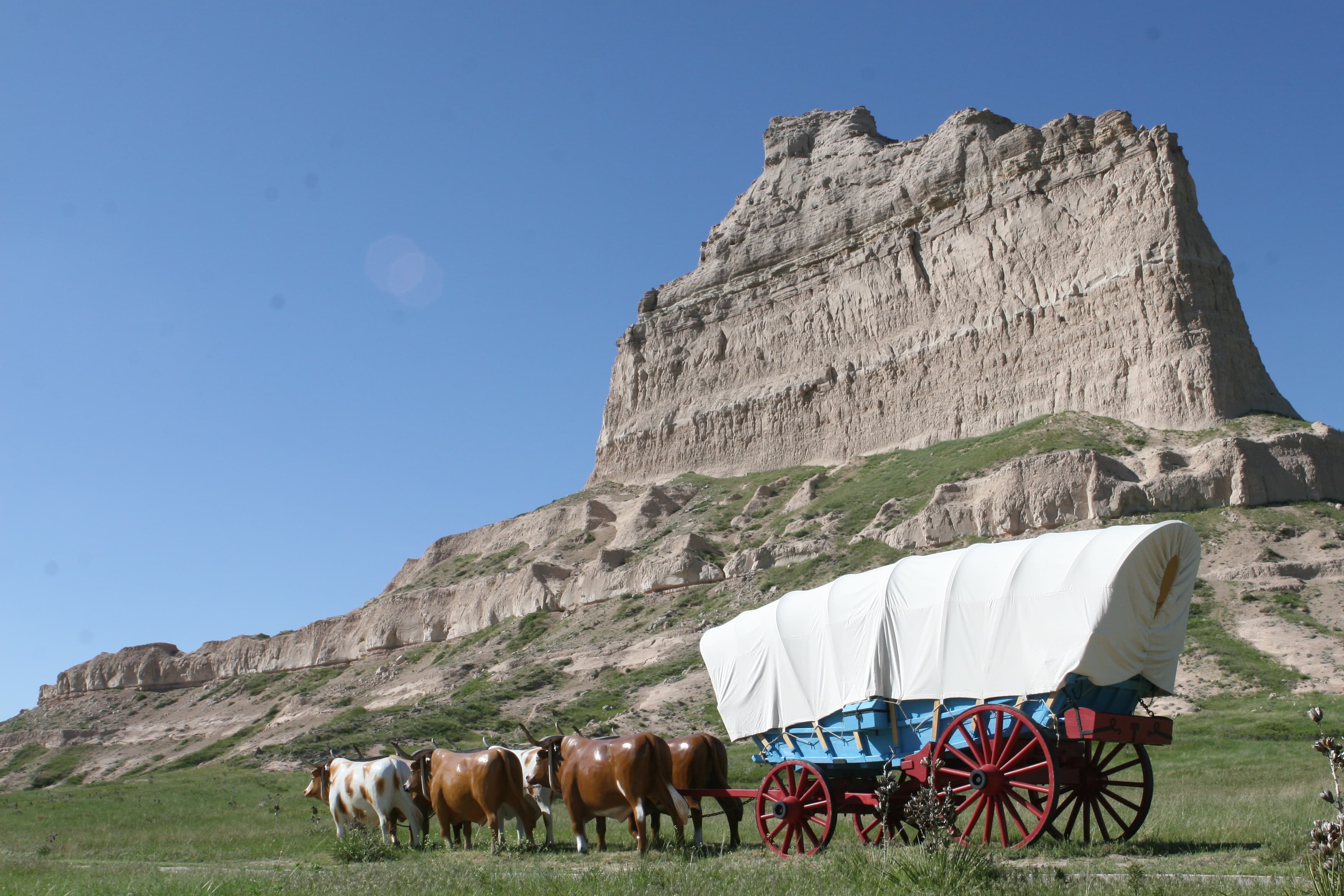
Covered Wagon at Fort Laramie
audioAudio & media
🎧
🎬
🖼
Learn more
Fort Laramie National Historic Site contains riparian forest along the North Platte and Laramie rivers that provide good roosting and foraging habitat for bats. The Fort grounds also attract bat species that roost in structures. The Northern Great Plains Inventory & Monitoring Network monitors bats using acoustic recorders to detect long-term trends in bat populations at the park.
Across six Northern Great Plains parks, education and outreach for bats was conducted.
Bats are amazing animals and a formidable force against insect pests, but a nasty fungal disease is killing them. A coordinated national response brings hope.
How does Fort Laramie historians find information when the written record is not sufficient?
From 1849 to 1890, Fort Laramie served as the base of operations for major military campaigns on the northern Plains and significant councils with many of the major mountain and plains tribes. The fort embraces the entire spectrum of westward expansion from the hey-day of mountain men, the long period of the overland migrations, major treaty councils with indigenous tribes and the conflicts that followed, to the arrival of cattlemen and homesteaders.
Fort Laramie Treaty of 1851 (Horse Creek Treaty)
Fort Laramie played an important role during the Great Sioux War of 1876, sending troops and supplies into battle.
Grand Teton National Park Fire Management Program Transfers Fire Engines to Rural Wyoming Fire Districts
How Fort Laramie National Historic Site connects
This park's activities, topics, location, and on-the-ground places — one hop in the graph. Drag to explore; click an activity, topic, or related park to follow it.
Park
Activity
Topic
State
VisitorCenter
PassportStamp
ParkingLot
Trail
Similar parks
Share activities & topics with Fort Laramie National Historic Site.