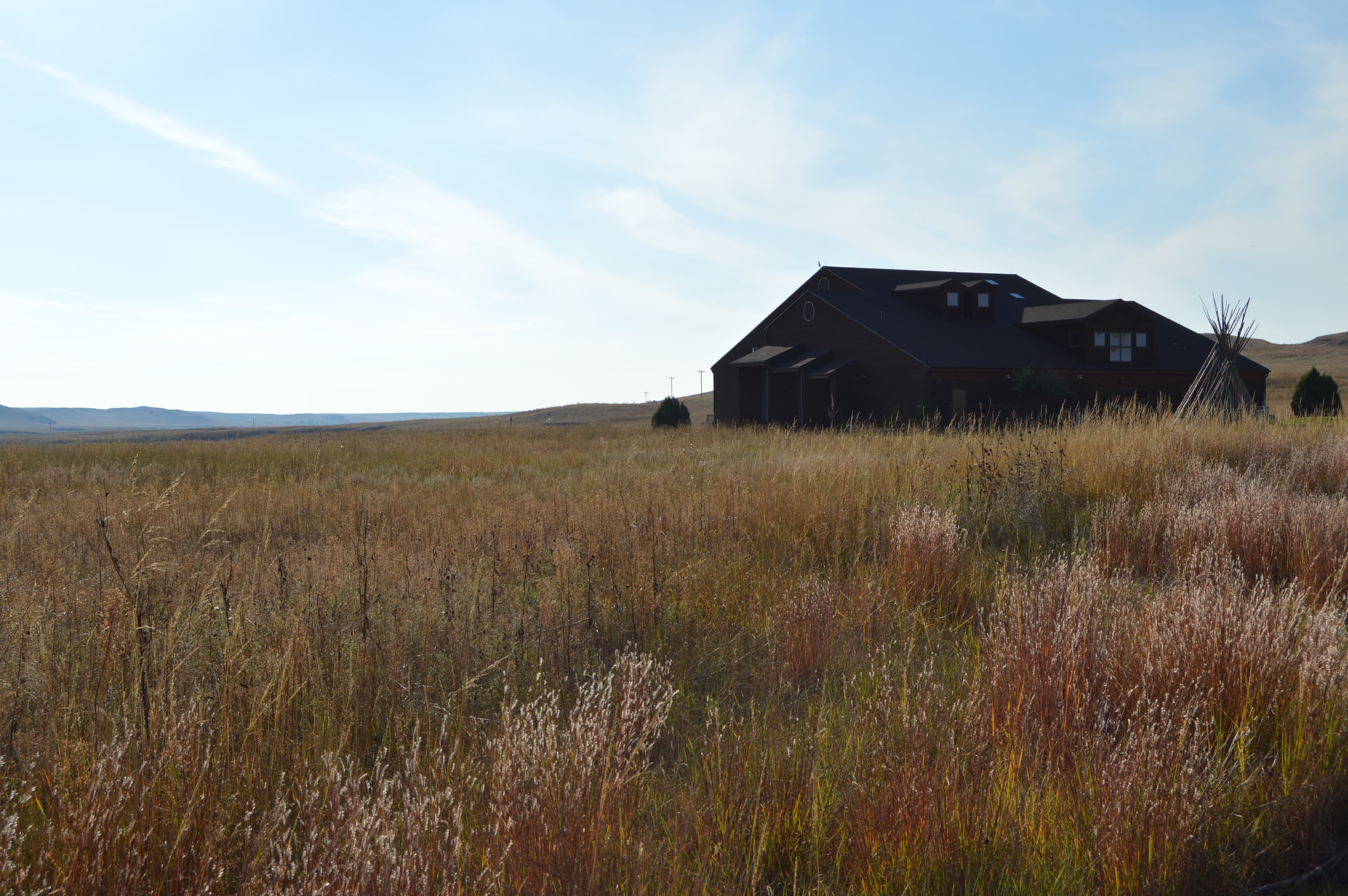
Agate Fossil Beds National Monument
Nebraska
Tonight
🌔 74% moon
8.7 h fully dark
Crowds
low
Open today
Open
Entrance
Free entry
No Fuel Services
Fuel up before visiting! Agate Fossil Beds National Monument is 30-50 miles from the nearest service stations.
Limited Cell Phone Coverage
Cell phone voice and data coverage is very limited in the park and surrounding area. Free visitor WiFi is available in the visitor center.
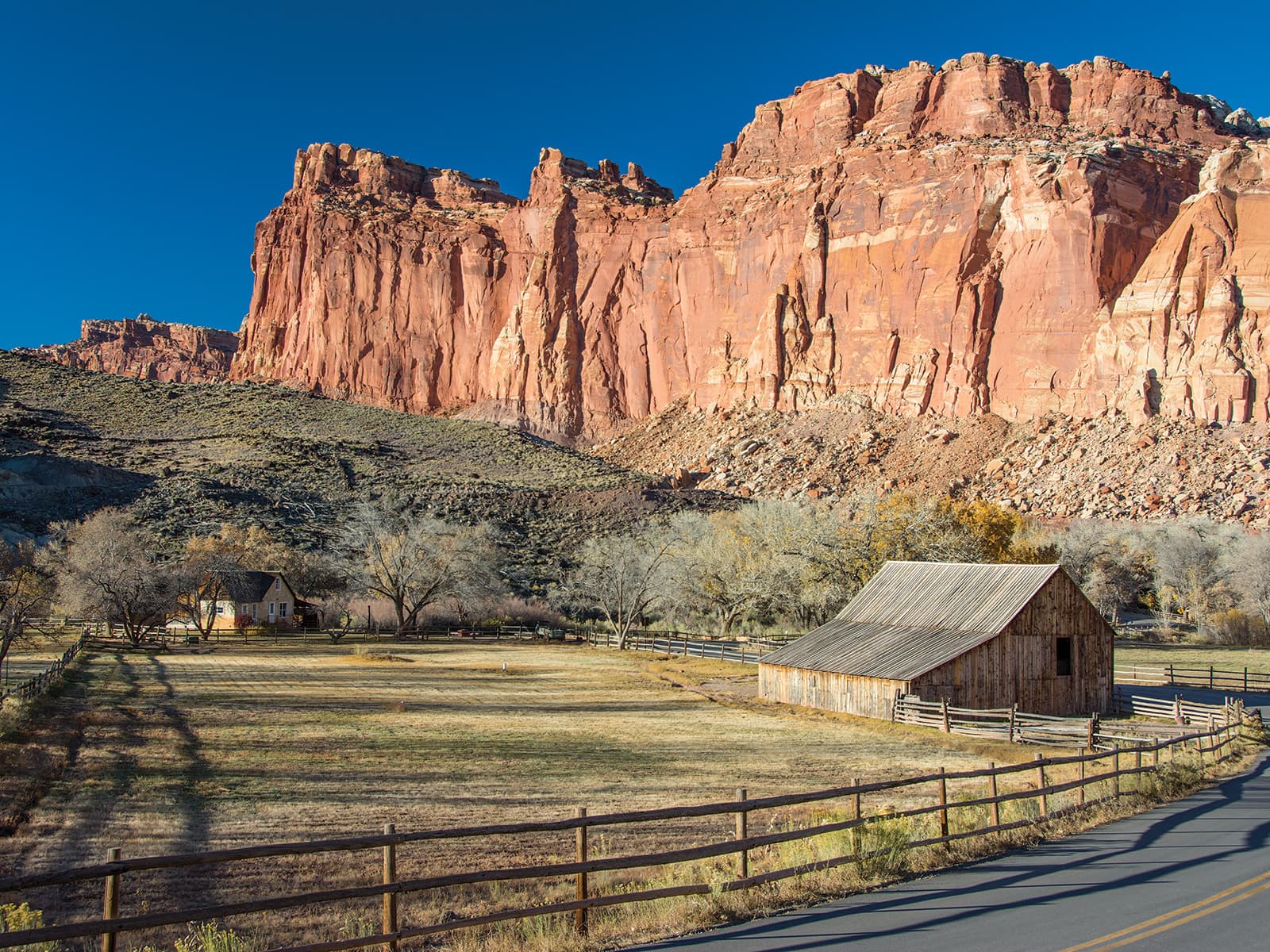
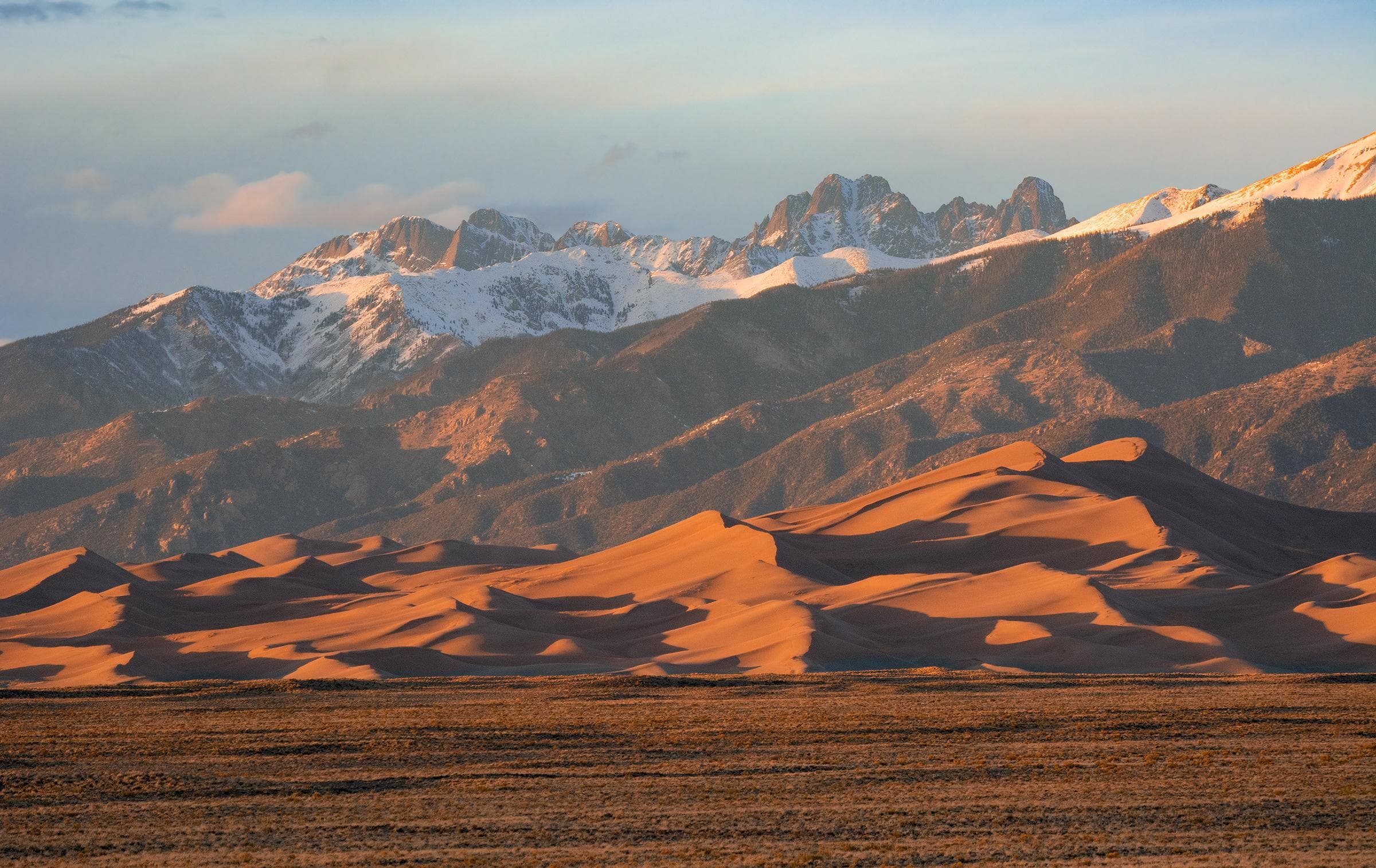
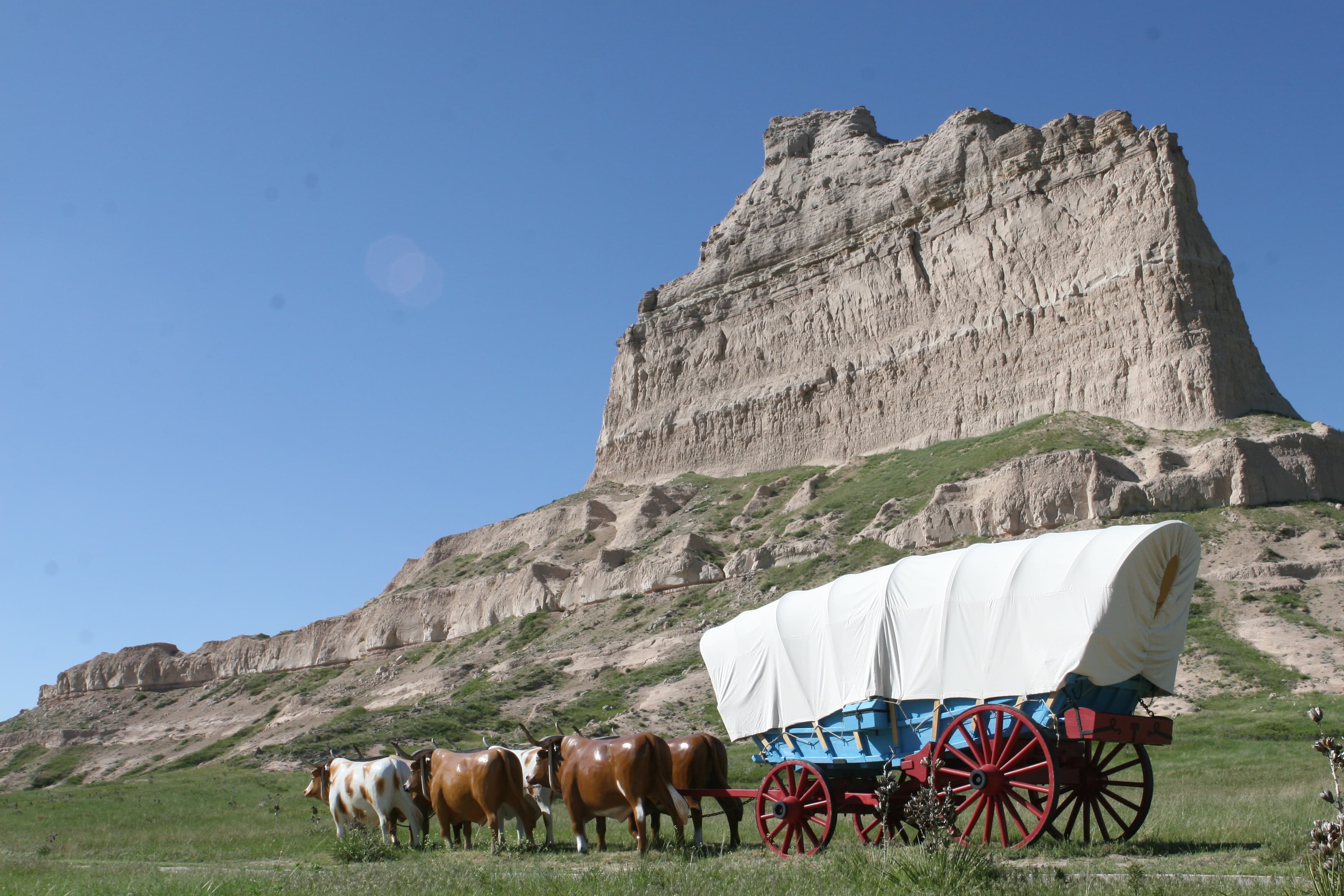
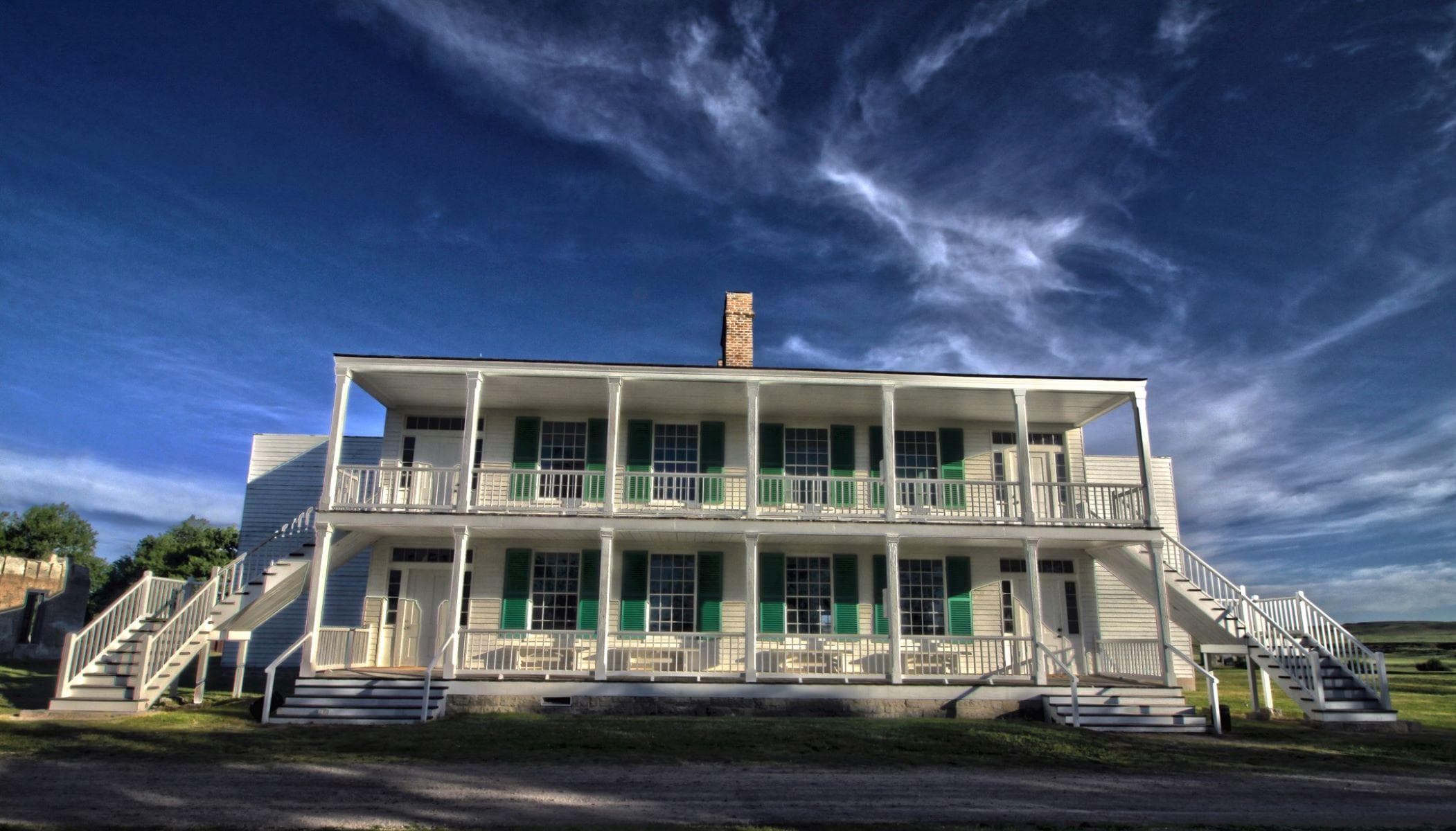
In the early 1900s, paleontologists unearthed the Age of Mammals when they found full skeletons of extinct Miocene mammals in the hills of Nebraska -- species previously only known through fragments. At the same time, an age of friendship began between rancher James Cook and Chief Red Cloud of the Lakota. These two unprecedented events are preserved and protected here... at Agate Fossil Beds.
Activities
Topics
No entrance fee.
Hours & seasons
The park's two trails are open from dawn till dusk every day. Visitor Center features Miocene Mammal fossils, a 12 minute movie, and the James H. Cook Collection, a unique collection of American Indian artifacts that were gifts to James Cook and his family.
Generally open:
winterspringsummerfallHours are reported by the park — verify before you go.
📞 3086654113
✉ agfo_ranger_activities@nps.govConditions
Quietest months (fewer crowds): Jan, Feb, Nov, Dec
Typical crowds: low
Weather now: ☀️ Clear, 59°F
🌧️ 66°/53°
☁️ 61°/48°
🌫️ 80°/51°
Typical monthly recreation visits · NPS avg 2023–2025 — orange months are the quietest by crowds.
Quietest months
Relative crowds by month — lighter is quieter; ringed months are the calmest by crowds.
Jan
2%
Feb
3%
Mar
13%
Apr
20%
May
61%
Jun
99%
Jul
100%
Aug
76%
Sep
67%
Oct
29%
Nov
9%
Dec
5%
Log a sky reading
Measured the sky with an SQM meter or app? Add your reading (16 = city glow … 22 = pristine). Opt in under “Travelers like you” to share it on the community leaderboard.
Things to do
Daemonelix Trail
Fossil Hills Trail · 2.7 mi
Visitor centers
Agate Fossil Beds National Monument Visitor Center
Accessibility
Reported by the park — verify before you go.
Not an official safety source — always defer to NPS.gov and rangers for life-safety decisions.
By the numbers
A visual read on Agate Fossil Beds National Monument — its character, trails, sky, and weather.
Park fingerprint
How this park scores across the dimensions travelers care about.
Trail difficulty
Difficulty mix across this park's trails.
3-day forecast
Daily high and low temperatures (°F).
People & stories
Figures tied to Agate Fossil Beds National Monument — each spans a cross-park journey.
Ruthann Knudson
— Archeologist, Archaeologist, Women In SciencePassport stamps
Mark the stamps you've collected — they show in your memory and along your routes.
🎫 Agate Fossil Beds National Monument Visitor Center
Audio & media
🎧 Plant #7 - Prairie/ Non-Prairie ↗ · 1 mintranscript
🎧 Plant #4: Plant Description ↗ · 1 mintranscript
🎧 Plant #3 - Prairie/ Non-Prairie ↗ · 1 mintranscript
🎧 Plant #8 - Prairie/Non-Prairie ↗ · 1 mintranscript
🎧 Image: Daemonelix & Paleocaster ↗ · 0 mintranscript
🎧 Plant #4 - Prairie/Non-Prairie ↗ · 1 mintranscript
🎧 Plant #5 - Prairie/Non-Prairie ↗ · 1 mintranscript
🎧 Plant #6 - Plant Description ↗ · 1 mintranscript
🎬
🖼
Learn more
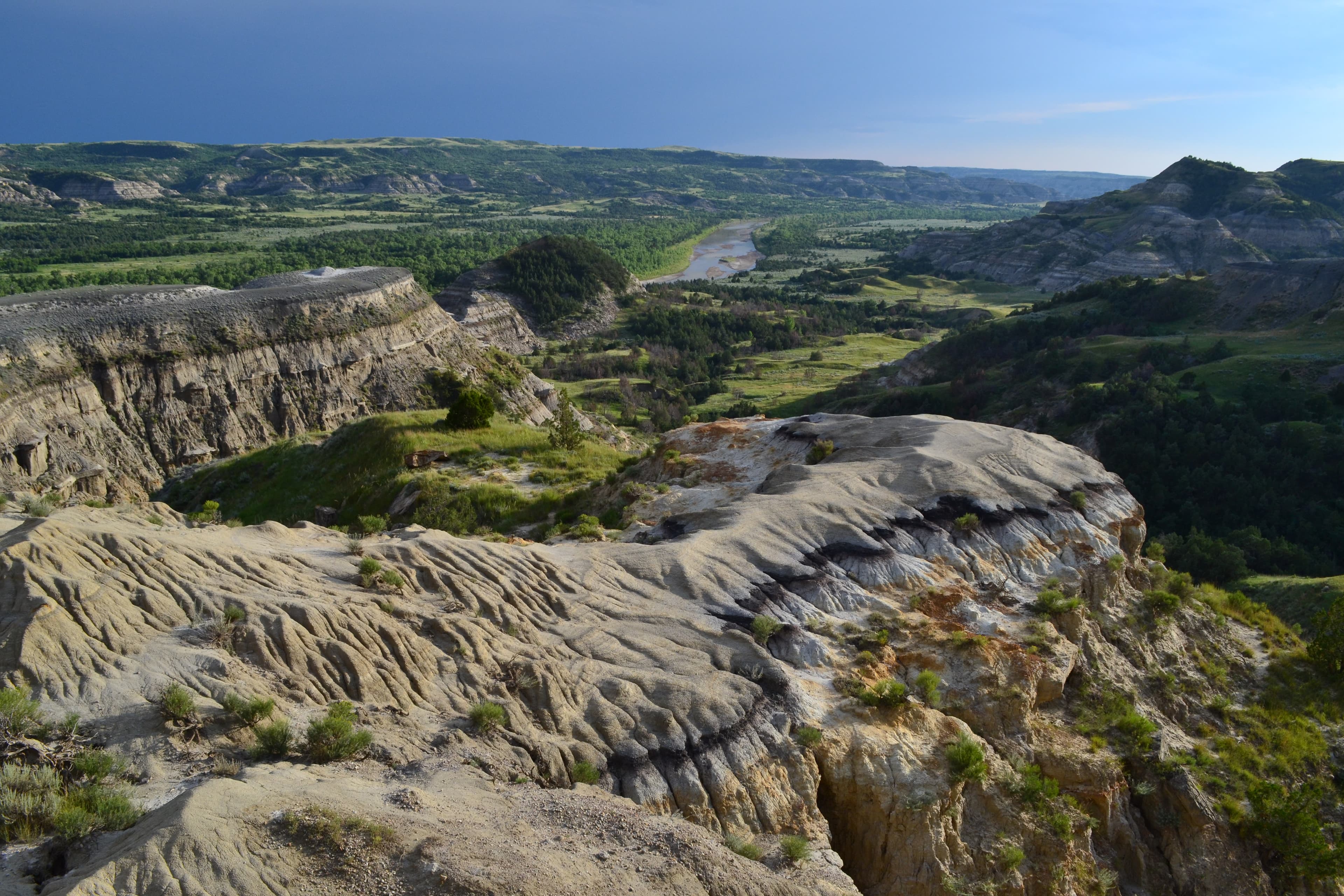
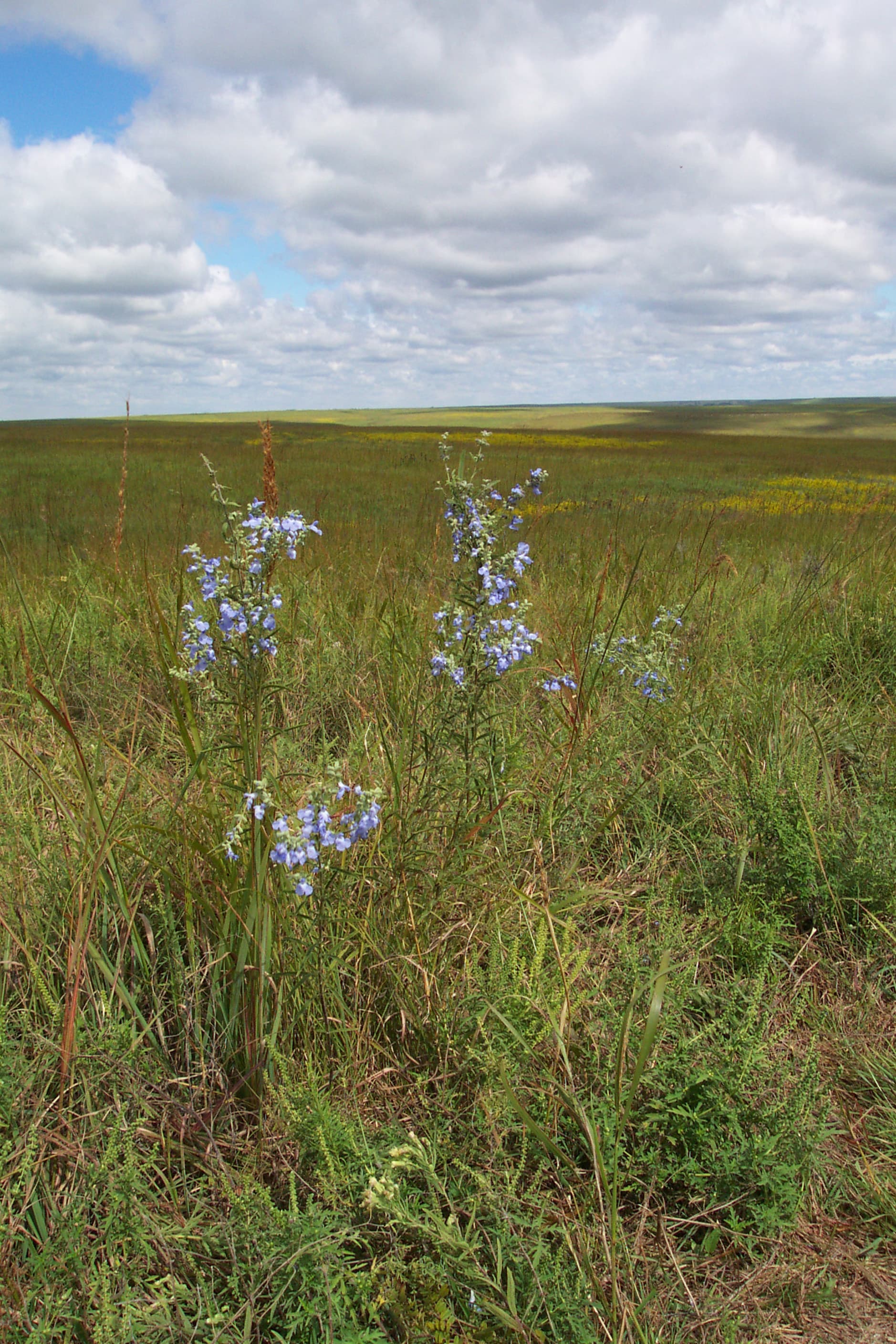
Agate Fossil Beds National Monument is a 3,058-acre park that is primarily mixed-grass prairie, but there are small groves of old cottonwoods in the floodplain of the Niobrara River that provide good roosting and foraging habitat for bats. We monitor bats using acoustic recorders to understand their current status and to detect long-term changes in bat populations.
Across six Northern Great Plains parks, education and outreach for bats was conducted.
Every few years, researchers from the University of Wyoming's Biodiversity Institute monitor and study the bat population at Agate Fossil Beds National Monument. In 2021, a few lucky junior rangers tagged along and learned how to catch and collect data safely from these amazing mammals. Read what one of them had to say in her article about the experience.
The Cenozoic Era (66 million years ago [MYA] through today) is the "Age of Mammals." North America’s characteristic landscapes began to develop during the Cenozoic. Birds and mammals rose in prominence after the extinction of giant reptiles. Common Cenozoic fossils include cat-like carnivores and early horses, as well as ice age woolly mammoths.
Across the US, changes in water availability are altering which plants grow where. These changes are evident at a broad scale. But not all areas experience the same climate in the same way, even within the boundaries of a single national park. A new dataset gives park managers a valuable tool for understanding why vegetation has changed and how it might change in the future under different climate-change scenarios.
People planted yellow iris and stocked northern pike in the river for beauty and sport. The iris altered the river channel, and the pike ate the native fish.
A mix of large swaths of ungrazed, mixed grass prairie, and the broad floodplains of the Niobrara river, has created wonderful habitat for wetland birds. Land bird surveys have been conducted at Agate Fossil Beds NM since 2012
A solar eclipse is visually stunning, but what will it sound like? NPS scientists will find out by recording sounds in parks across the USA.
Ranger School
Park-grounded courses you can learn with the Ranger.
How Agate Fossil Beds National Monument connects
This park's activities, topics, location, and on-the-ground places — one hop in the graph. Drag to explore; click an activity, topic, or related park to follow it.
Park
Activity
Topic
State
VisitorCenter
PassportStamp
Trail
ThingToDo
Alert
Similar parks
Share activities & topics with Agate Fossil Beds National Monument.