Horseshoe Bend National Military Park
Alabama
Tonight
🌓 65% moon
9.1 h fully dark
Crowds
low
Open today
Open
Entrance
Free entry
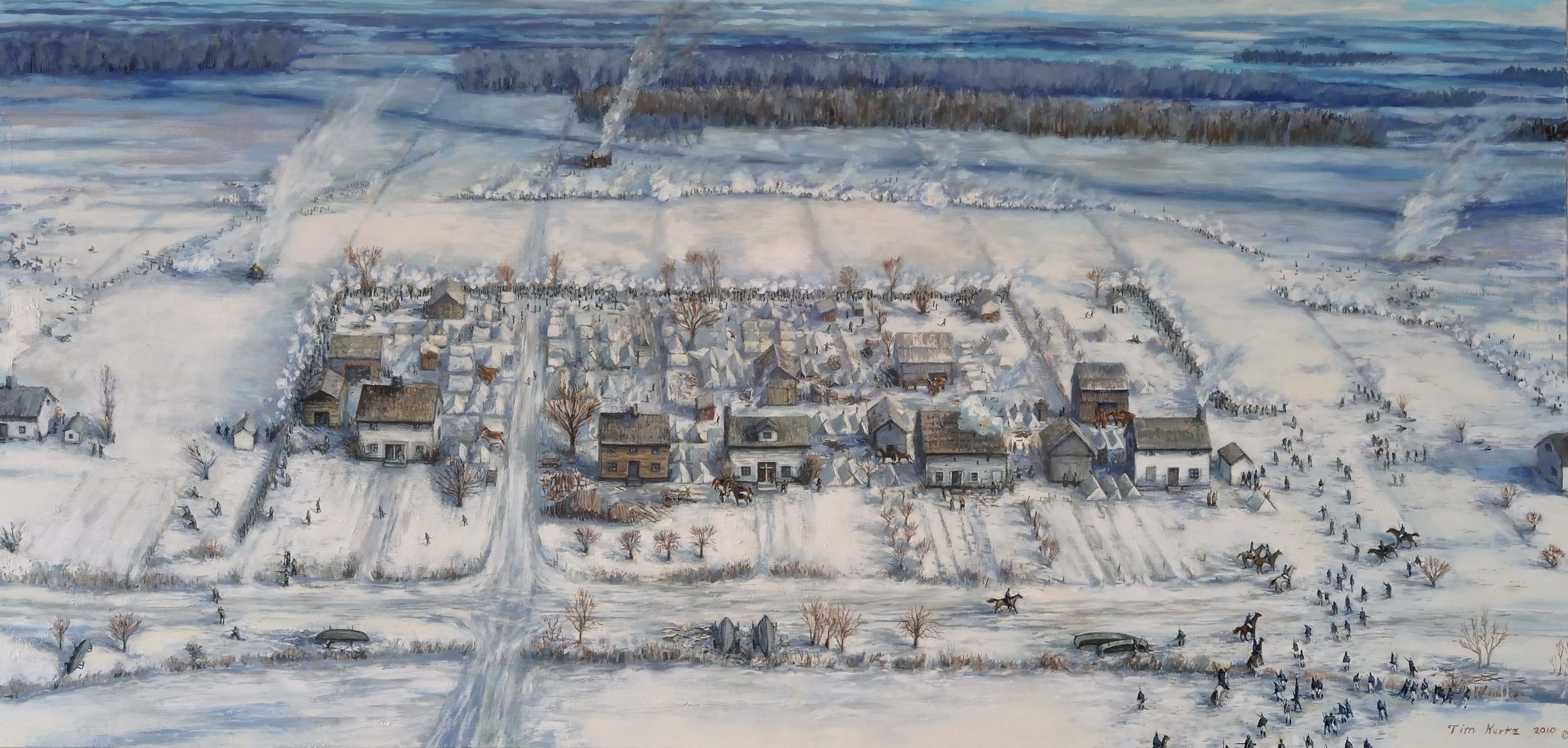
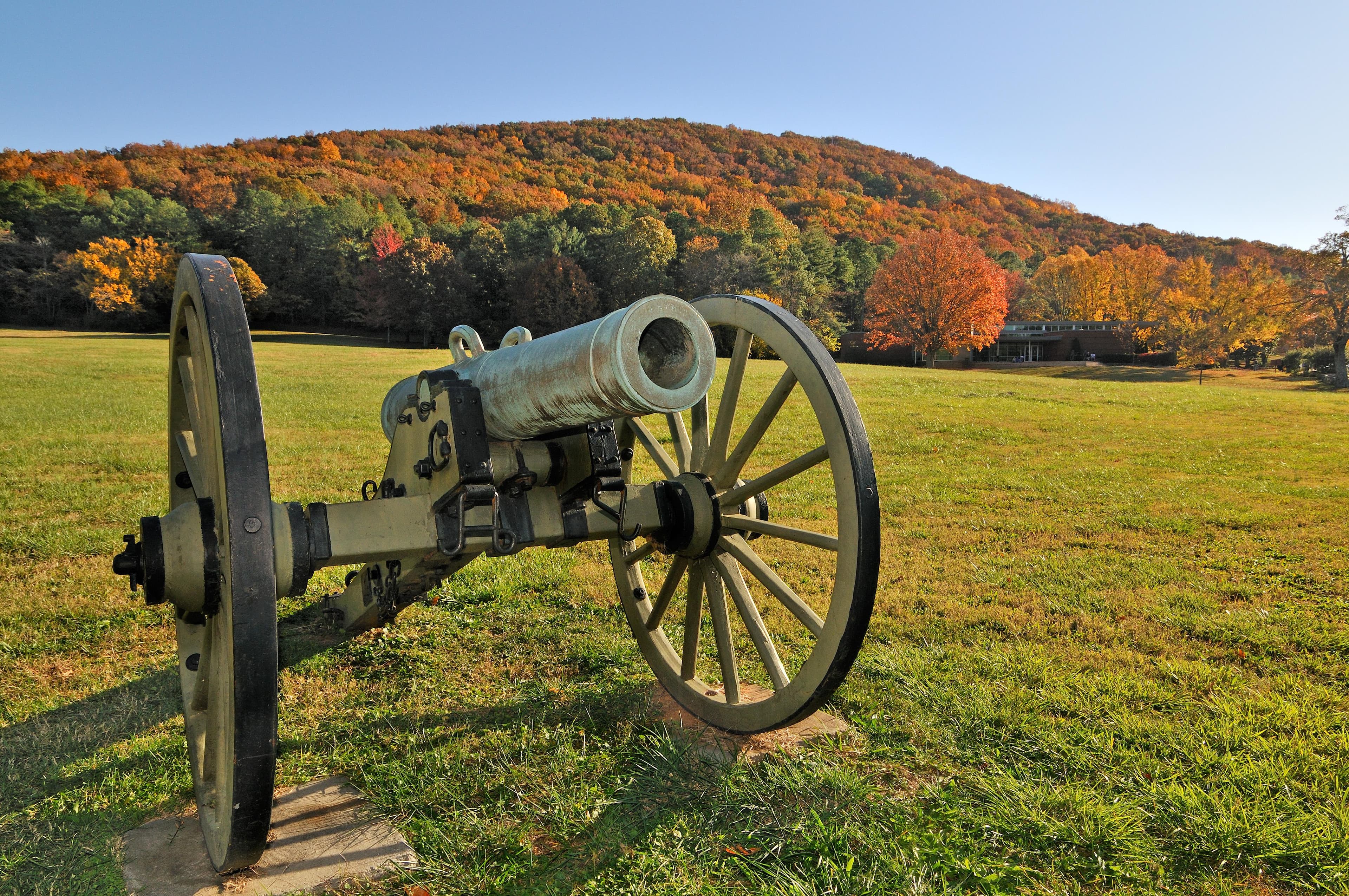
On March 27, 1814, Major General Andrew Jackson ‘s army of 3,300 men attacked Chief Menawa’s 1,000 Red Stick Creek warriors fortified in a horseshoe shaped bend of the Tallapoosa River. Over 800 Red Sticks died that day. This battle ended the Creek War, resulted in a land cession of 23,000,000 acres to the United States and created a national hero of Andrew Jackson.
Topics
No entrance fee.
Hours & seasons
Park grounds, trails, and picnic areas, are open from 8:00 a.m. - 5:00 p.m. CST. The Visitor Center is open from 9:30 A.M. - 4:30 P.M. The tour road is open. The boat launch closes at sunset.
Generally open:
winterspringsummerfallHours are reported by the park — verify before you go.
📞 256-234-7111
✉ HOBE_Information@nps.govConditions
Quietest months (fewer crowds): Jan, Dec
Typical crowds: low
Weather now: 🌫️ Fog, 70°F
🌫️ 93°/68°
☁️ 95°/69°
🌦️ 94°/70°
Typical monthly recreation visits · NPS avg 2023–2025 — orange months are the quietest by crowds.
Quietest months
Relative crowds by month — lighter is quieter; ringed months are the calmest by crowds.
Jan
45%
Feb
61%
Mar
93%
Apr
78%
May
100%
Jun
93%
Jul
85%
Aug
88%
Sep
69%
Oct
57%
Nov
51%
Dec
43%
Log a sky reading
Measured the sky with an SQM meter or app? Add your reading (16 = city glow … 22 = pristine). Opt in under “Travelers like you” to share it on the community leaderboard.
Visitor centers
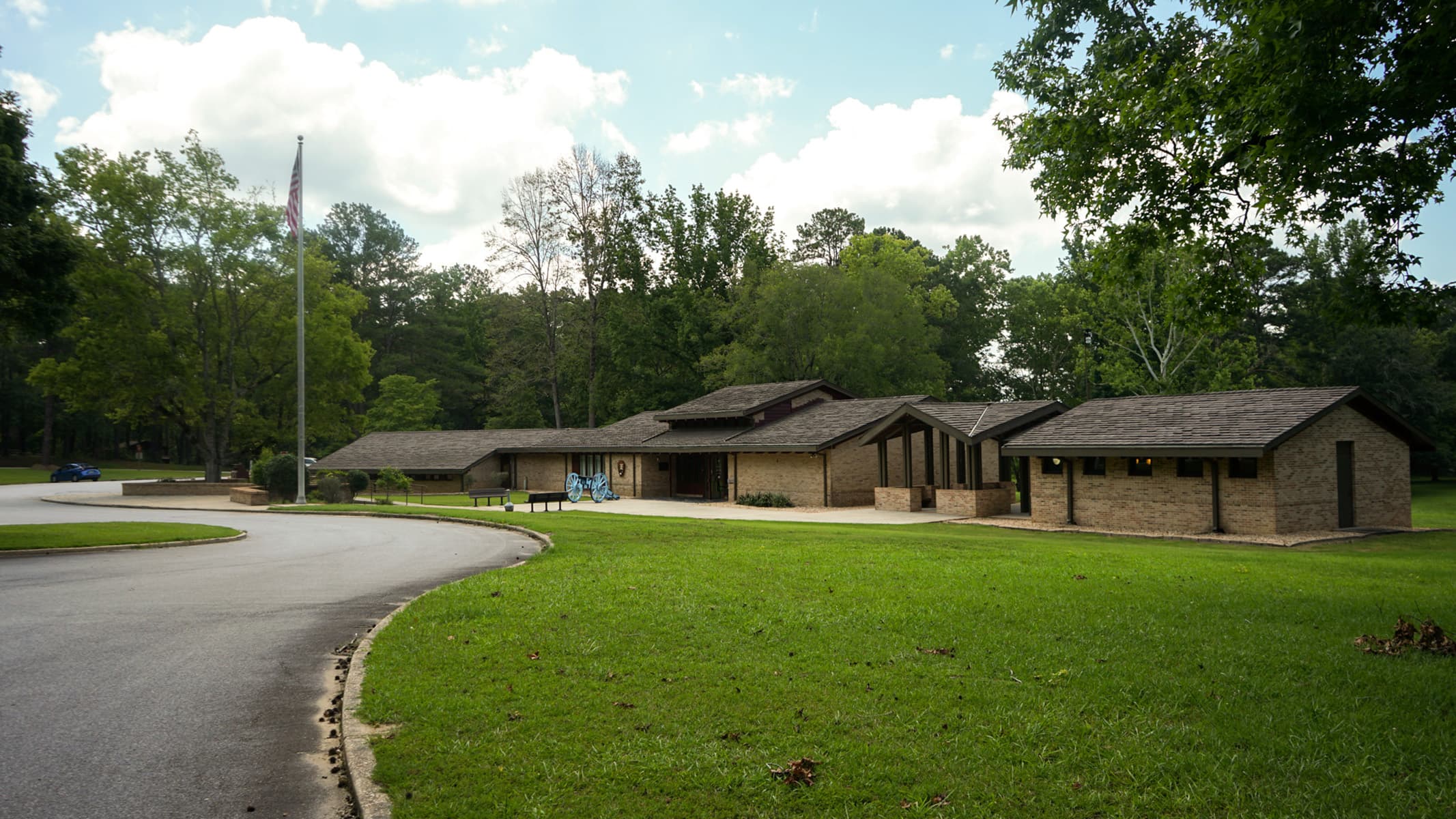
Horseshoe Bend National Military Park Visitor Center
Accessibility
Reported by the park — verify before you go.
Not an official safety source — always defer to NPS.gov and rangers for life-safety decisions.
By the numbers
A visual read on Horseshoe Bend National Military Park — its character, trails, sky, and weather.
Park fingerprint
How this park scores across the dimensions travelers care about.
3-day forecast
Daily high and low temperatures (°F).
Passport stamps
Mark the stamps you've collected — they show in your memory and along your routes.
🎫 Horseshoe Bend National Military Park Visitor Center
Places to see
Horseshoe Bend National Military Park
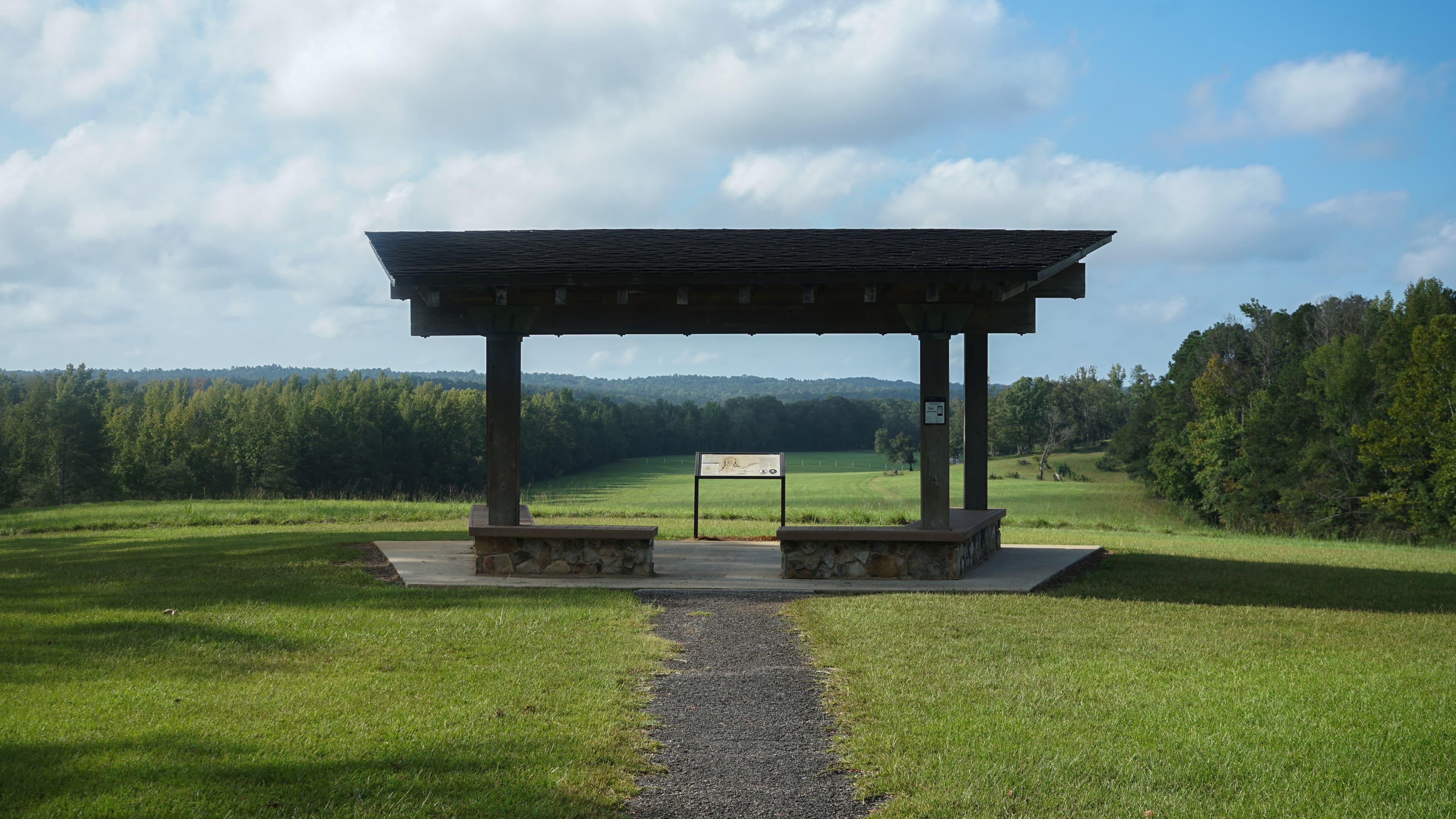
The Overlook
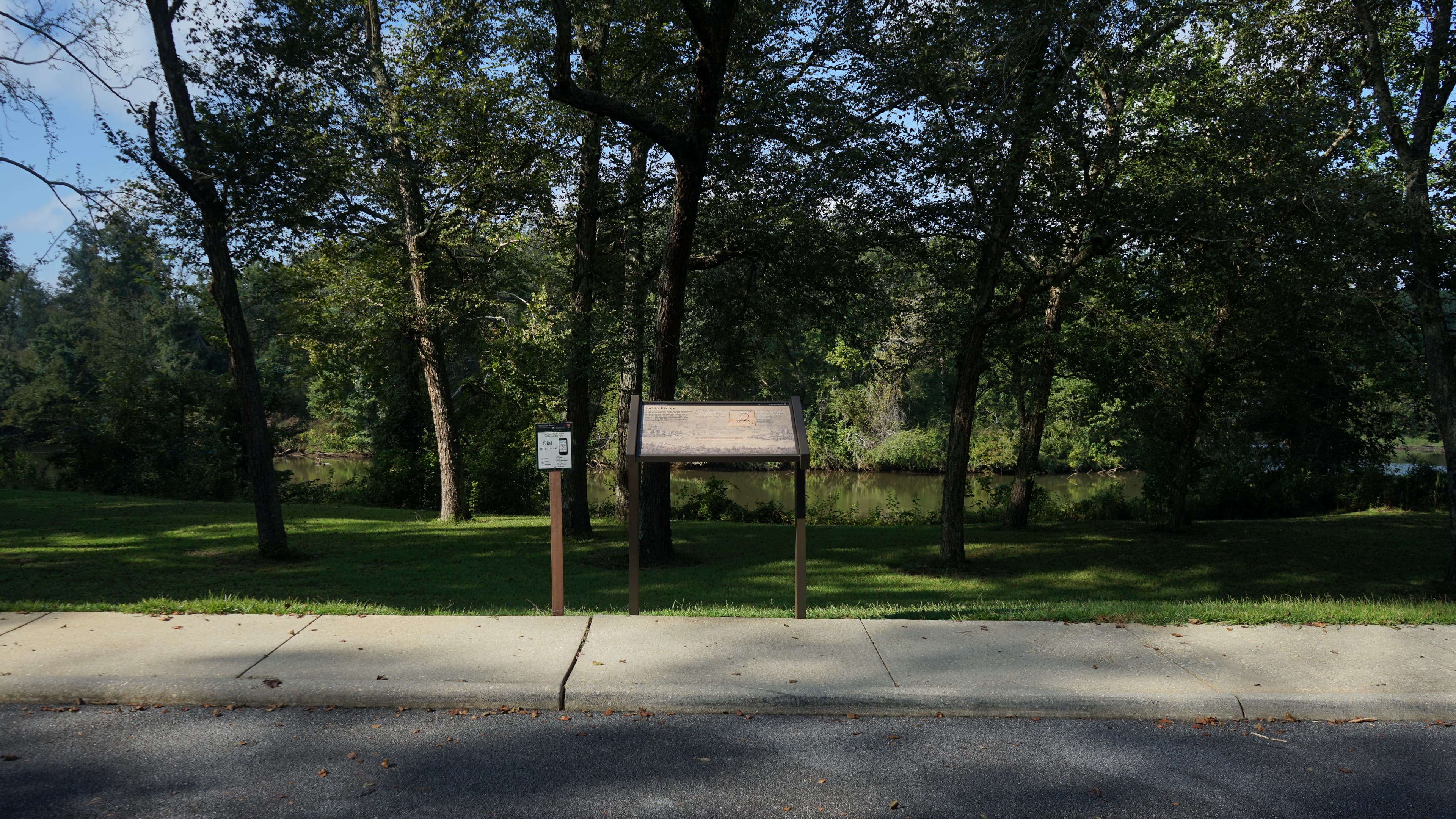
Tour Stop 1 - The Island
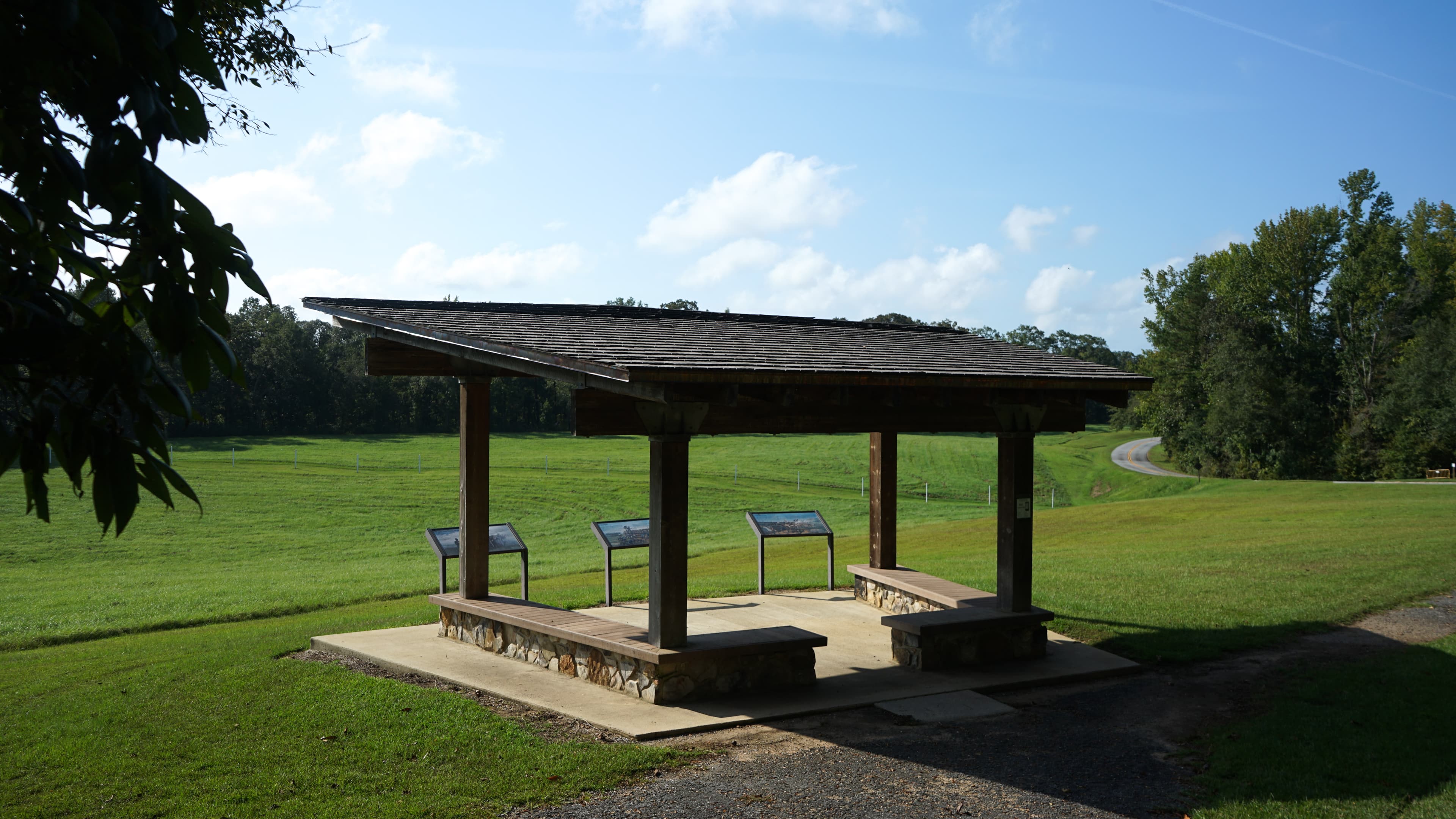
Tour Stop 2 - The Barricade
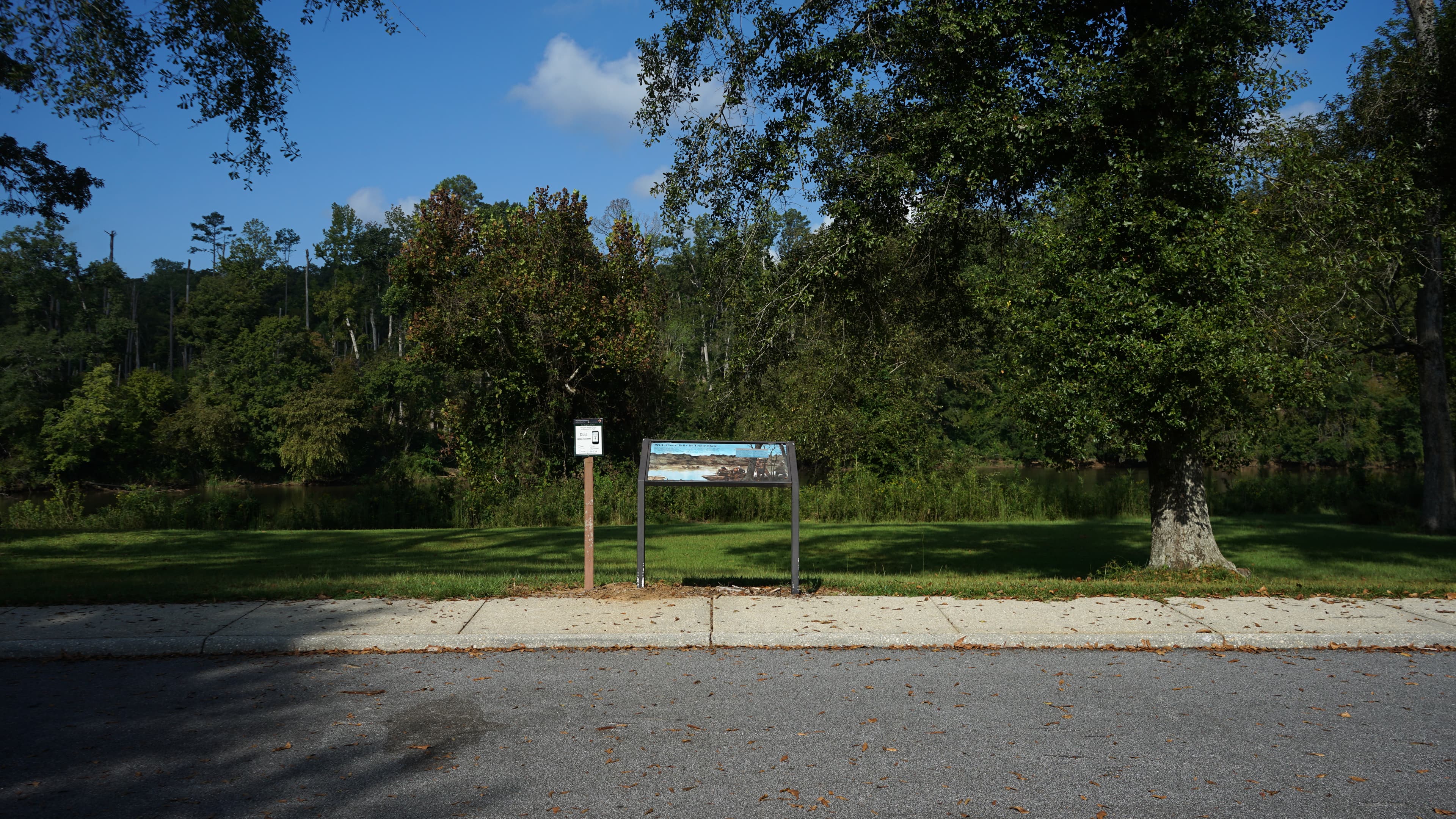
Tour Stop 3 - Cherokee Crossing
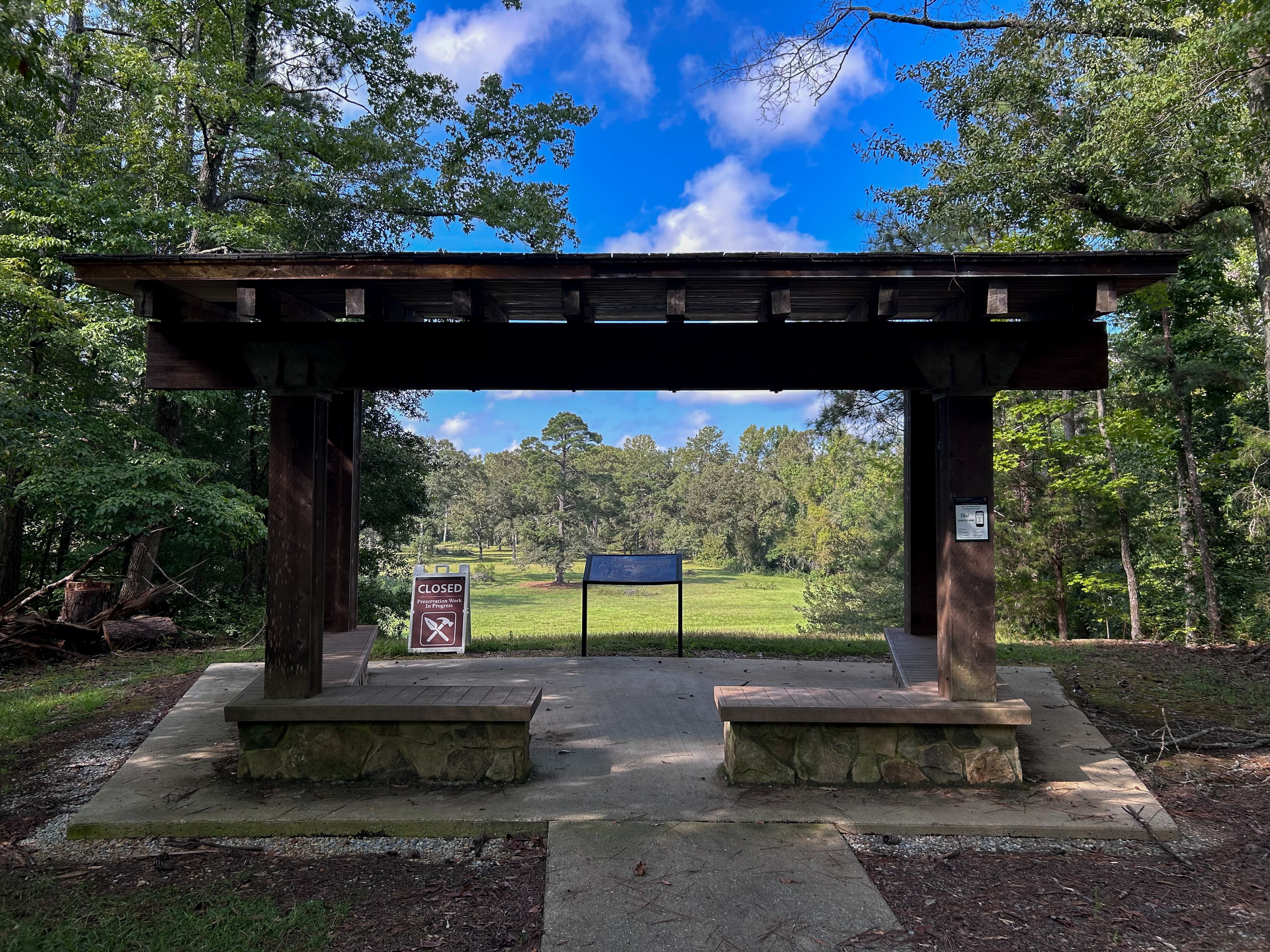
Tour Stop 4 - The High Ground
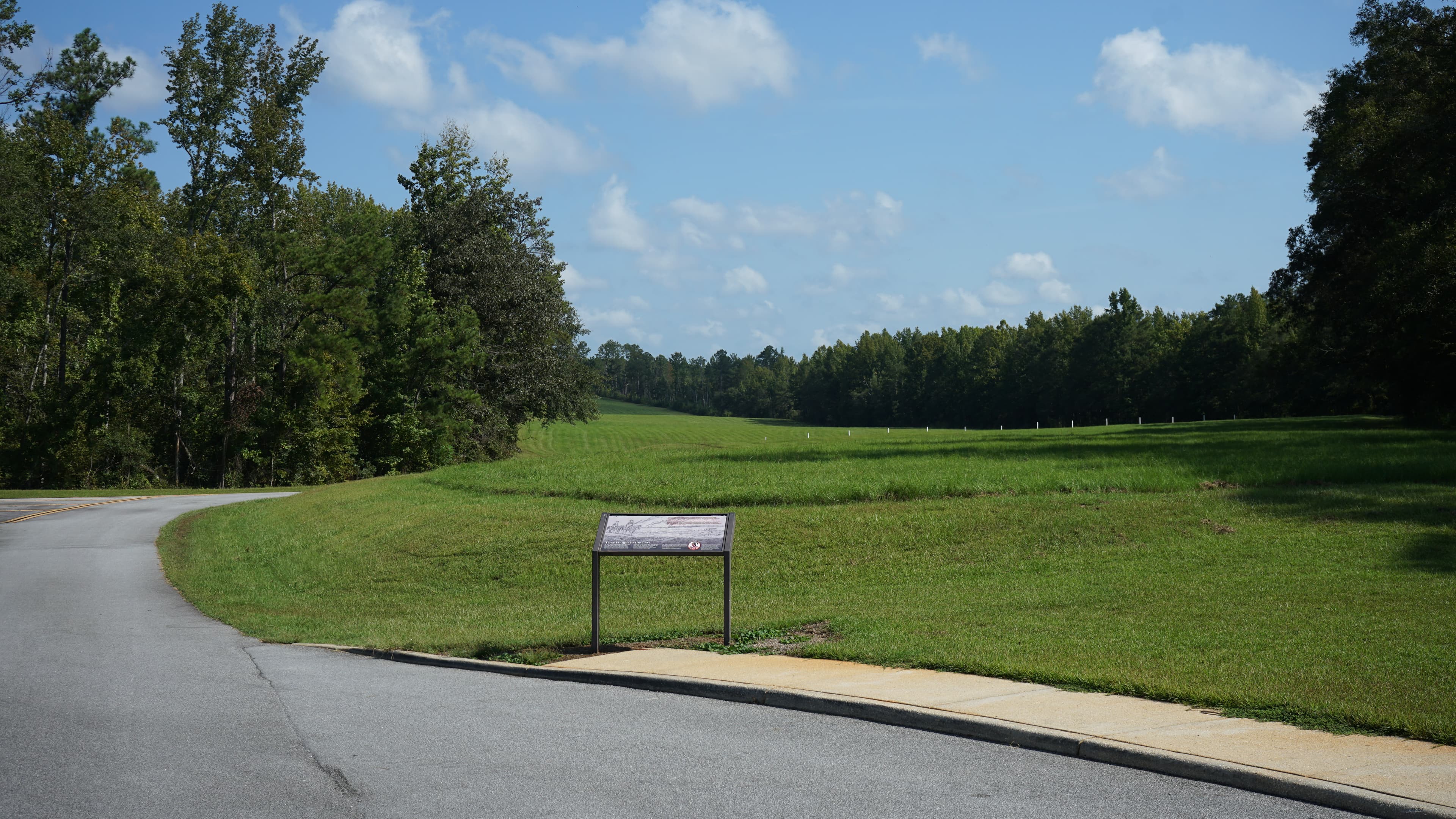
Tour Stop 5 - They Fought to the Last
Audio & media
🎧
🎬
🖼
Learn more
Following the Battle of Tippecanoe in 1811 and the destruction of Prophet's Town by the Americans, Shawnee chief Tecumseh intensified his cry for a united Indian confederacy. This influence and the divisive line it drew over assimilationism began echoing throughout tribal lands, even as far away as Alabama. This split populations along ideological lines, forcing them to choose allegiances.
This finding aid describes the National Parks Conservation Association (NPCA) Southest Region Collection, part of the NPS History Collection.
As a child growing up in the South during the 1950s and 1960s, Judy Forte’s life was heavily influenced by the US civil rights movement. She was only 11 years old when Dr. Martin Luther King, Jr. was assassinated. Four decades later she became the first African American woman superintendent at Martin Luther King, Jr. National Historical Park—and she's not done yet.
Although the conclusion of the War of 1812 brought little change in the life of most American citizens, for American Indians it was disastrous. The loss of influential tribal chiefs and millions of acres of territory left tribal communities weakened and at the mercy of American expansionism.
Each park-specific page in the NPS Geodiversity Atlas provides basic information on the significant geologic features and processes occurring in the park.
Southeastern national parks inspire millions of visitors each year as places to recreate and learn about the region’s culture and history, contributing to local economies. Yet alone, these parks cannot take care of themselves. Preserving parks for the public’s long-term enjoyment requires careful stewardship, active management, along with sound scientific understanding. This is achieved through NPS’s long-term vegetation monitoring programs.
NPS scientists and staff work together to protect park vegetation and the ecosystems it supports. From prescribed burns in pine savannas to invasive species removal in coastal forests, many management actions begin with one thing: science-based knowledge of what’s changing and why. To facilitate understanding, scientists from the NPS Inventory & Monitoring (I&M) Division conduct long-term vegetation monitoring in more than 40 parks across the Southeast.
Long-term monitoring of plant community condition supports the National Park Service mission to preserve natural resources unimpaired for future generations. By detecting ecological trends and stressors—such as invasive species expansion, habitat degradation, and climate-induced shifts—scientists provide park managers with actionable data to guide adaptive management and maintain ecosystem resilience.
How Horseshoe Bend National Military Park connects
This park's activities, topics, location, and on-the-ground places — one hop in the graph. Drag to explore; click an activity, topic, or related park to follow it.
Park
Activity
Topic
State
VisitorCenter
PassportStamp
Trail
Similar parks
Share activities & topics with Horseshoe Bend National Military Park.