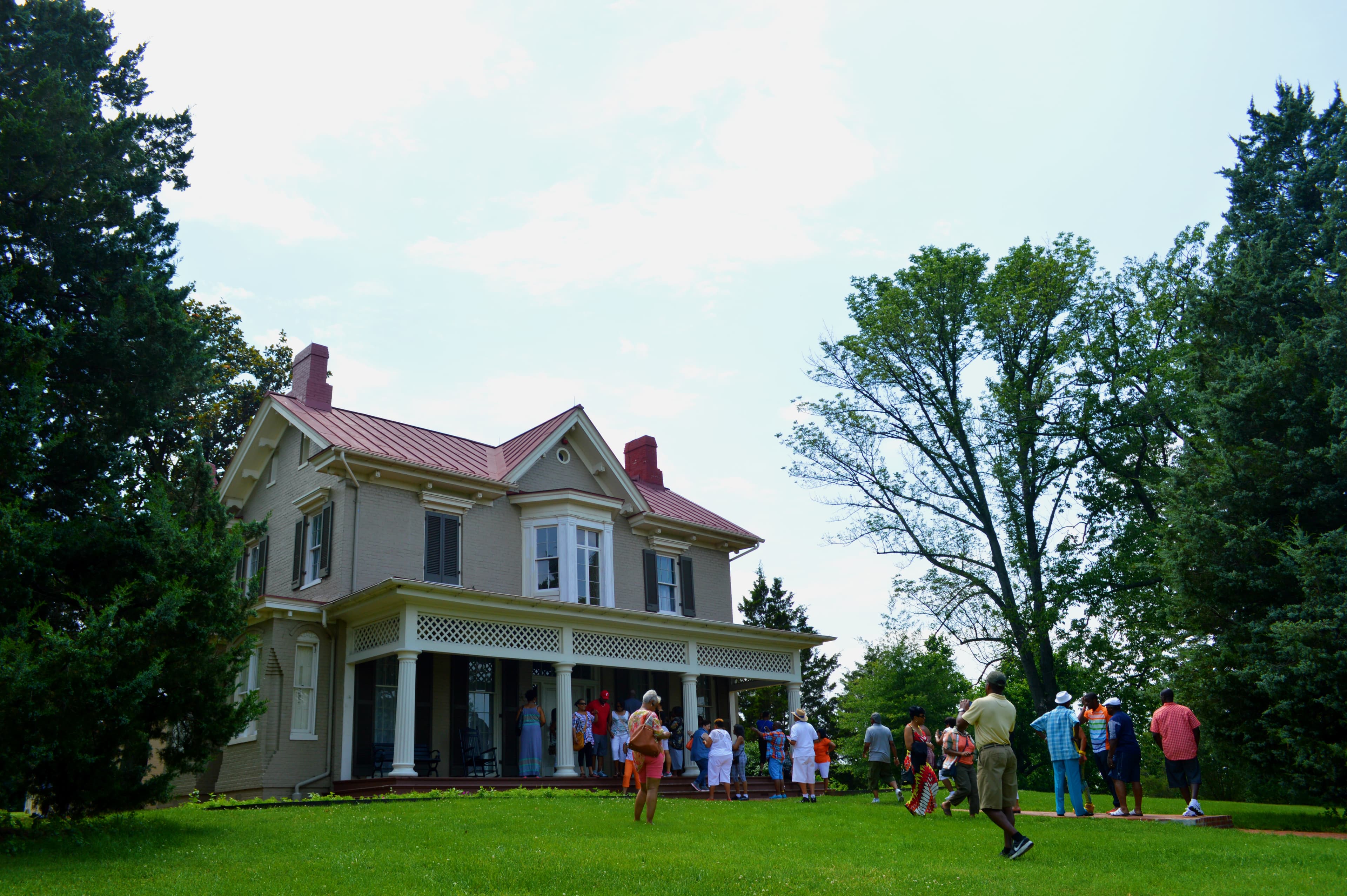
Frederick Douglass National Historic Site
District of Columbia
Tonight
🌓 65% moon
8.8 h fully dark
Crowds
low
Open today
Closed
Frederick Douglass National Historic Site: closed Nov 26 – Nov 26; Frederick Douglass National Historic Site: closed Dec 25 – Dec 25; Frederick Douglass National Historic Site: closed Jan 1 – Jan 1
Entrance
$1
Frederick Douglass spent his life fighting for justice and equality. Born into slavery in 1818, he escaped as a young man and became a leading voice in the abolitionist movement. People everywhere still find inspiration today in his tireless struggle, brilliant words, and inclusive vision of humanity. Douglass's legacy is preserved here at Cedar Hill, where he lived his last 17 years.
Activities
Topics
Entrance fees
$1.00 — Timed Entry Reservation - Location
Hours & seasons
The historic house is open for guided tours at scheduled times Tuesday through Saturday; hours vary by season, and reservations are strongly encouraged. The site is open from 9:00 a.m. to 4:30 p.m. on those days from October 1 through March 31, and from 9:00 a.m. to 5:00 p.m. from April 1 through September 30.
⚠ Frederick Douglass National Historic Site: closed Nov 26 – Nov 26; Frederick Douglass National Historic Site: closed Dec 25 – Dec 25; Frederick Douglass National Historic Site: closed Jan 1 – Jan 1
Generally open:
winterspringsummerfallHours are reported by the park — verify before you go.
📞 771-208-1499
✉ frdo_visitorservices@nps.govConditions
Quietest months (fewer crowds): Jan, Dec
Typical crowds: low
Weather now: ☁️ Overcast, 83°F
🌦️ 87°/71°
🌧️ 74°/61°
🌧️ 64°/57°
Typical monthly recreation visits · NPS avg 2023–2025 — orange months are the quietest by crowds.
Quietest months
Relative crowds by month — lighter is quieter; ringed months are the calmest by crowds.
Jan
25%
Feb
41%
Mar
58%
Apr
55%
May
58%
Jun
66%
Jul
100%
Aug
67%
Sep
52%
Oct
45%
Nov
47%
Dec
36%
Log a sky reading
Measured the sky with an SQM meter or app? Add your reading (16 = city glow … 22 = pristine). Opt in under “Travelers like you” to share it on the community leaderboard.
Things to do
Junior Ranger Programs at National Capital Parks - East
Collect all the National Capital Parks - East Passport Stamps
Become a Frederick Douglass NHS Junior Ranger
Places of Interest Related to Frederick Douglass
Frederick Douglass NHS Bookstore
Frederick Douglass NHS Visitor Center
Discover Frederick Douglass’s Home
Visitor centers
Frederick Douglass NHS Visitor Center
Accessibility
5 audio-described place(s)
Reported by the park — verify before you go.
Not an official safety source — always defer to NPS.gov and rangers for life-safety decisions.
By the numbers
A visual read on Frederick Douglass National Historic Site — its character, trails, sky, and weather.
Park fingerprint
How this park scores across the dimensions travelers care about.
Trail difficulty
Difficulty mix across this park's trails.
3-day forecast
Daily high and low temperatures (°F).
Passport stamps
Mark the stamps you've collected — they show in your memory and along your routes.
🎫 Frederick Douglass NHS Visitor Center
Places to see
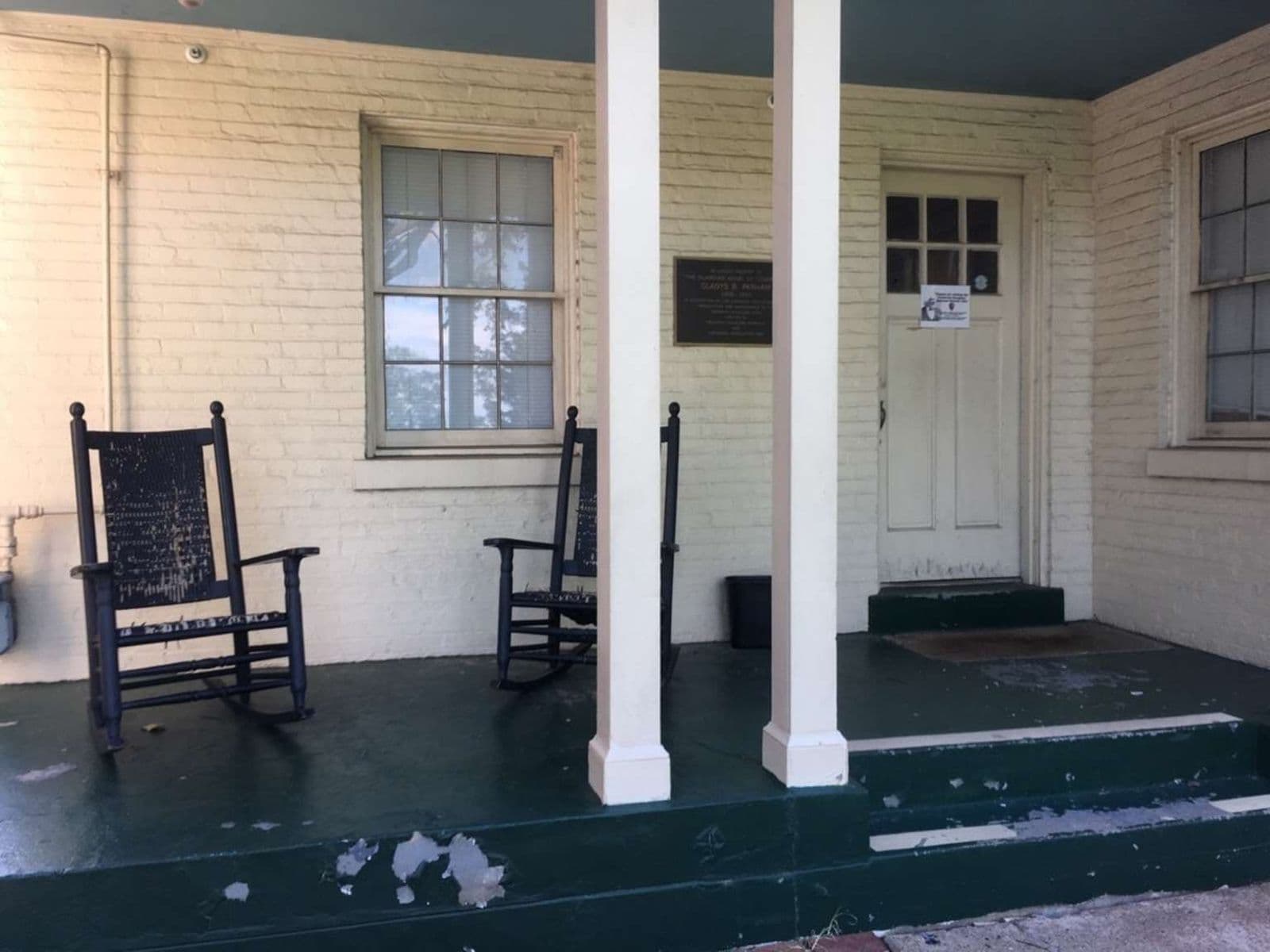
Frederick Douglass Caretakers Cottage
audio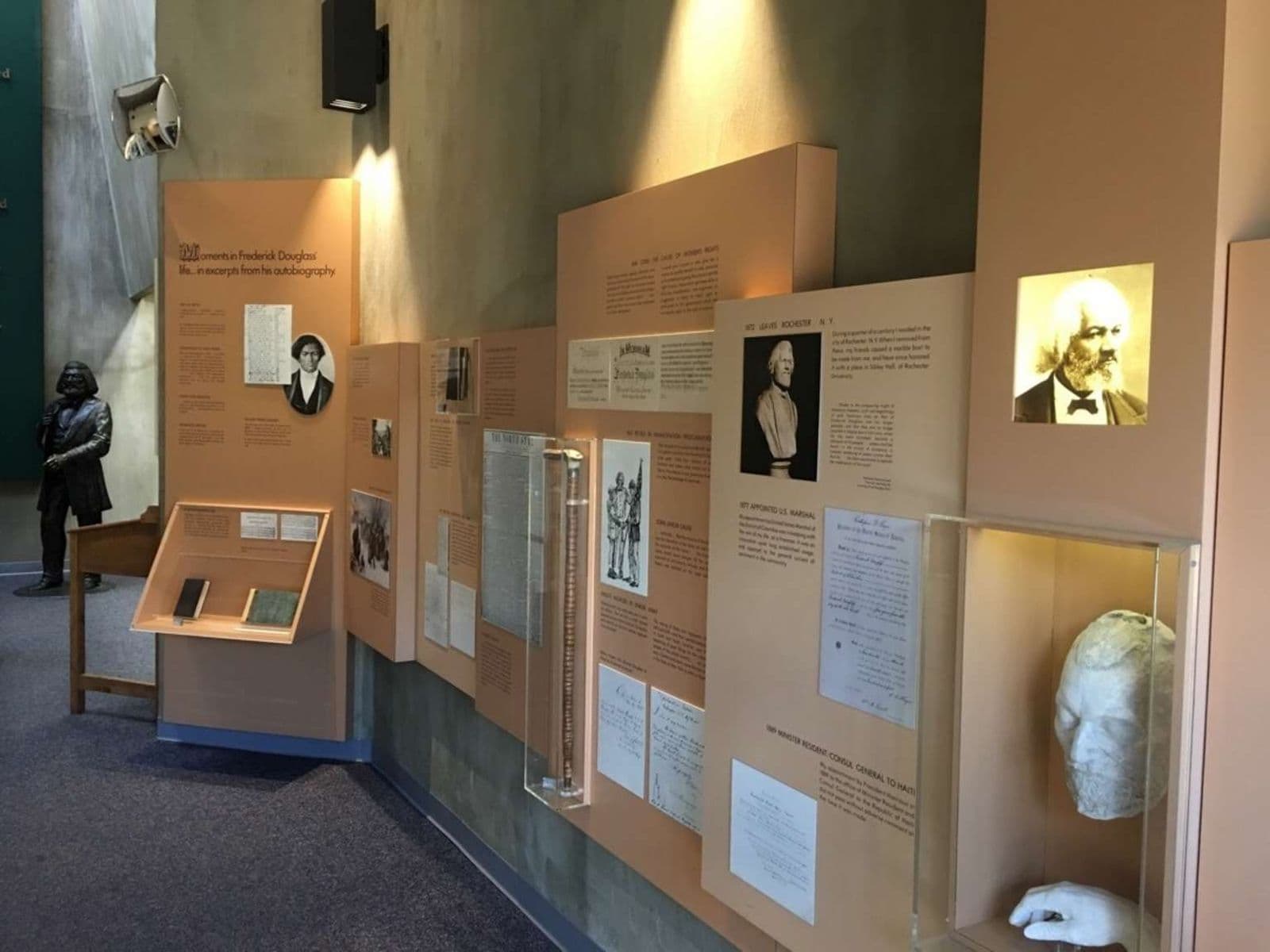
Frederick Douglass NHS Visitor Center
audio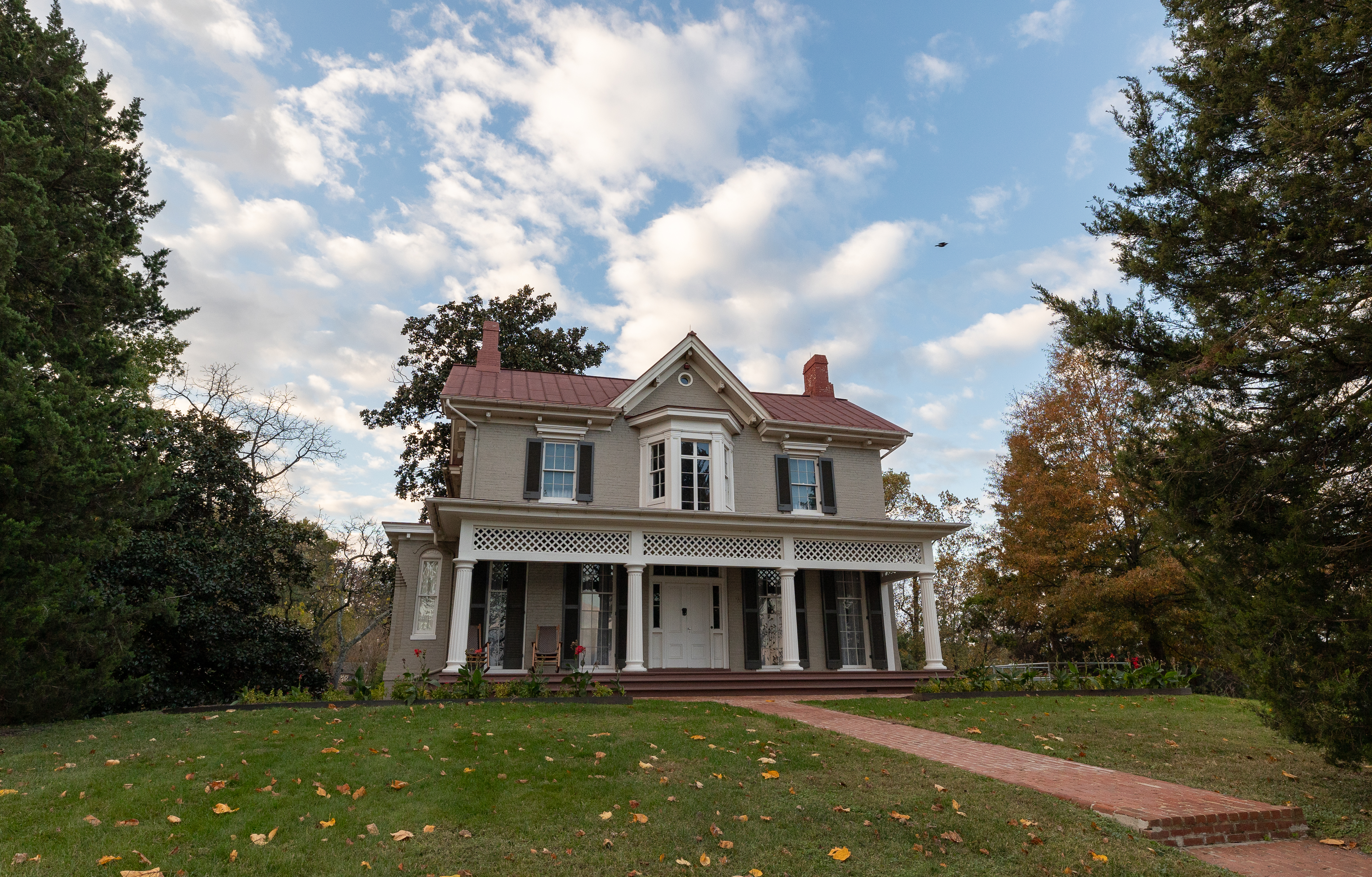
Frederick Douglass National Historic Site
audioFrederick Douglass: Carriage House and stable remains
audio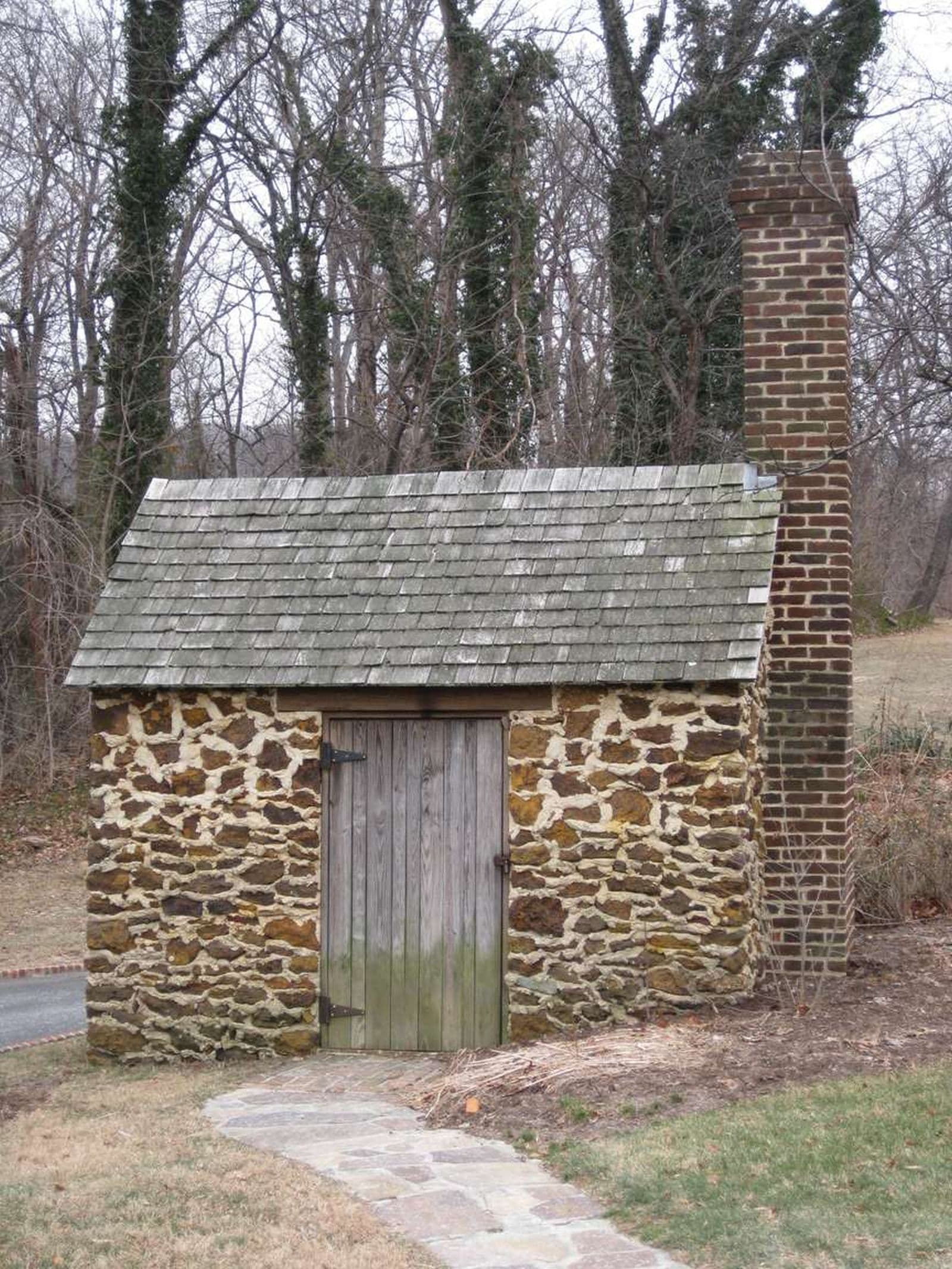
Frederick Douglass: The Growlery
audioAudio & media
🎧
🎬
🖼
Learn more
Prior to the 1830s, American antislavery organizations were formed and controlled by white men. This changed in December of 1833 when African American men were invited to participate at the first convention of the American Anti-Slavery Slavery Society (AASS) held in Philadelphia. Some women were also invited to the convention, but as spectators rather than as members. Excluding women from full participation was customary of the period’s social conventions.
Some abolitionist women found the confidence needed to reject social conventions and participate in public activities by denying the authority of clerical rules. Abolitionist feminists also found resolve to contradict gender roles in the abolitionist belief of the common humanity of all people. The belief in common humanity was used by abolitionists to argue for the definition of African American slaves as people, not property.
The abolition movement helped form and influence those who built and led the women’s rights movement. The beliefs and practices of the abolition movement provided a backdrop against which antislavery women could challenge gender roles and leave the woman’s sphere to enter the public sphere.
The abolition movement was one of the leading factors in the formation of the 19th century women’s rights movement. This series explores the connections between the abolition movement and the women’s rights movement to reveal the relationship between the two campaigns.
The establishment of Female Anti-Slavery Societies in the 1830s facilitated the formal beginnings of women’s political participation in the abolitionist movement. One women’s antislavery society that formed in the wake of the first American Anti-Slavery Society (AASS) convention was the Philadelphia Female Anti-Slavery Society (PFASS). The AASS organized itself as an interracial organization, and PFASS was founded in the same manner.
It is a disservice to consider the abolitionist movement for all of its triumphs and none of its problems. It is likewise naïve to consider the positive influences of abolition on the women’s rights movement without acknowledging the negative. The following is an examination of the problems within the abolition movement and how these issues are reflected in the early women’s rights movement.
The Seneca Falls Women’s Rights Convention is regarded as the beginning of the US women’s rights movement. The organizers of the first women’s rights convention in Seneca Falls were neighbors, friends, and relatives who decided to arrange the convention over their shared convictions. Each had backgrounds in the abolitionist movement and were dedicated to the anti-slavery cause which prepared them to organize the first women’s rights convention in 1848.
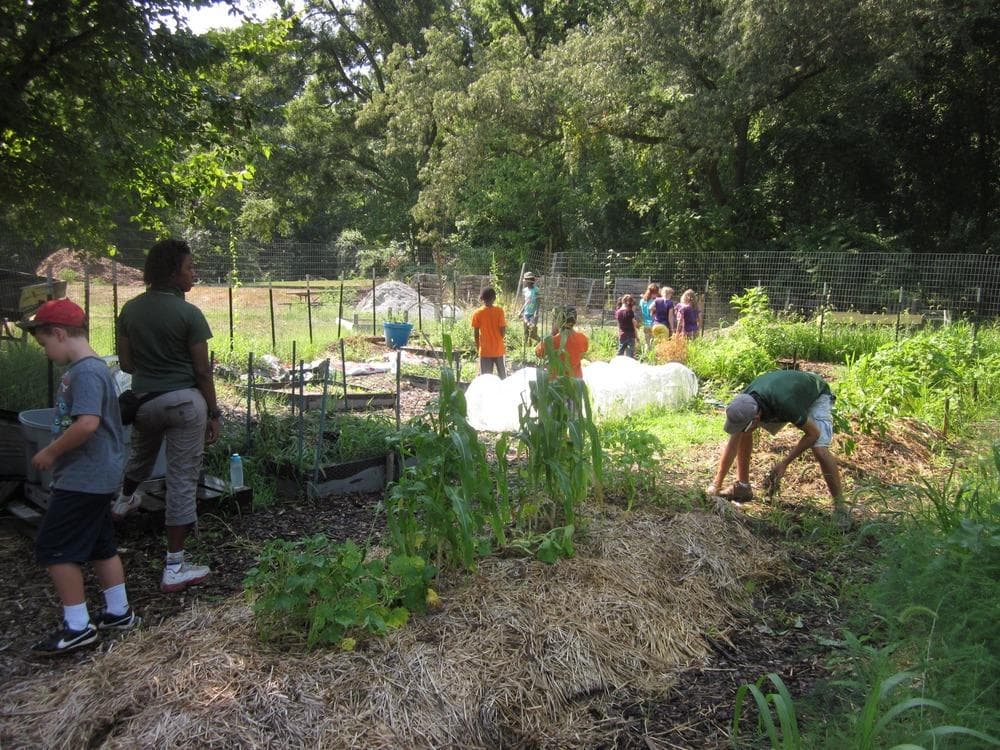
The hilltop residence where Frederick Douglass spent his final years, known as Cedar Hill, is surrounded by a sprawling landscape and expansive views toward the Capitol. The landscape reflects both his ascendance in the civic world and his deep appreciation for the natural world. Here, Douglass took nature walks, planted trees, and cultivated a vegetable garden. He also brought the natural world into his home through flower pressing and the display of botanical paintings.
Ranger School
Park-grounded courses you can learn with the Ranger.
Frederick Douglass, The Educator of Anacostia: “Once you learn to read, you will be forever free.”
Open →
Taking a Stand Against Slavery: Stories from Frederick Douglass. Grade 4
Open →
How Frederick Douglass National Historic Site connects
This park's activities, topics, location, and on-the-ground places — one hop in the graph. Drag to explore; click an activity, topic, or related park to follow it.
Park
Activity
Topic
State
VisitorCenter
PassportStamp
Trail
ThingToDo
Similar parks
Share activities & topics with Frederick Douglass National Historic Site.