Dayton Aviation Heritage National Historical Park
Ohio
Tonight
🌓 65% moon
8.8 h fully dark
Crowds
low
Open today
Open
Wright-Dunbar Interpretive Center: closed Nov 26 – Nov 26; Wright-Dunbar Interpretive Center: closed Dec 25 – Dec 25; Wright-Dunbar Interpretive Center: closed Jan 1 – Jan 1; Huffman Prairie Interpretive Center: closed Nov 26 – Nov 26; Huffman Prairie Interpretive Center: closed Dec 25 – Dec 25; Huffman Prairie Interpretive Center: closed Jan 1 – Jan 1; Paul Laurence Dunbar House Hours: closed Nov 26 – Nov 26; Paul Laurence Dunbar House Hours: closed Dec 25 – Dec 25; Paul Laurence Dunbar House Hours: closed Jan 1 – Jan 1
Entrance
Free entry
Dayton Aviation Heritage National Historical Park was established to honor the lives and achievements of poet and author Paul Laurence Dunbar and aviation pioneers Wilbur and Orville Wright. Through perseverance and dedication Orville, Wilbur and Paul were able to overcome obstacles in their lives and leave their respective marks on history. Start your visit at one of our locations today.
Activities
Topics
No entrance fee.
Hours & seasons
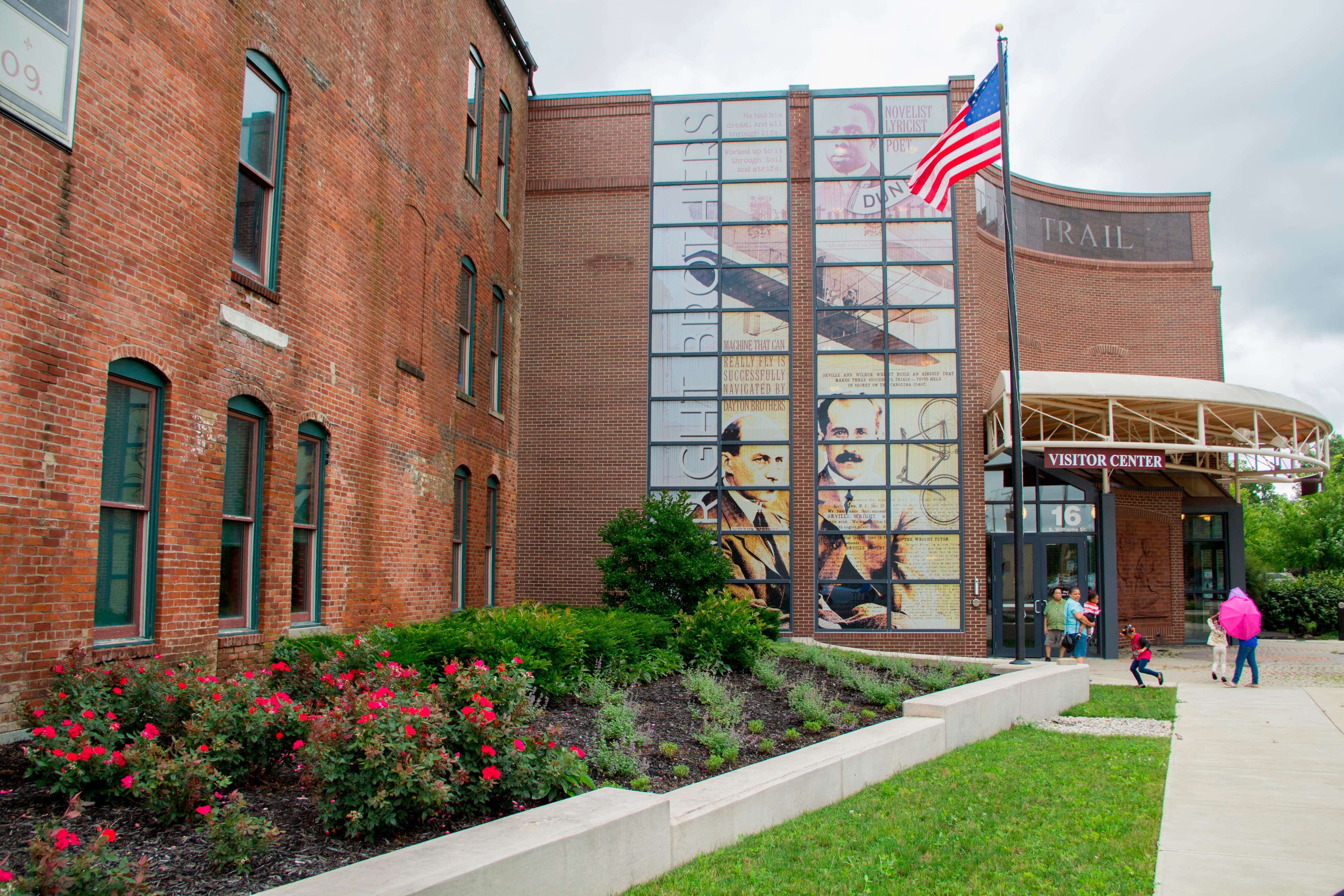
The Wright-Dunbar Interpretive Center is located just west of downtown Dayton on South Williams Street, directly south of Third Street. Interpretive displays, interactive exhibits and the park introductory film are all available at the WDIC. A small gift shop is also on site and is stocked with souvenirs and books related to the Wrights and Paul Laurence Dunbar.
⚠ Wright-Dunbar Interpretive Center: closed Nov 26 – Nov 26; Wright-Dunbar Interpretive Center: closed Dec 25 – Dec 25; Wright-Dunbar Interpretive Center: closed Jan 1 – Jan 1; Huffman Prairie Interpretive Center: closed Nov 26 – Nov 26; Huffman Prairie Interpretive Center: closed Dec 25 – Dec 25; Huffman Prairie Interpretive Center: closed Jan 1 – Jan 1; Paul Laurence Dunbar House Hours: closed Nov 26 – Nov 26; Paul Laurence Dunbar House Hours: closed Dec 25 – Dec 25; Paul Laurence Dunbar House Hours: closed Jan 1 – Jan 1
Generally open:
winterspringsummerfallHours are reported by the park — verify before you go.
📞 937-345-0433
✉ daav_info@nps.govConditions
Quietest months (fewer crowds): Jan, Feb
Typical crowds: low
Weather now: ⛅ Partly cloudy, 82°F
🌧️ 83°/71°
🌧️ 71°/60°
☁️ 67°/57°
Typical monthly recreation visits · NPS avg 2023–2025 — orange months are the quietest by crowds.
Quietest months
Relative crowds by month — lighter is quieter; ringed months are the calmest by crowds.
Jan
12%
Feb
19%
Mar
39%
Apr
67%
May
100%
Jun
69%
Jul
68%
Aug
53%
Sep
47%
Oct
49%
Nov
39%
Dec
82%
Log a sky reading
Measured the sky with an SQM meter or app? Add your reading (16 = city glow … 22 = pristine). Opt in under “Travelers like you” to share it on the community leaderboard.
Things to do
Ranger Guided Tours of Dayton's National Park · <p>Tour duration will depend upon the theme and nature of the tour for the day. Typical tours last anywhere between 30 and 60 minutes.</p>
Exploring Huffman Prairie Flying Field · Duration of stays will vary. Depending on ones curiousity and ability to walk distances, guests can view the main features of the site, including the replica hangar, or choose to take an extended walk into and around the prairie.
Tour the Wright Cycle Shop · Ranger tours vary, but guests can expect to spend at least 20 minutes with a ranger and then additional time exploring the inside of the shop.
Visitor centers
Huffman Prairie Interpretive Center
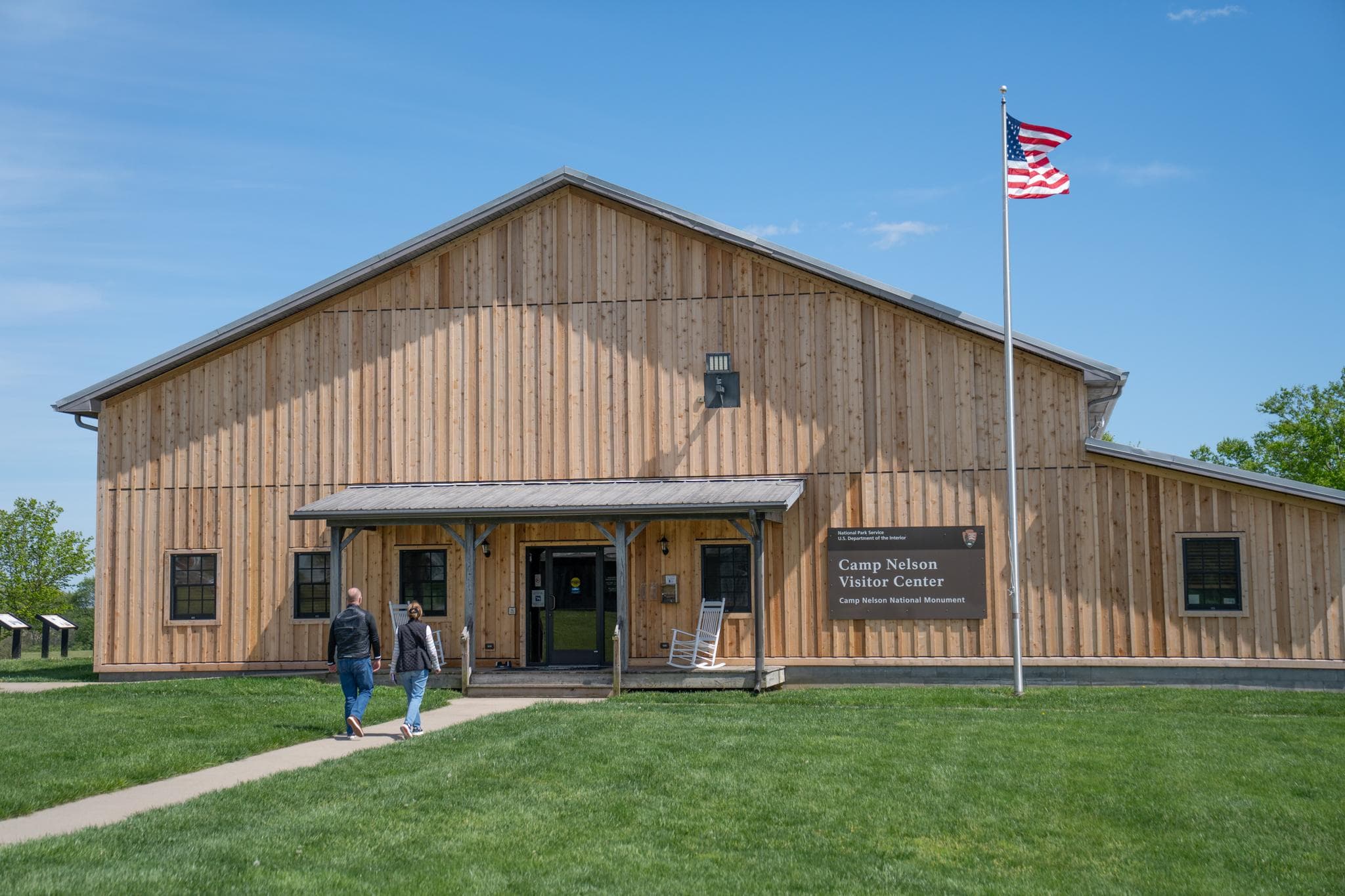
Paul Laurence Dunbar House Visitor Center
Wright-Dunbar Interpretive Center
Accessibility
Reported by the park — verify before you go.
Not an official safety source — always defer to NPS.gov and rangers for life-safety decisions.
By the numbers
A visual read on Dayton Aviation Heritage National Historical Park — its character, trails, sky, and weather.
Park fingerprint
How this park scores across the dimensions travelers care about.
Trail difficulty
Difficulty mix across this park's trails.
3-day forecast
Daily high and low temperatures (°F).
People & stories
Figures tied to Dayton Aviation Heritage National Historical Park — each spans a cross-park journey.
Alice Ruth Moore Dunbar
— Dunbar, African American, Women's HistoryCatherine Freyer (or Fry) Koerner
— Wright Brothers, Dayton Aviation Heritage National Historical ParkCatherine Reeder Wright
— Wright Brothers, Dayton Aviation Heritage National Historical ParkDan Wright, Jr.
— Wright Brothers, Dayton Aviation Heritage National Historical ParkElizabeth Florence Dunbar
— Dunbar, African AmericanIda Wright
— Wright Brothers, Dayton Aviation Heritage National Historical ParkJohn (Johann) Gottlieb Koerner
— Wright Brothers, Dayton Aviation Heritage National Historical ParkJoshua Dunbar
— Dunbar, African American, UsctPassport stamps
Mark the stamps you've collected — they show in your memory and along your routes.
🎫 Huffman Prairie Interpretive Center
🎫 Paul Laurence Dunbar House Visitor Center
🎫 Wright-Dunbar Interpretive Center
Places to see
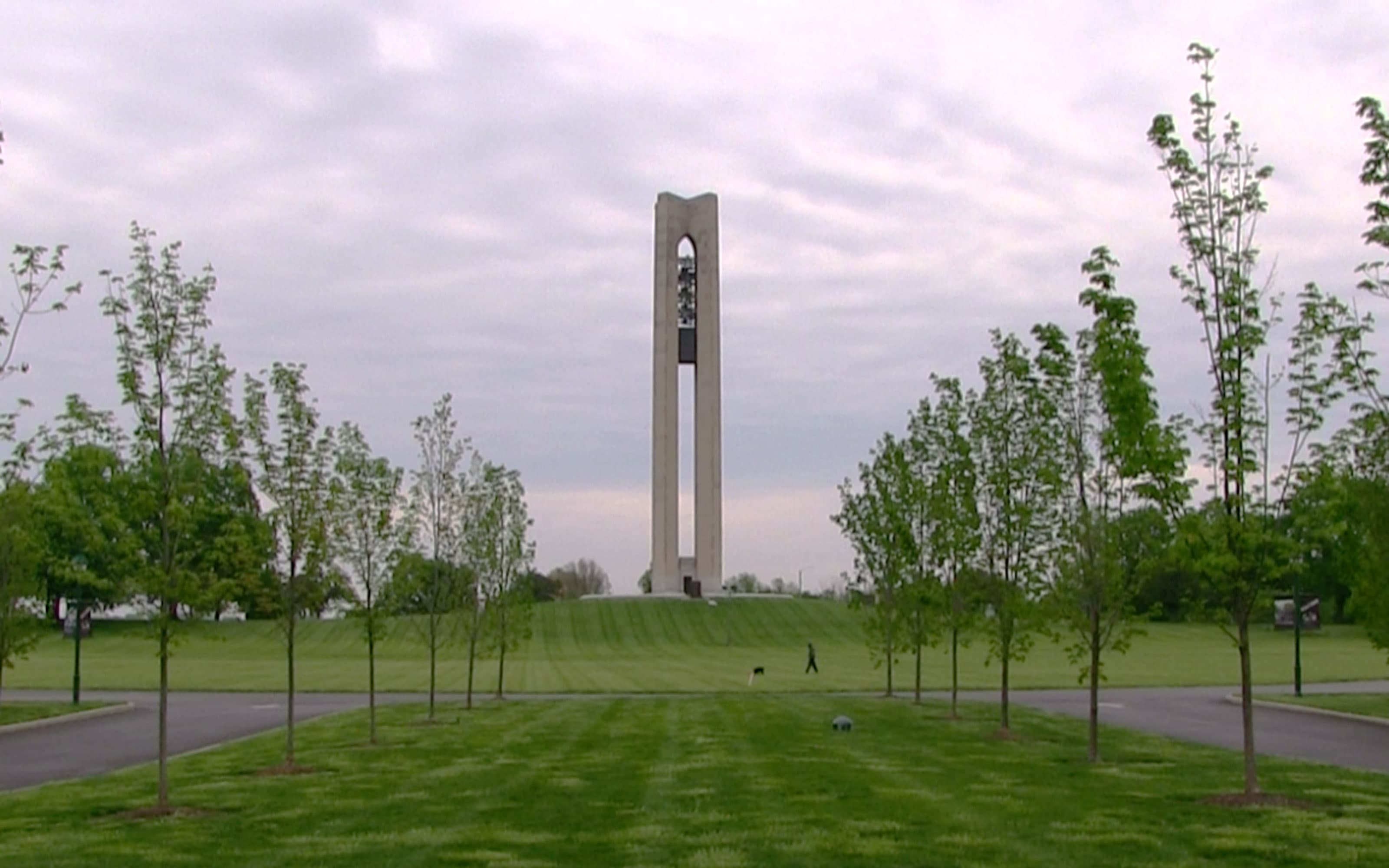
Carillon Historical Park
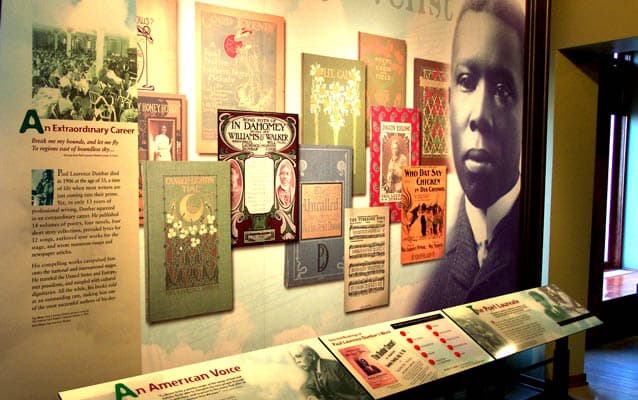
Dayton Aviation Heritage National Historical Park
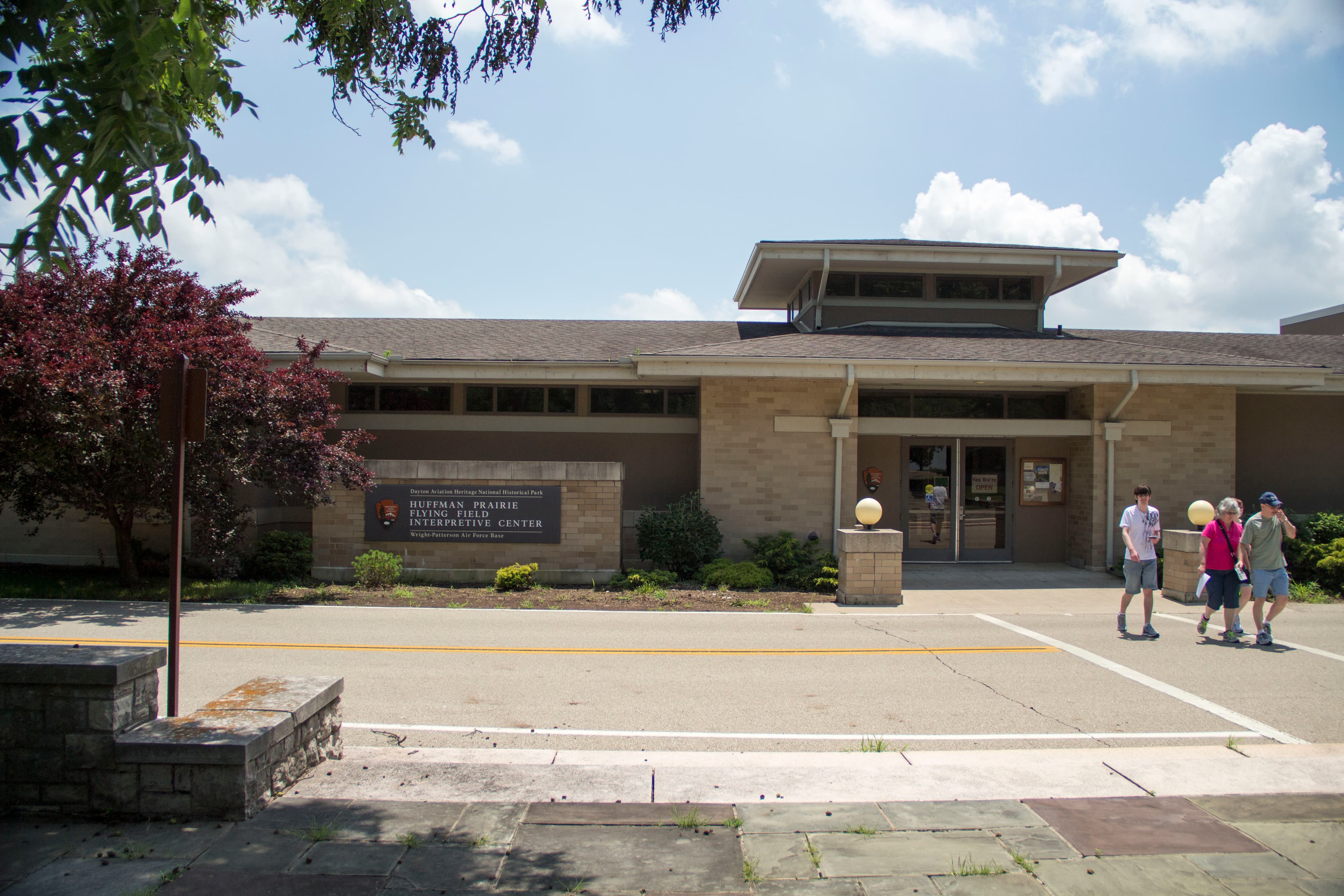
Huffman Prairie Interpretive Center
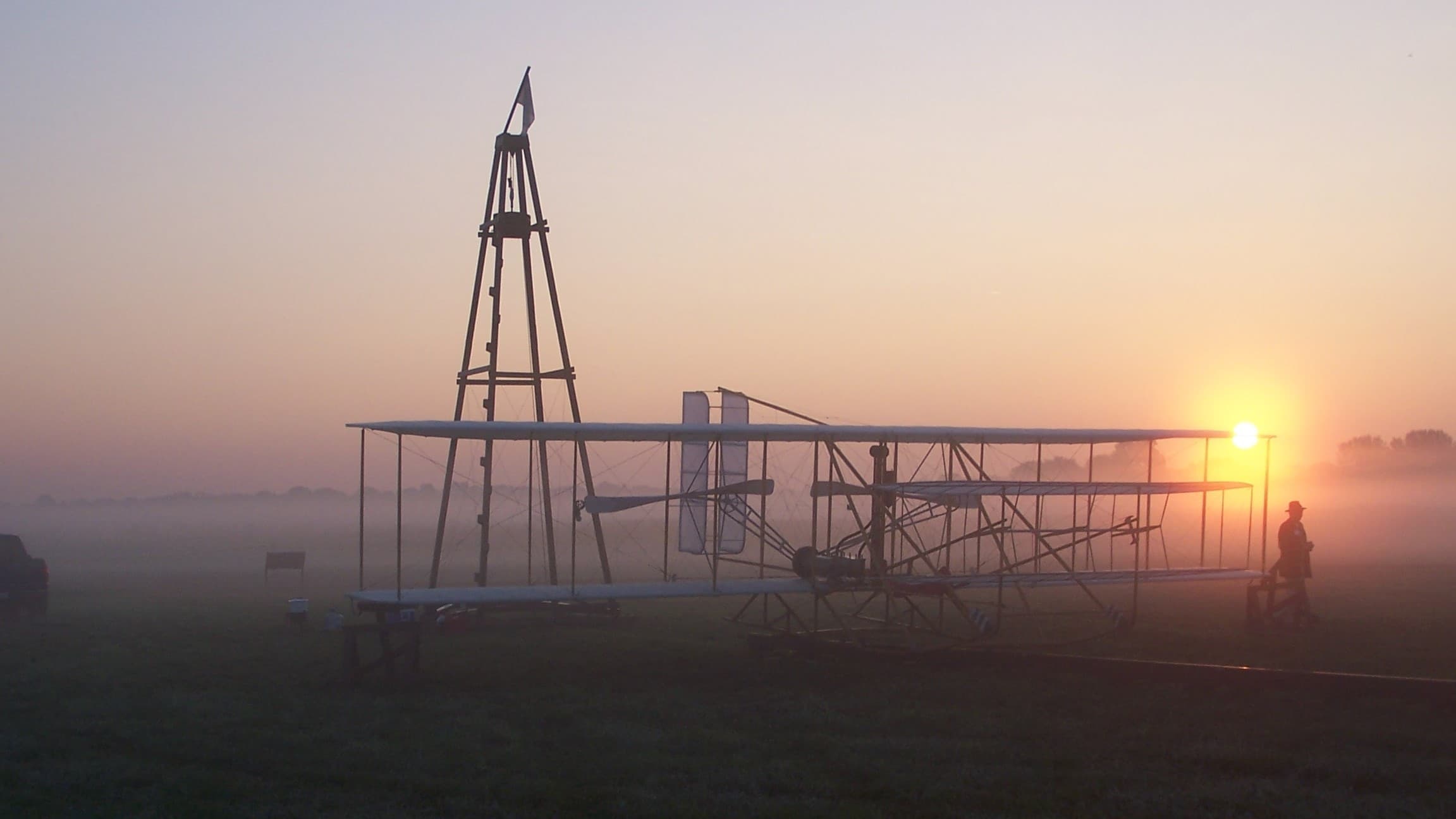
National Aviation Heritage Area
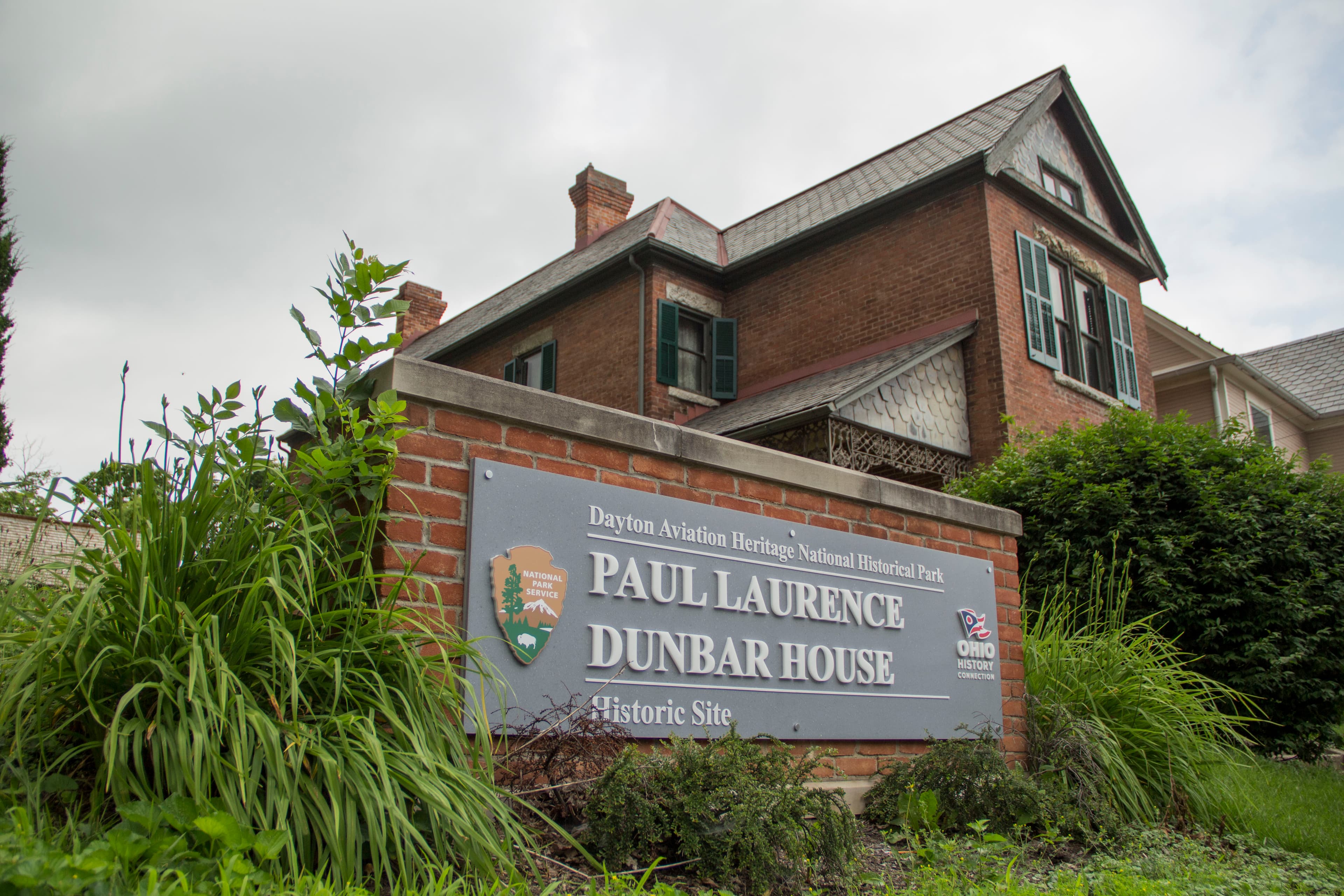
Paul Laurence Dunbar House Historic Site
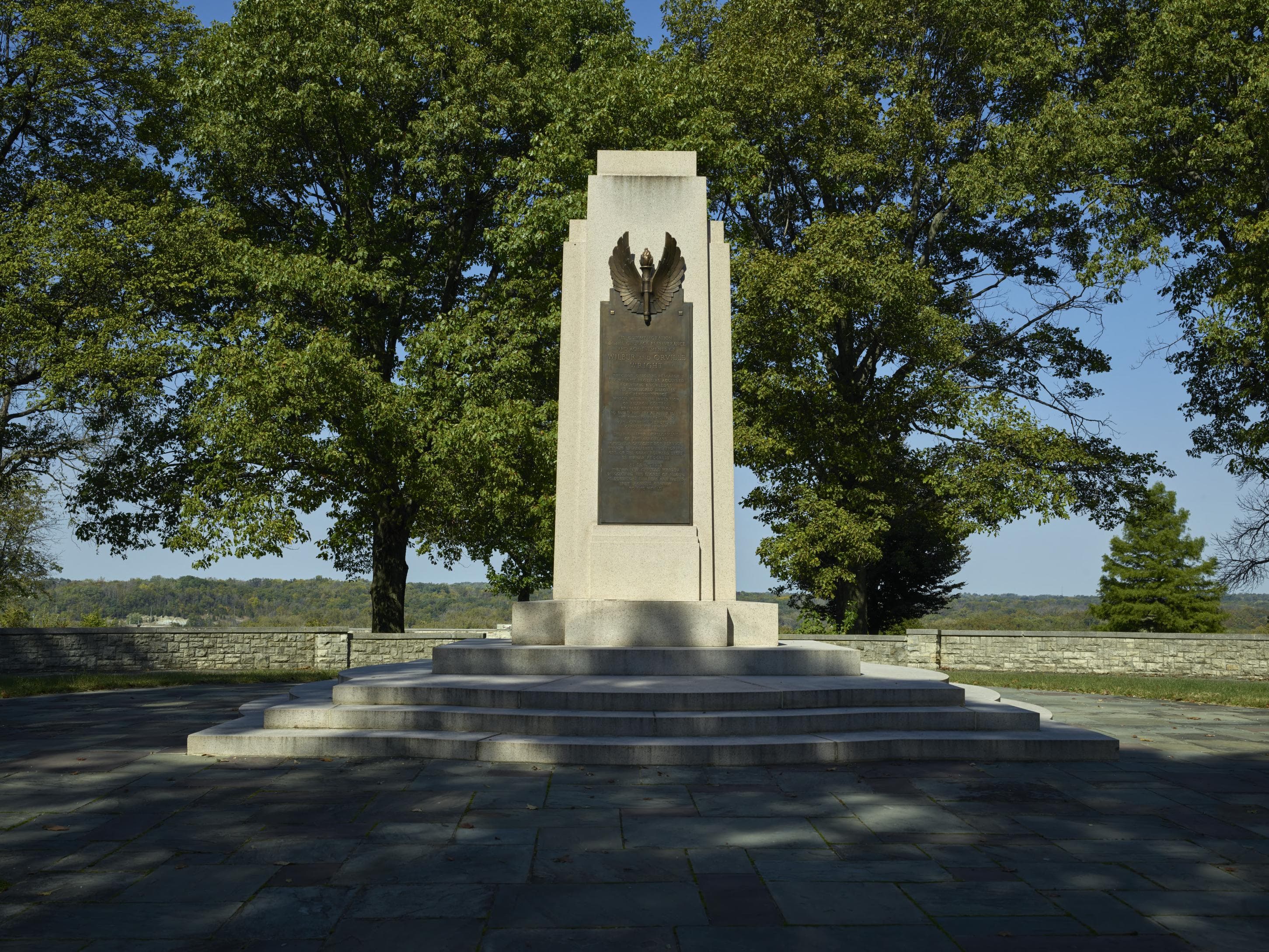
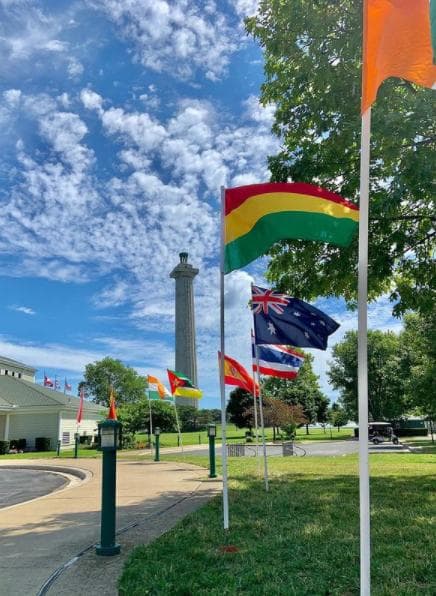
Wright Brothers Memorial
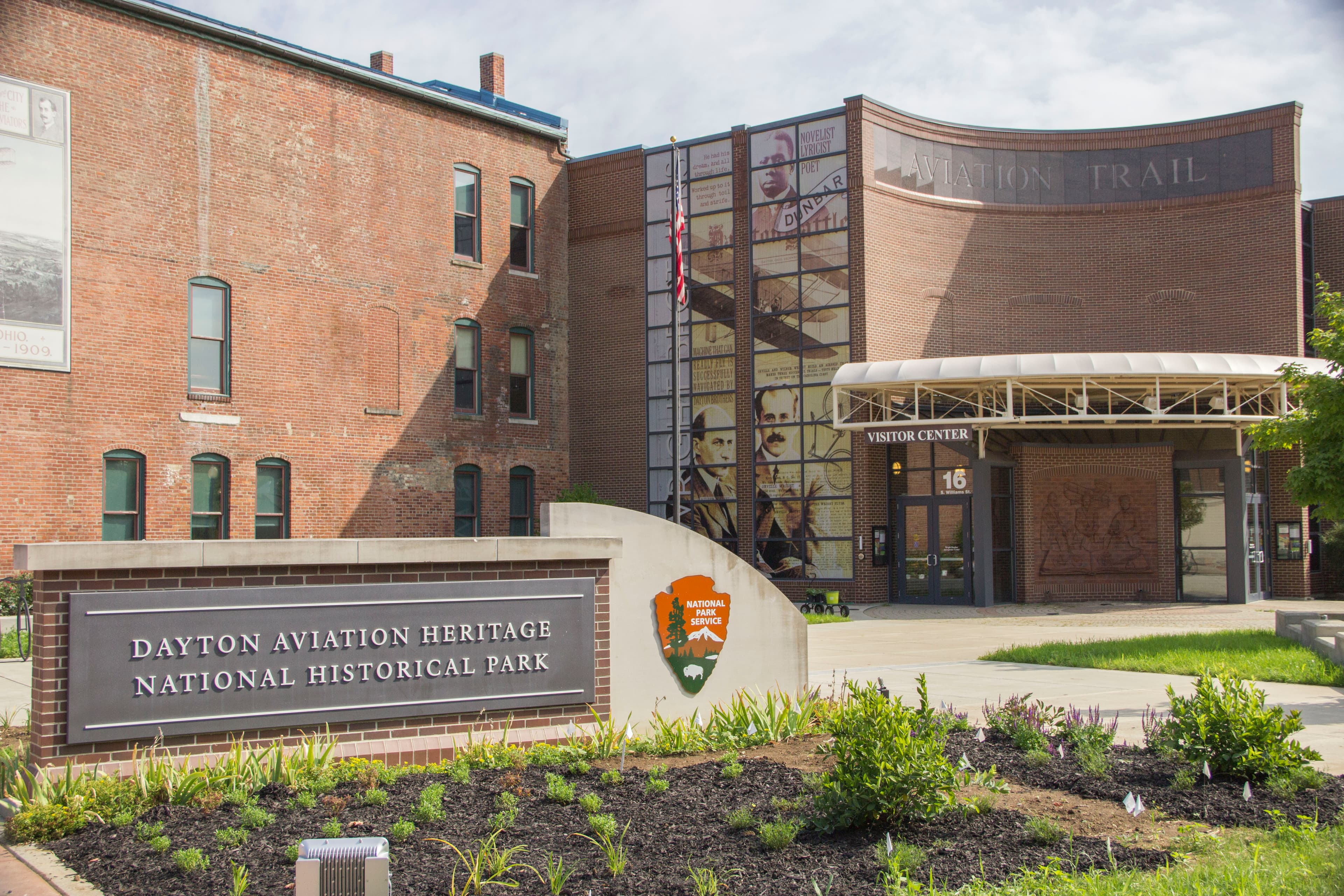
Wright-Dunbar Interpretive Center
Audio & media
🎧
🎬
🖼
Learn more
Uncover the hidden history of World War I in the national parks!
National Park Service rangers tell the stories of America, and for some those stories aren’t just a piece of history. They are personal memories. We tell the story of humanity, and our rangers. This is a personal story from one of our rangers at Dayton Aviation Heritage National Historical Park.
The commemoration of the Wright brothers achievements at Kitty Hawk is in many ways as fascinating as the brothers' achievements themselves.
On October 5, 1905, Wilbur Wright flew the world’s first practical airplane, the Wright Flyer III, for an unprecedented 39 minutes and 23 seconds at Huffman Flying Field in Ohio. This accomplishment represented the inception of modern aviation. That field is just one of several cultural landscapes in and around the city of Dayton, Ohio that are associated with inventors Orville and Wilbur Wright's accomplishments and the development of aeronautics.
When the war began in Europe, the United States military had very few airplanes – only six airplanes, and fourteen trained pilots, were available for use. America realized she needed to strengthen its air power, and quickly.
The nation's remarkable aviation history is reflected in numerous districts, sites, buildings, structures, and objects eligible for the National Register of Historic Places. These historic aircraft, airfields, research and testing facilities, aeronautical and engineering research laboratories, production plants, military installations, and launch sites are worthy of preservation for their contributions to aviation technology.
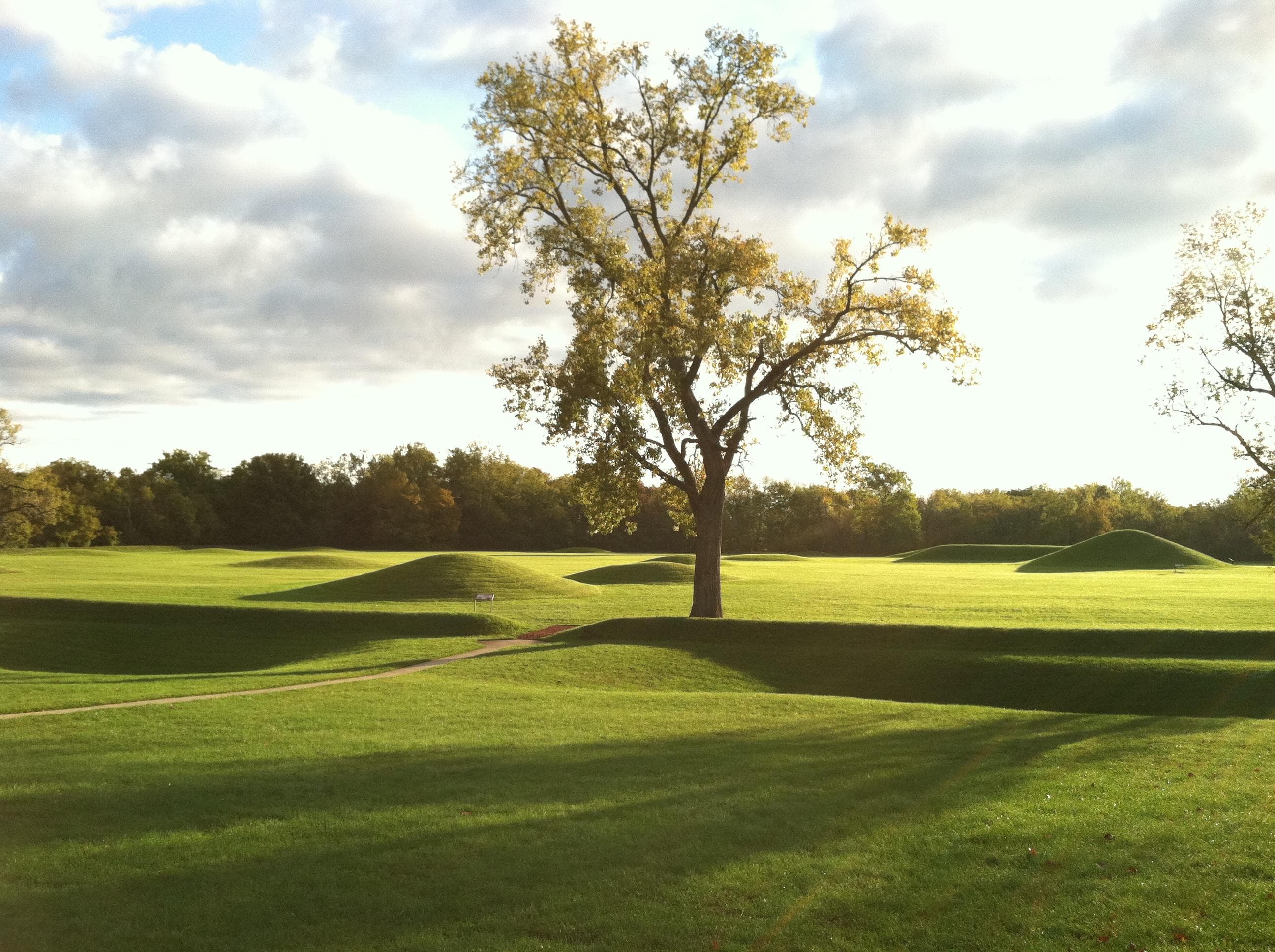
The open meadow character and somewhat uneven terrain of Huffman Prairie Flying Field, now part of Dayton Aviation Heritage National Historic Park, was a significant landscape in the development of Orville and Wilbur Wright's first practical airplane. Later, Huffman Field became the location for the Wright School of Aviation that trained civilian and military pilots from 1910 to 1916.
The Wright brothers stayed at Kitty Hawk intermittently from 1900 to 1903, perfecting their flying experiments.
Ranger School
Park-grounded courses you can learn with the Ranger.
Airplanes of the Future!
Open →
Can You Outrun the Wright Flyer?
Open →
Clay Stamps
Open →
Douglass
Open →
First Flight or Fake News?
Open →
Homage to Bleriot
Open →
Levitating Ping Pong Balls
Open →
Mood Masks
Open →
Printmaking - Landscapes
Open →
Shaping the Future
Open →
Wax Museum
Open →
Who Were The Wright Brothers?
Open →
How Dayton Aviation Heritage National Historical Park connects
This park's activities, topics, location, and on-the-ground places — one hop in the graph. Drag to explore; click an activity, topic, or related park to follow it.
Park
Activity
Topic
State
VisitorCenter
PassportStamp
ThingToDo
Similar parks
Share activities & topics with Dayton Aviation Heritage National Historical Park.