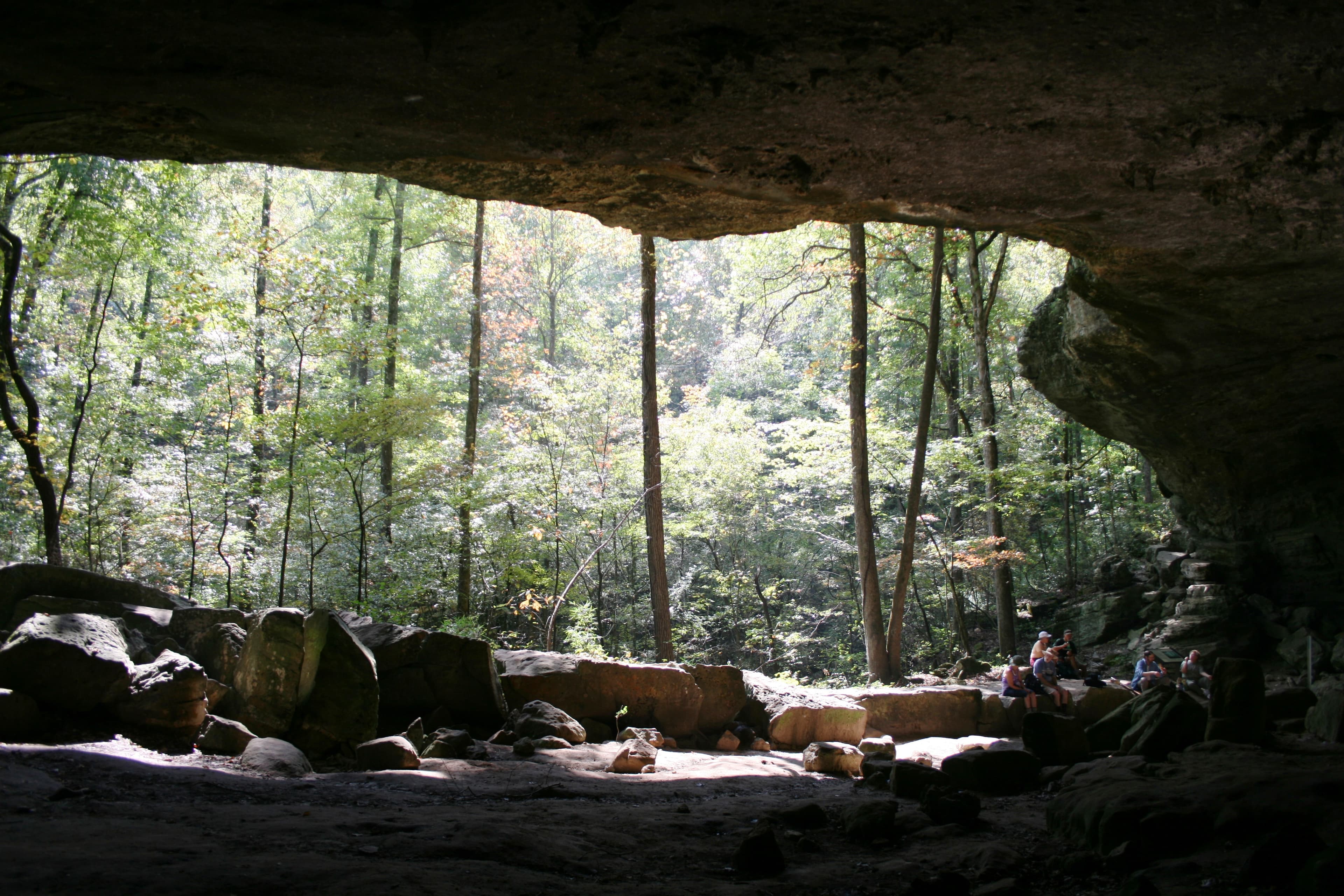
Buffalo National River
Arkansas
Tonight
🌓 65% moon
8.9 h fully dark
Hikes
Easy–Strenuous
🟢 🟡 🔴
Crowds
moderate
Open today
Open
Entrance
Free entry
Tyler Bend Pavilion Closure
Starting on January 20, 2026, the Tyler Bend Pavilion will be closed for construction on the pavilion restrooms. The Tyler Bend Pavilion parking area and Lower Launch River access remain open to the public. The Pavilion is expected to re-open no later than June 30, 2026.
Reservations Only at Kyles Landing and Erbie - Starting September 1, 2026
Starting September 1, 2026, reservations will be required for all campsites at Kyles Landing and Erbie Campgrounds. Reservations must be made through Recreation.gov (www.recreation.gov) or by calling 877-444-6777. Reservations can be made the same day or up to six months in advance. Please note that cell phone service is unreliable in these areas, so it is strongly recommended to make your reservation before arriving at the campground.
Steel Creek Ranger Station Closed
The Steel Creek Ranger Station is closed. Please call Tyler Bend Visitor Center at 870-439-2502 for information about the park's Upper District.
South Woolum Road Closed, Alternate Route Available
In the interest of safety, the South Woolum Road has been closed. The Woolum launch and campground remain open.
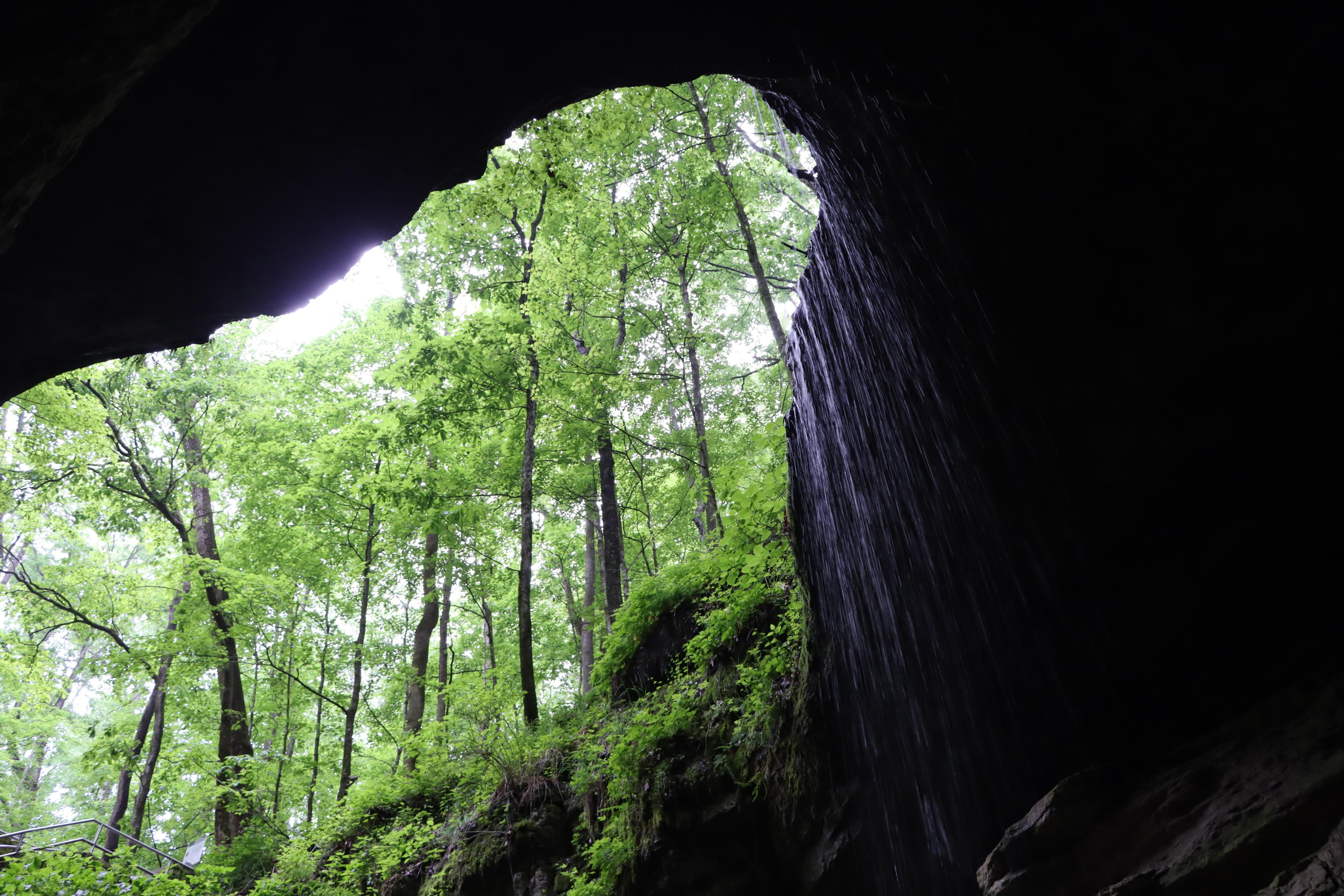
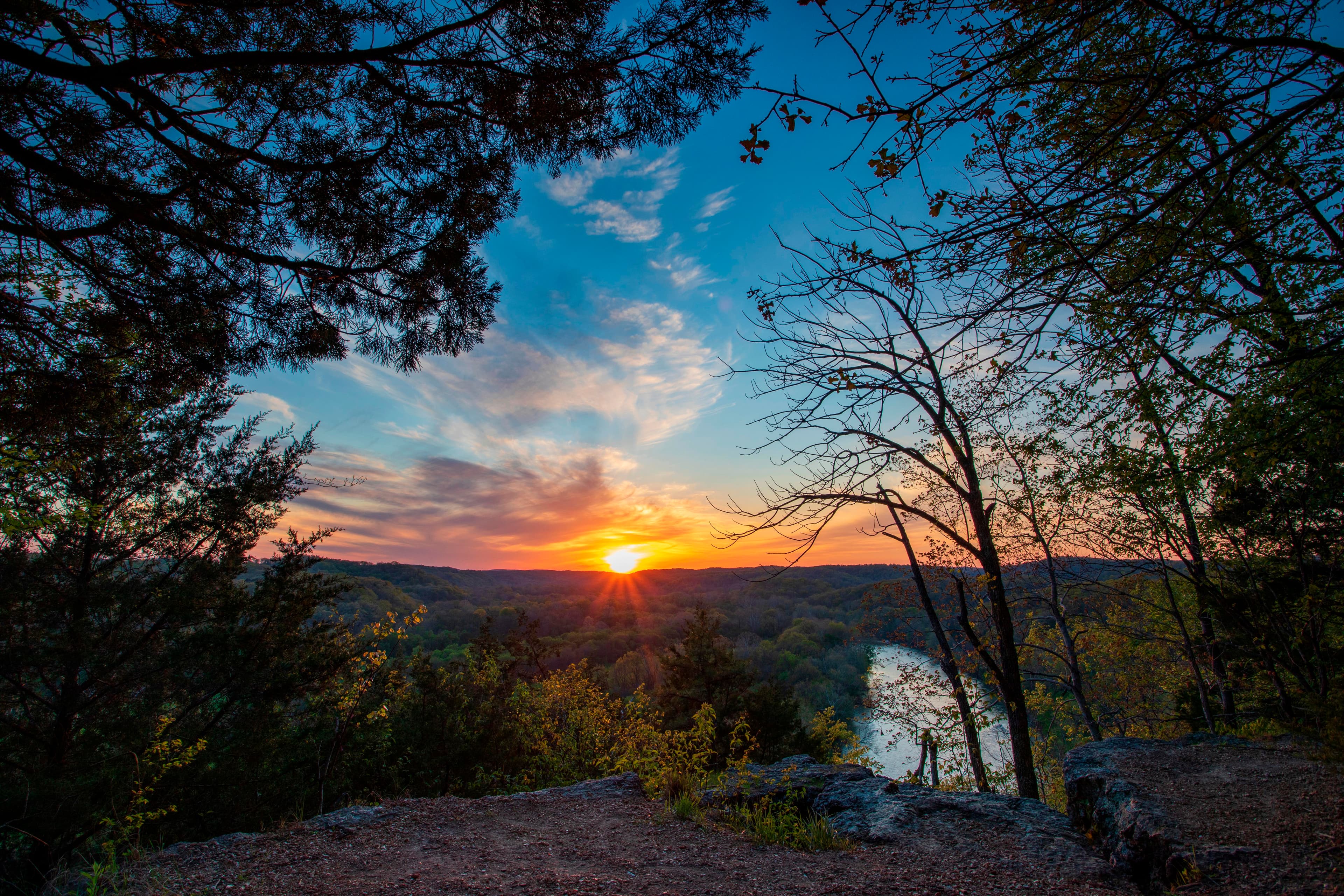
Official NPS alert →Established in 1972, Buffalo National River flows freely for 135 miles and is one of the few remaining undammed rivers in the lower 48 states. Once you arrive, prepare to journey from running rapids to quiet pools while surrounded by massive bluffs as you cruise through the Ozark Mountains down to the White River.
Activities
Topics
No entrance fee.
Hours & seasons
Buffalo National River is 135 miles long. The park is open 24 hours.
Generally open:
winterspringsummerfallHours are reported by the park — verify before you go.
📞 8704392502
✉ buff_information@nps.govConditions
Quietest months (fewer crowds): Jan, Feb, Nov, Dec
Typical crowds: moderate
Weather now: ☁️ Overcast, 94°F
☁️ 94°/69°
🌧️ 87°/71°
☁️ 83°/64°
Typical monthly recreation visits · NPS avg 2023–2025 — orange months are the quietest by crowds.
Quietest months
Relative crowds by month — lighter is quieter; ringed months are the calmest by crowds.
Jan
9%
Feb
13%
Mar
36%
Apr
48%
May
83%
Jun
100%
Jul
91%
Aug
48%
Sep
44%
Oct
33%
Nov
21%
Dec
14%
Log a sky reading
Measured the sky with an SQM meter or app? Add your reading (16 = city glow … 22 = pristine). Opt in under “Travelers like you” to share it on the community leaderboard.
Things to do
🔴 Hike to Hemmed-in Hollow · The average hiker takes 4 to 6 hours to complete this out-and-back hike. The hike from the waterfall back to your vehicle requires approximately 1,400 feet in elevation gain over 2.5 miles. Conserve your energy, water, snacks, and time for this portion of the hike.
Paddling Gilbert to South Maumee · 12 mi · Durations are based on a moderate or average 2 miles per hour river flow. The length of a float trip will vary greatly with changing river levels. Additionally, float times largely depend on if you paddle or not and stop to swim, fish, or explore. Please check with park staff or concessioner for a current estimate on river trip durations.
Paddle Kyles Landing to Erbie · 5.7 mi · Depending on river conditions and paddling experience, this 5.7-mile trip takes the average paddler 3 to 4 hours
Paddle Steel Creek to Kyles Landing · 8 mi · At a moderate river level, this 8-mile paddling trip takes an average of 4 to 6 hours.
Hike the Cecil Cove Loop · 7 mi · 500 ft gain · This is a popular backpacking loop for an overnight hiking/camping trip. For a day trip, plan for 5 to 8 hours to complete the loop.
Hike the Rush Mine Level Trail and Morning Star Interpretive Loop · 25 mi
🟢 Hike the Beaver Jim Villines Homestead Trail
🔴 Hike to Big Bluff · 1300 ft gain · The hike from Centerpoint Trailhead to Big Bluff is approximately 6 miles round-trip. Average hiking time is 4 to 6 hours. From the parking lot to Big Bluff, the trail travels mostly downhill, so it's important to conserve energy, drinking water, and snacks for the uphill hike back to your car. If you start this hike in the afternoon, carry a light source just in case you're out after dark.
Campgrounds
Buffalo Point Campground ↗ · 106 sites · first-come · hookups · dump station
Carver Campground ↗ · 8 sites
Erbie Campground ↗ · 31 sites
Kyles Landing ↗ · 33 sites
Ozark Campground ↗ · 32 sites
Rush Campground ↗ · 12 sites
South Maumee
Spring Creek Campground · 12 sites · first-come
Steel Creek Campground ↗ · 39 sites
Tyler Bend Campground ↗ · 42 sites · dump station
Woolum
Visitor centers
Buffalo Point Visitor Contact Station
Steel Creek Ranger Station
Tyler Bend Visitor Center
Accessibility
1 accessible campground(s)
10 audio-described place(s)
Reported by the park — verify before you go.
Not an official safety source — always defer to NPS.gov and rangers for life-safety decisions.
By the numbers
A visual read on Buffalo National River — its character, trails, sky, and weather.
Park fingerprint
How this park scores across the dimensions travelers care about.
Trail difficulty
Difficulty mix across this park's trails.
Trail profile
Each dot is a trail — distance vs. elevation gain, by difficulty.
3-day forecast
Daily high and low temperatures (°F).
People & stories
Figures tied to Buffalo National River — each spans a cross-park journey.
Antney Hensley
— Slavery, Richland Valley, Searcy CountyDr. Neil Compton
— Anniversary, Ozark Society, Buffalo National RiverEvangeline Pratt Archer
— Buffalo National River, The Ozark Society, Buffalo RiverGranny Henderson
— Ponca Wilderness, Henderson House, National Register Of Historic PlacesIda Mae Collier
— Buffalo National River, People, Homestead ActJustice William O. Douglas
— Buffalo River, Buff 50, William O. DouglasParthenia Hensley
— Parthenia Wyatt, Slavery, Richland ValleyRobert L. Villines
— Robert Lee Villines, Boxley Grist Mill, Villines MillPassport stamps
Mark the stamps you've collected — they show in your memory and along your routes.
🎫 Buffalo Point Visitor Contact Station
🎫 Steel Creek Ranger Station
🎫 Tyler Bend Visitor Center
Places to see
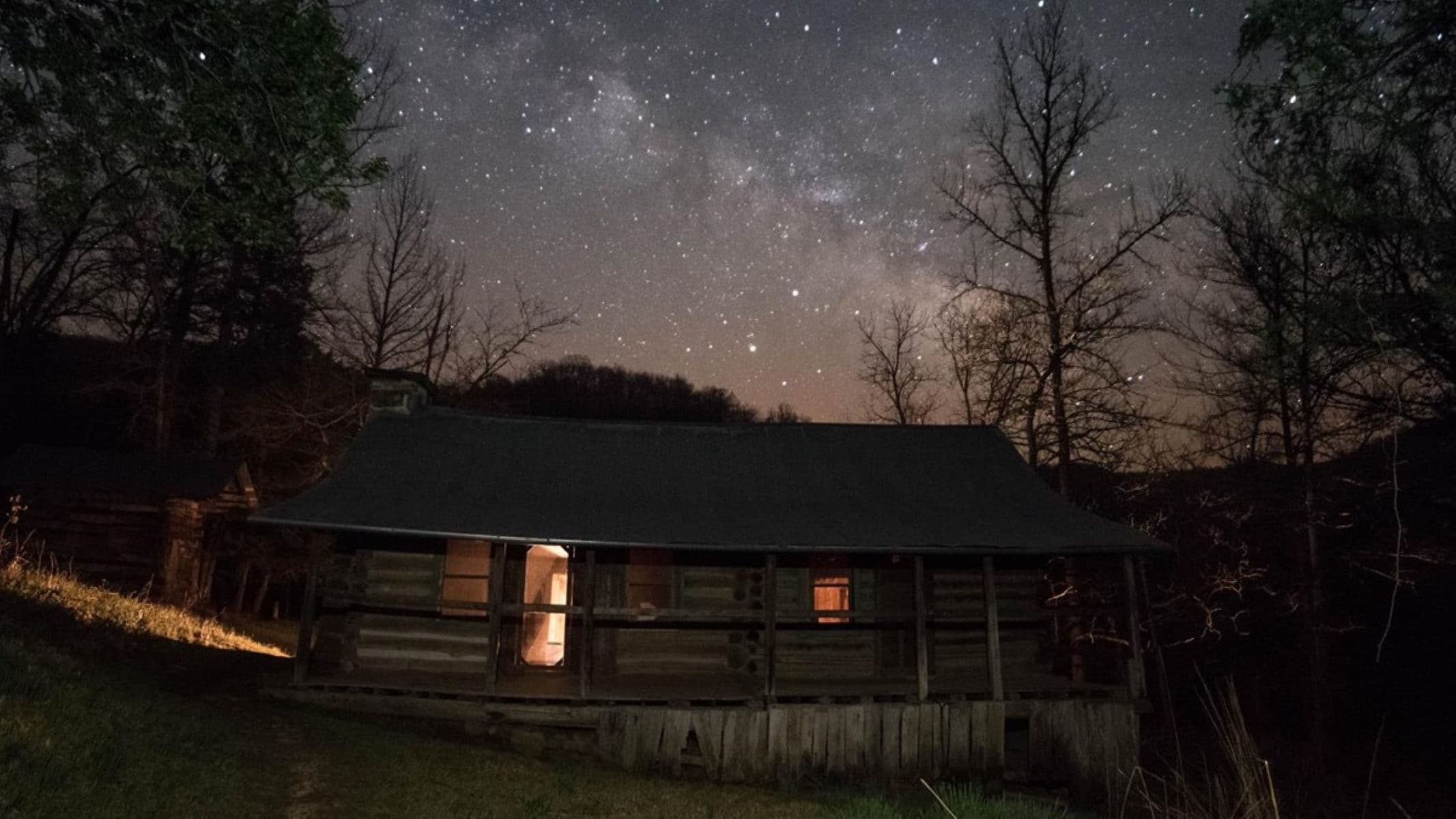
Beaver Jim Villines Homestead
audio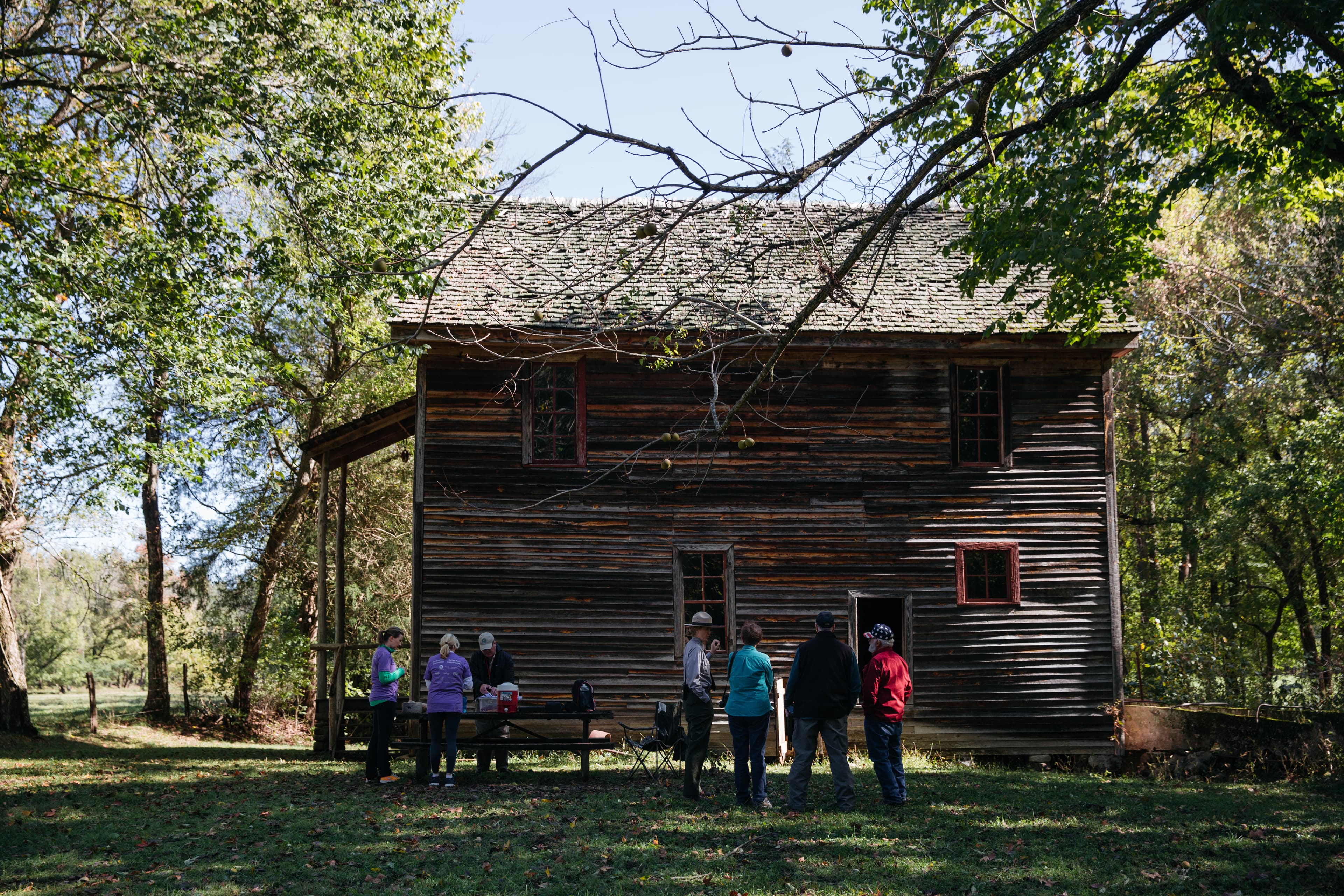
Boxley Grist Mill
audio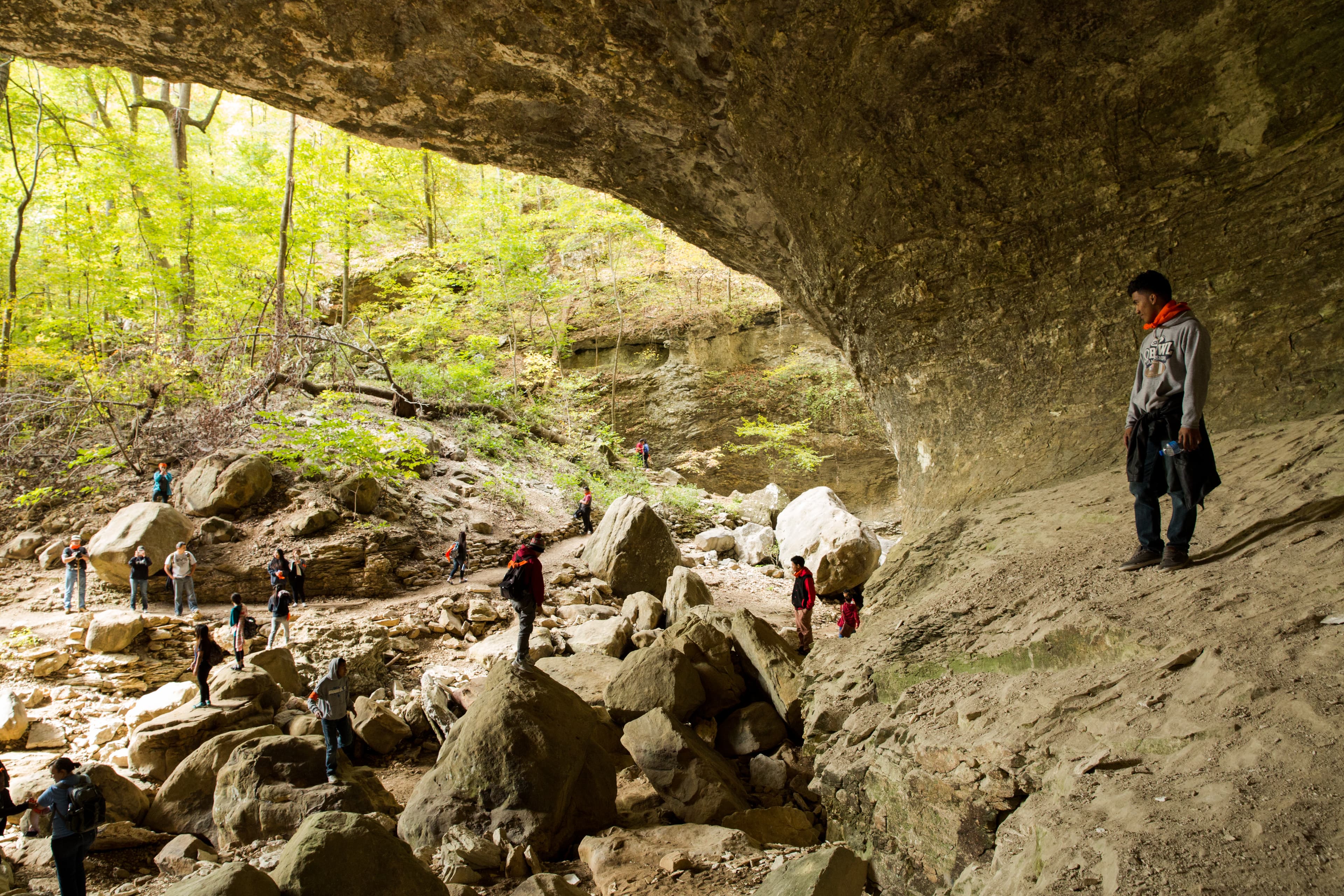
Cob Cave - Lost Valley Trail
audio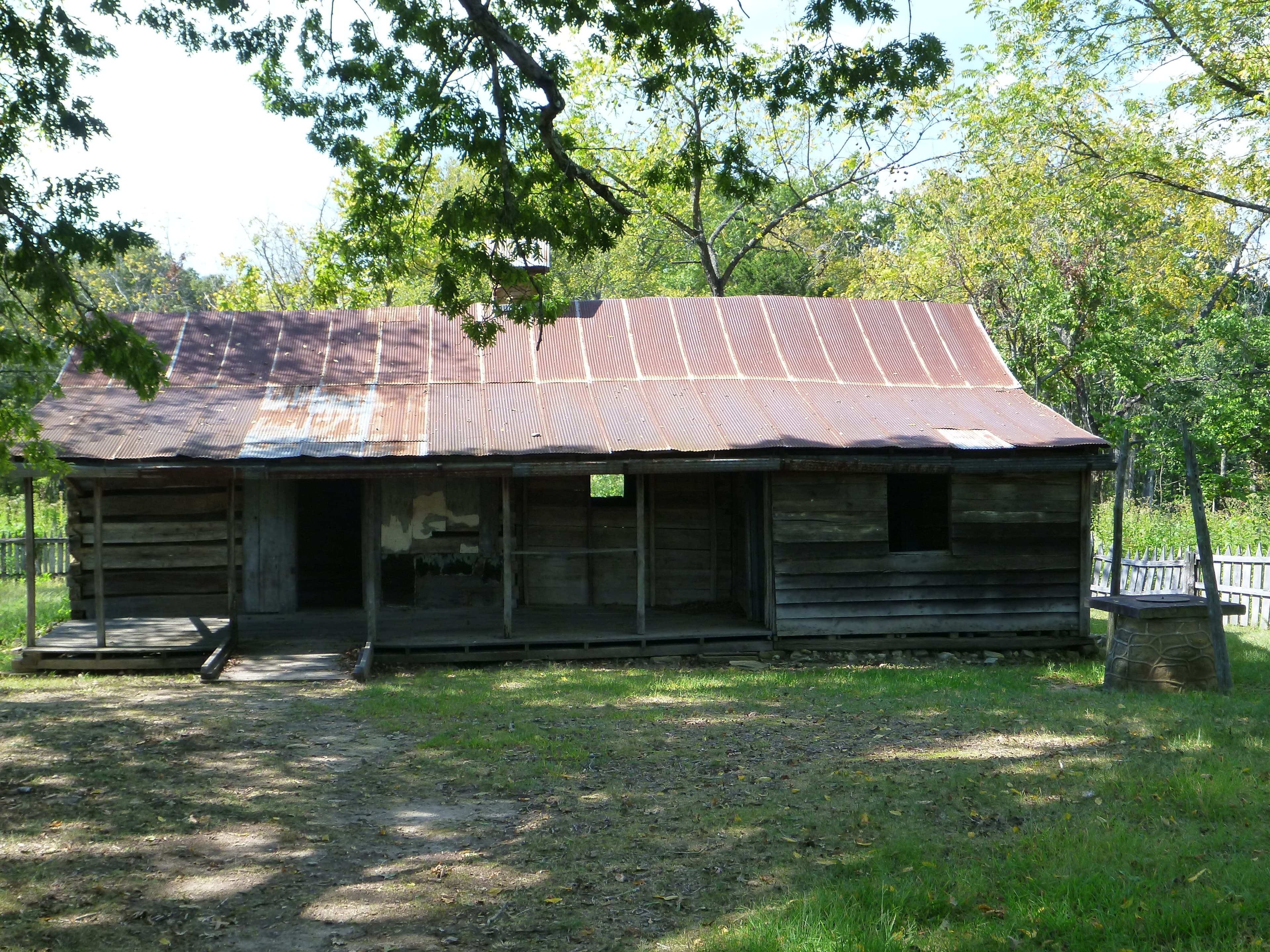
Collier Homestead
audio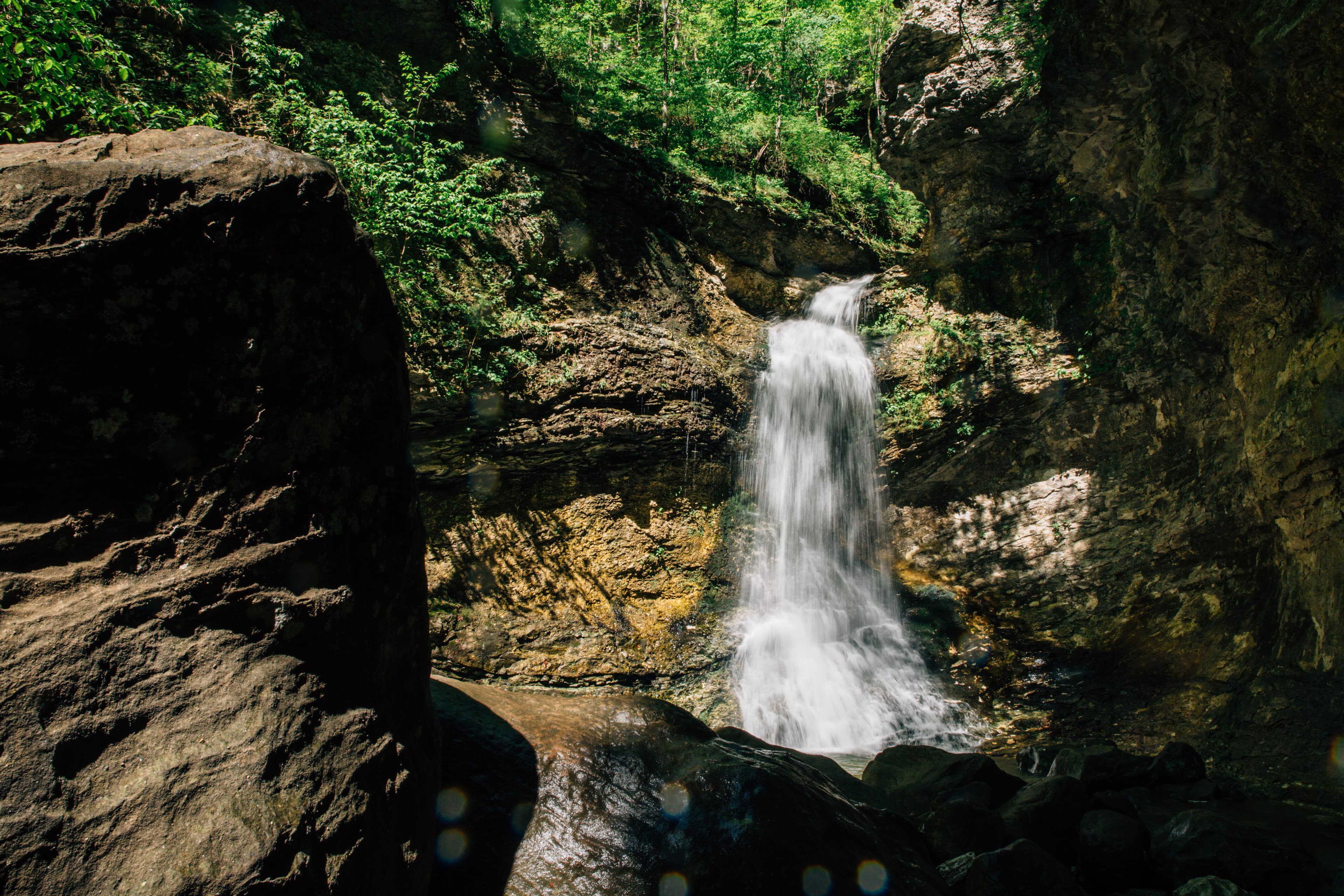
Eden Falls - Lost Valley Trail
audio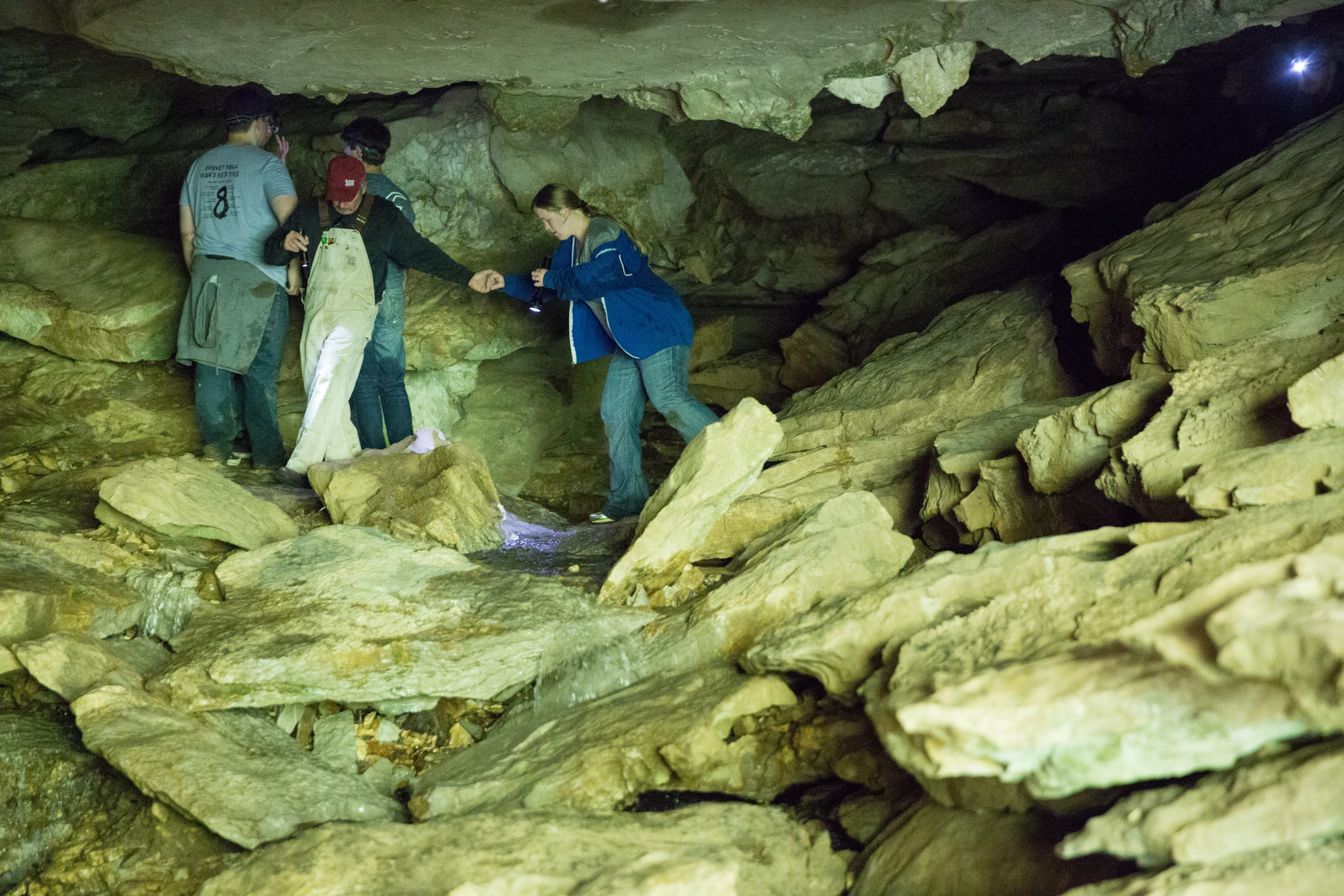
Eden Falls Cave - Lost Valley Trail
audio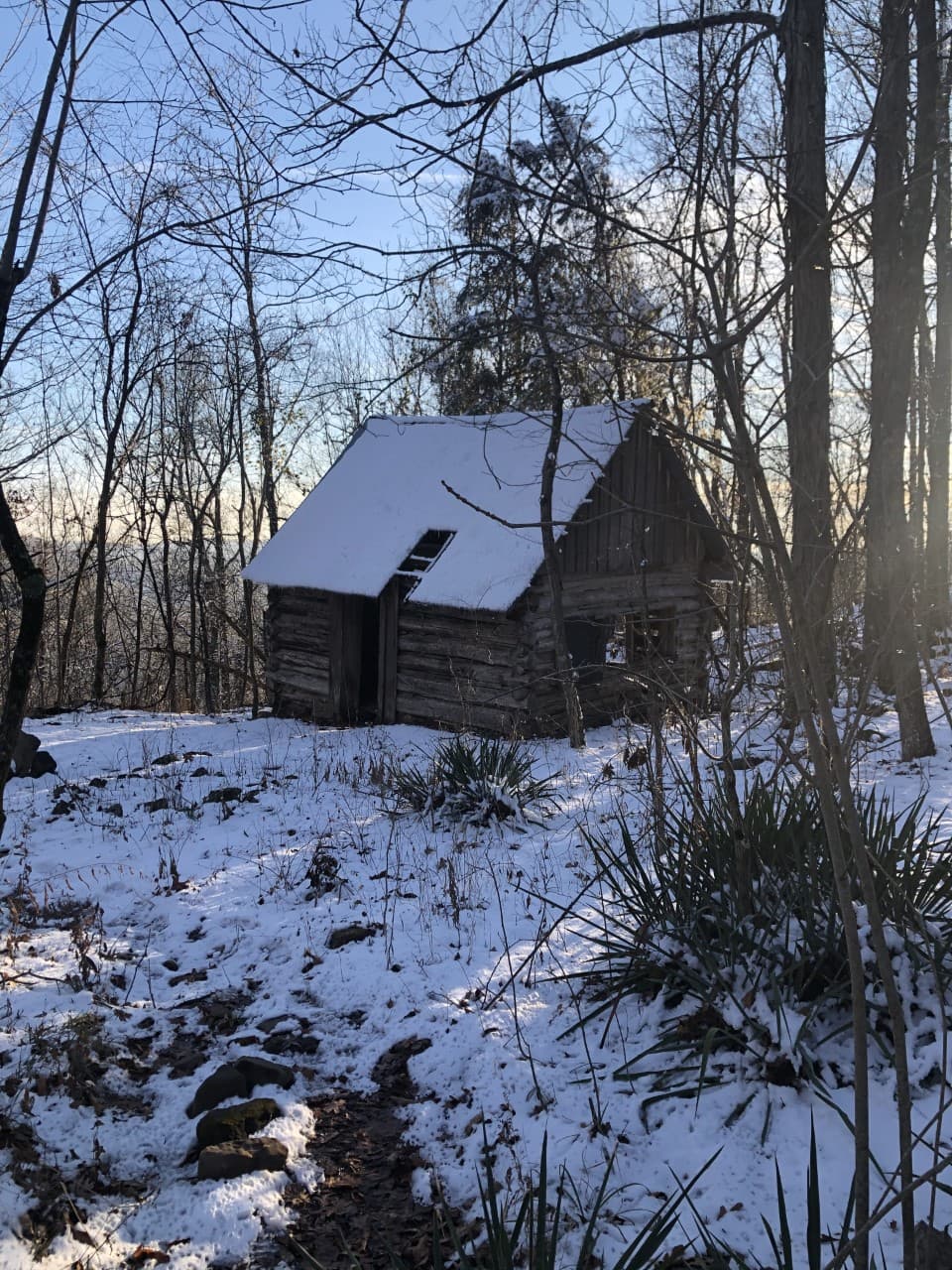
Flowers Cabin
audio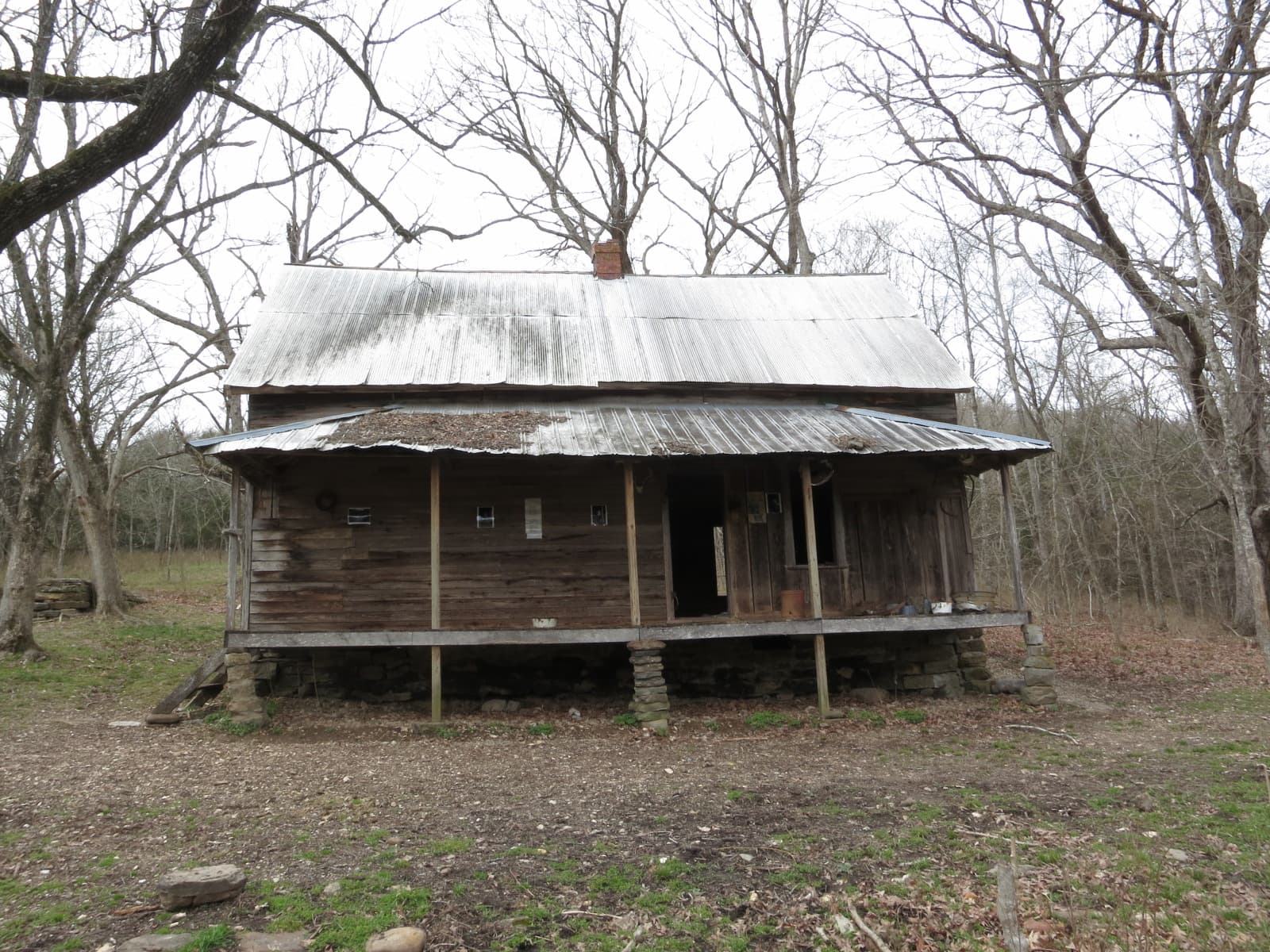
Granny Henderson's Cabin
audio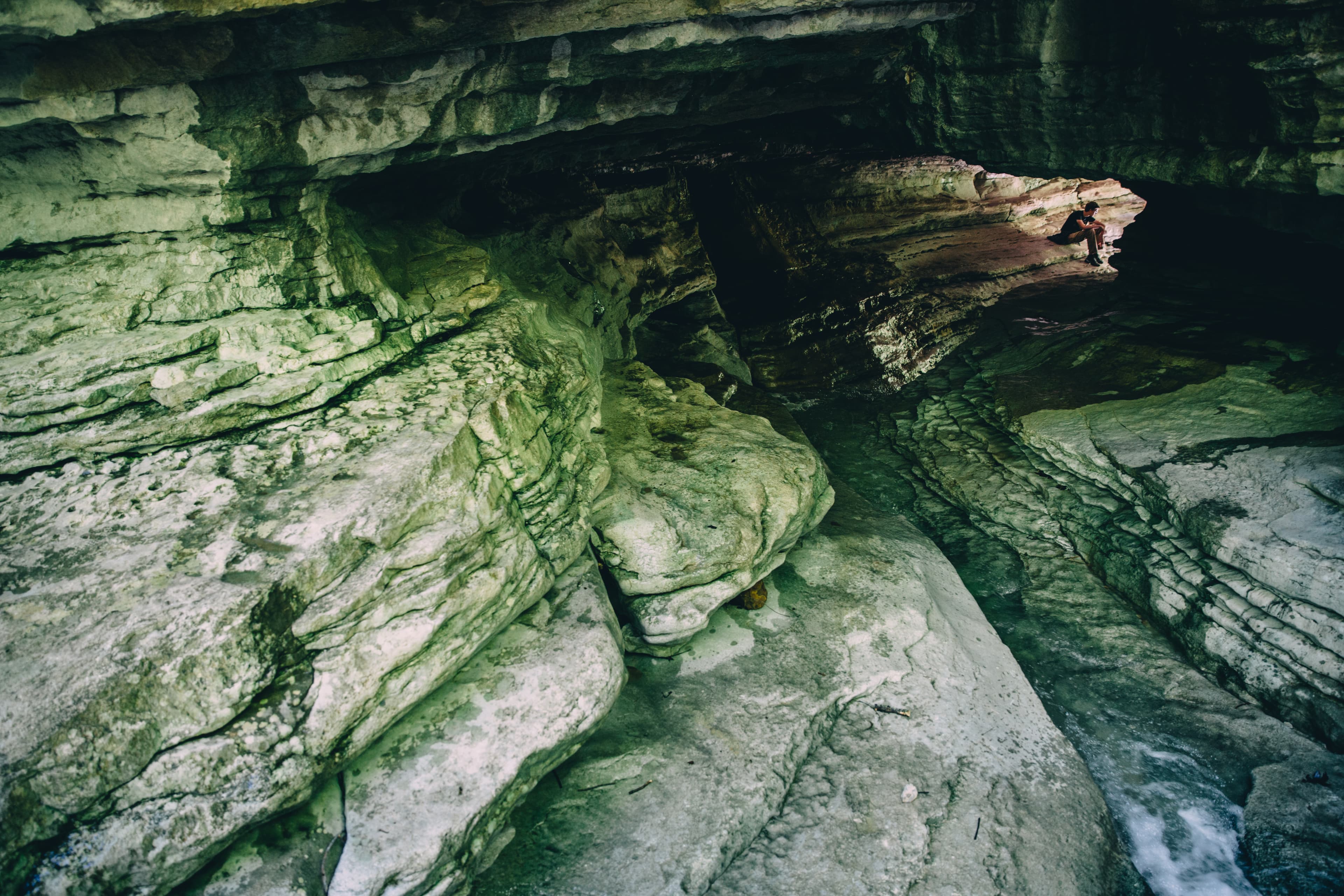
Natural Bridge - Lost Valley Trail
audio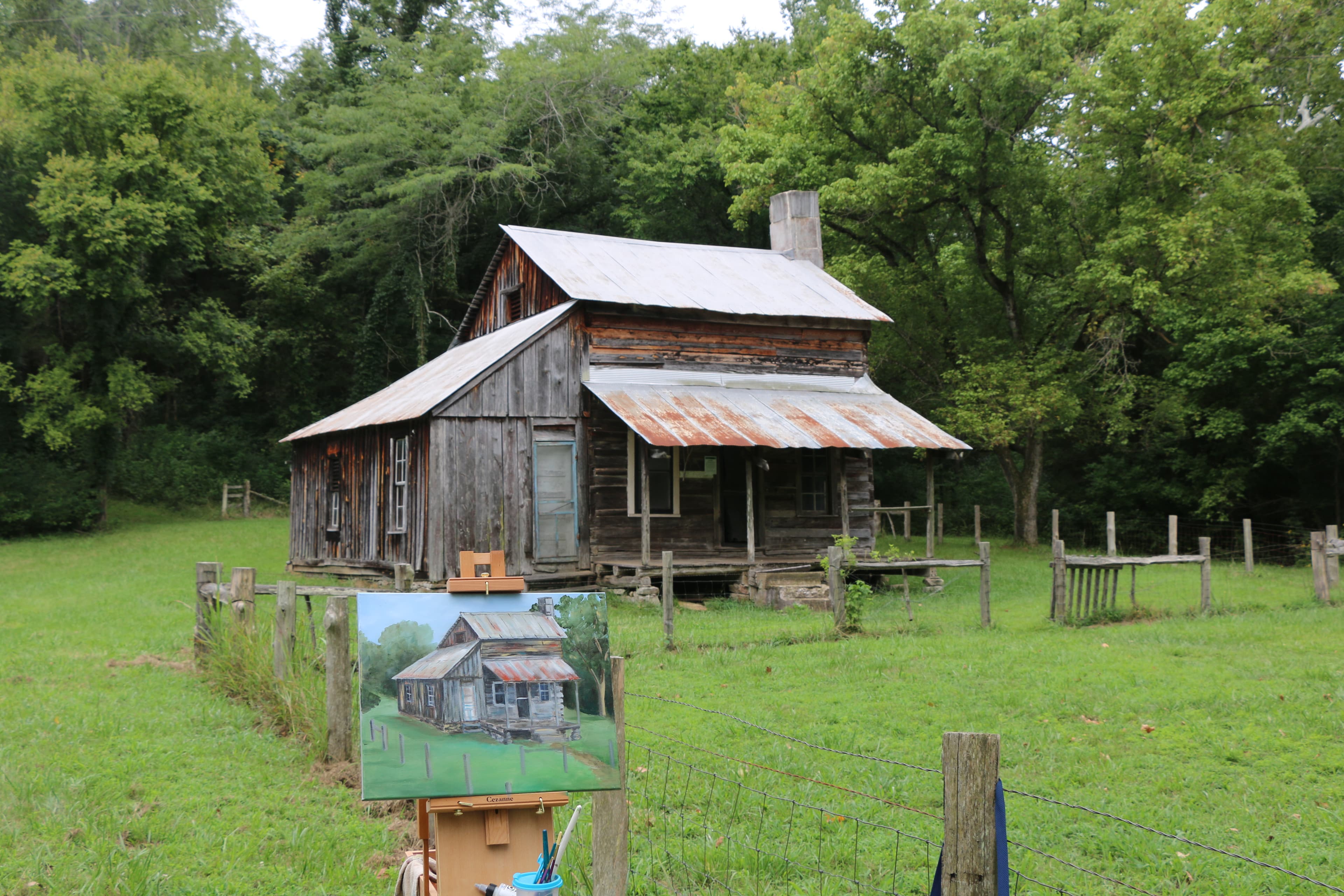
Parker-Hickman Farmstead
audioAudio & media
🎧
🎬
🖼
Learn more
Algae is a natural part of any aquatic environment. Though it often makes swimmers, anglers, and paddlers go, “Ick!,” algae performs important ecological services like oxygen production and nutrient cycling. It also provides food and habitat for a host of organisms. Factors like air/water temperature, sunlight, nutrients, foraging pressure, and rainfall amounts can lead to algal growth.
What areas around Buffalo National River are home to bats?
Enjoy a fun activity and learn about caves even when you can't get out to a park. In this activity you will build your own cave and learn how to make it like a "real" natural cave. Find out about cave formations and wildlife, and how to be safe and care for caves. New "Blanket Cave National Youth Parks" are springing up all across America! Join the fun!
In the early 1980s, Boxley Valley became a case study in NPS planning, resulting in the first cultural landscape report that supported the long-term management of a rural historic district in a national park. The influx of Euro-American settlers who arrived in the mid-1800s practiced subsistence farming. Structures and features were vernacular in style and created to support the needs of the community. The landscape retains much of this historic character and land use.
In February and March 2019, crews from Buffalo National River and surrounding area conducted a prescribed fire in the Lower Buffalo Wilderness area. The park treated approximately 12,000 acres of forest, glades and woodlands with a low intensity broadcast burn to restore fire-dependent glade habitats, promote the growth of fire dependent species, and help reduce hazardous fuels.
Buffalo National River staff conducted a prescribed fire in Lower Buffalo Wilderness in southeast Marion County. The prescribed burn was conducted to reduce hazardous fuel loads that could lead to catastrophic wildfires, promote restoration of post oak savannas and cedar glades, lower the risk potential for forest diseases, improve wildlife habitat, and help control invasive vegetation. The burn helped meet the NPS goal of maintaining and restoring resilient landscapes.
Over the past 3 decades, volunteers and partners have quadrupled the number of known caves at Buffalo National River. Through mapping and biological inventory surveys, members of the Cave Research Foundation have helped the National Park Service better understand the underground resources and how to manage them.
A review of activities for winter, spring, and summer 2017 by CRF volunteers included documentation of numerous caves/karst features, a couple of river trips, and survey trips in Fitton Cave.
Ranger School
Park-grounded courses you can learn with the Ranger.
Buffalo Caves and Karst
Open →
Buffalo River Watershed
Open →
Compass Course - Using a Compass
Open →
Fish Out of Water
Open →
Food Web Frenzy
Open →
Fun With Frogs
Open →
Save the Bats
Open →
The Art of Field Guiding
Open →
Water Quality and Buffalo River
Open →
How Buffalo National River connects
This park's activities, topics, location, and on-the-ground places — one hop in the graph. Drag to explore; click an activity, topic, or related park to follow it.
Park
Activity
Topic
State
Campground
VisitorCenter
PassportStamp
Trail
ThingToDo
Alert
Similar parks
Share activities & topics with Buffalo National River.