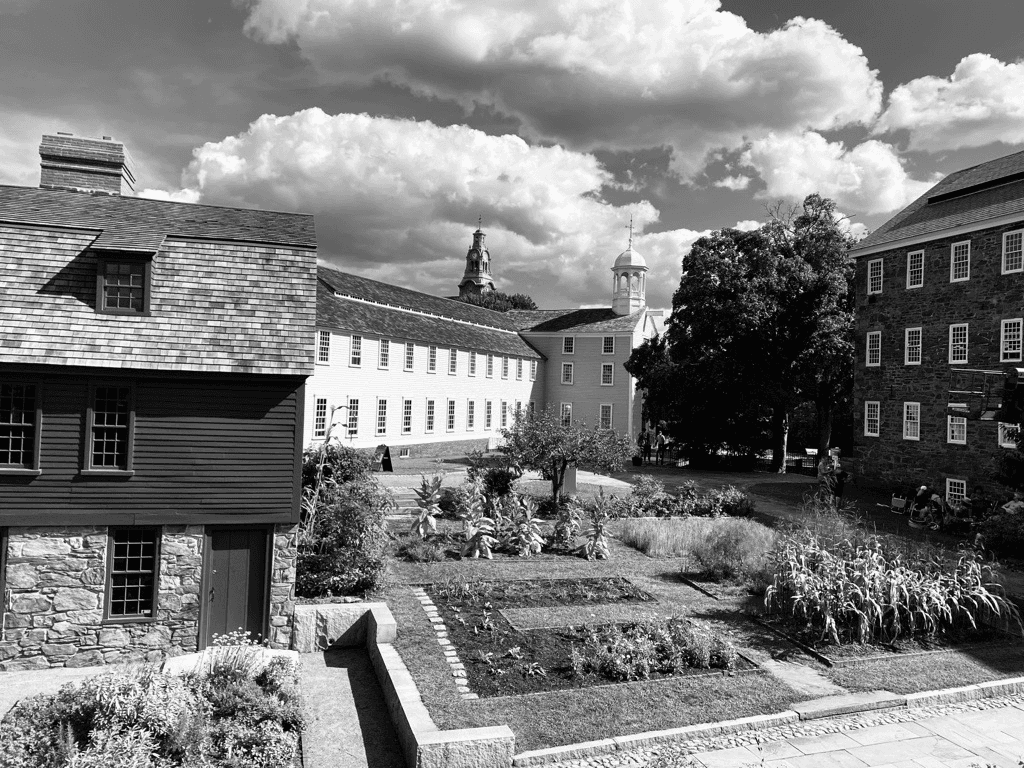
Blackstone River Valley National Historical Park
Massachusetts, Rhode Island
Tonight
🌔 74% moon
8.7 h fully dark
Hikes
Moderate
🟡
Entrance
Free entry
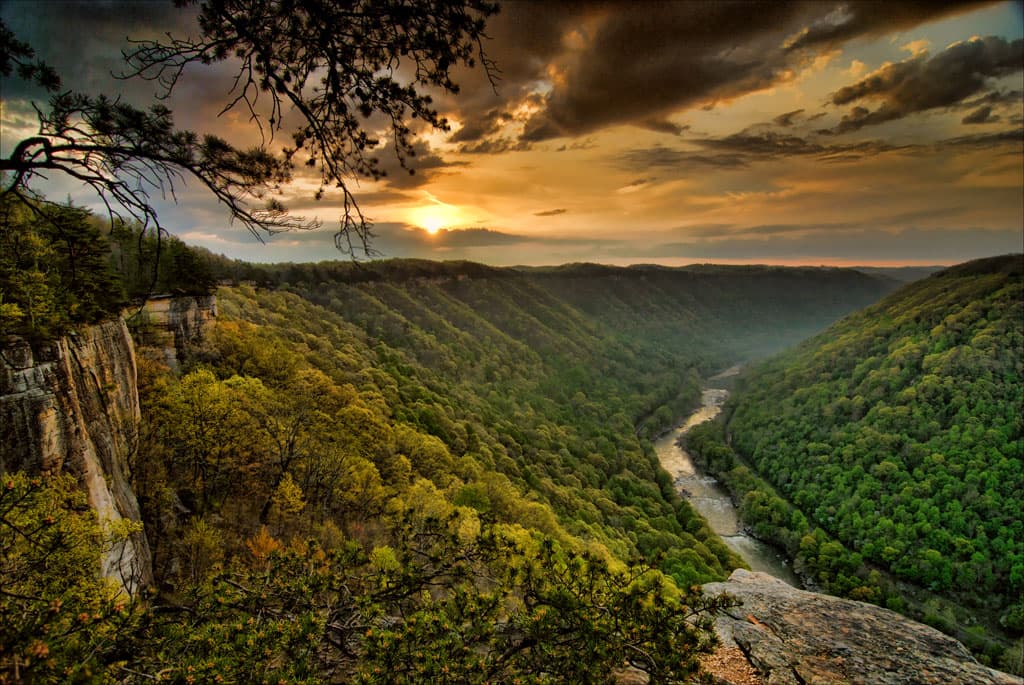
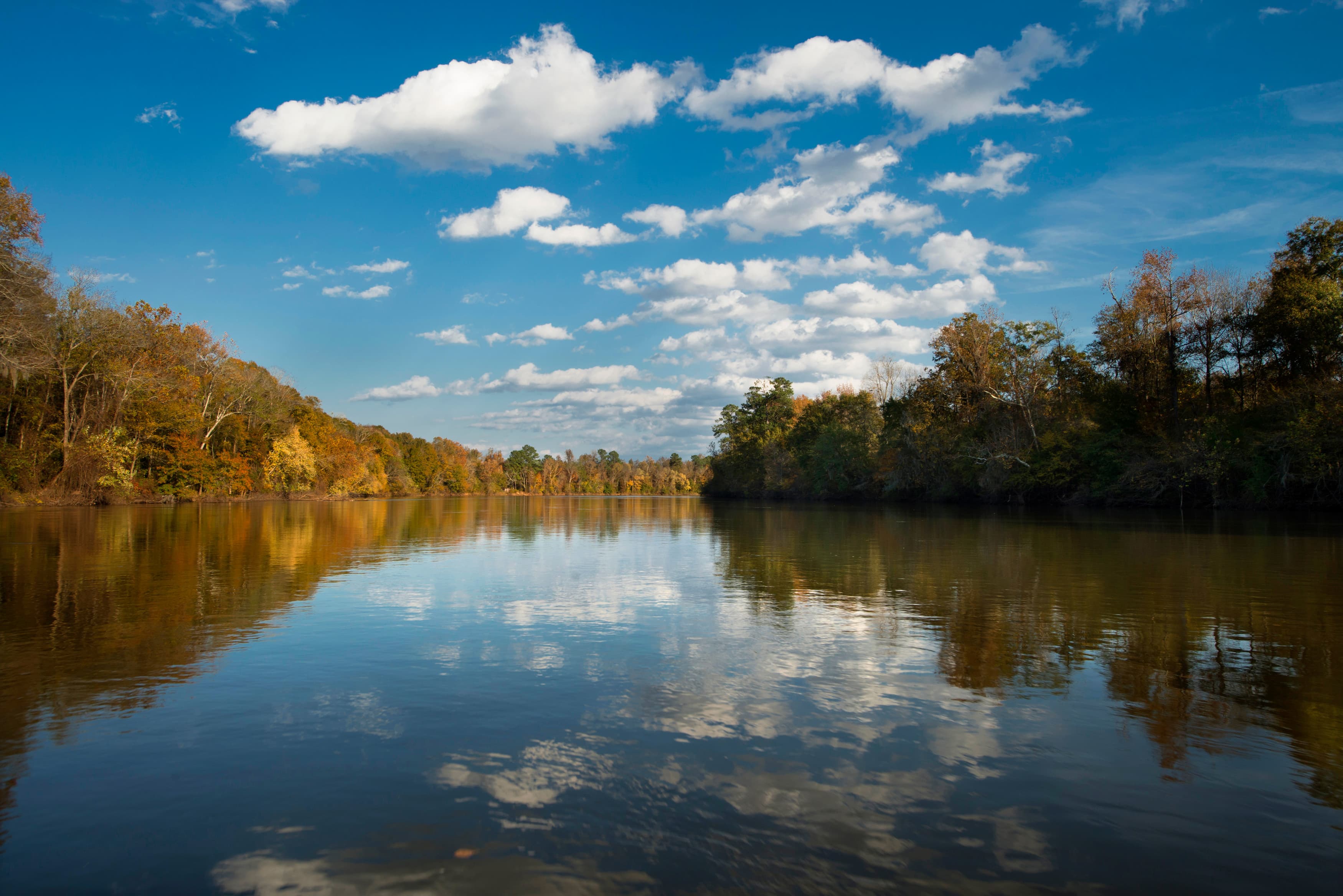
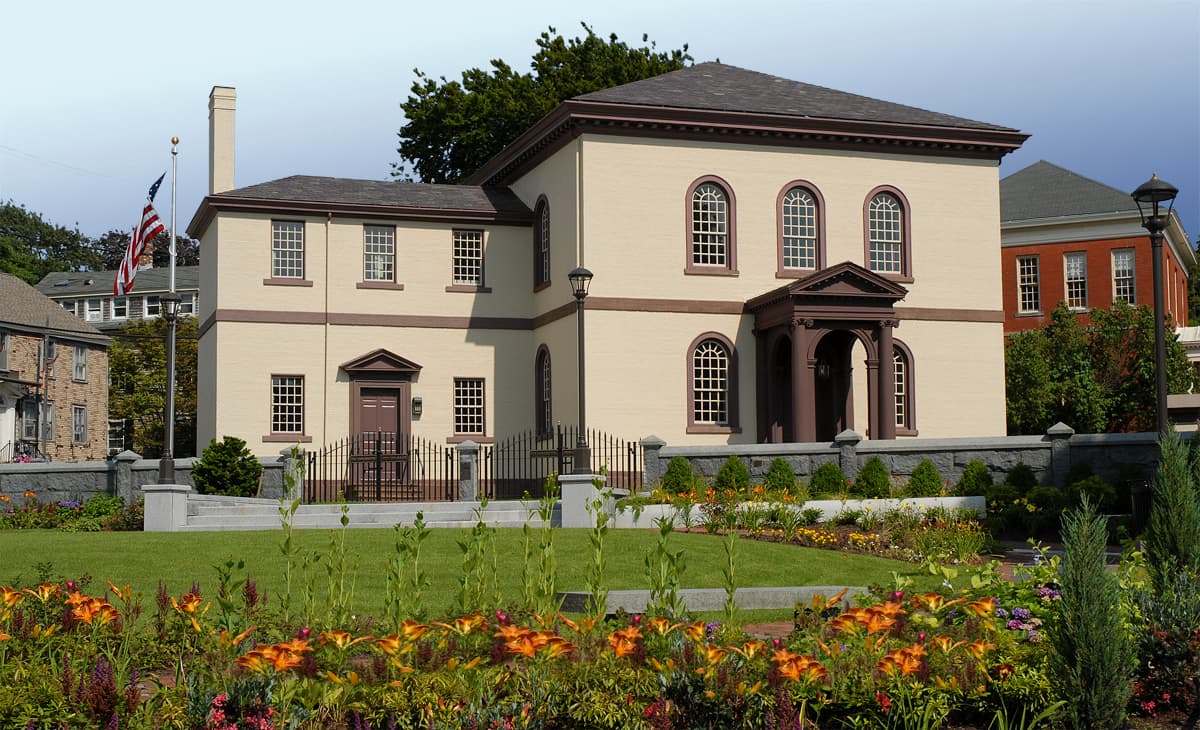
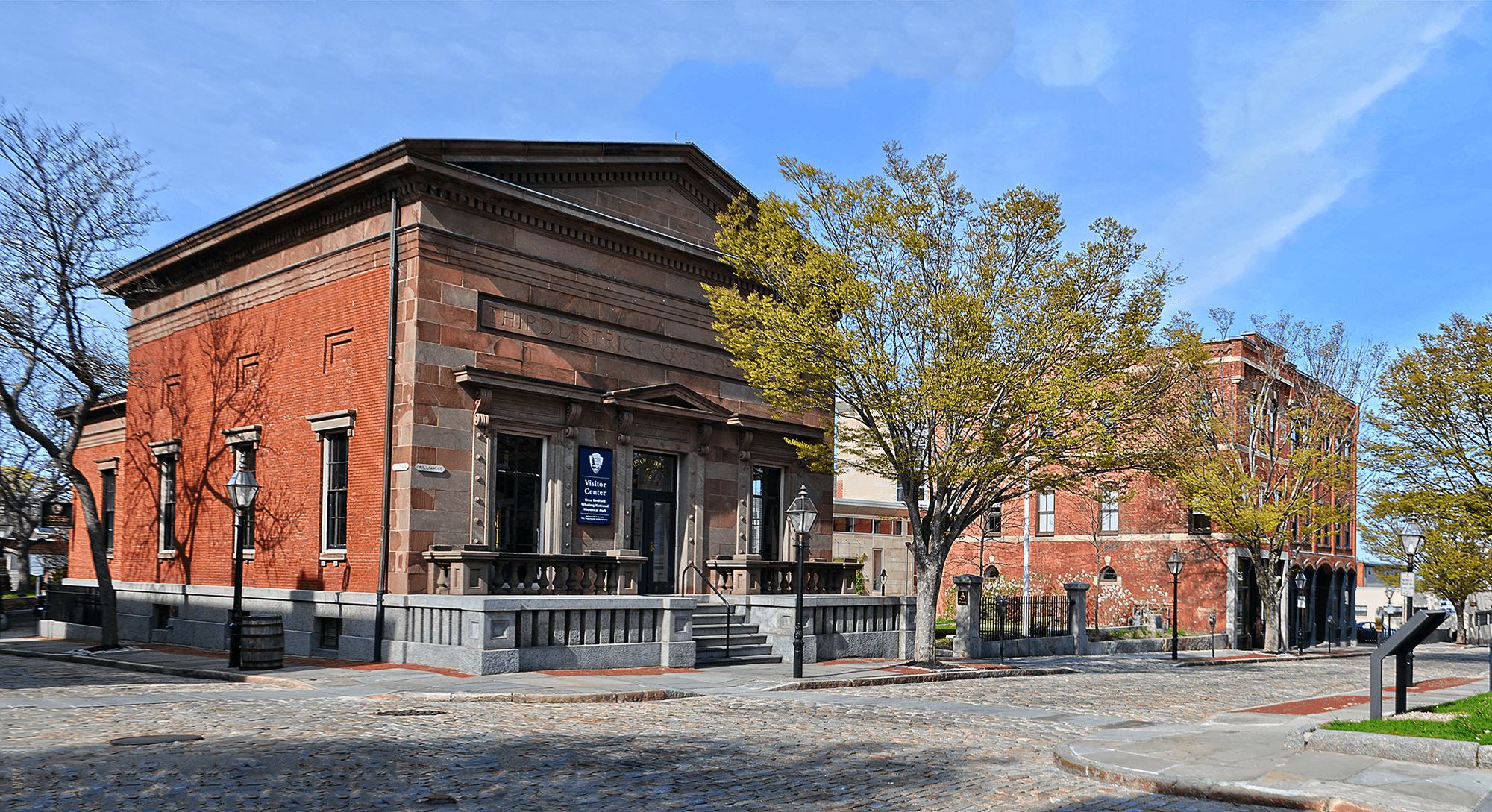
The Blackstone River powered America's entry into the Age of Industry. The success of Samuel Slater's cotton spinning mill in Pawtucket, RI touched off a chain reaction that changed how people worked and where they lived. Learn how this revolution transformed the landscape of the Blackstone Valley and the United States. The Visitor Center at Old Slater Mill is closed for the winter season.
Activities
Topics
No entrance fee.
Hours & seasons
The park grounds are open from Sunrise to Sunset. The headquarters are located at Slater Mill 67 Roosevelt Ave Pawtucket, RI 02860 (401) 725-8638
Hours are reported by the park — verify before you go.
📞 (401) 725-8638
✉ allison_horrocks@nps.govConditions
Weather now: ☁️ Overcast, 60°F
🌦️ 62°/53°
🌦️ 65°/57°
☁️ 59°/51°
Log a sky reading
Measured the sky with an SQM meter or app? Add your reading (16 = city glow … 22 = pristine). Opt in under “Travelers like you” to share it on the community leaderboard.
Things to do
Ranger Walkabouts · Walkabout usually last around 60-minutes.
Revolutionary War Veteran's Pension Transcription Programs
Ranger Guided Tours - Slater Mill
Parked at Home · Programs last around 60 minutes
Take Me Fishing
Nature Walk and Scavenger Hunt
Towpath Talk · These programs are offered on Saturdays in the months of June, July, August, and September.
Winter Programs
Visitor centers
Old Slater Mill Visitor Center
Accessibility
43 audio-described place(s)
Reported by the park — verify before you go.
Parking
Old Slater Mill Lot
Not an official safety source — always defer to NPS.gov and rangers for life-safety decisions.
By the numbers
A visual read on Blackstone River Valley National Historical Park — its character, trails, sky, and weather.
Park fingerprint
How this park scores across the dimensions travelers care about.
Trail difficulty
Difficulty mix across this park's trails.
3-day forecast
Daily high and low temperatures (°F).
People & stories
Figures tied to Blackstone River Valley National Historical Park — each spans a cross-park journey.
Seth Luther
— Labor Activism, Labor History, Boston National Historical ParkPassport stamps
Mark the stamps you've collected — they show in your memory and along your routes.
🎫 Captain Wilbur Kelly Transportation Museum
🎫 Old Slater Mill
🎫 Old Slater Mill Visitor Center
🎫 The Kelly Barn Visitor Station
🎫 The Western Mill and Slatersville Library
Places to see
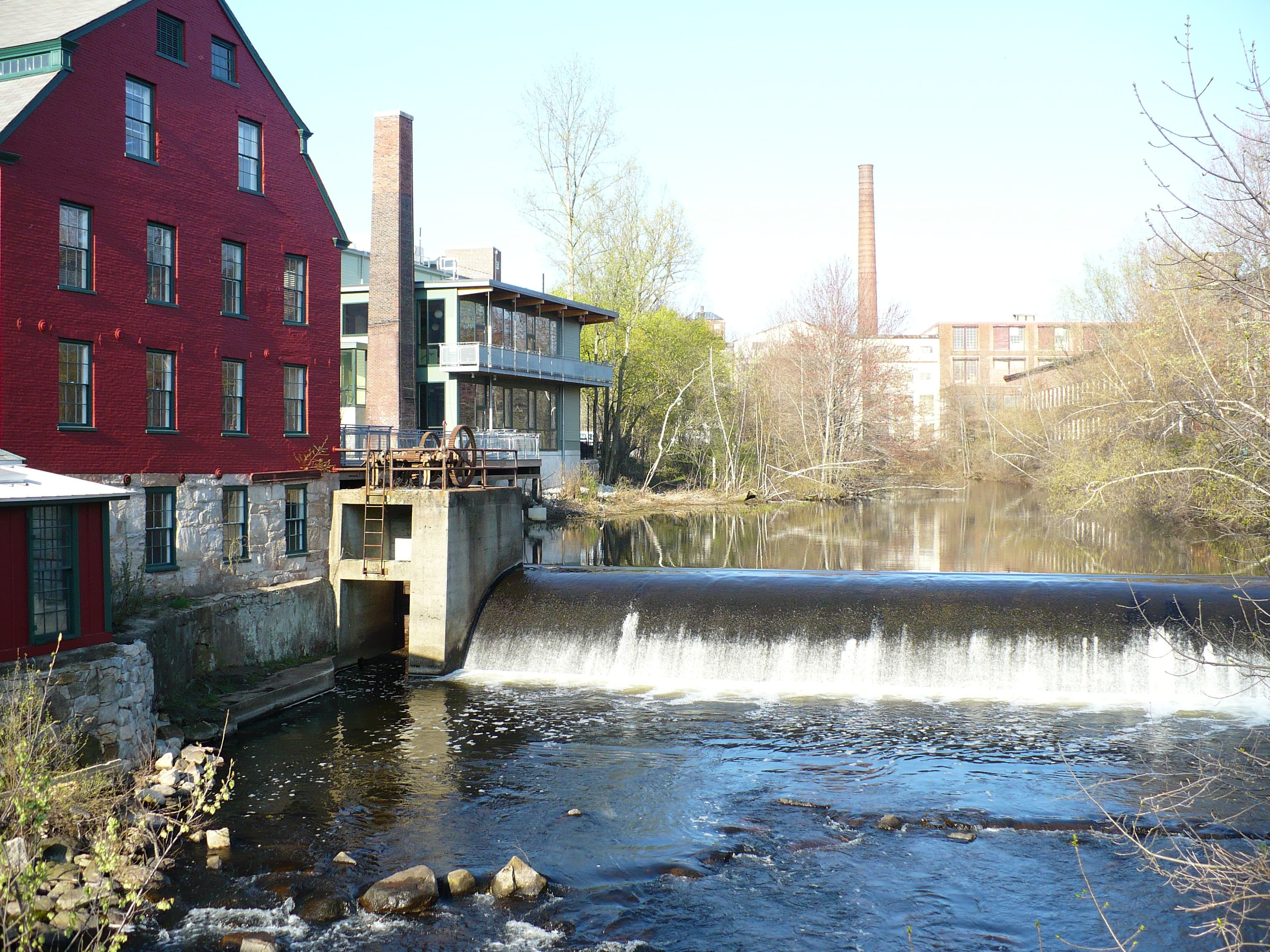
1826 Old Brick Mill
audio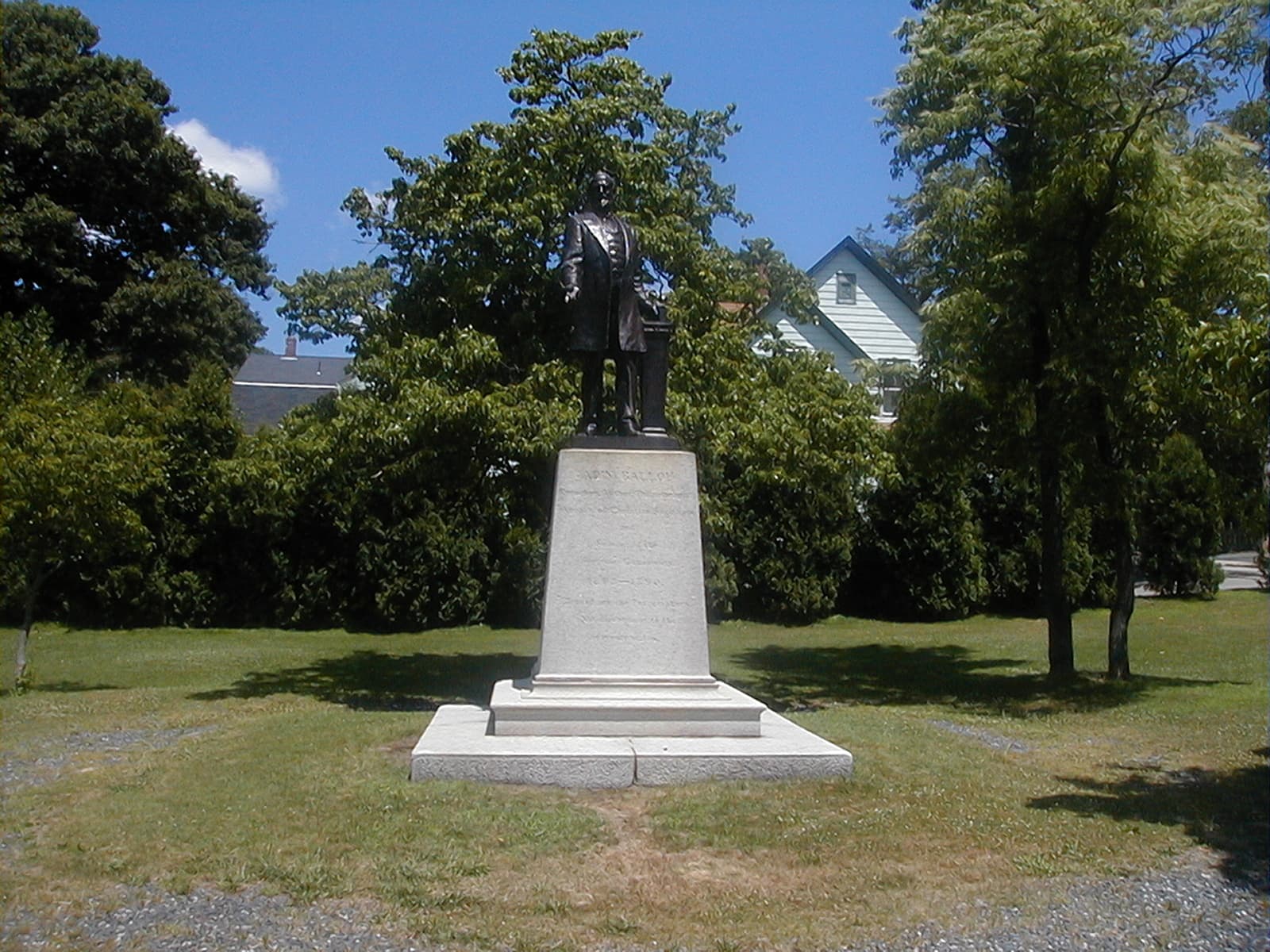
Adin Ballou Park
audio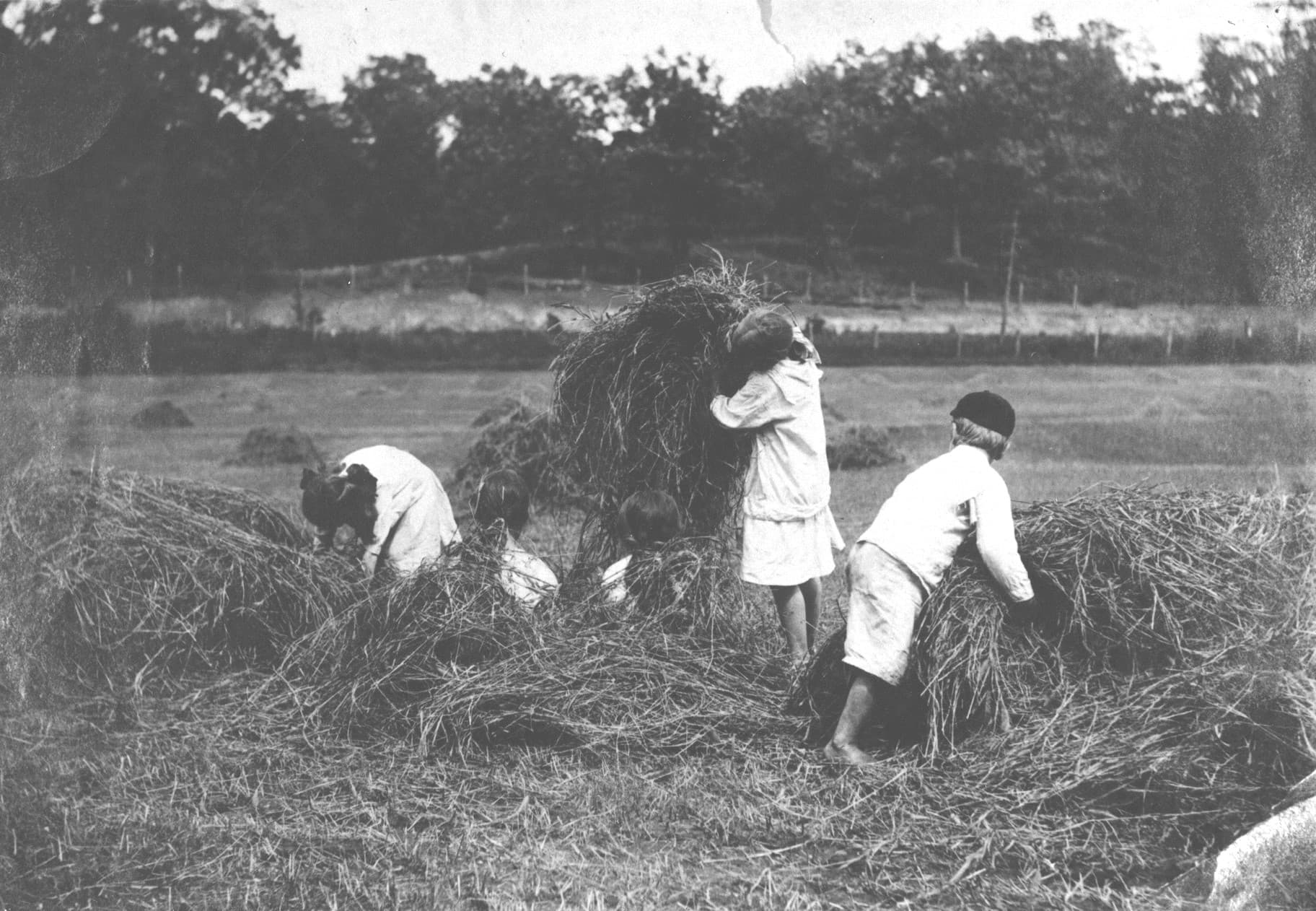
Ashton Hay Fields
audio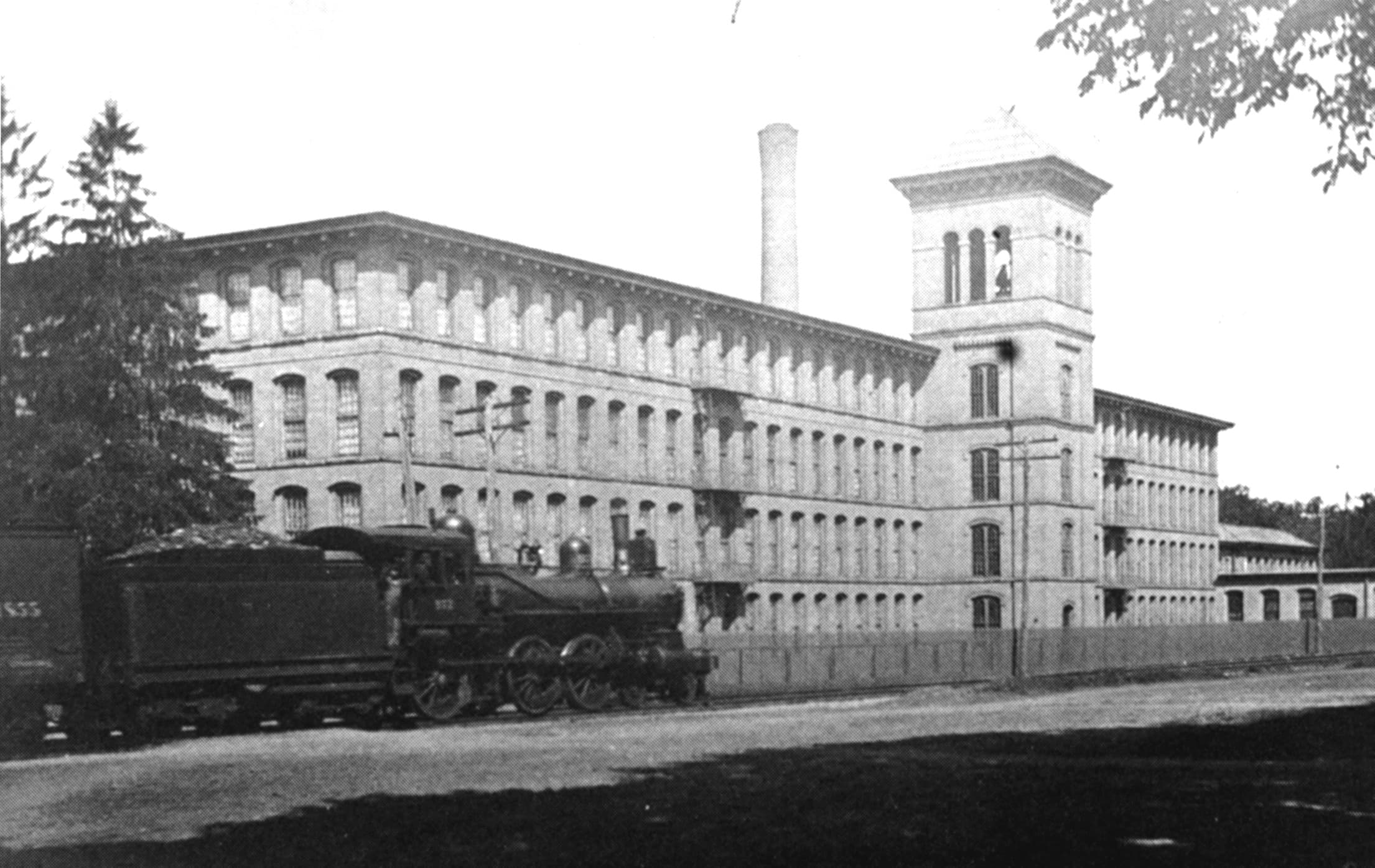
Ashton Mill
audio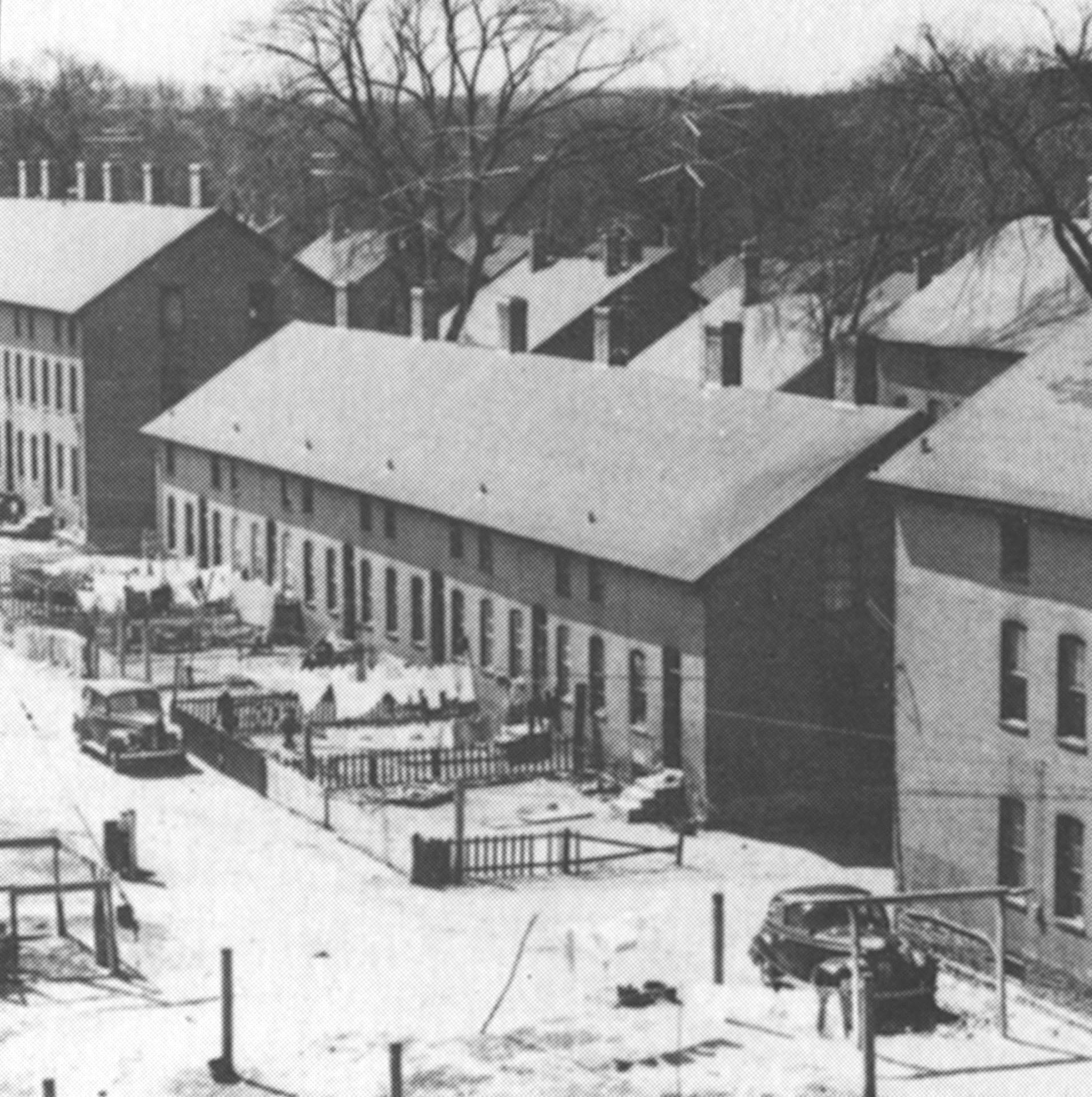
Ashton Mill Village
audio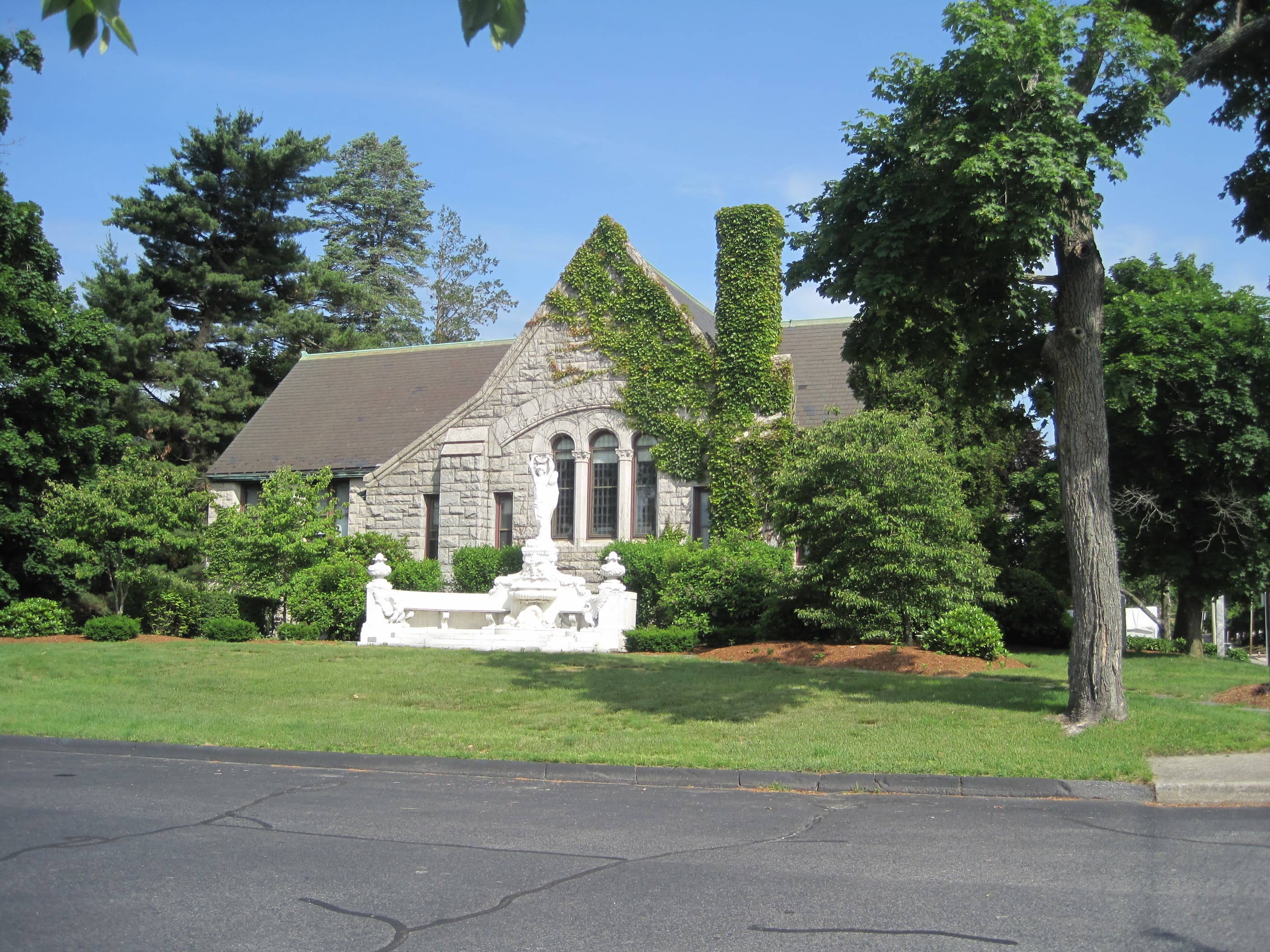
Bancroft Memorial Library
audio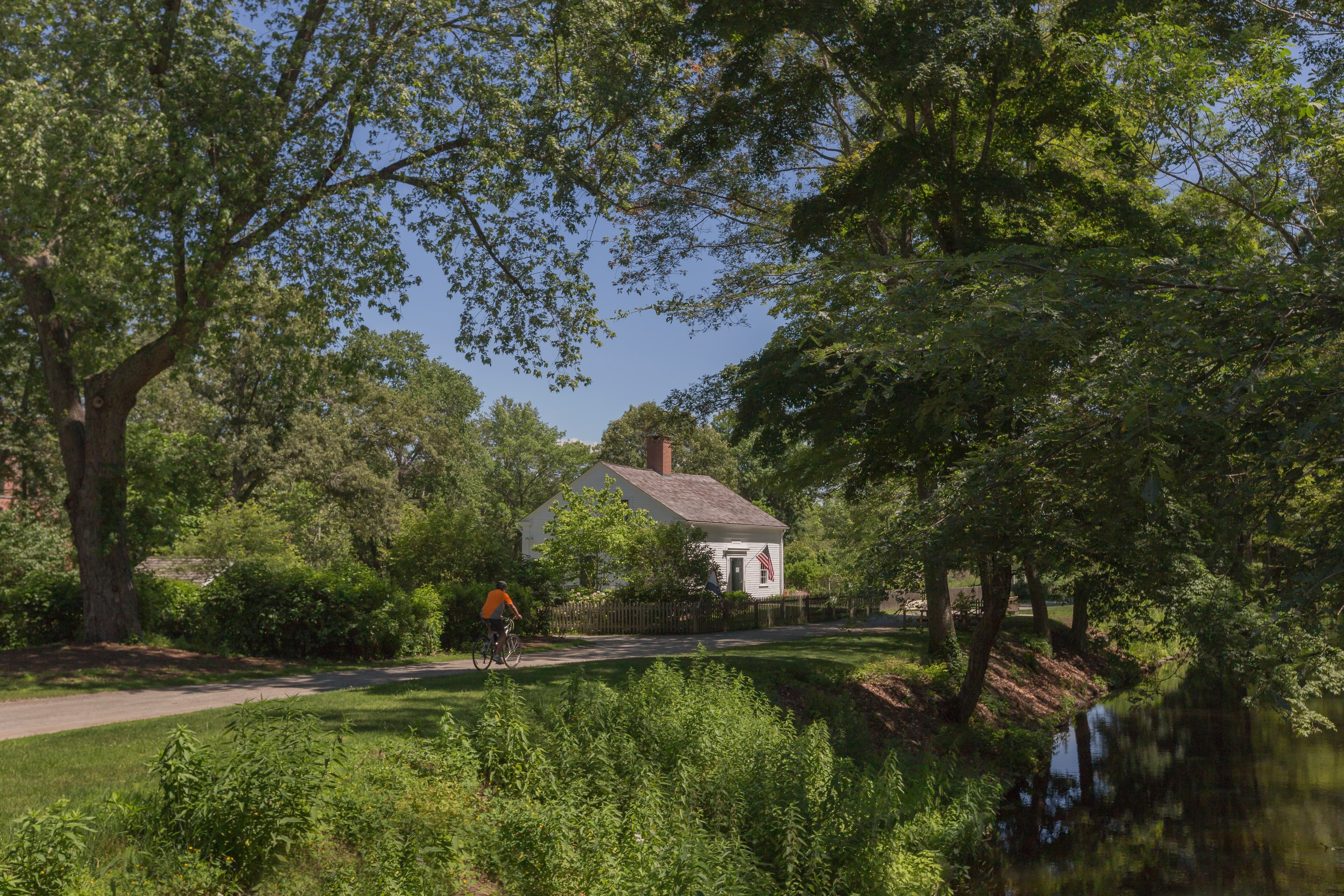
Captain Wilbur Kelly Transportation Museum
audio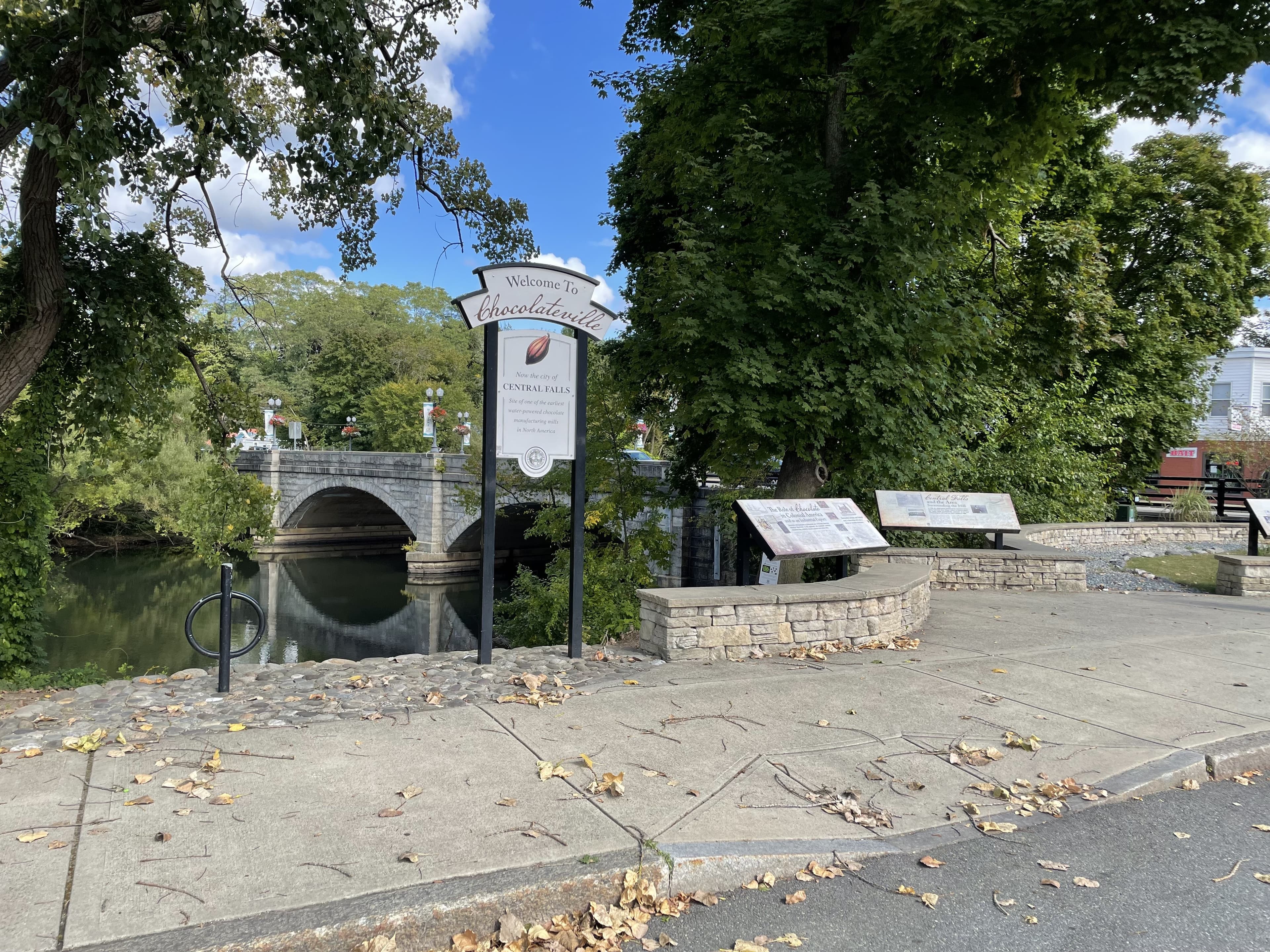
Chocolateville Mill
audio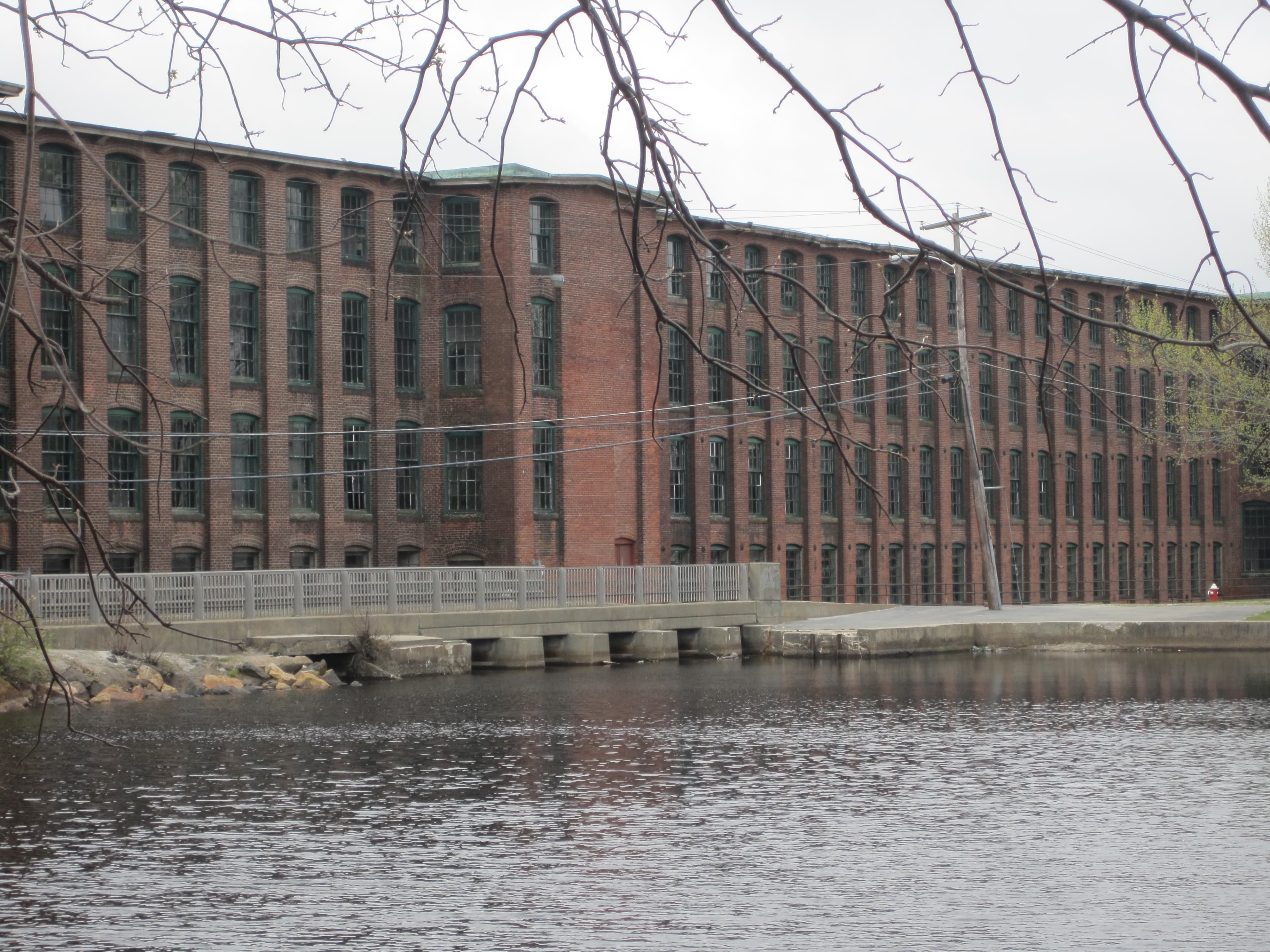
Draper Mill Complex
audio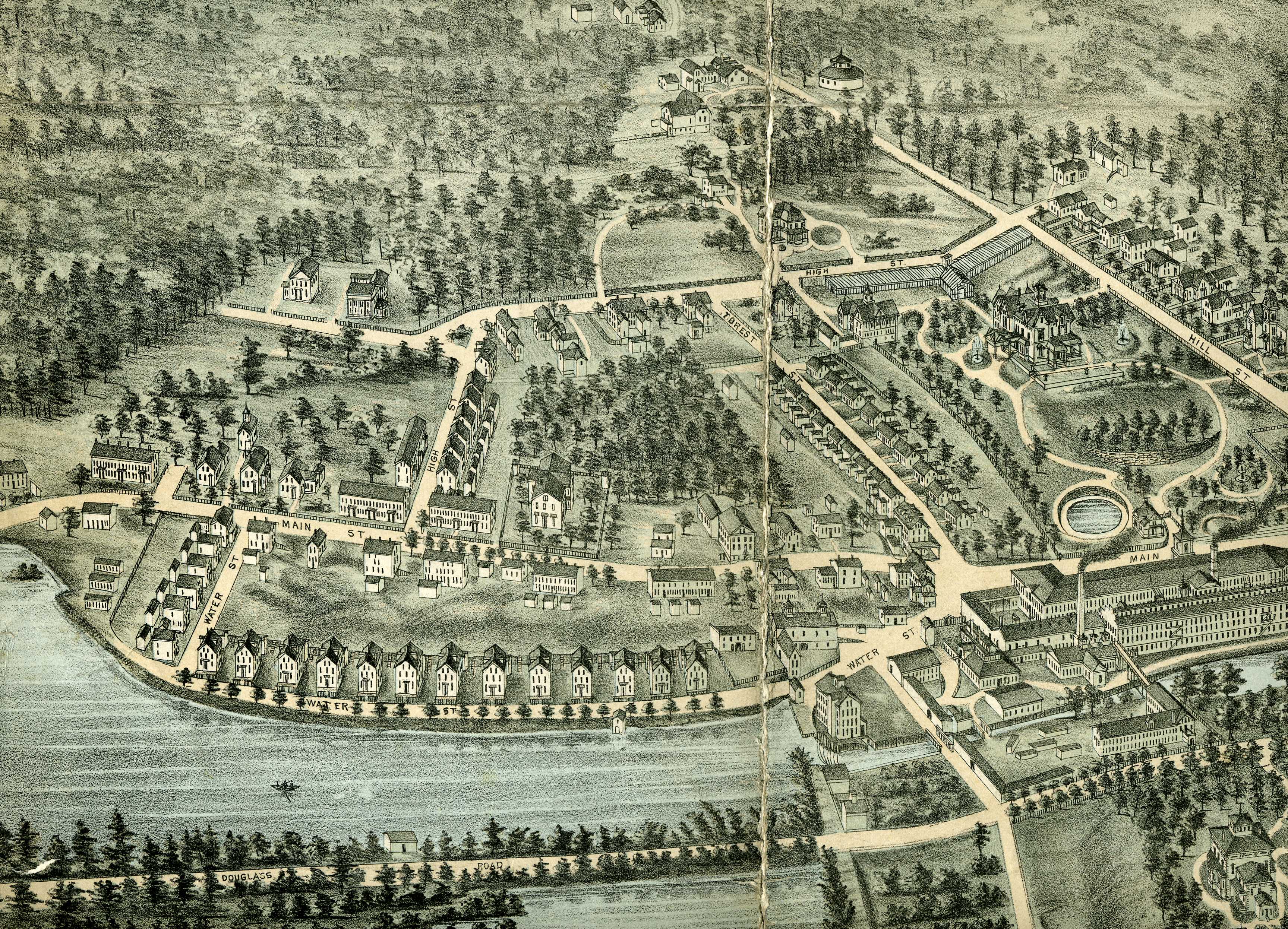
Fletcher Homestead
audio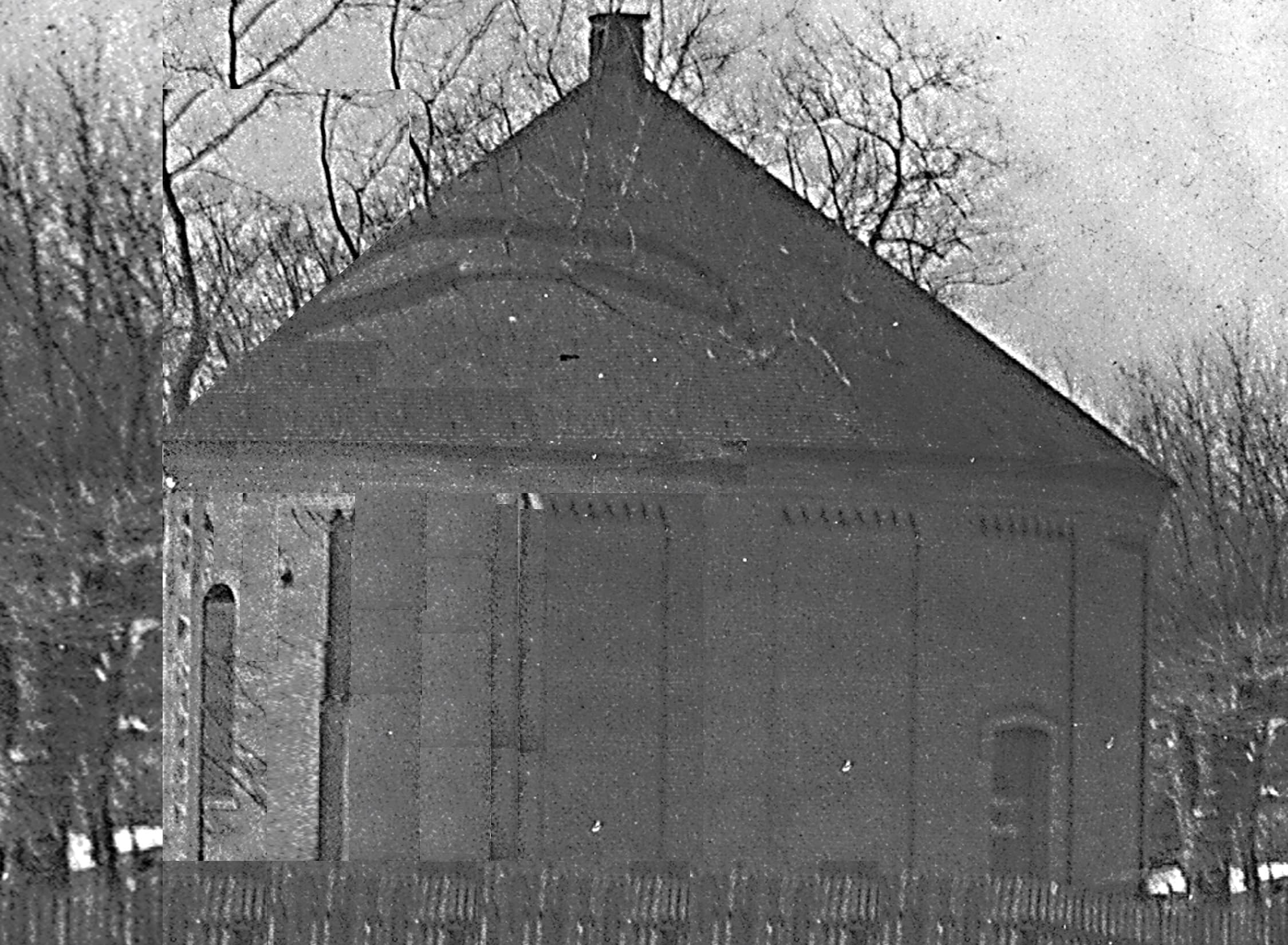
Gasometer
audio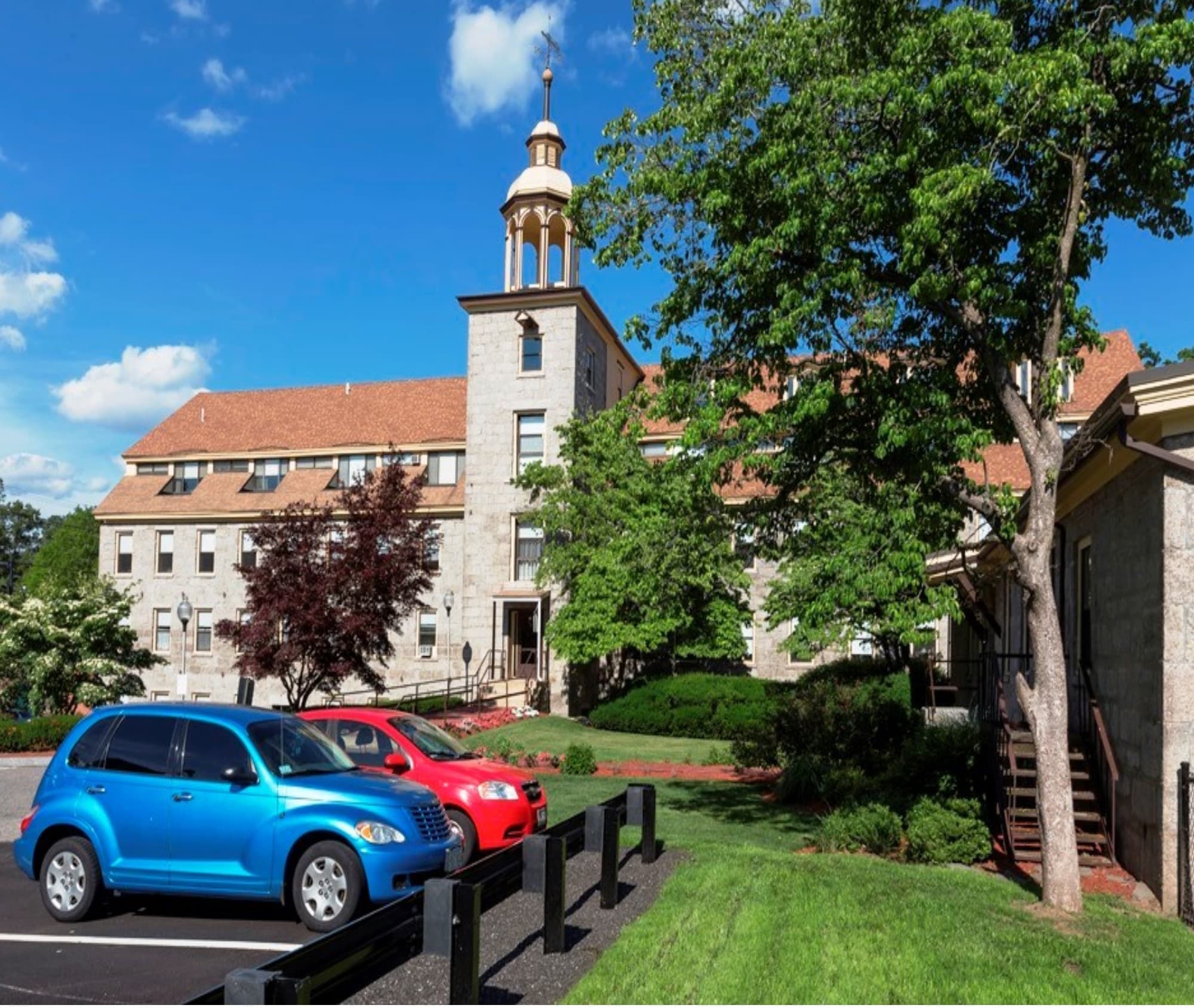
Granite Cotton Mill
audioAudio & media
🎧
🎬
🖼
Learn more
Stories about history can change depending on who’s telling them. We used 3D imaging technology to share what life was like for young people who worked in textile mills in the early days of North American industry.
The Reverend Adin Ballou was a pacifist. His father, Ariel Ballou, served in the Revolutionary War. How did Adin Ballou make sense of both his pacifist values and his revolutionary inheritance?
This article discusses the Providence Tea Party which happened on March 2, 1775, just a month and a half before the outbreak of the War for Independence
A lot can happen to a family business in 200 years. The Whitin Machine Works, based out of Whitinsville, Massachusetts, is a prime case study in the rise and fall of the age of American manufacturing. From a small forge in a rural area, the Fletcher and Whitin families created a veritable dynasty along the Mumford River. Starting with basic tools, heirs to this business made an industrial powerhouse.
Did you know you can visit the birthplace of the American Industrial Revolution and see the first mills that sparked one of the greatest societal changes ever seen? Throughout the John H. Chafee Blackstone River Valley National Heritage Corridor in Massachusetts and Rhode Island, the Industrial Revolution comes alive.
The story of the Wilkinson family is one of the more dramatic and important, if generally overlooked, tales in the early development of the Industrial Revolution. Theirs is also a story forged in the fires of revolution.
Learn more about how the Blackstone River Valley NHP played an important role in the years following the American Revolution.
The mounting conflict between the colonies and England in the 1760s and 1770s reinforced a growing conviction that Americans should be less dependent on their mother country for manufactures. Spinning bees and bounties encouraged the manufacture of homespun cloth as a substitute for English imports.
Ranger School
Park-grounded courses you can learn with the Ranger.
Alice (Hadfield) Timperley and Oral History
Open →
Conflicting Values: John Brown and Adin Ballou
Open →
Culture and Community
Open →
Learning about Mill Workers through Primary Sources
Open →
Looming and Learning: Threading the Past and Present
Open →
Manufacturing with Marbles at Ashton Mill
Open →
Peace Picnics and Community in Hopedale
Open →
Project ZAP! Blackstone River Cleanup
Open →
Samuel Slater: American Hero or English Traitor
Open →
Slatersville, Slave Cloth, and the Slater Fund
Open →
The Life of Captain Wilbur Kelly
Open →
The Rhode Island System of Mill Villages
Open →
How Blackstone River Valley National Historical Park connects
This park's activities, topics, location, and on-the-ground places — one hop in the graph. Drag to explore; click an activity, topic, or related park to follow it.
Park
Activity
Topic
State
VisitorCenter
PassportStamp
ParkingLot
ThingToDo
Similar parks
Share activities & topics with Blackstone River Valley National Historical Park.