Big Hole National Battlefield
Montana
Tonight
🌔 74% moon
8.5 h fully dark
Crowds
low
Entrance
Free entry
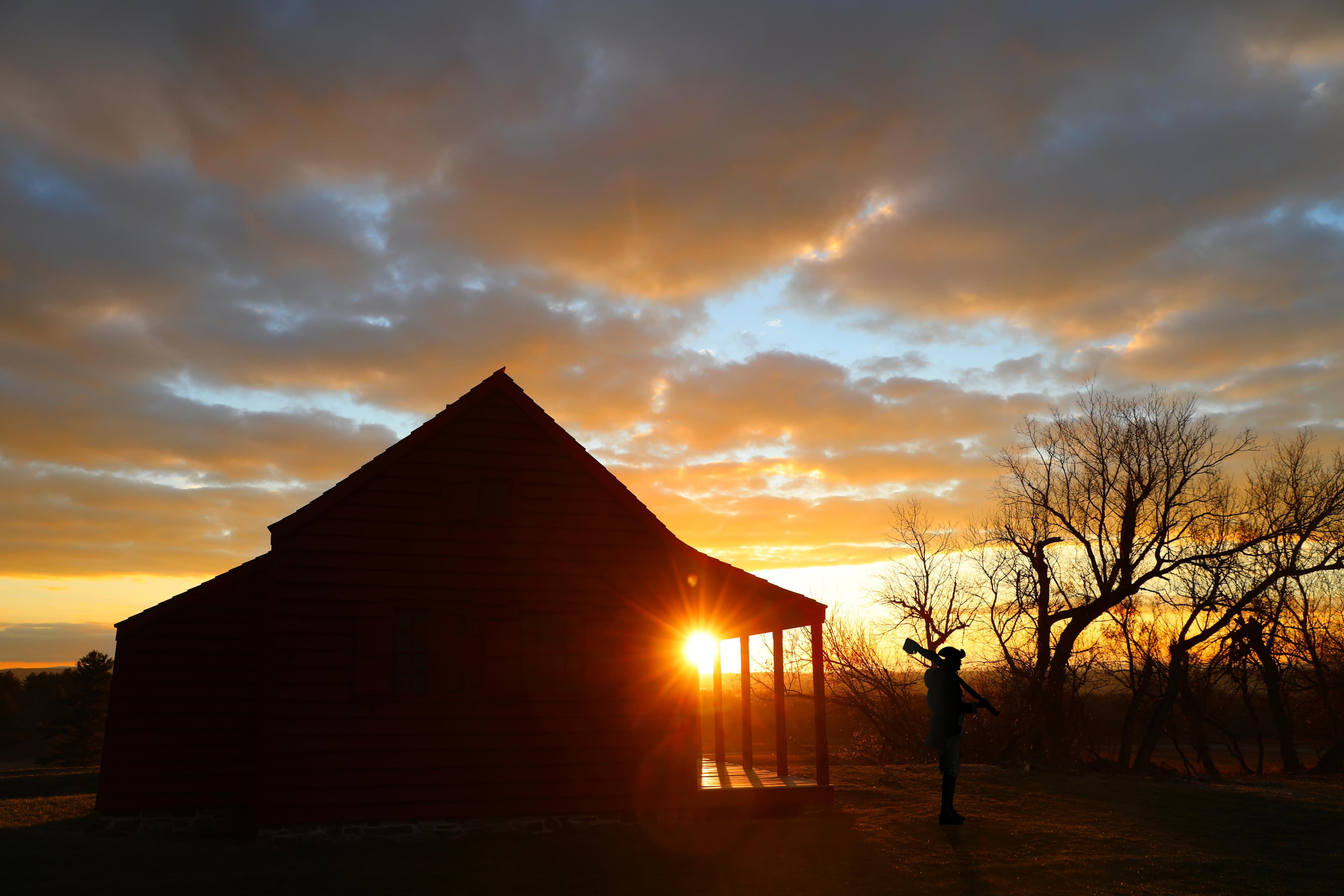
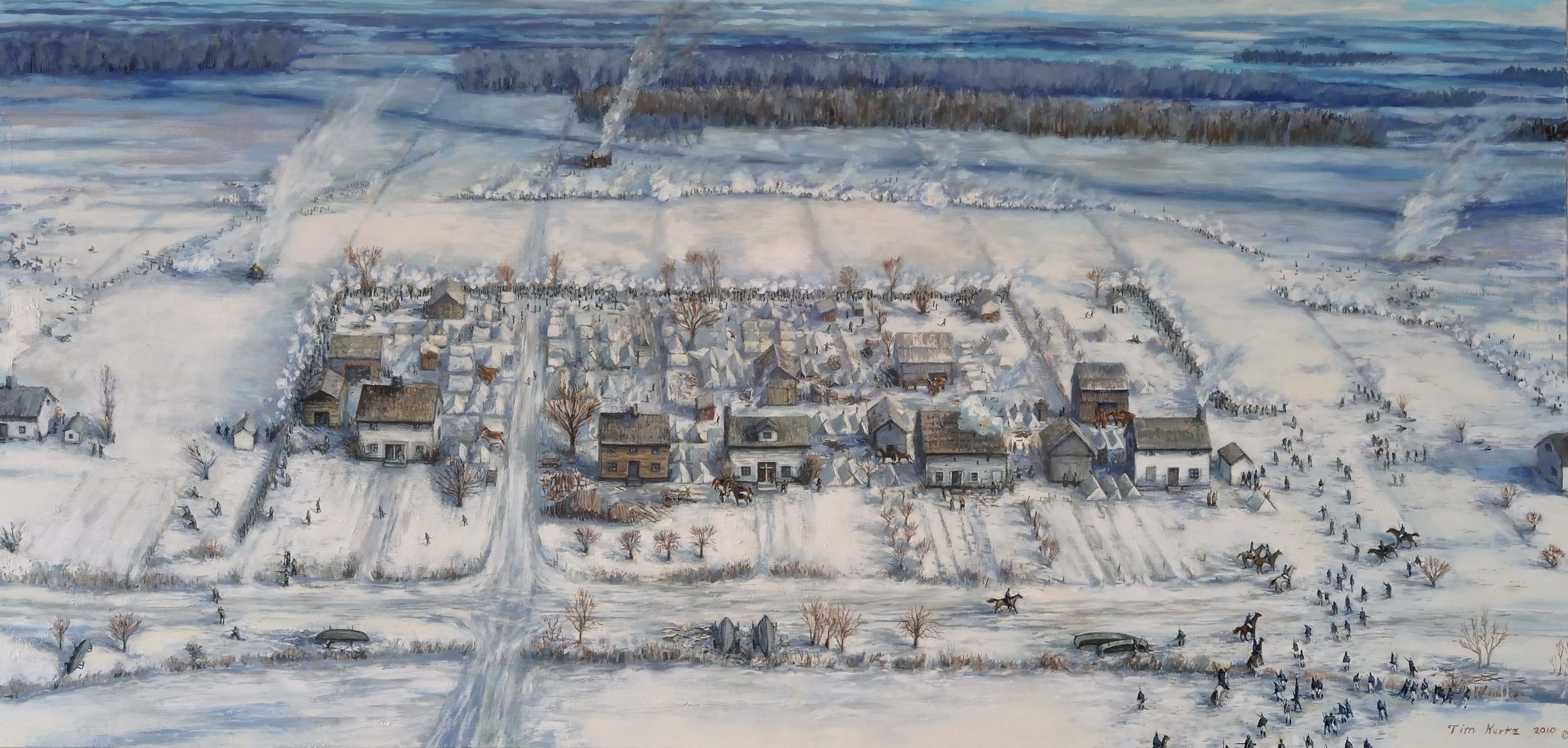
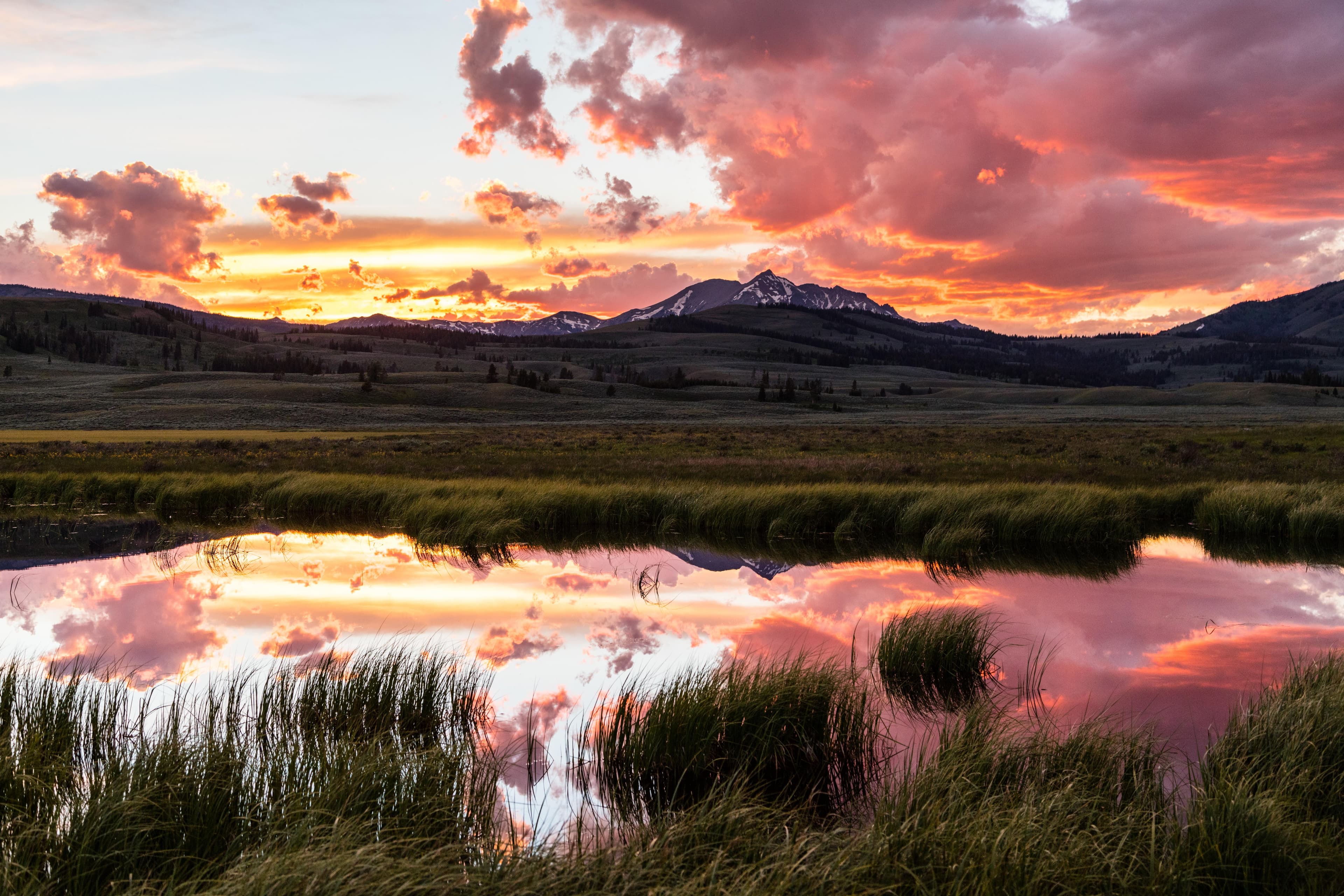
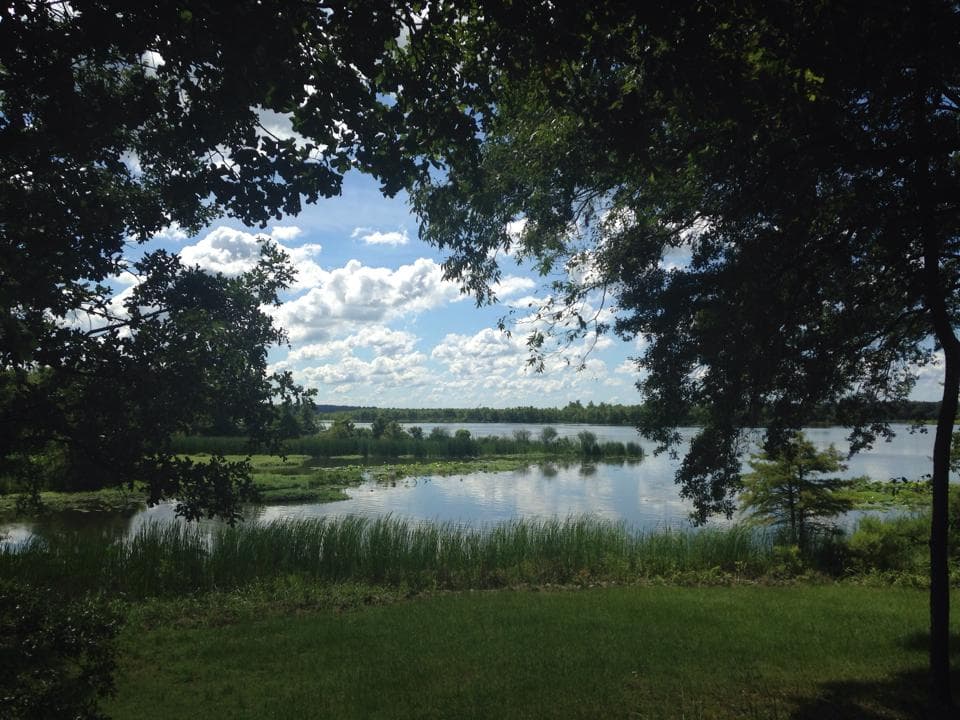
On August 9, 1877, gunshots shattered a chilly dawn on a sleeping camp of nımí·pu· (Nez Perce). By the time the smoke cleared on August 10, almost 90 nımí·pu· were dead, along with 31 soldiers and volunteers. Big Hole National Battlefield was created to honor all who were there.
Activities
Topics
No entrance fee.
Hours & seasons
The grounds and trails at Big Hole National Battlefield are open daily from sunrise to sunset.
⚠ Big Hole National Battlefield: closed Nov 26 – Nov 26; Big Hole National Battlefield: closed Dec 24 – Dec 24; Big Hole National Battlefield: closed Dec 31 – Dec 31; Big Hole National Battlefield: closed Jan 1 – Jan 1; Big Hole National Battlefield: closed Jan 1 – Jan 1
Hours are reported by the park — verify before you go.
📞 406-689-3155
✉ biho_visitor_information@nps.govConditions
Quietest months (fewer crowds): Jan, Feb, Mar, Dec
Typical crowds: low
Weather now: ☀️ Clear, 60°F
☁️ 62°/37°
☀️ 67°/43°
☁️ 69°/46°
Typical monthly recreation visits · NPS avg 2023–2025 — orange months are the quietest by crowds.
Quietest months
Relative crowds by month — lighter is quieter; ringed months are the calmest by crowds.
Jan
3%
Feb
3%
Mar
5%
Apr
6%
May
53%
Jun
92%
Jul
100%
Aug
99%
Sep
79%
Oct
38%
Nov
9%
Dec
4%
Log a sky reading
Measured the sky with an SQM meter or app? Add your reading (16 = city glow … 22 = pristine). Opt in under “Travelers like you” to share it on the community leaderboard.
Live conditions
Things to do
Explore the Walking Trails · 1.6 mi · 320 ft gain · <p>Nez Perce Encampment Trail: 1.6 miles round-trip walking trail with no elevation gain. Approximately 1 hour to complete.</p> <p>Siege Area Trail: 1.2 miles round-trip and climbs about 50 feet in elevation. Approximately 45 minutes to complete. </p> <p>Howitzer Trail: 0.8 mile spur trail off of the Siege Area trail that climbs 320 feet in elevation. Approximately 40 minutes to complete.</p>
Visitor centers
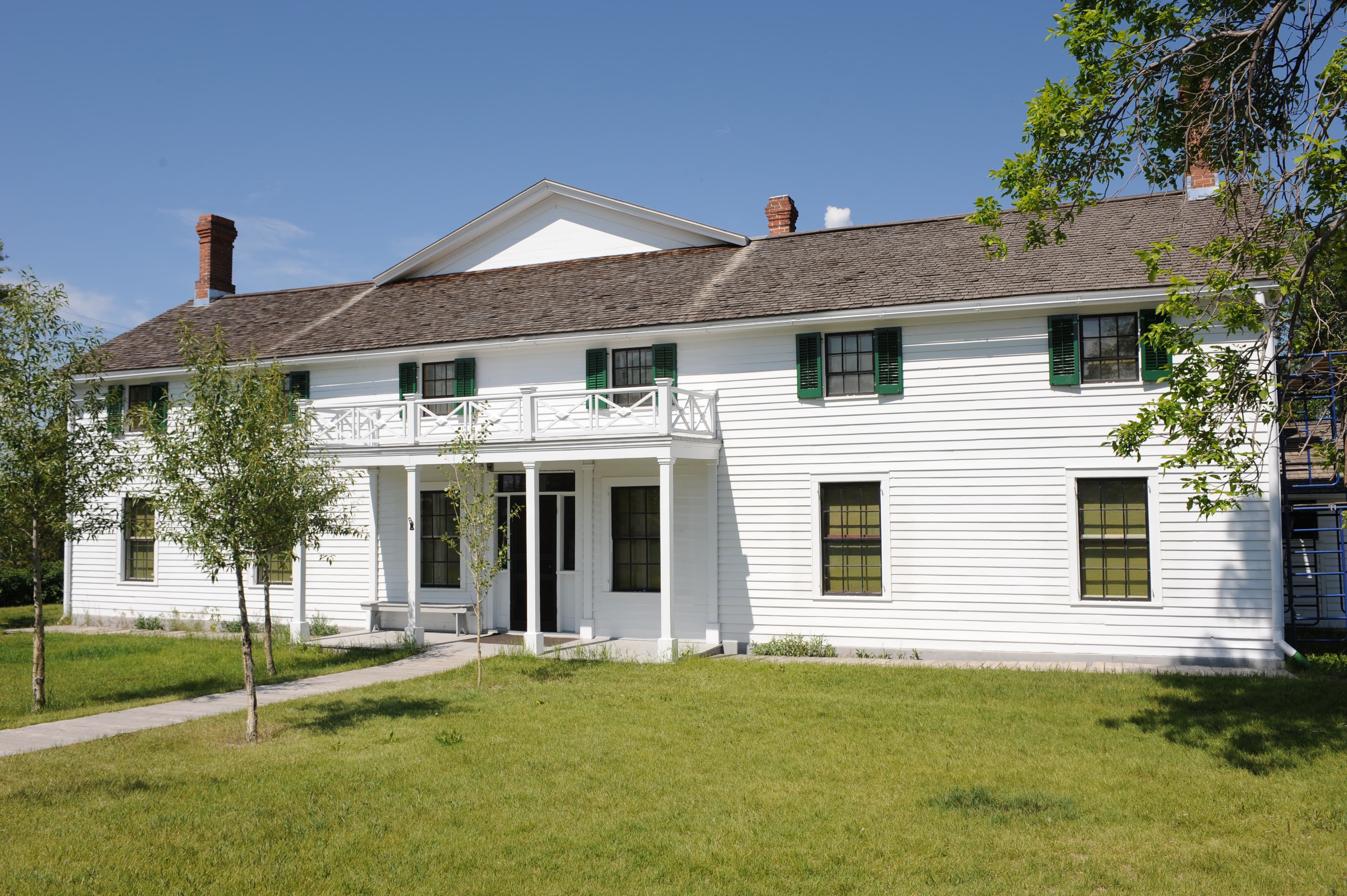
Visitor Center at Big Hole National Battlefield
Accessibility
4 audio-described place(s)
Reported by the park — verify before you go.
Not an official safety source — always defer to NPS.gov and rangers for life-safety decisions.
By the numbers
A visual read on Big Hole National Battlefield — its character, trails, sky, and weather.
Park fingerprint
How this park scores across the dimensions travelers care about.
Trail difficulty
Difficulty mix across this park's trails.
Trail profile
Each dot is a trail — distance vs. elevation gain, by difficulty.
3-day forecast
Daily high and low temperatures (°F).
Passport stamps
Mark the stamps you've collected — they show in your memory and along your routes.
🎫 Visitor Center at Big Hole National Battlefield
Places to see
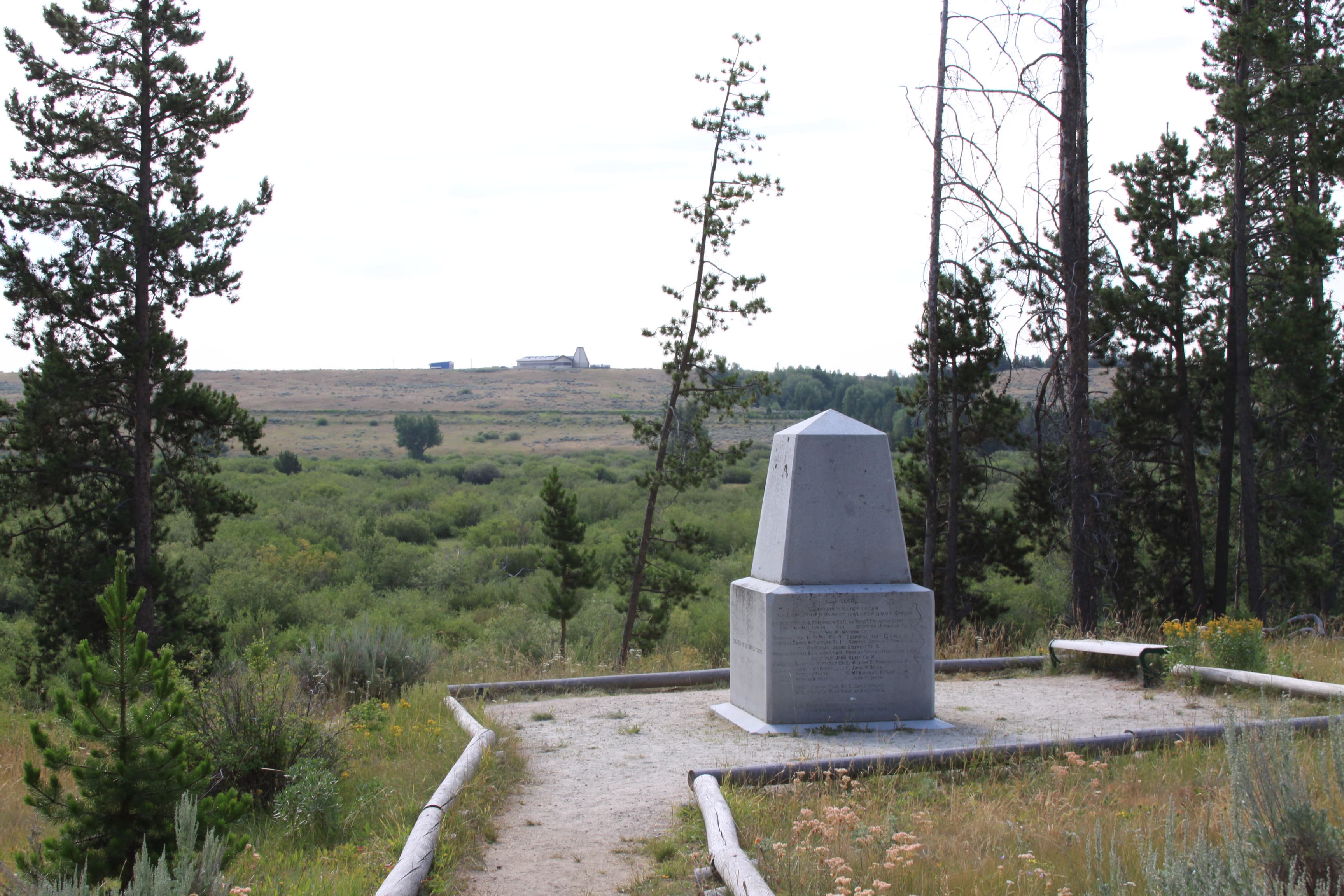
1883 Monument
audio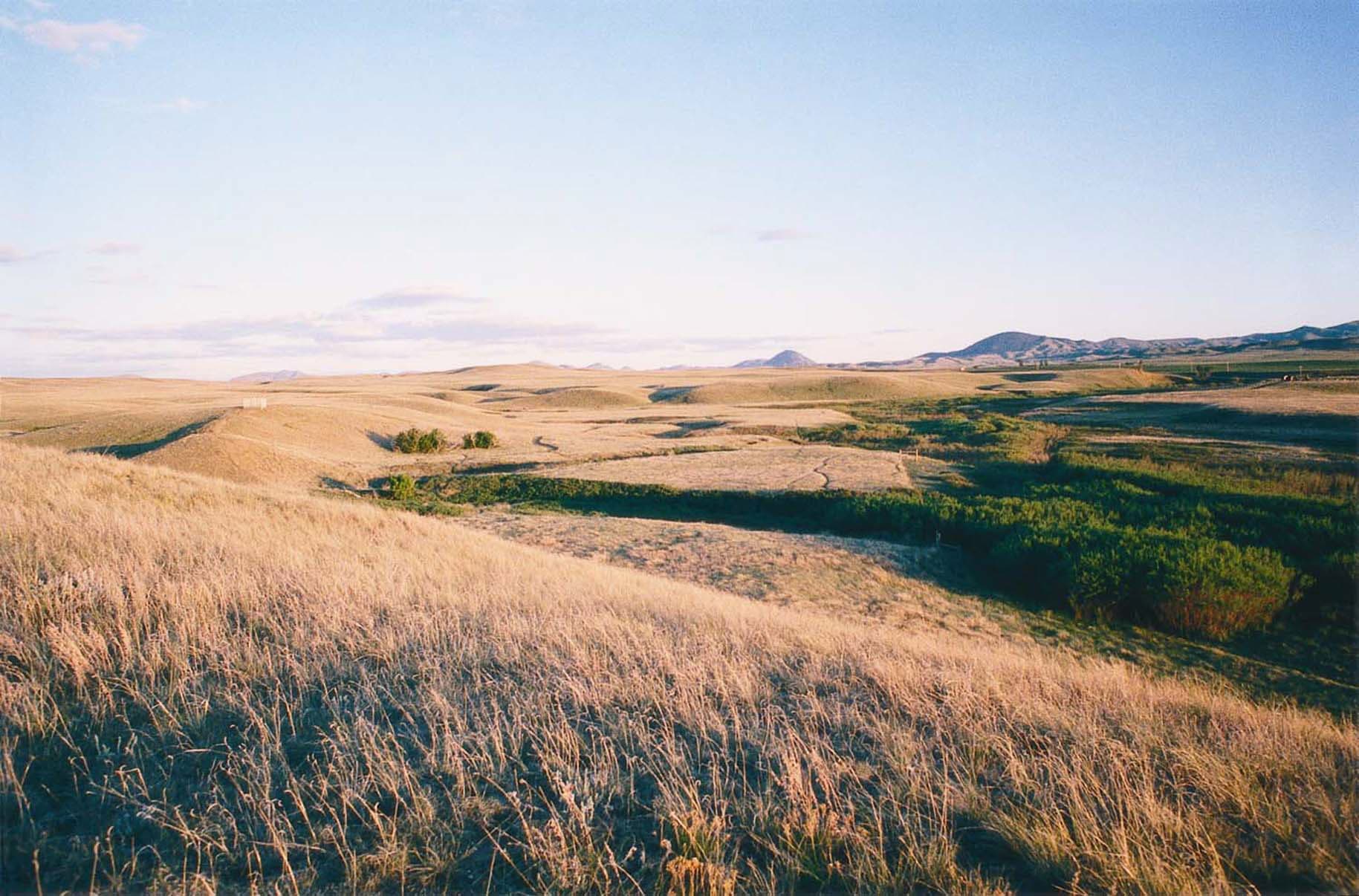
Bear Paw Battlefield
audio
Big Hole National Battlefield
East Bluff
East Bluff: Initial Assault
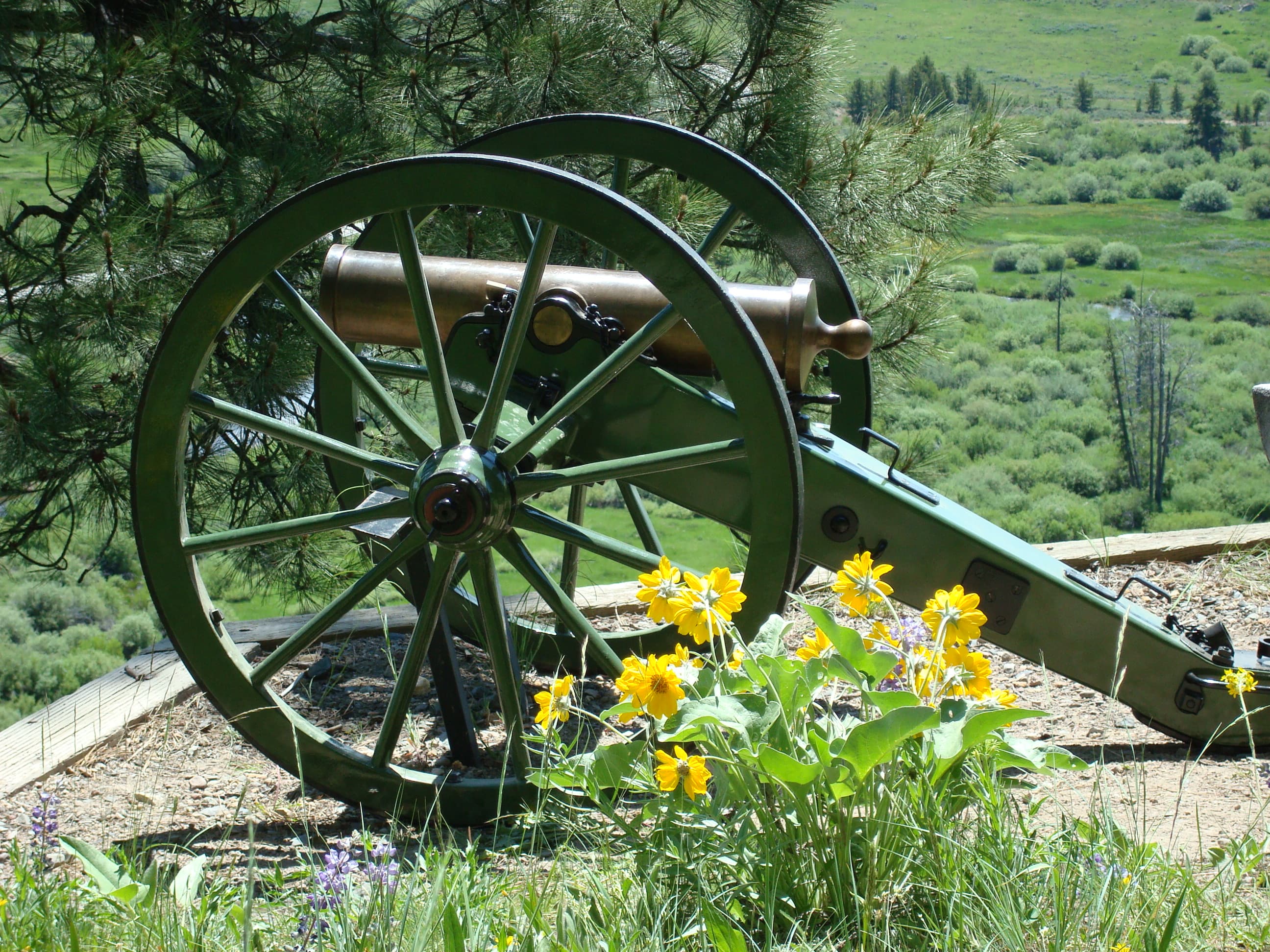
Howitzer Capture Site
audioJoseph Band
Looking Glass Band with ally Husishusis Kute
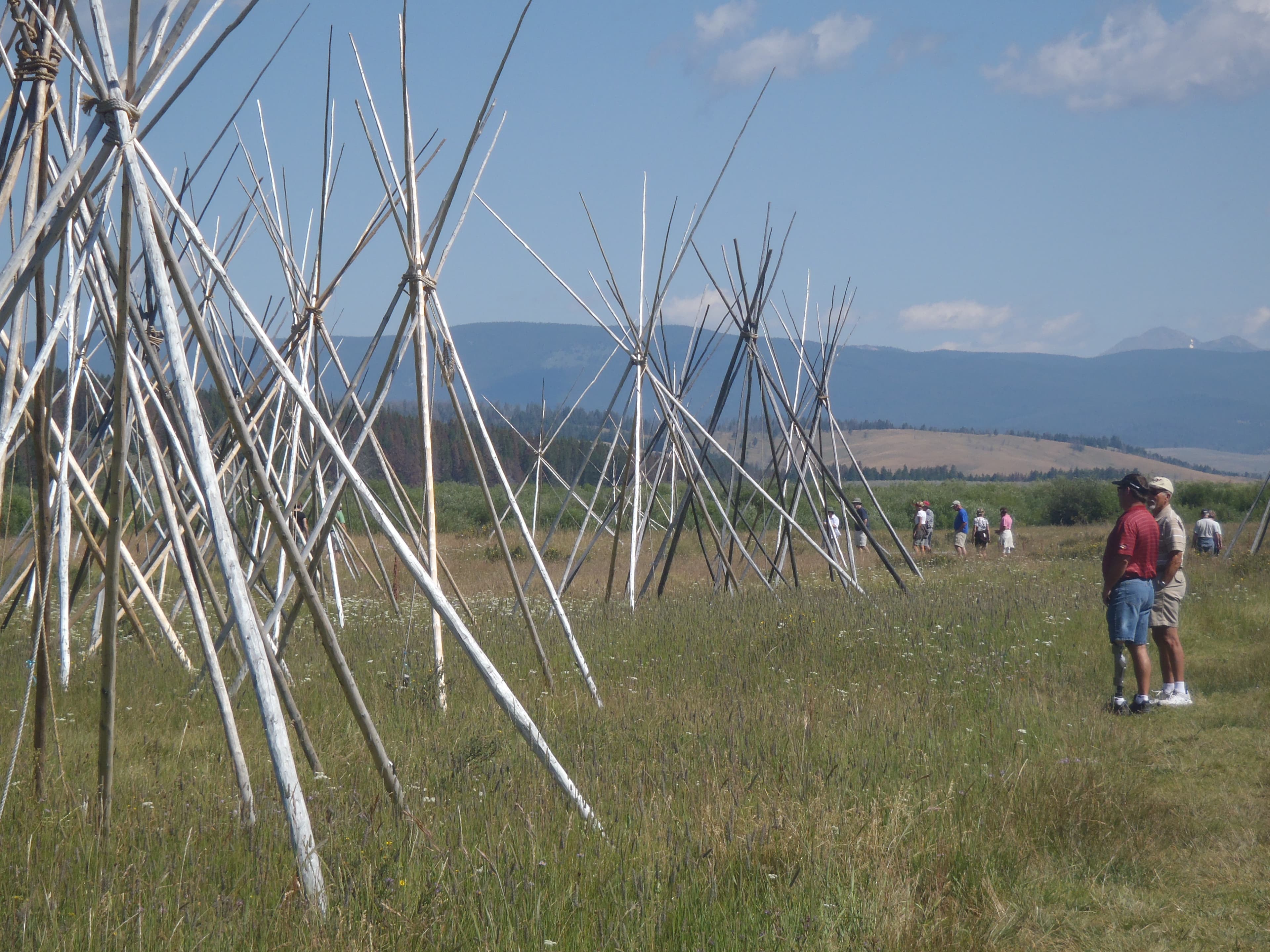
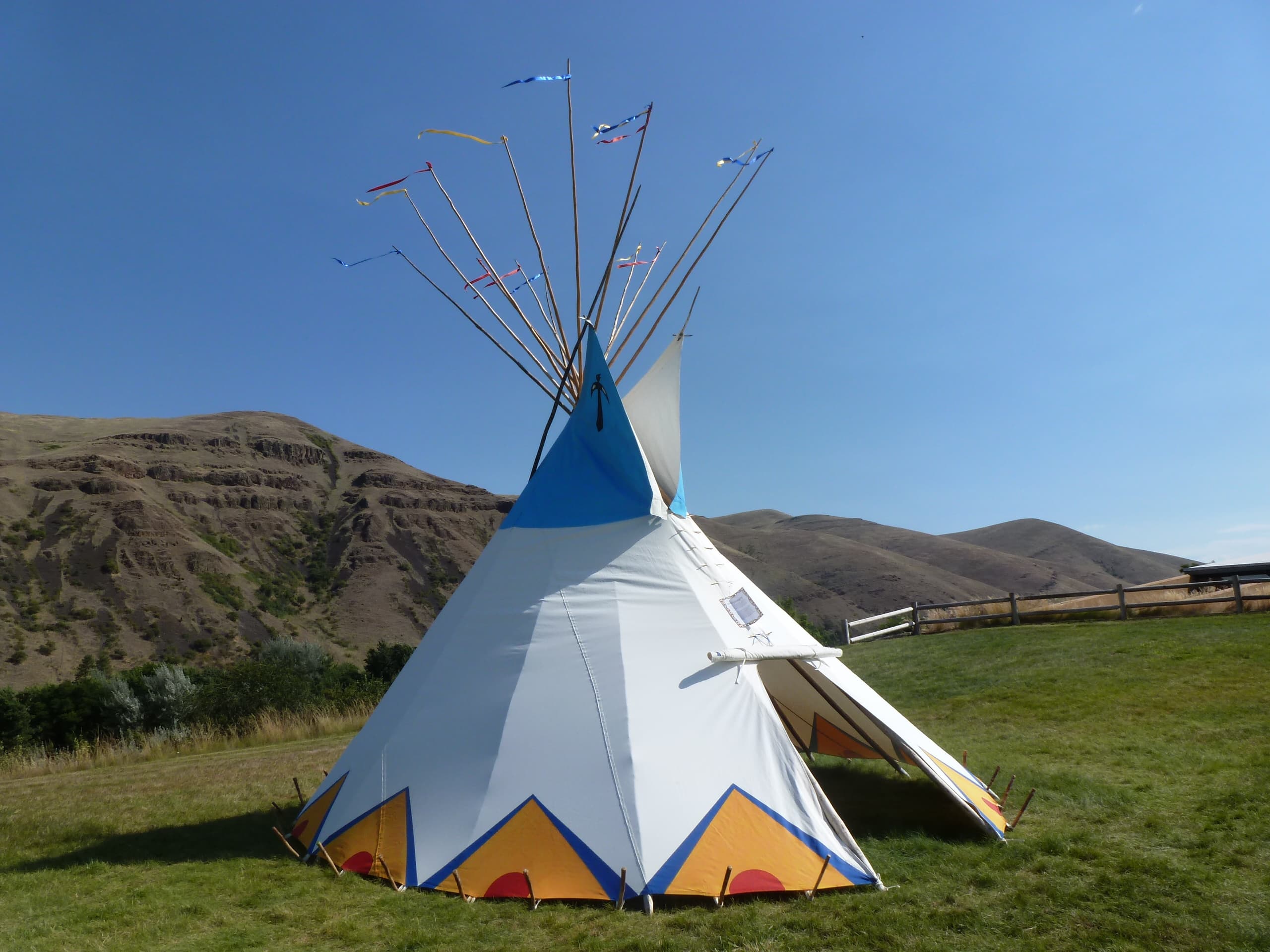
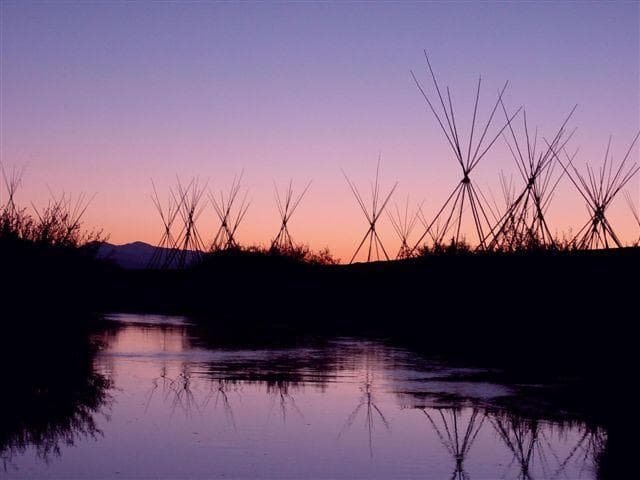
Memorial Tipi Frames
audioMemorial of Chief Josephs final speech
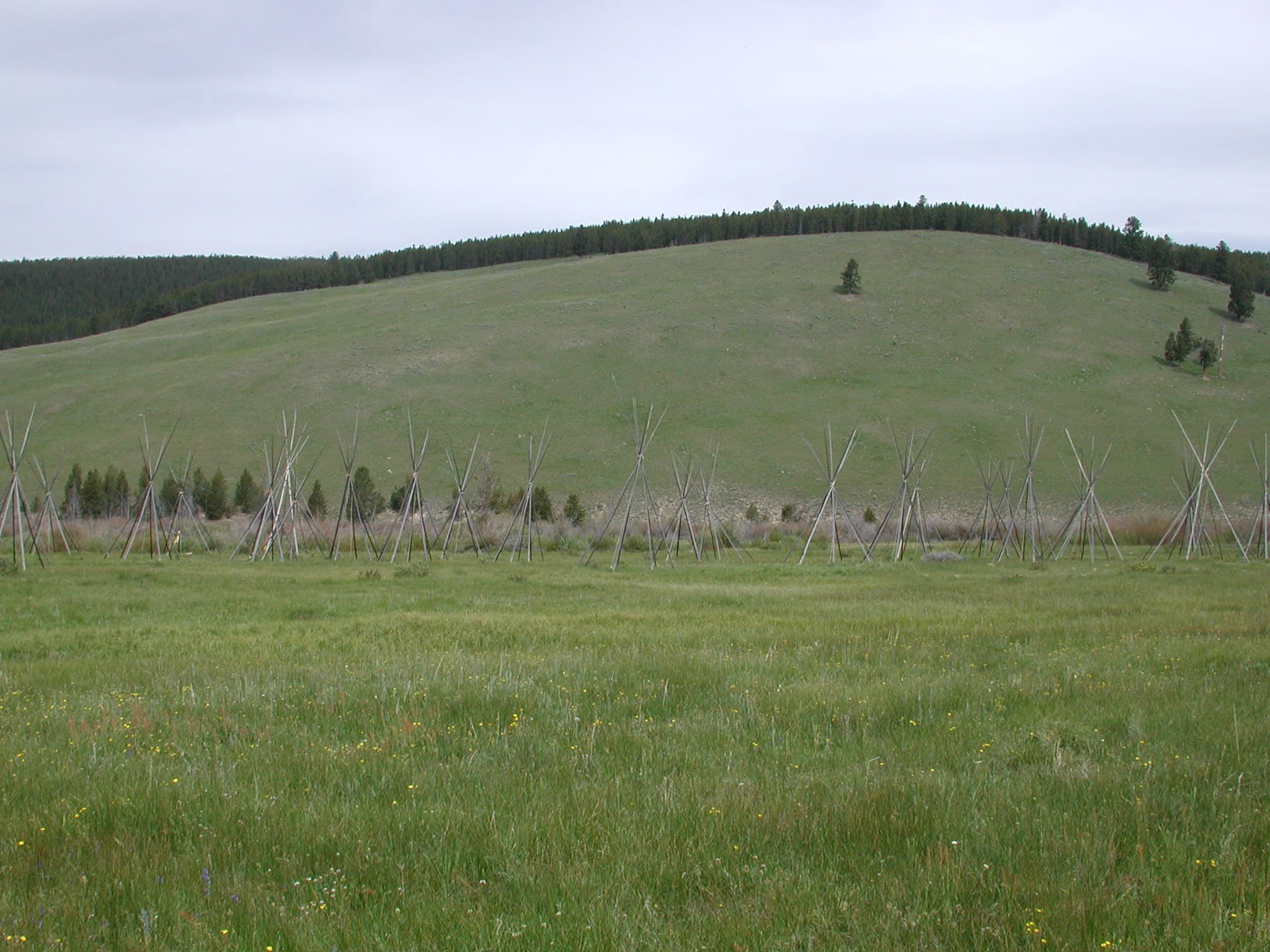
Nez Perce Encampment
Point of Rocks
Audio & media
🎧 Allen Pinkham Interview - Why Tell This Story? ↗ · 0 mintranscript
🎧 Allen Pinkham Interview - Time Immemorial ↗ · 2 mintranscript
🎬
🖼
Learn more
Big Hole National Battlefield was the site of a battle on August 9-10, 1877 between U.S. Army forces and the Nez Perce people. It was part of a five-month conflict as the army tried to force the Nez Perce onto an Idaho reservation. The Battle of the Big Hole was a critical event in the war. Although it was a tactical victory for the Nez Perce, the significant losses they suffered ultimately led to their defeat two months later.
Sport fishing is a popular activity in national park sites throughout the country. Proper catch and release fishing methods increase the chances of survival for the fish you choose not to keep.
Across the US, changes in water availability are altering which plants grow where. These changes are evident at a broad scale. But not all areas experience the same climate in the same way, even within the boundaries of a single national park. A new dataset gives park managers a valuable tool for understanding why vegetation has changed and how it might change in the future under different climate-change scenarios.
Artemisia species, commonly known as sagebrush, are far from being the only species on the landscape. The sagebrush biome is composed of a rich mosaic of thousands of diverse plant species, which are largely driven by differences in climate, soil and elevation. These distinct sagebrush plant and animal communities occur in approximately 70 park units across the western U.S— all of which are experiencing significant threats from wildfire and droughts.
Each park-specific page in the NPS Geodiversity Atlas provides basic information on the significant geologic features and processes occurring in the park.
In the face of tremendous loss and suffering, Nez Perce women demonstrated resilience during the Nez Perce War of 1877. After the Battle of Big Hole, as the Nez Perce fled their homes and embarked on the Lolo Trail to reach the reservation in Montana, it was the women of the tribe who kept their people strong.
The goal of a September 2014 prescribed fire at Big Hole National Battlefield, Montana, was to mimic the historic role of fire on the mountain slope while improving the vigor of the native vegetation. The area contains one of the larger remaining populations of Lehmi penstemon. A cooperative effort set up research plots to observe fire effects on this rare wildflower. Parts of the area will be burned in successive years, with yearly monitoring.
In 2014 the first of four planned small-acreage prescribed fires was completed on Big Hole National Battlefield’s Howitzer Hill. The site’s burn plan seeks to sequentially burn individual “blocks” of land on the Howitzer Hill and the adjacent Horse Pasture slope to maintain the open look and feel of the steppe vegetation similar to conditions at the time of the 1877 battle.
How Big Hole National Battlefield connects
This park's activities, topics, location, and on-the-ground places — one hop in the graph. Drag to explore; click an activity, topic, or related park to follow it.
Park
Activity
Topic
State
VisitorCenter
PassportStamp
Trail
ThingToDo
Similar parks
Share activities & topics with Big Hole National Battlefield.