Little River Canyon National Preserve
Alabama
Tonight
🌓 65% moon
9 h fully dark
Crowds
low
Entrance
$15
SEASONAL SAFETY MESSAGE
Be careful and safe while out in the canyon! Be cautious of your surroundings, don't cliff jump, don't stray off of the main trails, and don't get too close to Little River Falls or the canyon rim. These activities could result in injury or death.
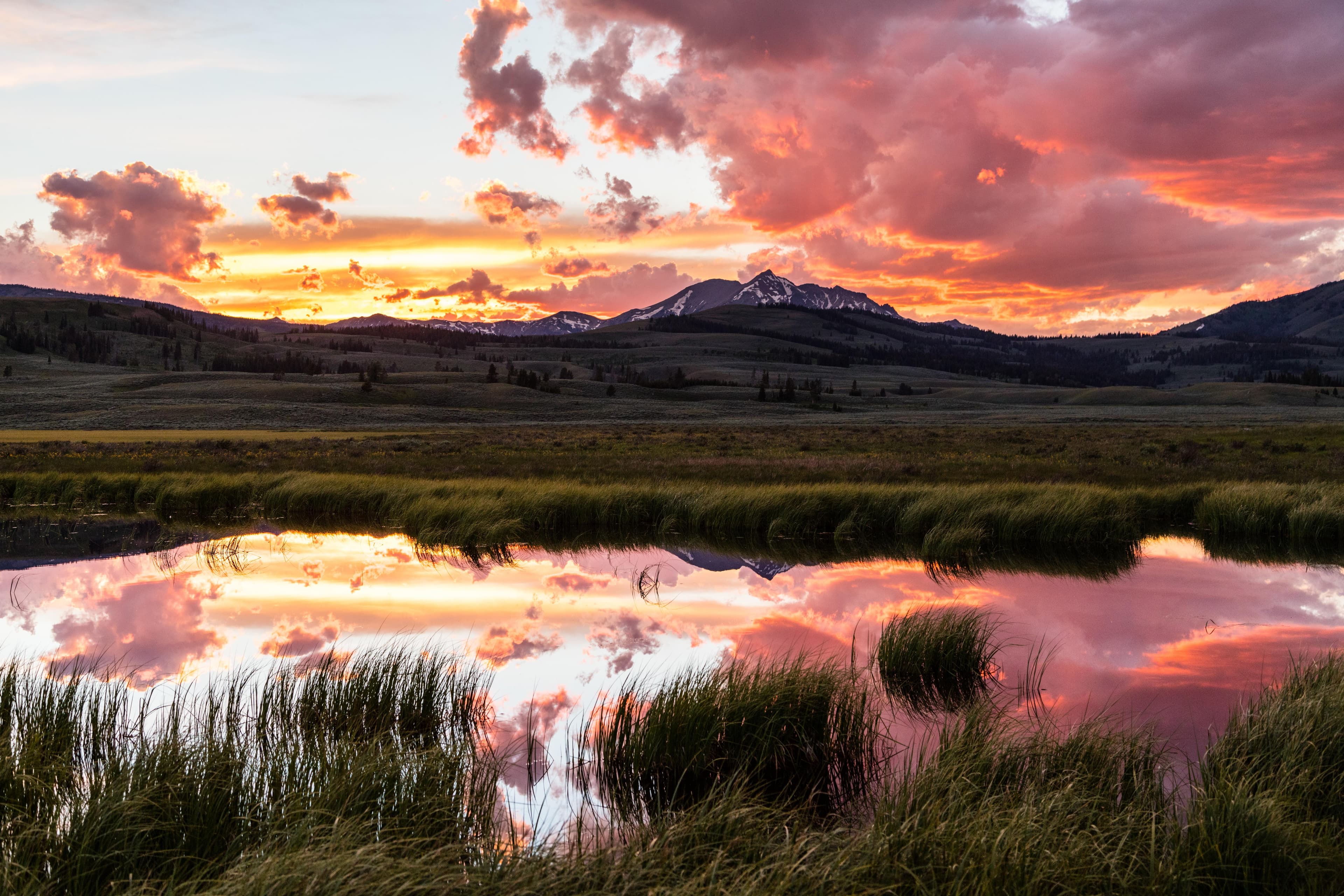
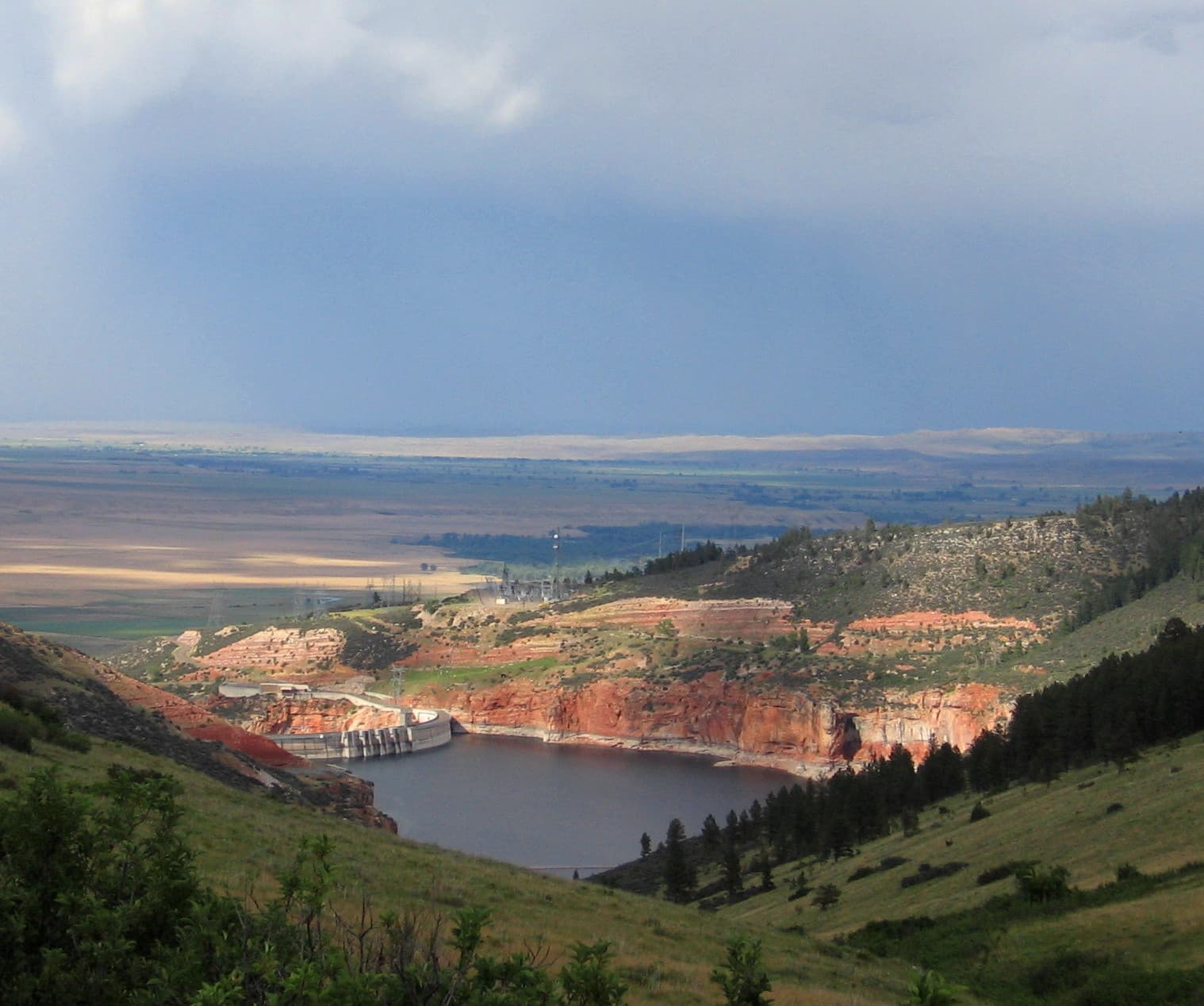
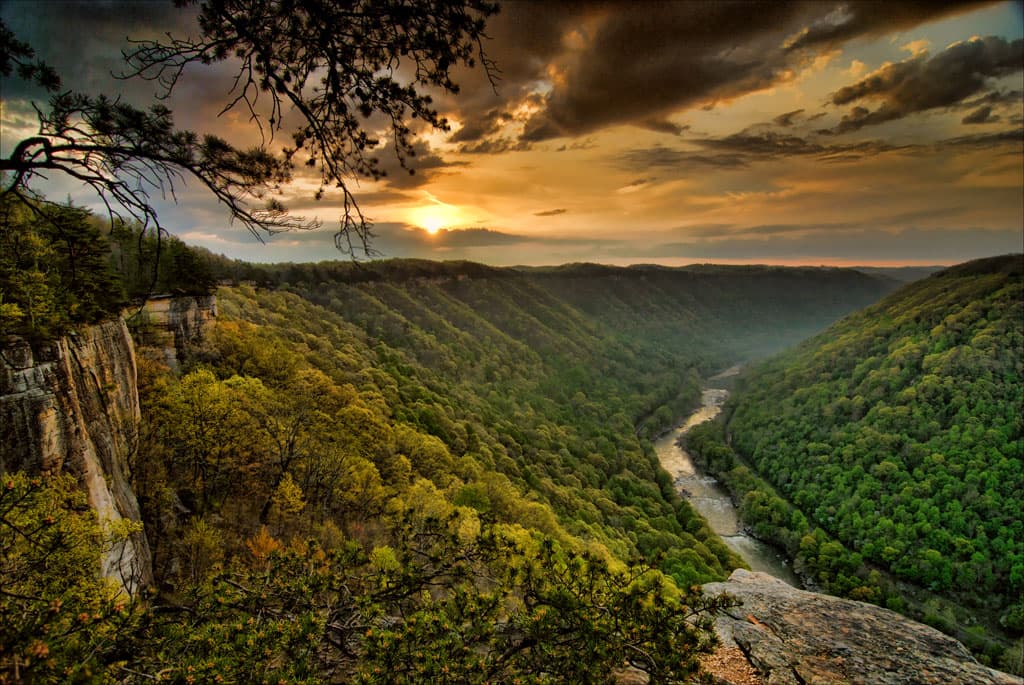
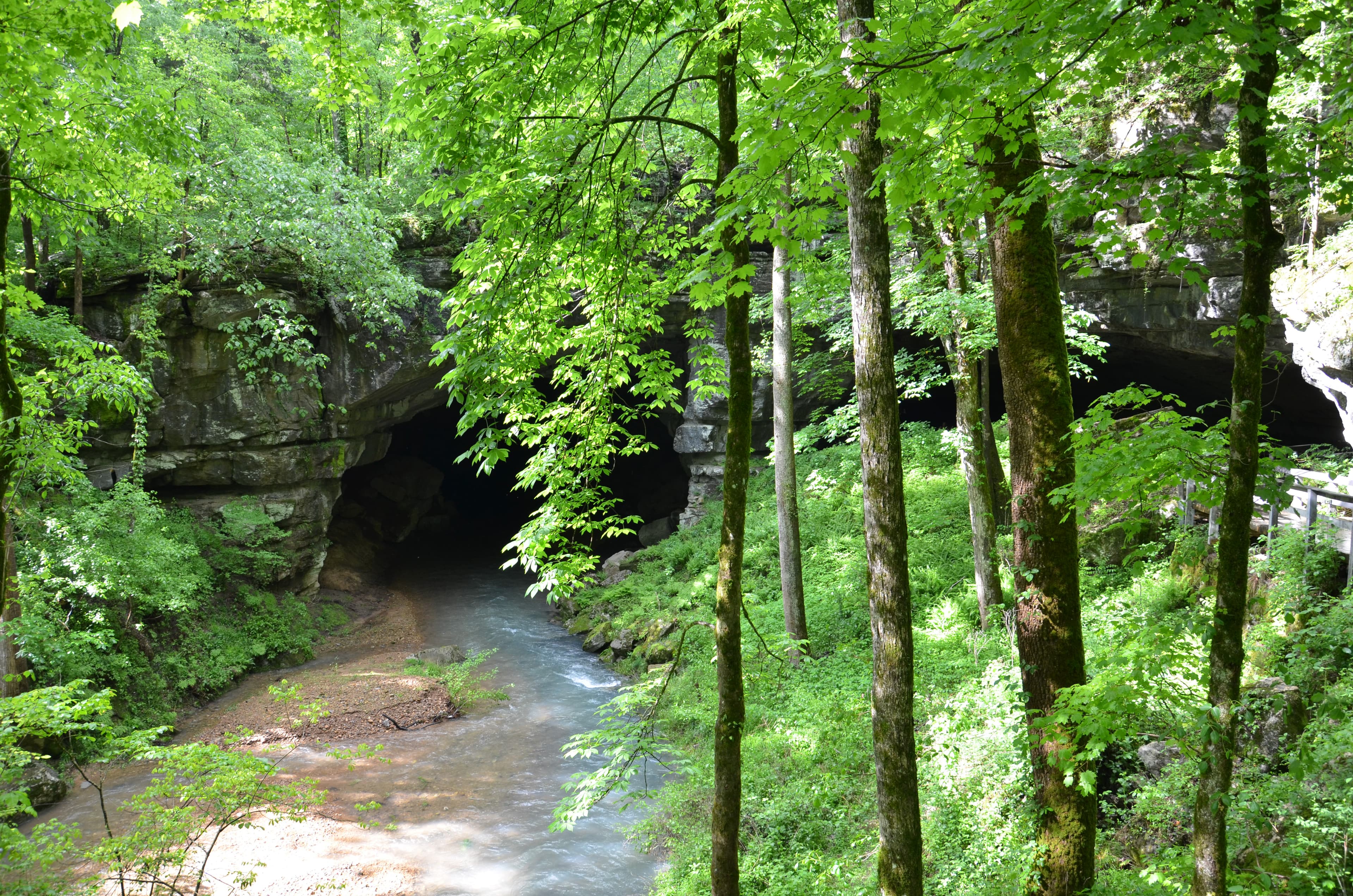
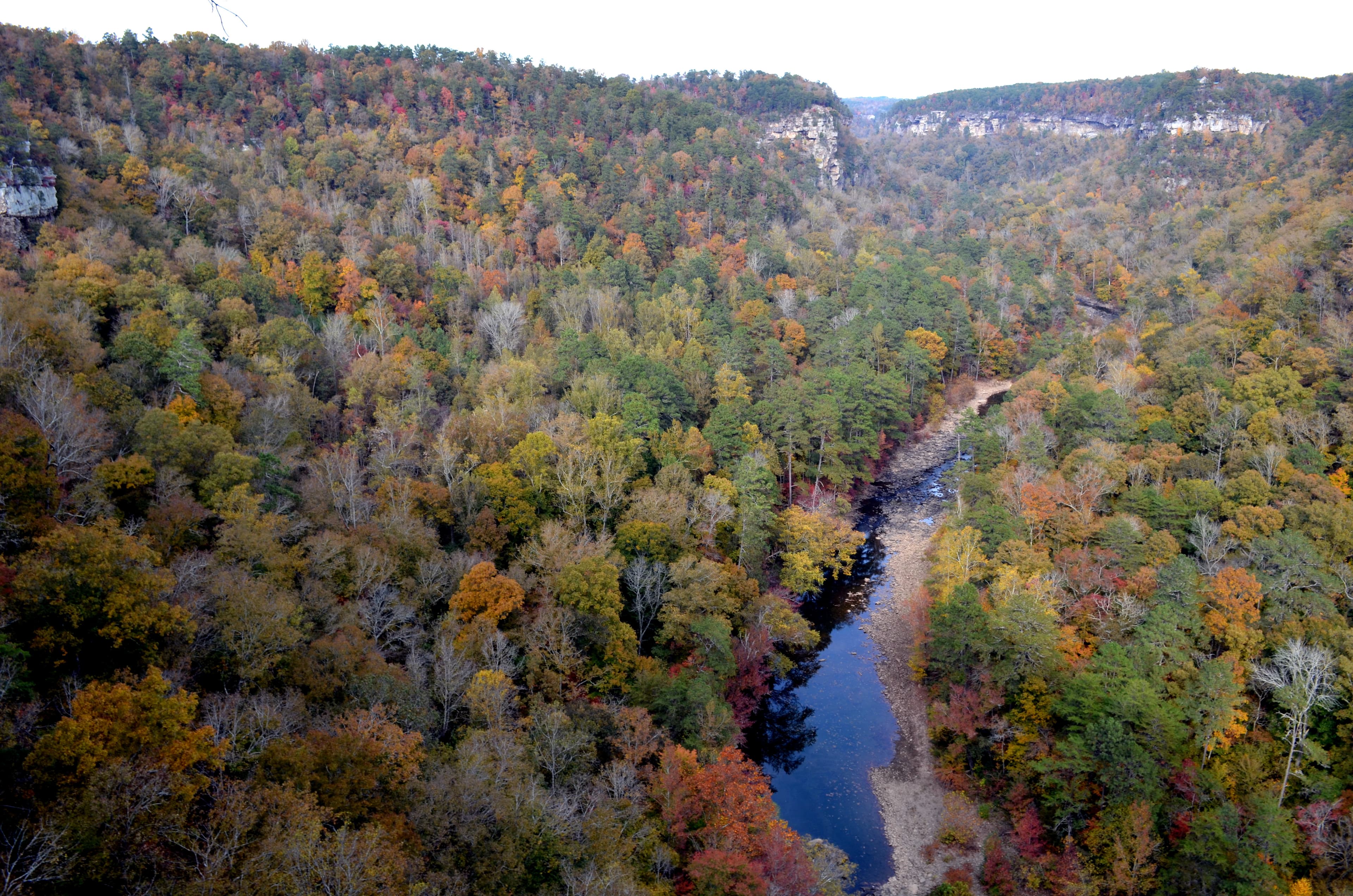
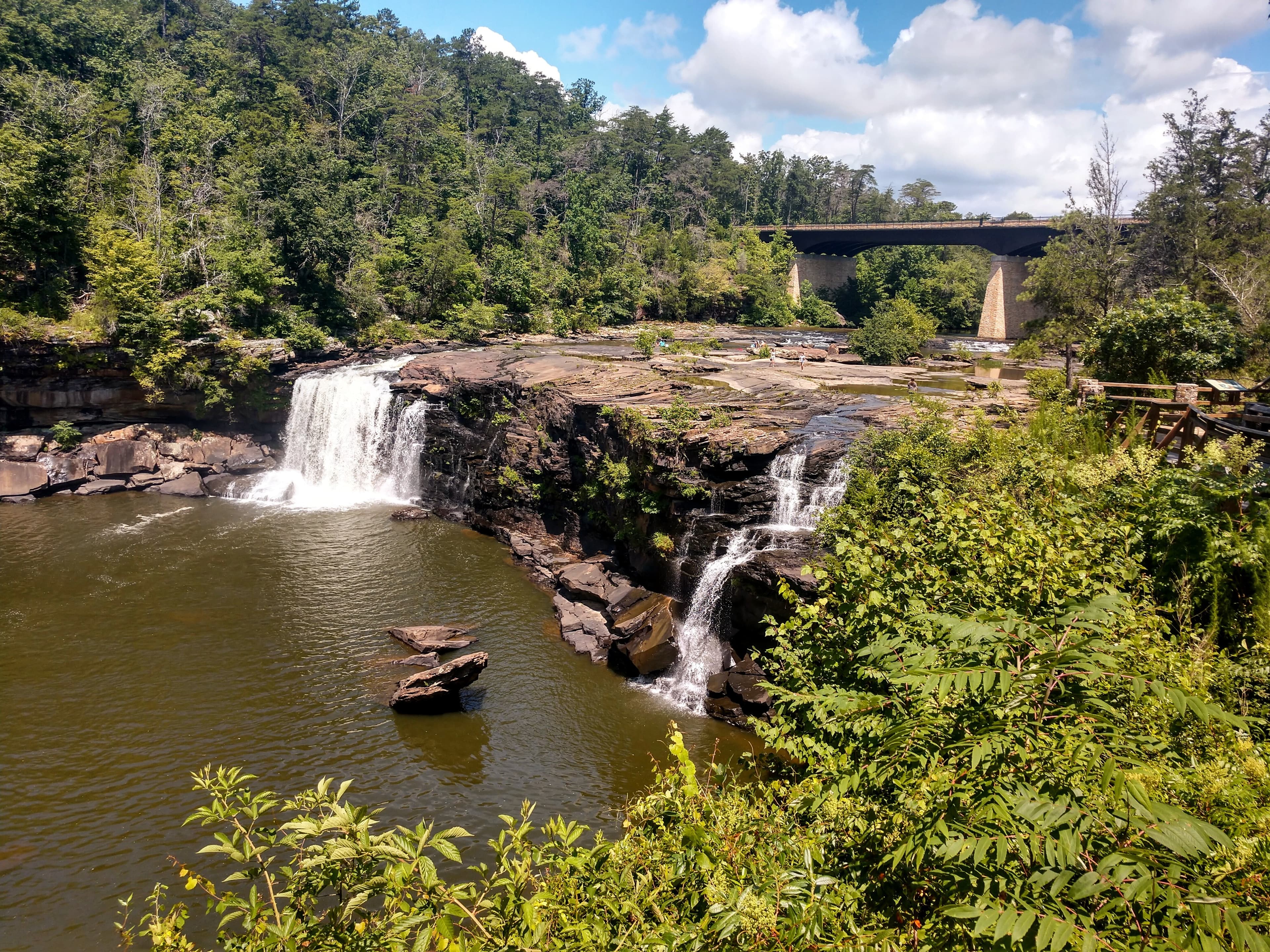
Little River is unique because it flows for most of its length atop Lookout Mountain in northeast Alabama. Forested uplands, waterfalls, canyon rims and bluffs, pools, boulders, and sandstone cliffs offer settings for a variety of recreational activities. Natural resources and cultural heritage come together to tell the story of the Preserve, a special place in the Southern Appalachians.
Activities
Topics
Entrance fees
$15.00 — Entrance - Private Vehicle
$15.00 — Entrance - Motorcycle
Hours & seasons
The main park is open during daylight hours every day including holidays.
Hours are reported by the park — verify before you go.
📞 2568459605
✉ liri_information@nps.govConditions
Quietest months (fewer crowds): Jan, Feb, Dec
Typical crowds: low
Weather now: ⛅ Partly cloudy, 89°F
☁️ 90°/67°
🌧️ 90°/71°
🌧️ 86°/68°
Typical monthly recreation visits · NPS avg 2023–2025 — orange months are the quietest by crowds.
Quietest months
Relative crowds by month — lighter is quieter; ringed months are the calmest by crowds.
Jan
36%
Feb
42%
Mar
59%
Apr
67%
May
80%
Jun
94%
Jul
100%
Aug
65%
Sep
56%
Oct
71%
Nov
61%
Dec
44%
Log a sky reading
Measured the sky with an SQM meter or app? Add your reading (16 = city glow … 22 = pristine). Opt in under “Travelers like you” to share it on the community leaderboard.
Visitor centers
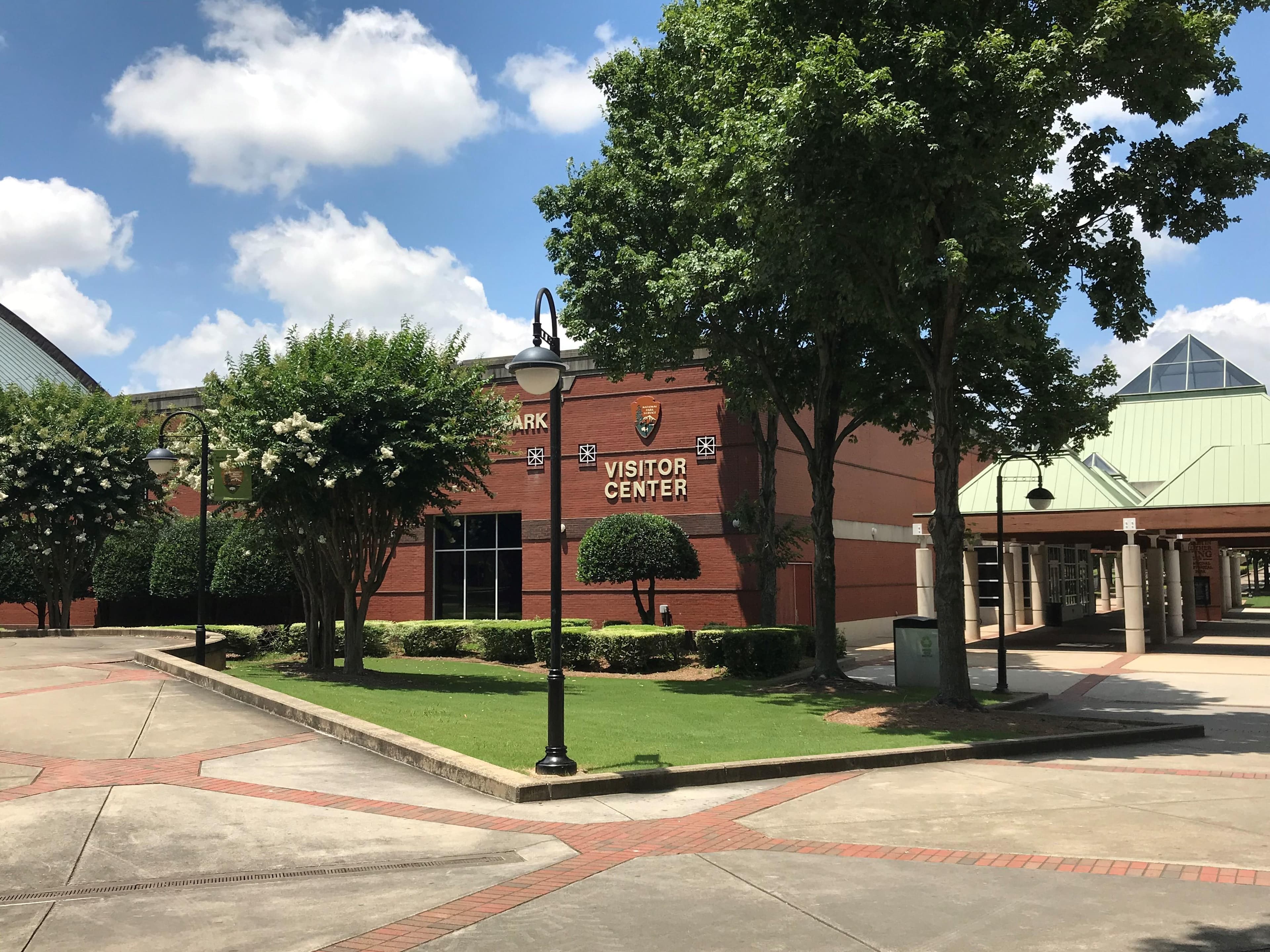
Jacksonville State University Little River Canyon Center
Accessibility
Reported by the park — verify before you go.
Parking
Beaver Pond Trailhead · 6 accessible spaces
Blue Hole · 9 accessible spaces
Canyon Mouth Park · 108 accessible spacesaccessible
Canyon View Parking · 8 accessible spaces
Crow Point Parking · 5 accessible spaces
Eberhart Point Parking · 8 accessible spaces
Graces High Falls Parking · 10 accessible spaces
Hawk's Glide · 6 accessible spaces
Jacksonville State University Little River Canyon Center · 66 accessible spacesaccessible
Little River Falls Overlook · 12 accessible spaces
Little River Falls Parking Lot · 138 accessible spacesaccessible
Lower Two Mile Trail · 4 accessible spaces
Not an official safety source — always defer to NPS.gov and rangers for life-safety decisions.
By the numbers
A visual read on Little River Canyon National Preserve — its character, trails, sky, and weather.
Park fingerprint
How this park scores across the dimensions travelers care about.
3-day forecast
Daily high and low temperatures (°F).
Passport stamps
Mark the stamps you've collected — they show in your memory and along your routes.
🎫 Canyon Mouth Park
🎫 Jacksonville State University Little River Canyon Center
Places to see
Little River Canyon National Preserve, the Trail of Tears
Audio & media
🎧
🎬
🖼
Learn more
A partnership between Georgia State University and the NPS Paleontology Program has enabled more focused paleontological resource support in parks in the Southeast Region of the U.S. During the past several years students mentored by Dr. Christy Visaggi have helped to complete paleontological resource inventories in several parks in the southeast region uncovering the fossil records of these parks.
This finding aid describes the National Parks Conservation Association (NPCA) Southest Region Collection, part of the NPS History Collection.
During 2024 scouting for a large eastern grassland restoration project funded by IRA and BIL, several old growth remnant grasslands were identified in National Capital and Northeast Region parks that were previously unknown. These remnants preserve the genetic integrity of the original grassland flora of the eastern US and are true unexpected treasures that in some cases, were hidden in plain sight.
Each park-specific page in the NPS Geodiversity Atlas provides basic information on the significant geologic features and processes occurring in the park.
Southeastern national parks inspire millions of visitors each year as places to recreate and learn about the region’s culture and history, contributing to local economies. Yet alone, these parks cannot take care of themselves. Preserving parks for the public’s long-term enjoyment requires careful stewardship, active management, along with sound scientific understanding. This is achieved through NPS’s long-term vegetation monitoring programs.
NPS scientists and staff work together to protect park vegetation and the ecosystems it supports. From prescribed burns in pine savannas to invasive species removal in coastal forests, many management actions begin with one thing: science-based knowledge of what’s changing and why. To facilitate understanding, scientists from the NPS Inventory & Monitoring (I&M) Division conduct long-term vegetation monitoring in more than 40 parks across the Southeast.
President George H.W. Bush was an ardent supporter of the national parks. Explore some the parks that are part of the legacy of the presidency of George H.W. Bush, who served as the 41st president of the United States from January 20, 1989 to January 20, 1993.
Long-term monitoring of plant community condition supports the National Park Service mission to preserve natural resources unimpaired for future generations. By detecting ecological trends and stressors—such as invasive species expansion, habitat degradation, and climate-induced shifts—scientists provide park managers with actionable data to guide adaptive management and maintain ecosystem resilience.
How Little River Canyon National Preserve connects
This park's activities, topics, location, and on-the-ground places — one hop in the graph. Drag to explore; click an activity, topic, or related park to follow it.
Park
Activity
Topic
State
VisitorCenter
PassportStamp
ParkingLot
Trail
Alert
Similar parks
Share activities & topics with Little River Canyon National Preserve.