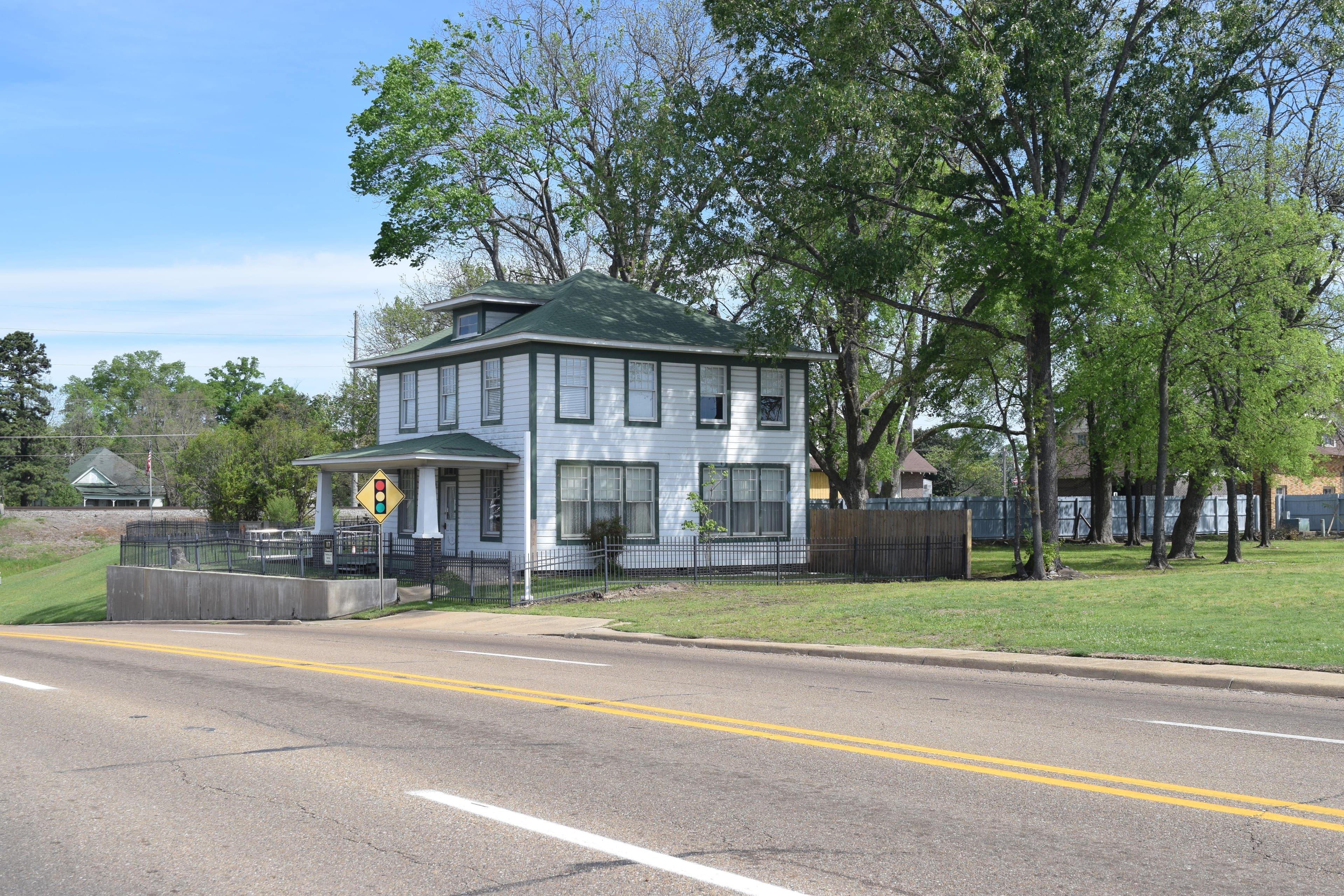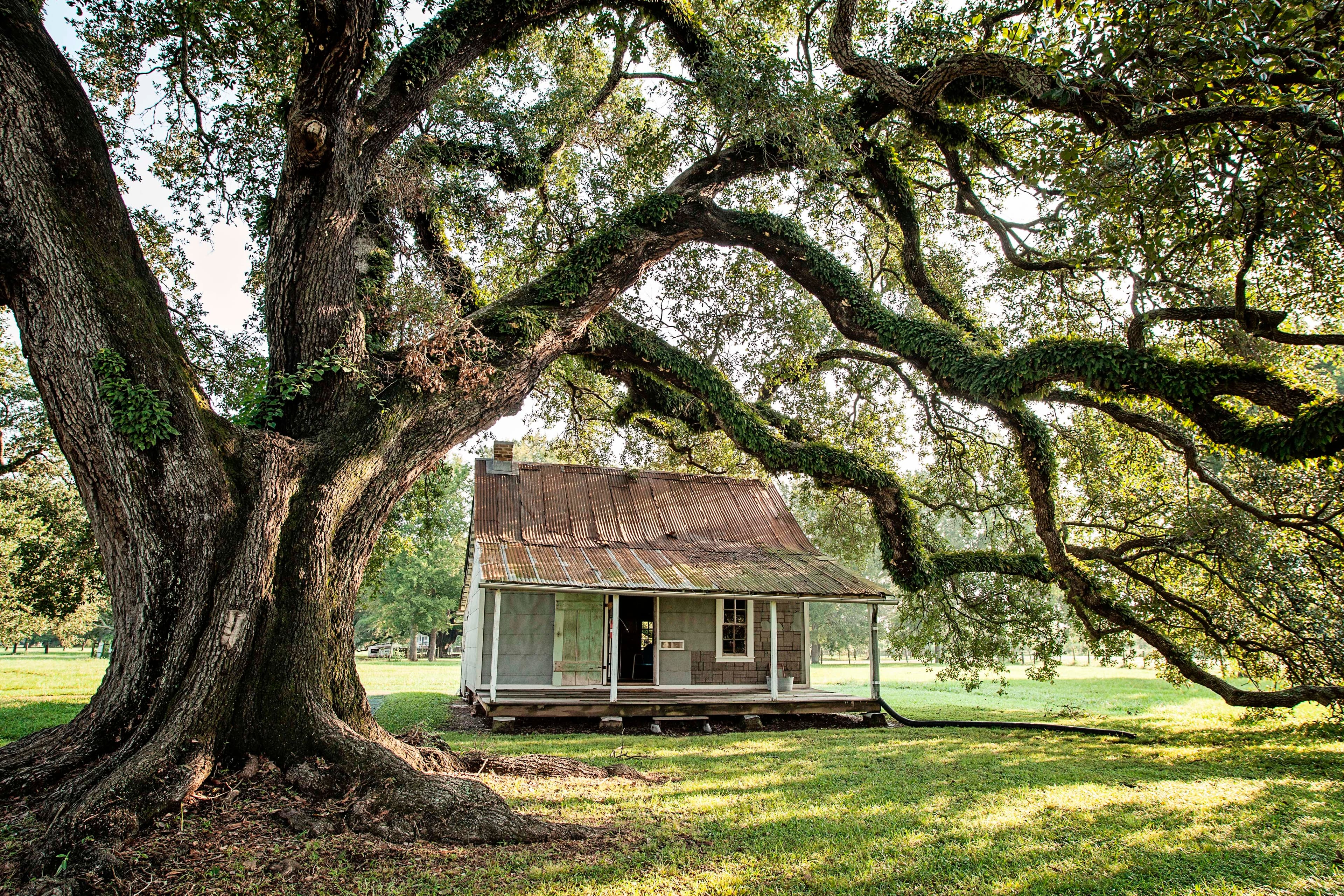
Cane River Creole National Historical Park
Louisiana
Tonight
🌓 65% moon
9.1 h fully dark
Crowds
low
Open today
Open
Oakland and Magnolia Plantations: closed Sep 6 – Sep 6; Oakland and Magnolia Plantations: closed Oct 12 – Oct 12; Oakland and Magnolia Plantations: closed Nov 26 – Nov 26; Oakland and Magnolia Plantations: closed Dec 25 – Dec 25; Oakland and Magnolia Plantations: closed Jan 1 – Jan 1; Oakland and Magnolia Plantations: closed Jan 18 – Jan 18; Oakland and Magnolia Plantations: closed Feb 15 – Feb 15; Oakland and Magnolia Plantations: closed May 31 – May 31; Oakland and Magnolia Plantations: closed Jun 19 – Jun 19; Oakland and Magnolia Plantations: closed Jul 4 – Jul 4
Entrance
Free entry
Park Operating Hours
Operating hours are 9:00 am to 3:30 pm Wednesday through Sunday until further notice.
Oakland Main House Self-Guided Tours
The interior of the Oakland Main House is ONLY open to the public on weekends from 10 a.m. to 2 p.m. All tours of the house are self-guided and occupancy within the building is limited. Please plan accordingly.
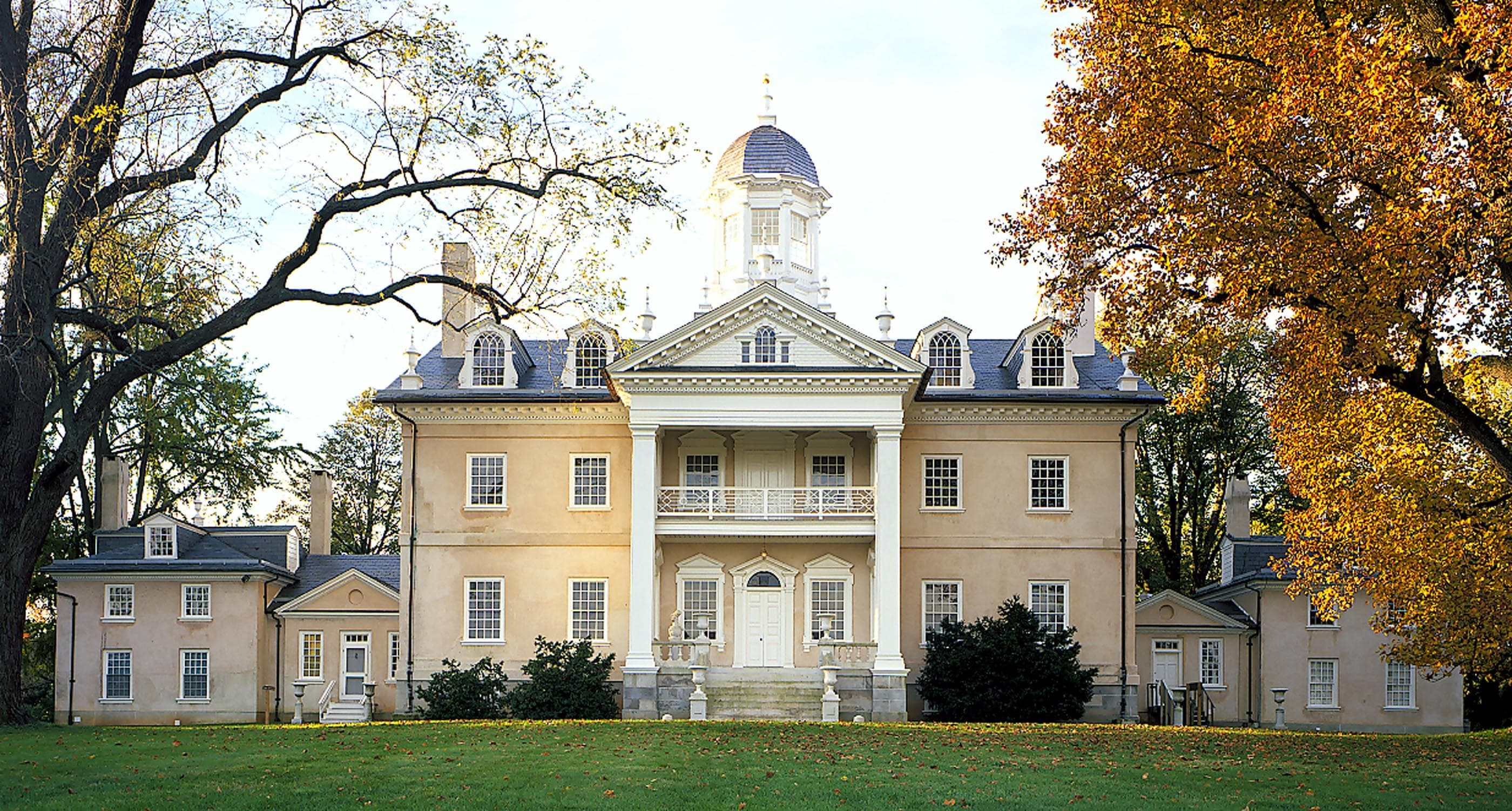
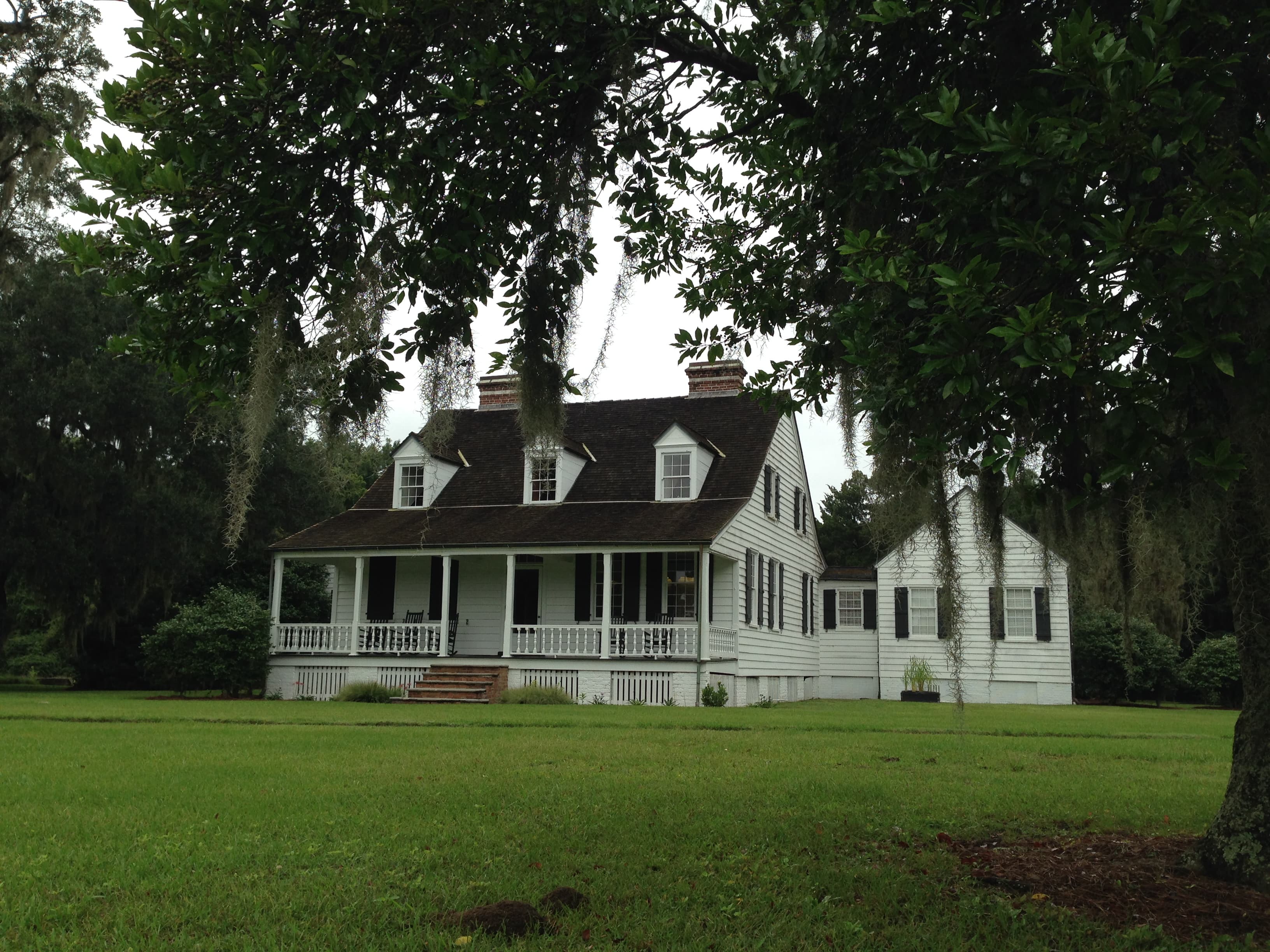
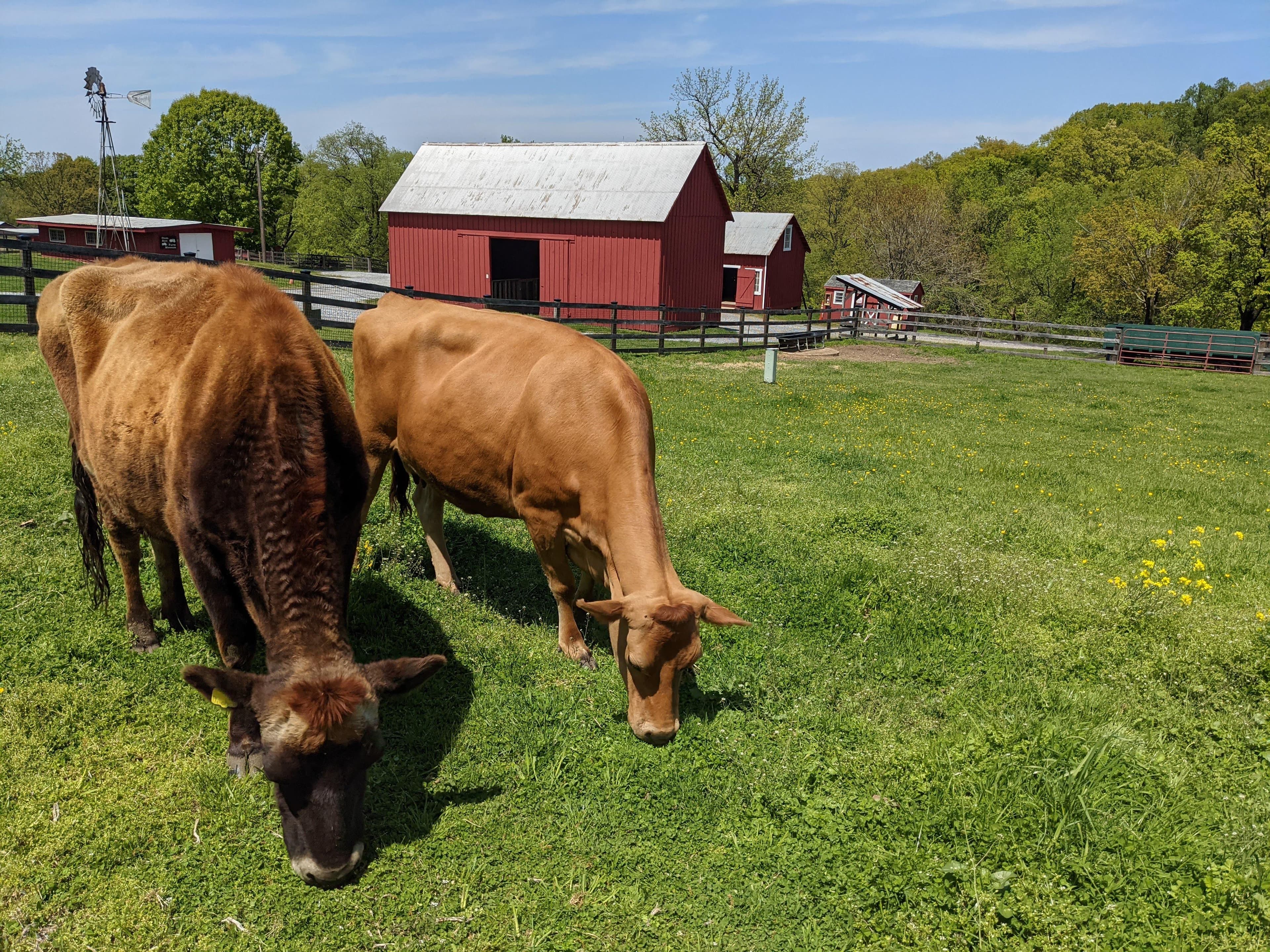
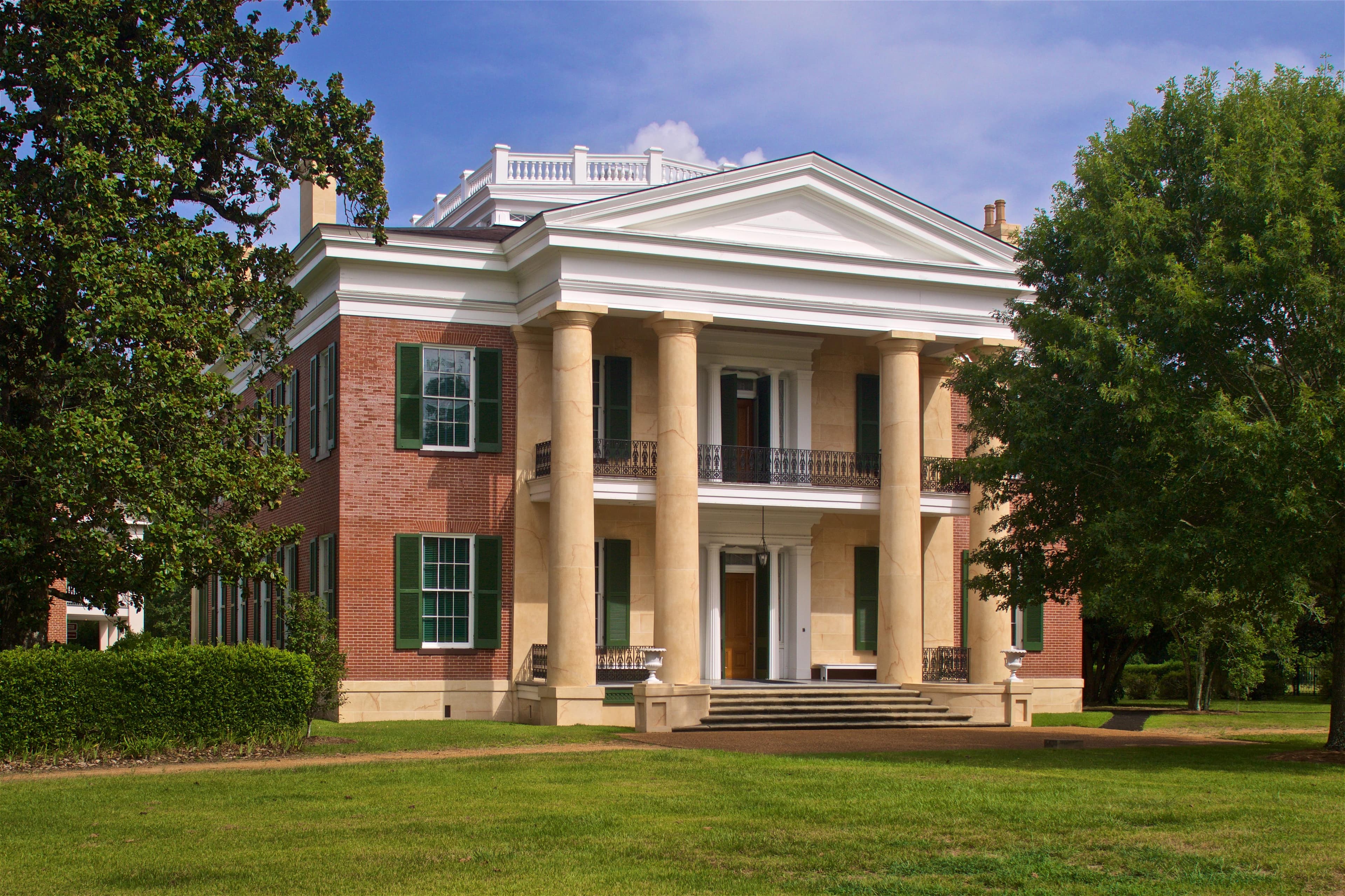
The Cane River region is home to a unique culture; the Creoles. Generations of the same families of workers, enslaved and tenant, and owners lived on these lands for over 200 years. The park tells their stories and preserves the cultural landscape of Oakland and Magnolia Plantations, two of the most intact Creole cotton plantations in the United States.
Activities
Topics
No entrance fee.
Hours & seasons
The Texas & Pacific Railway Depot, Oakland Plantation and Magnolia Plantation are open Wednesday through Sunday from 9 am to 3:30 pm. Both self-guided and guided tours of the plantation grounds and outbuildings are available. In addition, the park store located in the Oakland Plantation store is open for shopping. The Oakland Plantation Main House is open for self-guided tours only on Saturday and Sunday from 10 a.m. to 2 p.m. Closed all federal holidays.
⚠ Oakland and Magnolia Plantations: closed Sep 6 – Sep 6; Oakland and Magnolia Plantations: closed Oct 12 – Oct 12; Oakland and Magnolia Plantations: closed Nov 26 – Nov 26; Oakland and Magnolia Plantations: closed Dec 25 – Dec 25; Oakland and Magnolia Plantations: closed Jan 1 – Jan 1; Oakland and Magnolia Plantations: closed Jan 18 – Jan 18; Oakland and Magnolia Plantations: closed Feb 15 – Feb 15; Oakland and Magnolia Plantations: closed May 31 – May 31; Oakland and Magnolia Plantations: closed Jun 19 – Jun 19; Oakland and Magnolia Plantations: closed Jul 4 – Jul 4
Generally open:
springsummerHours are reported by the park — verify before you go.
📞 318-352-0383
✉ cari_interp@nps.govConditions
Quietest months (fewer crowds): Jan, Sep, Oct, Nov
Typical crowds: low
Weather now: ⛅ Partly cloudy, 94°F
☁️ 95°/68°
☁️ 97°/75°
☁️ 98°/71°
Typical monthly recreation visits · NPS avg 2023–2025 — orange months are the quietest by crowds.
Quietest months
Relative crowds by month — lighter is quieter; ringed months are the calmest by crowds.
Jan
33%
Feb
60%
Mar
100%
Apr
86%
May
82%
Jun
68%
Jul
75%
Aug
44%
Sep
40%
Oct
38%
Nov
39%
Dec
61%
Log a sky reading
Measured the sky with an SQM meter or app? Add your reading (16 = city glow … 22 = pristine). Opt in under “Travelers like you” to share it on the community leaderboard.
Things to do
Visit the Park Store at Oakland Plantation
Bird Watching at Oakland Plantation
Picnicking at Cane River Creole
Cane River Creole Junior Ranger
Visitor centers
Magnolia Plantation Store
Oakland Plantation Store
Texas and Pacific Railway Depot
Accessibility
64 audio-described place(s)
Reported by the park — verify before you go.
Parking
Magnolia Plantation Parking Lot
Oakland Plantation
Not an official safety source — always defer to NPS.gov and rangers for life-safety decisions.
By the numbers
A visual read on Cane River Creole National Historical Park — its character, trails, sky, and weather.
Park fingerprint
How this park scores across the dimensions travelers care about.
Trail difficulty
Difficulty mix across this park's trails.
3-day forecast
Daily high and low temperatures (°F).
Passport stamps
Mark the stamps you've collected — they show in your memory and along your routes.
🎫 Magnolia Plantation Store
🎫 Oakland Plantation Store
🎫 Oakland Plantation Store
🎫 Texas and Pacific Railway Depot
Places to see
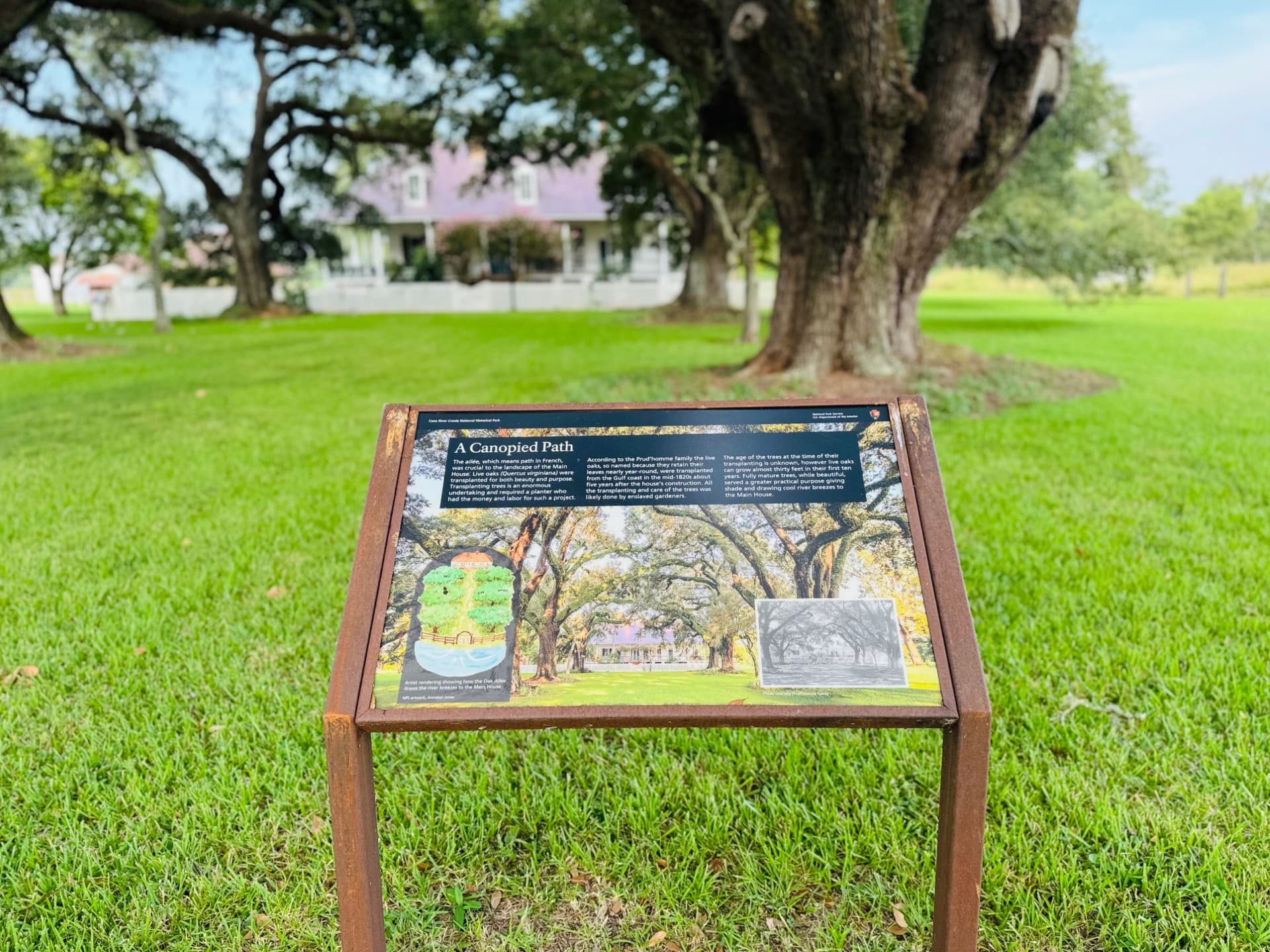
A Canopied Path
audio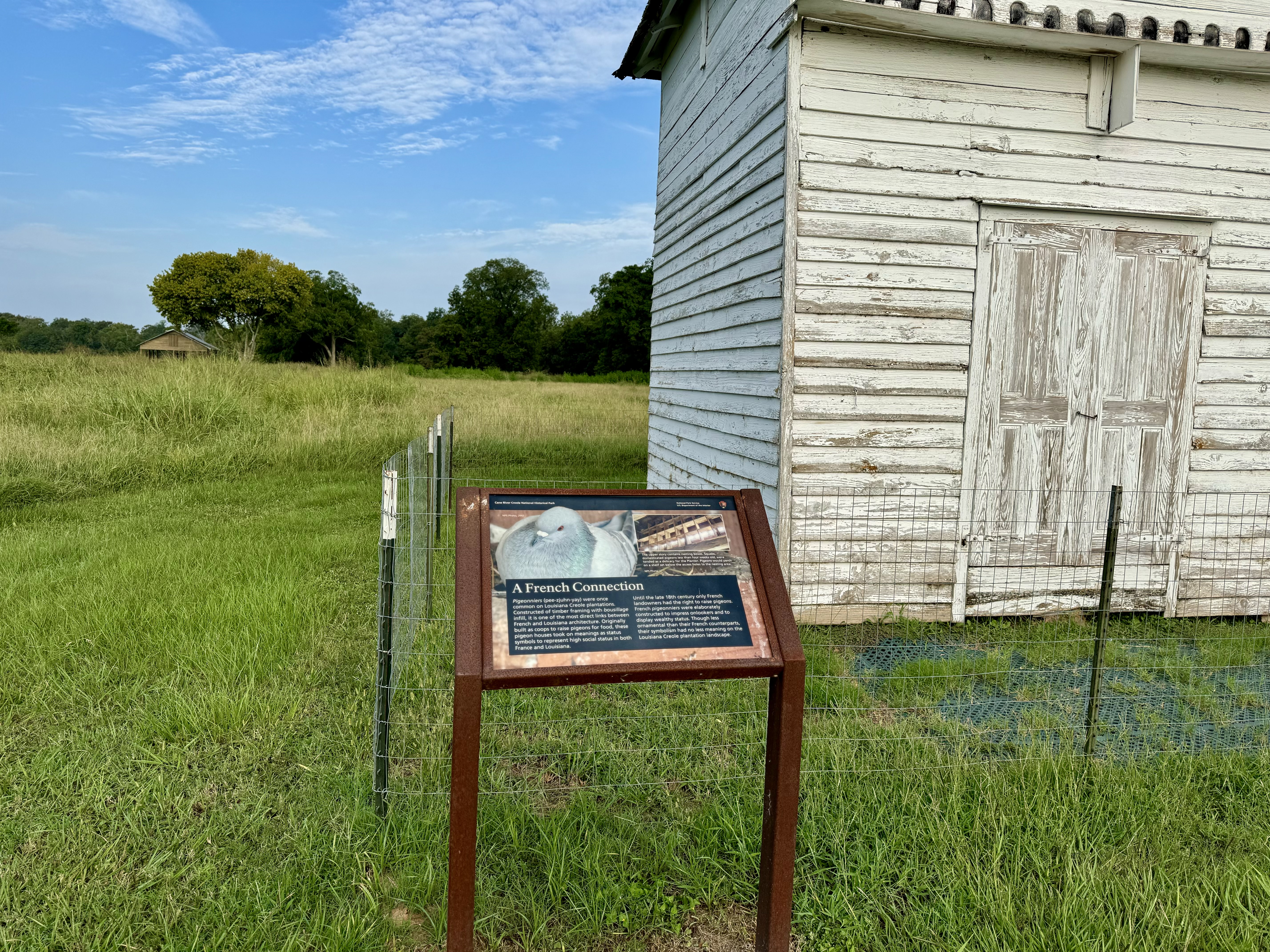
A French Connection
audio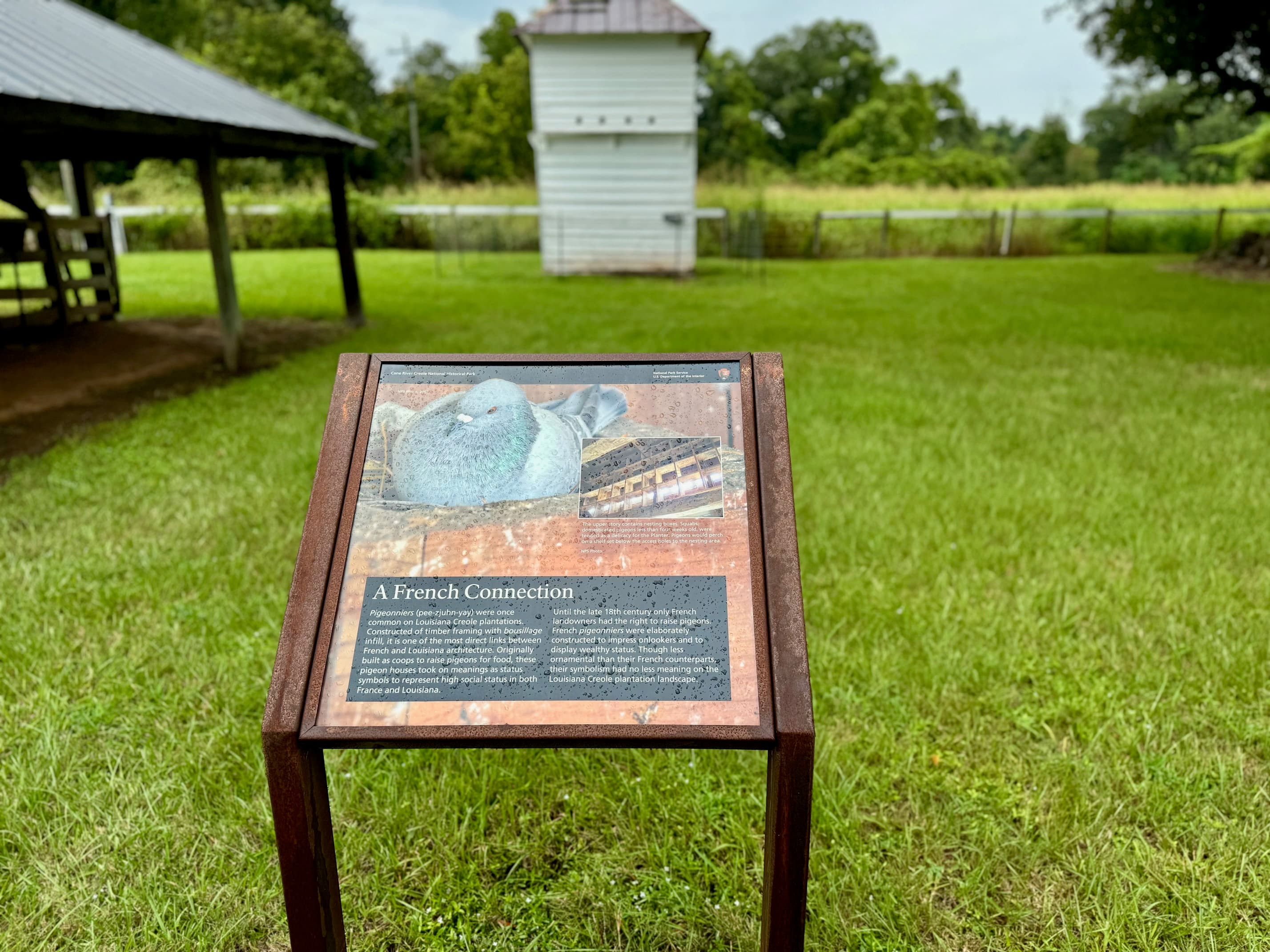
A French Connection on Magnolia Plantation
audio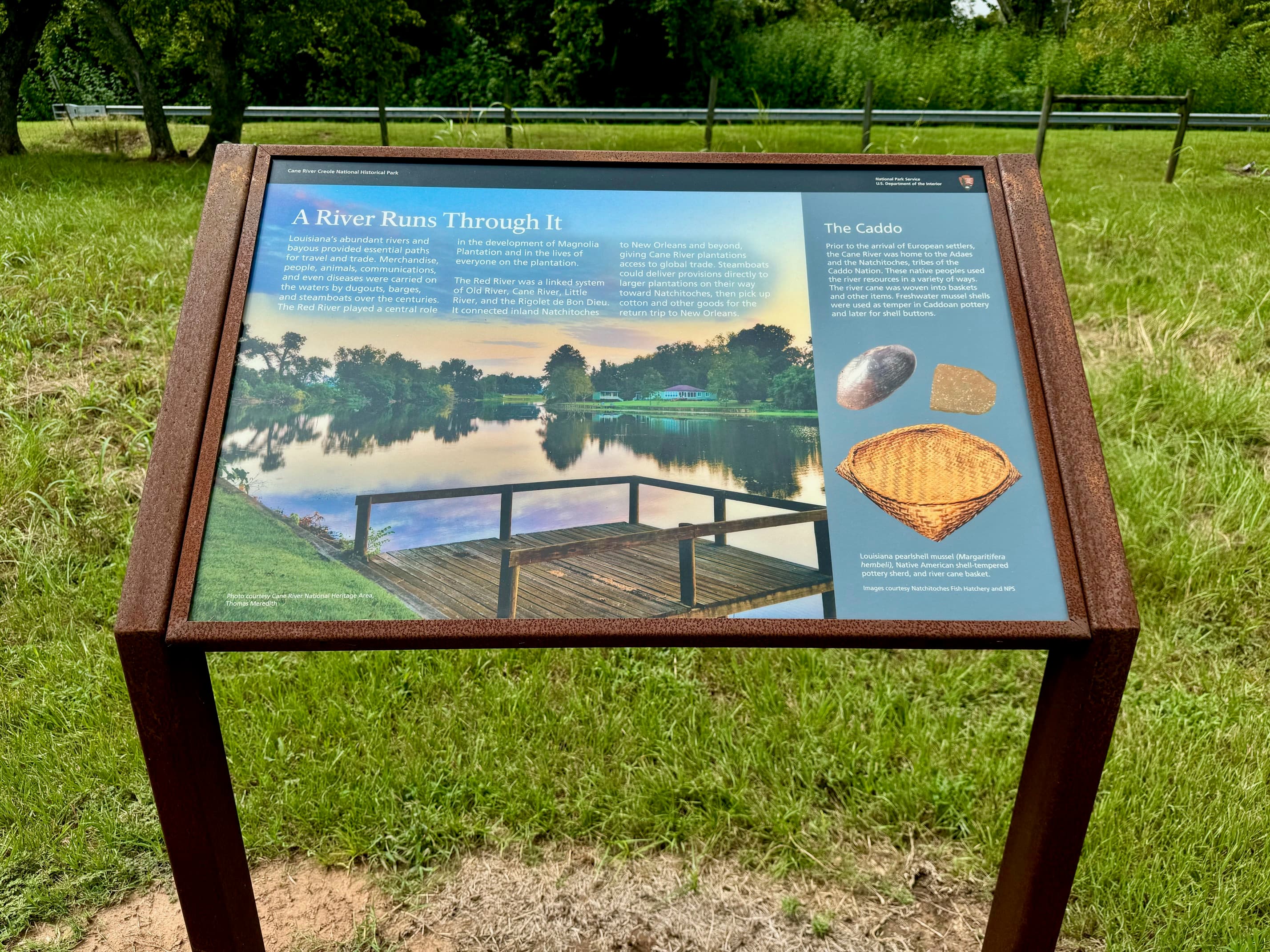
A River Runs Through It
audio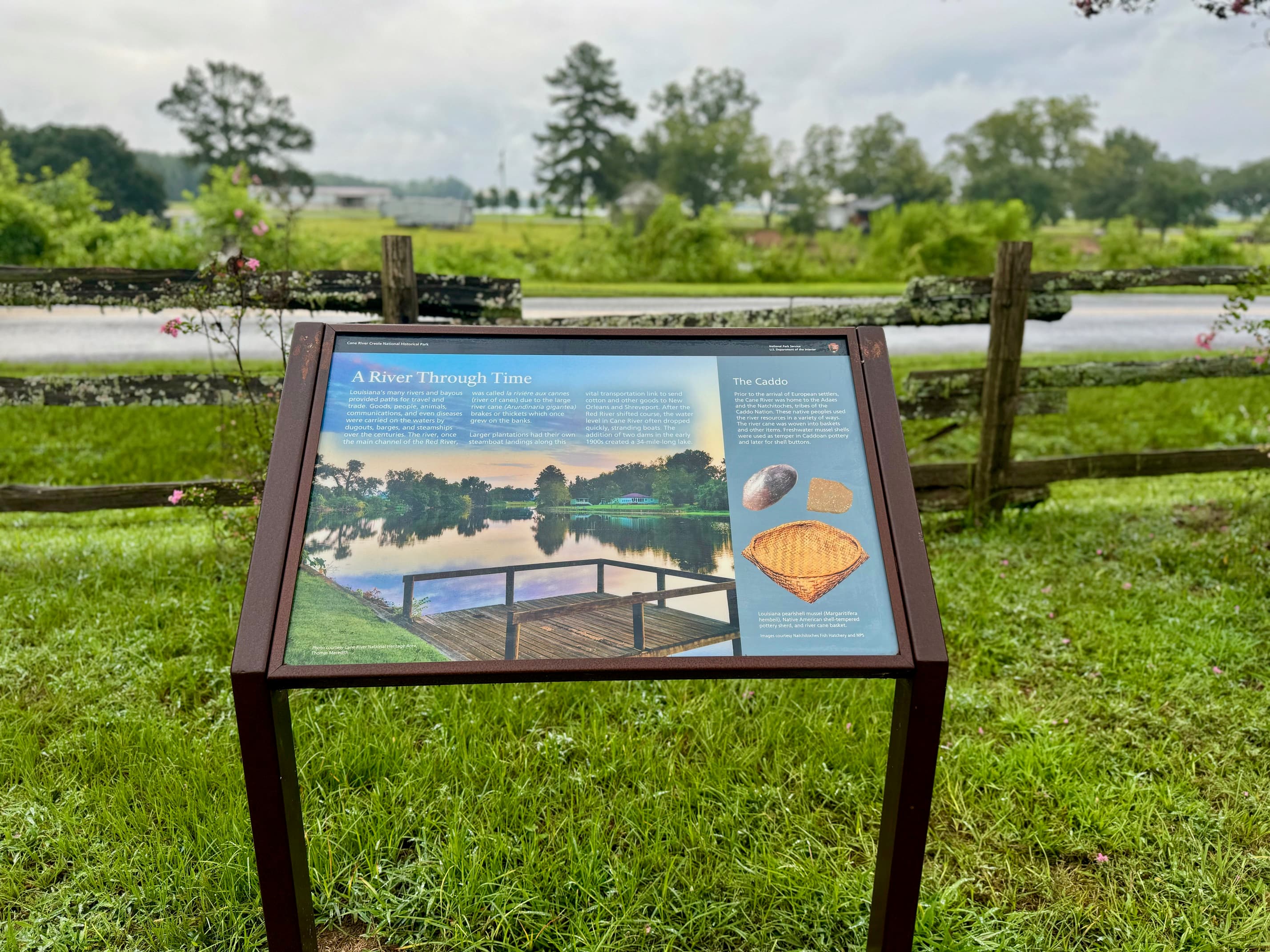
A River Through Time
audio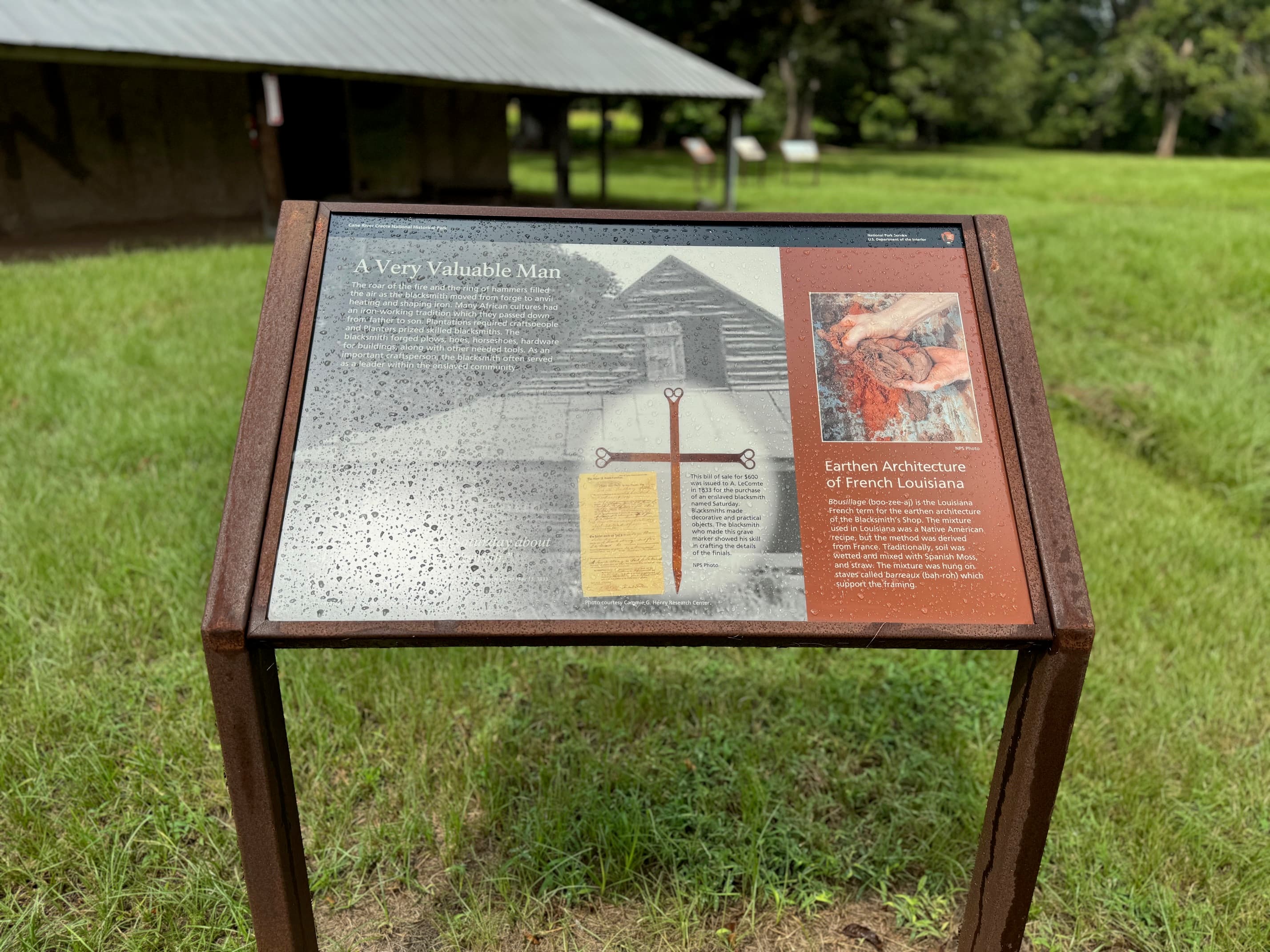
A Very Valuable Man
audio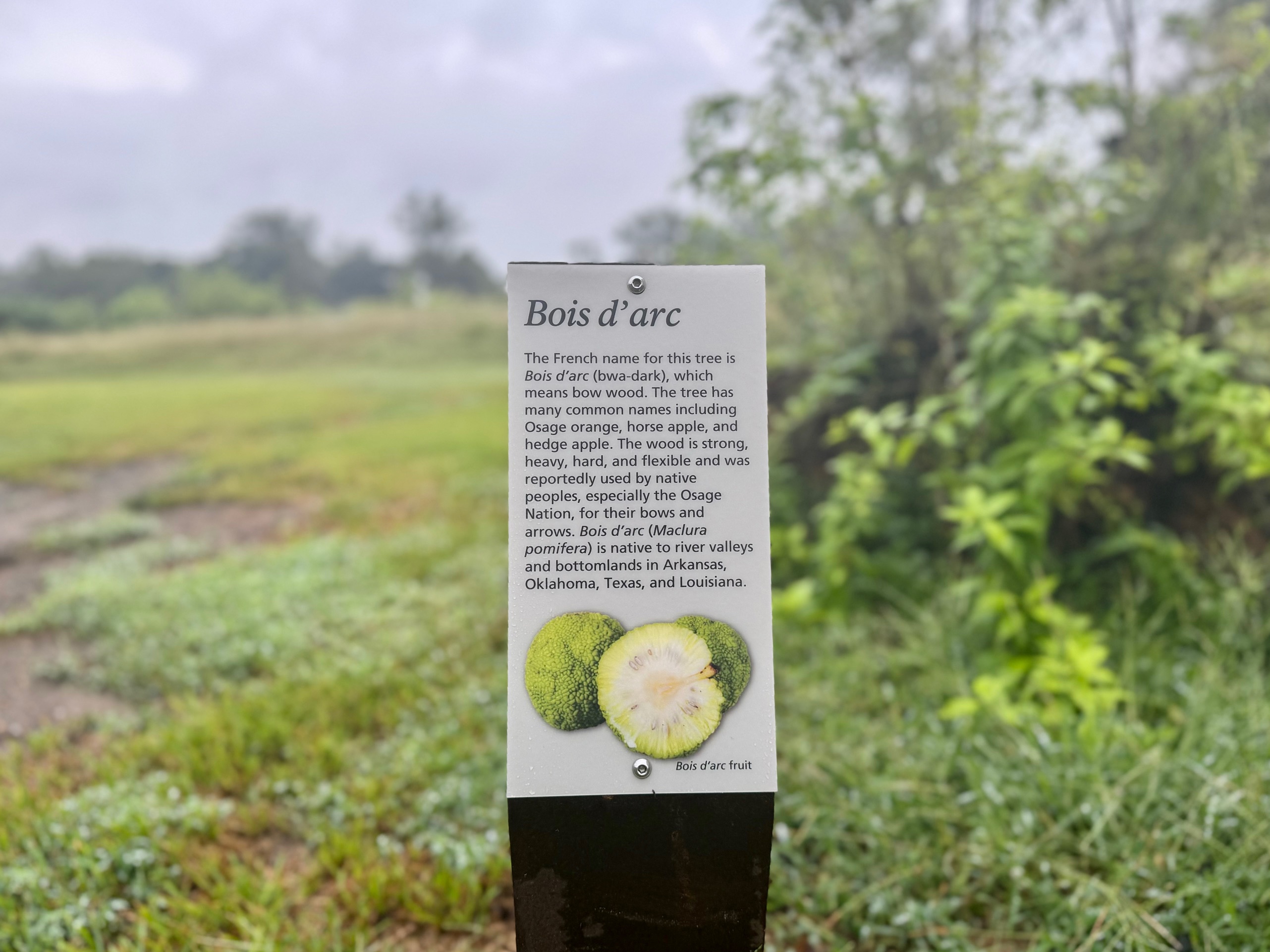
Bois D'Arc Exhibit
audio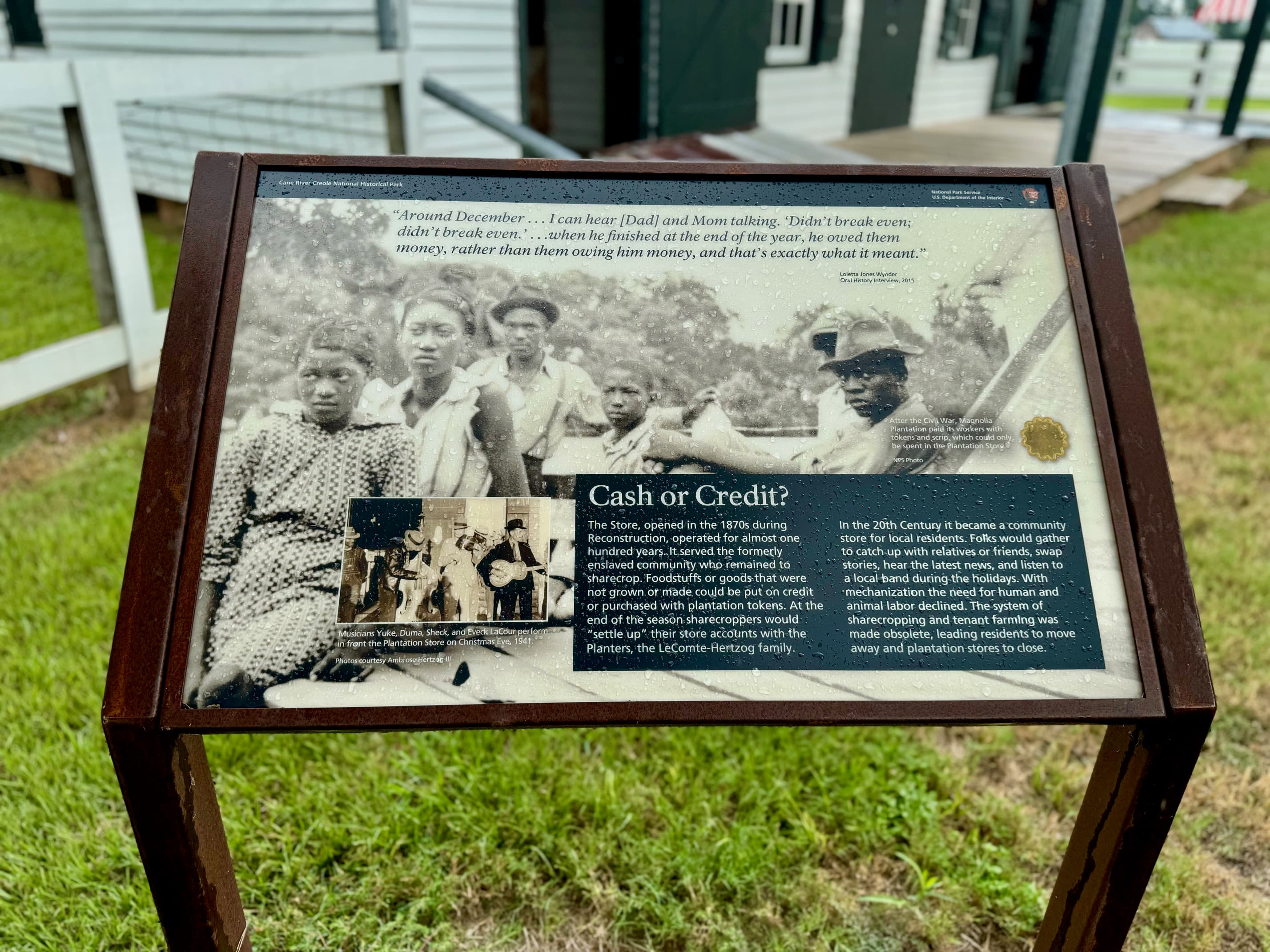
Cash or Credit
audio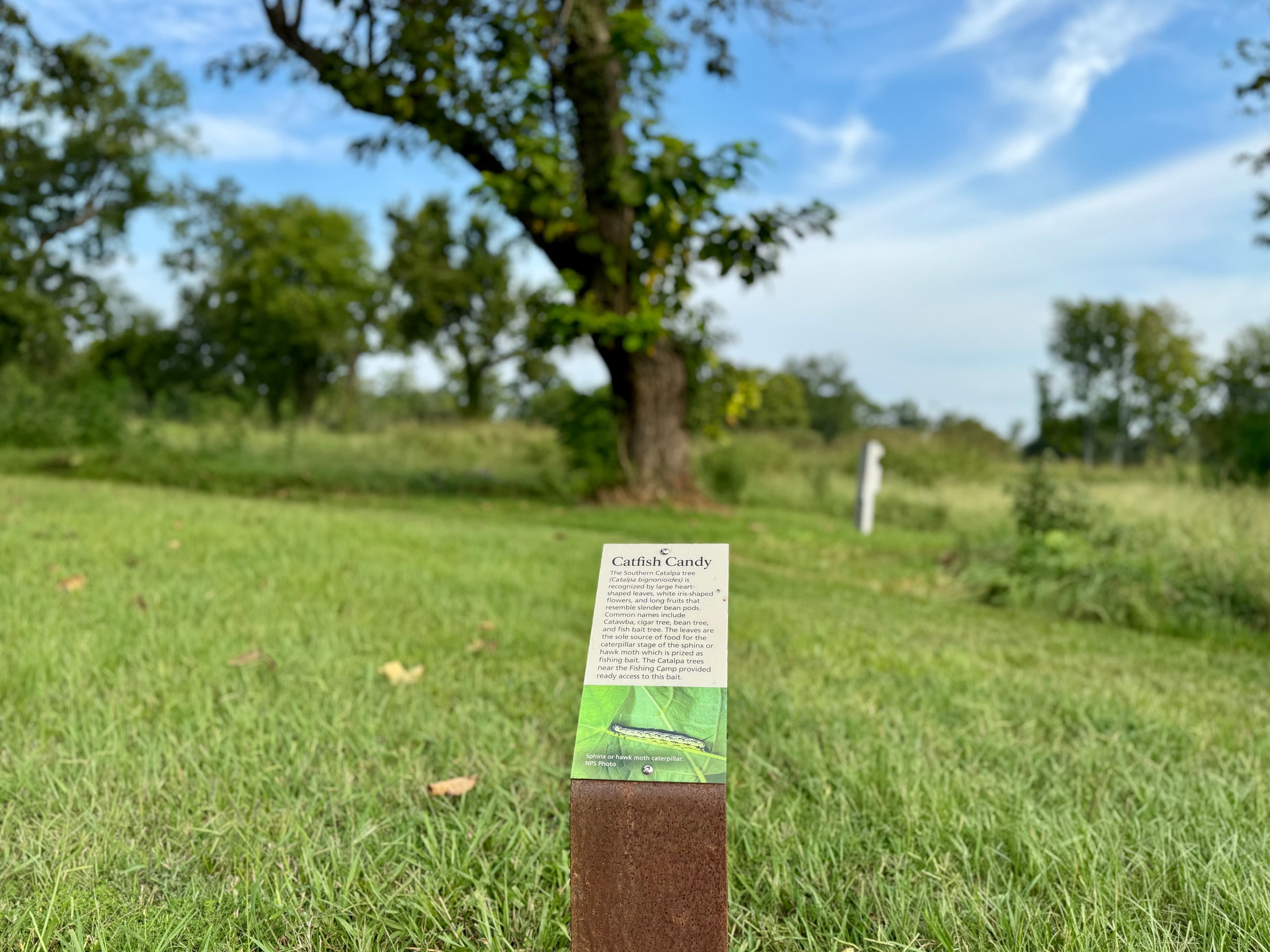
Catfish Candy
audio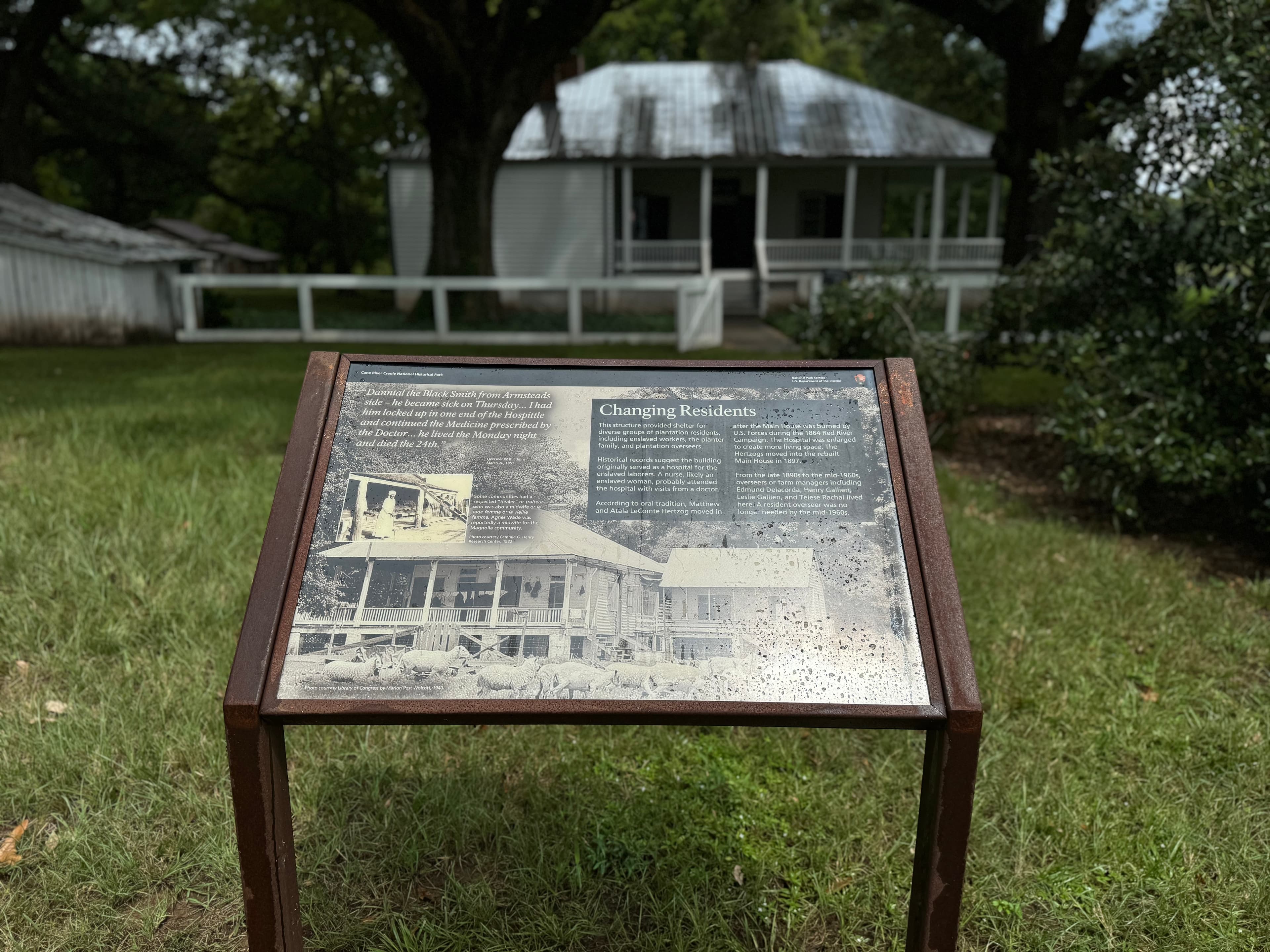
Changing Residents
audio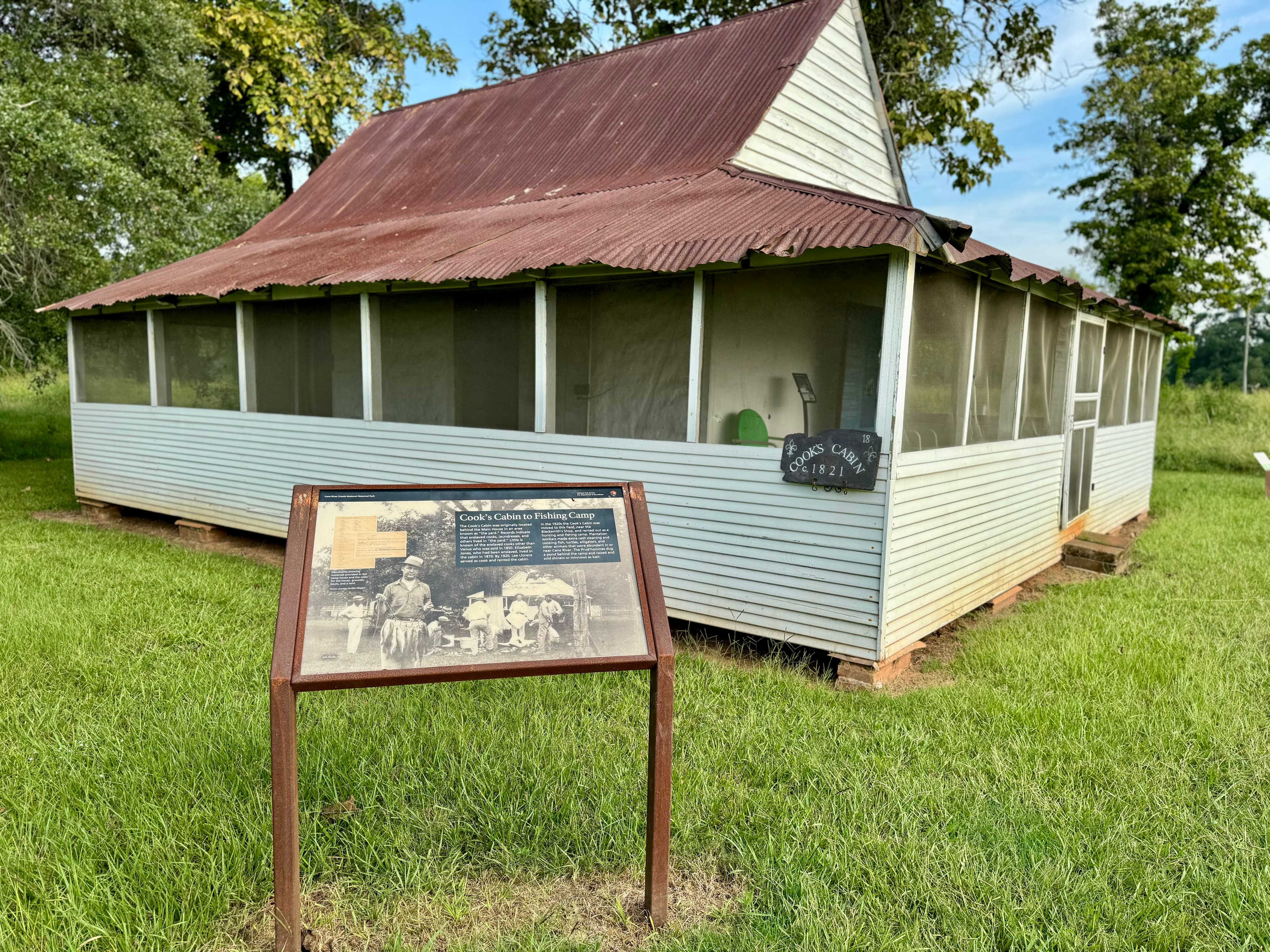
Cooks Cabin to Fishing Camp
audio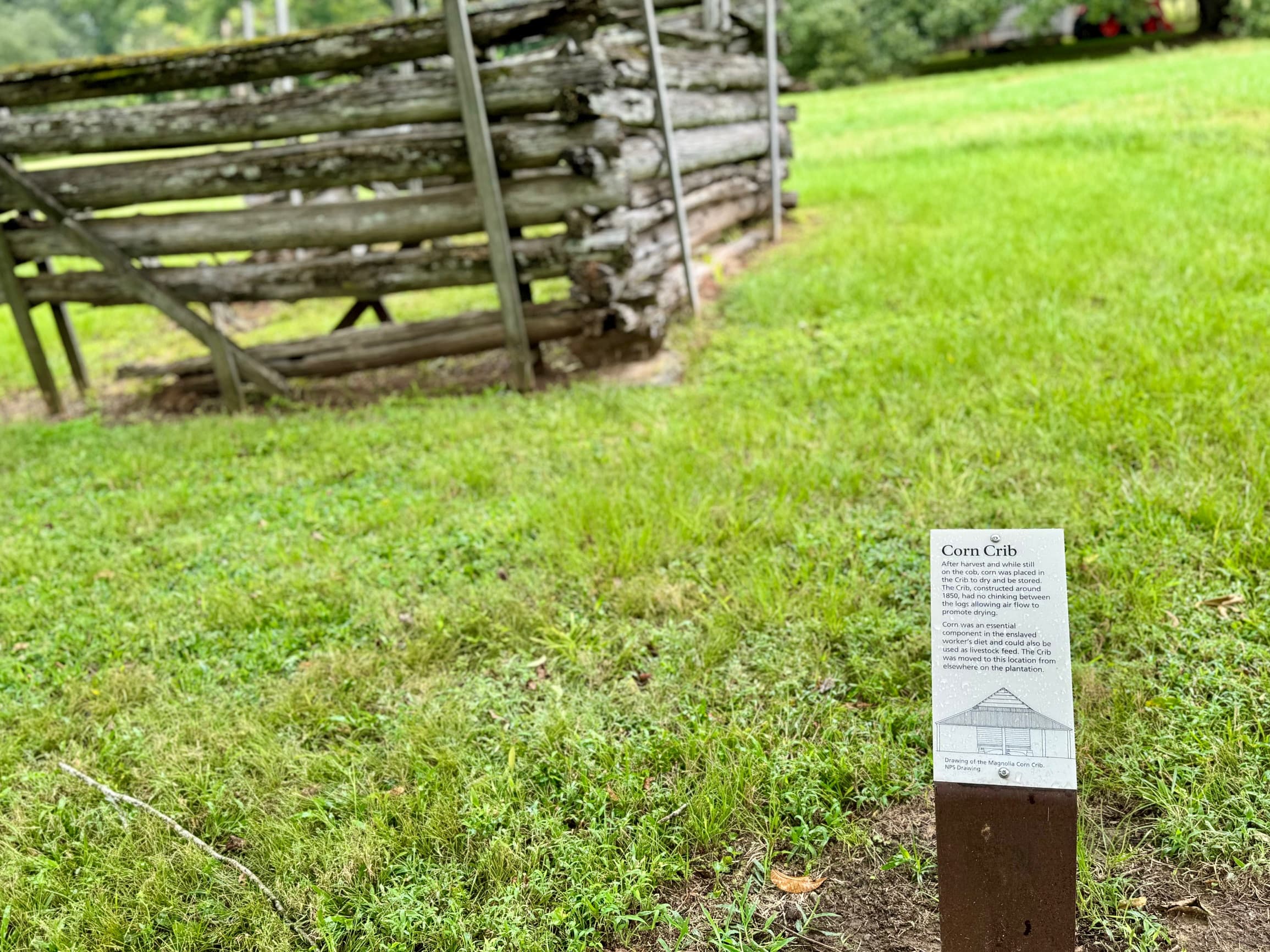
Corn Crib at Magnolia Plantation
audioAudio & media
🎧
🎬
🖼
Learn more
The annual 2024 Director’s Management and Administration Awards recognize outstanding contributions to the advancement and service of management, administration, Information Technology, and Information Management by NPS employees. The Excellence Awards recognize employees who go beyond day-to-day duties to solve problems or create new opportunities. They do so with creative thinking and action.
The annual Cane River Music Festival celebrates the tradition of live music on the landscape of Cane River Creole National Historical Park. It began with early "juré singing" without instrumentation, evolved into a style that incorporated rhythm and blues with accordion, saxophone, and washboard. Today, contemporary musicians play Creole music inspired by tradition and newer influences. Creole culture was and continues to be a blend of continuity and change.
The Code Noir initially took shape in Louis XIV’s edict of 1685. Although subsequent decrees modified a few of the code’s provisions, this first document established the main lines for the policing of slavery right up to 1789.
Article on Creole Architecture along Cane River in the Natchitoches, Louisiana region.
Although the abolition of slavery emerged as a dominant objective of the Union war effort, most Northerners embraced abolition as a practical measure rather than a moral cause. The war resolved legally and constitutionally the single most important moral question that afflicted the nascent republic, an issue that prevented the country from coalescing around a shared vision of freedom, equality, morality, and nationhood.
Historically, plantation landscapes were limewashed or “whitewashed.” The reasons behind this centuries old practice are both aesthetic and practical. Limewashed structures brighten up the surroundings and look great because it glows due to innumerable small crystals. But did you know that limewash is a fire retardant, antiseptic, antifungal, odorless and non-allergic paint?
In commemoration of the 100th anniversary of the passing of the 19th Amendment the National Park Service has developed a number of special programs. This includes online content, exhibits, and special events. The National Park Service’s Cultural Resources Geographic Information Systems (CRGIS) announces the release of a story map that highlights some of these programs and provides information for the public to locate and participate.
Jason Church speaks with Moss Rudley, an exhibit specialist with the masonry division at the Historic Preservation Training Center (HPTC), specifically work they are doing with the historic building material bousillage.
Ranger School
Park-grounded courses you can learn with the Ranger.
A Fish's Journey
Open →
Cartography: Map Making and Red River Campaign of 1864 Battle Plans
Open →
Civil Rights Leaders Bingo
Open →
Louisiana Life
Open →
Shapes in the Landscape
Open →
The Civil War Comes to Louisiana
Open →
The Sharecroppers, Tenant Farmers, and Day Laborers
Open →
What Did They Eat?: Archeology and Animal Bones
Open →
How Cane River Creole National Historical Park connects
This park's activities, topics, location, and on-the-ground places — one hop in the graph. Drag to explore; click an activity, topic, or related park to follow it.
Park
Activity
Topic
State
VisitorCenter
PassportStamp
ParkingLot
Trail
ThingToDo
Alert
Similar parks
Share activities & topics with Cane River Creole National Historical Park.