Boston African American National Historic Site
Massachusetts
Tonight
🌓 65% moon
8.6 h fully dark
Crowds
low
Open today
Open
Entrance
Free entry
Centered on the north slope of Beacon Hill, the African American community of 1800s Boston led the city and the nation in the fight against slavery and injustice. These remarkable men and women, together with their allies, were leaders in the Abolition Movement, the Underground Railroad, the Civil War, and the early struggle for equal rights and education.
Topics
No entrance fee.
Hours & seasons
Boston African American National Historic Site rangers offer tours of the Black Heritage Trail seasonally. Please check the park calendar for available tours and programs.
Generally open:
winterspringsummerfallHours are reported by the park — verify before you go.
📞 6174296760
✉ boaf_mail@nps.govConditions
Quietest months (fewer crowds): Jan, Feb, Mar, Dec
Typical crowds: low
Weather now: ☁️ Overcast, 62°F
🌦️ 62°/50°
🌦️ 65°/55°
☁️ 57°/52°
Typical monthly recreation visits · NPS avg 2023–2025 — orange months are the quietest by crowds.
Quietest months
Relative crowds by month — lighter is quieter; ringed months are the calmest by crowds.
Jan
1%
Feb
3%
Mar
5%
Apr
7%
May
38%
Jun
100%
Jul
90%
Aug
81%
Sep
33%
Oct
15%
Nov
7%
Dec
5%
Log a sky reading
Measured the sky with an SQM meter or app? Add your reading (16 = city glow … 22 = pristine). Opt in under “Travelers like you” to share it on the community leaderboard.
Things to do
History at Sunset Walking Tours · 2 mi · Tours will vary in length.
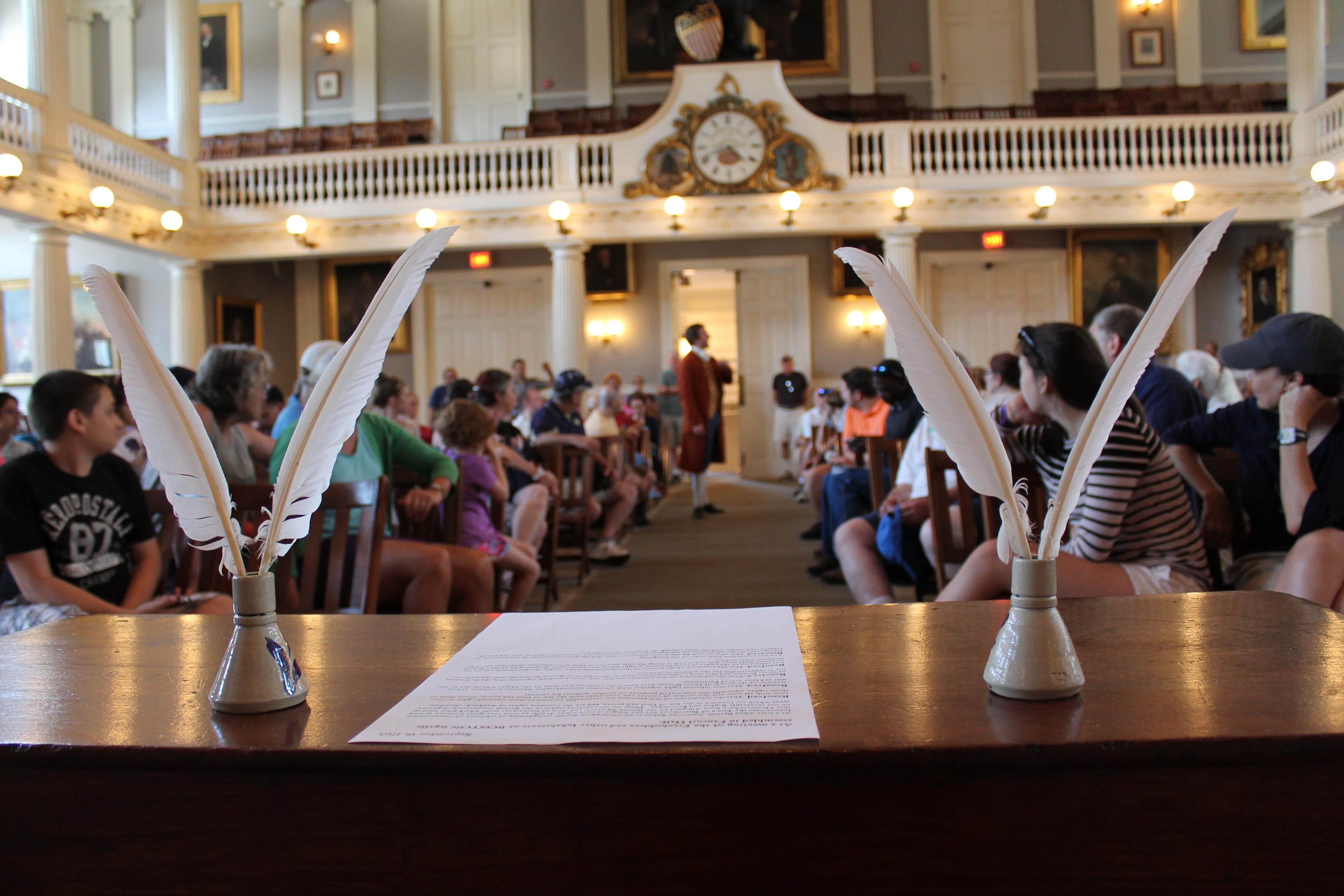
Join a Historic Town Meeting at Faneuil Hall
Walk the Black Heritage Trail® · 1.4 mi · <p>The Black Heritage Trail<sup>®</sup> Tours typically lasts 1.5 hours.</p>
Visit Historic Faneuil Hall
National Parks of Boston: Find Your Park Anywhere · <p>The activities range in time duration.</p>
Explore Boston with a Free Audio Tour
Become a Junior Ranger at Boston African American National Historic Site
Become a Junior Ranger at Boston National Historical Park
Visitor centers
Faneuil Hall Visitor Center
Accessibility
32 audio-described place(s)
Reported by the park — verify before you go.
Not an official safety source — always defer to NPS.gov and rangers for life-safety decisions.
By the numbers
A visual read on Boston African American National Historic Site — its character, trails, sky, and weather.
Park fingerprint
How this park scores across the dimensions travelers care about.
Trail difficulty
Difficulty mix across this park's trails.
3-day forecast
Daily high and low temperatures (°F).
People & stories
Figures tied to Boston African American National Historic Site — each spans a cross-park journey.
Abram E. Cutter
— Boston, Boston Vigilance Committee 1850, Underground RailroadAgnes Adams
— Boston, Black Womanhood Series, African American Civil RightsAlfred Augustus Childs
— Boston Vigilance Committee 1850, Boston, Underground RailroadAlice Casneau
— Boston, Black Womanhood Series, Women's RightsAlvah A. Burrage
— Boston African American National Historic Site, Boston National Historical Park, Boston Vigilance Committee 1850Amos Bronson Alcott
— Education, Activist, Activists ReformersAmos W. Locke
— Boston Vigilance Committee 1850, Boston Vigilance CommitteeAndrew Malcolm McPhail Jr.
— Boston African American National Historic Site, Boston Vigilance Committee, Boston Vigilance Committee 1850Passport stamps
Mark the stamps you've collected — they show in your memory and along your routes.
🎫 Faneuil Hall
🎫 Faneuil Hall Visitor Center
🎫 Faneuil Hall Visitor Center
Places to see
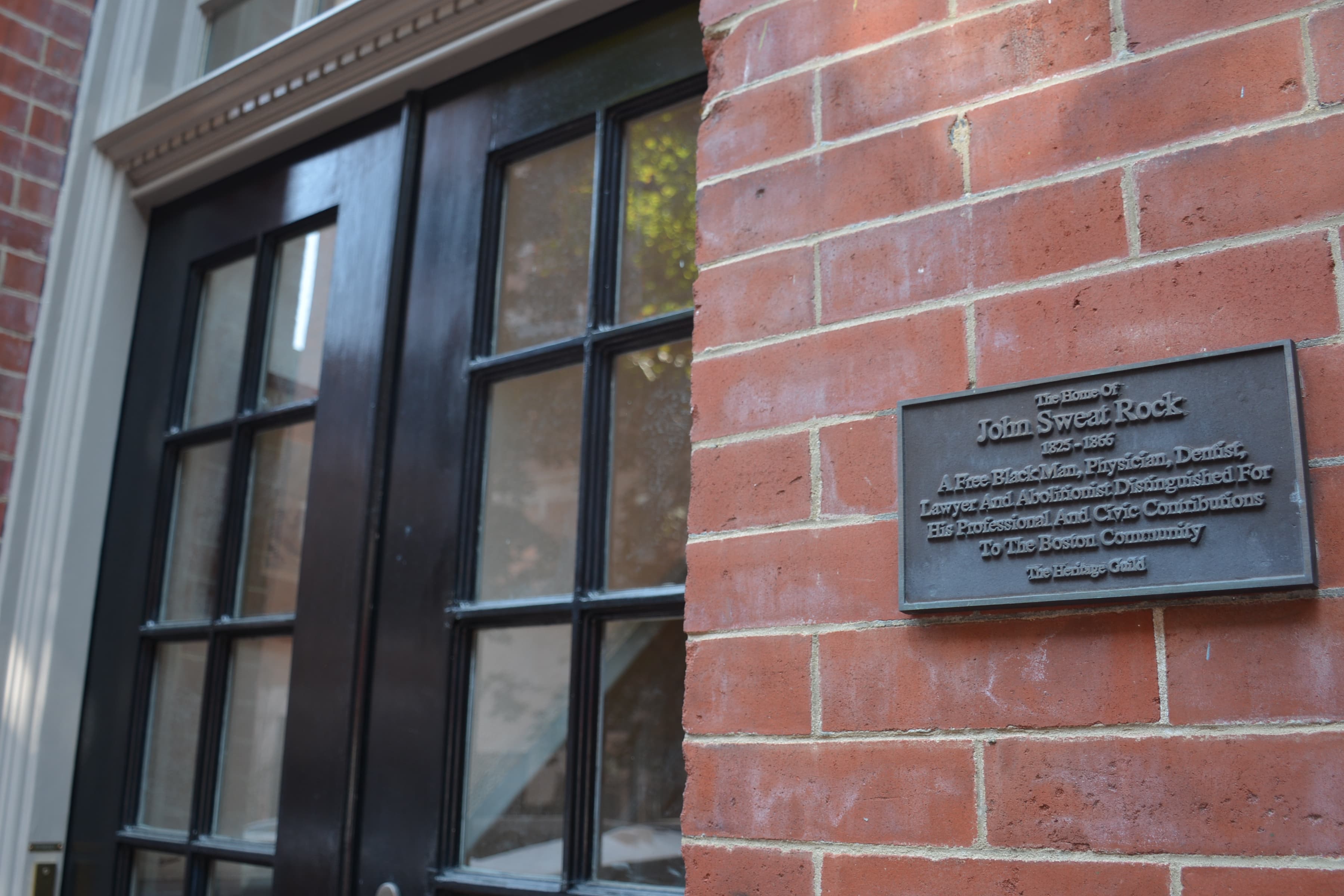
81-83 Phillips Street
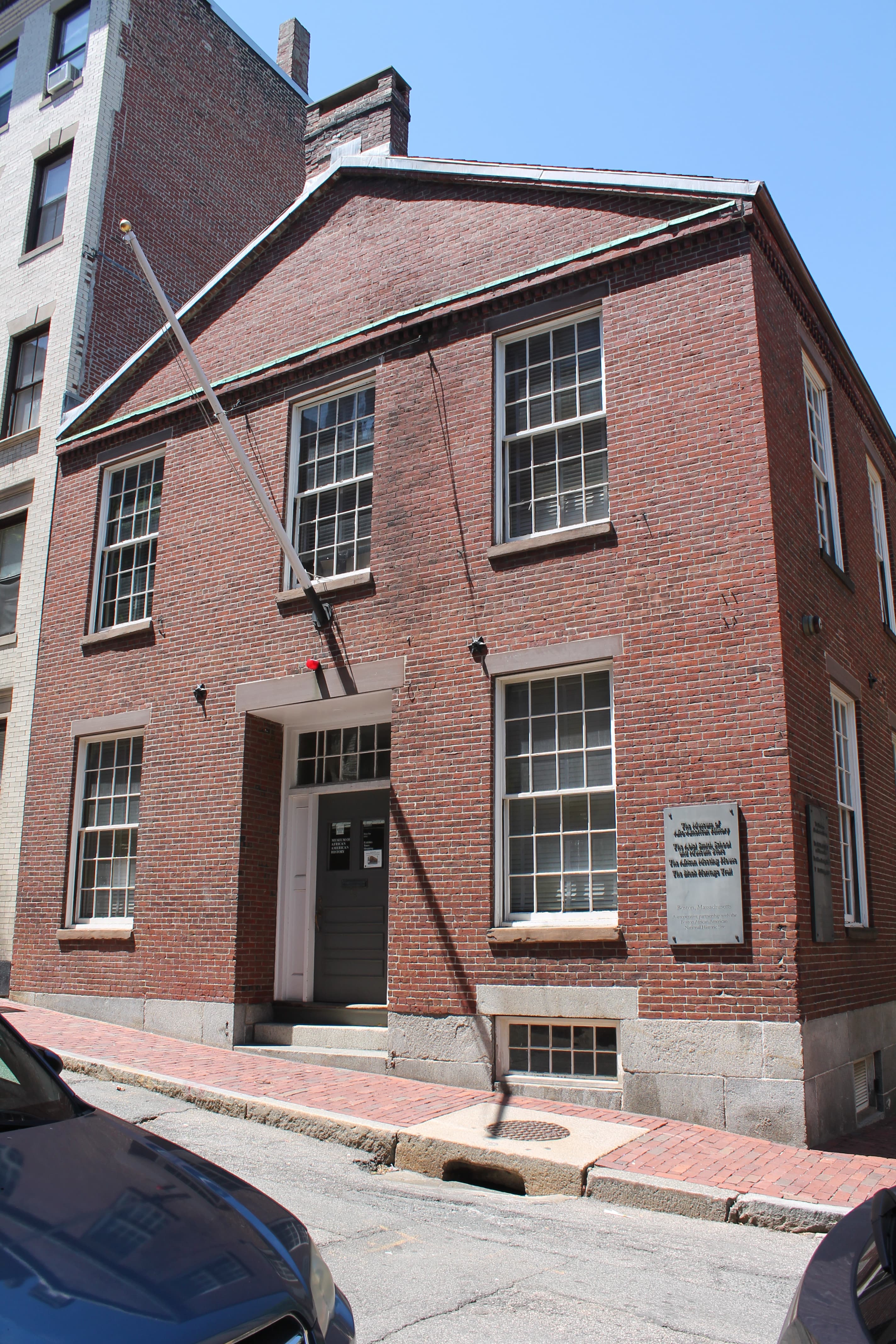
Abiel Smith School
audio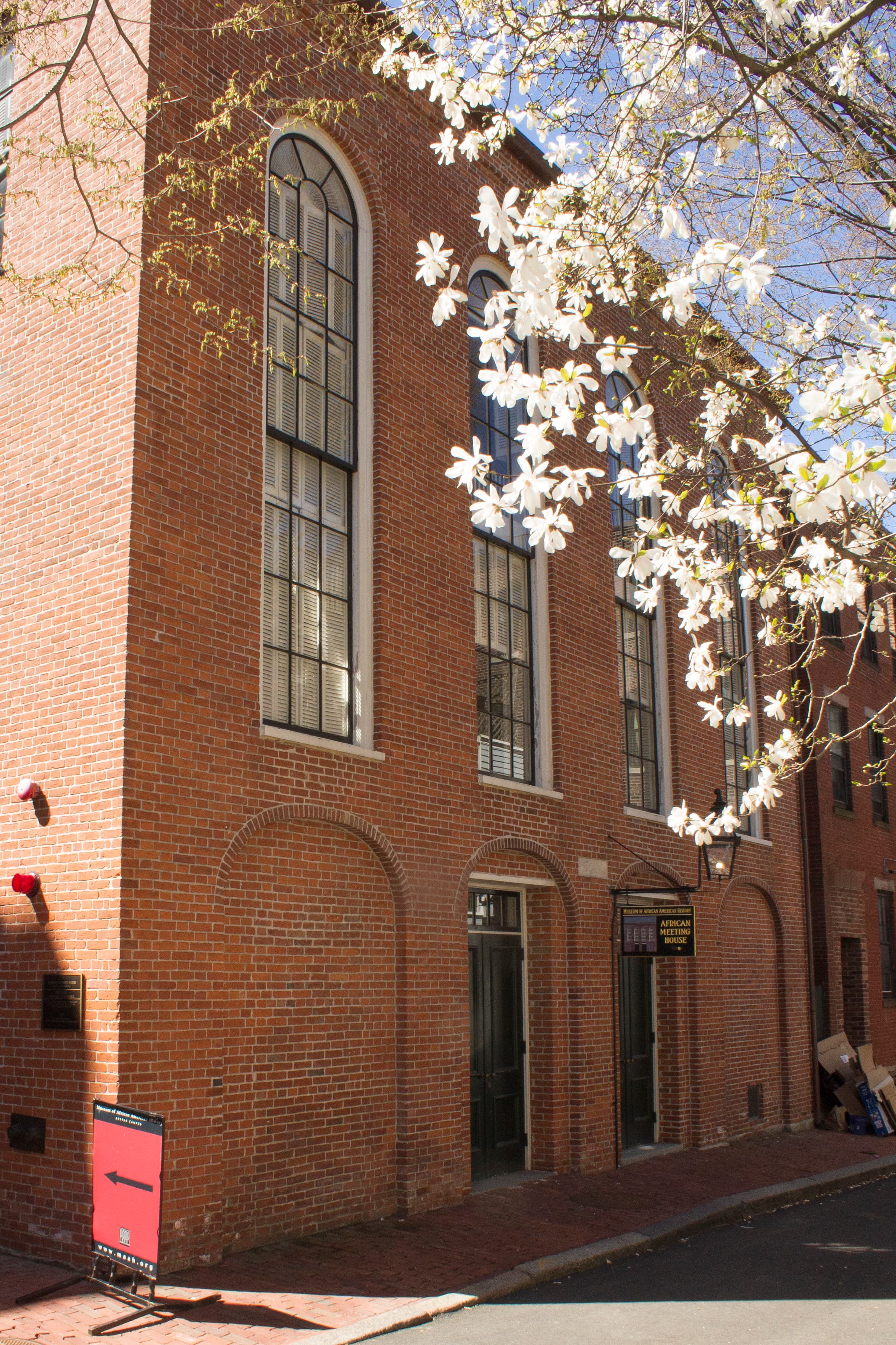
African Meeting House
audio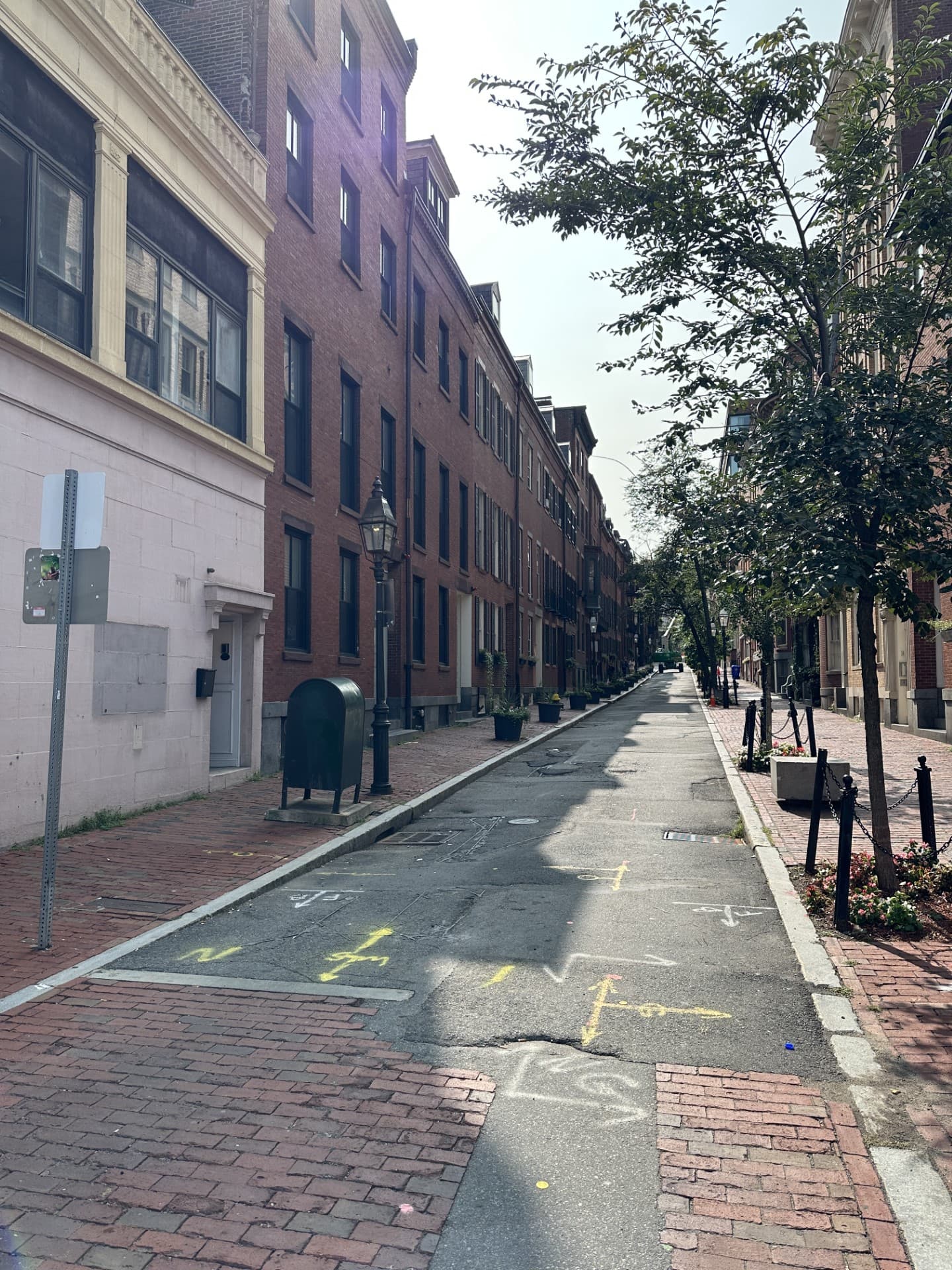
Angelina Weld Grimke Early Childhood Home
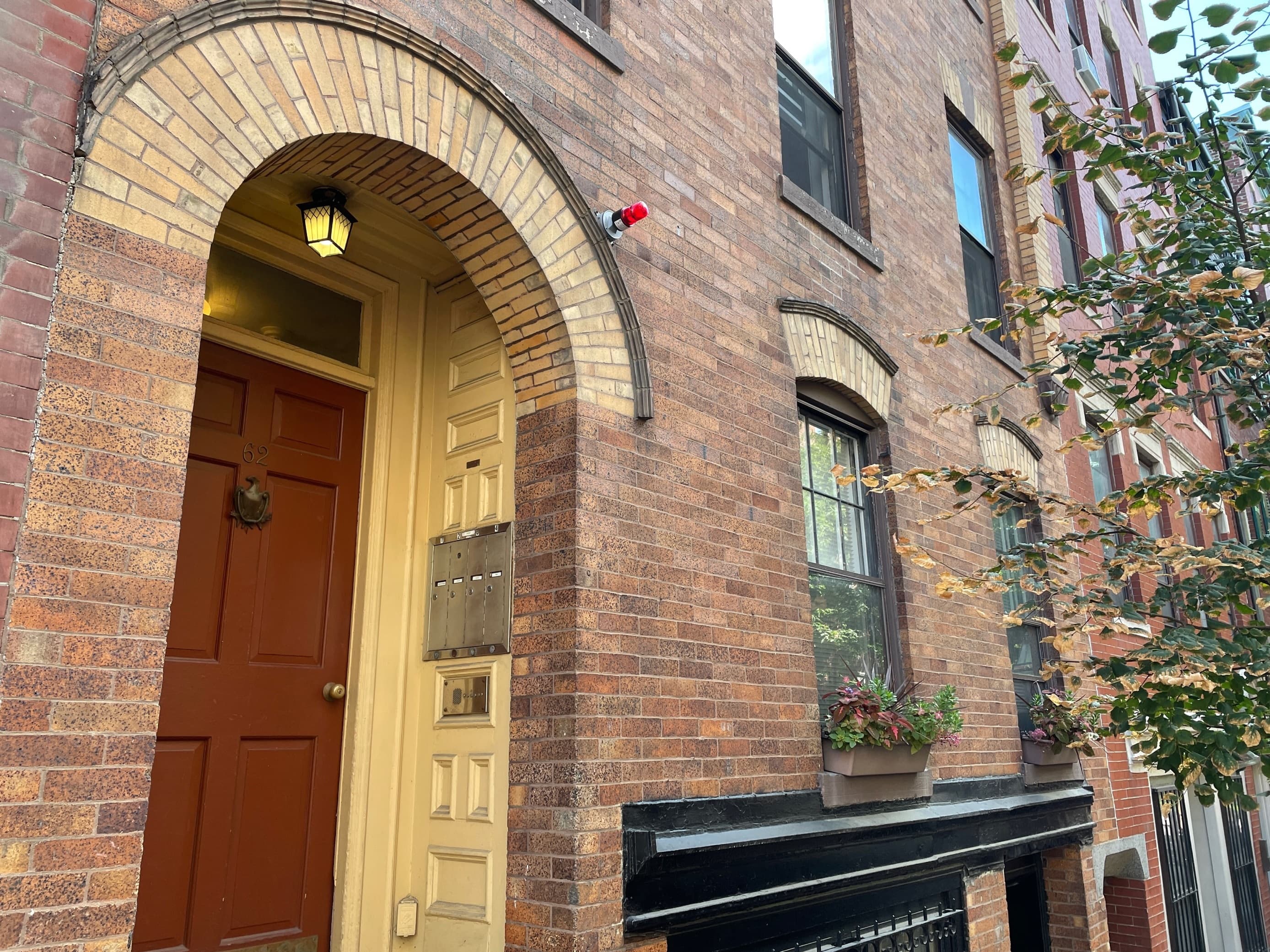
Arianna Sparrow's House
audio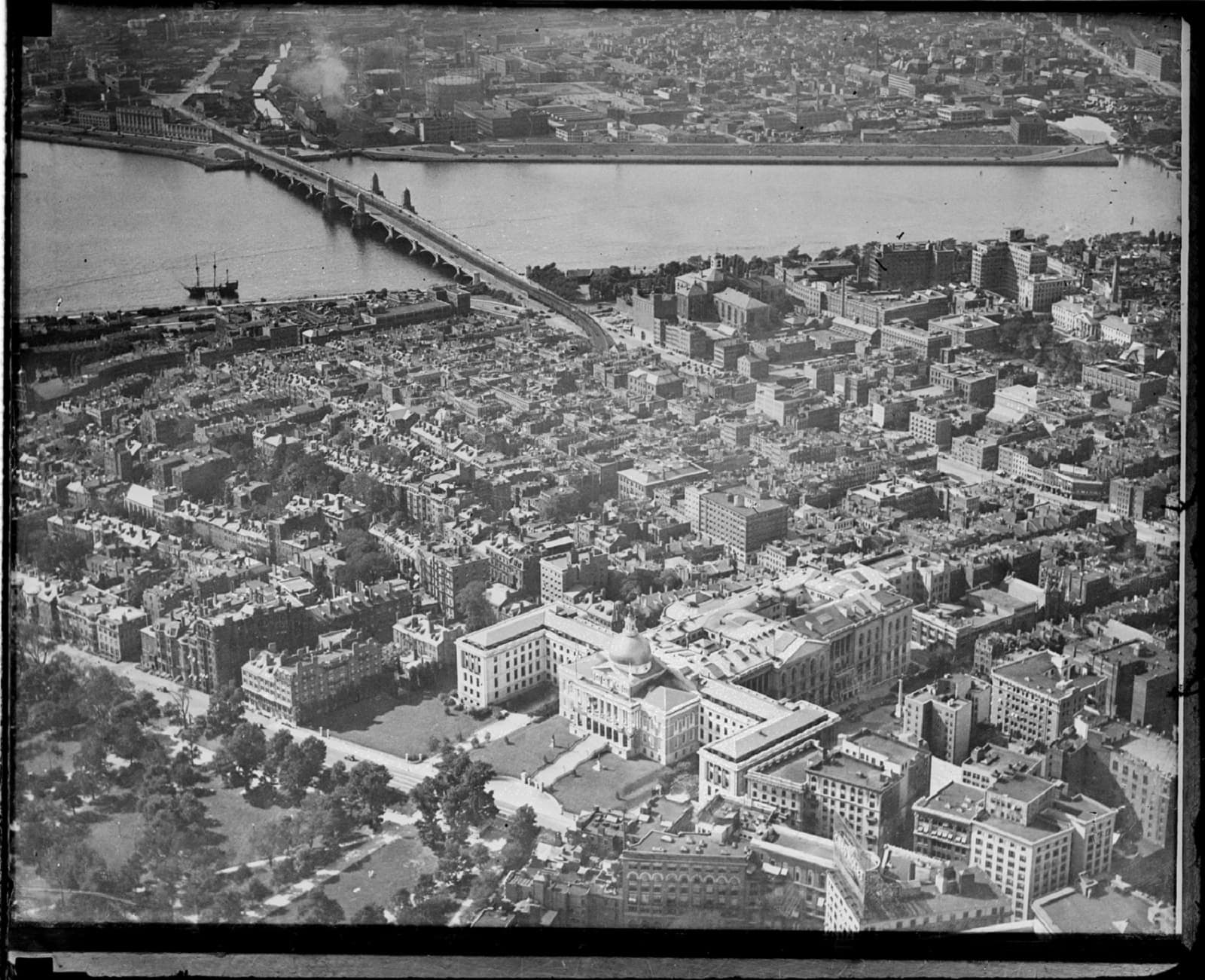
Beacon Hill
audio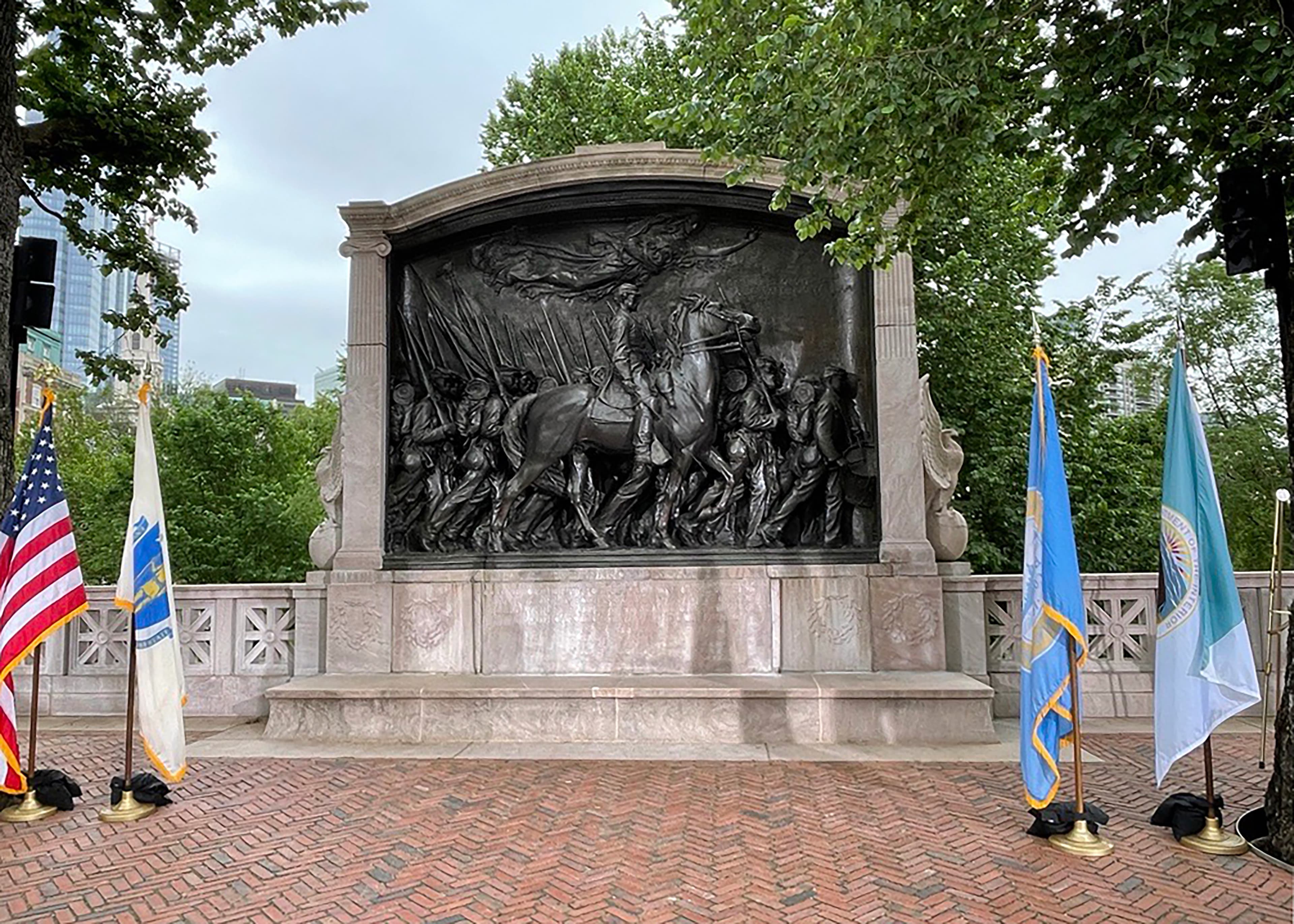
Boston African American National Historic Site
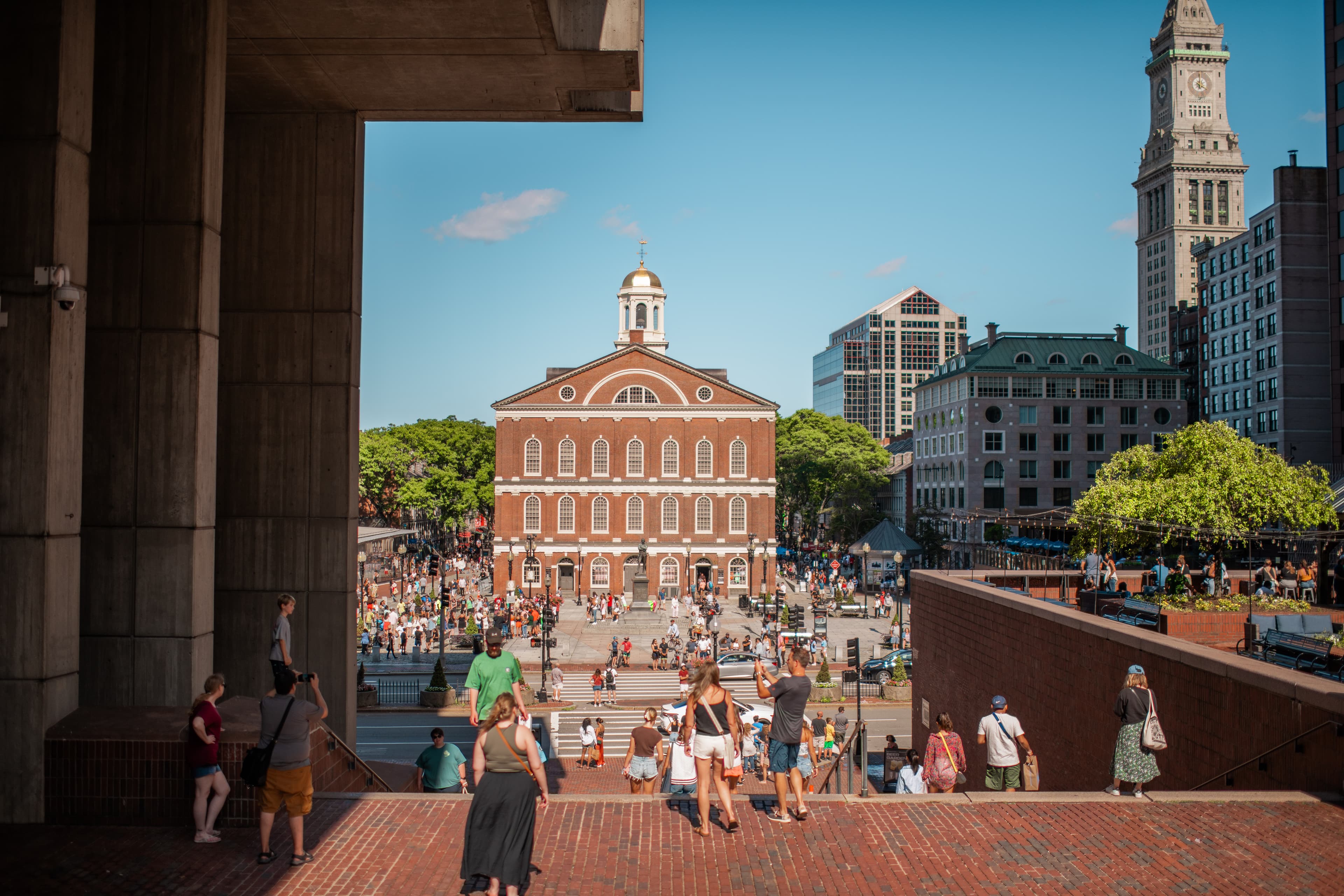
Boston City Hall
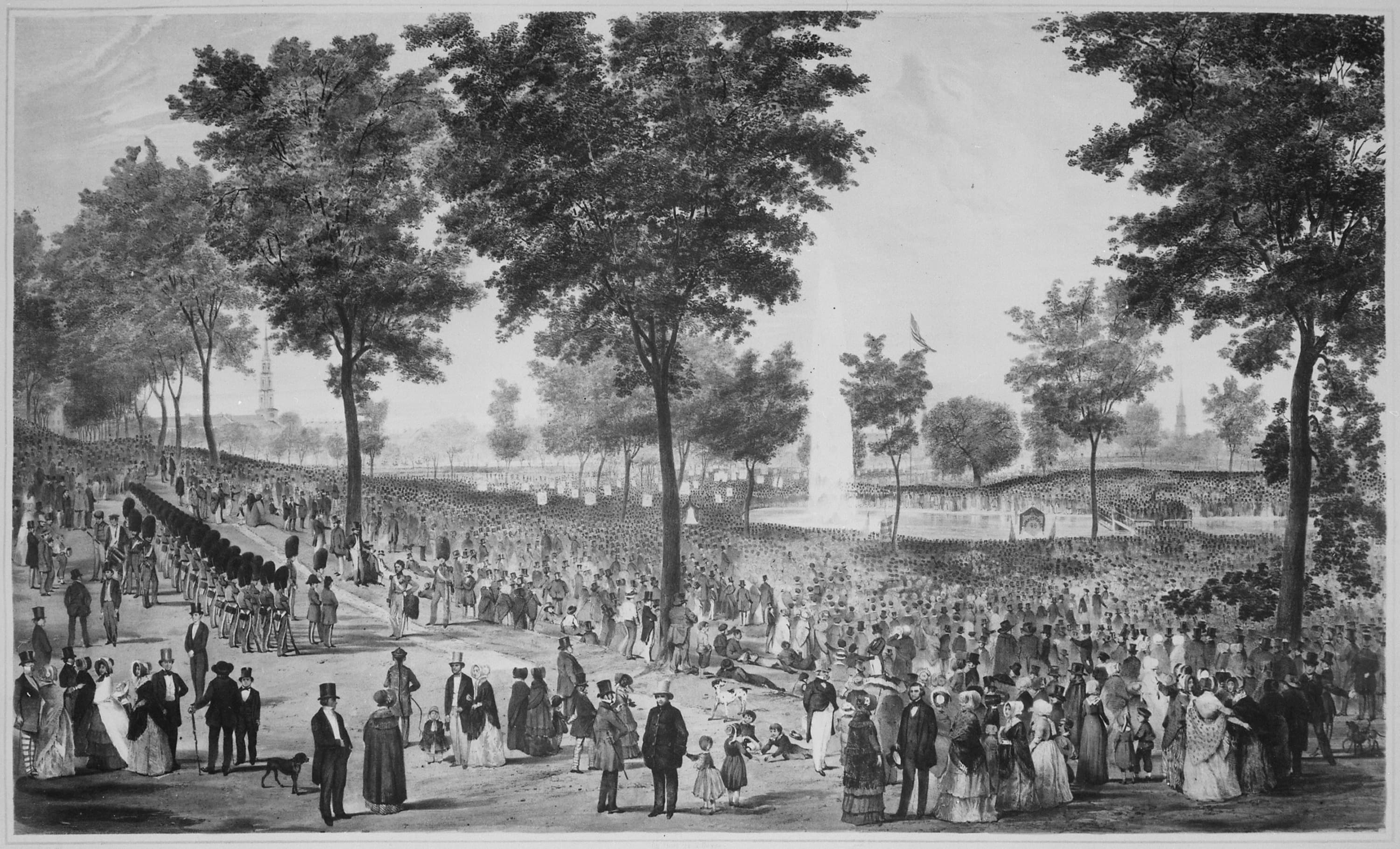
Boston Common
audio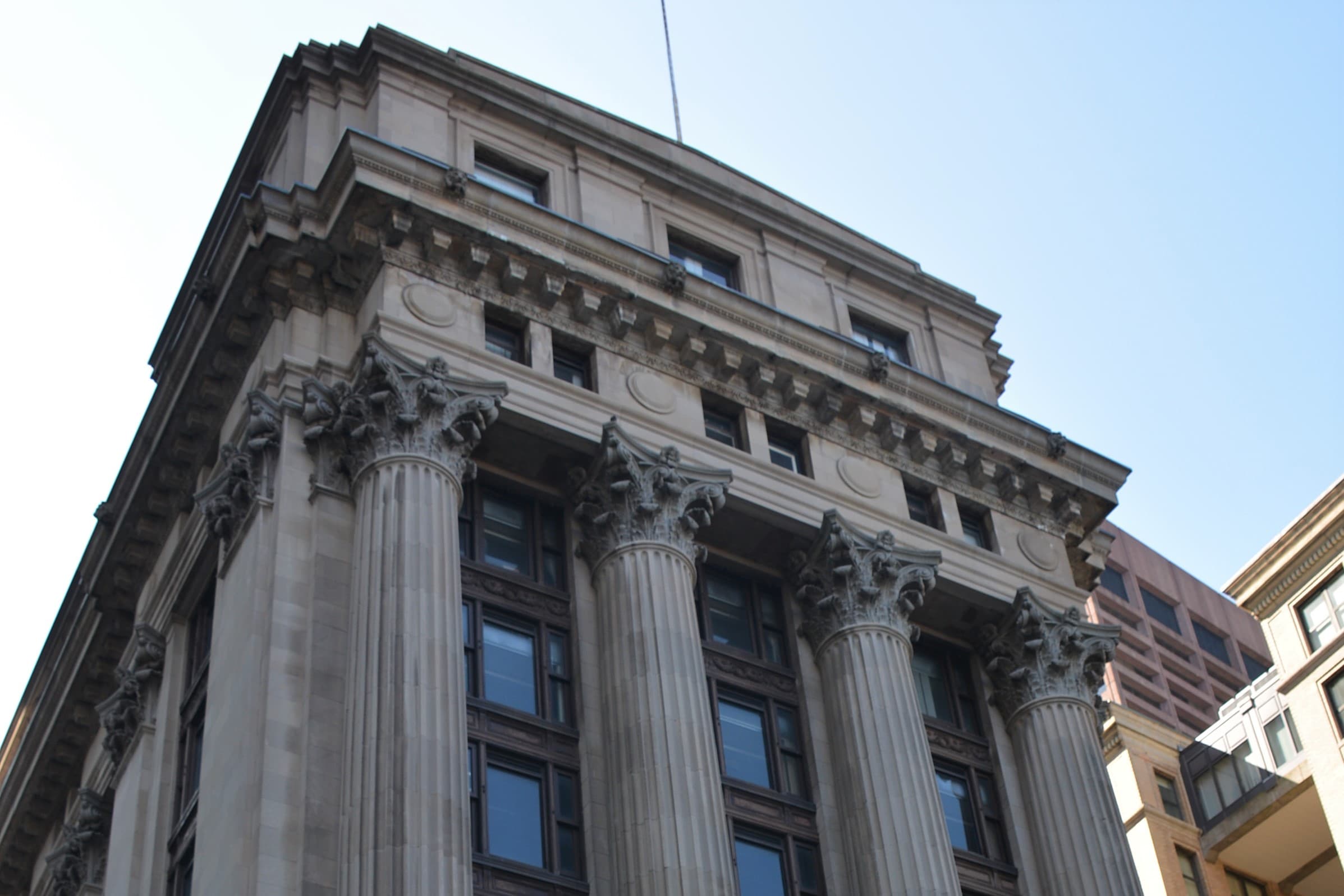
Boston Courthouse
audio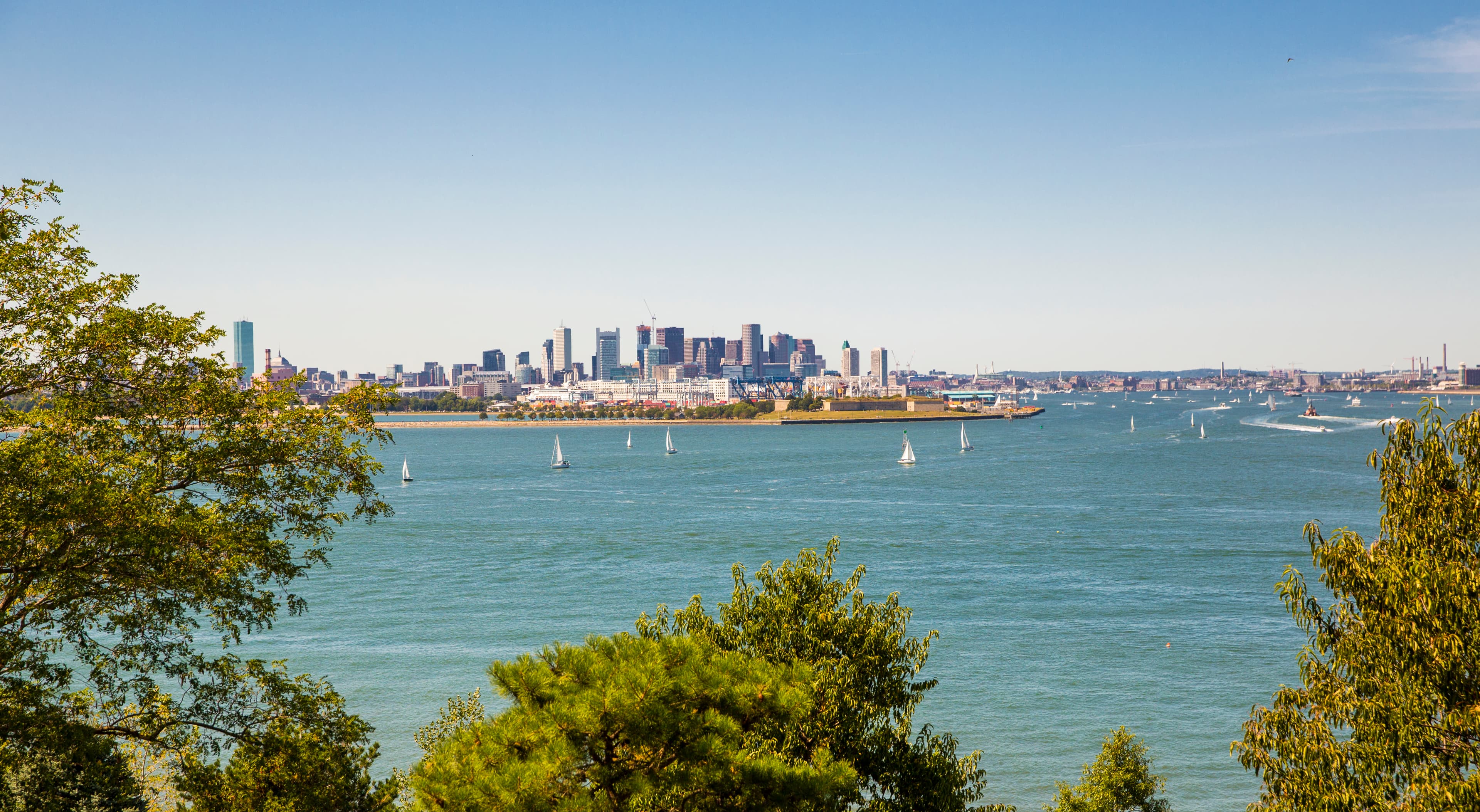
Boston Harbor
audio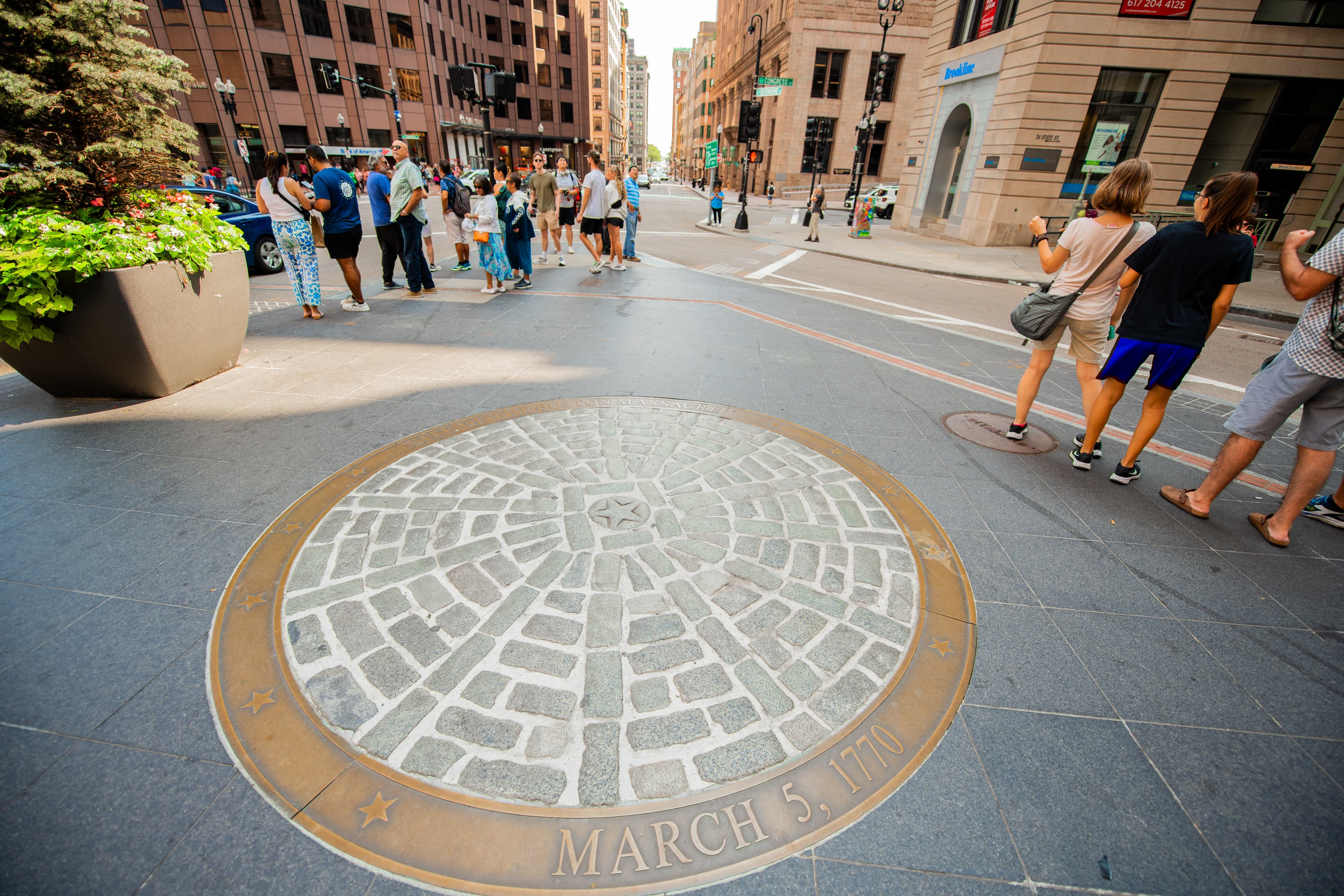
Boston Massacre Site
audioAudio & media
🎧
🎬
🖼
Learn more
Explore a story map about William and Ellen Craft's remarkable journey to freedom. Enslaved in Macon, Georgia, the Crafts escaped slavery by traveling in disguise, with Ellen dressed as a sickly white male planter while William acted as the planter's faithful enslaved man. While they began their new life in Boston, the passage of the Fugitive Slave Law forced them to flee to England as slave catchers sought to return them to slavery.
The humanitarian efforts of the Women’s Service Club have uplifted Boston for over a century. Piloted by generations of Black women, the Club’s activism paralleled broader efforts to eliminate second-class citizenship in American society.
Explore this story map about freedom seeker Anthony Burns, who escaped slavery in Virginia and came to Boston. However, in May 1854 authorities arrested Burns, which sparked major protests, a failed courthouse rescue, a military takeover of downtown Boston, and, ultimately, a return to slavery by the federal government. Eventually freed by Boston abolitionists, Anthony Burns attended Oberlin College and became a minister.
Members of the Woman's Era Club, a Boston-based African American women's club, lived the club's motto to "make the world better" by devoting their lives to numerous causes. Members advocated for women's suffrage and education for African American women, aided the less fortunate and oppressed, and fought racism and discrimination against African Americans.
In 1850, Shadrach Minkins escaped slavery, possibly by hiding as a stowaway on a ship in Norfolk Harbor. Months after arriving in Boston, slave catchers arrested Minkins with plans to return him to his owner in Virginia. However, Black Bostonians rescued Minkins from the courthouse and escorted him out of the city to safety. Learn about Minkins' inspiring journey from slavery to freedom in this interactive story-map.
On July 29, 1895, the First National Conference for Colored Women of America drew delegates from African American women’s clubs across the country to Boston. Presided over by Josephine St. Pierre Ruffin, the conference provided Black clubwomen the opportunity to discuss issues relating to race and gender, resulting in the creation of a new national organization.
First published on January 1, 1831, 'The Liberator' quickly became the preeminent abolitionist newspaper in the United States. Edited by the fiery activist William Lloyd Garrison, this weekly Boston-based periodical served as a major platform to attack slavery and its supporters, inspire action, and promote equal rights for all.
Sergeant William H. Carney Jr. enlisted in the 54th Massachusetts Volunteer Regiment, and became the first African American recipient of the Medal of Honor for his brave actions during the battle at Fort Wagner. Respected around the nation, he dedicated the rest of his life to family, community, and public service.
How Boston African American National Historic Site connects
This park's activities, topics, location, and on-the-ground places — one hop in the graph. Drag to explore; click an activity, topic, or related park to follow it.
Park
Activity
Topic
State
VisitorCenter
PassportStamp
ThingToDo
Similar parks
Share activities & topics with Boston African American National Historic Site.