Baltimore-Washington Parkway
Maryland
Tonight
🌓 65% moon
8.8 h fully dark
Open today
Open
Entrance
Free entry
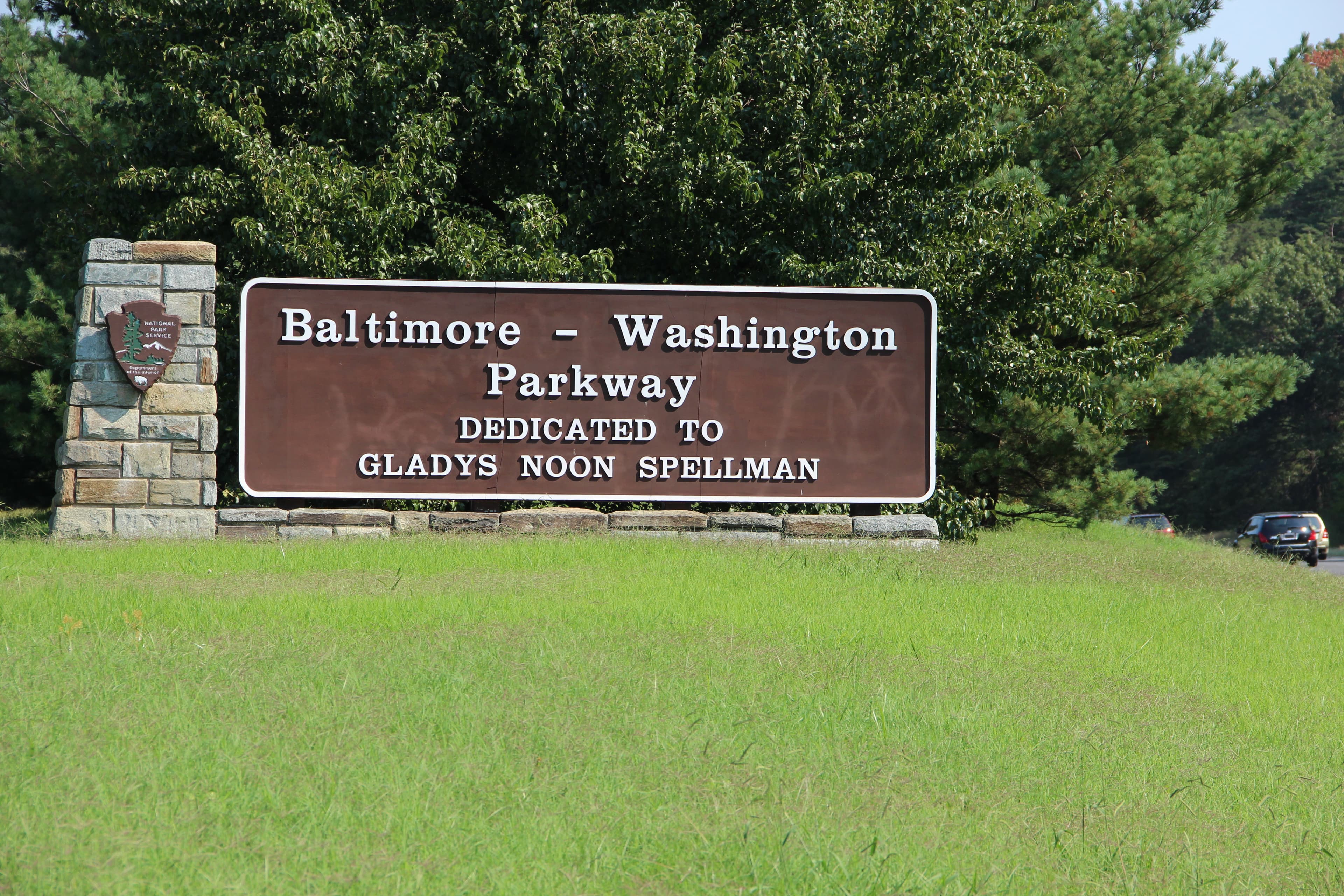
This 29-mile highway connects Baltimore, MD and Washington, D.C. The parkway has carried visitors to and from the capital city since 1954.
Activities
No entrance fee.
Hours & seasons
The Baltimore-Washington Parkway is generally open year round, 24 hours a day. Check current conditions for information about closures due to road work and inclement weather.
Generally open:
winterspringsummerfallHours are reported by the park — verify before you go.
📞 771-208-1453
✉ nace_superintendent@nps.govConditions
Weather now: ⛅ Partly cloudy, 83°F
🌧️ 83°/71°
🌧️ 73°/61°
🌧️ 64°/56°
Log a sky reading
Measured the sky with an SQM meter or app? Add your reading (16 = city glow … 22 = pristine). Opt in under “Travelers like you” to share it on the community leaderboard.
Things to do
Junior Ranger Programs at National Capital Parks - East
Collect all the National Capital Parks - East Passport Stamps
Not an official safety source — always defer to NPS.gov and rangers for life-safety decisions.
By the numbers
A visual read on Baltimore-Washington Parkway — its character, trails, sky, and weather.
Park fingerprint
How this park scores across the dimensions travelers care about.
Trail difficulty
Difficulty mix across this park's trails.
3-day forecast
Daily high and low temperatures (°F).
Audio & media
🎧
🎬
🖼
Learn more
Habitat fragmentation is a major threat to amphibian communities, especially in National Capital Region parks at risk due to the region's growing urbanization.
The state of ash trees in 2017 in the National Capital Region after more than 10 years of harm from the invasive emerald ash borer.
Emerald ash borer (EAB) has killed most of the 300,000 ash trees in National Capital Region parks since 2014. Fewer than 80,000 living ash trees remain. Some ash-dominated swamps transformed into shrublands as ash root systems re-sprouted after EAB attack. In dry habitats, EAB proved more quickly fatal.
Emerald ash borer are still decimating ash trees in the National Capital Region. Read on for the latest look into the state of ash trees in our parks based on forest monitoring data.
American beech (Fagus grandifolia), the most common tree species in National Capital Area parks, is currently facing the emerging threat of Beech Leaf Disease (BLD).
Learn about the Brood X periodical cicadas that emerged in 2021 throughout the Mid-Atlantic U.S.
Learn about Christmas berry (Photinia villosa), an invasive shrub considered an early detection rapid response species in the greater Washington, DC region in 2024.
Tree seedlings and small saplings are in short supply in the parks of the National Capital Region. Without these trees of tomorrow, what will our forests look like?
How Baltimore-Washington Parkway connects
This park's activities, topics, location, and on-the-ground places — one hop in the graph. Drag to explore; click an activity, topic, or related park to follow it.
Park
Activity
Topic
State
Trail
ThingToDo
Similar parks
Share activities & topics with Baltimore-Washington Parkway.