Wolf Trap National Park for the Performing Arts
Virginia
Tonight
🌓 65% moon
8.8 h fully dark
Crowds
low
Entrance
Free entry
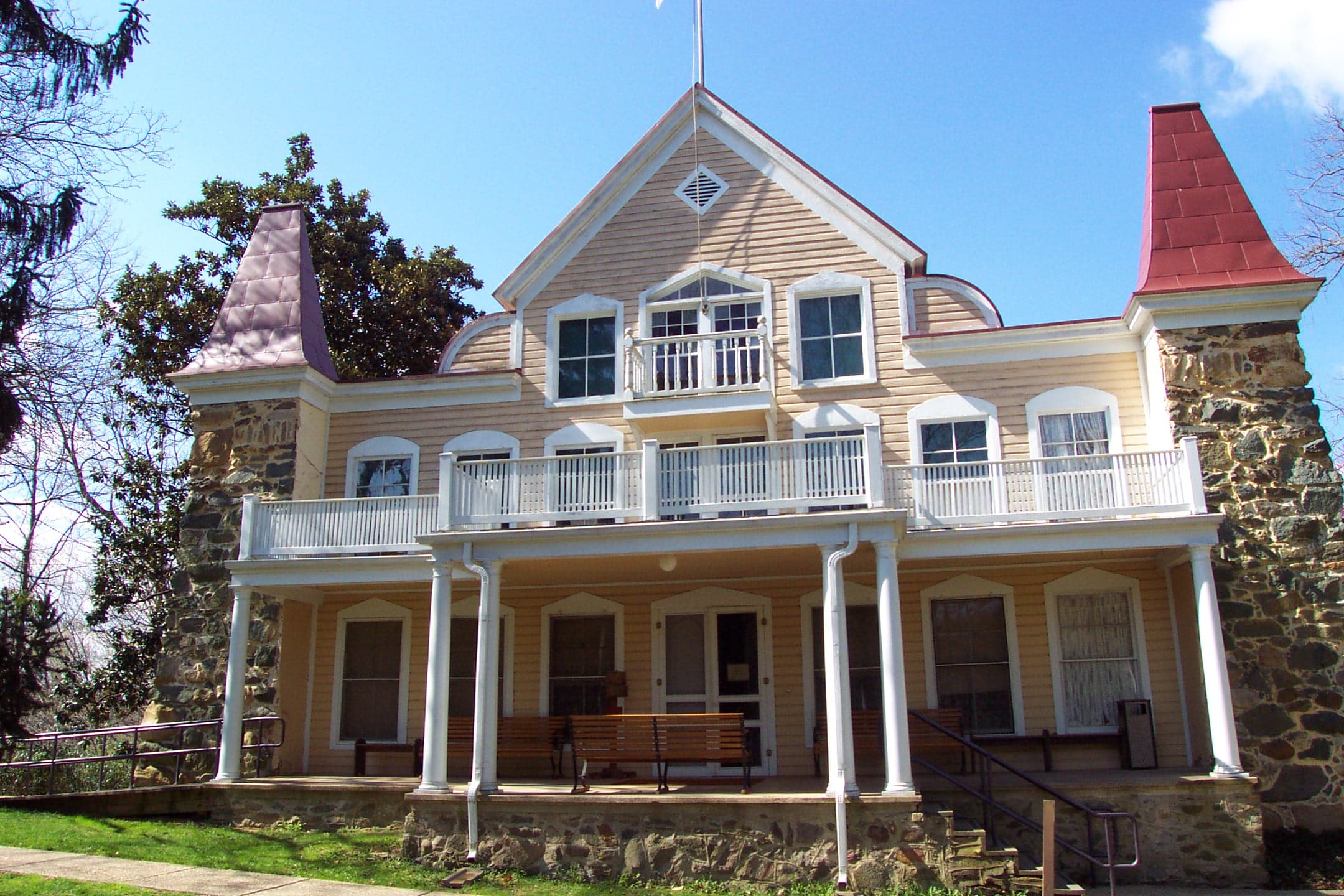
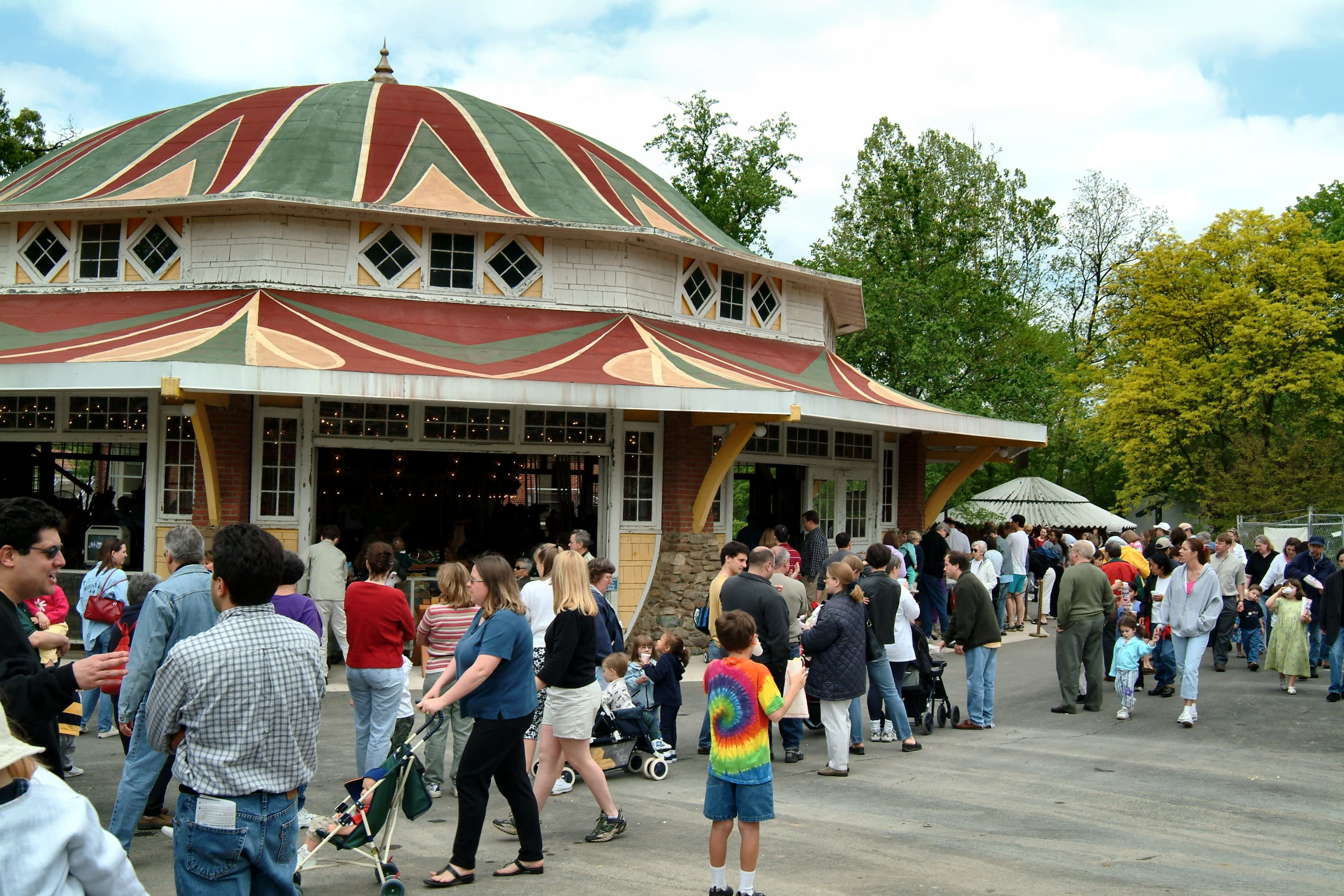
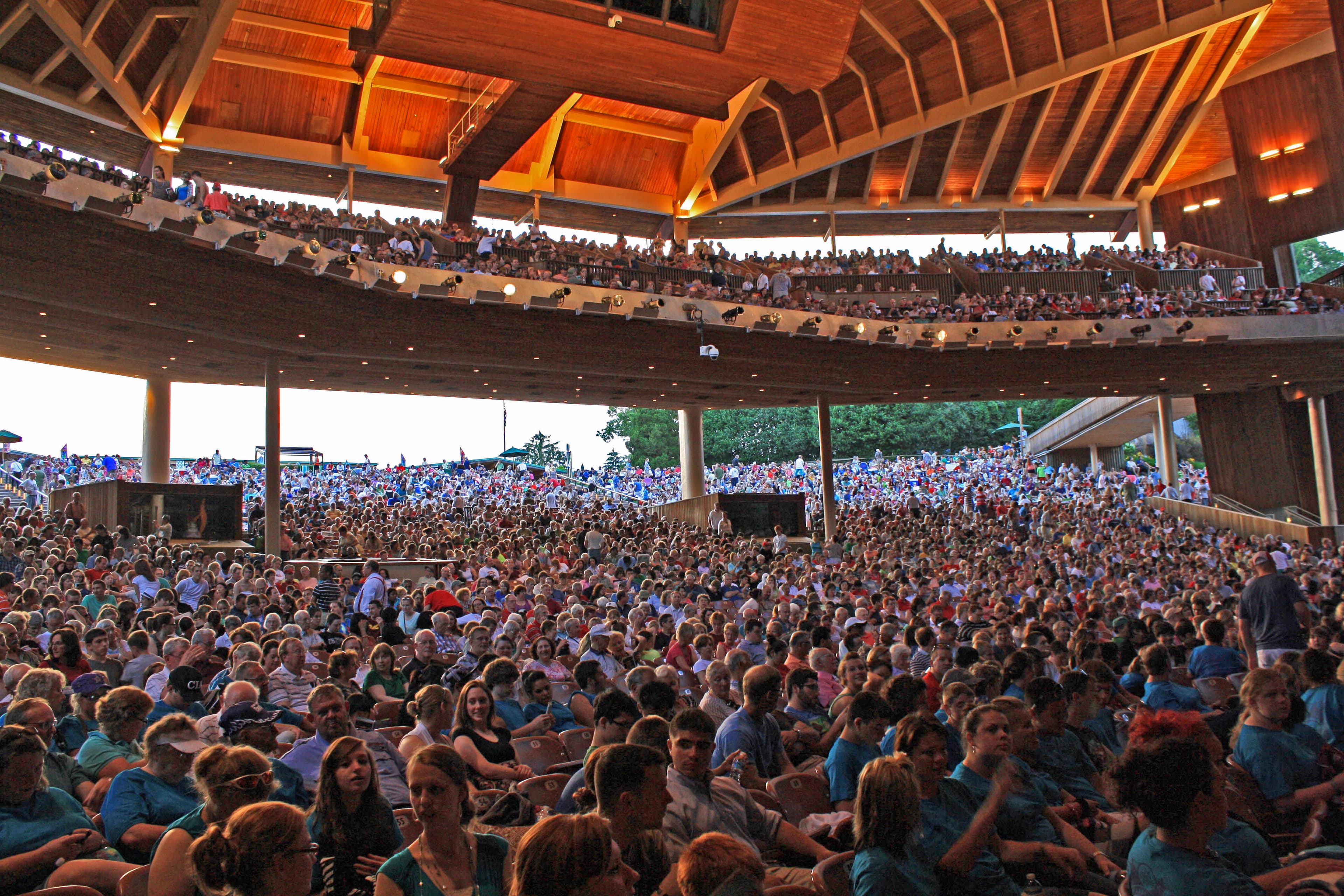
No matter what your age or taste in shows, you'll find something you like onstage at Wolf Trap National Park for the Performing Arts. From May through September, multiple amphitheaters in the park present performances such as musicals, dance, opera, jazz, and popular and country music. A good time to explore the beauty and history of the park without the crowds is October - April.
Topics
No entrance fee.
Hours & seasons
Wolf Trap National Park for the Performing Arts is open to the public from sunrise to dusk every day. During the performance season, the park is closed to public visitation which is not performance related during park festivals and Filene Center performances to avoid conflict among visitor use activities. This public use restriction begins two hours prior to Filene Center show times and ends one hour after Filene Center performances have completed.
Hours are reported by the park — verify before you go.
📞 7032551800
✉ wotr_interp@nps.govConditions
Quietest months (fewer crowds): Jan, Feb, Nov, Dec
Typical crowds: low
Weather now: ⛅ Partly cloudy, 84°F
🌦️ 85°/70°
🌧️ 73°/60°
🌧️ 64°/56°
Typical monthly recreation visits · NPS avg 2023–2025 — orange months are the quietest by crowds.
Quietest months
Relative crowds by month — lighter is quieter; ringed months are the calmest by crowds.
Jan
3%
Feb
3%
Mar
4%
Apr
6%
May
20%
Jun
96%
Jul
97%
Aug
100%
Sep
55%
Oct
6%
Nov
4%
Dec
4%
Log a sky reading
Measured the sky with an SQM meter or app? Add your reading (16 = city glow … 22 = pristine). Opt in under “Travelers like you” to share it on the community leaderboard.
Things to do
Explore the Outdoors at Wolf Trap
Visitor centers
Ranger Station
Accessibility
14 audio-described place(s)
Reported by the park — verify before you go.
Not an official safety source — always defer to NPS.gov and rangers for life-safety decisions.
By the numbers
A visual read on Wolf Trap National Park for the Performing Arts — its character, trails, sky, and weather.
Park fingerprint
How this park scores across the dimensions travelers care about.
Trail difficulty
Difficulty mix across this park's trails.
3-day forecast
Daily high and low temperatures (°F).
Passport stamps
Mark the stamps you've collected — they show in your memory and along your routes.
🎫 Ranger Station
Places to see
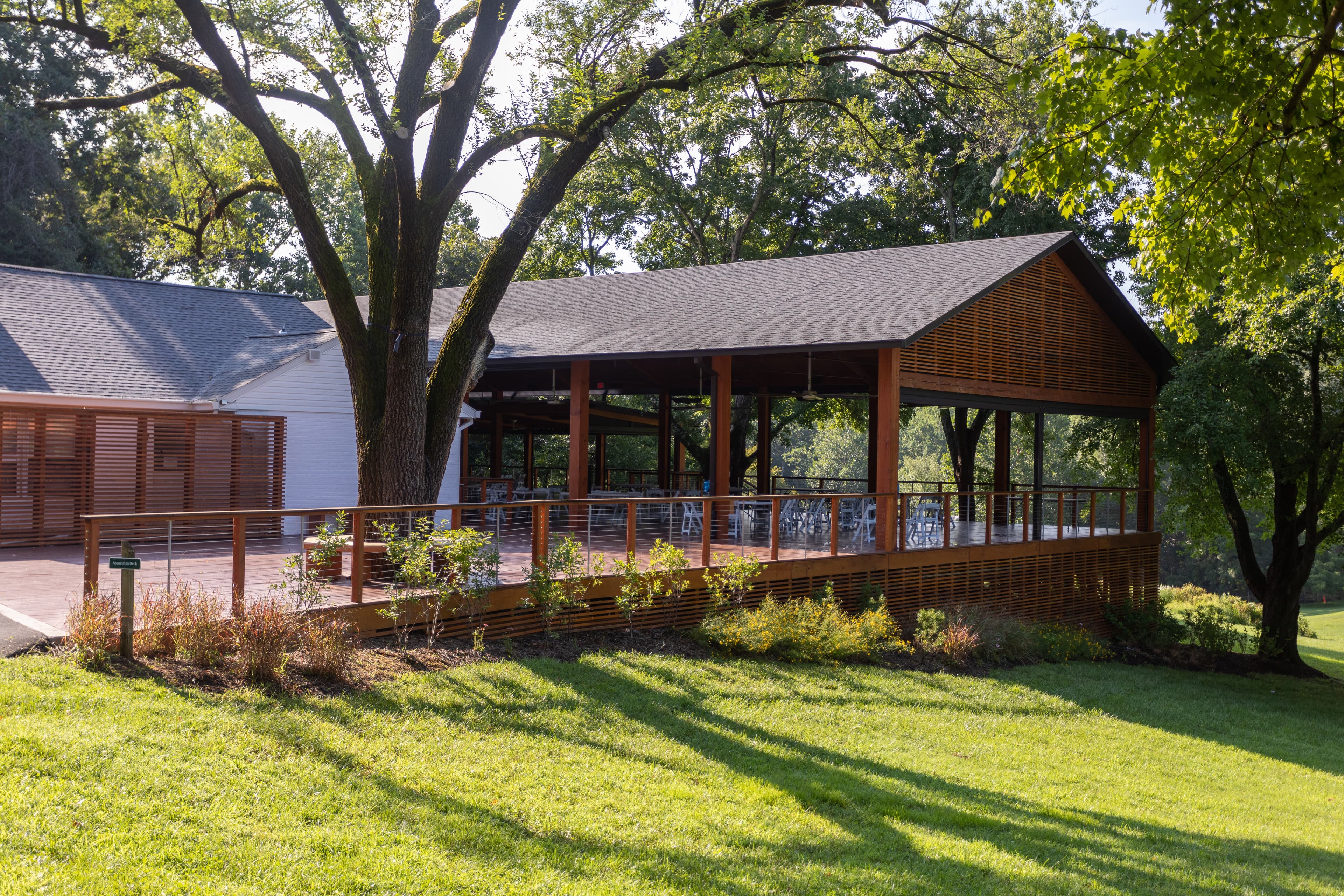
Associates Pavilion
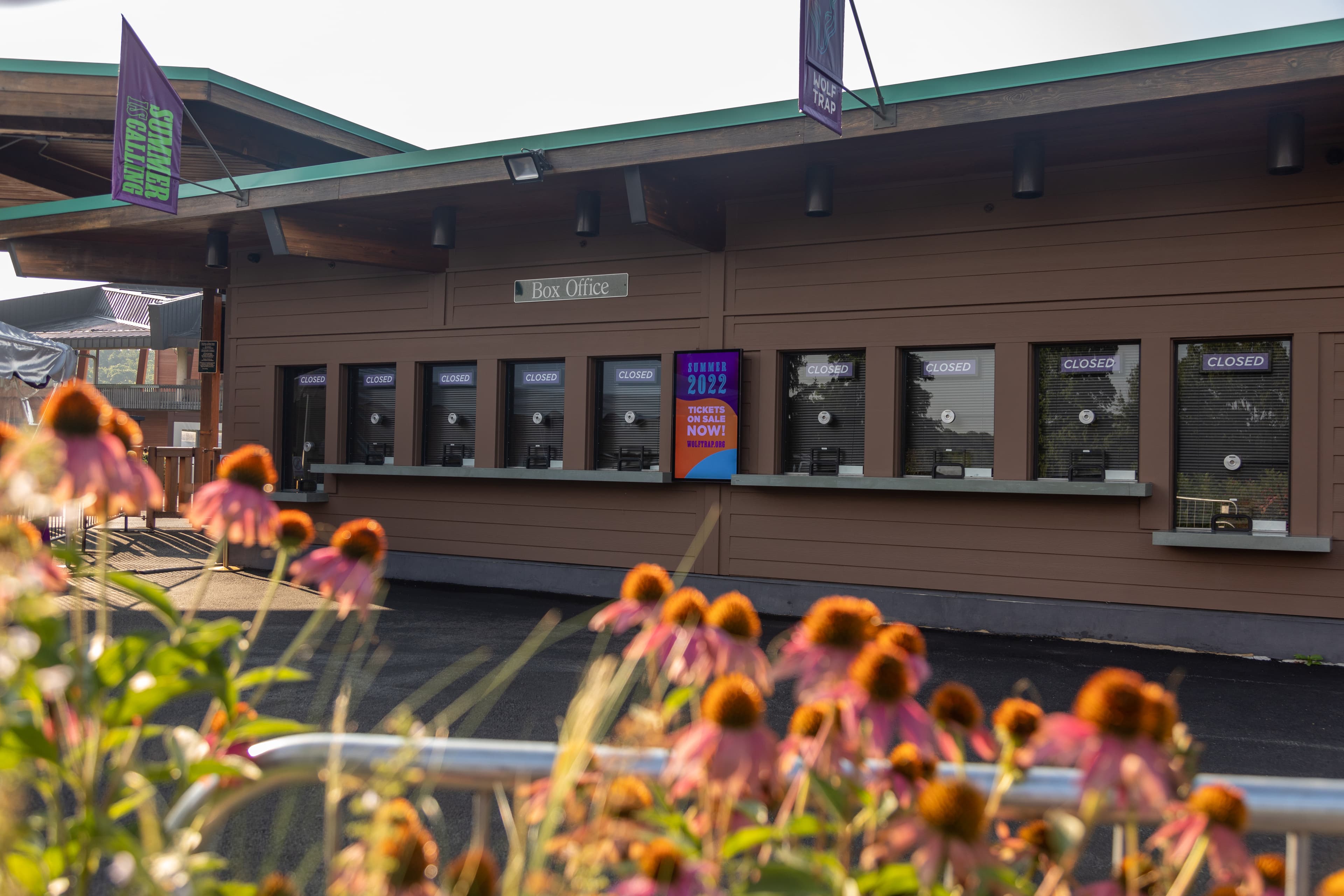
Box Office
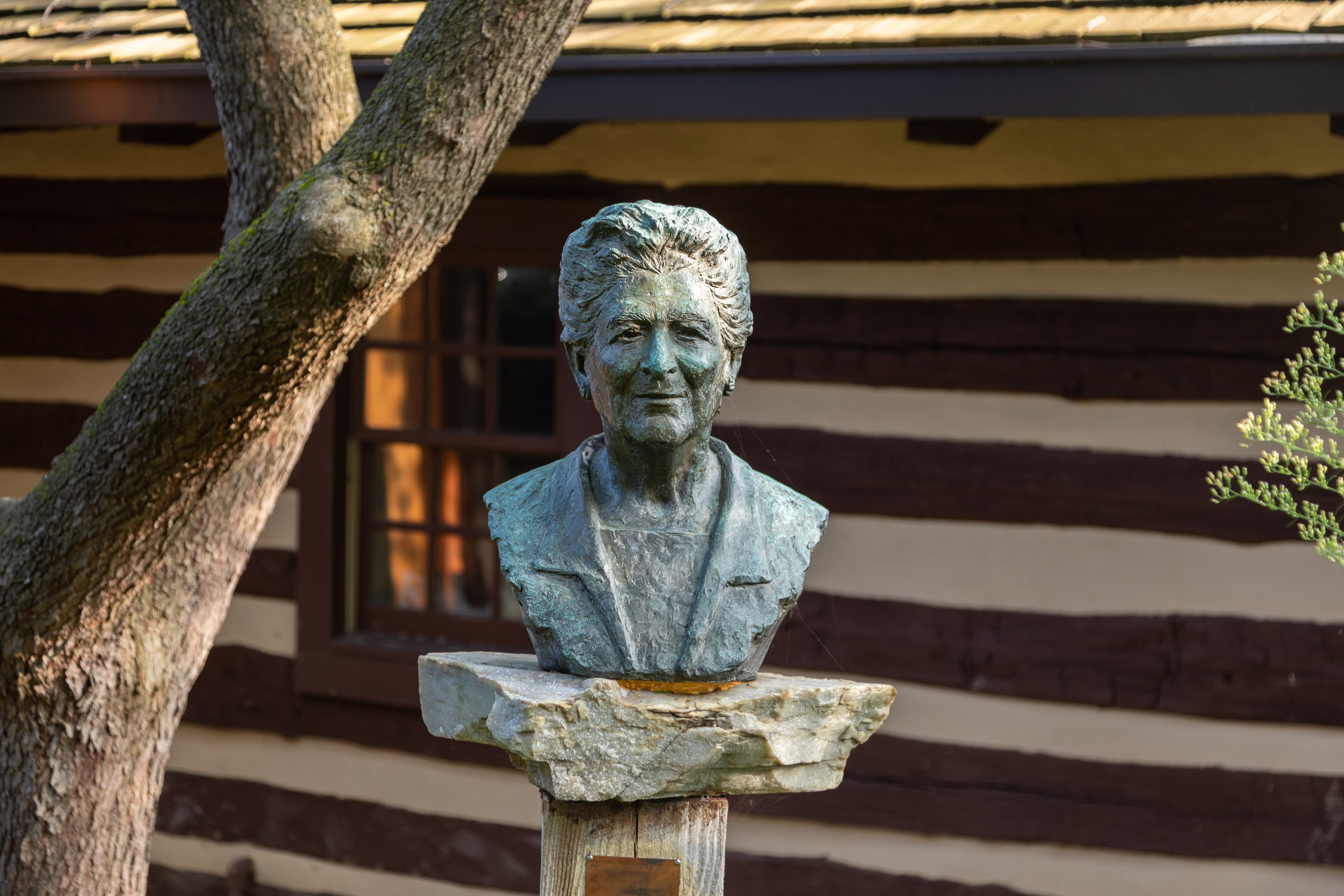
Bust of Catherine Filene Shouse
audio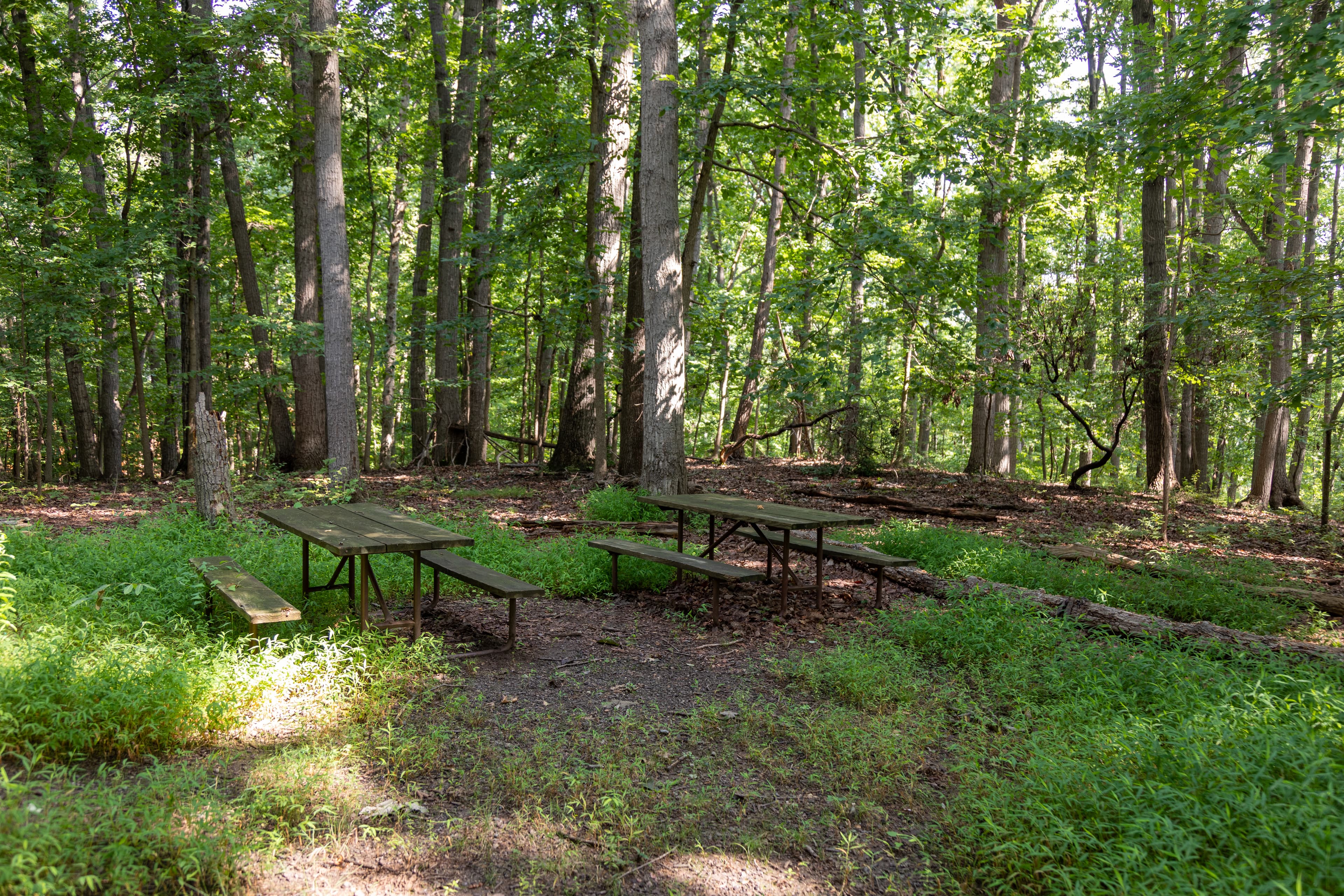
Composers Cottage Site
audio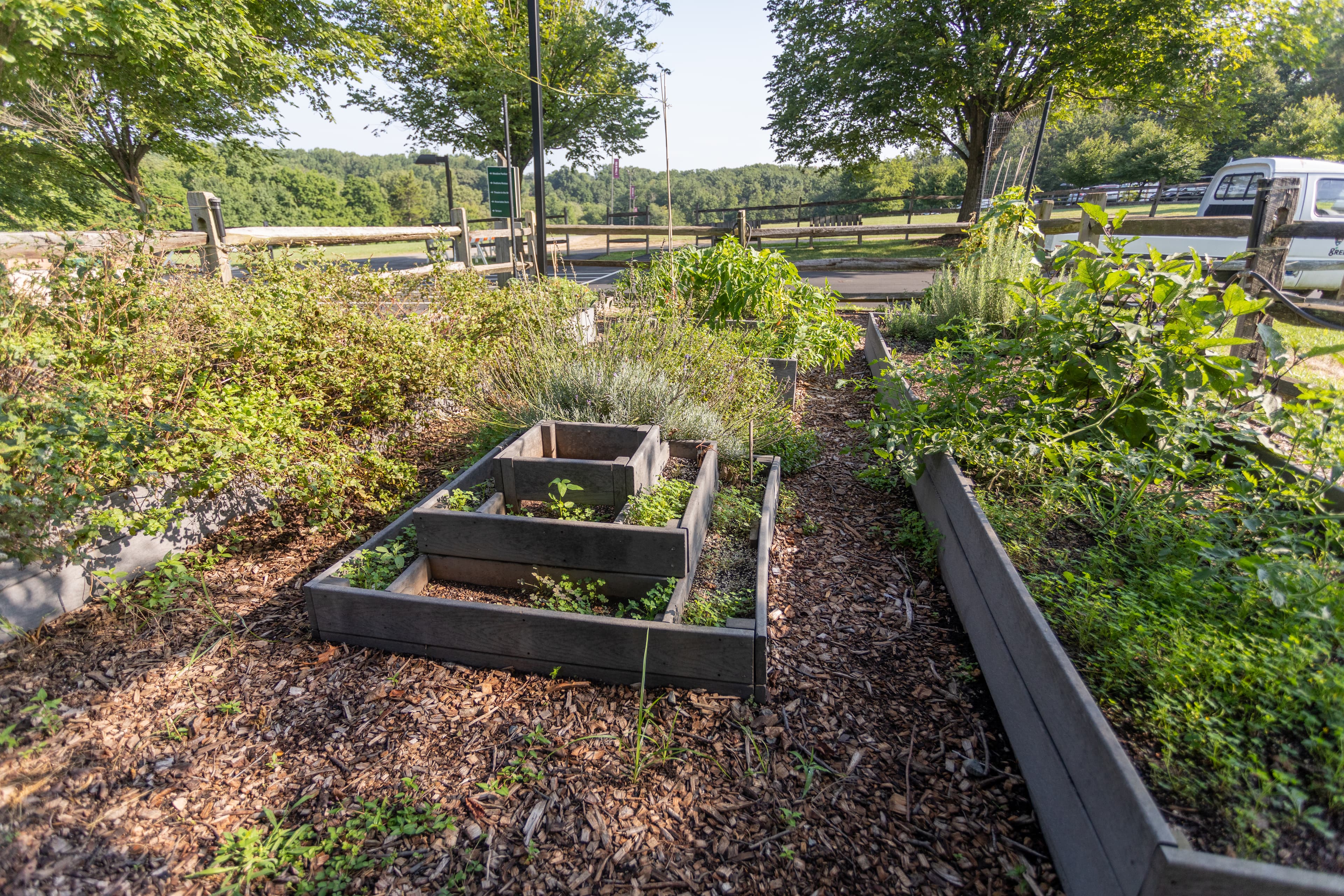
Demonstration Garden
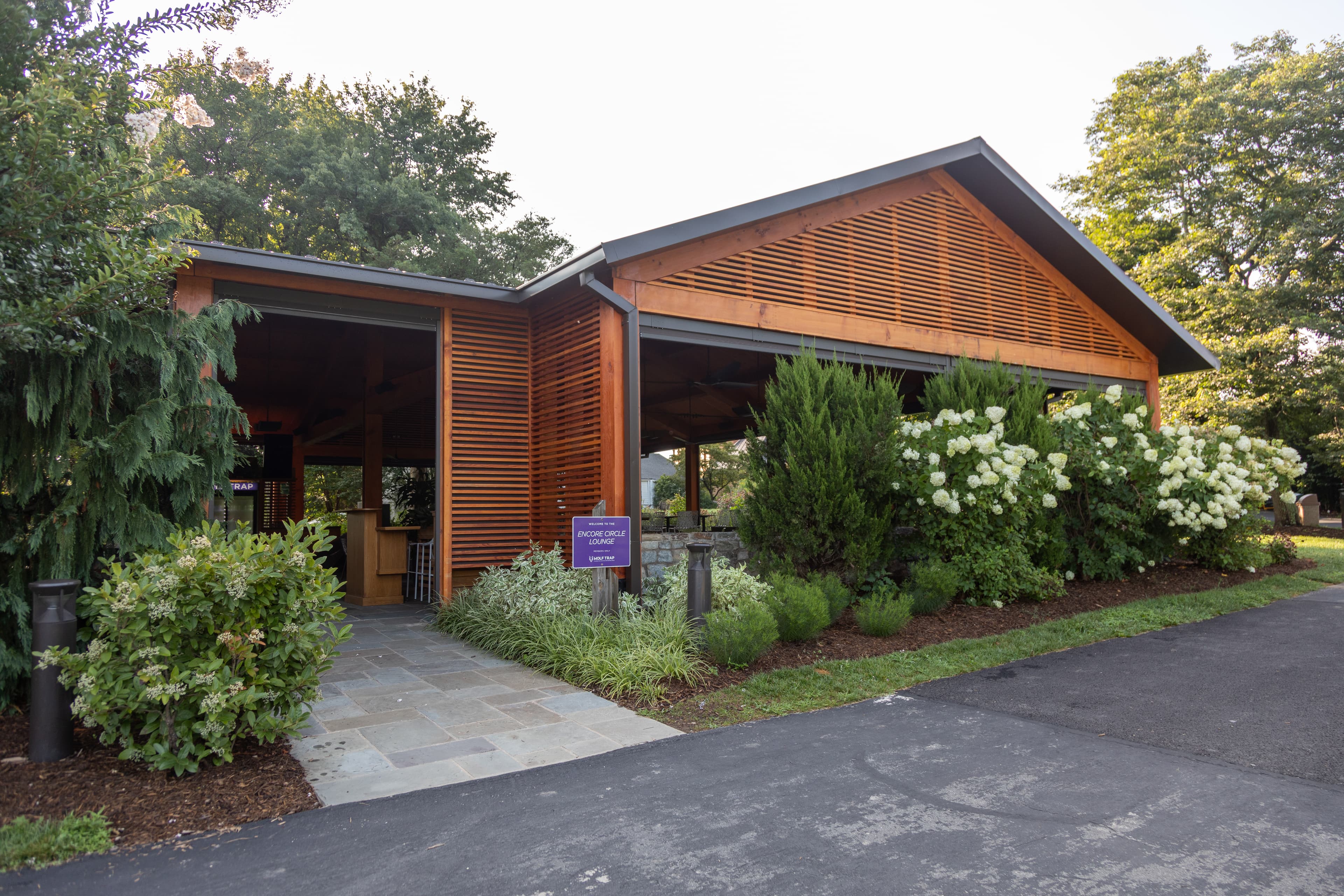
Encore Circle Lounge
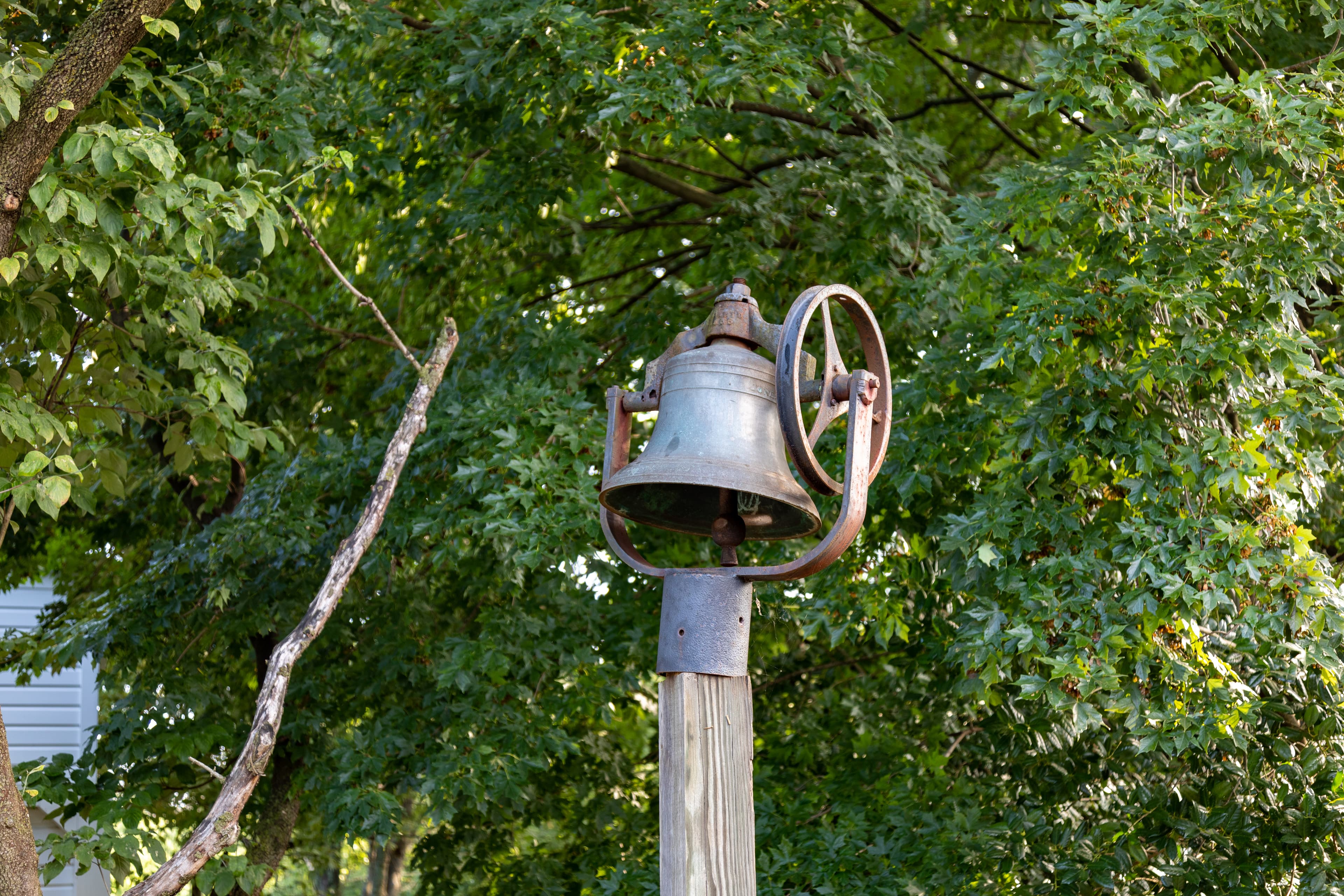
Farmhouse Bell
audio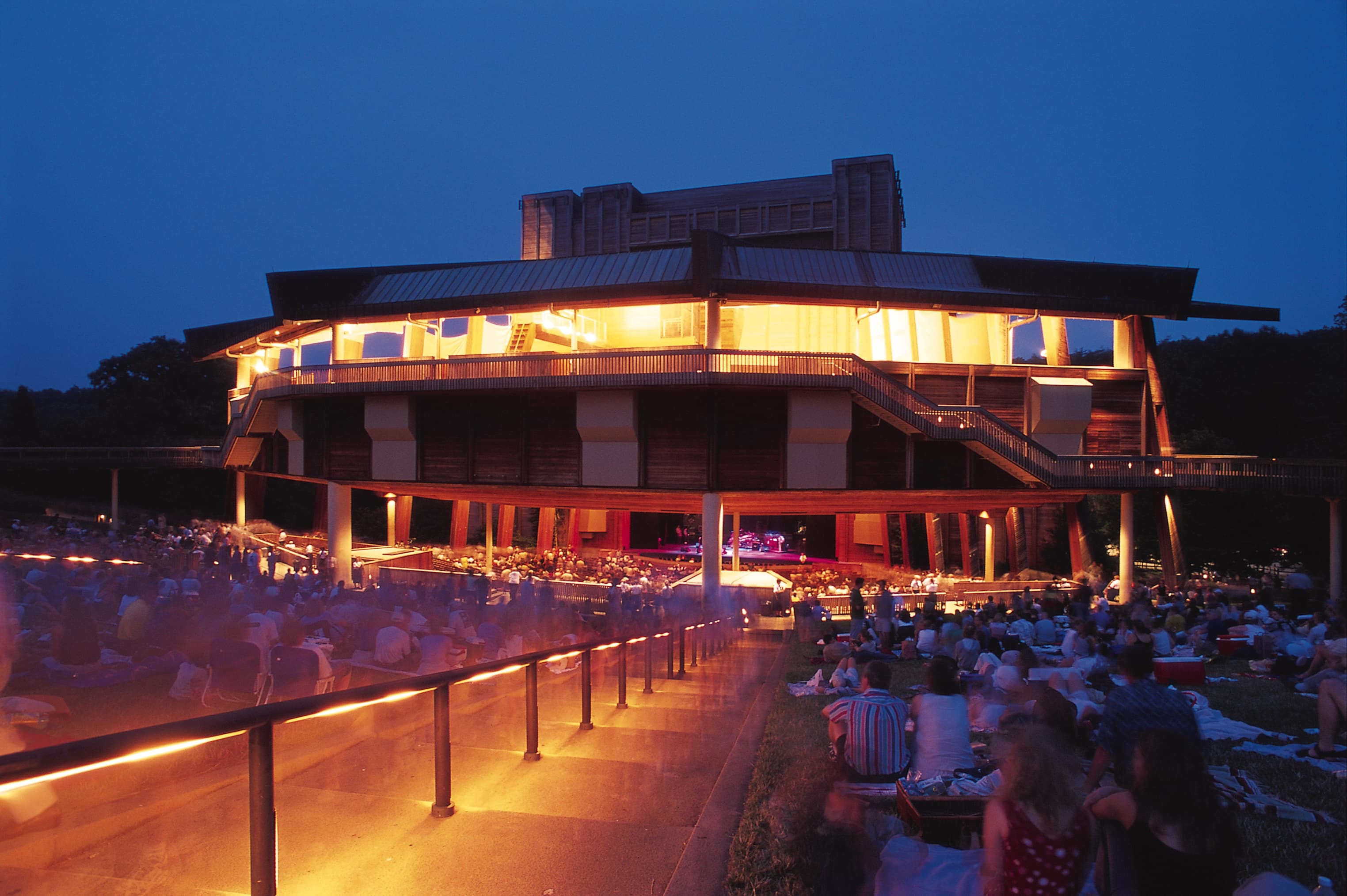
Filene Center
audio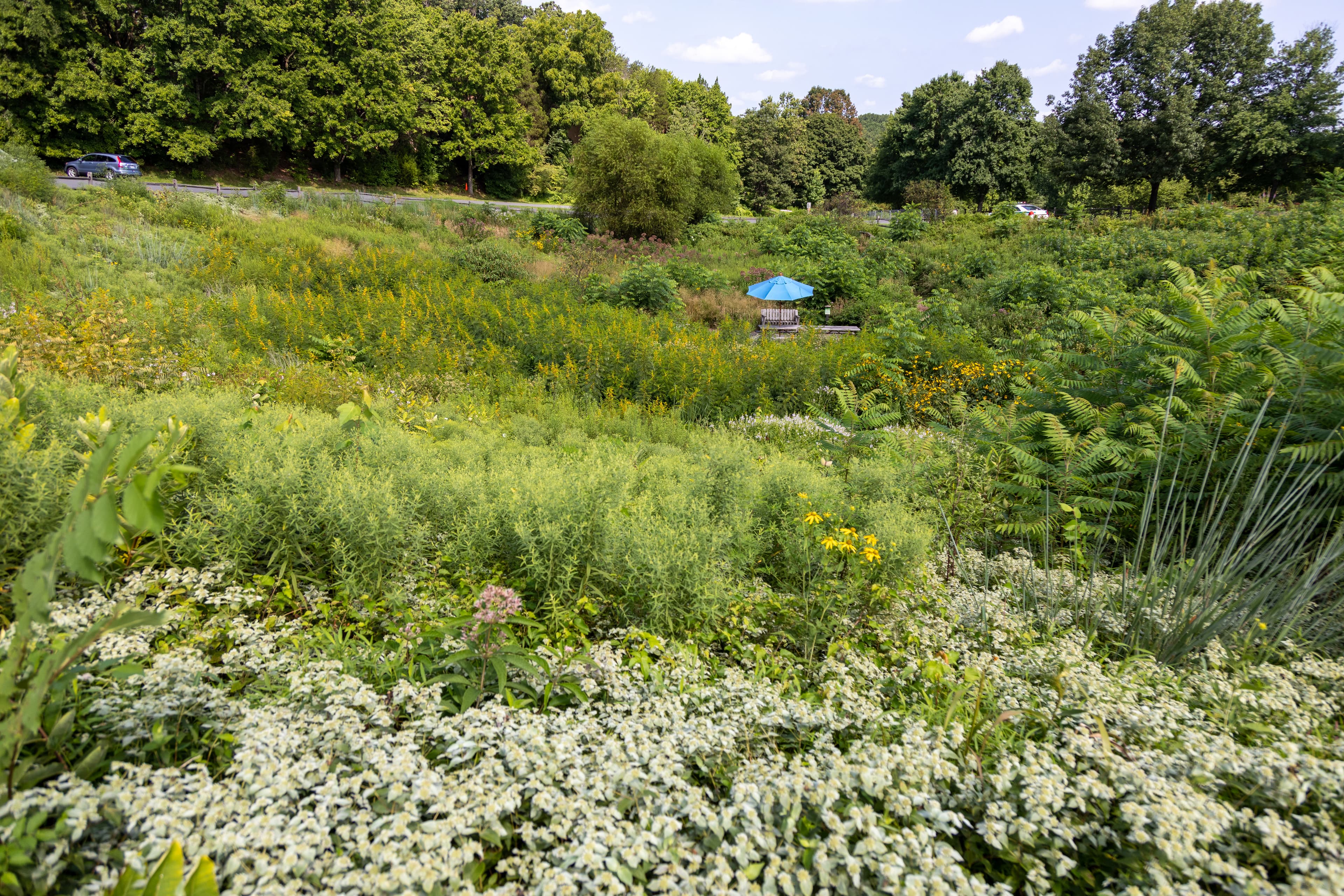
Filene Center Loop picnic area
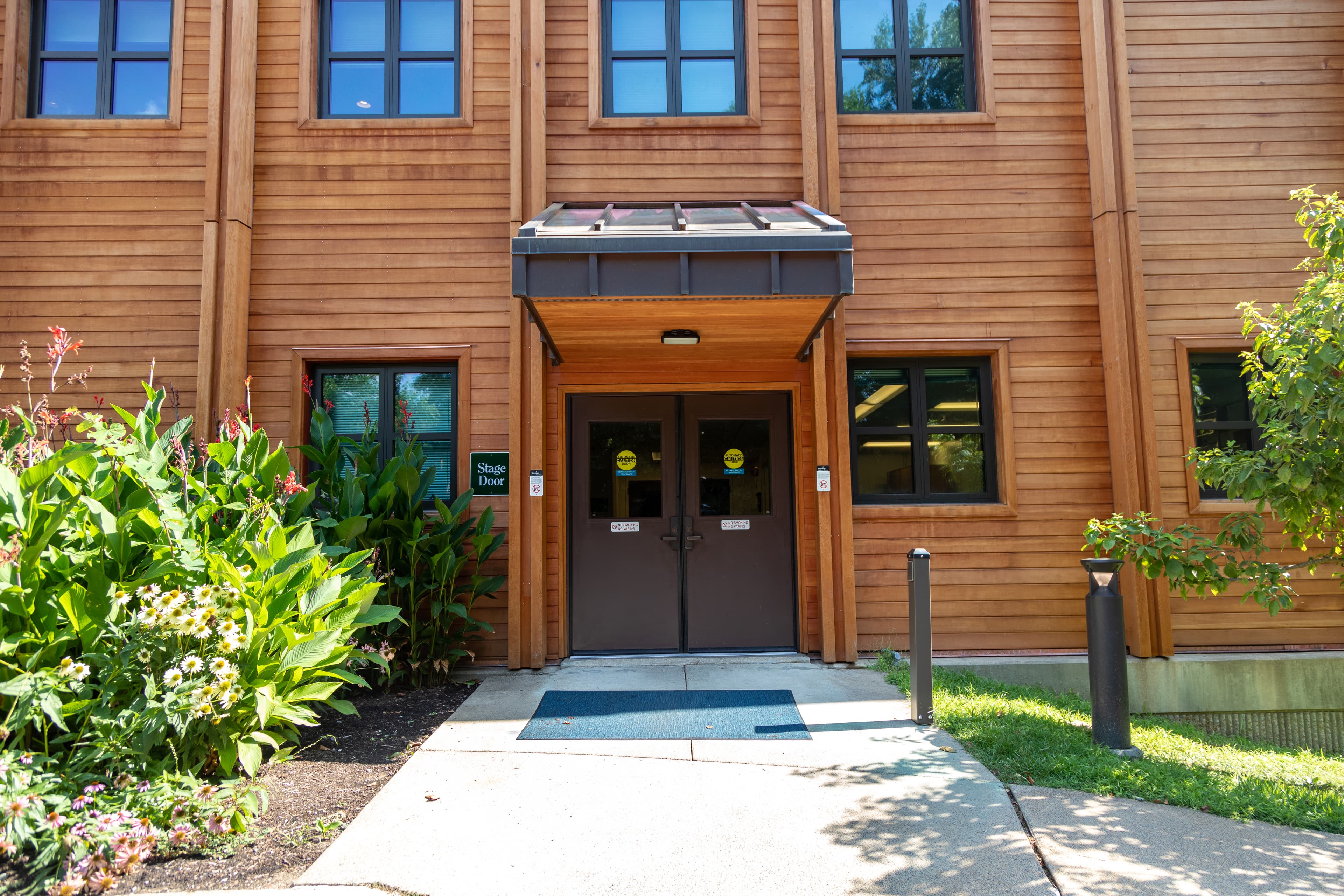
Filene Center: Stage door
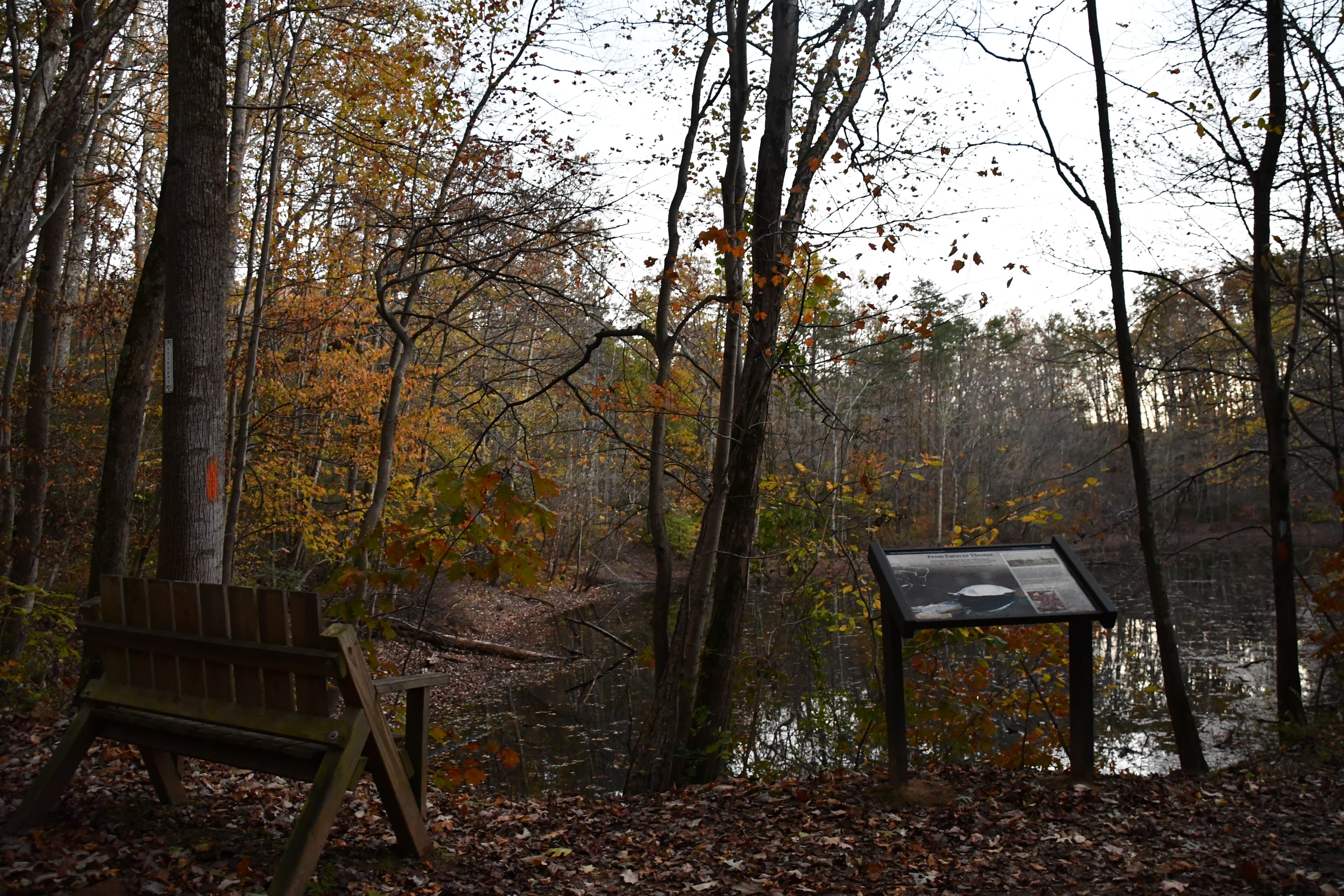
Information Panel: From Farm to Theater
audio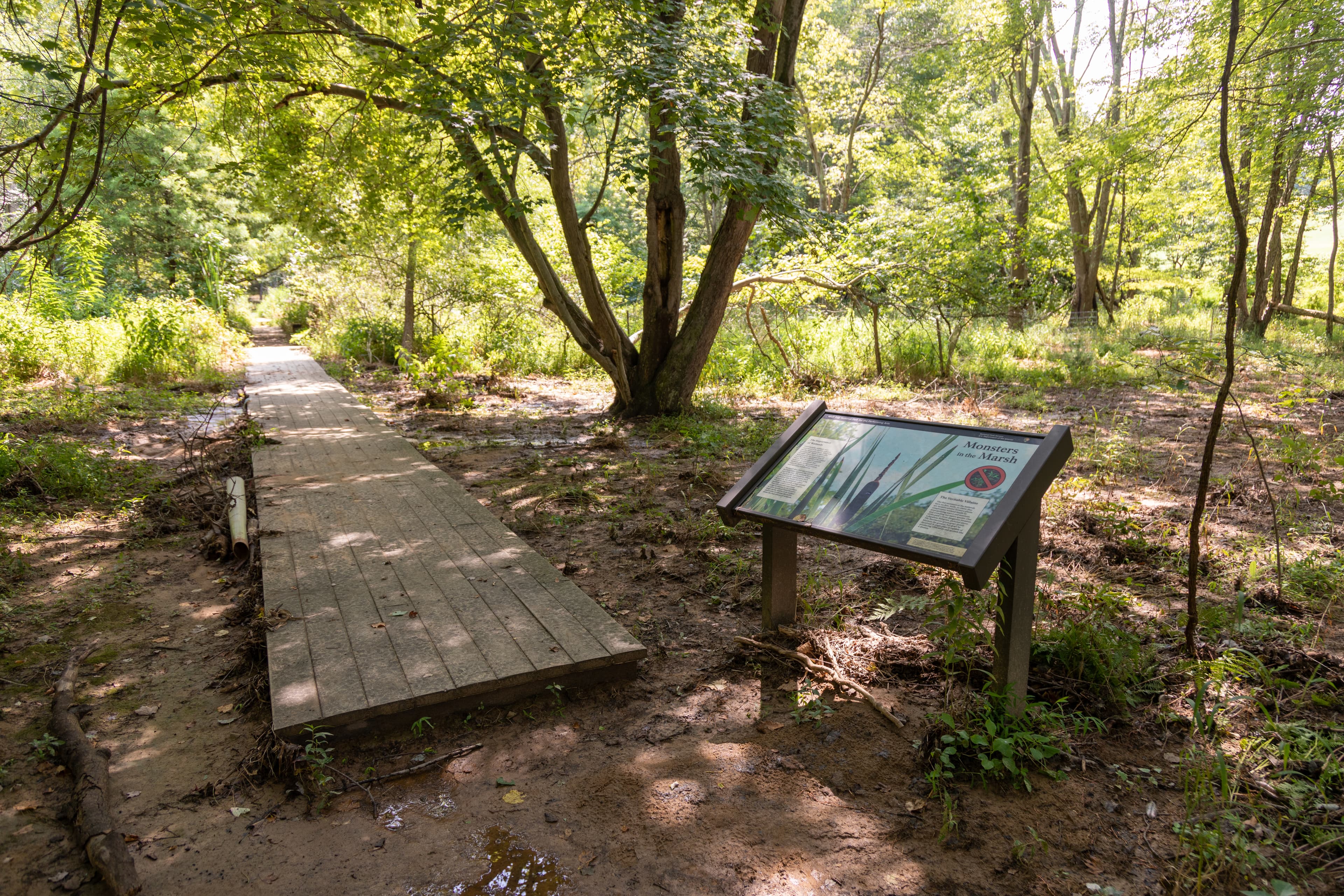
Information Panel: Monsters in the Marsh
audioAudio & media
🎧
🎬
🖼
Learn more
Honoring Excellence in Management and Administration The 2025 Director’s Awards celebrate outstanding contributions in management, administration, IT, and information management. These awards recognize individuals and teams whose innovation, service, and impact strengthen the National Park Service’s mission.
Meet Ken Lewis, Wolf Trap's Head of the Division of Performing Arts who is retiring this November after 32 years with the National Park Service, 35 years with the Federal Government, and 50 years in the performing arts!
What if your office were the woods? Your break room a mossy log? This is the reality for members of the Inventory & Monitoring forest vegetation crew. The team has collected data on forest health in NCR parks every year since 2006 and recently completed the fourth cycle of forest vegetation monitoring (2018-2022). Learn what staff biologists and technicians have to say about their experiences in the field these past five years.
Poor air quality is a common problem in many urban areas. It can lead to decreased human health, damage to landscape materials and ecosystem processes, and spoiled scenic views due to reduced visibility. The National Park Service monitors and assesses air quality in park units. The trees in NPS’s urban forests contribute to improved air quality.
In 1904, a deadly fungus began killing American chestnut trees, once one of the most dominant trees of the eastern U.S. Despite overwhelming odds, some American chestnut trees survive today in parks of the National Capital Region
American eels are found everywhere along the Atlantic Coast, but many aspects of these fish remain poorly understood. They are perhaps one of the most mysterious fish in the Potomac watershed.
Looking for disease, including ranaviruses and chytrid fungi, is an important part of amphibian monitoring done by the National Capital Region Inventory & Monitoring Network. Learn more about the risks posed by these diseases and the biosecurity protocols field crews use to reduce the risk of accidental spread.
Habitat fragmentation is a major threat to amphibian communities, especially in National Capital Region parks at risk due to the region's growing urbanization.
How Wolf Trap National Park for the Performing Arts connects
This park's activities, topics, location, and on-the-ground places — one hop in the graph. Drag to explore; click an activity, topic, or related park to follow it.
Park
Activity
Topic
State
VisitorCenter
PassportStamp
Trail
ThingToDo
Similar parks
Share activities & topics with Wolf Trap National Park for the Performing Arts.