War In The Pacific National Historical Park
Guam
Tonight
🌓 65% moon
9.5 h fully dark
Crowds
low
Open today
Open
Entrance
Free entry
Limited access to areas at Asan Beach.
Due to the impacts of Typhoon Sinlaku, areas of Asan Beach remain inaccessible. Visitors should use caution when walking to the beach area and stay out of damaged areas.
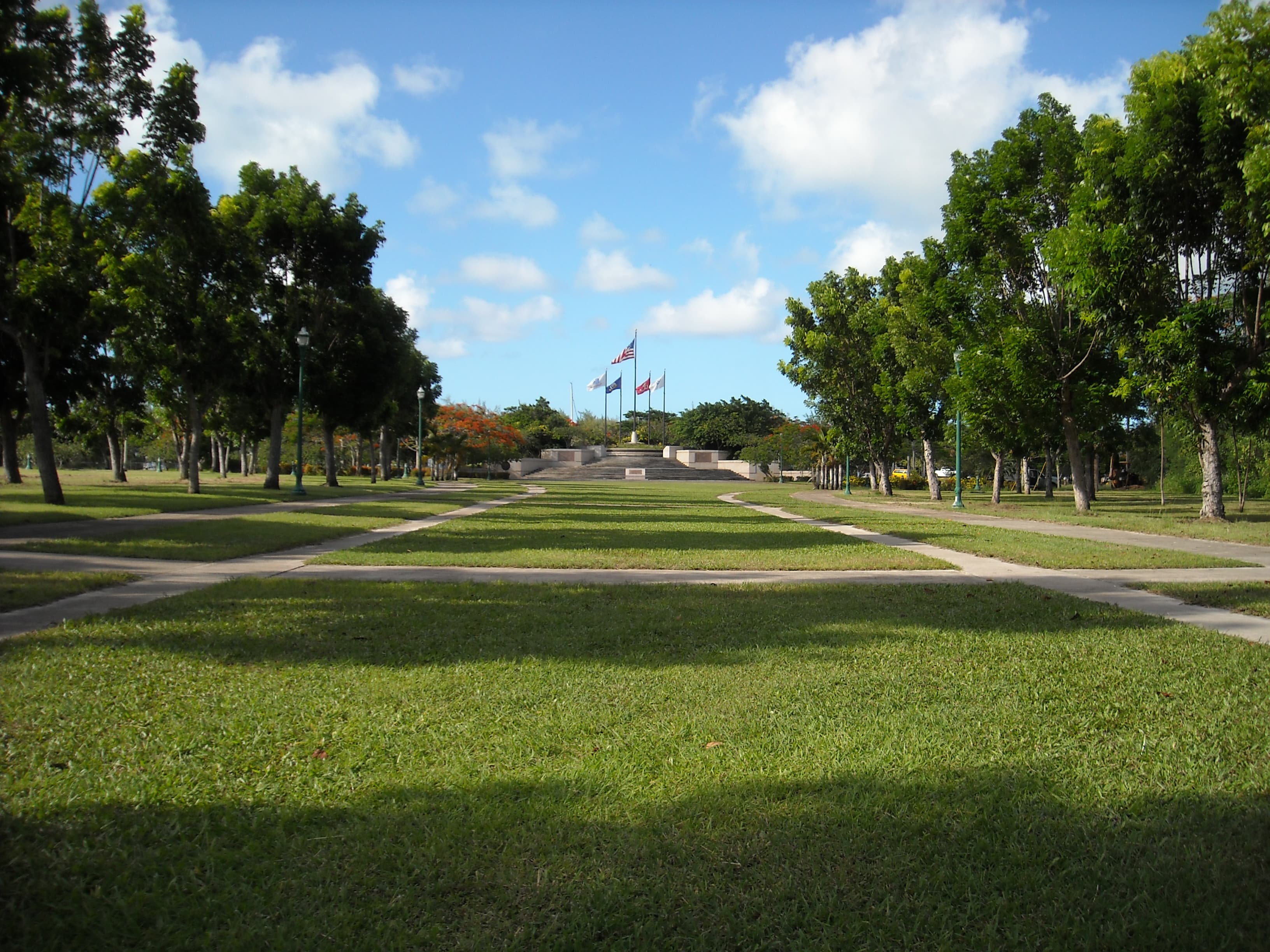
War in the Pacific National Historical Park was established to commemorate the bravery and sacrifice of those participating in the campaigns of the Pacific Theater of World War II and to conserve and interpret outstanding natural, scenic, and historic values and objects of the island of Guam.
Activities
Topics
No entrance fee.
Hours & seasons
Park grounds are open, but visitors should follow local health guidance.
Generally open:
winterspringsummerfallHours are reported by the park — verify before you go.
📞 (671) 333 4055
✉ wapa_interpretation@nps.govConditions
Typical crowds: low
Weather now: 🌦️ Drizzle, 78°F
🌦️ 86°/78°
🌦️ 84°/76°
⛈️ 88°/77°
Typical monthly recreation visits · NPS avg 2023–2025 — orange months are the quietest by crowds.
Quietest months
Relative crowds by month — lighter is quieter; ringed months are the calmest by crowds.
Jan
74%
Feb
72%
Mar
89%
Apr
88%
May
100%
Jun
87%
Jul
89%
Aug
81%
Sep
79%
Oct
74%
Nov
80%
Dec
82%
Log a sky reading
Measured the sky with an SQM meter or app? Add your reading (16 = city glow … 22 = pristine). Opt in under “Travelers like you” to share it on the community leaderboard.
Things to do
Asan Ridge Trail Hike
Piti Guns Hike · The hike is estimated to last 10-15 minutes each way.
Visitor centers
T. Stell Newman Visitor Center
Accessibility
Reported by the park — verify before you go.
Parking
T. Stell Newman Visitor Center
Not an official safety source — always defer to NPS.gov and rangers for life-safety decisions.
By the numbers
A visual read on War In The Pacific National Historical Park — its character, trails, sky, and weather.
Park fingerprint
How this park scores across the dimensions travelers care about.
Trail difficulty
Difficulty mix across this park's trails.
3-day forecast
Daily high and low temperatures (°F).
People & stories
Figures tied to War In The Pacific National Historical Park — each spans a cross-park journey.
Comer, Henry
— World War Ii, Battle Of Guam, Stones River National CemeteryPassport stamps
Mark the stamps you've collected — they show in your memory and along your routes.
🎫 T. Stell Newman Visitor Center
Places to see
3rd Marine Division Association Monument
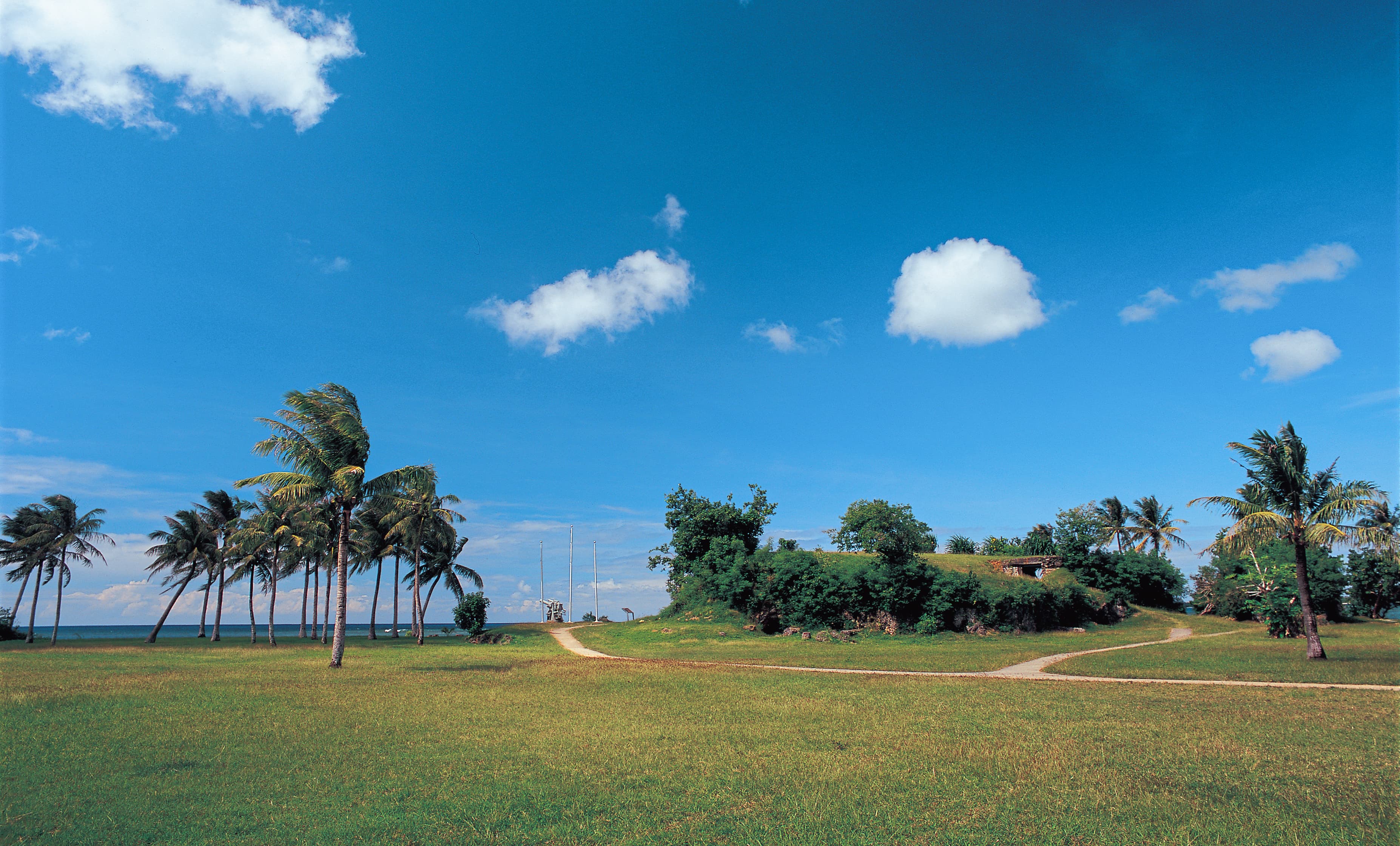
Agat Unit - Apaca Point and Ga'an Point
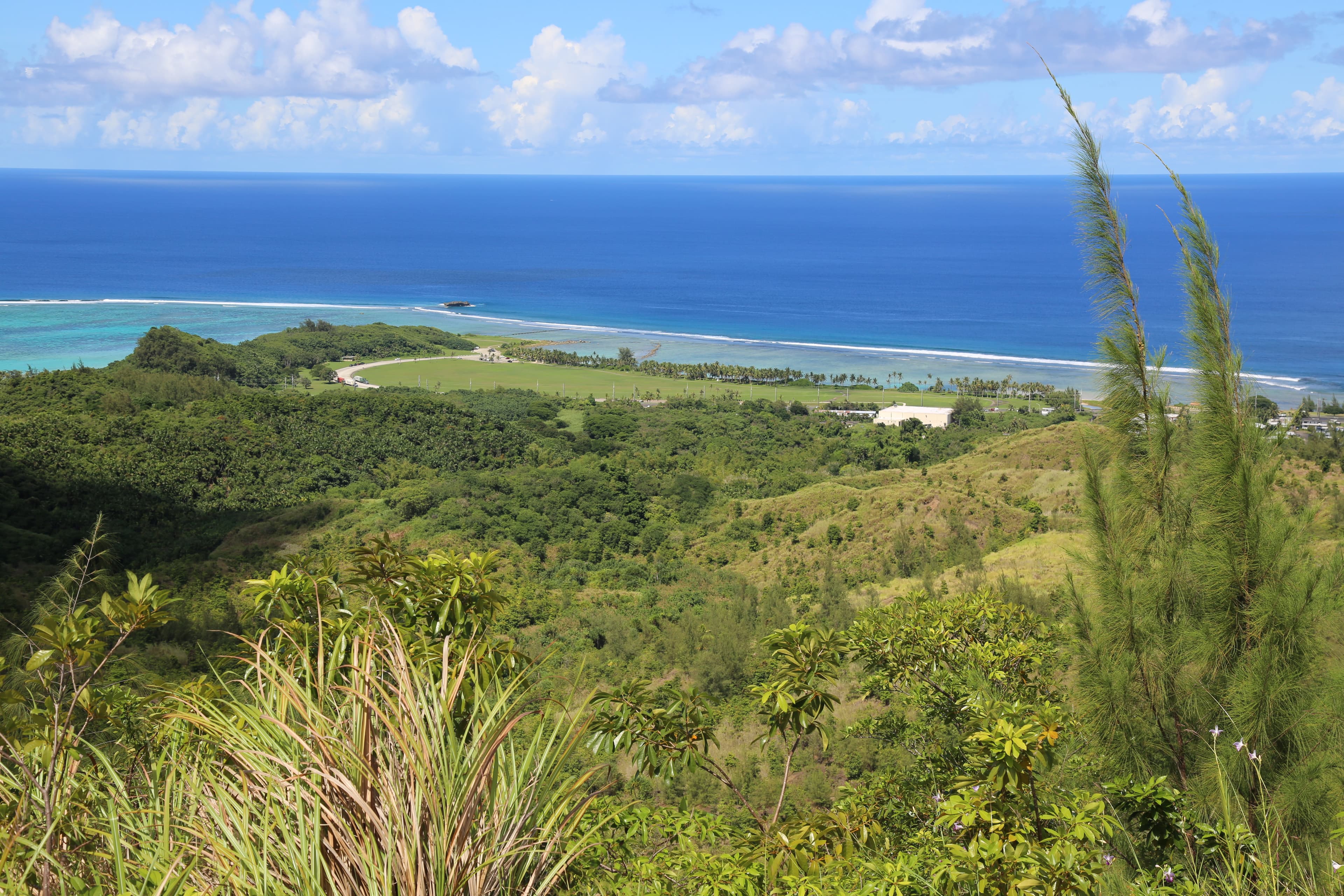
Asan Bay Overlook
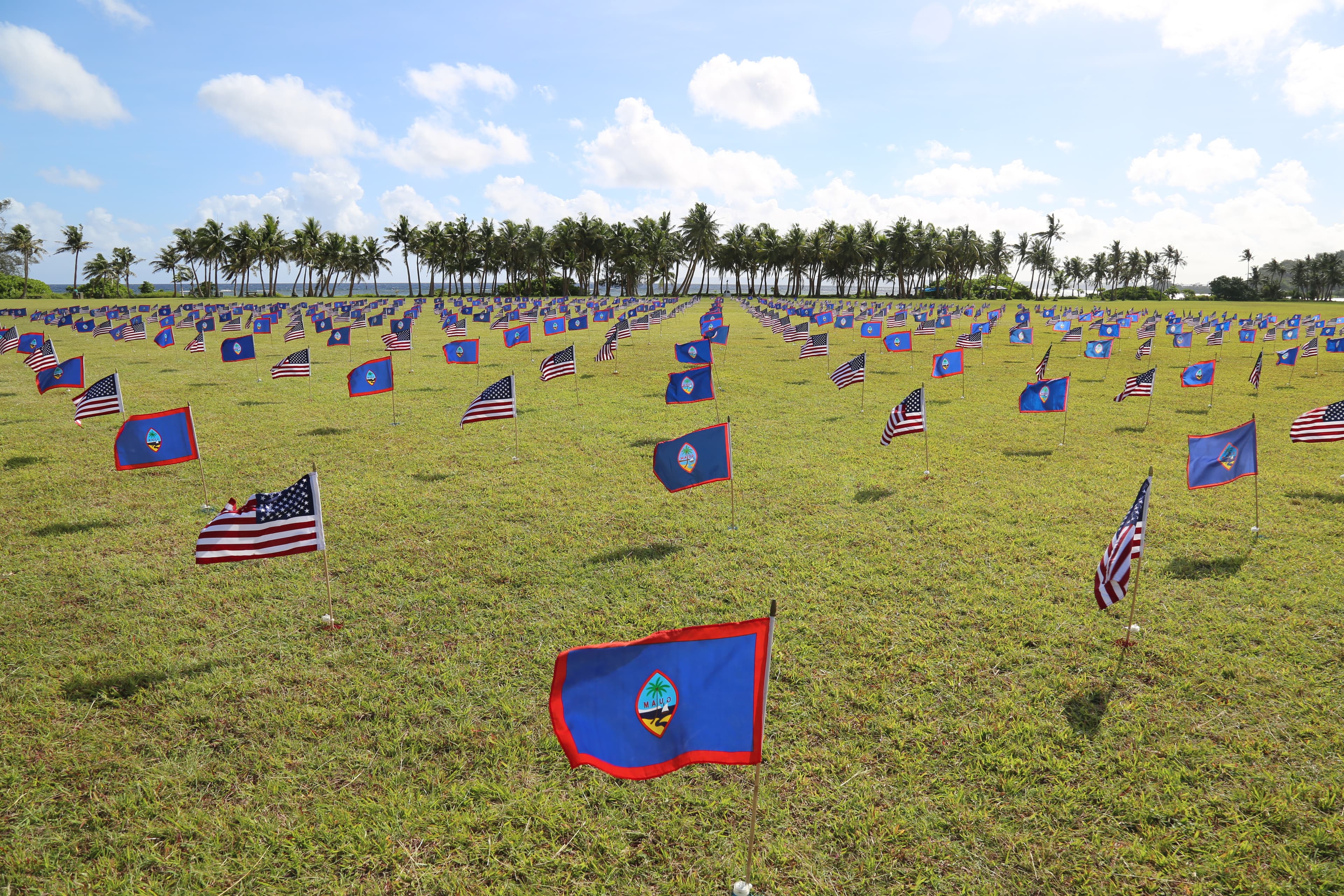
Asan Beach Unit
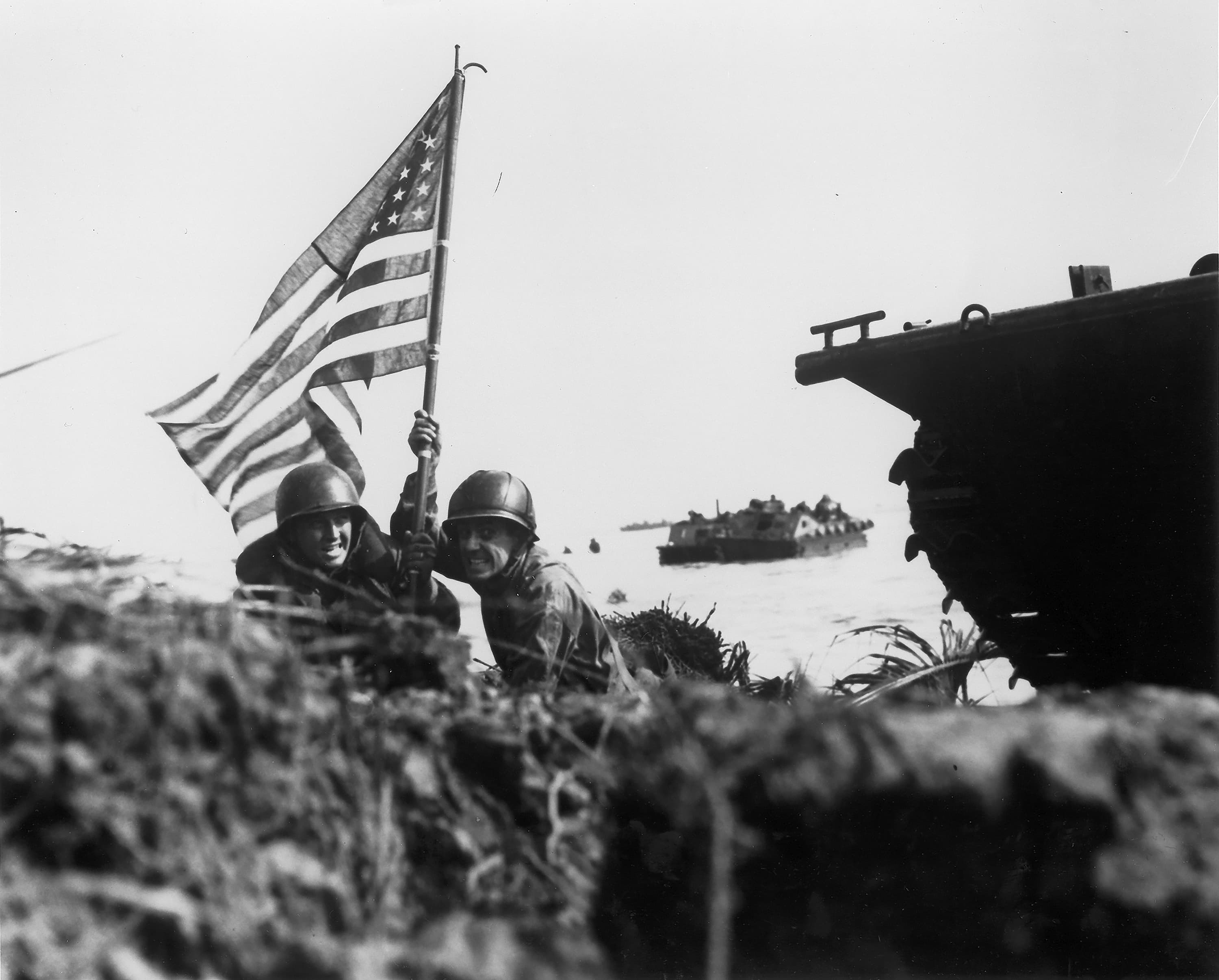
Assan (Asan) Beach
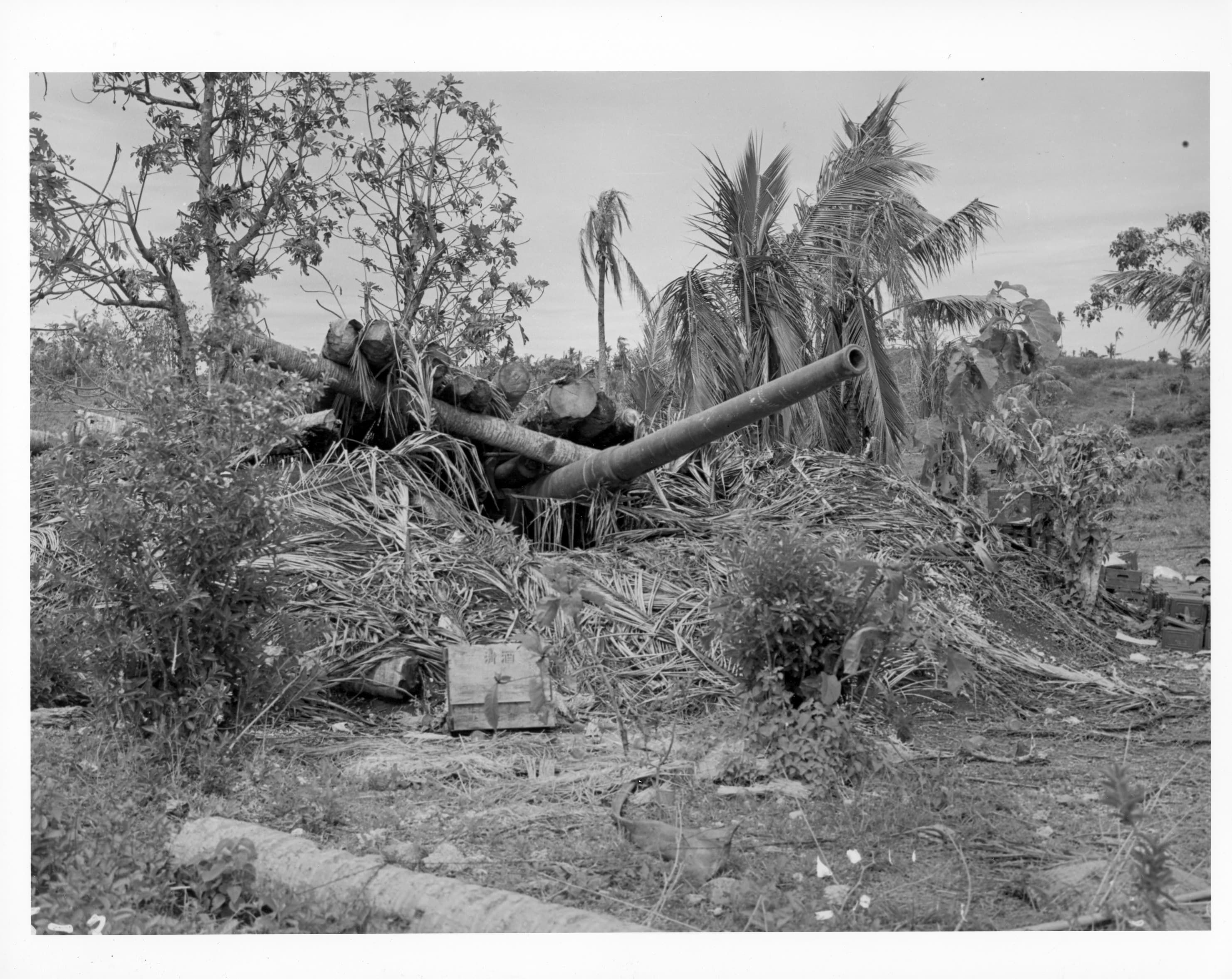
Fonte Plateau
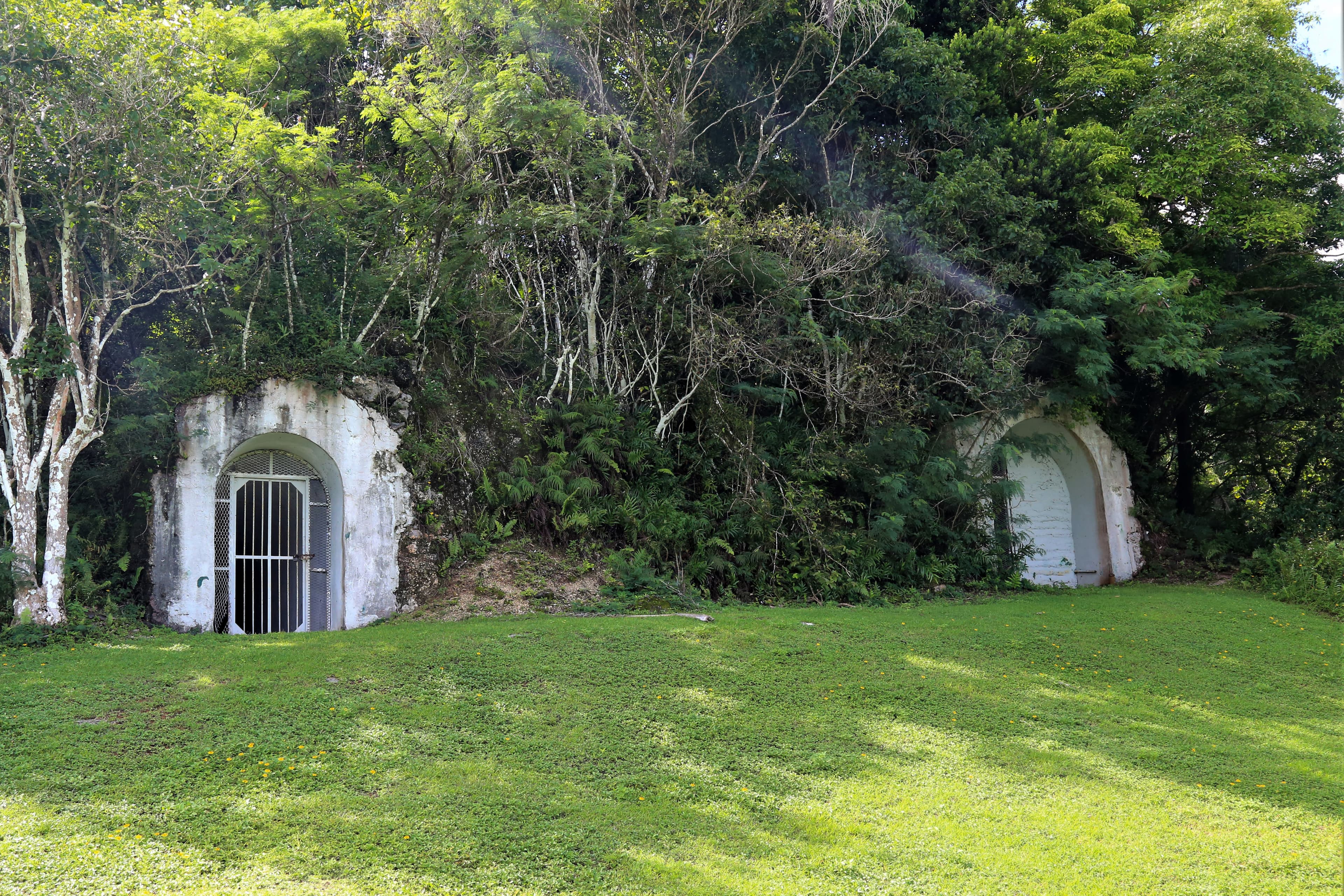
Fonte Plateau Unit
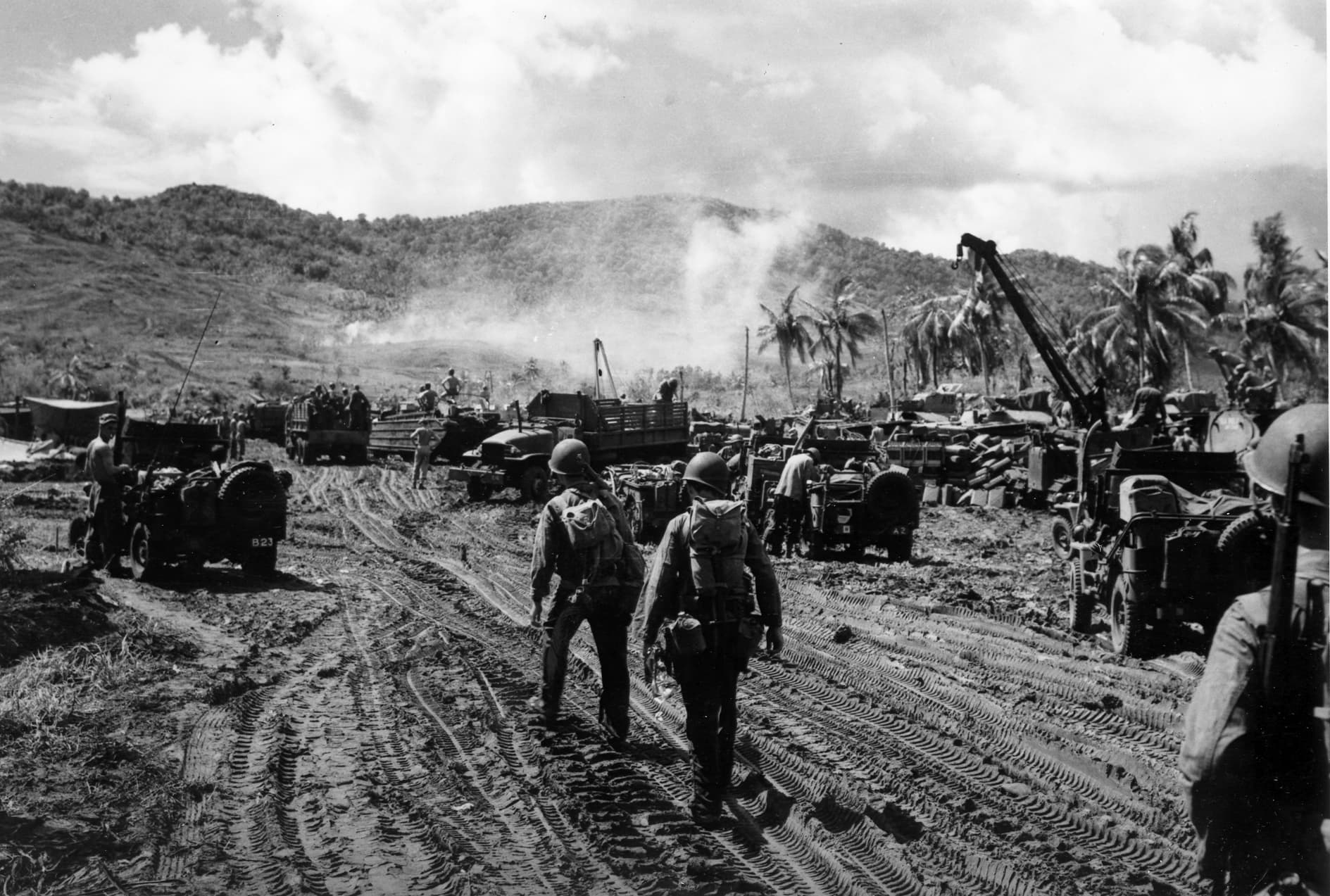
Hågat (Agat) Beach
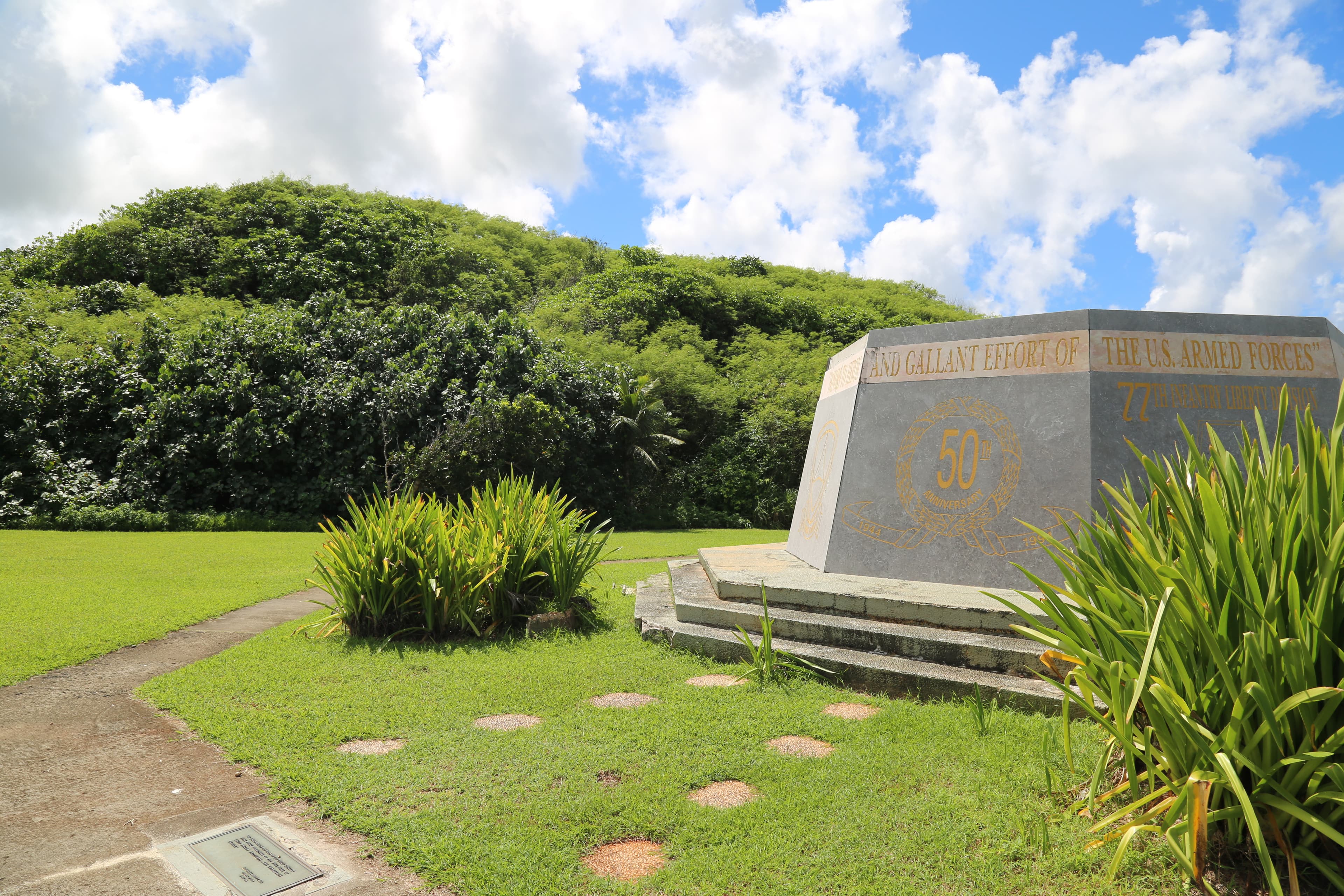
Liberators' Memorial
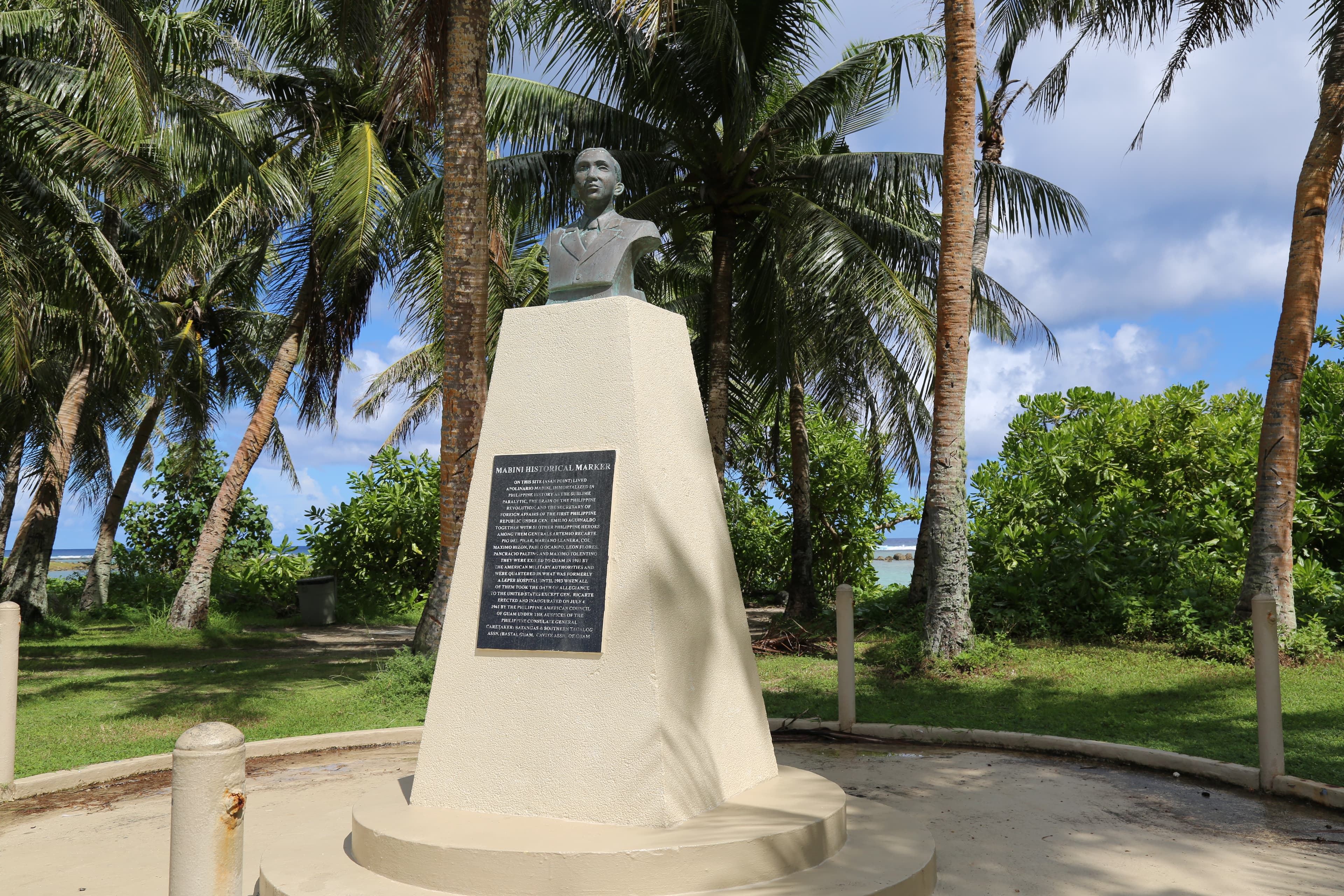
Mabini Monuments
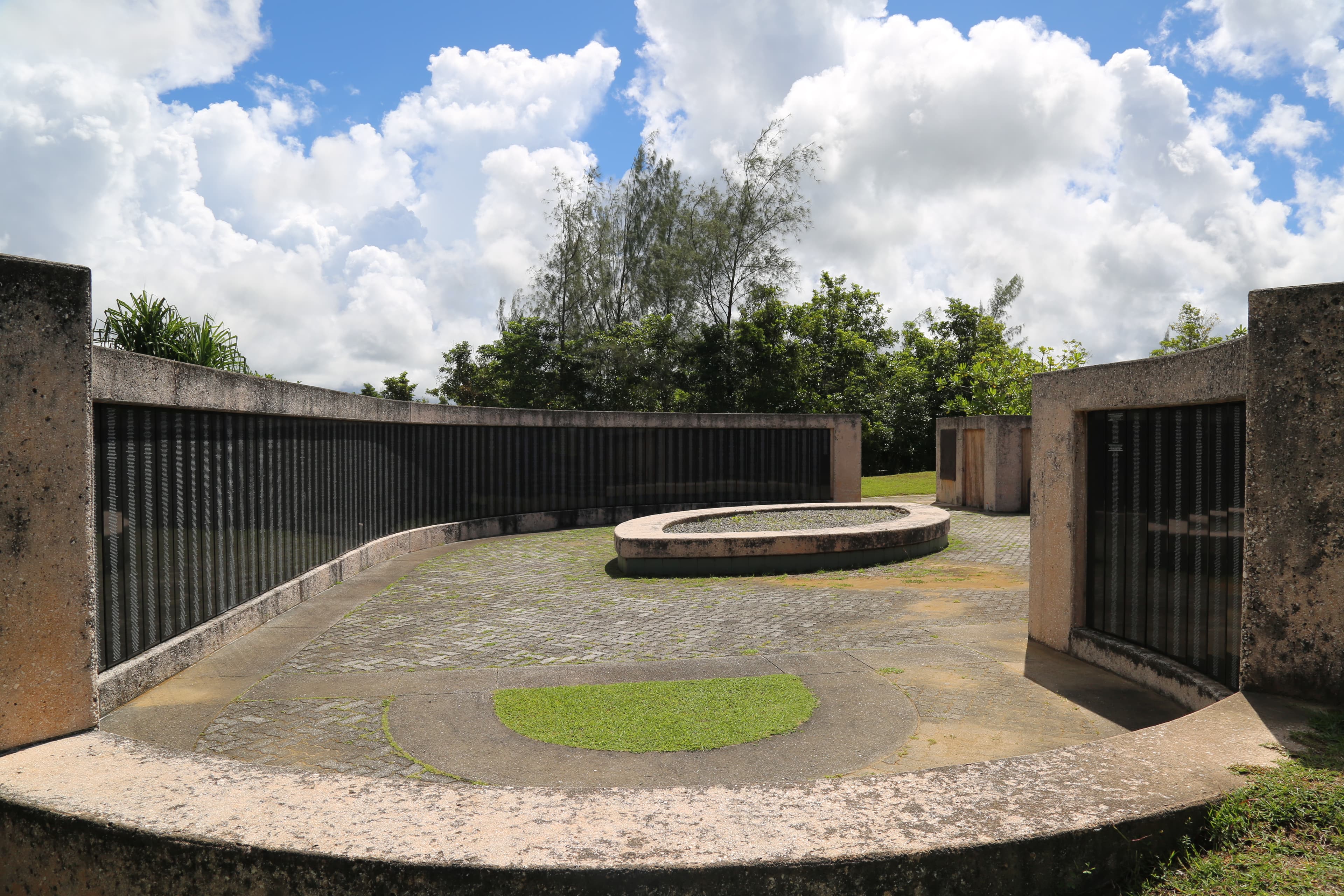
Memorial Wall of Names
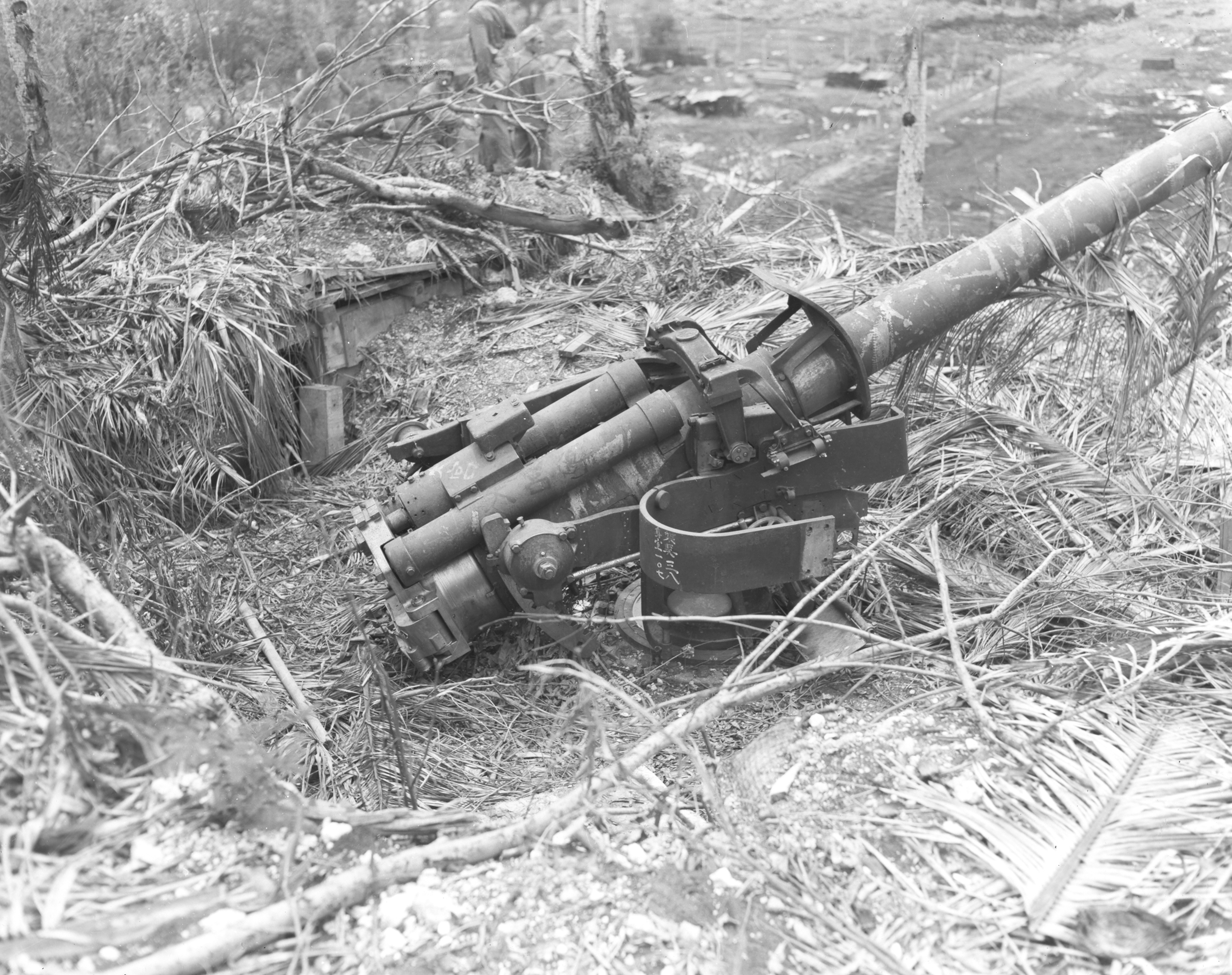
Piti
Audio & media
🎧
🎬
🖼
Learn more
On December 7, 1941, Dwight Eisenhower was a fifty-one-year-old Bvt. Brigadier General at Fort Sam Houston in Texas. The events of that day would forever change both Eisenhower’s life and the course of world history.
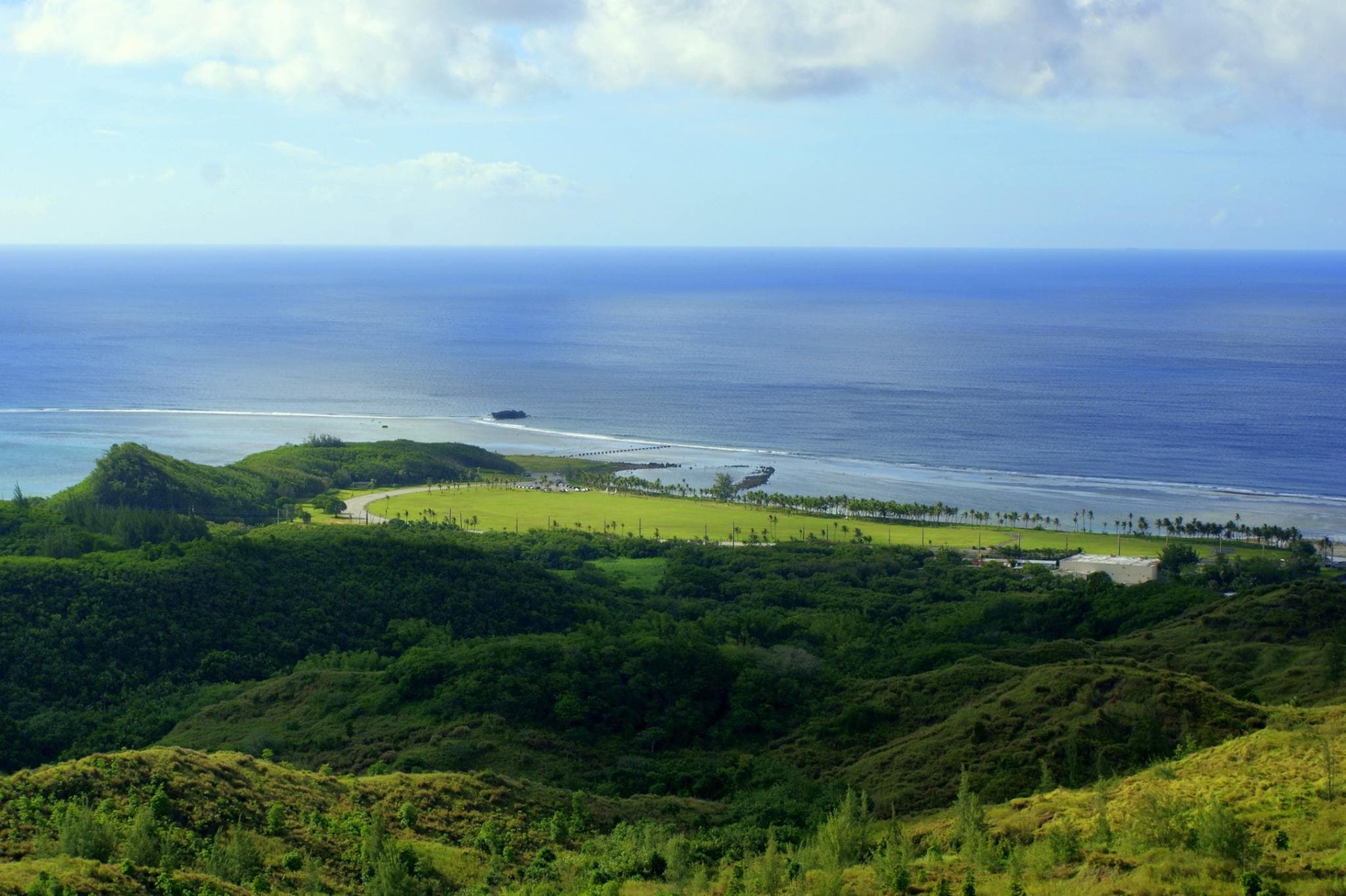
Assan Beach, the 2,500-yard shoreline stretching between Punta Adilok (Adelup Point) and Punta Assan (Asan Point), which the Marines in World War II called a "pair of devil horns," is a poignant symbol of the Guam's complex history, blending indigenous CHamoru traditions, wartime struggle, and ongoing military presence. In many ways, the story of Guam can be read through the story of Assan Beach. Talk a walk through history at Assan Beach.
Cecilia Cruz Bamba was a Chamorro woman who was orphaned at the age of nine during the Japanese attacks on Guam in 1941. Motivated by the grandmother who raised her, Bamba became a senator, businesswoman, and community leader.
As climate changes, significant changes in weather conditions impact the natural environment by shifting patterns of precipitation, promoting extremes in storm behavior, and influencing bird migration, invasive species spread, coral reef decline, and much more. The Pacific Island Network (PACN) undertakes systematic long-term monitoring of a wide variety of natural resources to accurately determine if change is occurring and why.
The primary duty of the Community Volunteers Ambassadors is to encourage local residents, particularly young people, to volunteer for climate-resilience-related projects in the park.
In response to stresses such as higher water temperatures, corals can lose the symbiotic microscopic algae (which provides up to 95% of the coral’s nutrition) from their tissues causing them to look white or "bleached." If favorable conditions return, corals can sometimes recover. However, bleached corals are more vulnerable to disease and other stressors, which can lead to death. This worldwide trend of coral bleaching is linked to global warming.
War in the Pacific National Historical Park is working to protect Guam’s biodiversity by managing invasive species like brown tree snakes and little fire ants while safeguarding native wildlife, including the endangered Guam tree snail. A recent study assessed the park’s Guam tree snail population, providing essential data to inform conservation efforts aimed at restoring the island’s fragile ecosystem.
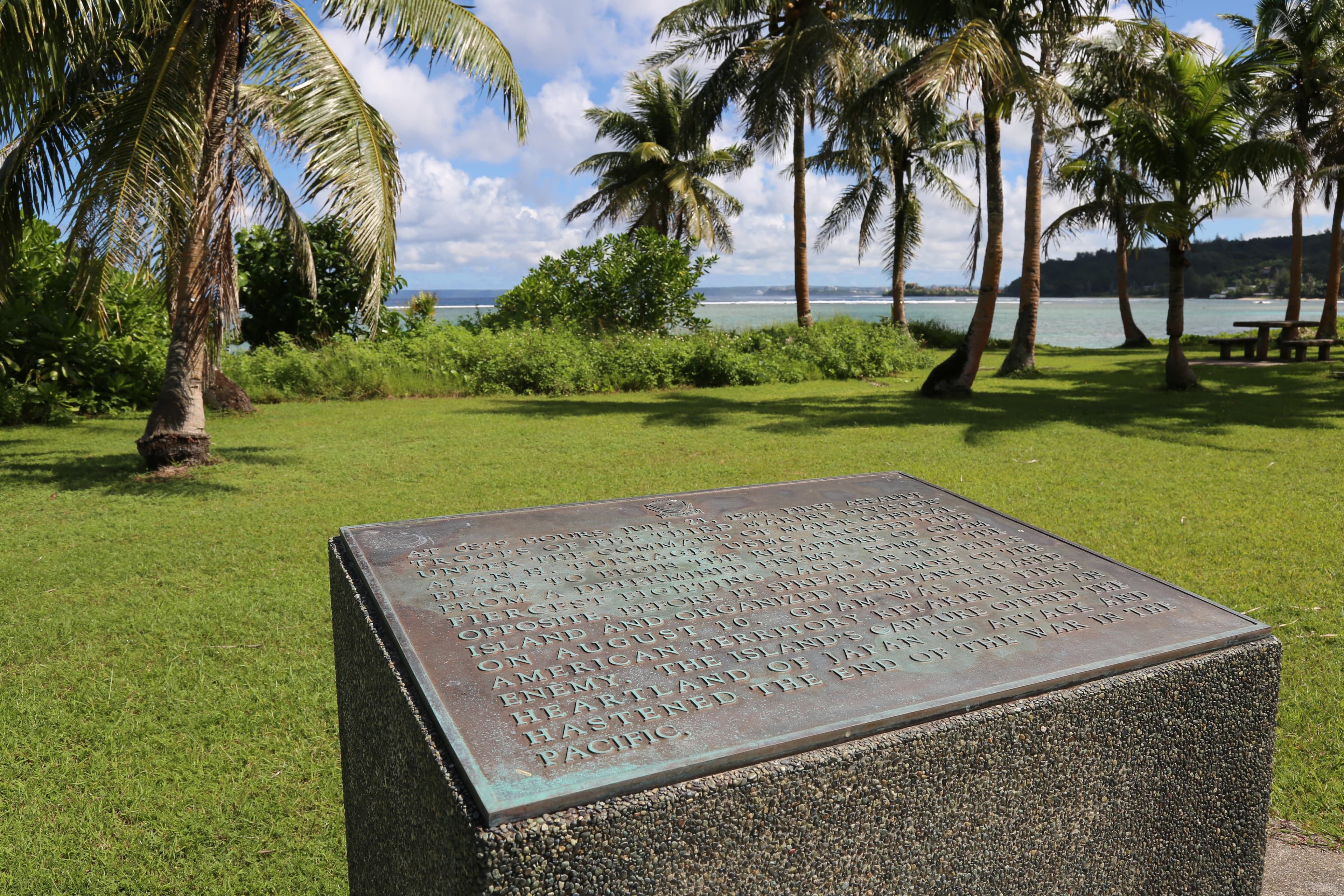
While Guam is only 212 square miles, the island is rich in history. Only hours after Pearl Harbor was attacked, the Japanese began aerial bombings on Guam. After two days of strafing, the Japanese came ashore and hours later the naval governor surrendered the American territory. The island remained under Japanese control for 31 months until July 21, 1944 when the United States returned and liberated the island.
How War In The Pacific National Historical Park connects
This park's activities, topics, location, and on-the-ground places — one hop in the graph. Drag to explore; click an activity, topic, or related park to follow it.
Park
Activity
Topic
State
VisitorCenter
PassportStamp
ParkingLot
Trail
ThingToDo
Alert
Similar parks
Share activities & topics with War In The Pacific National Historical Park.