Reconstruction Era National Historical Park
South Carolina
Tonight
🌔 74% moon
9.1 h fully dark
Crowds
low
Open today
Open
closed Jan 1 – Jan 1
Entrance
Free entry
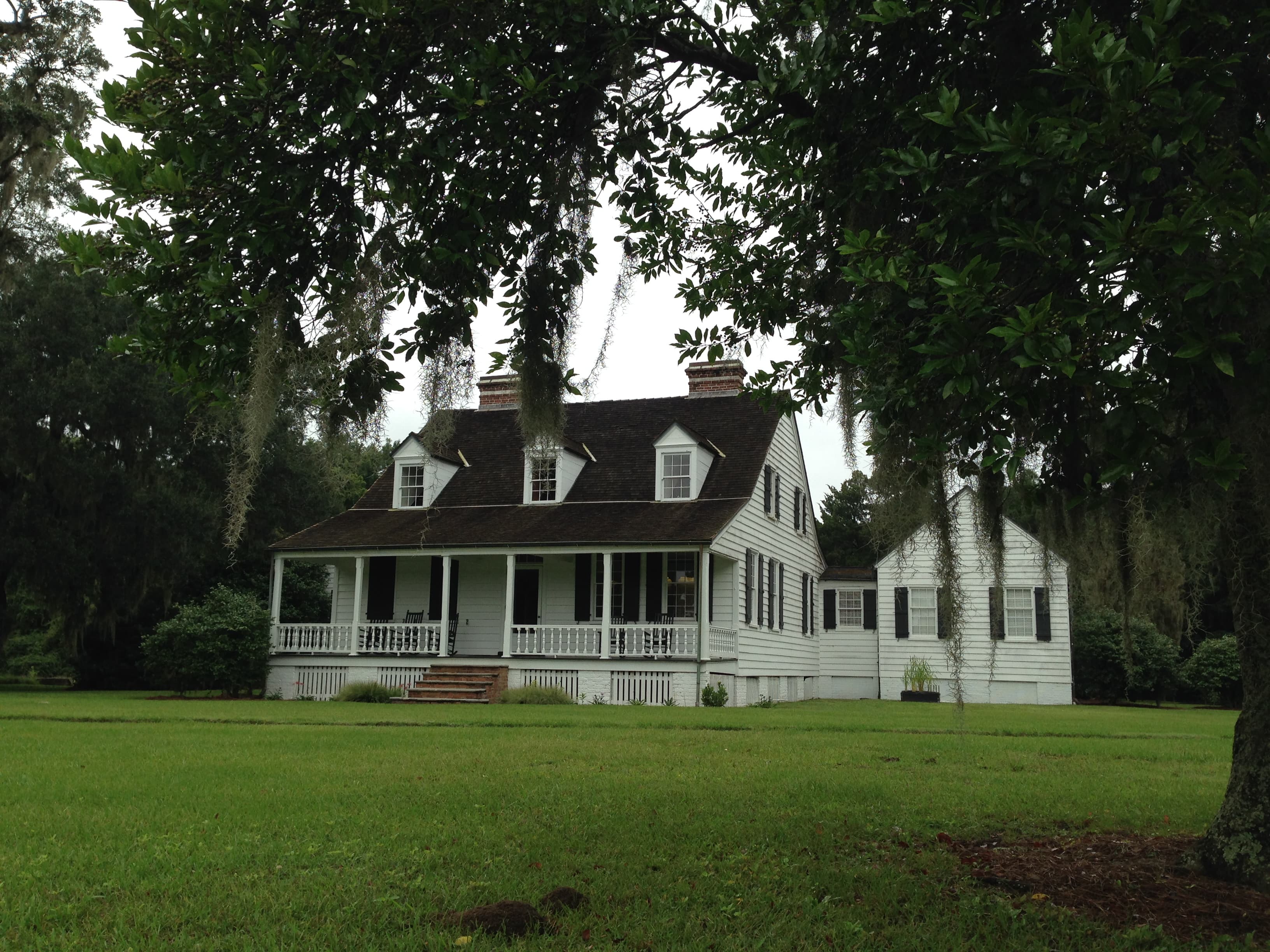
The Reconstruction era,1861-1900 the historic period in which the United States grappled with the question of how to integrate millions of newly freed African Americans into social, political, economic, and labor systems, was a time of significant transformation. The people, places, and events in Beaufort County, South Carolina, reflect on the most important issues of this tumultuous time period.
Activities
No entrance fee.
Hours & seasons
The park grounds are open daily from sunrise to sunset. In addition, the park maintains several visitor centers and contact stations throughout the region.
⚠ closed Jan 1 – Jan 1
Generally open:
winterspringsummerfallHours are reported by the park — verify before you go.
📞 (843) 962-0039
✉ reer_information@nps.govConditions
Quietest months (fewer crowds): Jan, Aug, Oct
Typical crowds: low
Weather now: 🌫️ Fog, 74°F
🌫️ 87°/73°
🌦️ 83°/74°
⛈️ 87°/73°
Typical monthly recreation visits · NPS avg 2023–2025 — orange months are the quietest by crowds.
Quietest months
Relative crowds by month — lighter is quieter; ringed months are the calmest by crowds.
Jan
39%
Feb
65%
Mar
100%
Apr
98%
May
77%
Jun
74%
Jul
64%
Aug
43%
Sep
51%
Oct
41%
Nov
48%
Dec
49%
Log a sky reading
Measured the sky with an SQM meter or app? Add your reading (16 = city glow … 22 = pristine). Opt in under “Travelers like you” to share it on the community leaderboard.
Things to do
Visit the Frontlines of Freedom Exhibit
Explore the Lay of the Land Exhibit
Birding on the Capers Creek Trail
Join a Ranger Program at Reconstruction Era National Historical Park
Hike the Capers Creek Trail · 0.25 mi
Become a Junior Ranger at Reconstruction Era National Historical Park
Become A B.A.R.K. Ranger at Reconstruction Era National Historical Park
Visitor centers
Darrah Hall
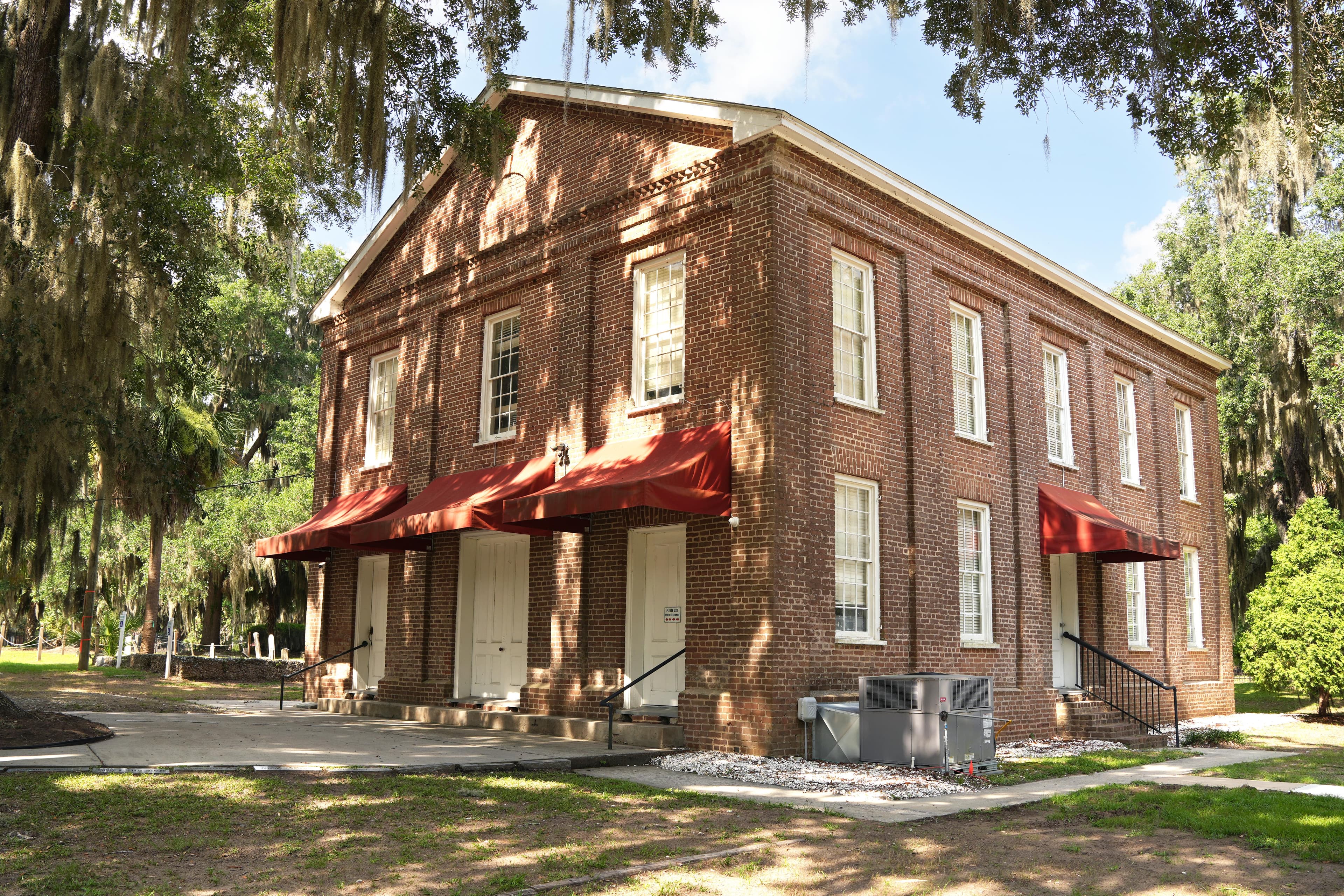
Pinckney-Porter's Chapel Visitor Contact Station
Reconstruction Era National Historical Park Visitor Center
Accessibility
29 audio-described place(s)
Reported by the park — verify before you go.
Not an official safety source — always defer to NPS.gov and rangers for life-safety decisions.
By the numbers
A visual read on Reconstruction Era National Historical Park — its character, trails, sky, and weather.
Park fingerprint
How this park scores across the dimensions travelers care about.
Trail difficulty
Difficulty mix across this park's trails.
3-day forecast
Daily high and low temperatures (°F).
People & stories
Figures tied to Reconstruction Era National Historical Park — each spans a cross-park journey.
Abraham Jackson
— The Planter, Freedom Seeker, ReconstructionAbraham Lincoln
— Civil War, Politicians Government Officials, UnionAbram Allston
— Reconstruction Era, Reconstruction Era National Historical Park, Reconstruction Era National Historic NetworkAlfred Gourdine
— Reconstruction, Reconstruction Era, Reconstruction Era National Historic NetworkAnnie White
— The Planter, Reconstruction Era, Reconstruction Era National Historic NetworkCharles Chisolm
— The Planter, Reconstruction, Reconstruction EraCharlotte Forten Grimké
— Women's History, African American History, Black HistoryClara Jones
— Reconstruction Era National Historic Network, Reconstruction Era National Historical Park, Reconstruction EraPassport stamps
Mark the stamps you've collected — they show in your memory and along your routes.
🎫 Darrah Hall
🎫 Pinckney-Porter's Chapel Visitor Contact Station
🎫 Reconstruction Era National Historical Park Visitor Center
Places to see
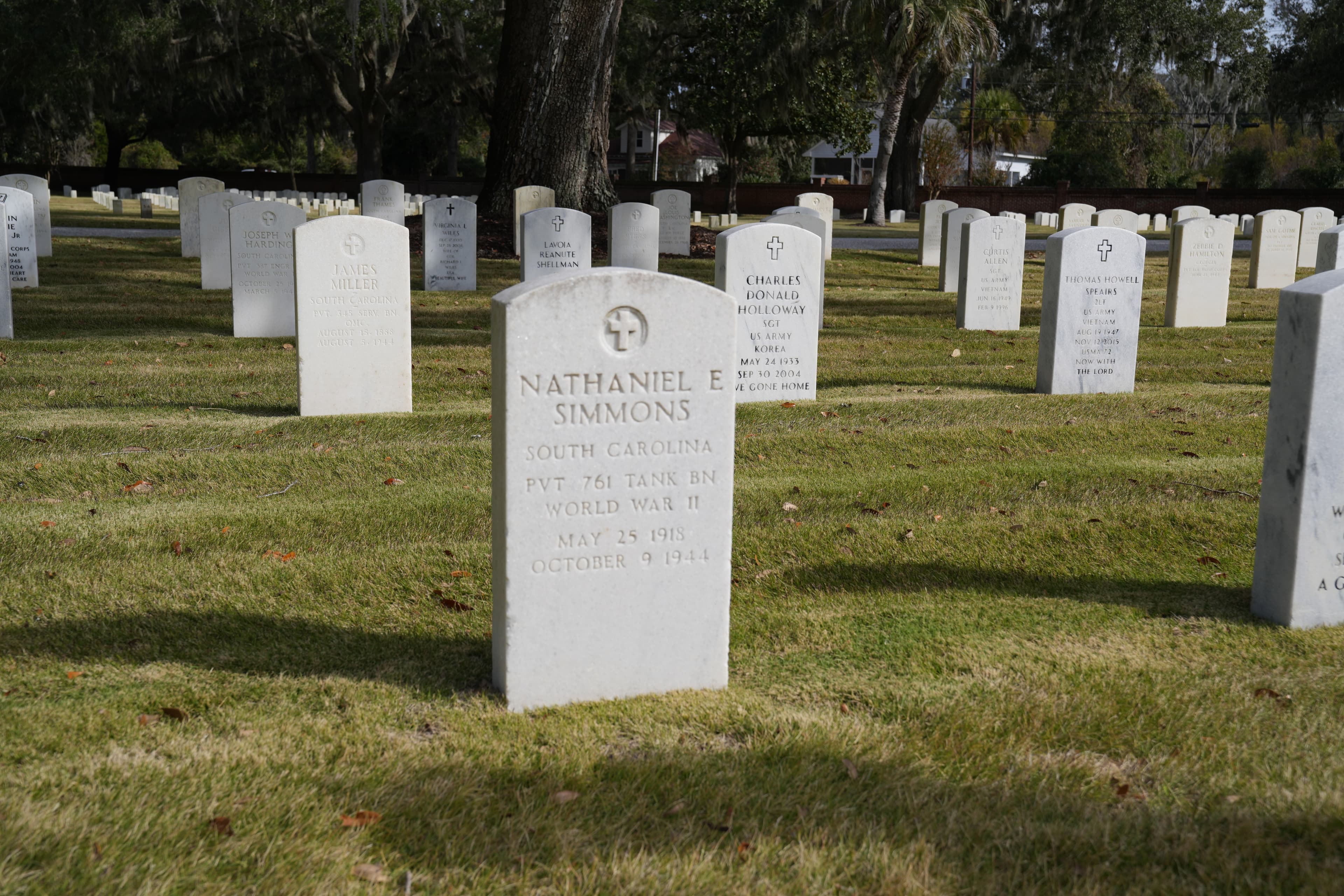
Beaufort National Cemetery
audio
Beaufort's "Contraband" Hospital
audio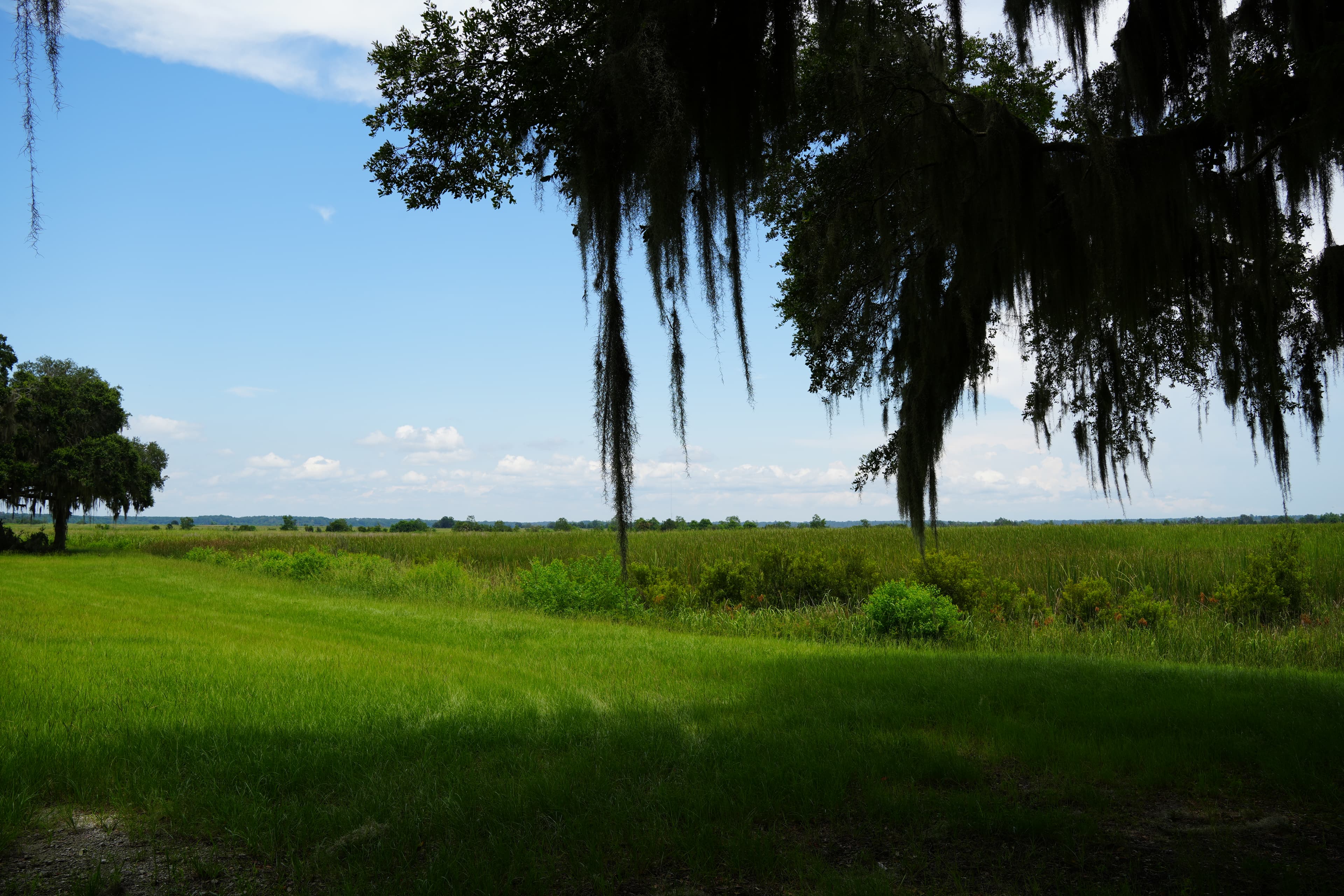
Bonny Hall Trail #5 at Earnest F. Hollings Ace Basin
audio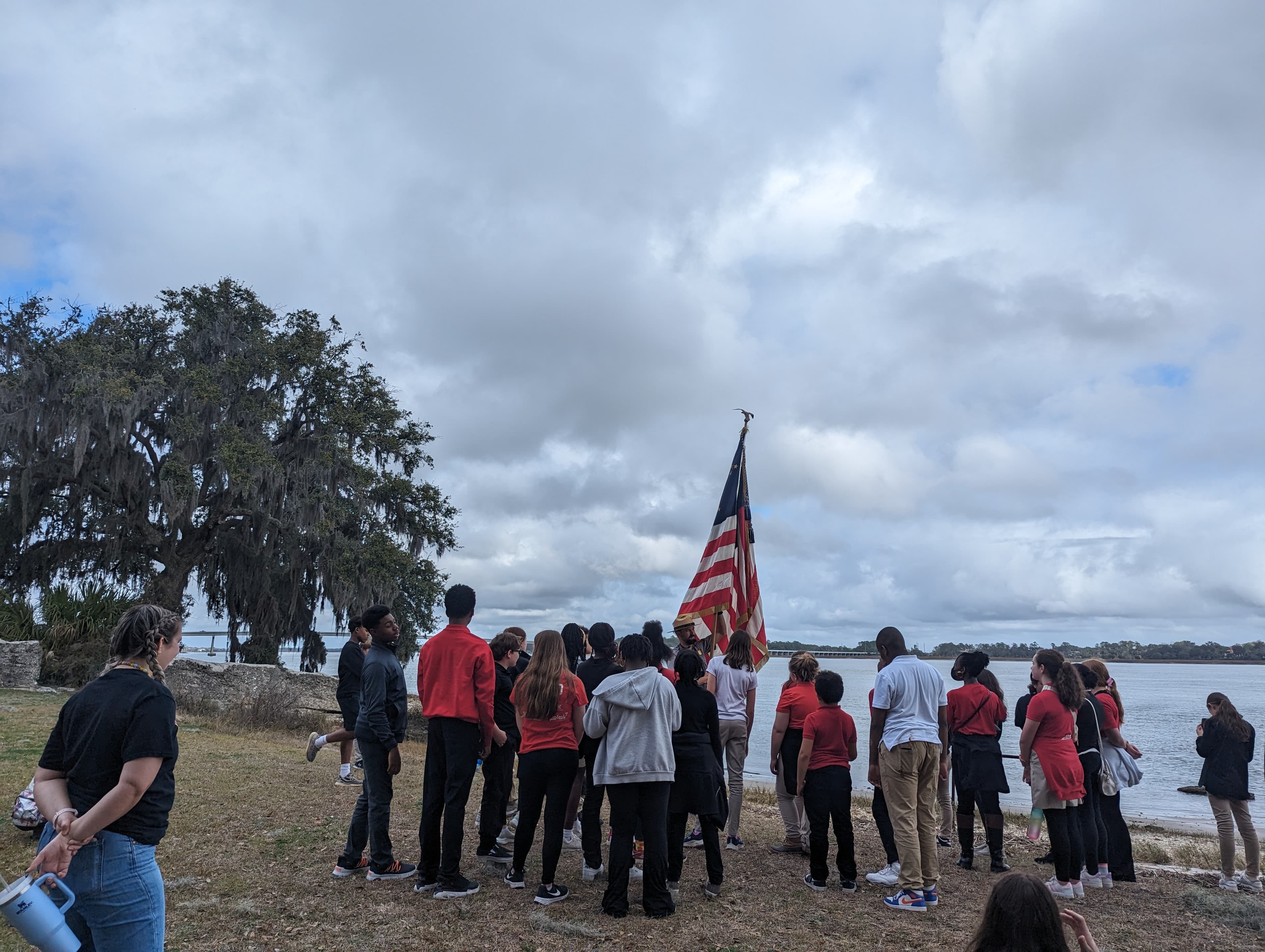
Camp Saxton
audio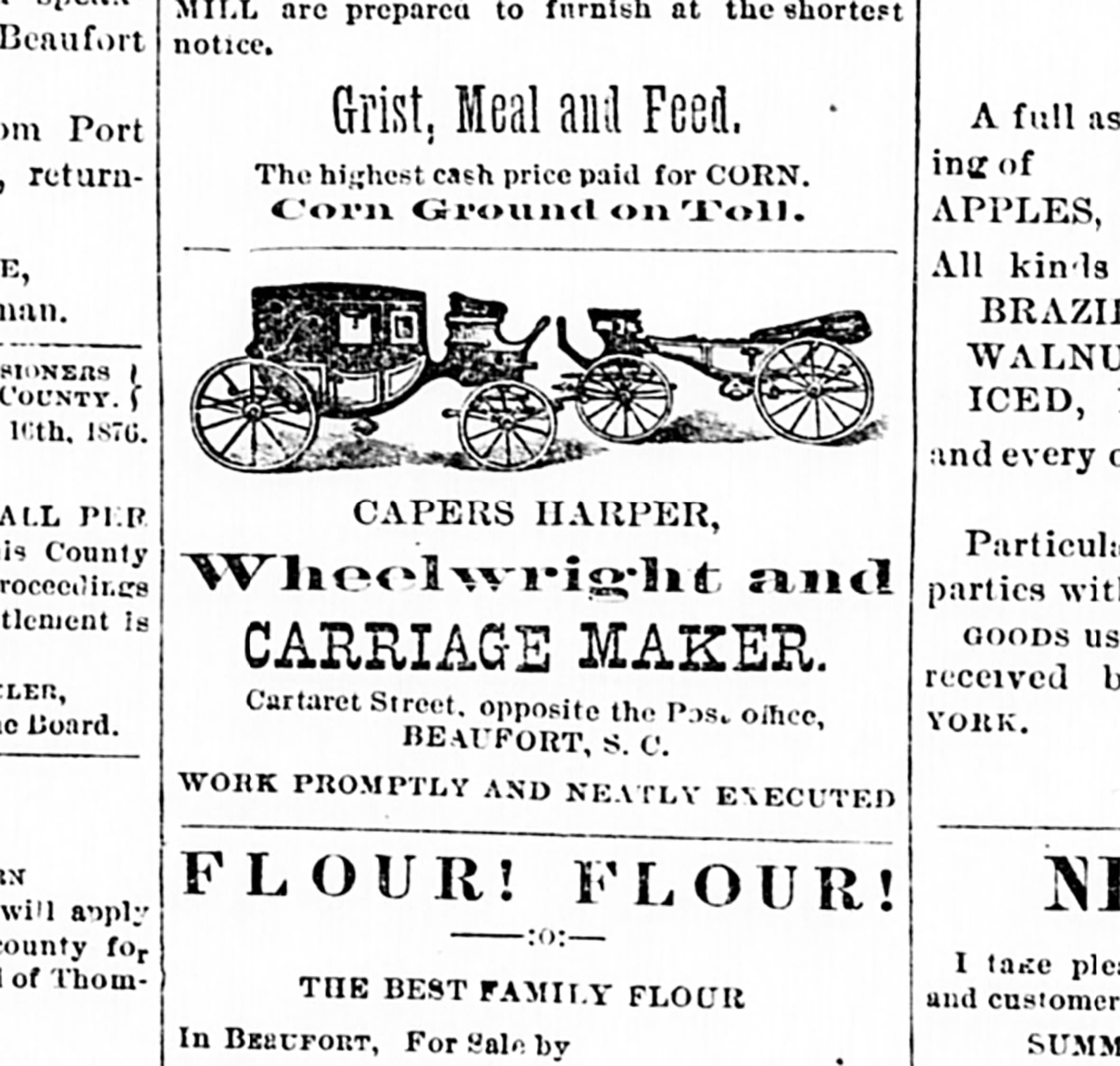
Caper Harper Wheelwright
audio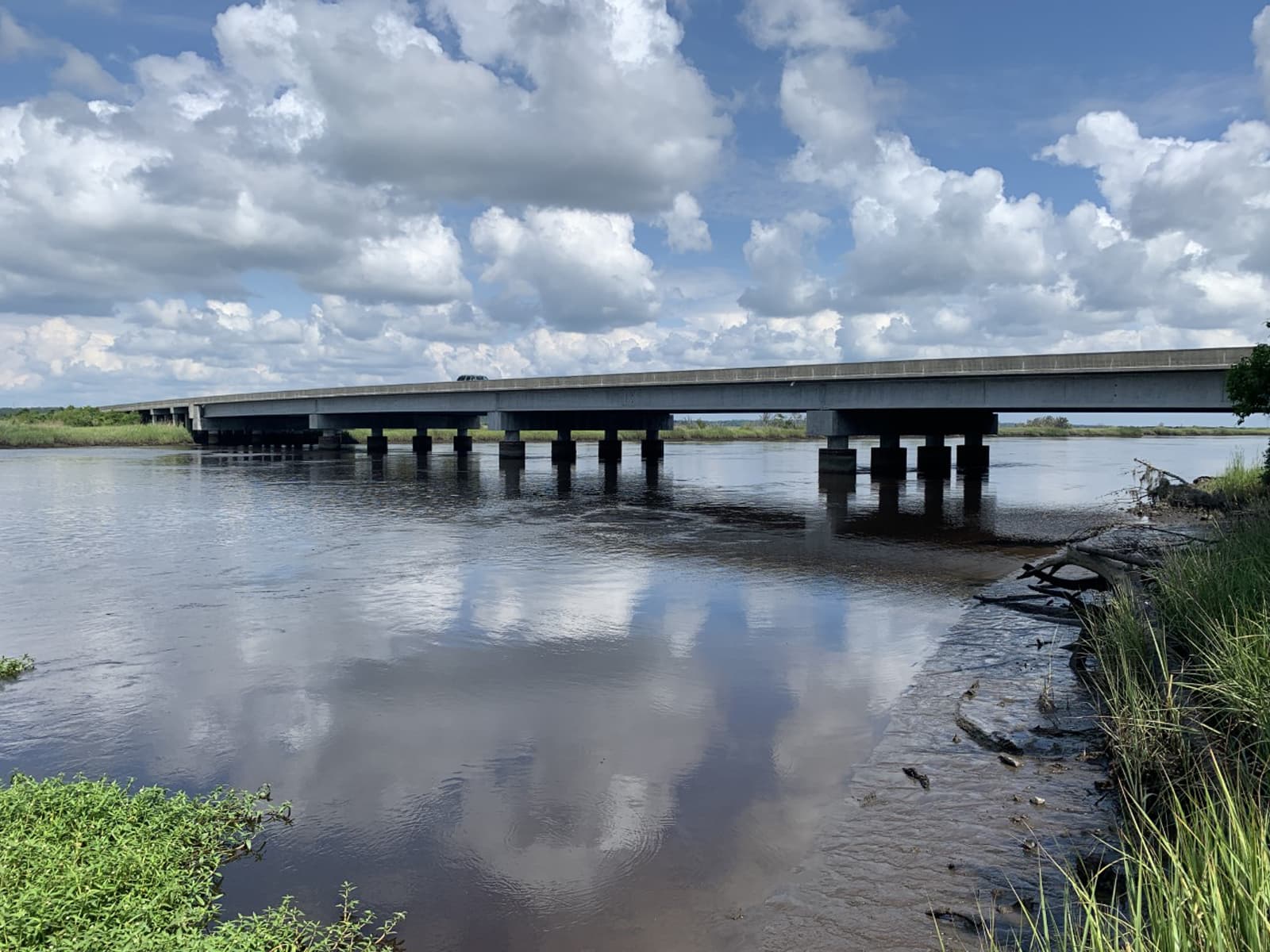
Combahee River Ferry & Harriet Tubman Bridge
audio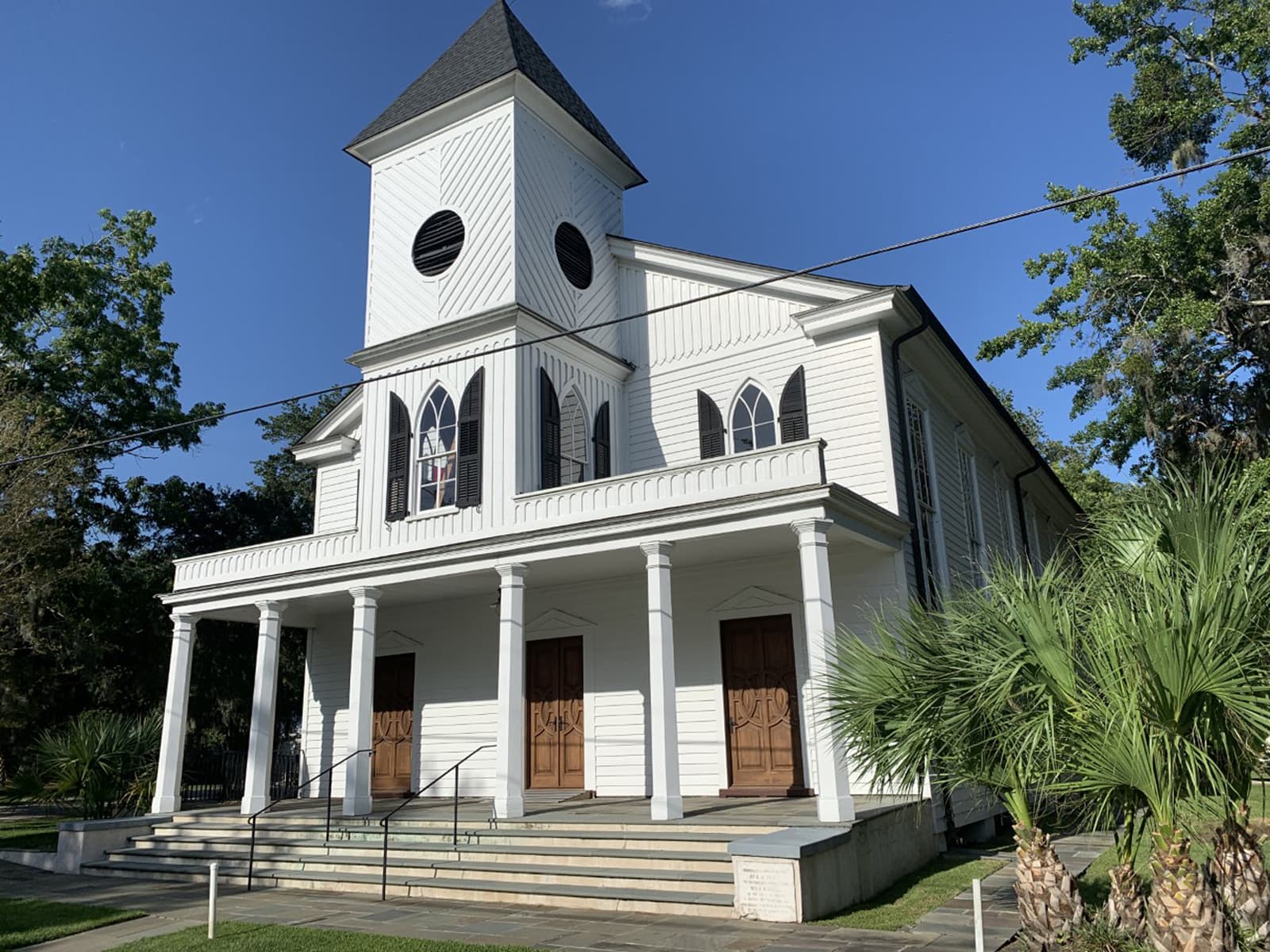
First African Baptist Church Beaufort
audio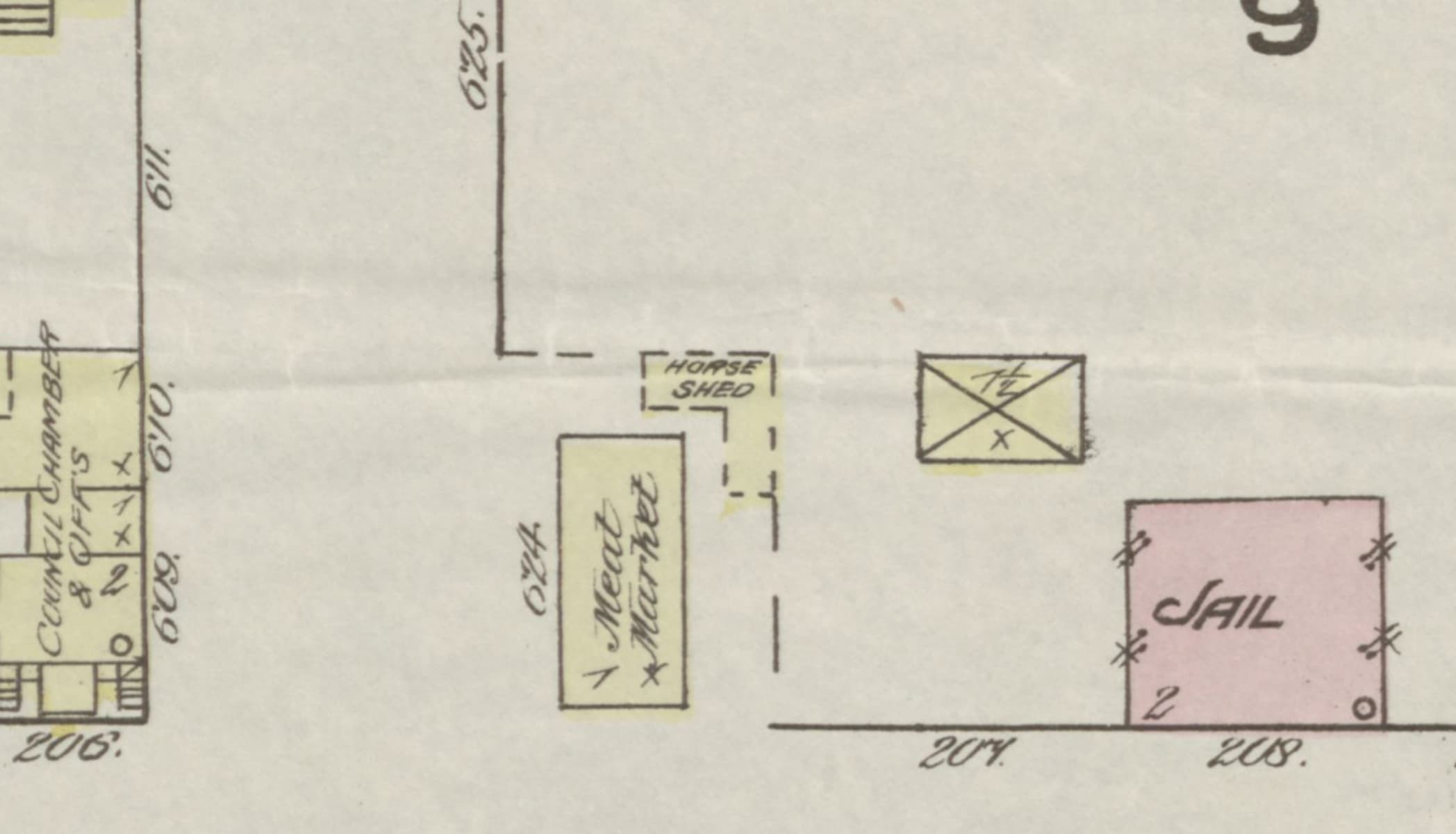
Francis Izzards Butcher Shop & Stable
audio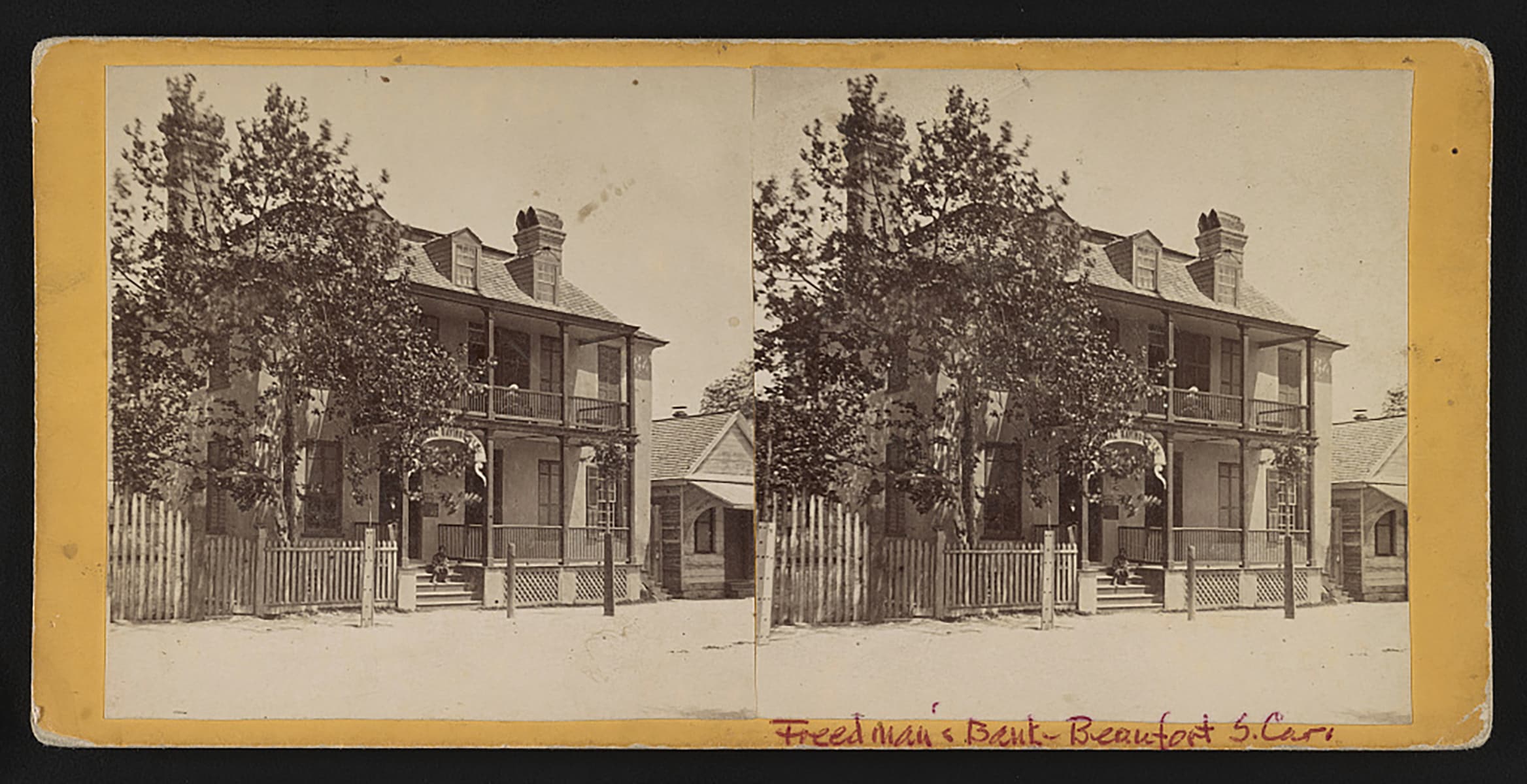
Freedman’s Bank
audio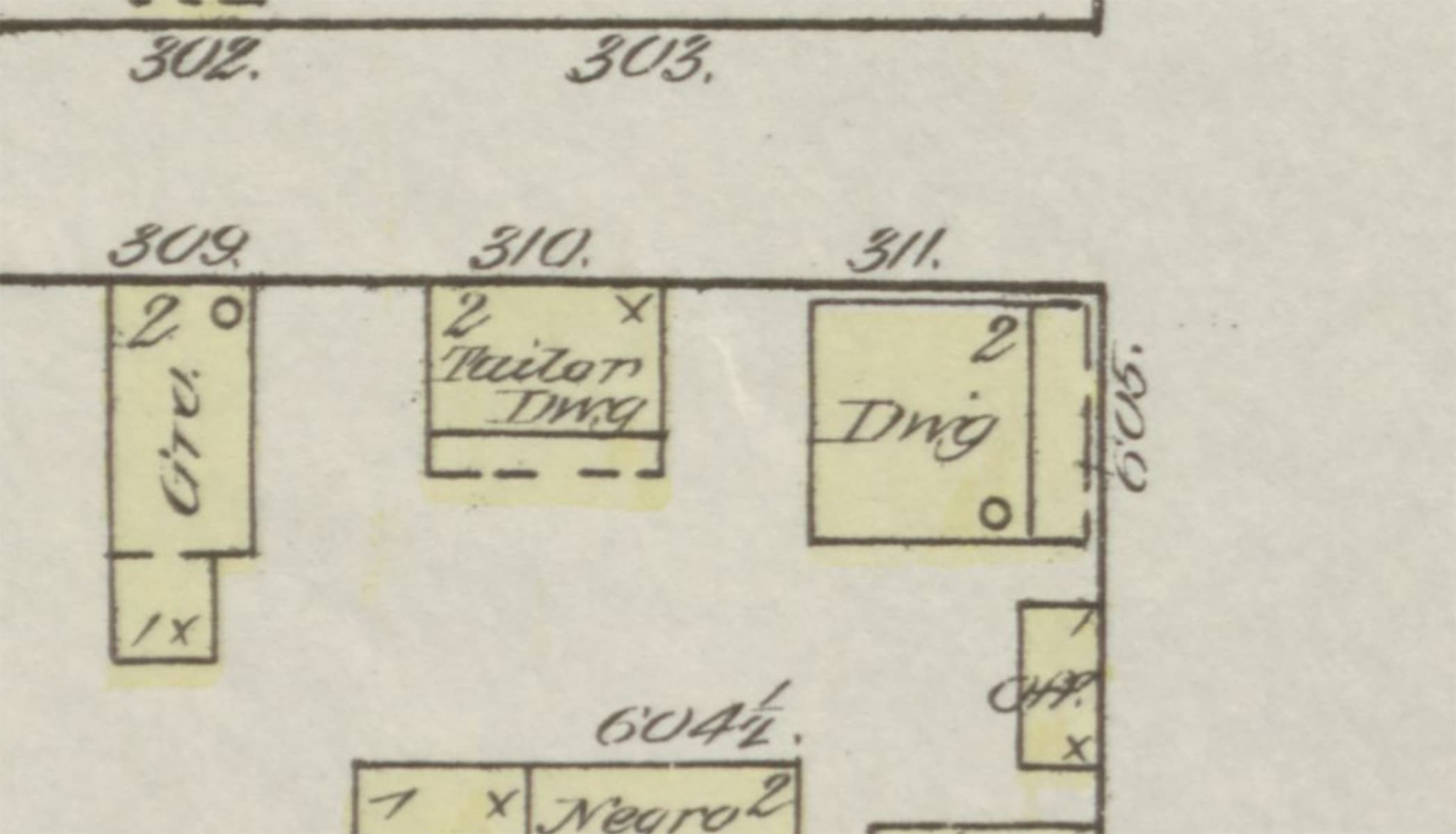
Gabriel Haynes Tailor Shop
audio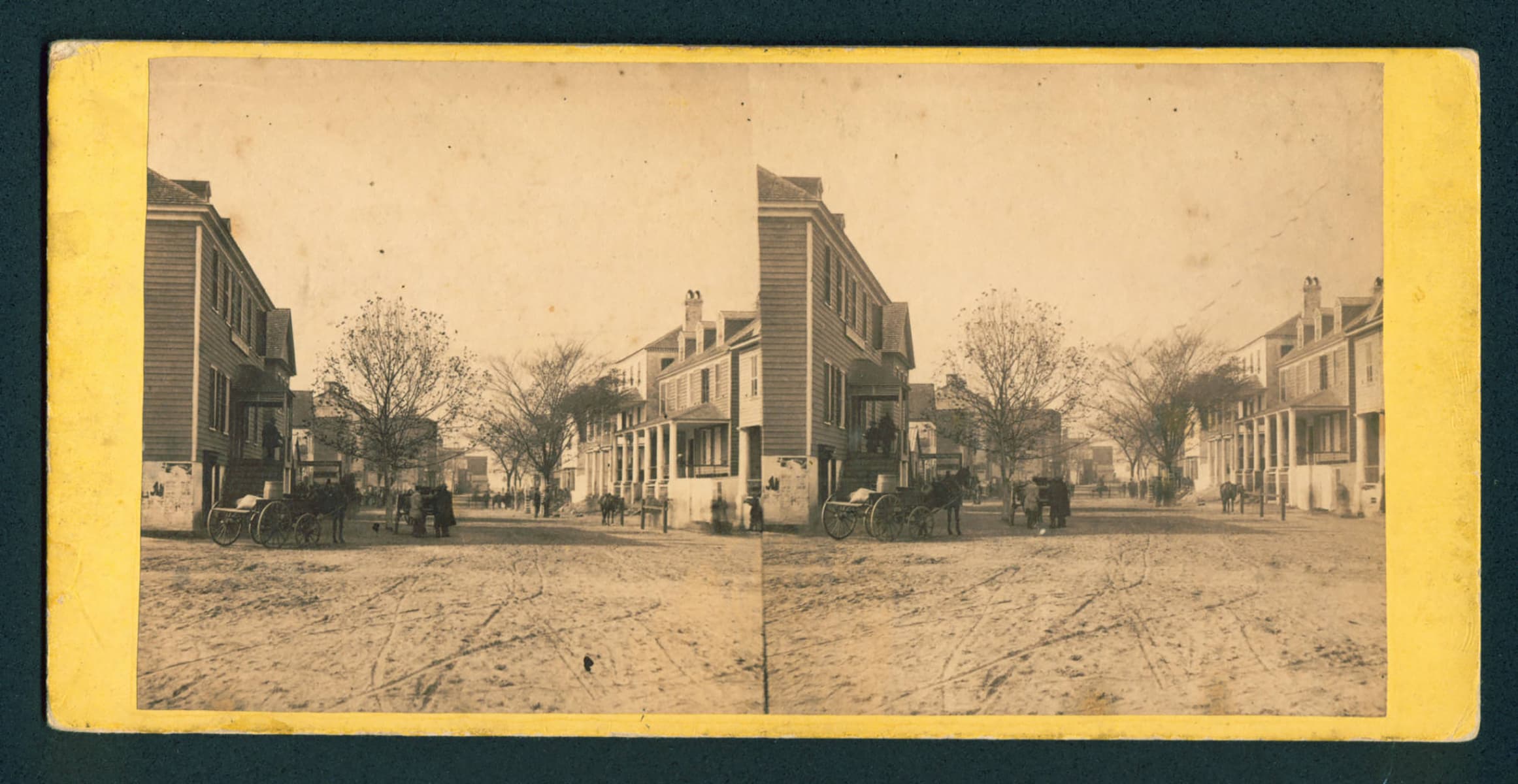
Harriet Tubman Laundry & Bakery
audio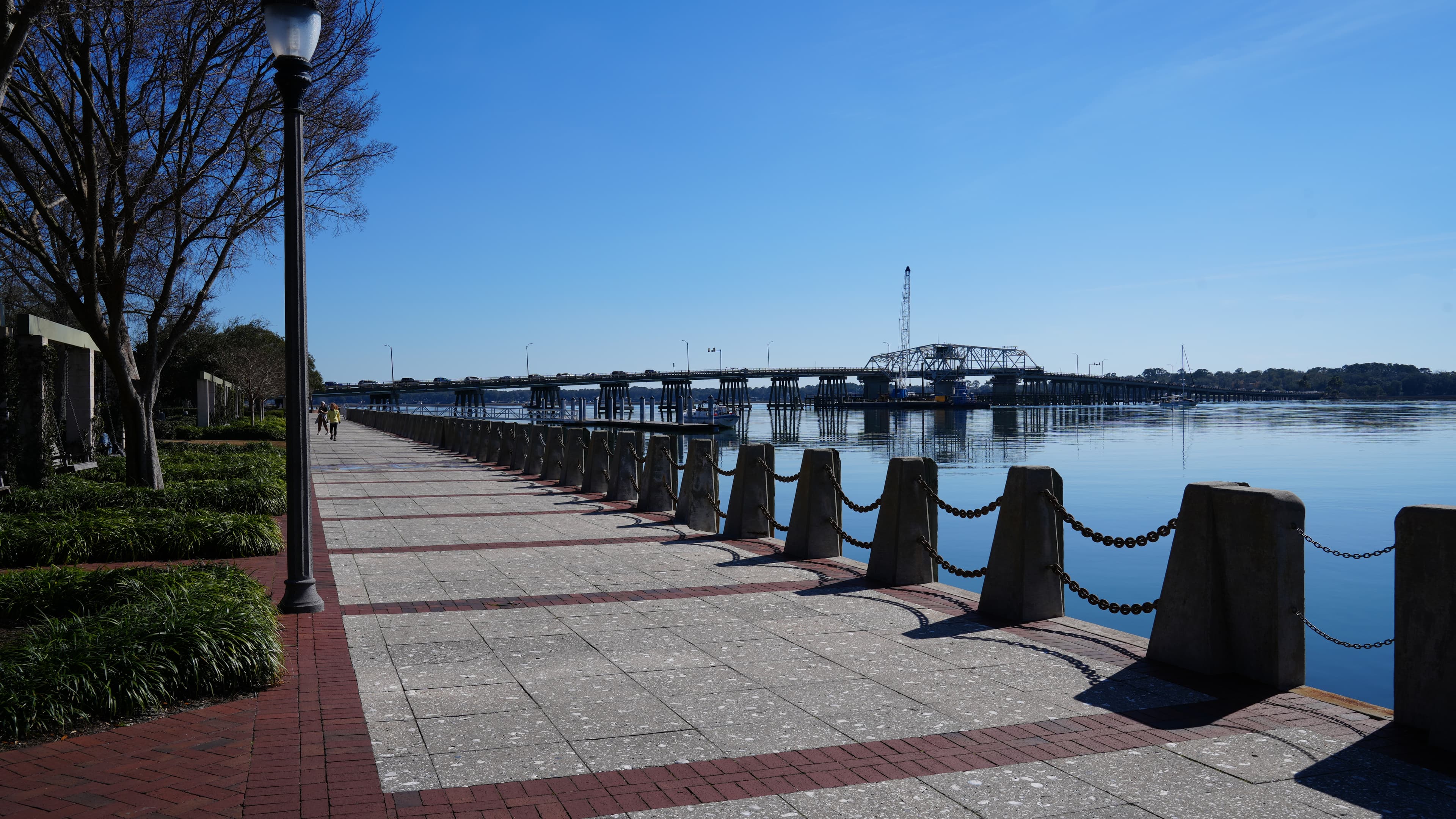
Henry C. Chambers Waterfront Park
audioAudio & media
🎧
🎬
🖼
Learn more
During the Civil War, tax auctions of abandoned properties on the Sea Islands around Beaufort were an important part of the Port Royal Experiment. Beginning in 1863, these tax auctions helped facilitate the redistribution of property and paved the way for generations of Black land ownership on the coast of South Carolina.
The 54th Massachusetts Regiment, the first regiment of African Americans from the North to serve during the Civil War, bravely assaulted Battery Wagner in Charleston Harbor. Their bravery increased Northern efforts to enlist African Americans. By war's end, over 180,000 African Americans fought in the US Army, roughly 10% of the fighting men.
This poem is part of a series by Ellen Murray, a co-founder of the Penn School on St. Helena Island, SC. "A Cup of Cold Water" was first published in Our Daily Fare on June 16, 1864.
Prior to the 1830s, American antislavery organizations were formed and controlled by white men. This changed in December of 1833 when African American men were invited to participate at the first convention of the American Anti-Slavery Slavery Society (AASS) held in Philadelphia. Some women were also invited to the convention, but as spectators rather than as members. Excluding women from full participation was customary of the period’s social conventions.
Some abolitionist women found the confidence needed to reject social conventions and participate in public activities by denying the authority of clerical rules. Abolitionist feminists also found resolve to contradict gender roles in the abolitionist belief of the common humanity of all people. The belief in common humanity was used by abolitionists to argue for the definition of African American slaves as people, not property.
The abolition movement helped form and influence those who built and led the women’s rights movement. The beliefs and practices of the abolition movement provided a backdrop against which antislavery women could challenge gender roles and leave the woman’s sphere to enter the public sphere.
The abolition movement was one of the leading factors in the formation of the 19th century women’s rights movement. This series explores the connections between the abolition movement and the women’s rights movement to reveal the relationship between the two campaigns.
The establishment of Female Anti-Slavery Societies in the 1830s facilitated the formal beginnings of women’s political participation in the abolitionist movement. One women’s antislavery society that formed in the wake of the first American Anti-Slavery Society (AASS) convention was the Philadelphia Female Anti-Slavery Society (PFASS). The AASS organized itself as an interracial organization, and PFASS was founded in the same manner.
Ranger School
Park-grounded courses you can learn with the Ranger.
How Reconstruction Era National Historical Park connects
This park's activities, topics, location, and on-the-ground places — one hop in the graph. Drag to explore; click an activity, topic, or related park to follow it.
Park
Activity
Topic
State
VisitorCenter
PassportStamp
ThingToDo
Similar parks
Share activities & topics with Reconstruction Era National Historical Park.